Analakely
Daytime sightseeingThe lower town with the market, Avenue de l'Indépendance and the old station.

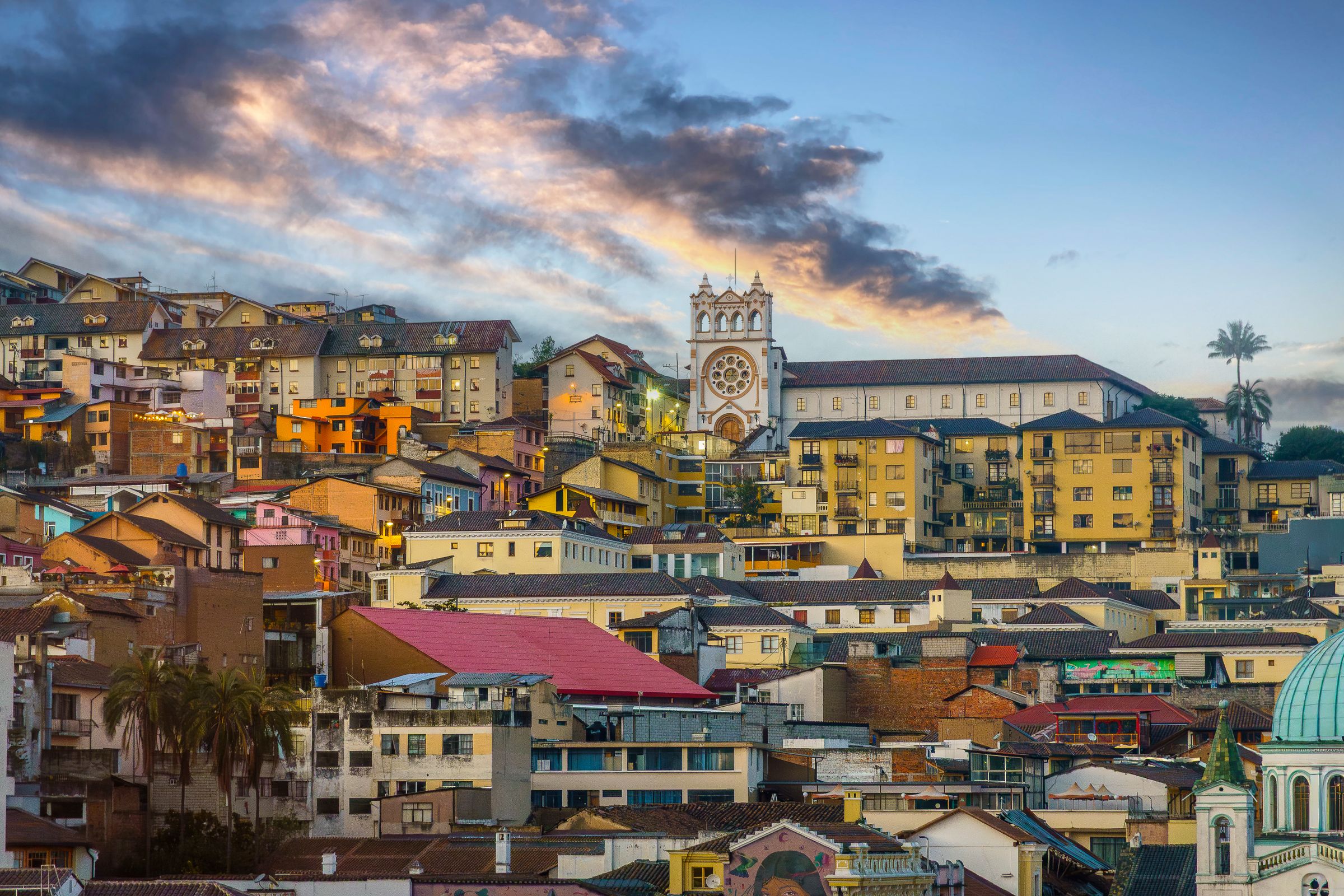
Antananarivo, or Tana, is Madagascar's chaotic, hilly capital, where wooden houses and church spires tumble down steep slopes to rice paddies below. Most travellers pass through, but a day or two brings the royal Rova, a buzzing market, lemurs just outside the city and your first taste of Malagasy food.
Antananarivo sits on a ridge of hills in the central highlands, at about 1,280 m, which keeps it mild all year. The name means "city of the thousand", after the thousand soldiers said to have guarded it when the Merina kings made it their capital in the 17th century.
On the highest hill stands the Rova, the royal palace complex of the Merina kingdom. Below it, the Haute Ville (upper town) has narrow streets, churches, colonial houses and viewpoints, while the Basse Ville (lower town) centres on Analakely, the busy commercial heart, with the market, Avenue de l'Indépendance and the old railway station.
Between the hills are Lake Anosy, with its jacaranda trees, and rice paddies that still reach into the city.
Tana is crowded, polluted and hectic, with heavy traffic and visible poverty, and it needs care, especially after dark. But it's also full of character, with good food, markets and a lively music scene.
It's also where most trips begin and end. The international airport is here, and buses, drivers and flights connect to the rest of the island.
One or two nights is enough for most travellers, before heading east to Andasibe, west to Morondava or south on the RN7.
Stay in Isoraka or the Haute Ville for character, restaurants and calmer streets, or near Ivato if you have an early flight. Analakely is for daytime sightseeing.
The lower town with the market, Avenue de l'Indépendance and the old station.
The upper town with the royal palace, churches and old houses.
Calmer area with restaurants and budget stays.
Airport area with hotels, about 15 km north.
Orange labels are neighbourhoods, dots are the 1 top-rated hostels. Map data from OpenStreetMap contributors.
The Rova, the royal palace complex on the highest hill, is the city's landmark. The main palace, Manjakamiadana, was badly damaged by fire in 1995 and has been restored. The site has royal tombs, churches and the best views over the city. Guides usually expect a tip.
Andafiavaratra Palace, the former residence of the prime minister, now a museum, is just below the Rova, with royal artefacts and history.
The Haute Ville is good for walking, with old wooden houses, churches, Lake Anosy below and viewpoints over the city.
Analakely Market, in the lower town, is a crowded maze of stalls selling fruit, vegetables, spices, clothes and household goods. Keep your valuables hidden.
Lemurs' Park, about 22 km west of the city, is a small sanctuary where you can see several species of lemur roaming free, with a guide included in the entry of about MGA 70,000.
Ambohimanga, about 20 km north, is a UNESCO-listed royal hill, the spiritual home of the Merina kingdom, with a wooden palace and old stone gates.
Tsimbazaza, the city's zoo and botanical garden, has lemurs and native plants.
The Digue craft market, on the road to the airport, is the place for souvenirs: woodcarvings, embroidery, raffia and vanilla.
Walk the Haute Ville's streets for views, churches and old houses, best in the morning.
Stroll around Lake Anosy, especially when the jacarandas bloom in October and November.
Browse Analakely market and Avenue de l'Indépendance for the city's buzz.
Watch the sunset over the city from the hills near the Rova.
The Digue craft market is free to browse, and bargaining is expected.
Tana is a great place to try Malagasy food. Hotely, small local restaurants, serve rice with laoka (a side dish) for a couple of euros. Try romazava, a broth of zebu and greens, or ravitoto, pounded cassava leaves with pork.
In the morning, street stalls sell mofo gasy, rice-flour cakes, with sweet coffee.
Zebu steak is cheap and good, and the French influence means bakeries, pastries and bistros.
Restaurants in Isoraka and the Haute Ville serve Malagasy, French and international food, with meals around €5 to €12.
THB (Three Horses Beer) is the national lager, and rhum arrangé, fruit or vanilla-infused rum, is a must.
Don't drink the tap water. Bottled water is cheap.
Tana has the most varied nightlife in Madagascar, with bars, live music venues and clubs, mainly in the city centre and around Isoraka.
Malagasy music, from salegy to jazz, is played live in bars and cabarets, especially at weekends.
Restaurants and bars in Isoraka are popular with travellers.
Don't walk at night. The UK advises against walking alone in city centres or poorly lit areas after dark. Use pre-booked taxis or hotel transport.
Ivato International Airport is about 15 km north of the city centre. A taxi costs around MGA 40,000 to MGA 60,000, and takes half an hour at quiet times but over an hour in traffic. Shared airport shuttles are cheaper.
In the city, taxis don't have meters, so agree the fare before you get in. A short ride costs around MGA 5,000. Taxi-be, the numbered minibuses, cost about MGA 600 but are crowded and hard to navigate.
Cotisse Transport runs scheduled buses from its terminal to Morondava, Toamasina, Mahajanga and other towns. Taxi-brousses leave from separate stations for each region, but the UK advises avoiding them.
Domestic flights from Ivato connect to Nosy Be, Morondava, Toliara and other towns.
Many travellers hire a car with a driver from Tana for their trip.
Traffic is heavy, so allow plenty of time to reach the airport.
Tana is affordable. Hostelworld lists one hostel, Madagascar Underground, with dorm beds from about US$12 and private rooms from about US$10.
A hotely meal costs a couple of euros, and a restaurant meal around €5 to €12.
Taxis around town cost from about MGA 5,000, and the airport taxi MGA 40,000 to MGA 60,000.
Lemurs' Park costs about MGA 70,000, including a guide, and the Andafiavaratra Palace museum is cheap.
ATMs are common, though many accept only Visa and have low limits. Banks give better exchange rates than the airport.
On a budget, allow around €25 to €40 a day.
Antananarivo needs care. The UK says robberies and thefts are common, with foreigners targeted by pickpockets and muggers. Keep valuables out of sight, especially in Analakely and other crowded areas.
Don't walk alone after dark. Use pre-booked taxis or hotel transport at night, and keep car doors locked and windows closed.
Significant protests happened in Tana in late 2025. Avoid political gatherings and demonstrations, and expect road closures.
Carry your passport, as police carry out random ID checks and may not accept copies. Don't photograph security personnel.
Stray dogs are common; avoid them and get treatment quickly after any bite, as rabies is present.
Drink bottled water.
From Tana, you can see lemurs, royal hills and craft markets, and head out on the classic routes east and south.
Free-roaming lemurs in a small sanctuary, with a guide.
UNESCO royal hill with a wooden palace and stone gates.
Rainforest and the singing indri lemur.
Highland spa town at the start of the RN7.
Tana's calendar includes Independence Day celebrations and the famadihana season in the surrounding highlands.
Public holiday.
Parades and fireworks across the city.
Family ceremonies; attend only if invited.
Purple blossom around the lake.
Antananarivo has one hostel on Hostelworld, close to the centre, with a bar and kitchen. Guesthouses in Isoraka are the alternative.
Antananarivo is mild all year thanks to its altitude, with highs of 20°C to 26°C. June to August is cool and dry, with cold nights. December to March is warm and very wet.
Average daily highs from weather2travel's Antananarivo climate data. Crowd levels are our rough guide.
Pick a style and a number of nights for a rough total, per person, in euros.
Estimates in euros, converted from ariary and US dollar prices. Beds are based on Hostelworld prices in October 2026.
Prices and timetables change. Check before you travel.

Compare Antananarivo hostels: live prices, real reviews and free cancellation on most bookings. Then meet the people already there in the app.

 Get the App.



 Get the App.