Old Town
Budget stays and busesMarket, shops, cafés, banks and the bus station.

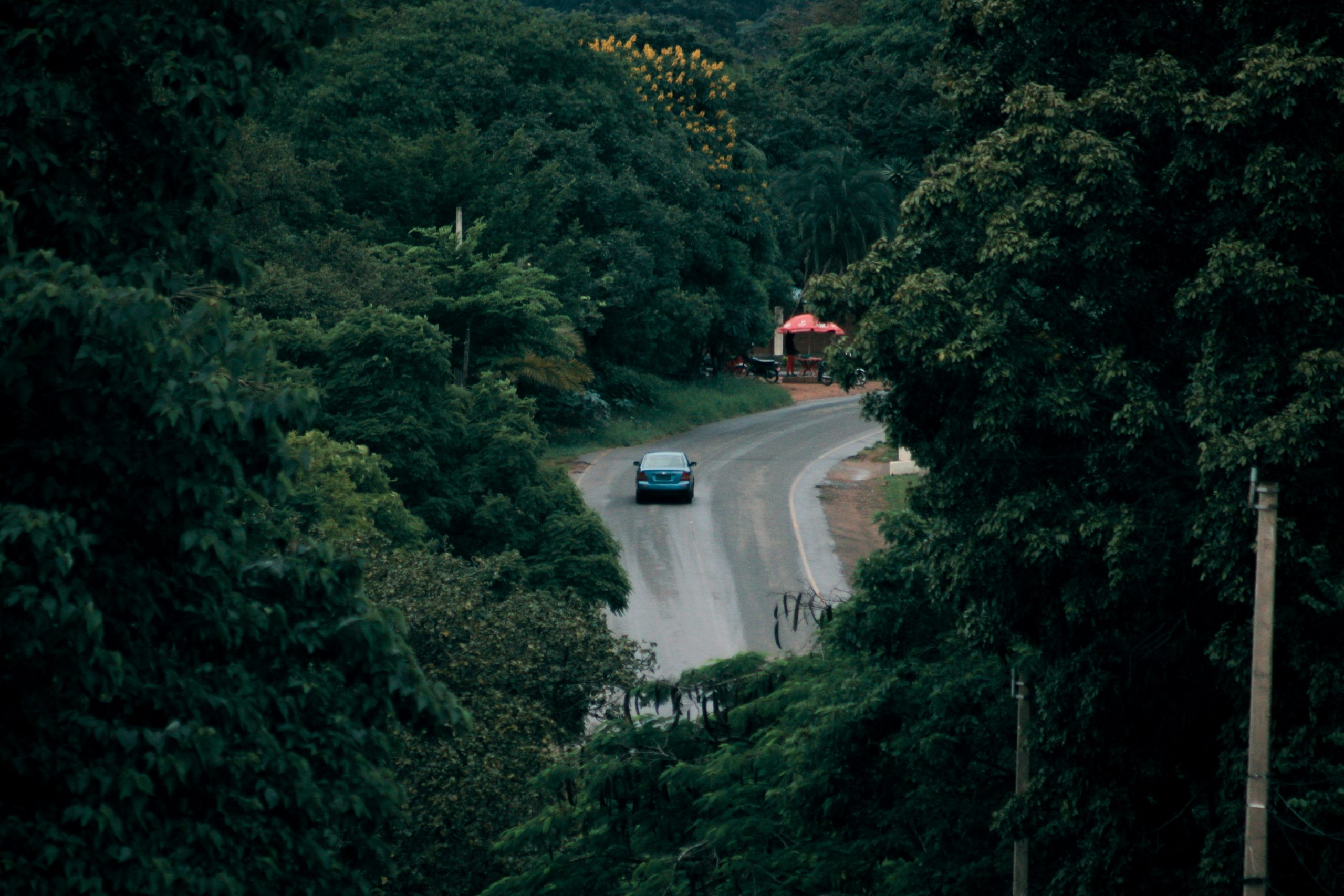
Lilongwe is Malawi's laid-back, leafy capital and the starting point for most trips to the lake. It's not a big sightseeing city, but a day here brings rescued animals at the Lilongwe Wildlife Centre, busy markets in the Old Town, traditional dance at Kumbali and the buses that take you to Cape Maclear and Nkhata Bay.
Lilongwe, in central Malawi, became the capital in 1975, replacing Zomba. It grew from a small village on the Lilongwe River into a spread-out city of about a million people, with a green, almost suburban feel.
The city is divided into numbered "Areas" rather than named districts. Old Town, in the south, is the liveliest part, with the market, shops, bus station, banks, cafés and most budget accommodation. City Centre, also called Capital City or New Town, a few kilometres north, is the planned government district, with ministries, embassies and offices around Capital Hill.
Between the two lies the Lilongwe Nature Sanctuary and the Lilongwe Wildlife Centre, an animal rescue centre with river trails.
Most travellers stay a night or two to sort out money, SIM cards and onward transport before heading to the lake, the parks or across the border to Zambia, Tanzania or Mozambique.
It's a calm city by day, but don't walk at night, and plan your transport home in advance.
Stay in Old Town for markets, cafés, buses and most budget beds, or in the leafy residential areas for quiet. City Centre is mostly offices and ministries.
Market, shops, cafés, banks and the bus station.
Planned government area around Capital Hill.
Leafy suburbs with guesthouses and restaurants.
Woodland between Old Town and City Centre, with the Wildlife Centre.
Orange labels are neighbourhoods, dots are the 2 top-rated hostels. Map data from OpenStreetMap contributors.
The Lilongwe Wildlife Centre, between Old Town and City Centre, is Malawi's only sanctuary for rescued wild animals and runs conservation and education work. Since the pandemic, visitors walk river trails through the sanctuary woodland rather than doing animal tours. International visitors pay about MWK 5,000.
Old Town's market is one of the busiest in the country, selling fruit, vegetables, dried fish, second-hand clothes and household goods. The craft stalls and galleries around Old Town Mall sell woodcarvings, chief's chairs, paintings and textiles; bargain politely.
The Kumbali Cultural Centre, on a farm outside the city, hosts evenings of traditional dancing, drumming and music, often with dinner.
The Kamuzu Mausoleum, in City Centre, commemorates Malawi's first president, Hastings Kamuzu Banda.
Dzalanyama Forest Reserve, about an hour's drive south-west, has walking and mountain-biking trails in miombo woodland, and birdwatching.
Lilongwe is also the place to get organised: change money, buy a SIM card, stock up at the supermarkets and book onward buses.
Walk Old Town's market and the streets around it by day, for a busy slice of Malawian life.
Browse the craft stalls around Old Town Mall, even if you don't buy.
The Lilongwe Nature Sanctuary area is green and pleasant, though go with others and by day.
Watch a football match at a local ground, a cheap and lively afternoon.
Look out for live music and events at cafés and cultural centres at weekends.
Lilongwe is a good place to try Malawian food. Local restaurants serve nsima, a stiff maize porridge, with beans, greens, beef stew or chambo, the lake tilapia, for a few euros.
Chicken and chips is a popular cheap meal, and mandasi (fried dough balls) and roasted maize are sold on the street.
Old Town and the residential areas have cafés serving coffee, breakfasts, burgers and pizza, and the city has good Indian restaurants, thanks to a long-established Indian community.
The supermarkets in Old Town are good for stocking up before the lake.
Carlsberg "greens", Kuche Kuche and Malawi Gin are the drinks to try. Drink bottled water if you have a sensitive stomach.
Lilongwe's nightlife is relaxed. Pubs and bars in Old Town and the residential areas are busy at weekends, and some clubs stay open late.
Hostel bars are a good place to meet other travellers and share tips for the lake.
Don't walk at night. Late-night transport is hard to find, so arrange a taxi back before you go out.
Watch your drinks, as the UK warns of spiking and methanol-contaminated alcohol, and keep an eye on your phone and wallet in clubs.
Kamuzu International Airport is about 30 to 40 minutes' drive north of the city. Taxis from Old Town cost around US$20.
The main bus station is on Malangalanga Road, in Area 2, near Old Town. Coaches and minibuses go to Blantyre and Mzuzu, and minibuses head to Monkey Bay for Cape Maclear, then a pick-up for the last stretch. For Nkhata Bay, take a bus to Mzuzu and change. Coaches are safer and more reliable than minibuses.
International buses run to Lusaka and Dar es Salaam, and minibuses go to the Zambian and Mozambican borders.
In town, shared minibuses between Old Town and City Centre cost about MWK 1,000 to MWK 2,000. Taxis are the safest way to get around, especially at night; agree the fare first.
Travel by road only in daylight, and carry a copy of your passport.
Lilongwe is cheap. Hostelworld lists dorm beds from about US$6 and private rooms from about US$5.50.
A plate of nsima and relish costs a few euros, and a café meal around €5 to €10.
Minibuses around town cost about MWK 1,000 to MWK 2,000, and a taxi from the airport about US$20.
ATMs are in the shopping centres, such as the Crossroads Complex. Change money at banks or licensed bureaux, and avoid street touts. Foreign currency is scarce, so bring some US dollars.
On a budget, allow around €20 to €30 a day.
Lilongwe is calm by day, but the UK says break-ins have increased in the city, and most thefts from tourists happen around bus stations. Keep your bags close at the bus station and markets.
Don't walk alone after dark, and arrange transport home in advance, as late-night taxis are hard to find.
Watch your drinks in bars and clubs, and beware of pickpockets.
Same-sex sexual activity is illegal in Malawi, and the country is socially conservative.
Carry a copy of your passport and visa, as police may ask for ID. Avoid demonstrations.
Lilongwe is close to forests, cultural centres and the southern lakeshore.
Miombo woodland with walking and biking trails and birdwatching.
Traditional dancing, drumming and dinner on a farm.
The closest lake beach to Lilongwe, for a quick taste of Lake Malawi.
Lake Malawi National Park. Covered in the Cape Maclear hub.
Lilongwe's calendar includes Malawi's national holidays and weekend live music.
Public holiday.
Public holiday.
Public holiday marking independence in 1964.
Public holiday.
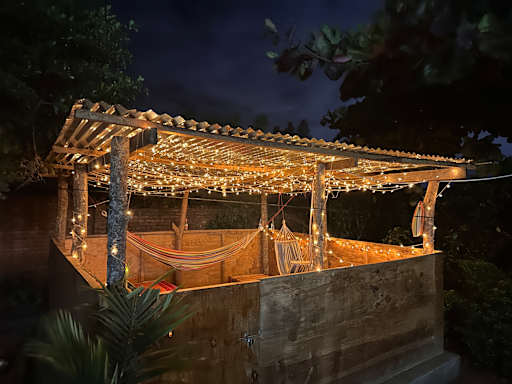
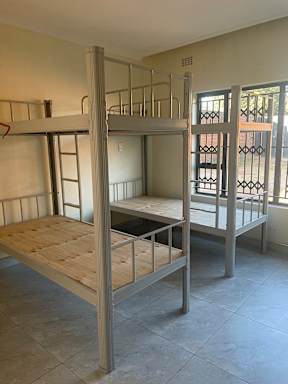
Lilongwe's hostels are small and spread across the city's residential areas, good for a night or two before the lake.
Rated 9.9 from 11 reviews, with private rooms from about US$5.50, about 6 km from the centre. No dorms.
A newer listing with dorm beds from about US$6, about 11 km from the centre. No reviews yet.
Lilongwe is mild, with highs of 24°C to 30°C. May to October is dry and sunny, with cool nights in June and July. The rains run from November to April.
Average daily highs from weather2travel's Lilongwe climate data. Crowd levels are our rough guide.
Pick a style and a number of nights for a rough total, per person, in euros.
Estimates in euros, converted from kwacha and US dollar prices. Beds are based on Hostelworld prices in October 2026.
Prices and timetables change. Check before you travel.

Compare Lilongwe hostels: live prices, real reviews and free cancellation on most bookings. Then meet the people already there in the app.

 Get the App.

 Get the App.