
Am I Too Old to Stay in a Hostel?
There comes a moment for almost every traveler who has crossed the invisible threshold of “youthful backpacker” into “actual adult”, the moment you hover over a hostel booking page and wonder: Am I too old to stay in a hostel?
It’s a surprisingly emotional question. Not because hostels themselves change, but because the stories we tell ourselves about who belongs in them often stop evolving long before we do. Hostels are not frozen at age 19. You grew up, and so did they.
You don’t see this shift reflected in old stereotypes, but you do see it reflected in the real conversations happening inside today’s hosteling community. In Hostelworld app chats, thousands of messages exchanged between travelers across places like Chiang Mai, Bangkok, Antigua, Amsterdam, Medellín and beyond, you’ll find people of every age coordinating meetups, sharing quiet plans, and inviting strangers to dinner or city walks.
You even see self‑identified older travelers referring to themselves playfully: one message simply opens with, “Yes, old dude here.” A charmingly casual note that blends into the flow of community invitations.
It’s proof in plain language: age doesn’t exclude you from hostels, it often makes the experience richer.
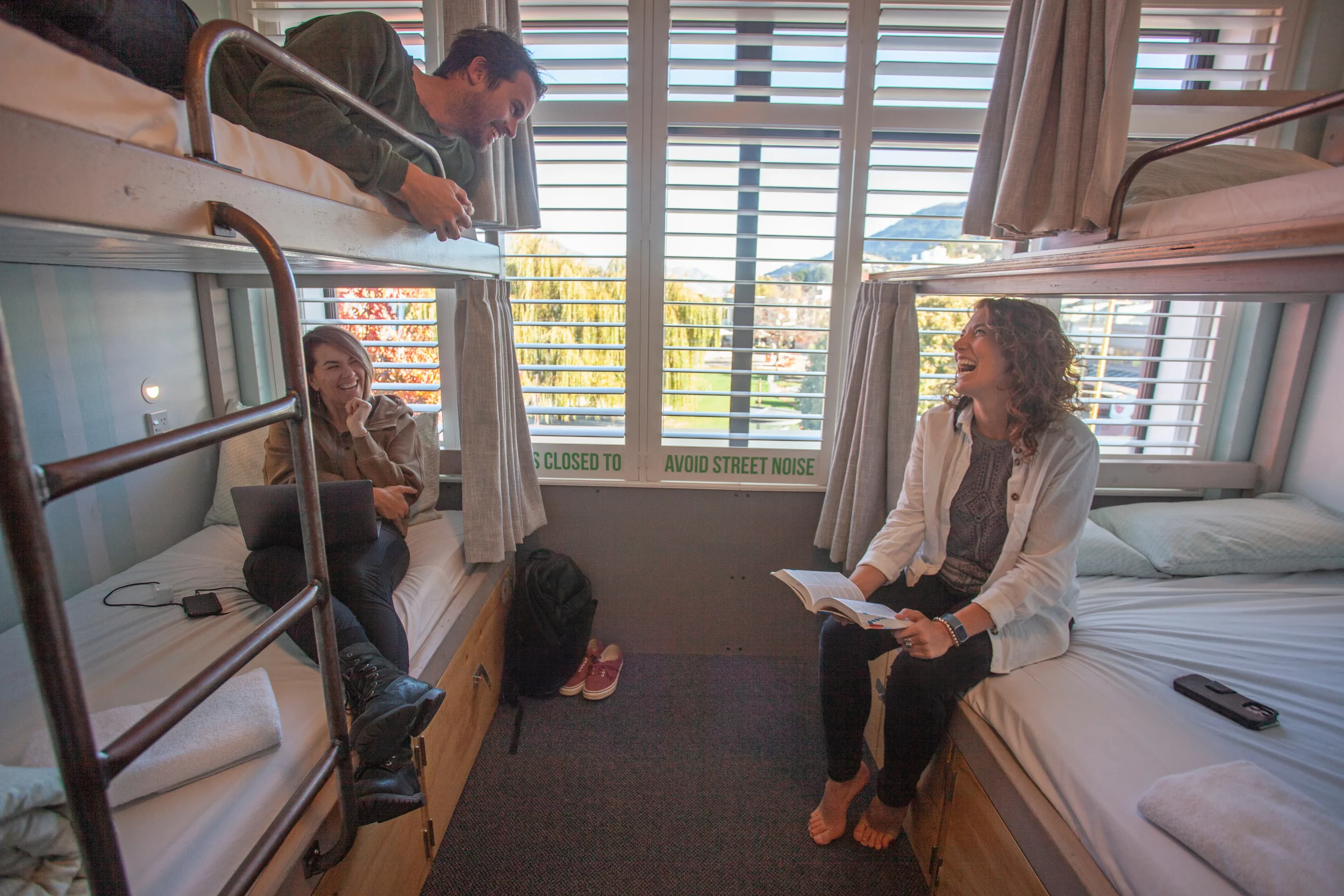
🌍 Why the “hostels are for young people” myth is outdated
The idea that hostels are chaotic playgrounds designed for barely‑legal partiers is rooted in a version of travel that simply doesn’t exist anymore. Sure, party hostels do exist (and thrive), but they represent only a small slice of today’s global hostel landscape.
And when you look at how travelers actually engage with one another, the data becomes undeniable.
Across thousands of city‑chat messages, people consistently reach out with invitations that have nothing to do with wild nights. You see questions like:
- “Anyone want to explore the city together tomorrow?”
- “I just arrived — down for dinner?”
- “Heading to the night market if anyone wants to join.”
These are messages grounded in curiosity, community, and companionship across all ages. They show up everywhere, from Southeast Asia to Europe to Latin America, and they show up constantly.
More importantly, these invitations are age‑neutral by nature. They reflect the true “average hostel moment”: not a beer funnel, but someone trying to make a simple human connection in a new place.
The few times age does get mentioned, it’s mostly lighthearted. Phrases like “older” or “30s” pop up, but they’re not apologetic, they’re descriptors, as casual as noting someone’s hostel or arrival time. The community doesn’t treat age as a gatekeeping factor, and messages don’t shift tone around older travelers. They’re met with the same enthusiasm and invitations as everyone else.
This is the most important reality check:
If hostels were truly age‑exclusive spaces, the community itself would reveal that, but it doesn’t.
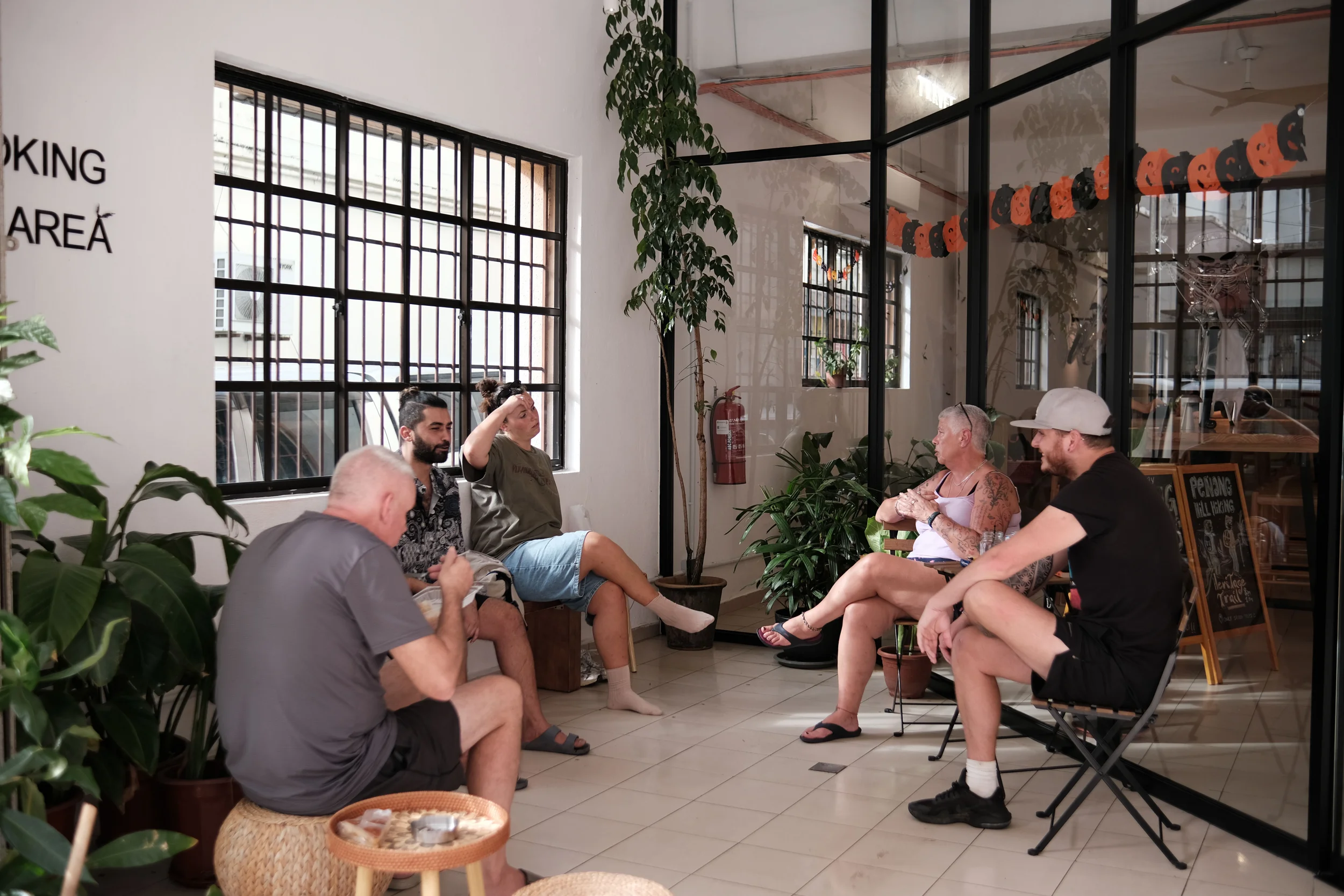
💬 What real hosteling behavior tells us about belonging
When you analyze the flow of conversations inside hostel chats, a clear pattern emerges: people are trying to connect, not categorize.
A massive portion of messages involve coordinating meetups, shared transportation, dinners, or a spontaneous plan to check out a viewpoint or market. You see the same phrases repeating again and again: “anyone,” “join,” “share,” “meet,” “down for a drink,” “explore together.” These appear thousands of times across the dataset, painting a picture of a community where initiative matters far more than age.
If anything, older travelers might find it easier to integrate into these conversations because they tend to know what they want and that clarity is magnetic in group travel dynamics. Whether it’s suggesting a calm bar, a sunset spot, or a day trip, their invitations are often more specific and grounded than the scattershot energy of 18-year-olds figuring things out on the fly.
One particularly telling set of messages comes from people explicitly calling themselves “older” or referencing being in their 30s or beyond and then immediately extending an invitation. That tells you something powerful: age isn’t a barrier; it’s a context that informs the type of connection someone is looking for. It doesn’t push them out of the community, it just helps shape their travel rhythm.
Hostels work not because guests are the same age, but because they’re anchored in the same mindset: present, curious, open.
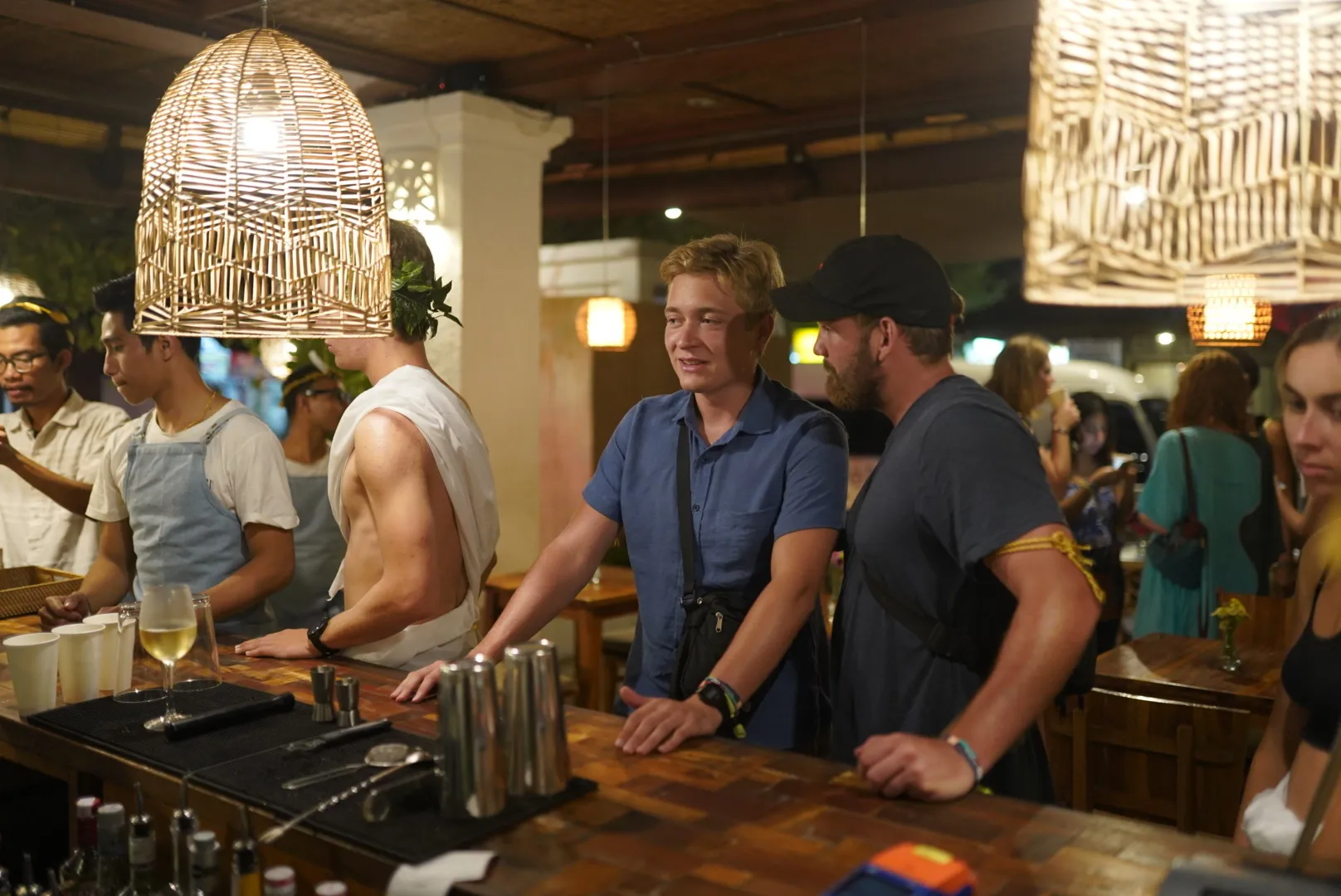
🌱 Why hosteling may actually be better in your 30s
Once the noise of stereotype fades, a different truth emerges: hosteling as an older traveler is often more rewarding than doing it at 20.
-
You know yourself better
You’re clearer on what comforts you need and what chaos you don’t. This allows you to choose hostels deliberately: the right room size, the right atmosphere, the right mix of social and quiet.
-
You communicate more confidently
You don’t feel weird saying:
“I’m heading back early.”
Or:
“Anyone want to grab a calm drink instead of a big night out?”
That simple honesty tends to attract the exact people who match your vibe.
-
You appreciate variety
You might do a street‑food night one evening and a sunrise hike the next. You create balance. You create texture. And hostels, especially today’s hostels, are designed to accommodate that.
-
You bring lived experience
In conversations, you might naturally become the one younger travelers ask for tips or reassurance. Not because you’re old, but because you have more lived stories to share, and stories are social currency in hostel culture.
-
You care more about connection than validation
In your 30s, you don’t need the social overwhelm of trying to meet 50 people a night. You want a few memorable conversations, a handful of meaningful interactions, the shared bottle of wine on the terrace, the friend you keep in touch with after the trip.
Hostels are built for that, too.

🛏️ Choosing a hostel that aligns with who you are now
The trick to loving hostels at any age, but especially in your 30s, is picking one that matches your energy, not your age.
A few guiding principles (woven from how real travelers behave in city chats):
Look for signals of balance
Hostels that emphasize cultural activities, market tours, cooking classes, coworking areas, or chill social evenings tend to attract a more mixed age range. They hold space for people who want connection without chaos.
Read the property descriptions with intention
A hostel openly advertising nightly bar crawls may not feel right for you, unless you want that specific experience. Meanwhile, a hostel mentioning calm lounges, structured events, or scenic excursions likely attracts travelers who value variety and rest.
Pay attention to room styles
Many travelers in their 30s blend dorms and privates. A few nights in a small dorm can supply social energy, while a private room lets you recharge deeply.
Check how people talk about the vibe
Reviews often reveal whether a hostel leans lively, balanced, or tranquil. But the city chats also reveal something: many older travelers naturally gather around quieter outings — jazz bars, dinners, shared taxis, sunset viewpoints — and those patterns often reflect the kinds of hostels that enable such meetups.
Location matters more with age
Being in the center of a chaotic nightlife zone can be fun when you’re 21, exhausting when you’re 32. Being near cafés, markets, transit, coworking spaces, or scenic pockets can shape your entire experience.
A well‑chosen hostel can make you feel instantly grounded, not out of place.

🤝 How older travelers actually make friends in hostels today
Let’s make this practical. Here’s what truly works, grounded in how real people initiate connections across thousands of messages:
Initiate through plans, not personality
Instead of “Hey, anyone want to chat?”, the more successful older travelers say:
“I’m grabbing dinner at the night market at 7 — join if you’d like.”
“I’m checking out the jazz bar later.”
“Heading to the viewpoint — leaving in 20 mins if anyone’s coming.”
This kind of plan-first communication consistently gets responses. The dataset shows it.
Use timing as a social filter
Early-evening plans tend to attract a more mixed age range. Late-night bar crawls skew younger. Morning coffee meetups? Surprisingly popular across ages.
Don’t hide the fact that you’re older — it helps
Because when someone says, “I’m a bit older, just looking for a chill night out,” the replies come from people seeking the same energy. The dataset’s “older traveler” messages show exactly this dynamic, they spark the right kind of company.
Show confidence in your boundaries
Hostel communities respect clarity.
Saying “I’m going to call it early tonight” or “I’m mostly here for the food scene” helps you find the people who want those things, too.
Remember that people join hostels because they’re open
And openness doesn’t expire at 25.
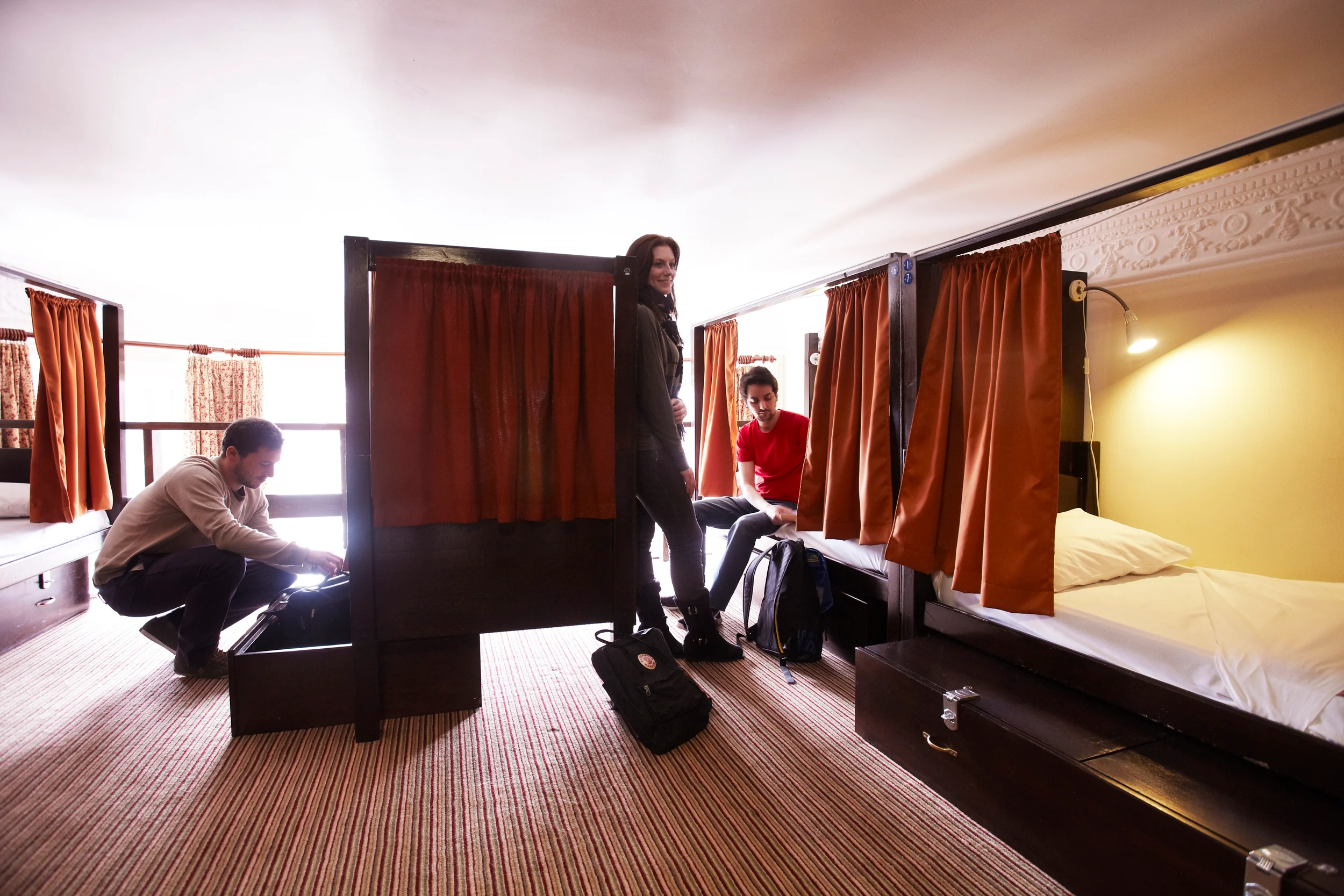
😌 Comfort that makes hosteling feel sustainable at any age
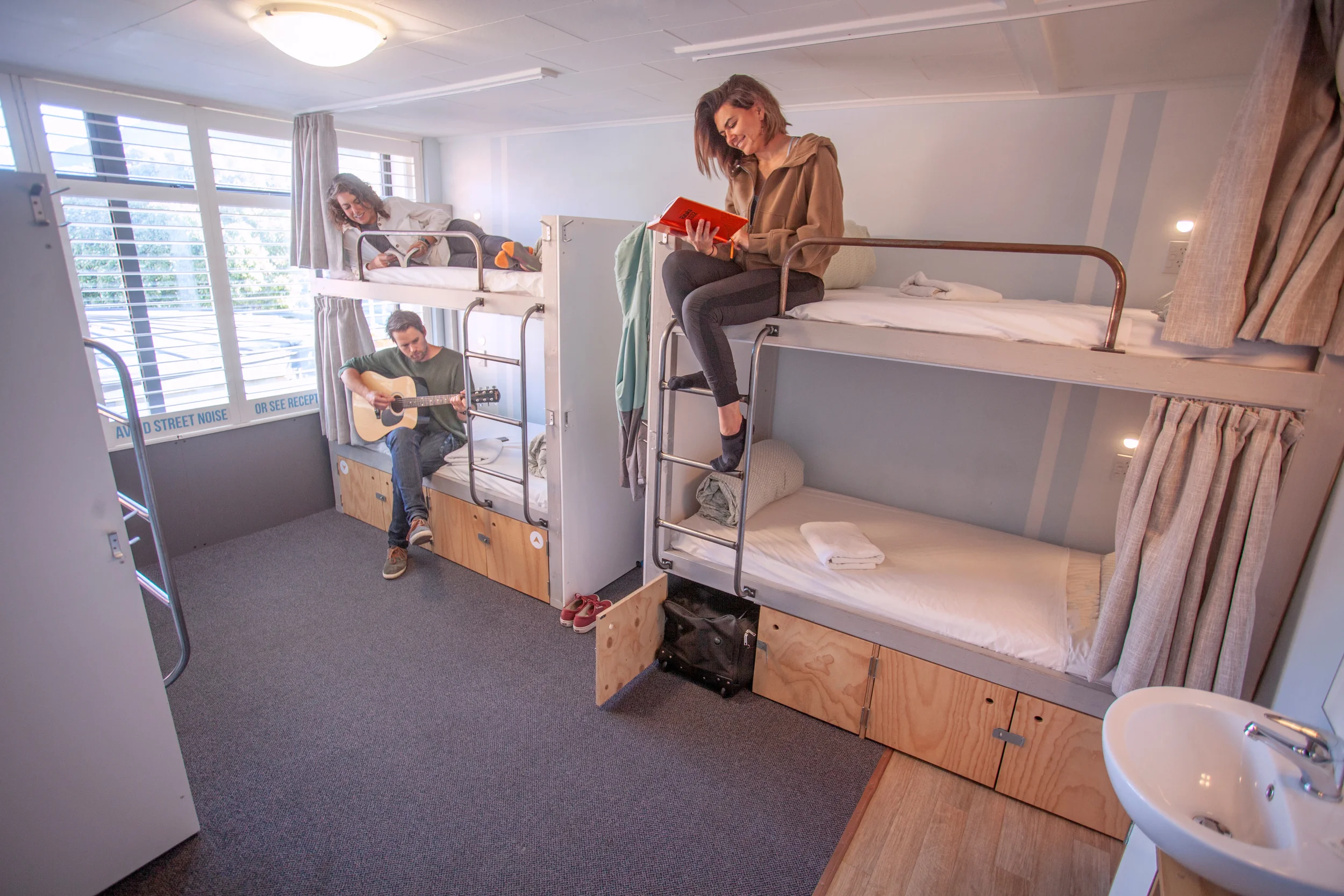
Comfort isn’t a luxury; it’s an anchor. Once you cross into your late 20s and 30s, you realize that sleep, hygiene, and personal space aren’t optional, they’re foundational to enjoying travel.
Hostels have evolved to reflect that. Today, many offer:
- thick privacy curtains
- soft‑close lockers
- sound‑dampened dorms
- high‑quality bedding
- gender‑specific dorm options
- cozy lounges
- calm rooftops
- on‑site cafés or coworking corners
This evolution mirrors the community’s needs and older travelers are part of that shift.
When you prioritize comfort, your social energy becomes choiceful, not stretched thin. You wake up excited, not drained. You meet people from a place of curiosity, not exhaustion.
That’s not “old.”
That’s wise.
🌅 You’re not too old. You’re exactly on time.
If you’ve grown, your travel style will grow with you. Hostels are not relics of youth, they are adaptable ecosystems made for people who want connection, culture, affordability, and authenticity in equal measure.
Your 30s, and beyond, are a perfect time to hostel because you:
- know what you enjoy
- know your boundaries
- appreciate the human stories travel offers
- value comfort as much as community
- bring richness into conversations
- don’t need travel to prove anything
And the community agrees. In real messages across the Hostelworld app, older travelers show up, join in, extend invites, and get welcomed, naturally, effortlessly, enthusiastically.
So the question isn’t “Am I too old to stay in a hostel?”
The real question is:
“Which hostel fits the traveler I am right now?”
Download the Hostelworld app to start booking now


FAQ: Am I Too Old To Stay In A Hostel?
Are hostels actually welcoming to travelers in their 30s and older?
Yes. Most modern hostels host a wide age range, and travelers in their 30s, 40s, and beyond regularly join meetups, dinners, and day trips.
Will I feel out of place if everyone else seems younger?
Rarely. Hostel culture is based on openness, not age. You’ll find many travelers seeking calm outings, good food, and shared exploration.
How do I choose a hostel that isn’t too loud?
Look for mentions of quiet hours, small dorm sizes, coworking areas, relaxed social events, or private room options. Reviews will confirm the vibe.
Should I book a private room instead of a dorm?
You can, especially for better sleep. Many older travelers mix both: small dorms for social time, privates for rest.
How do older travelers make friends easily in hostels?
Plan‑based invitations work best: dinner runs, night markets, walking tours, or scenic outings. These attract like‑minded travelers.
Is it normal to set boundaries or skip late-night outings?
Absolutely. Hostels respect personal rhythms. Saying you’re keeping it low‑key helps you align with people looking for the same pace.
Are hostels comfortable enough if I value good sleep?
Yes. Many offer privacy curtains, solid bedding, calmer dorms, or private rooms. Choosing the right style of hostel makes all the difference.
Will I meet people interested in quieter or cultural activities?
Definitely. Many travelers prefer hikes, cafés, food tours, and relaxed bars — these tend to attract a mixed and mature crowd.
What if sharing a dorm feels intimidating?
Try a smaller dorm first. Four‑ or six‑bed rooms feel calmer and help ease you into social spaces at your own pace.
Are hostels good for solo travelers in their 30s+?
Yes, they remain the easiest way to meet people quickly. Hostels blend budget-friendliness with built‑in community, even for older solo travelers.


 Get the App.