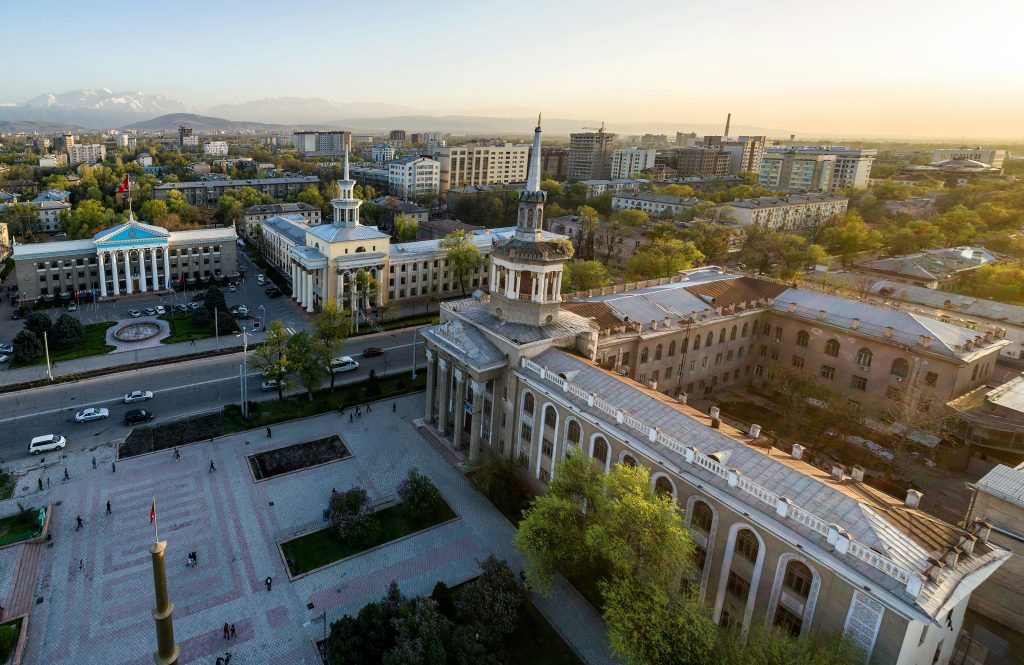
Bishkek
33 hostels · dorms from €7
The capital: Soviet planning, leafy streets, a good café scene and the base for everything.

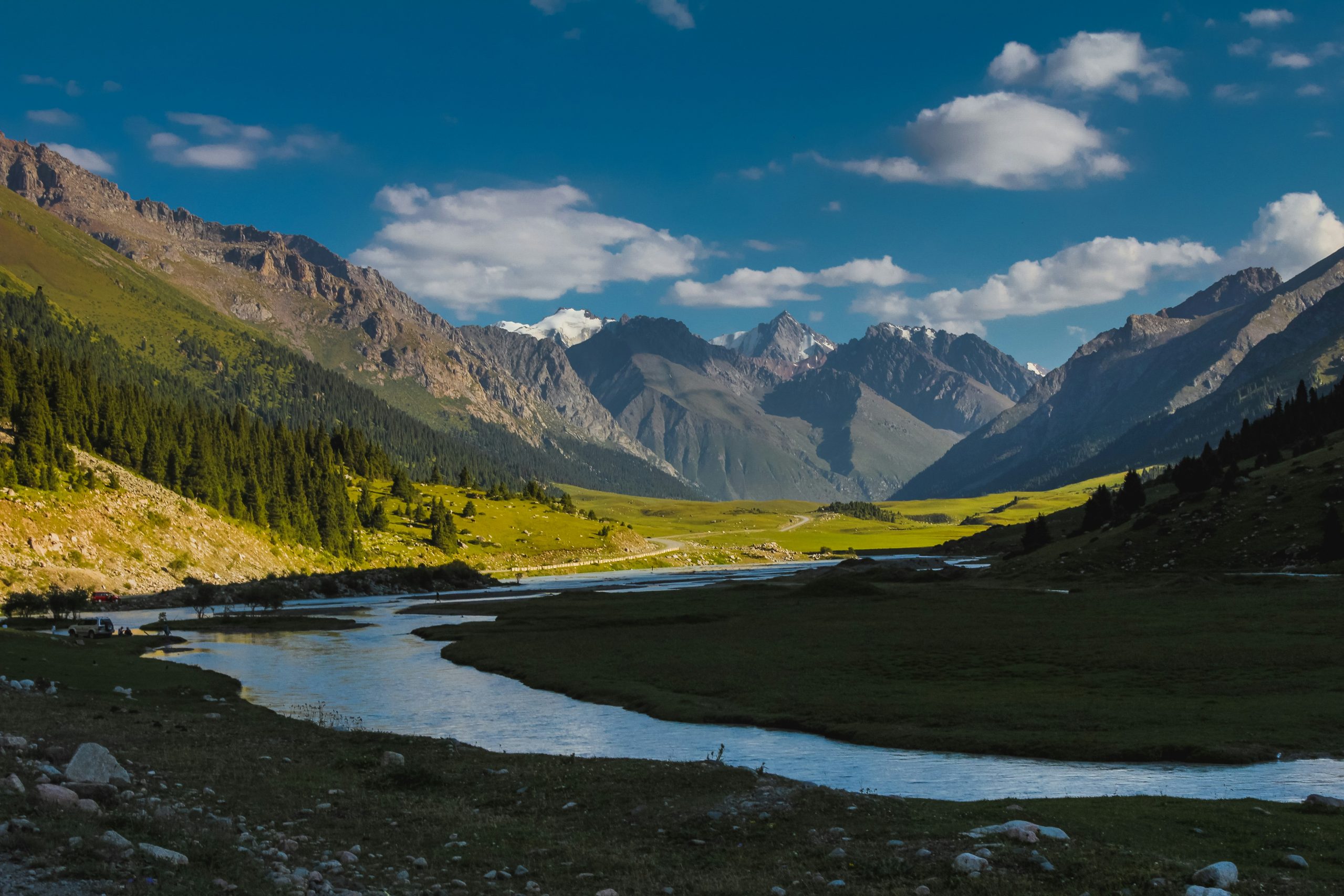
Ninety per cent mountains, yurt stays beside alpine lakes, and visa-free entry for most of Europe. The cheapest serious trekking country after Nepal, and far emptier.
Kyrgyzstan is ninety per cent mountains and about forty per cent above 3,000 metres, with about seven million people spread thinly through the valleys. It is the most accessible country in Central Asia for independent travellers: visa-free for most European, British and American passports, cheap, and set up for trekking in a way its neighbours are not.
Bishkek, the capital, is Soviet grid planning with tree-lined streets and a good café scene, and is where trips start. From there it is three or four hours to Karakol, the trekking base at the eastern end of Lake Issyk-Kul — the second largest alpine lake in the world, which never freezes despite sitting at 1,600 metres.
The draw is community-based tourism: yurt camps run by local families in high pastures, reachable on foot or horseback, costing €20 to €30 a night with meals included. Song Kul and Kel Suu are the two that people come back talking about.
Shared taxis and marshrutkas are the network. Everything above them is on foot or horseback.
The capital: Soviet planning, leafy streets, a good café scene and the base for everything.
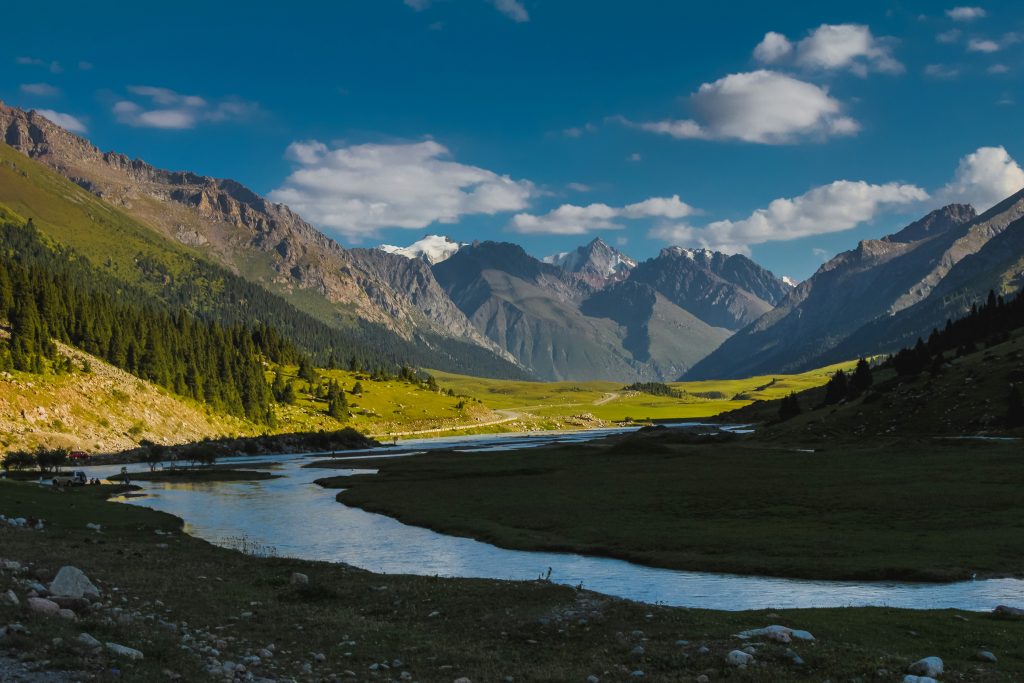
The trekking capital, at the east end of Issyk-Kul, with valleys, hot springs and a ski base.
Kyrgyzstan is a trekking and horse-riding country, and very little else — which is the appeal.
Trekking, horse riding and yurt camps above 3,000 metres.
Among the cheapest countries reachable from Europe.
Nomadic traditions that are still practised rather than performed.
Issyk-Kul, an alpine lake that behaves like a sea.
Bishkek for two days, mostly as a staging post.
The Ala Kul trek from Karakol is the classic: three days over a 3,900-metre pass to a turquoise lake, finishing at the Altyn Arashan hot springs. It needs no technical skill, just fitness and proper gear, and it is among the best short treks anywhere.
Song Kul is the other essential. A lake at 3,000 metres ringed by summer pastures and yurt camps, reached by horse, car or a two-day walk, where families move their herds up for the summer. Staying there is the country in one night: mutton, kumis, no electricity, and a sky with nothing in the way.
Kel Suu, further east near the Chinese border, is harder to reach and needs a permit, which is exactly why fewer people go. In Bishkek, CBT and Destination Karakol are the community tourism organisations that arrange yurt stays, horses and guides at fixed local rates.
Kyrgyz food is nomadic food: meat, dough and dairy, designed for cold and altitude rather than variety. Beshbarmak — boiled meat with flat noodles — is the national dish and is eaten communally with the hands.
Lagman, a Uyghur noodle soup, and samsa baked in a tandoor are the everyday options, and both cost €2 to €4. Bishkek and Osh bazaars sell bread, dried fruit and horse sausage, and the capital now has a decent range of cafés and international food.
Kumis, fermented mare's milk, is the drink you will be offered in yurt camps, and refusing it politely is difficult. It is sour, slightly alcoholic and an acquired taste that most visitors do not acquire. Vegetarians should expect a limited time of it outside Bishkek.
Bishkek has the only nightlife worth the name: bars and clubs around Chuy Avenue, a growing craft beer scene, and prices that make an evening cost what two drinks cost in western Europe.
Vodka and local beer are cheap and widely available — this is a secular state with a Muslim-majority population and a long Soviet drinking culture behind it.
Everywhere else, the evening is dinner at a guesthouse or a yurt, and in the mountains there is nothing at all after dark, which is the point of being there. Karakol has a few bars serving trekkers, and that is the extent of it outside the capital.
Shared taxis and marshrutkas are the network. They leave when full from designated stands, cost a few euros for long journeys, and are the standard way everyone moves — Bishkek to Karakol is around five hours and €8 to €12.
Roads are mountainous and slow, and some passes close with snow from October. The Bishkek to Osh road crosses two 3,000-metre passes and takes ten to twelve hours; the flight takes an hour and costs €40 to €60.
Beyond the roads, transport is horses and your feet. Drivers for specific trips — Song Kul, Kel Suu — are arranged through CBT offices or guesthouses at fixed rates, and sharing with other travellers is normal and cuts the cost sharply.
Kyrgyzstan is very cheap. Dorms start around €8, a bowl of lagman is €2 to €4, and a yurt stay with dinner and breakfast is €20 to €30 — which is the best value accommodation in this entire guide.
A comfortable day is €20 to €35. Guided treks with horses and a cook run €50 to €90 a day, shared between a group, and that is the main discretionary cost.
Cash is essential. ATMs exist in Bishkek, Osh and Karakol and are unreliable elsewhere, so take out what you need before heading into the mountains, where there is nothing at all.
Kyrgyzstan is safe for travellers, with hospitality towards guests that is a genuine cultural obligation rather than a tourist-facing performance. Crime against visitors is rare, though ordinary caution applies in Bishkek at night.
The risks are mountain risks and they are serious. Weather at 3,000 metres changes within an hour, trails are less waymarked than in the Alps, phone coverage is absent in most valleys, and mountain rescue is limited and slow. Altitude affects people on passes above 3,500 metres. Go with a guide, tell someone your route, and carry more layers than the forecast suggests.
Border zones — near China, Tajikistan and parts of Uzbekistan — require permits and some areas near the Tajik border have seen periodic tension. Check current advice before planning routes near frontiers.
Kyrgyzstan offers visa-free entry to citizens of around sixty countries, including the EU, UK, US, Canada, Australia and Japan, generally for 60 days. This is the most generous policy in Central Asia and is why the country has become the region's entry point.
Passports need six months' validity.
Permits are the thing to arrange: border zones including Kel Suu, Inylchek and areas near the Chinese and Tajik frontiers require them, and they take a few days to process through a local agency. Arrange these before you travel to the region rather than on arrival.
The season is short and it matters more here than almost anywhere. High pastures, yurt camps and passes are only open roughly June to September.
Average highs for Bishkek at 800m. The mountains are far colder — nights at Song Kul are near freezing even in July — and yurt camps typically operate only from mid-June to early September.
Pick how you travel and how long for. Per night, for one person, in euro equivalents of som.
Yurt stays at €20–30 include dinner and breakfast. Guided treks with horses and a cook are €50–90 a day shared between a group.
The nomad games are the one worth planning a trip around, and they are unlike anything in Europe.
Akmal brings a full-scale pop production to Bishkek, blending chart-topping hits like "Because of You" with intimate acoustic arrangements backed by a string quartet.…
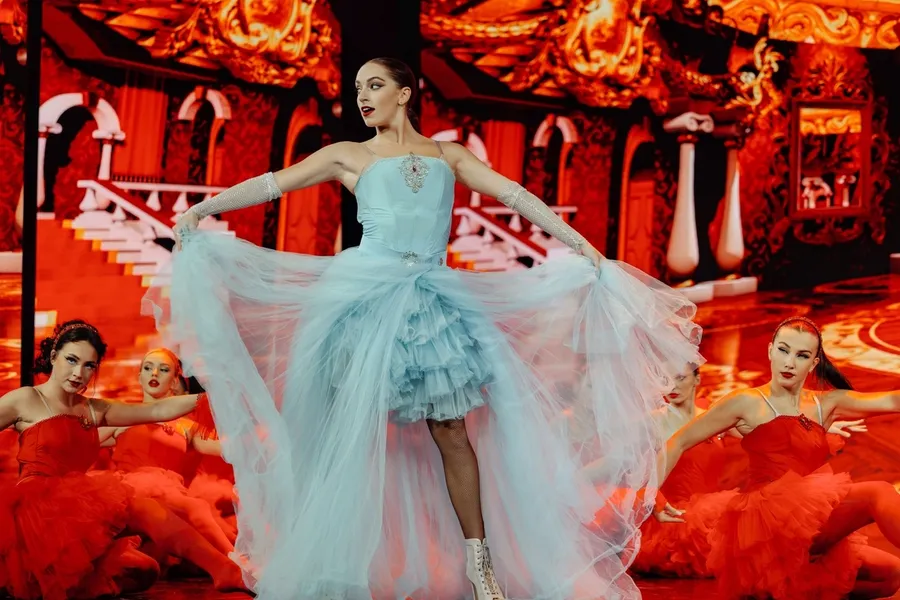
TODES, the acclaimed dance company founded by choreographer Alla Dukhova, brings its high-energy show to Bishkek with a repertoire spanning jazz-funk, hip-hop, contemporary, and…
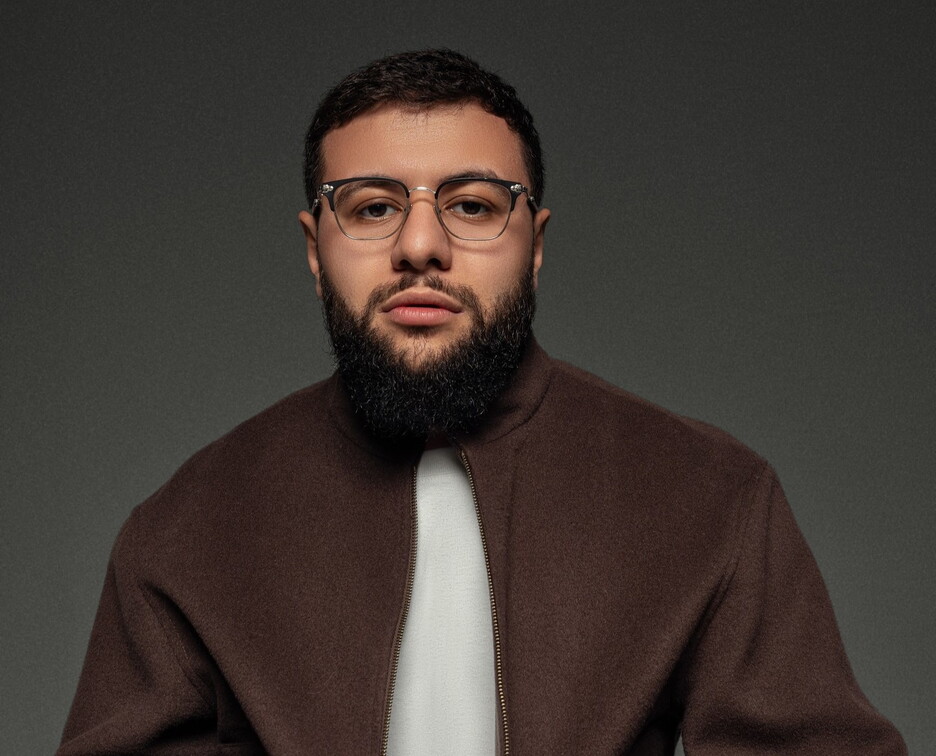
NAVAI brings his signature blend of pop-rap and lyrical hookah-rap to Bishkek, performing both his solo hits and beloved tracks from his HammAli &…
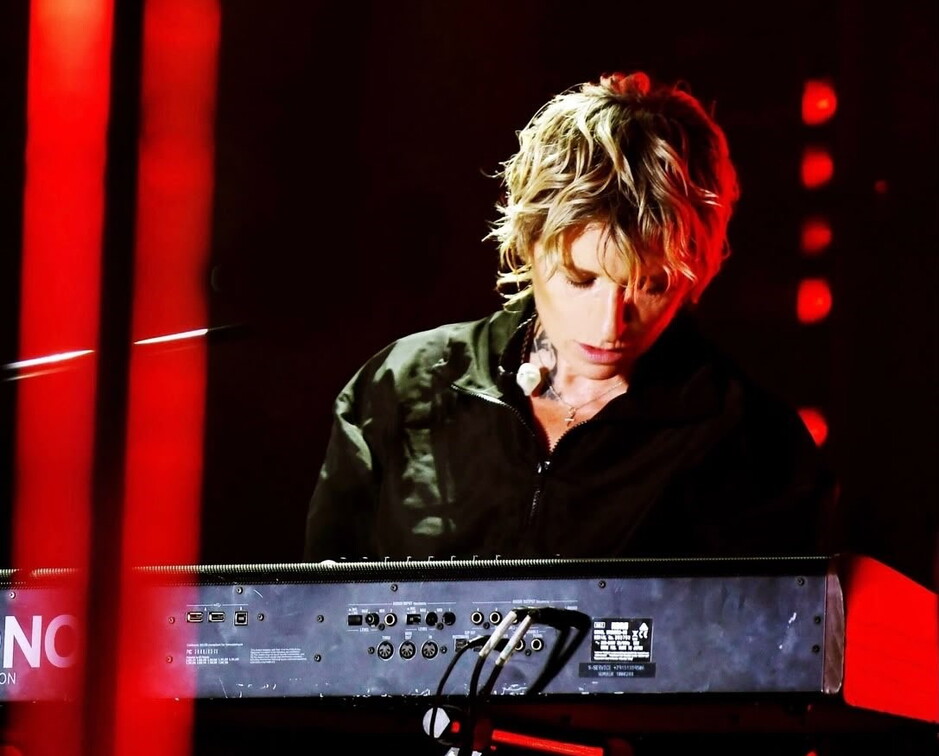
Diana Arbenina is embarking on a major concert tour to present her new album Rap For Mama. The tour will include beloved hits spanning…

Bayastan helped transform Kyrgyz-language rap from underground hobby to mainstream force, and this concert brings one of the genre's most influential voices to Nomad…
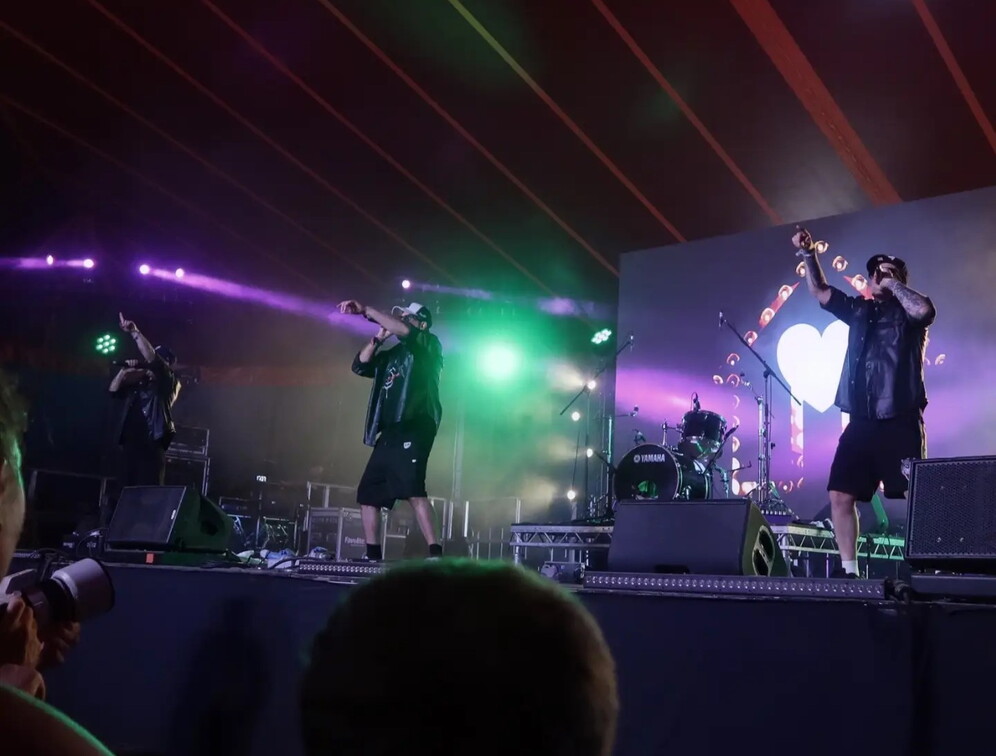
FOMO Millennium brings Eurodance and pop legends from the 90s and 00s to Bishkek for one massive nostalgia-fueled night. East 17, Nana, Dr. Alban,…
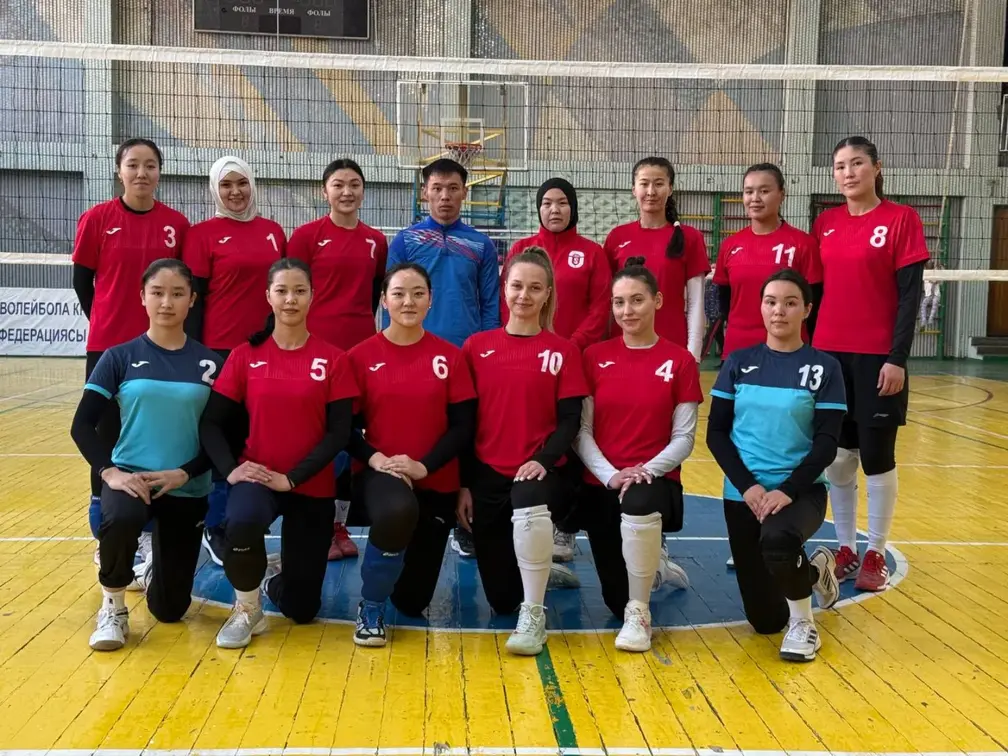
Regional volleyball teams from across Kyrgyzstan are competing head-to-head at the newly opened Zhashtyk Arena in Bishkek. The lineup includes matchups between Aksy and…

Malika Dina carries forward a family legacy in Kyrgyz pop music while carving out her own distinct path, blending lyrical ballads with contemporary electronic…
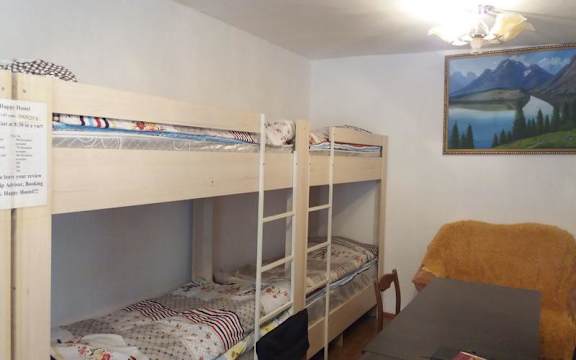
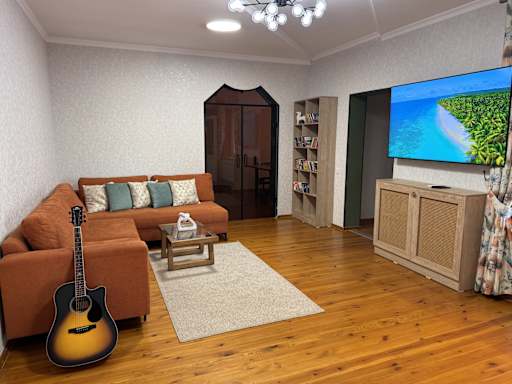
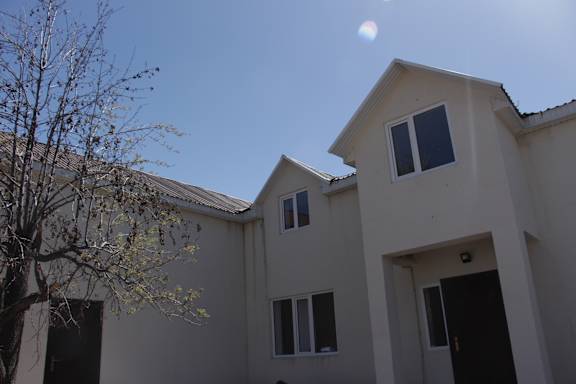
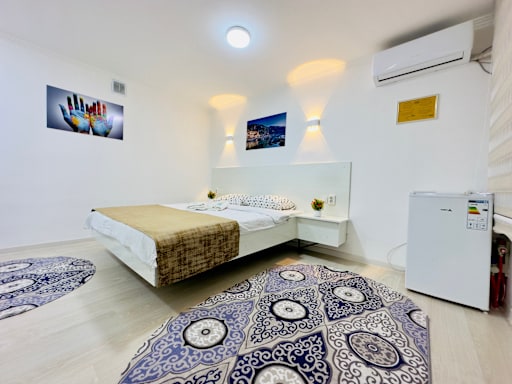
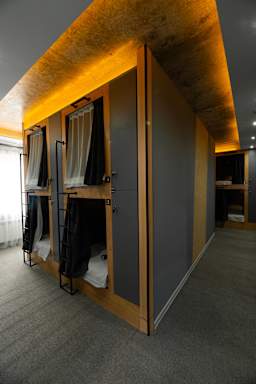
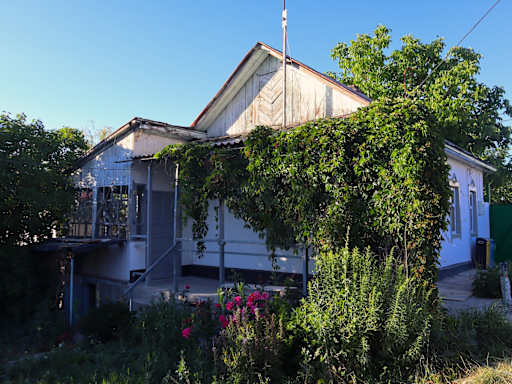
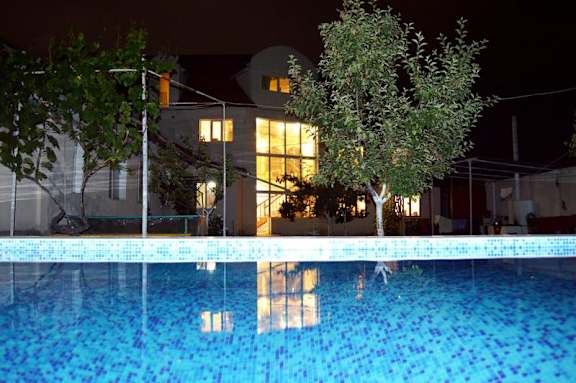
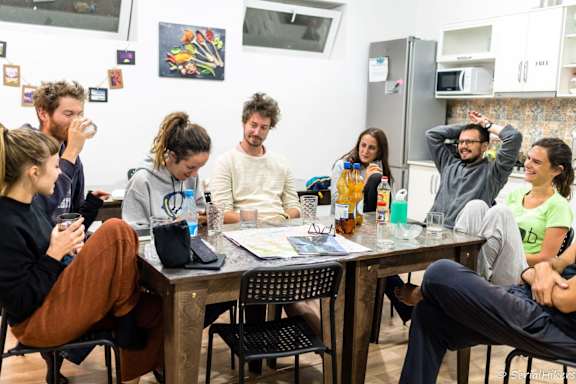
The highest-rated hostels in the country, live from Hostelworld. Bishkek and Karakol have the most, and yurt camps are booked separately through CBT offices or guesthouses.
 Sustainable
 Sustainable
 Sustainable
The ones we get asked most.

Compare hostels across Kyrgyzstan — live prices, real reviews and free cancellation on most bookings. Then meet the people already there in the app.

 Get the App.
 Get the App.