Old Town
CultureSino-Portuguese shophouses.

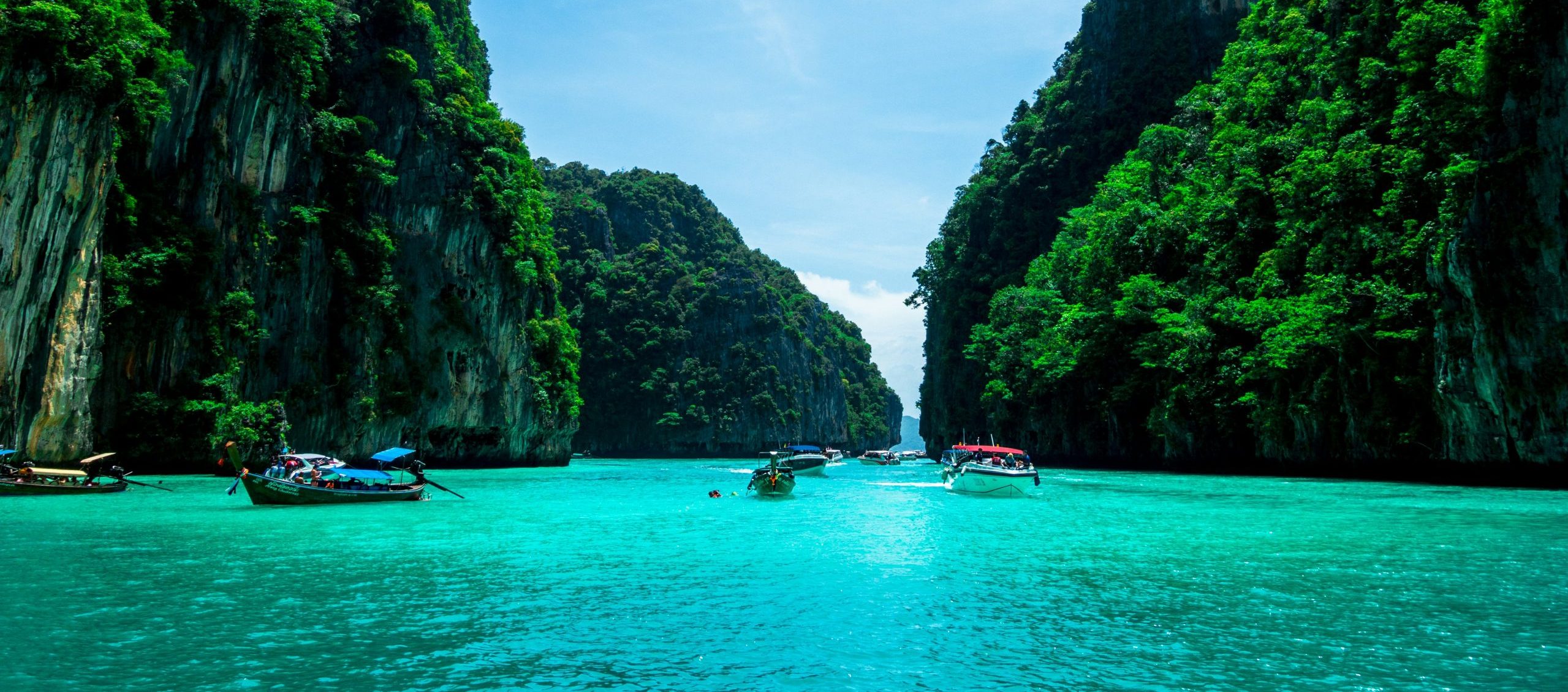
Thailand's biggest island: a colourful old town of Sino-Portuguese shophouses, a string of beaches from party Patong to quieter Kata, and the gateway to Phang Nga Bay and the Similan Islands.
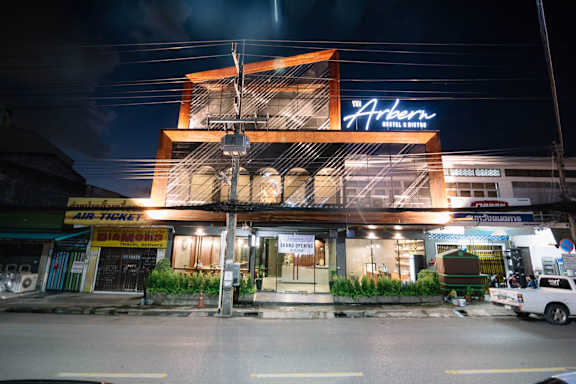
Phuket grew rich on tin mining in the nineteenth century, and Chinese and Peranakan merchants built Phuket Old Town, a district of colourful shophouses and mansions that is now its most interesting corner.
Today it is Thailand's biggest and busiest island resort, with an international airport, a chain of west-coast beaches and every kind of holiday, from Patong's party strip to quiet coves.
It is also the jumping-off point for Phang Nga Bay, the Similan Islands and Koh Phi Phi. Three or four days is right.
Phuket Old Town, in the east, has Sino-Portuguese shophouses, cafés and hostels, and is the most characterful base. Patong, on the west coast, is the party beach, around Bangla Road. Kata and Karon, further south, are quieter beach towns, and Nai Harn has one of the island's best beaches.
Sino-Portuguese shophouses.
Bangla Road.
A quieter beach.
Orange labels are neighbourhoods, dots are the 12 top-rated hostels. Map data from OpenStreetMap contributors.
Phuket, Thailand's largest island, has the most developed beach tourism in the country, but also a charming old town, viewpoints and access to some of Asia's best islands.
Phuket Old Town grew rich on tin mining, and its streets of pastel Sino-Portuguese shophouses, Chinese shrines and cafés are a pleasure to walk; on Sundays, Thalang Road becomes a walking street market.
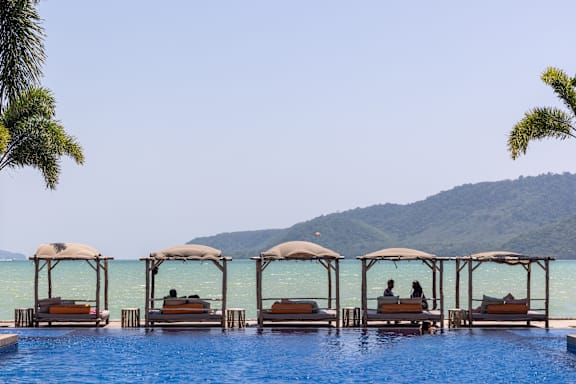
The west-coast beaches range from busy Patong to Kata, Karon, Kata Noi and Nai Harn, quieter and better for swimming in the dry season. The Big Buddha, a 45-metre white marble statue on a hilltop, and Wat Chalong, the island's most important temple, are nearby. Watch the sunset at Promthep Cape, the southern tip.
Day trips go to Phang Nga Bay, with limestone islands, sea caves explored by canoe and James Bond Island, and the Similan Islands, among Thailand's best diving, open from mid-October to mid-May. Koh Yao Noi is a quiet island in Phang Nga Bay.
In October, the Phuket Vegetarian Festival features processions and extreme acts of devotion by Taoist devotees.
The Old Town and its Sunday walking street are free, and so are the beaches and the sunset at Promthep Cape. The Big Buddha and Wat Chalong are free, with donations welcome.
The viewpoints at Karon and Kata are free to stop at.
Phuket's food mixes Thai, Chinese and Malay. Mee hokkien, yellow noodles with seafood, and moo hong, braised pork belly with black pepper, are Phuket specialities. Dim sum breakfasts are a Peranakan tradition in the Old Town.
The Old Town and the night markets are cheapest. A meal is €2 to €8; seafood more.
Patong's Bangla Road is Phuket's party street: bars, clubs and go-go bars, loud and busy until late. The Old Town has relaxed bars, and beach clubs line the west coast.
A beer is €2 to €5.
Phuket International Airport is in the north of the island. Taxis are expensive by Thai standards; Grab works and is usually cheaper.
Buses and songthaews run from the Old Town to the beaches. Ferries go to Koh Phi Phi, Krabi and Koh Lanta.
Phuket is pricier than most of Thailand. Dorms start around €8 and a careful day is €25 to €40.
A Phang Nga Bay tour is €30 to €60, a Similan day trip €80 to €120, and taxis across the island €15 to €30.
The currency is the baht (THB), at roughly 37 to 40 baht to the euro; prices here are euro equivalents. Thai ATMs charge foreign cards about 220 baht per withdrawal, so take out larger amounts. Cards work in cities and resorts; street food is cash or QR payment.
Phuket is safe, but the rainy-season sea is dangerous: from May to October, rip currents on the west-coast beaches drown swimmers every year. Obey the red flags.
On jet skis, beware of damage-claim scams; use reputable operators.
Scooter accidents injure more travellers in Thailand than anything else. Only ride if you are licensed and insured for it, and always wear a helmet.
Since June 2025, cannabis flower has been a controlled substance: visitors may not buy or use it without a prescription from a licensed Thai doctor, even though some shops still operate.
Since 15 September 2026, eligible visitors get 30 days visa-free, for tourism only, extendable once by 30 days at an immigration office, and fewer nationalities qualify, so check whether you now need a visa. All visitors must complete the Thailand Digital Arrival Card (TDAC) online within three days before arriving.
Tourist Police: 1155. Emergency: 191 police, 1669 ambulance.
Limestone bays, island diving and a quiet island.
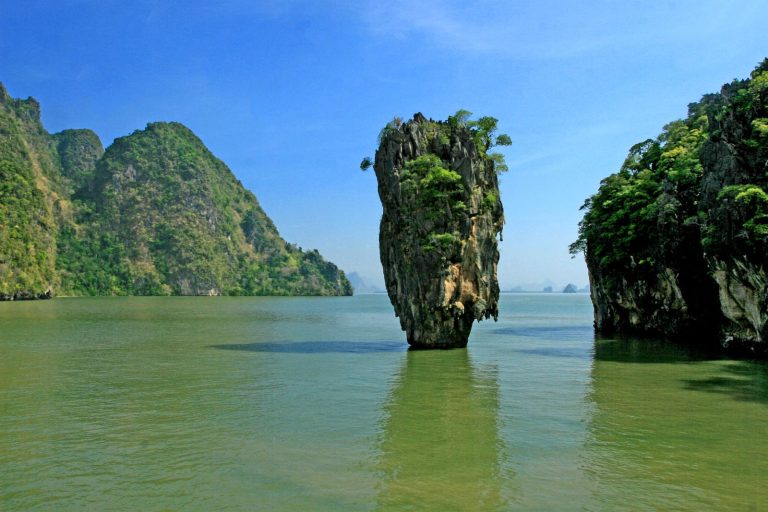
Limestone islands and James Bond Island.
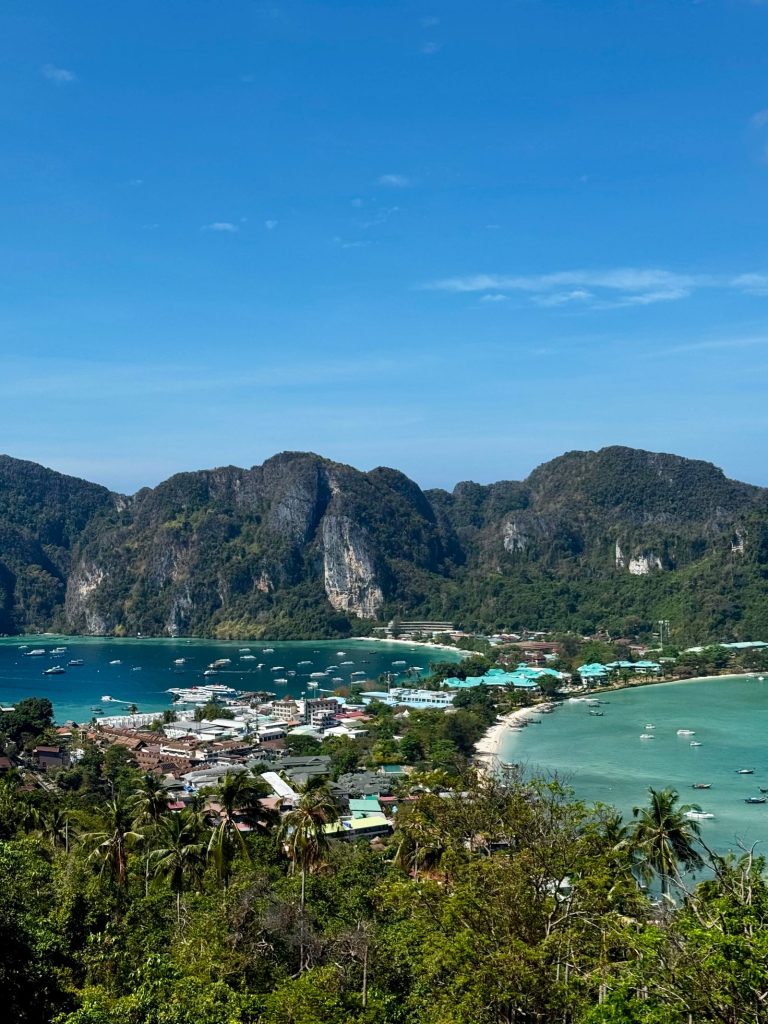
Cliffs and Maya Bay.
The Vegetarian Festival is one of the most extraordinary in Asia.
Nine days of processions and extraordinary acts of devotion.
Water fights.
Street food and culture.
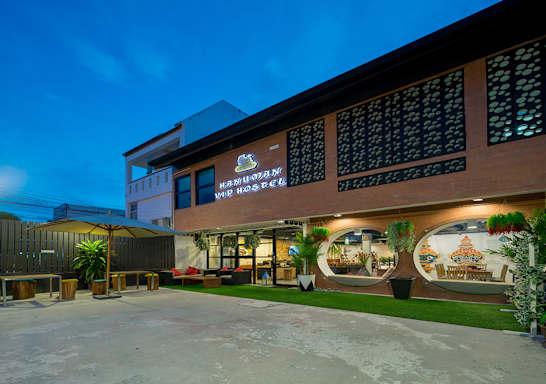
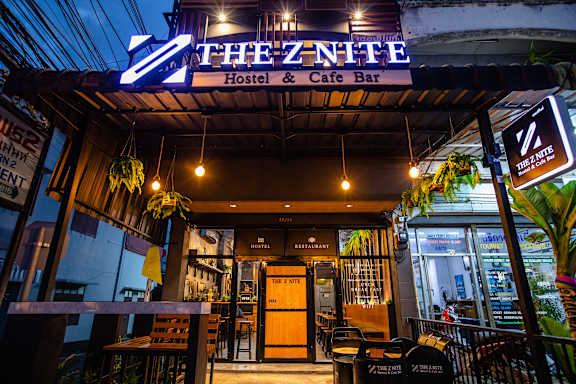
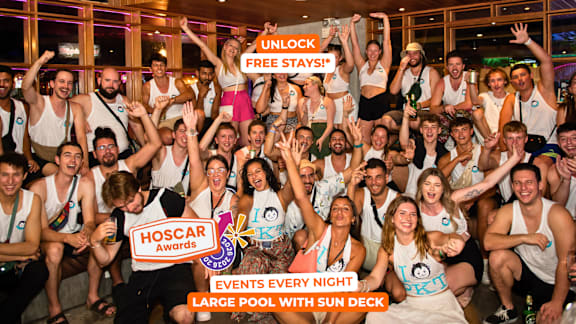
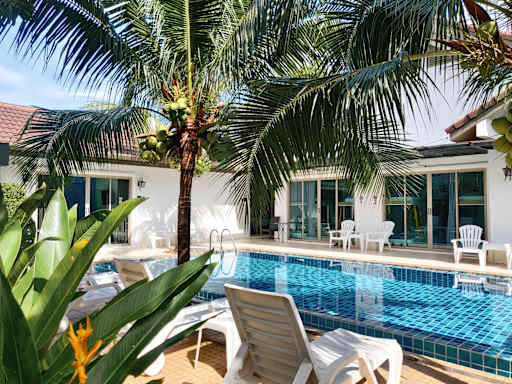
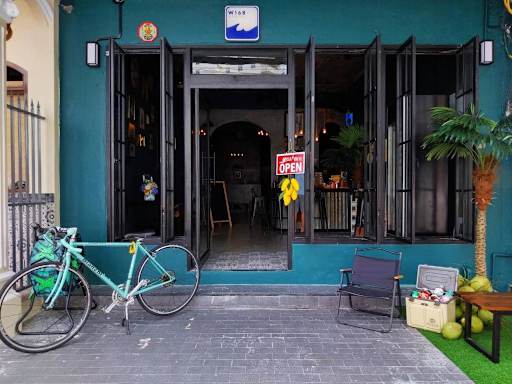
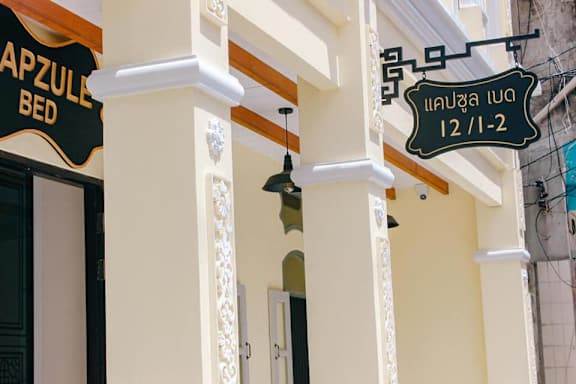
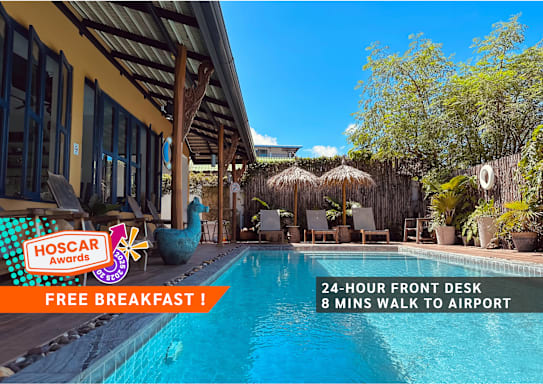
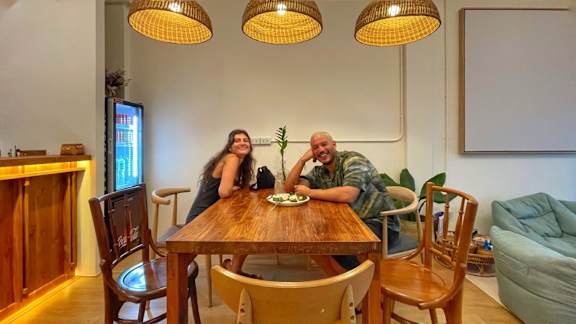
The top-rated places to stay in Phuket right now, live from Hostelworld.

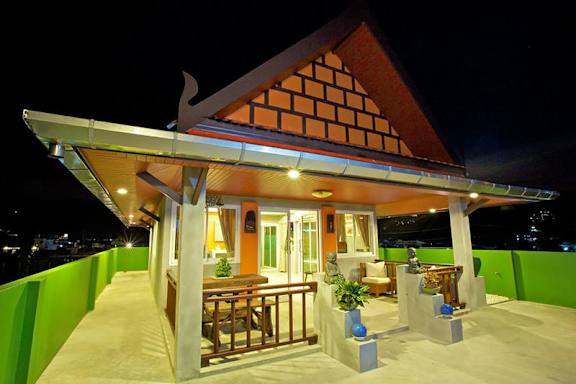
November to April is the dry season on the Andaman coast.
Average highs. The rainy season runs from May to October.
Pick how you travel. Per person per night, in euros.
Prices are in baht locally; these are euro equivalents. Excludes boat tours and diving.
The ones we get asked most.

Compare Phuket hostels — live prices, real reviews and free cancellation on most bookings. Then meet the people already there in the app.

 Get the App.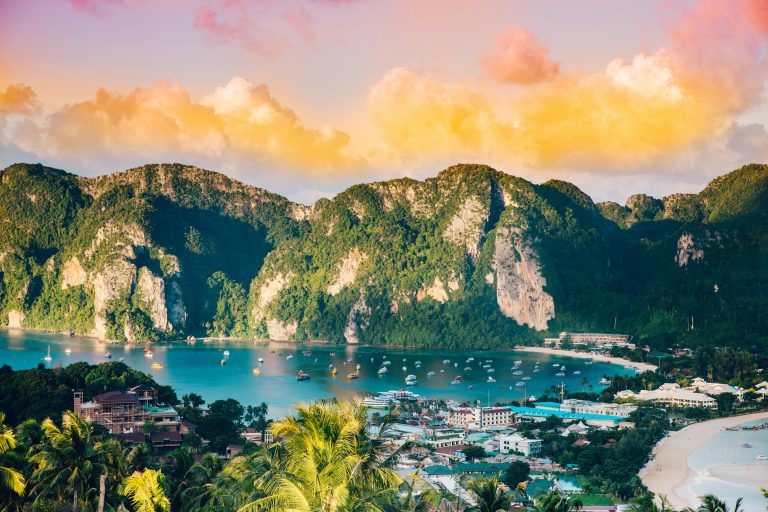
 Get the App.