Zentrum
First-timersInside the ring: the churches, the arcades, the station and most of the sights, all walkable.

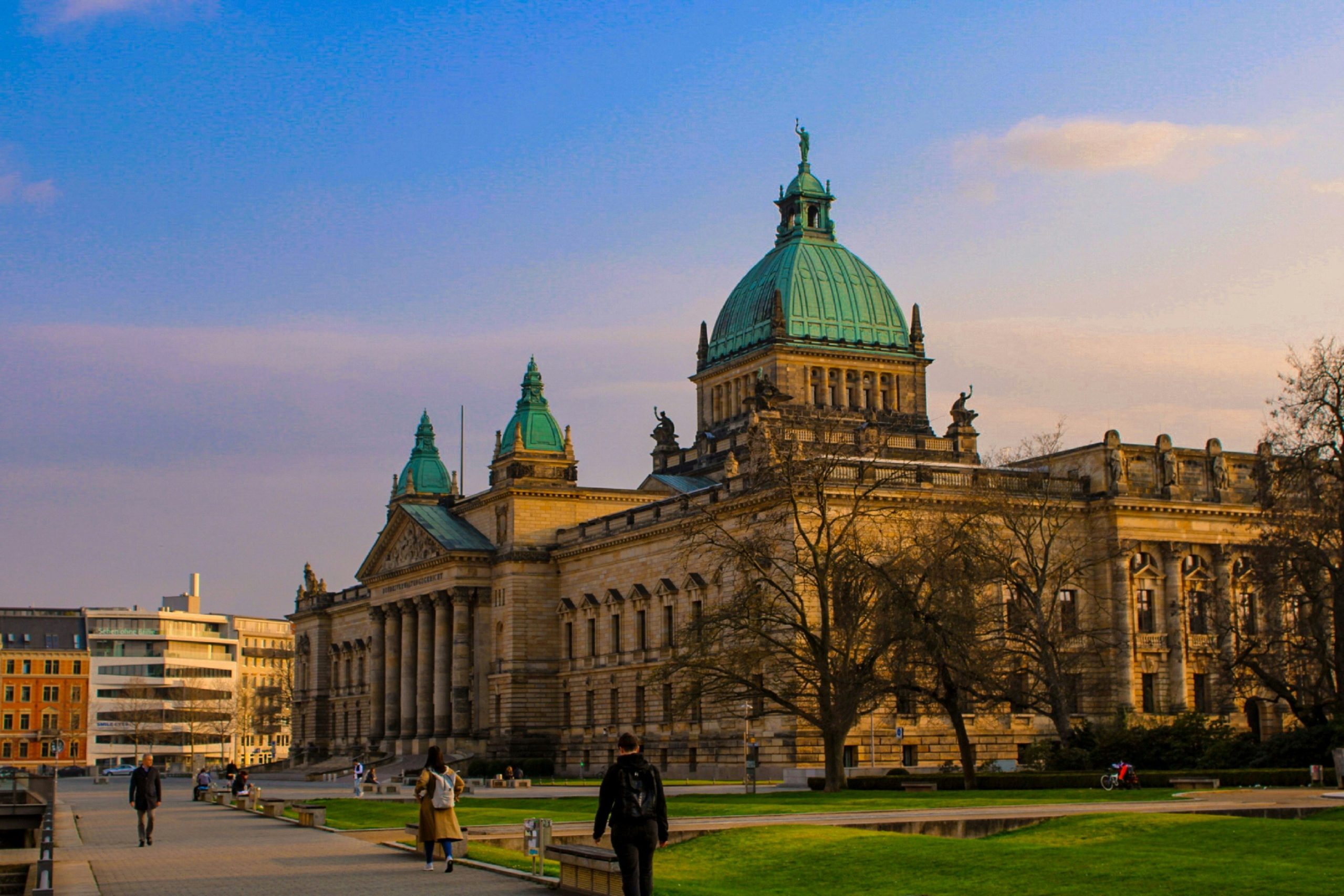
Where Berliners move when Berlin gets expensive: Bach's church, a cotton mill full of galleries, lakes made from old coal pits, and the city where the GDR started to fall.
Leipzig has been a trade fair city since the Middle Ages, which left it with covered arcades and passages threading the centre — you can cross much of the old town without going outside.
Bach was cantor at the Thomaskirche from 1723 until his death in 1750 and is buried there. Mendelssohn and Schumann worked here too, and the Gewandhaus orchestra is among the oldest in the world.
In 1989 the Monday demonstrations at the Nikolaikirche grew from a few hundred to seventy thousand people, and the regime did not fire. It is generally considered the moment the GDR started to collapse, and Leipzig calls itself the Heldenstadt — the city of heroes — for it.
The Spinnerei, a vast nineteenth-century cotton mill in the west, is now a gallery complex and the centre of the contemporary art scene that made Leipzig's reputation.
It is cheap, young and growing fast. Two days.
A ring road around a compact centre, with the interesting districts just outside it.
Inside the ring: the churches, the arcades, the station and most of the sights, all walkable.
South: Karl-Liebknecht-Strasse, the main bar strip, with cheap food and a young crowd.
West: the Spinnerei, converted factories, canals and the cheapest beds in the city.
North-west: one of the largest intact Gründerzeit districts in Europe, beside a park and the stadium.
Orange labels are neighbourhoods, dots are the 9 top-rated hostels. Map © MapTiler © OpenStreetMap contributors.
The Thomaskirche is free and holds Bach's grave. The Thomanerchor, the boys' choir he directed, still sings there — the Friday evening and Saturday afternoon motets are the ones to aim for, and they cost a few euros.
The Nikolaikirche, also free, is where the Monday demonstrations began in 1989. The Forum of Contemporary History nearby is free and covers the GDR and the peaceful revolution properly.
The Spinnerei in Plagwitz is a twenty-hectare former cotton mill now holding galleries and studios, free to walk into, and it is where the New Leipzig School painters worked. Check the opening days before going.
The Monument to the Battle of the Nations, about €10, commemorates Napoleon's defeat here in 1813 and is a 91-metre block of granite that looks less like a monument than a threat. The climb inside is worth it.
Then swim. The lakes south and east of the city are flooded former open-cast coal mines, and Cospudener See is twenty minutes away by bike.
Both major churches are free — the Thomaskirche with Bach's grave and the Nikolaikirche with its 1989 history.
The Forum of Contemporary History is free and is the best account of the GDR and the peaceful revolution anywhere.
The Spinnerei galleries are free to enter, and so are the arcades and passages threading the old town — Mädler Passage, with Auerbachs Keller beneath it, is the one Goethe put in Faust.
The Clara-Zetkin-Park and the Auwald, a large riparian forest running through the city, are free.
The lakes are free to swim in, and the Karl-Heine-Kanal towpath through Plagwitz is a good free walk or cycle past converted factories.
Cheap and student-driven. Karl-Liebknecht-Strasse — universally called Karli — has the best concentration of cheap eating at €8 to €14, with Middle Eastern, Vietnamese and Indian throughout.
Leipziger Allerlei is the local dish, a vegetable medley that in its proper form involves crayfish and morels, though most versions are considerably plainer.
Leipziger Lerche is a shortcrust pastry with marzipan, invented after songbird pies were banned in the nineteenth century.
Gose is the local beer style — sour, salty and coriander-spiced — and Bayerischer Bahnhof brews it in a former railway station. It divides opinion sharply and is worth trying once.
A restaurant main is €11 to €17 and a beer €3.50 to €5.
Karl-Liebknecht-Strasse in the south is the main strip, with dozens of bars along a kilometre and a half and a heavy student presence.
Plagwitz in the west has the warehouse venues and the more interesting clubs, in converted industrial buildings along the canal.
A beer is €3.50 to €5 and cocktails €7 to €11 — cheaper than Berlin, which is part of why so many people moved here.
The electronic scene is good and unpretentious, with none of Berlin's door theatre.
Wave-Gotik-Treffen at Whitsun brings tens of thousands of goths to the city for four days and is one of the largest gatherings of its kind in the world. If you are here then, the city looks extraordinary and beds are scarce.
Trams and the S-Bahn cover the city with a day ticket around €8.50. The centre inside the ring is walkable in twenty minutes.
Validate before boarding — the fine is €60.
The Hauptbahnhof is one of the largest railway terminals in Europe by floor area and contains a full shopping centre, which is the only place in the city where shops open on a Sunday.
The airport is 15 minutes by S-Bahn for about €5.
ICE trains reach Berlin in about an hour and a quarter, Dresden in about seventy minutes and Munich in three and a half hours.
Cycling is excellent — the city is flat, the canal paths run west into Plagwitz and south to the lakes, and hire is €10 to €15 a day.
One of the cheapest cities in Germany. Dorms are €15 to €30, a main €11 to €17, and a beer €3.50 to €5.
A day is €38 to €70.
The churches, the Forum of Contemporary History, the Spinnerei and the lakes are all free, which covers most of what you came for.
The Battle of the Nations monument at about €10 is the main entry.
Wave-Gotik-Treffen at Whitsun is the one week when beds tighten and prices rise sharply.
Being an hour from Berlin at these prices is the reason so many people have moved here, and it shows in how fast the city is changing.
Leipzig is a safe city and crime against visitors is low.
Petty theft happens around the Hauptbahnhof and on Karli at weekends.
Connewitz, south of the centre, is a well-known left-wing district with a history of confrontations between activists, far-right groups and police. Ordinary visitors are not the target and the area is fine day to day, but demonstrations there can escalate and are best avoided.
The lakes are flooded open-cast mines and are deep, cold and steep-sided away from the supervised beaches. Swim at the official bathing areas — Cospudener and Markkleeberger See both have them — rather than from the banks.
Validate transport tickets; the €60 fine applies here too. Emergency number is 112.
Lakes, Luther and two cities within ninety minutes.
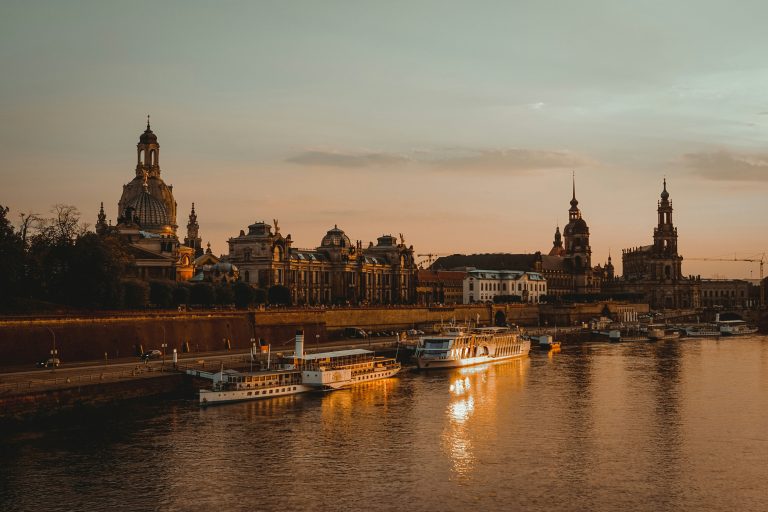
A rebuilt baroque city on the Elbe, and Saxon Switzerland beyond it.
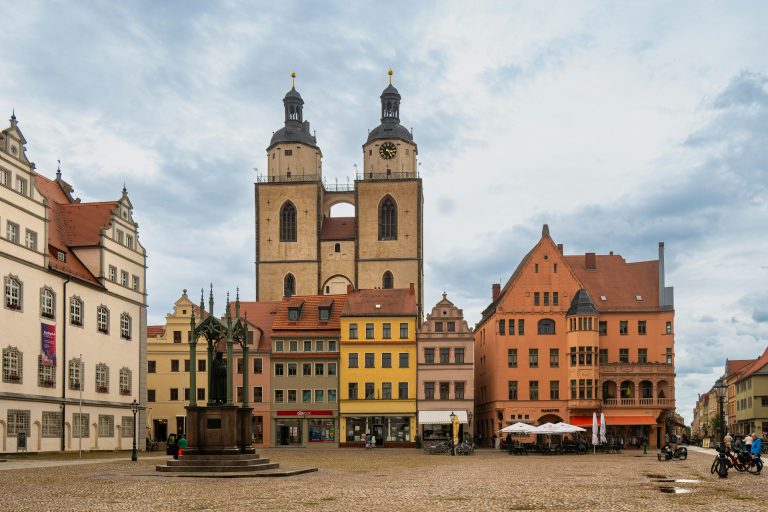
Where Luther posted his theses in 1517, with the church door and his house both UNESCO-listed.
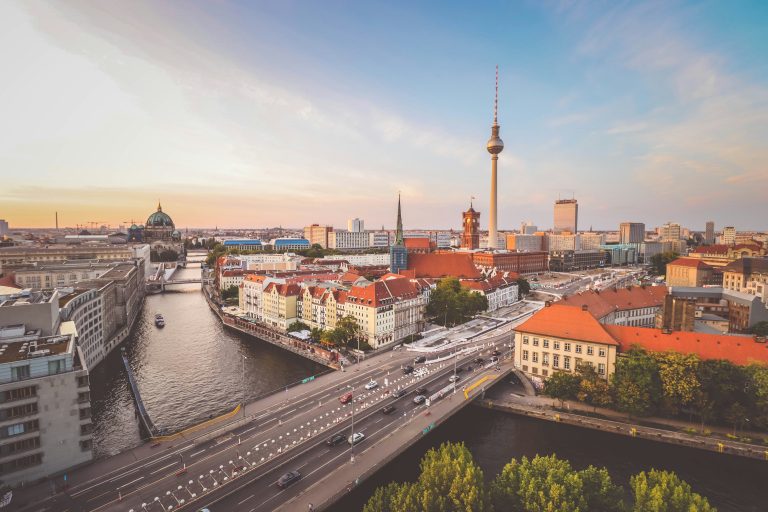
The capital, easy in either direction.
Tens of thousands of goths at Whitsun, and Bach all year.
 Staff pick
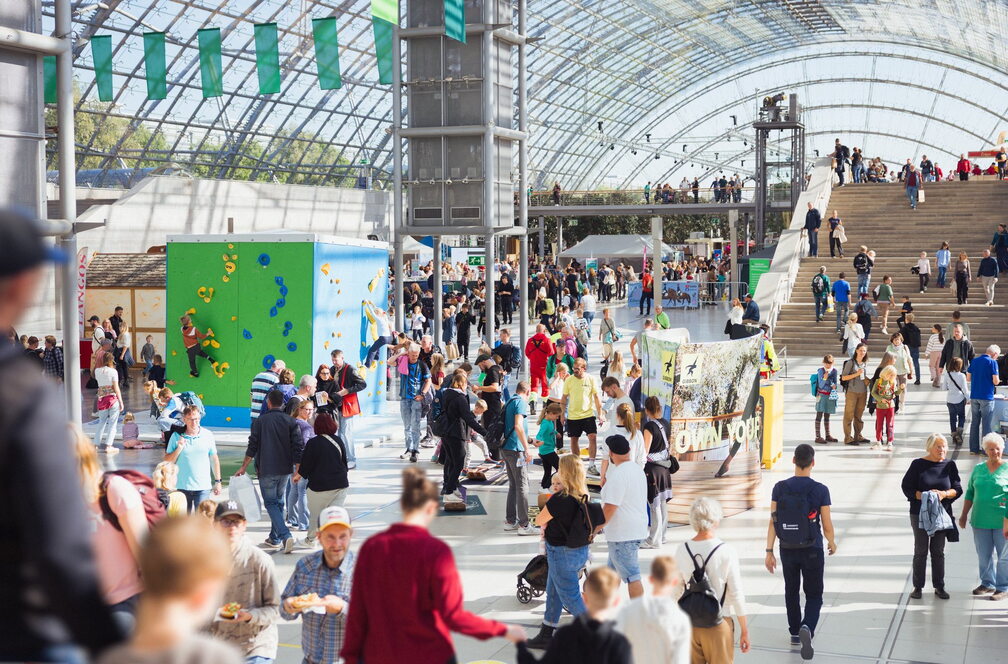
Hobbymesse Leipzig is Germany’s leading consumer fair for model building, model railways, creative arts, crafts, games, and toys, held at the renowned Leipziger Messe.…
 Staff pick
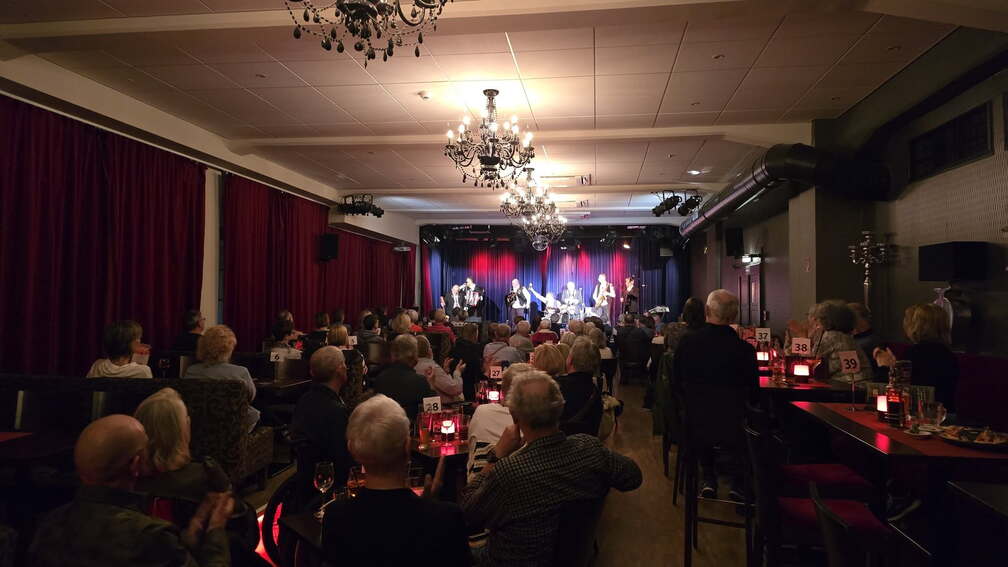
The Leipzig Laughter Festival is a renowned celebration of cabaret, satire, and comedy, drawing performers and audiences from across the country. With a diverse…
 Staff pick
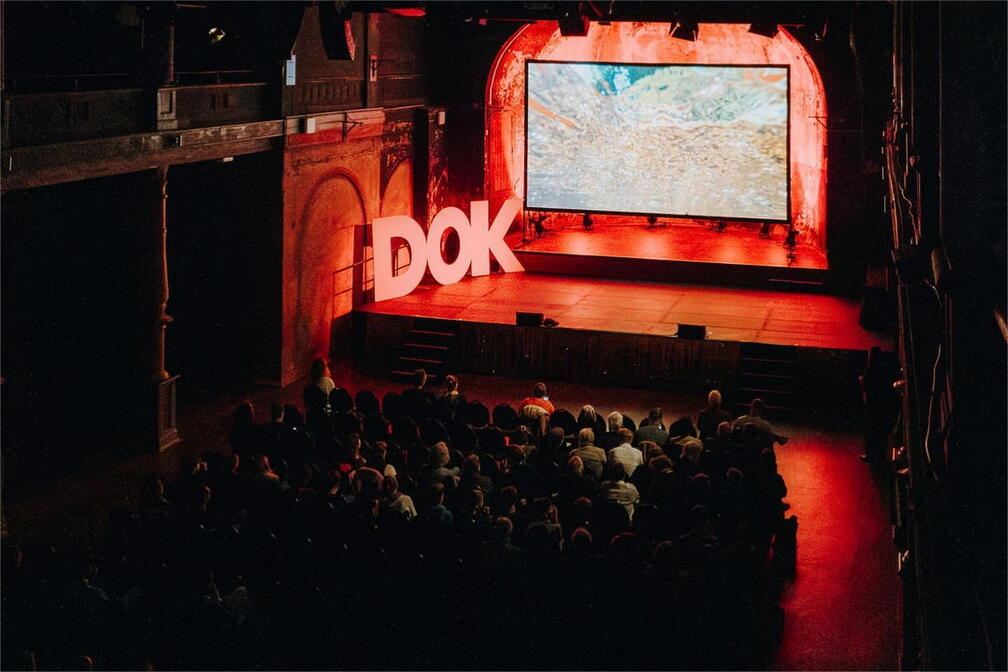
DOK Leipzig, held in Leipzig, Germany, is one of the world’s leading festivals for documentary and animated films, drawing over 50,000 visitors each year.…
 Staff pick
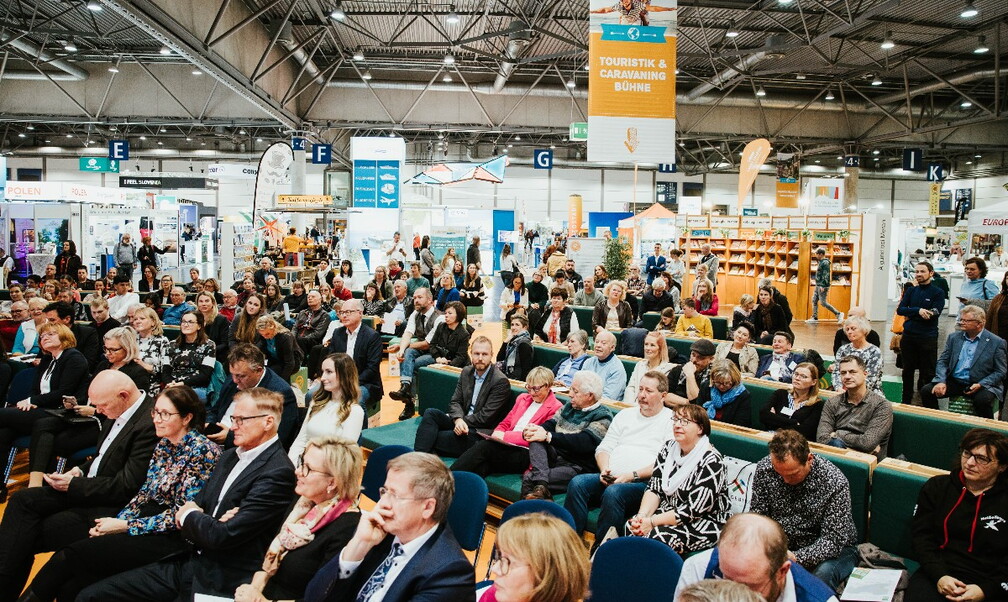
Touristik & Caravaning Leipzig at Leipziger Messe is Central Germany’s largest travel and caravaning fair, bringing together a diverse range of tourism, outdoor adventure,…
 Staff pick
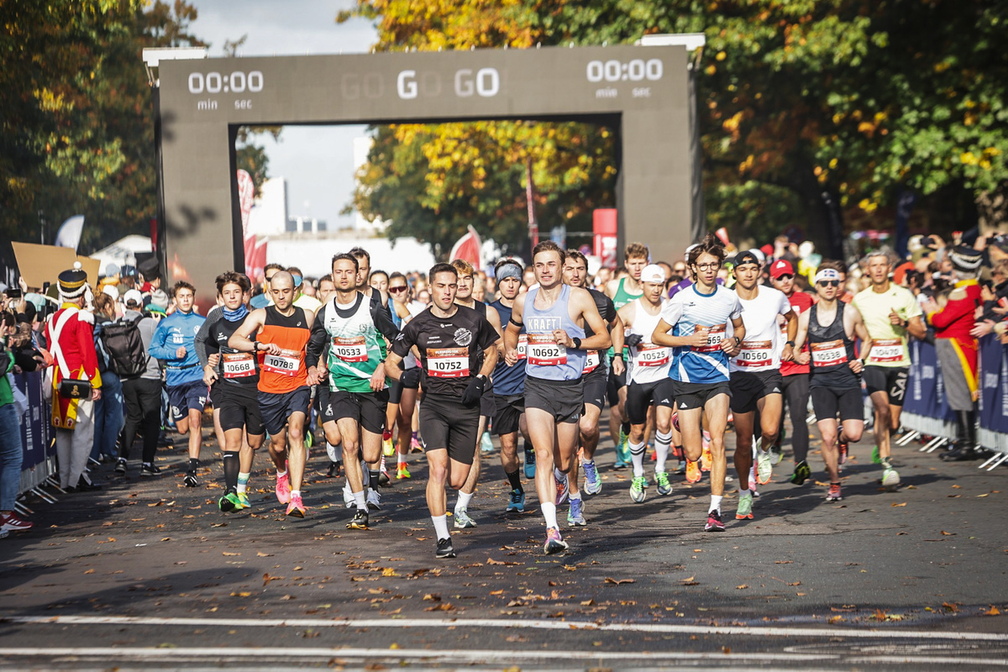
Experience the thrill of running through history at the Leipzig Run, where participants race across the legendary battlefields surrounding the Monument to the Battle…
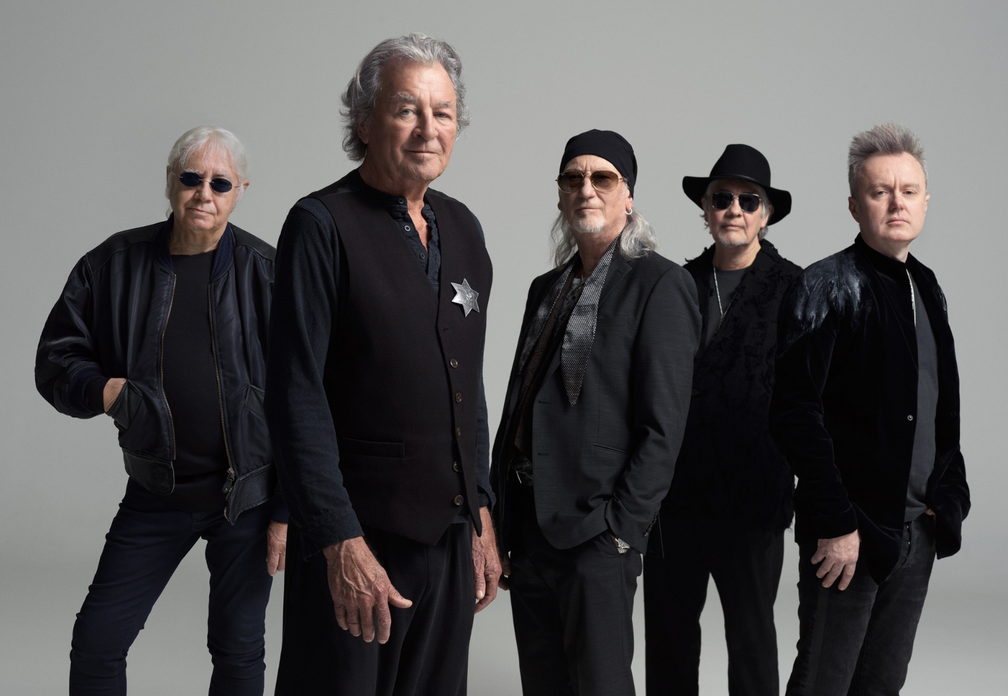
Deep Purple has shaped hard rock and heavy metal with iconic anthems like "Smoke On The Water" and "Child In Time." Their live shows…
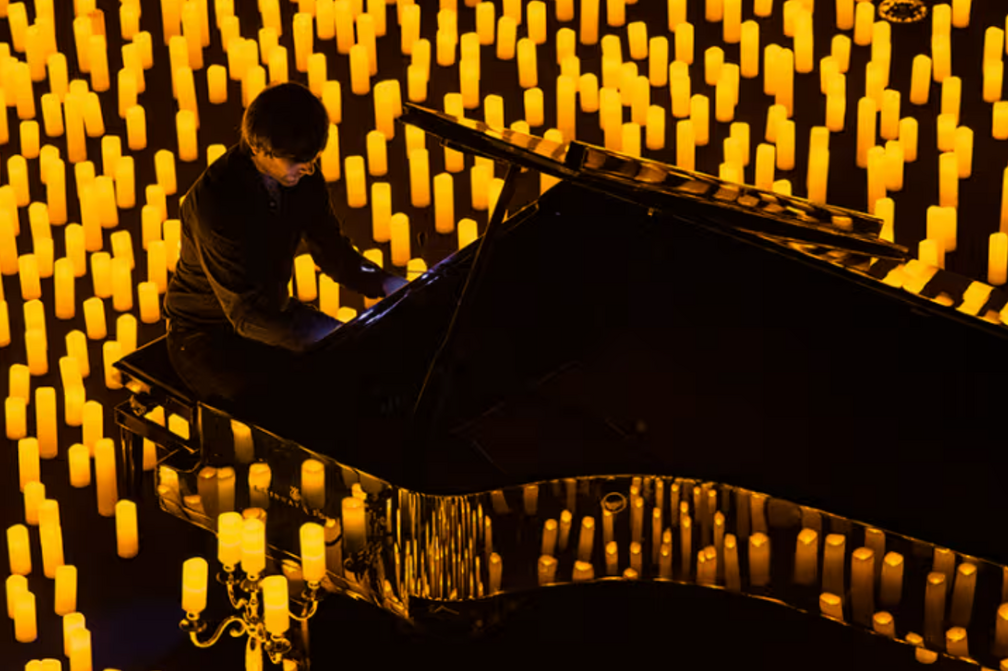
Candlelight: The Best of Ludovico Einaudi is a live music experience held in Leipzig that transforms the Peterskirche into a concert location illuminated by…

Mariybu's FRECH Tour follows the release of her album that challenges traditional views with techno-driven hyperpop and hardstyle elements. The music explores themes like…
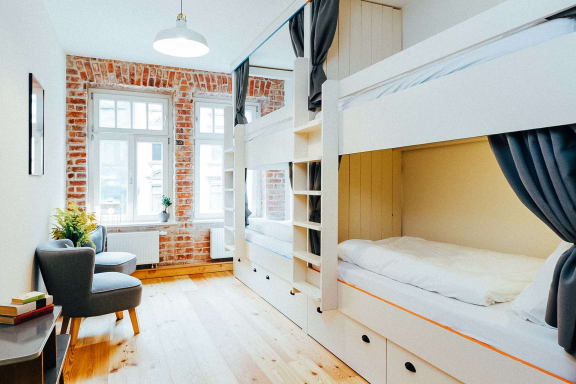
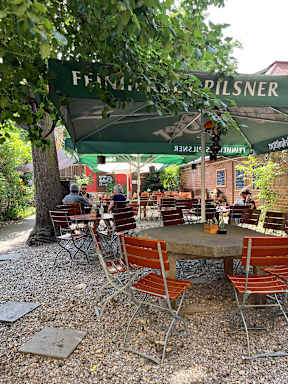
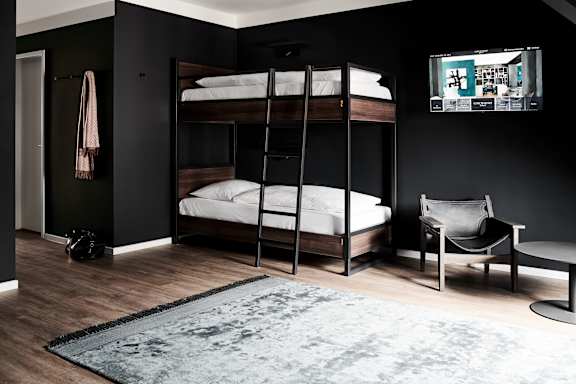
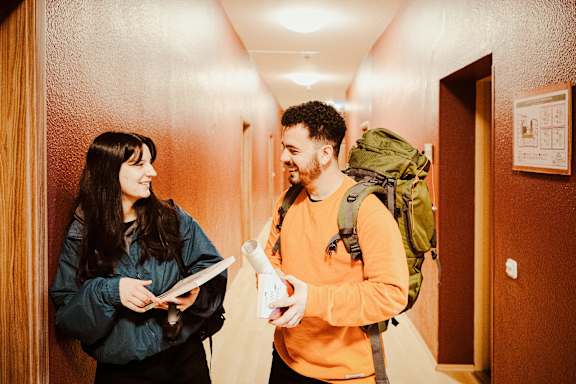
A good scene in the centre and Plagwitz at some of the lowest prices in Germany. Live from Hostelworld.
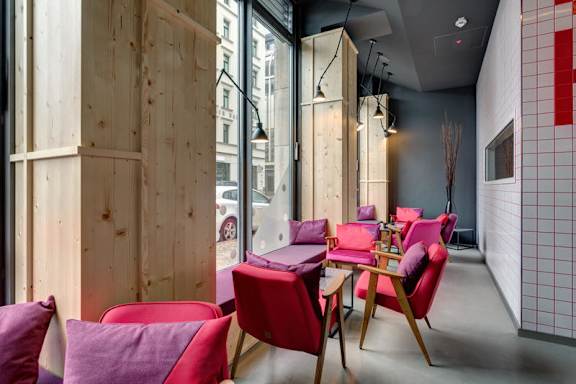
 Sustainable
May to September for the lakes and the terraces. Whitsun is the goth festival.
Average highs. Leipzig is continental and flat, so winters are colder than western Germany. The lakes are only really usable from June to early September.
Pick how you travel. Per person per night, in euros.
Wave-Gotik-Treffen week runs well above these. The doing line is very low because almost everything worth seeing is free.
The ones we get asked most.

Compare Leipzig hostels — live prices, real reviews and free cancellation on most bookings. Then meet the people already there in the app.

 Get the App.
 Get the App.