
Best Backpacking Destinations in South America for First-Timers
South America has a reputation for chaos, but it doesn’t have to be that way for your first trip. The truth is, some of the continent’s most iconic regions also happen to have the smoothest infrastructure: reliable buses, well-worn backpacker trails, and hostels used to welcoming first-timers every single day.
If you’re searching for the best backpacking destinations in South America for first timers, the trick isn’t picking the wildest, most remote corner of the map. It’s picking places where getting from A to B is simple, where English is spoken often enough to get by, and where thousands of backpackers before you have already figured out the logistics.
This guide covers five regions that consistently top the list for south america backpacking for beginners, plus a sample route, planning tips, and hostel picks so your first big trip actually feels like a holiday, not a logistics puzzle.

🇵🇪 Why is Peru such a good starting point for first-time backpackers?
Peru is often the first stop for a reason. Lima, Cusco, the Sacred Valley and Machu Picchu form a route that’s been perfected by decades of tourism, which means the transport just works.
- Lima to Cusco: frequent flights (around 1.5 hours) or an overnight bus if you want to save money
- Cusco to Sacred Valley: shared shuttles and colectivos run constantly
- Sacred Valley to Machu Picchu: train (PeruRail or IncaRail) followed by a short bus up the mountain
Cusco itself is walkable, well-signed, and full of tour agencies used to helping confused first-timers plan treks, buses, and permits. Book your Machu Picchu train and entry ticket in advance, since availability fills up weeks ahead in high season.
Beyond logistics, this route is simply spectacular: colonial architecture, Andean markets, and one of the world’s most photographed ruins, all reachable without ever needing a 4×4 or a guide who “knows a guy.”
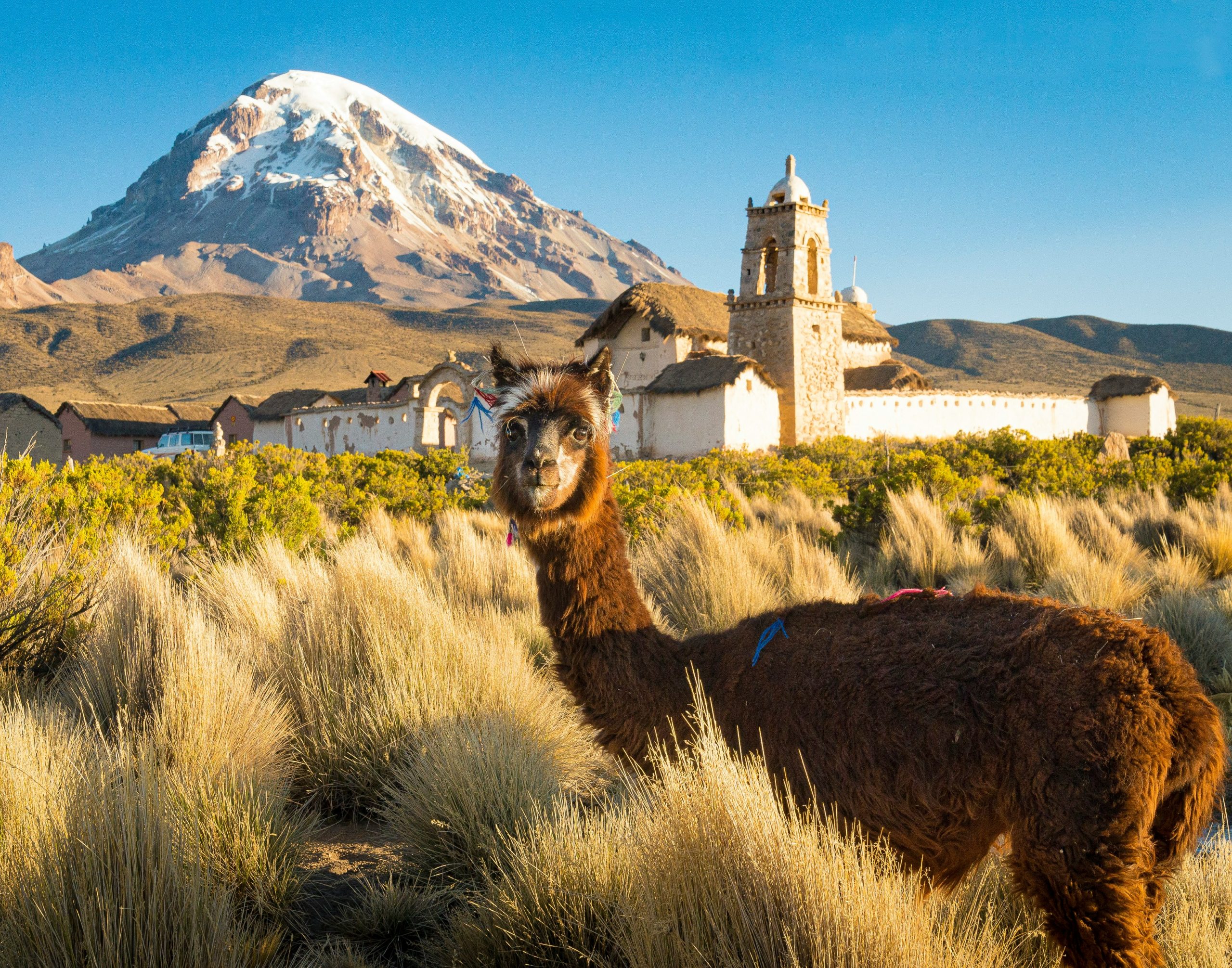
🇧🇴 Is Bolivia easy to backpack for beginners?
Yes, and it’s often underrated. Bolivia is one of the most affordable countries on the continent, and its group tour infrastructure does a lot of the planning for you.
La Paz sits at over 3,600 metres, so give yourself a day or two to adjust before anything strenuous. The cable car network (Mi Teleférico) is genuinely one of the best ways to see a city anywhere in the world, and it costs next to nothing.
From La Paz, most backpackers head to the Uyuni Salt Flats, usually via an overnight bus to Uyuni town followed by a multi-day 4×4 tour that’s pre-arranged through a tour agency. You don’t organize this yourself; you simply book a spot.
Sucre, Bolivia’s white-washed constitutional capital, is a gentler stop with excellent Spanish schools and a slower pace, ideal for recovering from altitude and buses.
| Stop | Why it’s beginner-friendly |
|---|---|
| La Paz | Cable cars, walkable centre, easy day trips |
| Uyuni | Tours are fully organized for you |
| Sucre | Relaxed, safe, great for a few slow days |
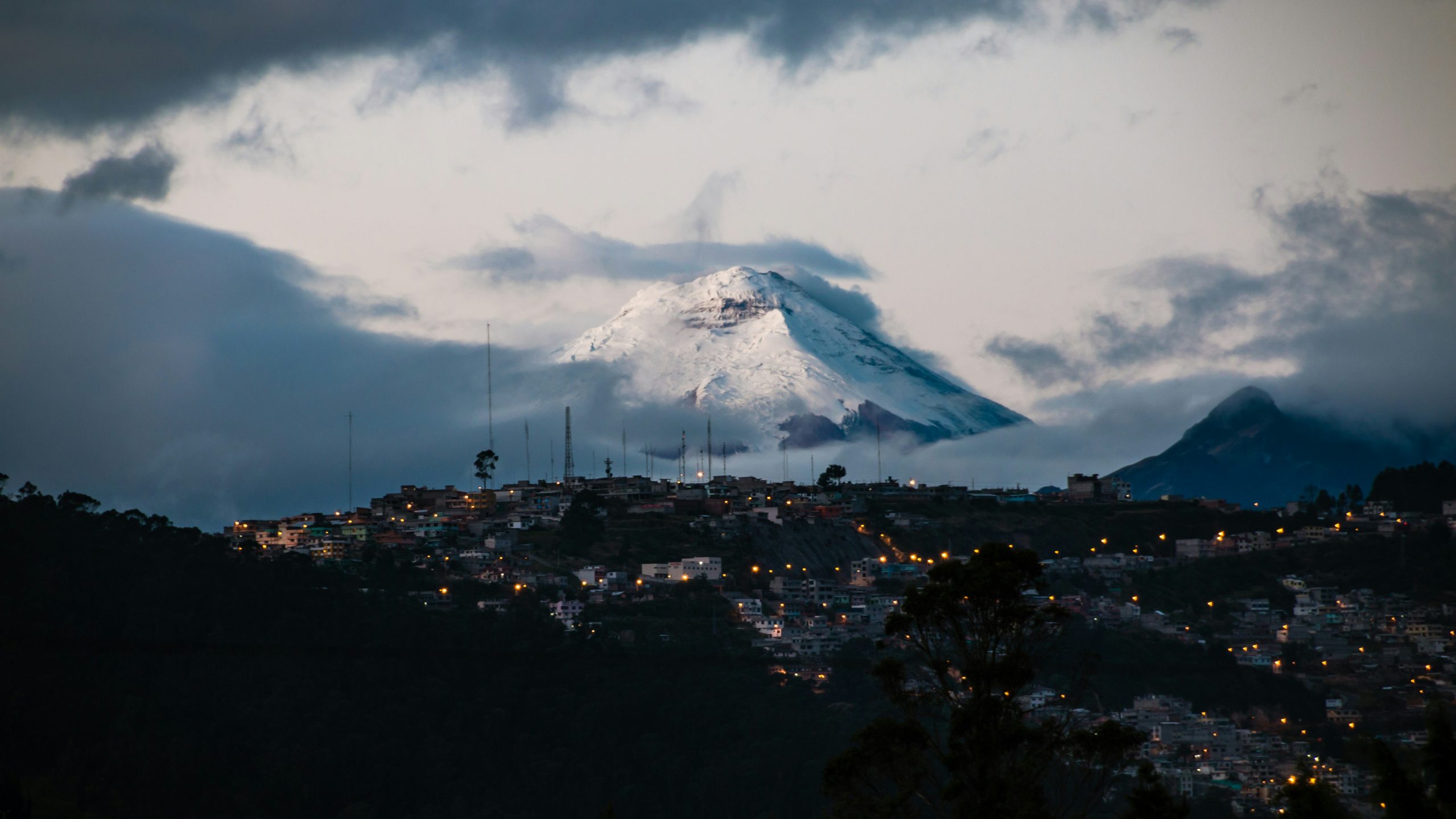
🇪🇨 Why does Ecuador work well for a first backpacking trip?
Ecuador is small, and that’s its biggest advantage. You can cross the entire country in a fraction of the time it takes elsewhere on the continent, which makes it one of the most efficient easy south america backpacking destinations infrastructure-wise.
Quito is the natural entry point, with a compact historic centre and a strong bus network (Quitumbe and Carcelén terminals) connecting to almost everywhere. From there:
- Quito to Baños: around 3.5 hours by bus, straight into Ecuador’s adventure-sports hub
- Baños to Cuenca or Guayaquil: frequent onward connections, no need to backtrack through Quito
Short hops mean less time wasted on buses and more time actually exploring, whether that’s zip-lining over the cloud forest near Baños or soaking in the thermal baths after a day of hiking.
Quick tip: buses in Ecuador are cheap and frequent, but seats sell out on weekends and holidays, so buy same-day tickets early in the morning if you can.
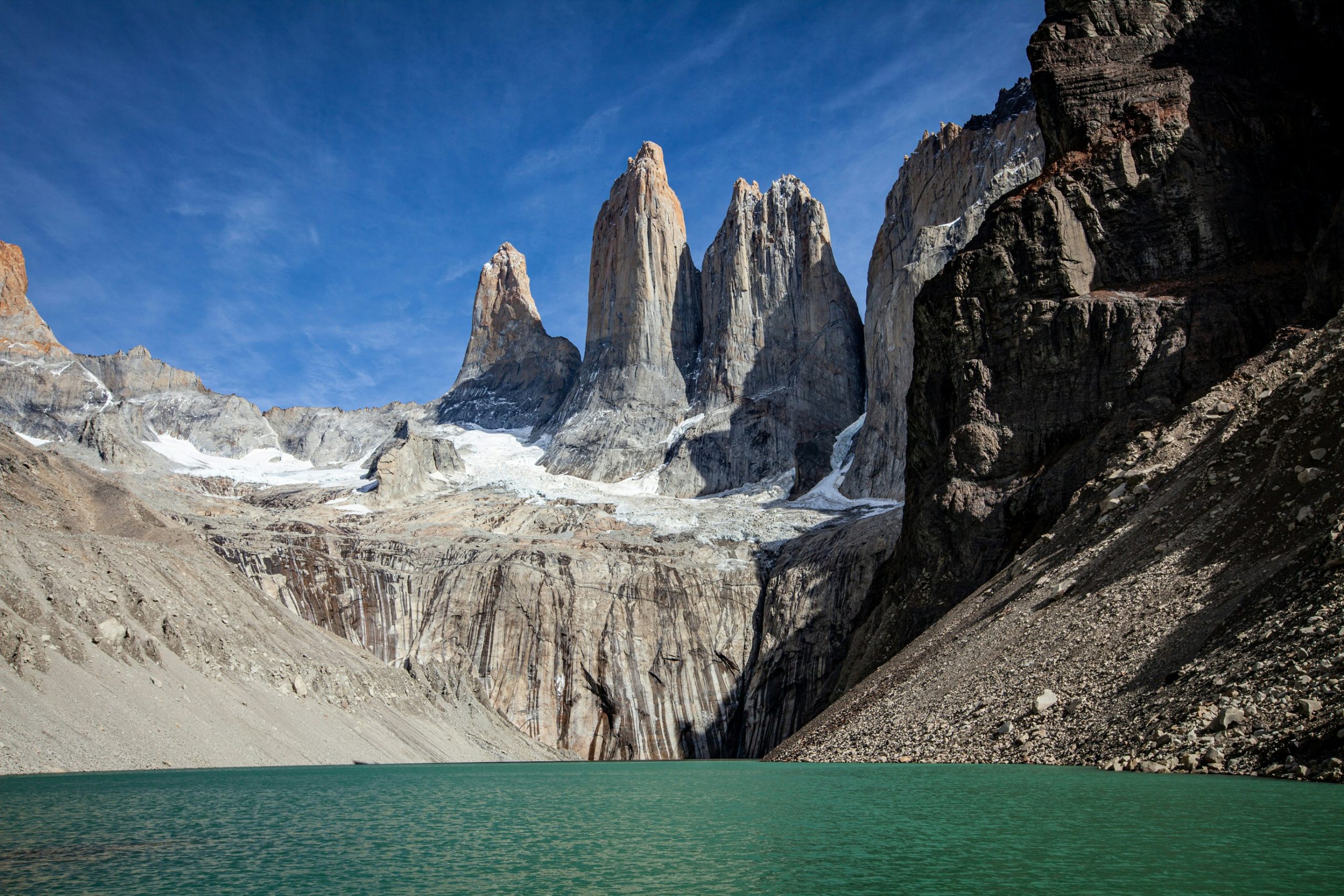
Book Hostels In Chilean Patagonia
🏔️ What makes Chilean Patagonia manageable for a first-timer?
Patagonia has a wild reputation, but the Chilean side, particularly around Torres del Paine and Puerto Natales, is more structured than most people expect.
Puerto Natales is the compact base town for the entire region. Everything a first-timer needs, tour operators, gear rental shops, bus companies, and restaurants, sits within a ten-minute walk of the main square.
A few things that make this region easier than it sounds:
- Buses from Puerto Natales into Torres del Paine National Park run multiple times daily in high season
- Refugios and campsites along the W Trek must be booked ahead, but the process is standardized and well-documented
- English is widely spoken in hostels and tour agencies due to heavy international tourism
The trails themselves are clearly marked, and you don’t need technical climbing experience for the W Trek. You do need warm layers regardless of the season; Patagonian weather changes fast, and that’s really the only “wildcard” left once transport is sorted.
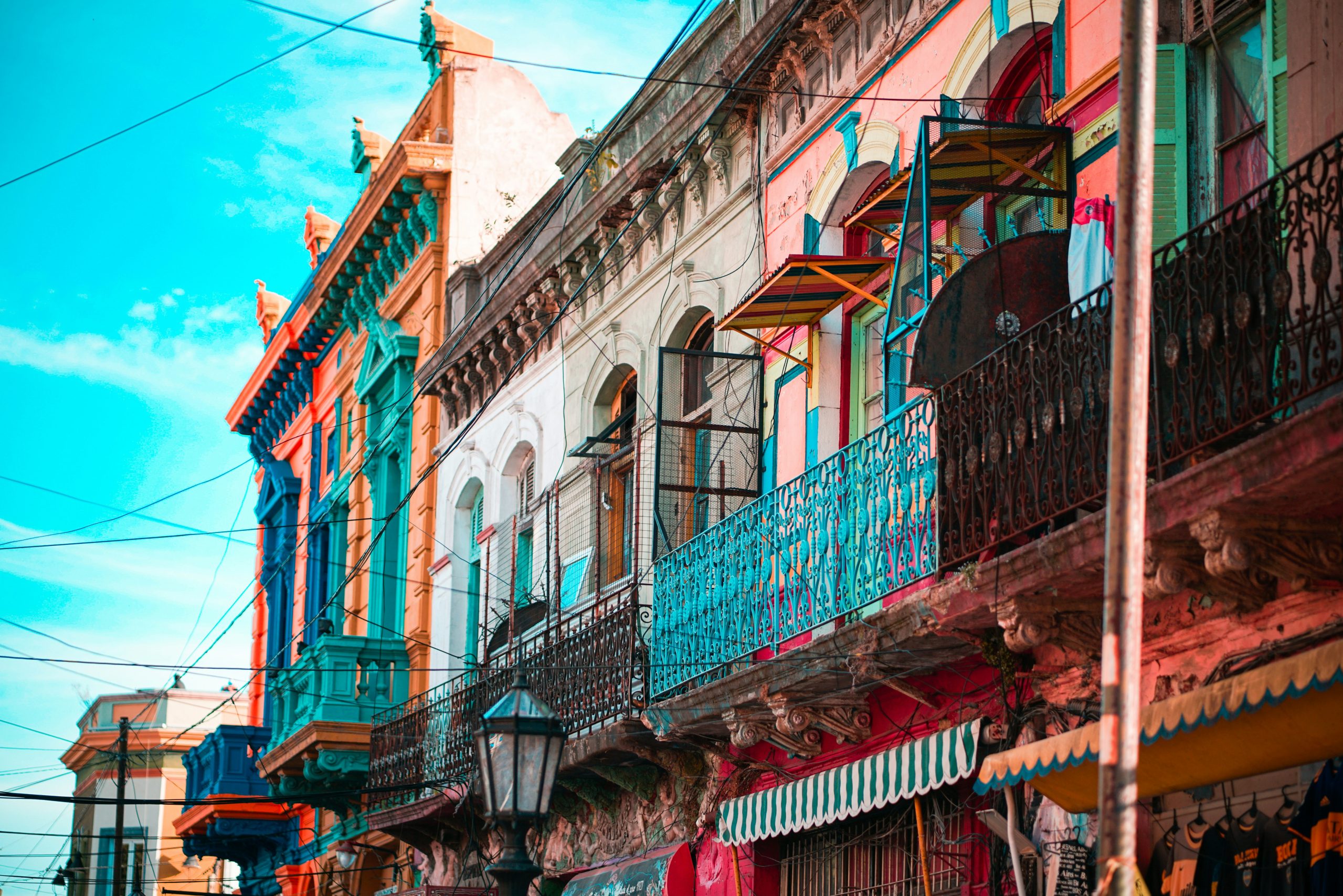
🇺🇾 Are Uruguay and Buenos Aires a gentle way to ease into South America?
If altitude, language barriers or long bus rides feel intimidating, starting here is a smart move. Buenos Aires feels closer to a European city than a typical backpacking destination: wide boulevards, excellent public transport, and a huge expat and backpacker scene that makes solo travel feel comfortable from day one.
From Buenos Aires, a ferry (Buquebus or Colonia Express) crosses the Río de la Plata to Uruguay in as little as an hour, landing you in the colonial town of Colonia del Sacramento or continuing on to Montevideo.
Uruguay is calm, safe, and small. Montevideo has a laid-back seaside energy, and onward buses to beach towns like Punta del Este or Punta del Diablo are simple and frequent.
This pairing works especially well as either a soft opener before heading into the Andes, or a relaxed final leg after weeks of higher-altitude travel elsewhere on the continent.
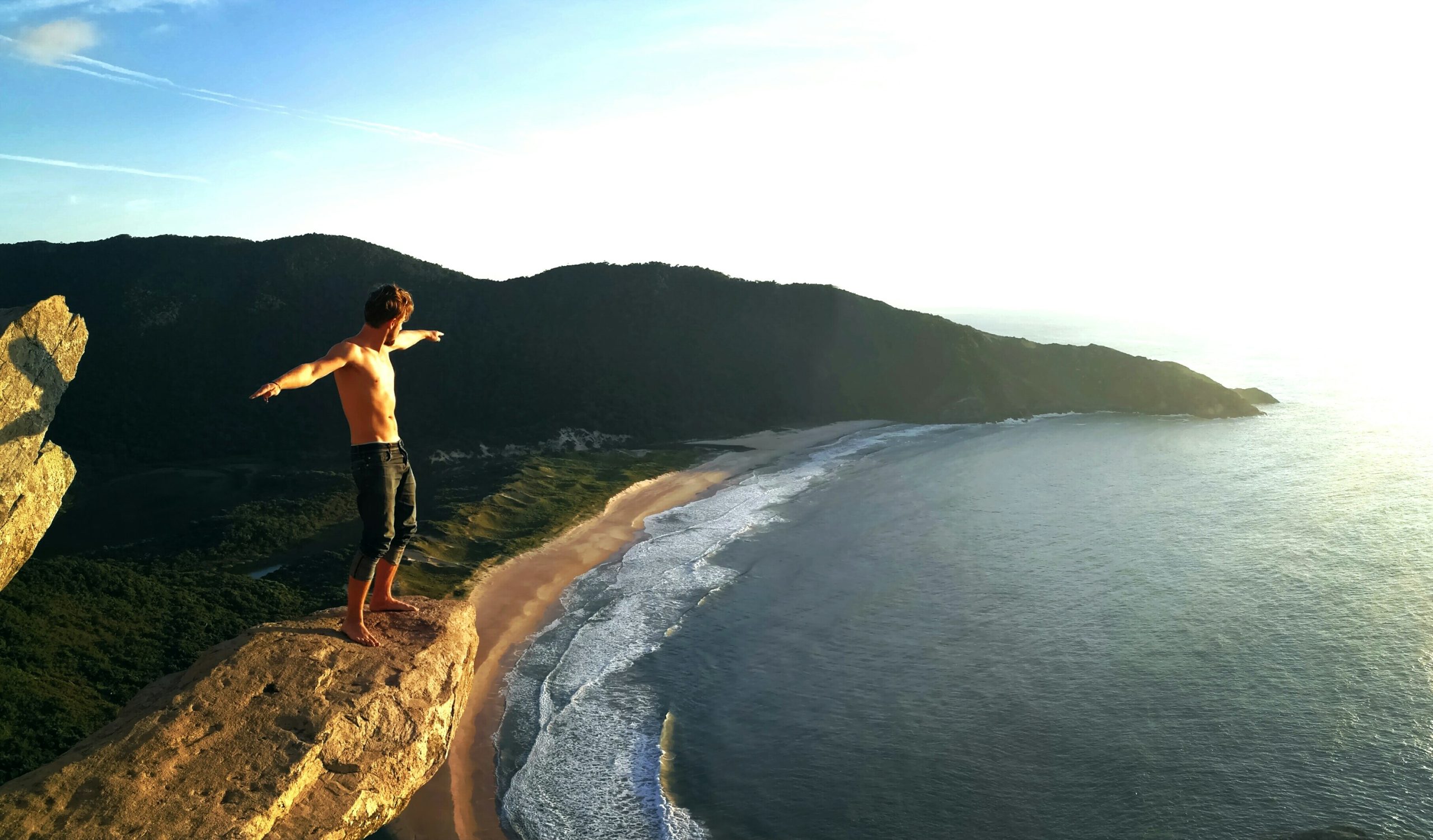
📋 What are the best planning tips for first-time backpackers in South America?
Good planning is really what separates an easy trip from a stressful one. A few habits make a huge difference:
Start small. Pick 2 to 3 destinations rather than trying to string together six countries in three weeks. This is the single biggest factor in how relaxed your trip feels.
Book the key legs ahead of time, especially:
- Machu Picchu train tickets and entry permits
- Uyuni salt flat tours
- W Trek refugios in Patagonia
- Any bus during a local holiday weekend
Leave the small stuff loose. Local buses, city tours, and day trips can almost always be booked a day or two ahead once you’re already there.
Quick tip: Download offline maps (Maps.me or Google Maps offline) before you leave Wi-Fi. Bus terminals in smaller towns aren’t always well signed.
Travel insurance that covers high-altitude trekking is worth double-checking too, since some basic policies exclude activities above 3,500 metres.
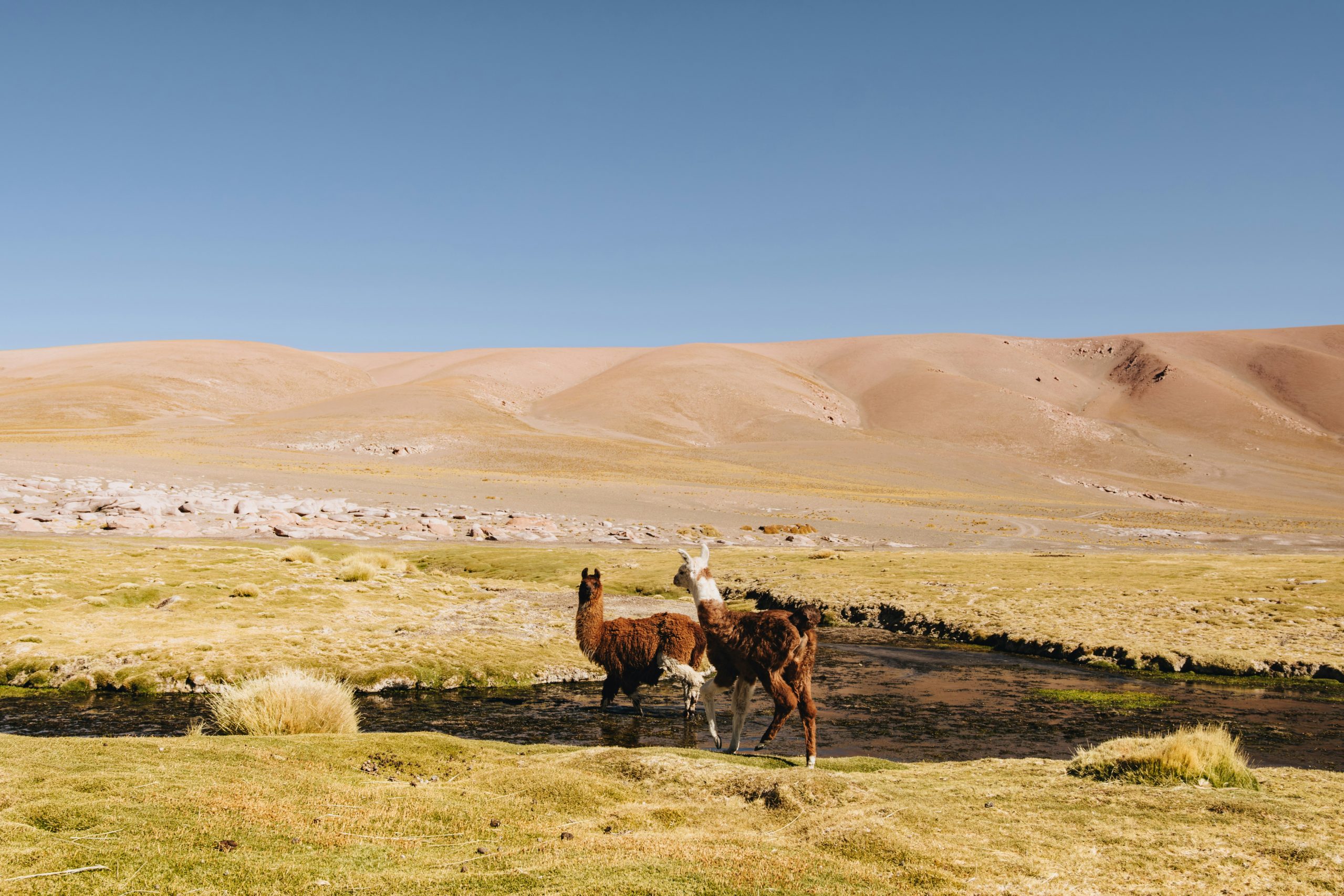
🗺️ What does a 2-week starter route through South America look like?
Here’s an illustrative route that keeps transport simple while covering some genuinely unforgettable places:
| Days | Destination | Transport to next stop |
|---|---|---|
| 1–4 | Lima → Cusco → Sacred Valley | Flight, then train to Machu Picchu |
| 5 | Machu Picchu | Train back to Cusco |
| 6–8 | Cusco → La Paz | Overnight bus (around 10-12 hours) |
| 9–10 | Uyuni Salt Flats | Pre-booked 4×4 tour from La Paz/Uyuni |
| 11–13 | Sucre | Bus from Uyuni (roughly 7-8 hours) |
| 14 | Fly home from La Paz or Santa Cruz | — |
This route sticks to Peru and Bolivia, the two countries most associated with beginner-friendly south america backpacking routes, and avoids long backtracking. Swap in Ecuador or Chilean Patagonia if altitude or long overland travel feels like too much for a first trip; either works as a self-contained two-week loop on its own.
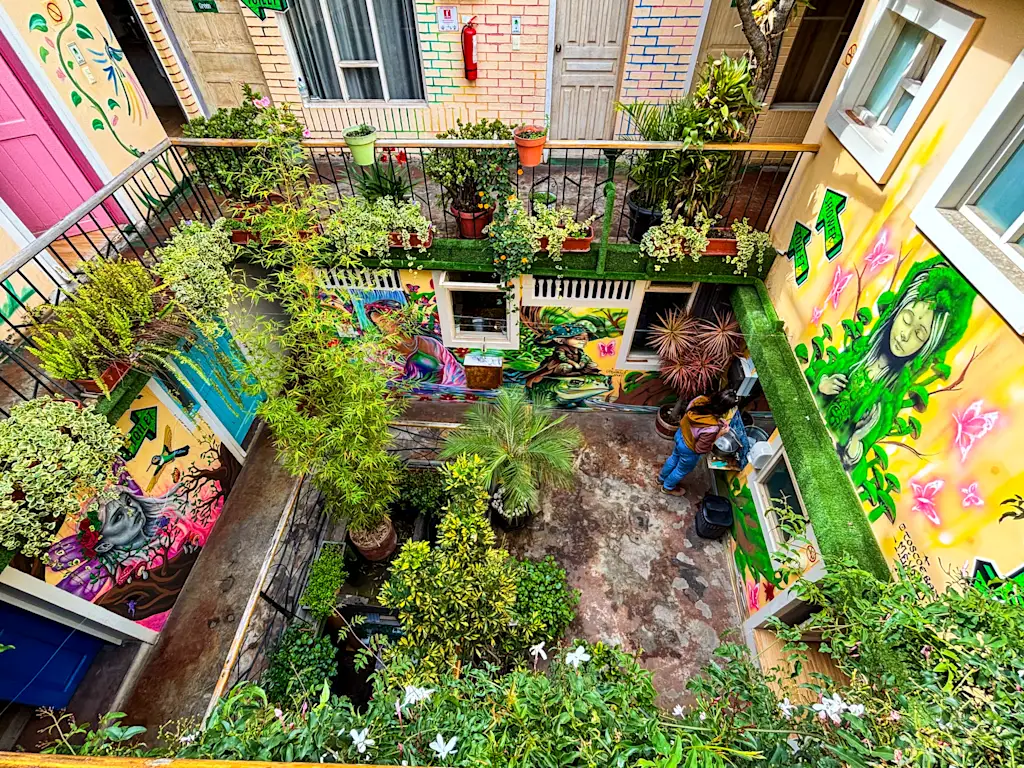
🛏️ What are the best hostels to book for each destination?
Choosing the right hostel matters just as much as the route itself, especially when you’re travelling solo for the first time and want a social base to plan from.
- Cusco, Peru: Pariwana Hostel Cusco, a central hostel with a lively bar, co-working space, and reliable WiFi for sorting your Machu Picchu logistics
- La Paz, Bolivia: Wild Rover La Paz, one of the highest-rated hostels in the city, known for its social atmosphere and helpful staff
- Uyuni, Bolivia: Piedra Blanca Backpackers Hostel, purpose-built for the region’s cold climate, with a buffet breakfast before early tour departures
- Quito, Ecuador: Secret Garden Quito, tucked into the cobblestoned historic centre with a rooftop terrace overlooking the city
- Puerto Natales, Chile: Erratic Rock, a long-standing favourite among trekkers heading into Torres del Paine
- Montevideo, Uruguay: MedioMundo Hostel, a cosy, well-reviewed base near the old town
- Buenos Aires, Argentina: Art Factory San Telmo, set in the historic San Telmo neighbourhood with a colourful, artsy feel
Booking a night or two in advance at each stop means you’ll always have a bed waiting, without locking yourself into a schedule that leaves no room to change plans.
Final thoughts
South America rewards first-timers who plan the transport, not the whole trip. Peru, Bolivia, Ecuador, Chilean Patagonia, and the Uruguay-Buenos Aires combo all offer that rare mix of jaw-dropping scenery and infrastructure that actually works, buses that run on time, hostels used to solo travellers, and well-marked trails.
Start with two or three destinations, book the non-negotiables ahead, and leave room to wander. That’s really the whole formula behind the best backpacking destinations south america first timers keep coming back to, year after year.
Download the Hostelworld app to start booking now


❓FAQs: Backpacking South America for First-Timers


 Get the App.