
Top Backpacking Destinations for Adventure & Culture
Beach hostels and bar crawls will always have their place, but a different kind of backpacker has been showing up lately. They’re the ones swapping sunset cocktails for sunrise treks, and pool days for wandering through smoky food markets where nobody speaks their language. This is the rise of adventure and culture backpacking, and it’s reshaping what a “must-visit” country even means.
The best backpacking destinations for adventure and culture all share a few things in common: serious hiking terrain, food markets worth planning a day around, and communities happy to let a stranger in for a while. Below are seven countries that nail this combination, plus where to sleep after a long day on the trail.
Whether you’re chasing Himalayan peaks or Andean ruins, this list of backpacking destinations, hikes, food markets and local vibes should give you plenty to work with.
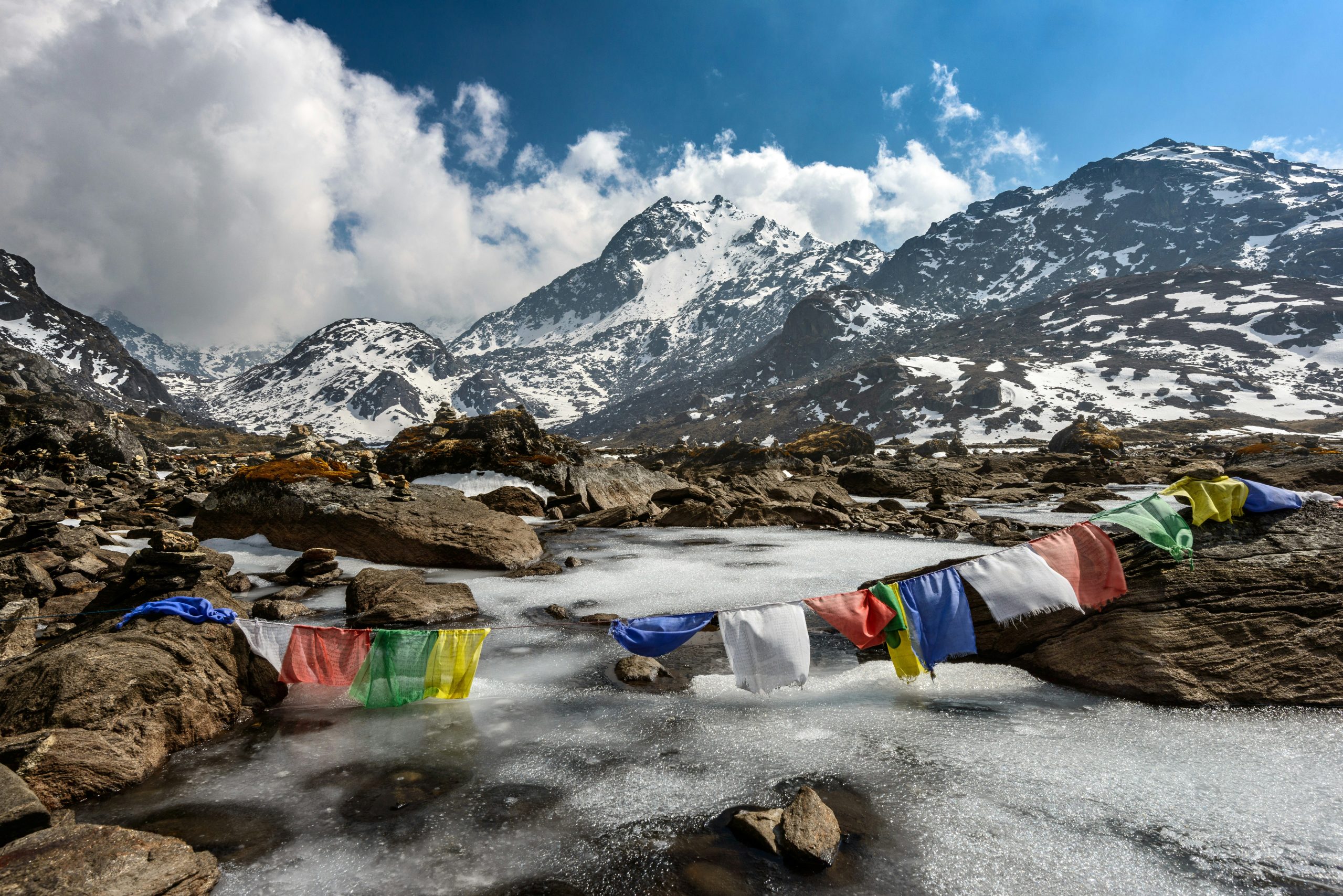
🏔️ Nepal: Where Do Trekking and Temple Life Collide?
Nepal is the obvious starting point for adventure culture backpacking, and it earns that spot honestly. The Annapurna and Everest regions offer treks for every fitness level, from a modest three-day loop to the full three-week expedition.
What sets Nepal apart is how closely the trekking and the culture sit together. You’ll pass:
- Buddhist monasteries with prayer flags snapping in the wind
- Teahouses run by the same families for generations
- Villages where yak caravans still carry supplies
Back in Kathmandu, Thamel’s markets are chaotic in the best way, packed with prayer wheels, pashmina scarves and dumpling stalls. Tip: budget an extra rest day in the capital before or after your trek. Altitude and Kathmandu traffic both deserve a buffer.
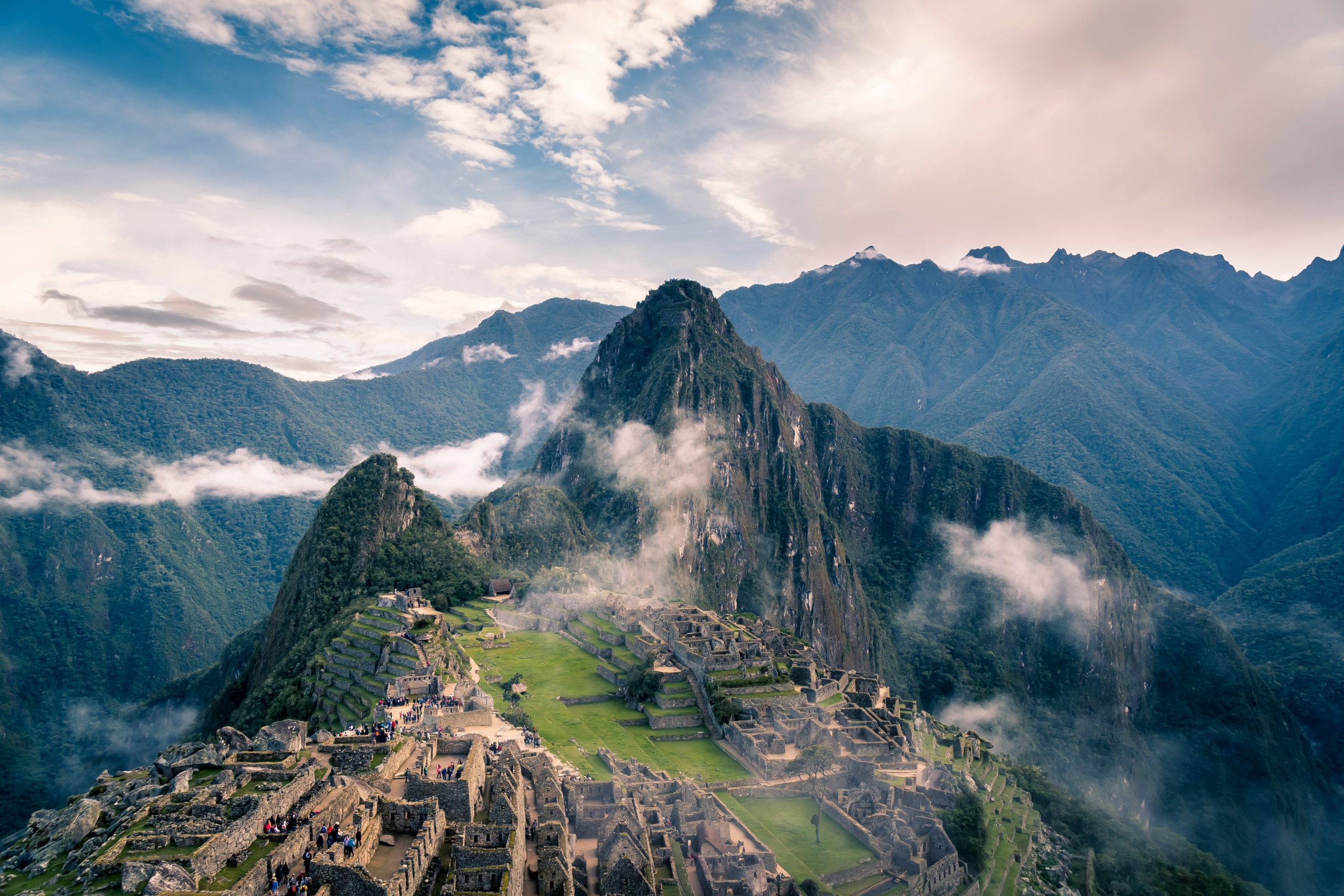
🦙 Peru: Where Do Inca Heritage and Andean Markets Meet?
Peru pairs some of the most photographed ruins on earth with markets that feel refreshingly untouched by tourism. The Sacred Valley is the anchor here.
| What you’ll find | Why it matters |
|---|---|
| Inca trails to Machu Picchu | Multi-day treks through cloud forest and ruins |
| Pisac and Chinchero markets | Handwoven textiles, alpaca wool, local produce |
| Highland cuisine | Ceviche, lomo saltado, and coca tea for altitude |
Cusco is the base camp for most backpackers, and it’s worth slowing down here rather than rushing straight to the trail. San Pedro Market alone deserves half a day, with stalls selling everything from fresh juice to roasted guinea pig. Altitude sickness is real above 3,000 metres, so acclimatise in Cusco for a night or two before any serious trekking.
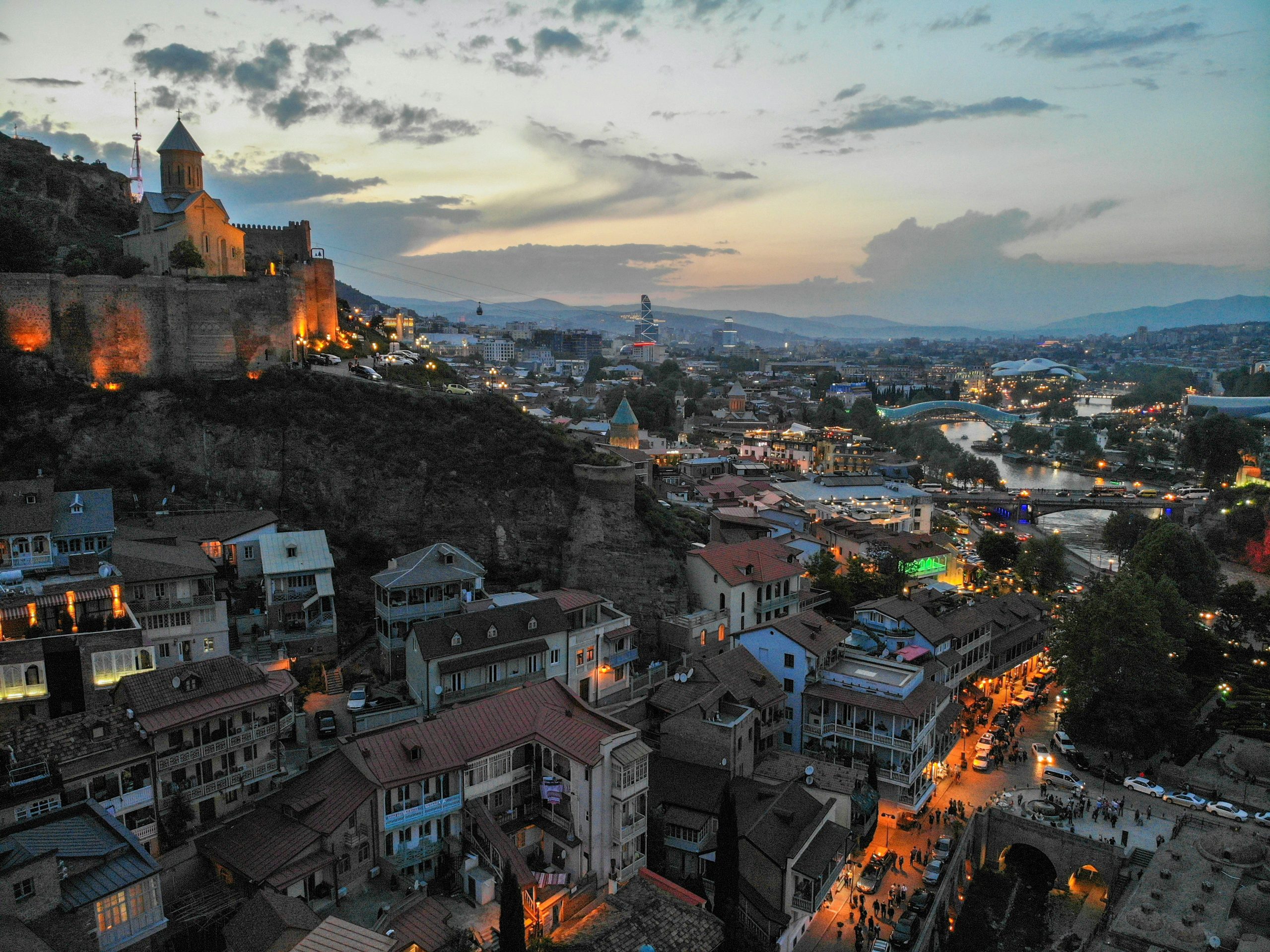
⛰️ Georgia: Can You Really Hike the Caucasus and Feast Like a Local?
Georgia is quietly becoming one of the best countries for adventure backpacking, culture and hiking, and it’s still cheap enough to feel like a discovery. The Caucasus mountains rival the Alps for scenery without the crowds or the price tag.
A few things worth knowing:
- The Kazbegi region offers day hikes to Gergeti Trinity Church with glacier views the whole way
- Svaneti has multi-day trekking between medieval stone towers
- Ancient monasteries dot almost every hillside, many still active
The cultural centrepiece, though, is the supra, a traditional feast with endless toasts, khachapuri, and more wine than seems reasonable. Tbilisi’s old town markets are a good warm-up before heading into the mountains, especially for stocking up on cheese bread and dried fruit for the trail.
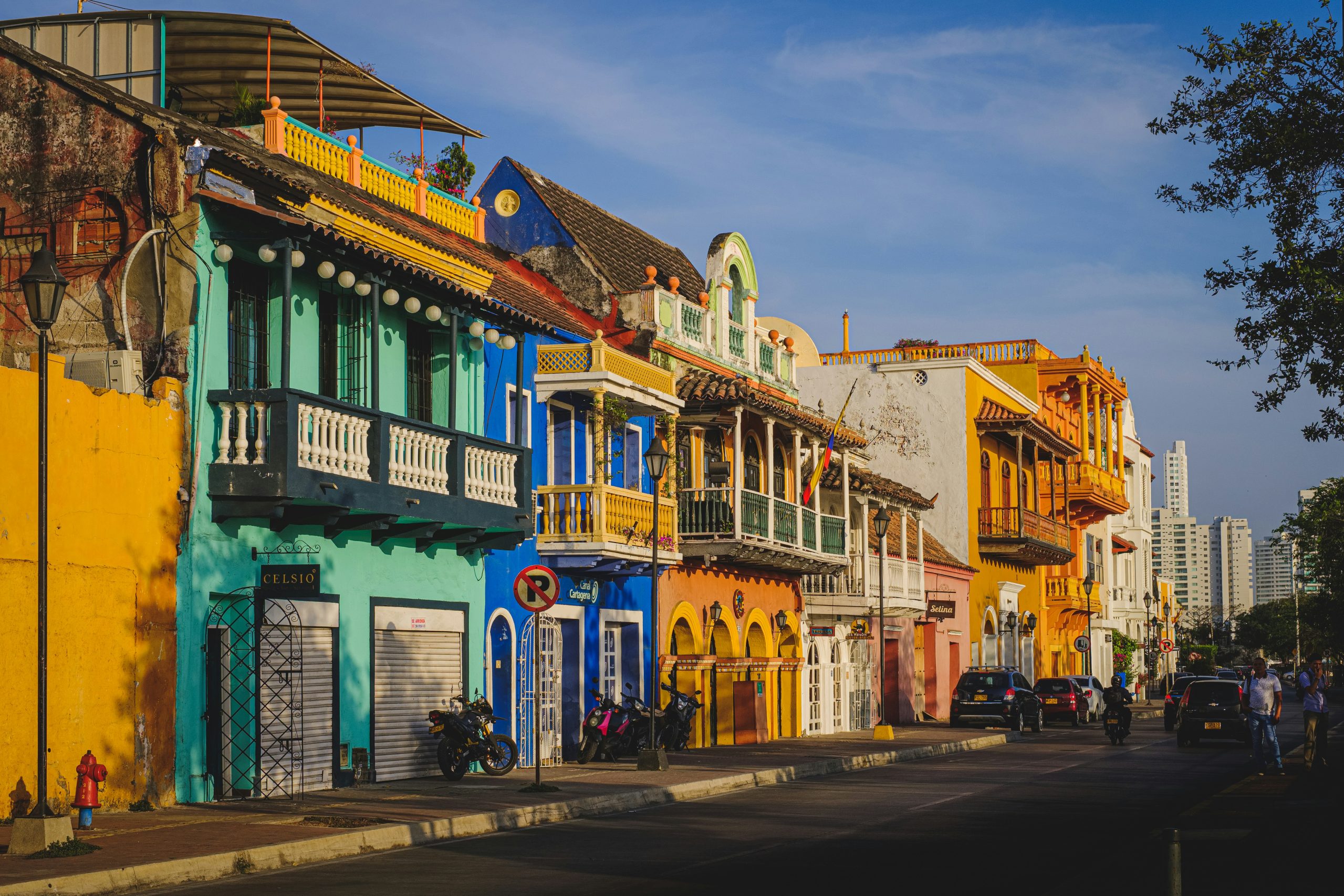
☕ Colombia: What Makes the Coffee Highlands Worth the Detour?
Colombia has shed its old reputation fast, and backpackers now come for the highlands as much as the beaches. The coffee region around Salento and the Cocora Valley delivers genuinely dramatic hiking, with wax palms towering over cloud forest trails.
Medellín makes an excellent base. Its street markets, particularly around Plaza Minorista, sell tropical fruit most travellers have never seen, alongside arepas and empanadas cooked right in front of you. Coffee farm tours near Salento double as cultural immersion; most are run by small family operations rather than big brands.
Quick tip: the Cocora Valley hike can be done as a long day trip from Salento, no overnight gear required, making it one of the most accessible serious hikes on this list.
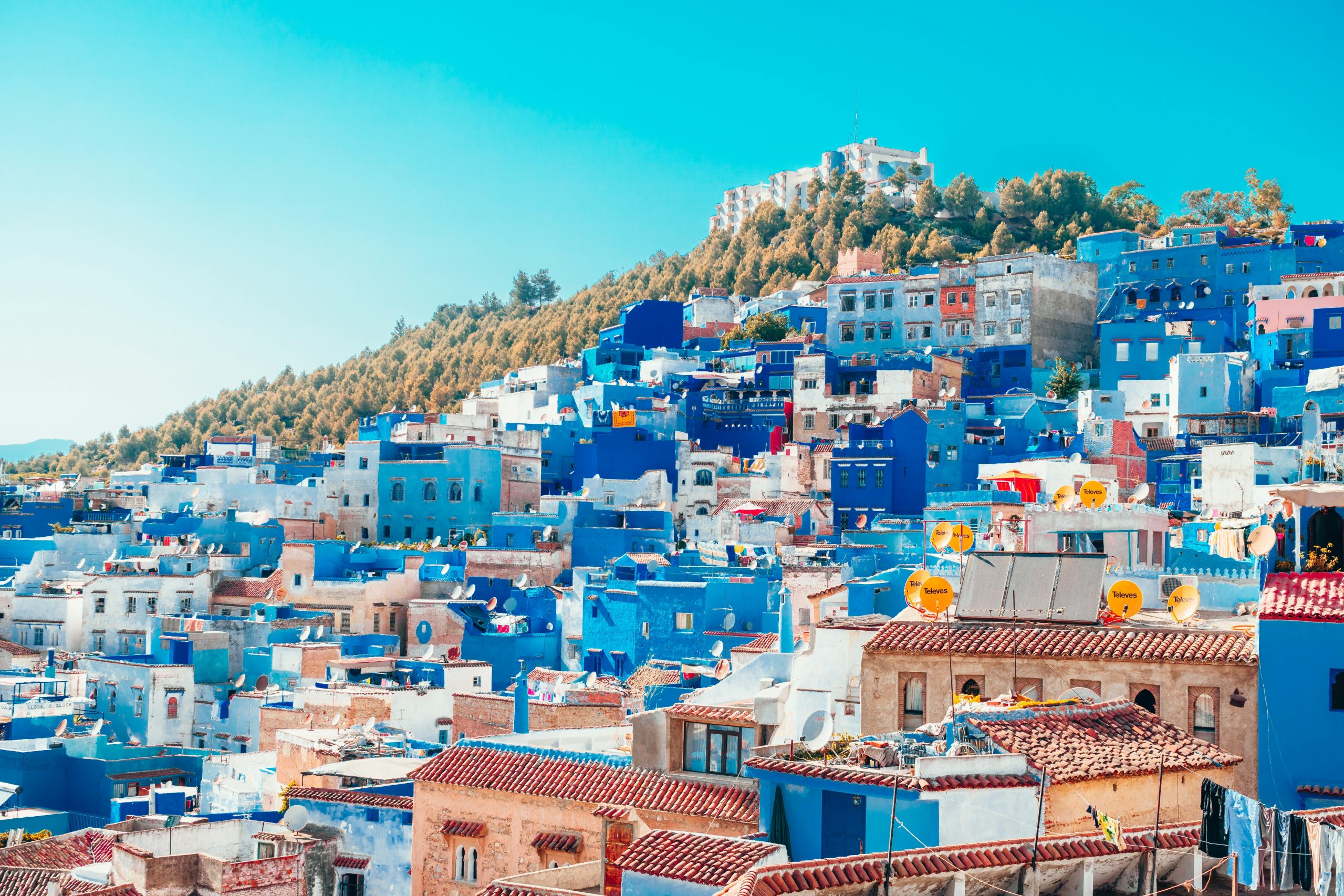
🐫 Morocco: Can You Trek the Atlas Mountains and Still Make It to the Souk?
Morocco offers something genuinely rare: proper mountain trekking a few hours from a UNESCO-listed medina. The High Atlas mountains, including multi-day routes around Mount Toubkal, give backpackers real alpine terrain without leaving North Africa.
“You can summit a 4,000-metre peak in the morning and be haggling over leather slippers in a souk by dinner.” That contrast is exactly what draws adventure-culture travellers to Morocco.
Marrakech’s medina is the cultural payoff after a trek: souks stacked with spices, lanterns and mint tea stalls, and the Jemaa el-Fna square turning into a food market every evening. Berber guides in the Atlas villages often invite trekkers into their homes for tea, a small moment that tends to stick with people longer than the summit photo does.
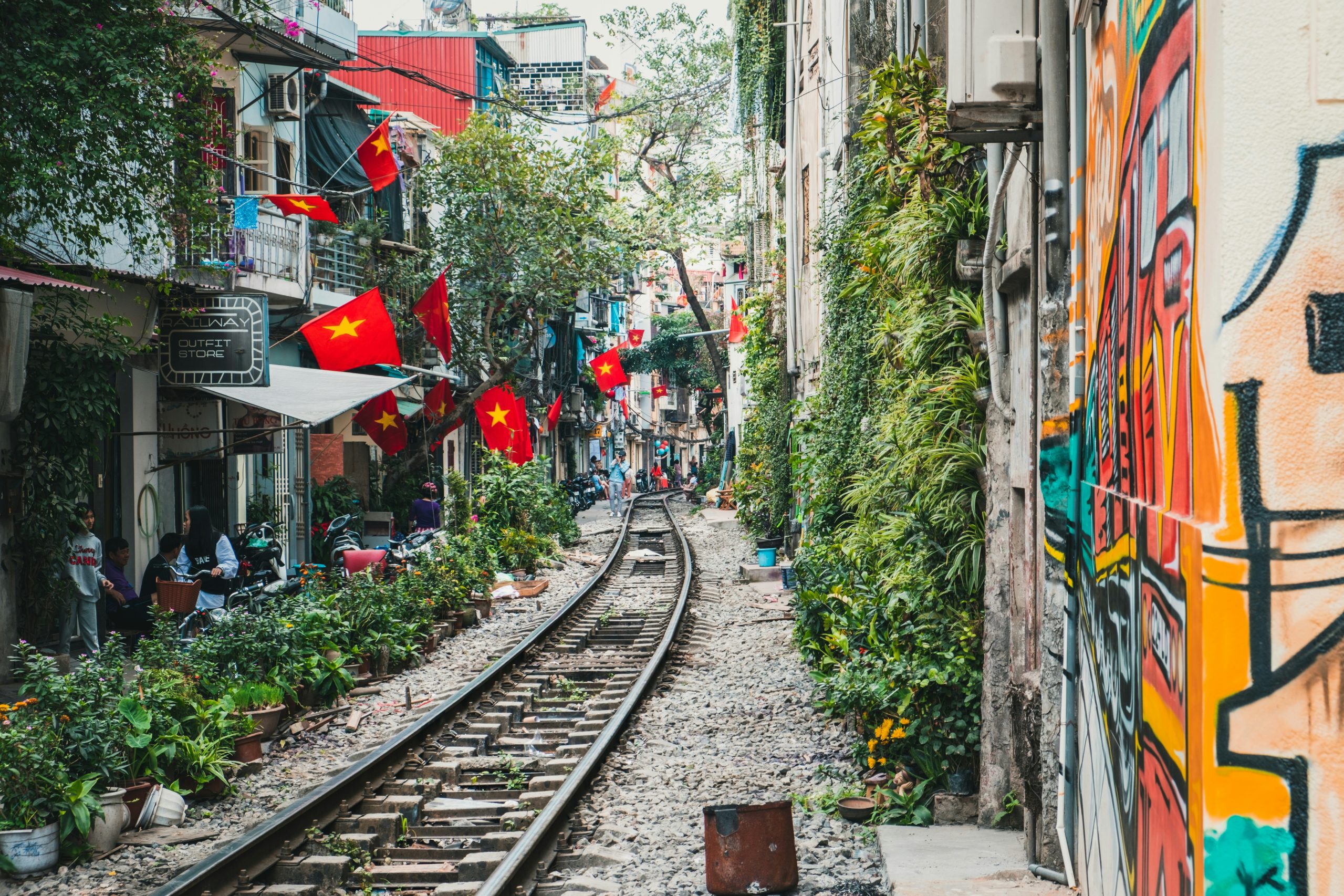
🌾 Vietnam: Where Can You Hike Straight Into a Hill-Tribe Homestay?
Northern Vietnam has become a favourite for backpackers wanting hikes, food markets and local vibes without needing serious mountaineering experience. Ha Giang Loop and Sapa are the two names that come up again and again.
- Ha Giang: best explored by motorbike, with jaw-dropping mountain passes and minimal tourist infrastructure
- Sapa: terraced rice fields, H’mong and Dao hill-tribe villages, and genuinely affordable homestays
- Bac Ha Market: a Sunday market where ethnic minority groups from surrounding hills come to trade
Homestays here aren’t a gimmick. Many families still farm the same land their grandparents did, and staying with them is often the highlight of the whole trip, ahead of the scenery itself. Bring cash, since most homestays and markets in this region don’t take cards.
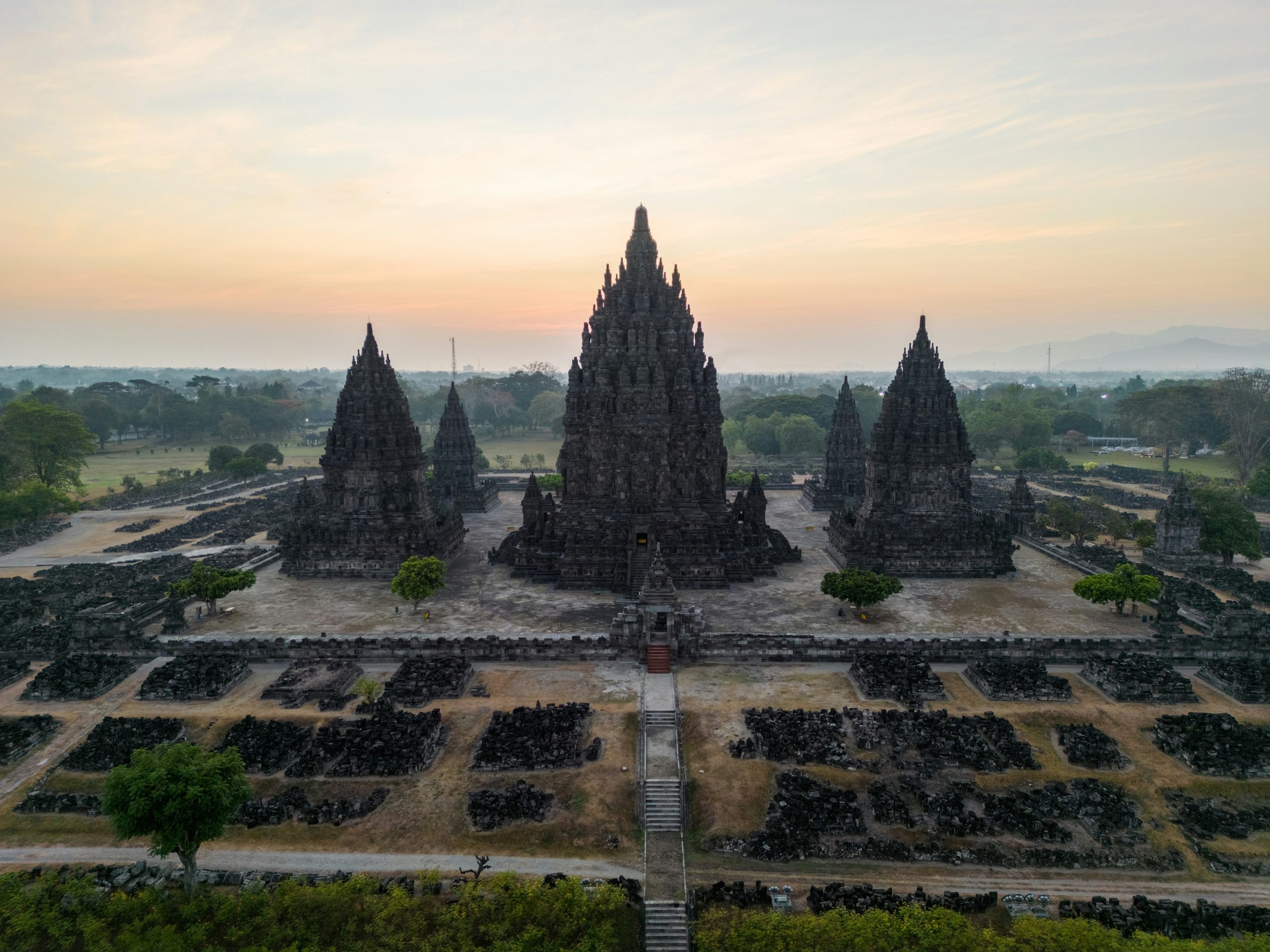
🌋 Indonesia: How Do Volcano Hikes and Temple Culture Fit Into One Trip?
Indonesia rounds out this list with a mix that’s hard to beat: active volcano hikes, warungs on every corner, and Bali’s temple culture running through daily life. Mount Batur and Mount Rinjani are the two big sunrise-hike targets, both doable without technical climbing skills.
Between hikes, warungs (small family-run eateries) serve some of the best-value food in Southeast Asia, usually for a couple of dollars a plate. Ubud remains the cultural anchor of Bali, with temple ceremonies, traditional dance and its famous market weaving in and out of daily backpacker life.
Balinese Hindu culture shows up everywhere, from small offerings left on pavements each morning to elaborate temple festivals that travellers can often watch respectfully from the edges. It’s a good reminder to dress modestly and ask before photographing ceremonies.

📊 How Do These Destinations Compare on Trek Difficulty, Markets and Budget?
| Destination | Trek Difficulty | Market Quality | Cultural Depth | Daily Budget (approx.) |
|---|---|---|---|---|
| Nepal | Moderate–Hard | Excellent | Very High | $20–30 |
| Peru | Moderate–Hard | Excellent | Very High | $25–35 |
| Georgia | Moderate | Good | High | $20–25 |
| Colombia | Easy–Moderate | Very Good | High | $20–30 |
| Morocco | Moderate | Excellent | Very High | $20–30 |
| Vietnam | Easy–Moderate | Excellent | High | $15–25 |
| Indonesia | Easy–Moderate | Very Good | High | $20–30 |
Nepal and Peru sit at the harder end of the trekking scale, so first-timers might feel more comfortable easing in with Vietnam or Colombia before tackling multi-day altitude treks.
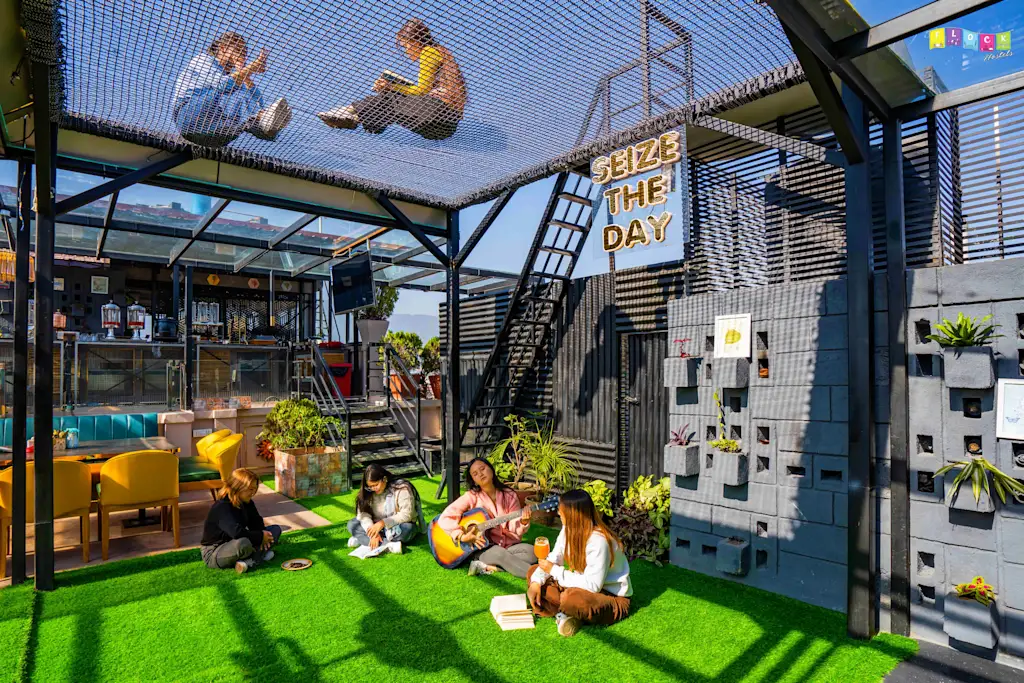
🛏️ Where Should You Actually Stay in Each of These Destinations?
Finding the right hostel matters more on these trips than on a standard beach hop, since it’s often where trek info, guides and homestay bookings get sorted. Here’s a solid base for each destination:
- Nepal: Flock Hostel Kathmandu, right in Thamel with a rooftop bar close to trekking agencies
- Peru: Pariwana Hostel Cusco, near the historic centre with a strong social scene and tour desk
- Georgia: Fabrika Hostel & Suites, a converted Soviet sewing factory turned creative hub in Tbilisi
- Colombia: Viajero Medellín Hostel, in El Poblado with a rooftop bar and coffee-tour bookings
- Morocco: Equity Point Marrakech, minutes from Jemaa el-Fna with a pool and hammam
- Vietnam: The One Hostel & Rooftop Pool Hanoi, a lively Old Quarter base for Ha Giang and Sapa trips
- Indonesia: Kuna Bali, tucked behind Ubud’s Monkey Forest with free yoga and a pool
Booking ahead is worth it during peak trekking seasons (October–April for Nepal and Peru), since the best social hostels near trailheads fill up fast.
Final Thoughts
Adventure and culture backpacking isn’t about choosing between the mountain and the market. The best trips weave both together: a sunrise hike followed by an afternoon lost in a food market, a trek that ends with tea in a stranger’s home instead of just a summit photo. Nepal, Peru, Georgia, Colombia, Morocco, Vietnam and Indonesia each offer their own version of that balance, and none of them require an expedition budget to experience properly.
Pick the terrain that excites you most, book a hostel close to where the action starts, and let the rest of the trip fill in around it.
Download the Hostelworld app to start booking now


❓FAQs: Top Backpacking Destinations for Adventure & Culture


 Get the App.