Vieux Nice
First-timers and nightlifeThe old town: ochre lanes, the flower market, the bars and the socca. Loud at night and central.

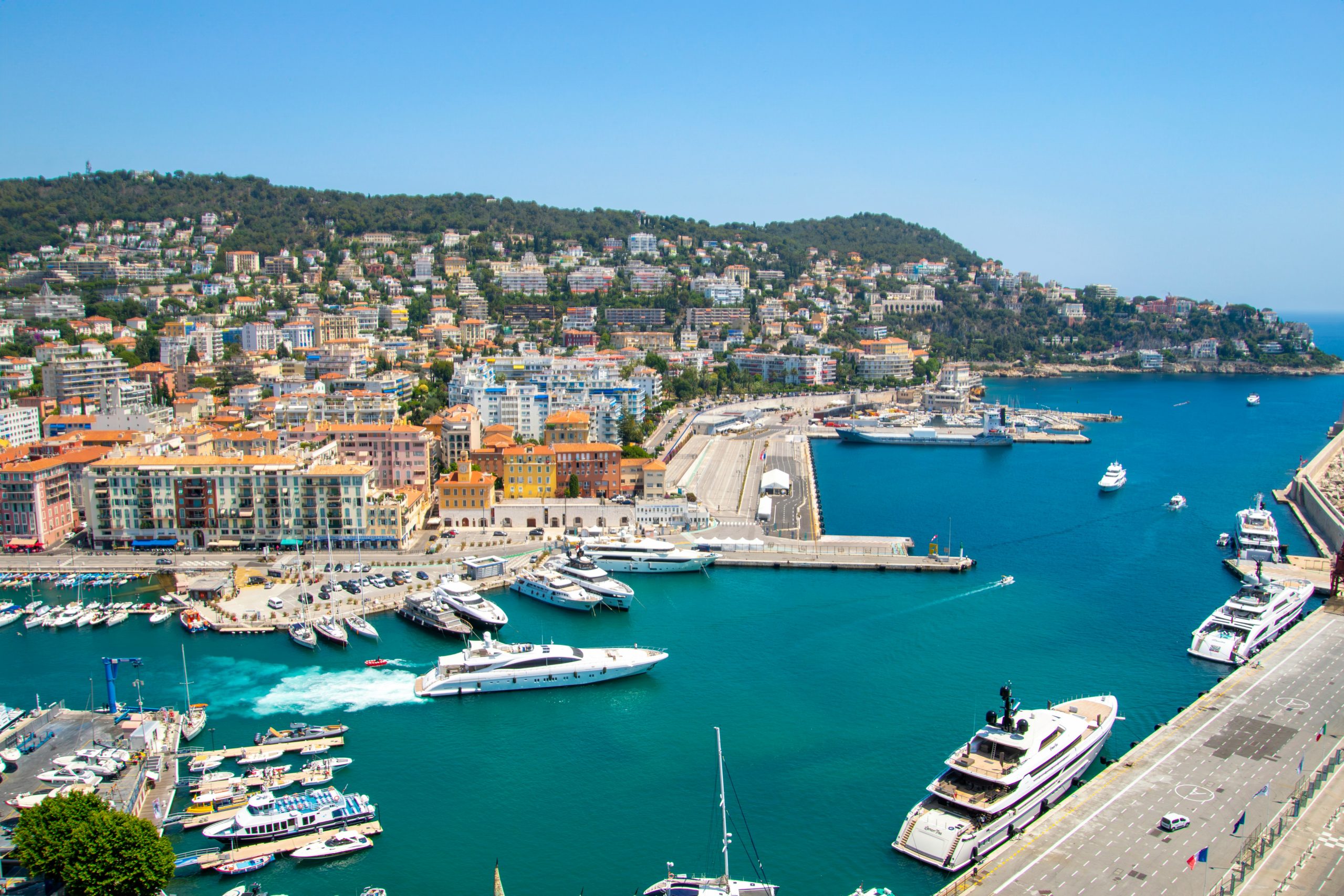
The Riviera base: a long pebble bay, an Italian-feeling old town, and everywhere on the coast within an hour by train.
Nice only became French in 1860. Before that it was Savoyard and Italian, and the old town still is in every way that matters — ochre buildings, shuttered windows, socca sold from copper pans and a dialect closer to Ligurian than French.
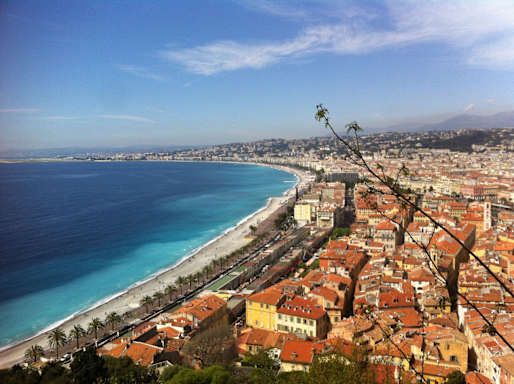
The Baie des Anges curves for seven kilometres with the Promenade des Anglais along it, built in the nineteenth century when the English aristocracy started wintering here.
The beach is pebbles. Large, round, hard pebbles. Everyone is surprised and everyone should have been told to bring a mat.
What makes Nice worth a base rather than a stop is the train line: Monaco in twenty minutes, Cannes in half an hour, Menton and the Italian border in under an hour, and the hill villages just behind.
Two or three days here, and as many again for the coast.
A flat city between the hill and the sea, walkable end to end in half an hour.
The old town: ochre lanes, the flower market, the bars and the socca. Loud at night and central.
North of the old town: the main shopping street, trams, the station end and cheaper beds.
East around the harbour: fewer visitors, good restaurants and a walk round the hill to the old town.
West along the bay: belle époque hotels, the beach clubs and the priciest rooms in the city.
Orange labels are neighbourhoods, dots are the 11 top-rated hostels. Map © MapTiler © OpenStreetMap contributors.
Climb the Colline du Château. There is no castle left, but there is a waterfall, a cemetery and the view straight down onto the old town roofs and the curve of the bay. Free, with a lift at the eastern end if you would rather not walk.
Walk Vieux Nice in the morning, when the Cours Saleya flower and produce market is on and before the crowds. Eat socca — chickpea flour pancake, cooked in a copper pan, served scalding and peppered, about €4.
The Matisse and Chagall museums sit on the hill at Cimiez, both around €10 to €12, and Matisse lived in Nice for decades.
The Promenade des Anglais is seven kilometres of seafront, free, and best early or at sunset.
Then use the trains. Monaco, Èze, Villefranche, Cannes and Menton are all short, cheap hops along one of the most scenic coastal lines in Europe.
The Colline du Château is free, including the waterfall and the viewpoints over the bay and the port.
The Promenade des Anglais and the public beaches cost nothing — the private beach clubs charge €20 to €30 for a lounger, and the free stretches between them are just as good if you have a mat.
Vieux Nice and the Cours Saleya market are free to walk, with flowers and produce most mornings and antiques on Mondays.
The Parc de la Colline du Château, the Promenade du Paillon park through the middle of the city, and the walk around the port to Mont Boron are all free.
Several municipal museums have low or free entry on certain days, and the Cathédrale Sainte-Réparate in the old town is free.
Niçoise food is its own thing and closer to Ligurian than French. Socca at about €4, pissaladière — onion tart with anchovies — pan bagnat, a stuffed tuna and olive sandwich, and petits farcis.
A real salade niçoise has no cooked vegetables and no dressing beyond oil. It is served that way here and nowhere else.
The old town restaurants on the main lanes are aimed at visitors; one street back is better and cheaper, and a lunch formule runs €15 to €20.
The Cours Saleya market does cheap lunch, and the Libération market north of the centre is where locals shop.
A beer is €5 to €8 and a glass of rosé similar. Seafront terrace prices are a step above everywhere else.
Vieux Nice is where it happens — a dense grid of bars in the old lanes, busy every night in season and loud enough that sleeping above one is a decision.
The port has the more relaxed bars and a slightly older crowd, and the seafront has the expensive clubs.
A beer is €5 to €8 and cocktails €10 to €15, cheaper in the old town than on the front.
Nice has a substantial summer visitor crowd and a smaller student population, so the season shapes the nightlife more than term time does.
Monaco is twenty minutes away by train if you want the other kind of evening, though the last train back is earlier than you would like — check it before you commit.
Trams and buses cost about €1.70 with day tickets, and two tram lines cover the city and the airport.
The airport is eight minutes away on tram 2 — one of the shortest airport transfers of any European city — at about €10 including the airport supplement.
The centre is flat and walkable, and the seafront runs the length of it.
The coastal railway is the reason to base here: Monaco twenty minutes, Villefranche ten, Cannes thirty, Menton forty, at €2 to €8 a hop. Trains are frequent and the line hugs the sea.
Buses reach the hill villages — Èze, Saint-Paul-de-Vence — at low flat fares, and are slower but more scenic.
The most expensive part of the French Mediterranean after Monaco itself. Dorms are €28 to €50 in summer and €20 to €32 outside it, a lunch formule €15 to €20, and a beer €5 to €8.
A day is €60 to €100.
The free tier holds up well: the beaches between the private clubs, the Château hill, the old town and the Promenade all cost nothing.
The private beach clubs at €20 to €30 for a lounger are the classic avoidable spend — the public stretches have the same water.
Marseille, two and a half hours west, runs about a third cheaper for a comparable trip.
Nice is a safe city and the crime affecting visitors is theft.
Bag snatching and phone theft happen along the Promenade, in Vieux Nice at night and around the station. Nothing should be left on a beach towel while you swim.
The pebbles are hard and slippery at the waterline, and the beach shelves steeply in places — water shoes make a real difference and are sold everywhere.
The sea looks calm and is deep close in. Swim where other people are swimming, and be aware that most beaches are only lifeguarded in season.
The station area is scruffier late at night without being dangerous. Emergency number is 112.
The whole Riviera is within an hour, and most of it by train.
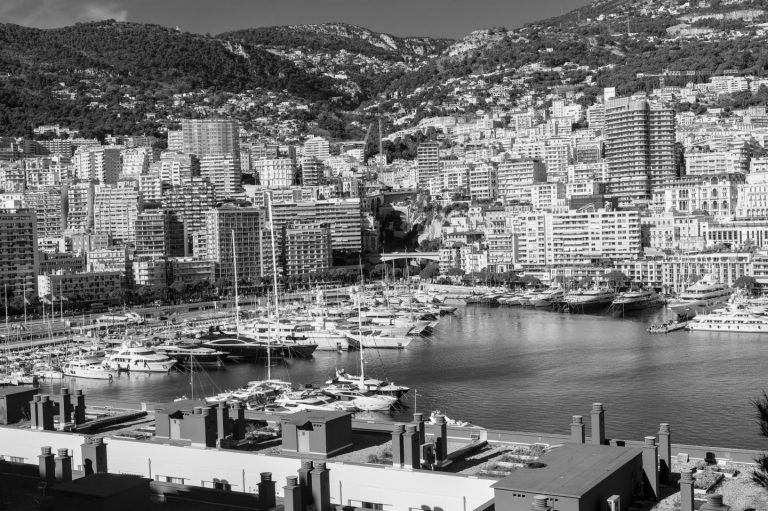
A principality of two square kilometres: the casino, the palace, the harbour and the Formula 1 circuit as public roads.
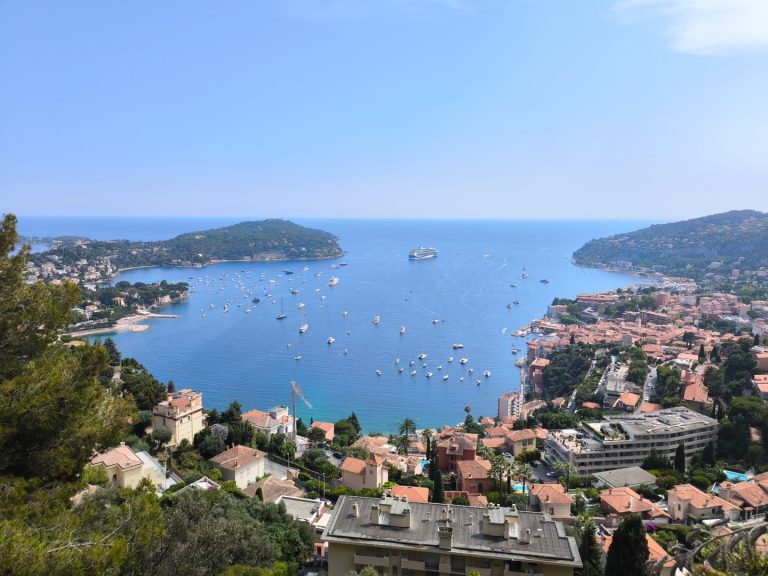
A deep natural harbour and an ochre fishing village, with the best swimming near the city.
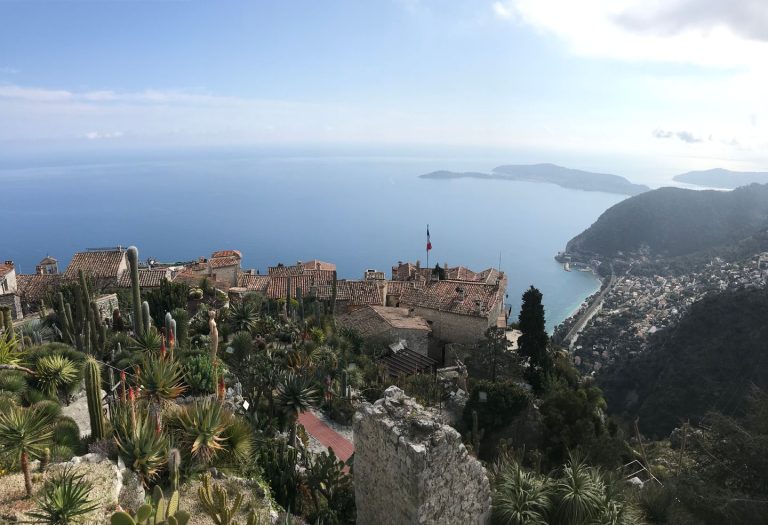
A medieval village on a crag 400 metres above the sea, with a cactus garden at the top.
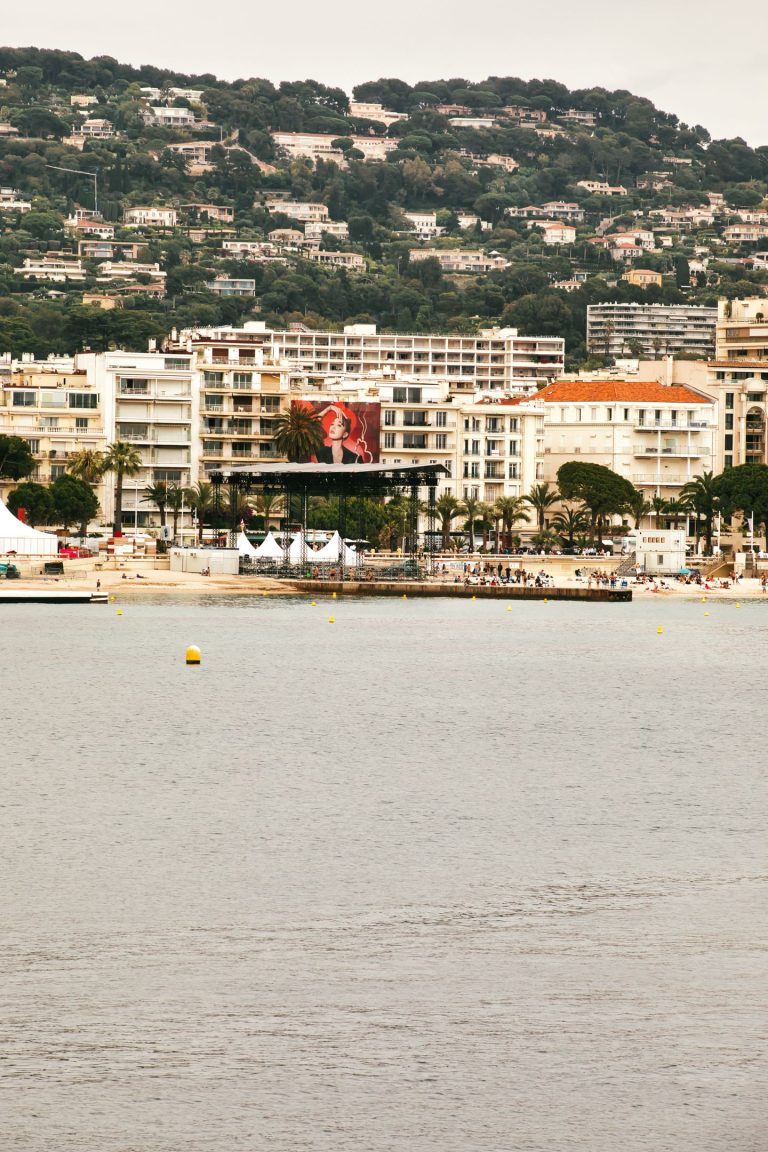
Sand rather than pebbles, the Croisette, and the island of Sainte-Marguerite offshore.
A two-week carnival in February, and a jazz festival in the Roman ruins in July.
 Staff pick
HYROX Nice is an international indoor fitness competition held at the Palais des Expositions in Nice, France, drawing athletes from across the globe to…
 Staff pick
The Alpes-Maritimes Nice-Cannes Marathon invites runners to experience the stunning French Riviera, racing from Nice to Cannes along the Mediterranean coastline. As France’s largest…

Orlando by Haendel is an opera that explores intense emotions like love, jealousy, and madness through a tightly woven story and vivid characters. The…
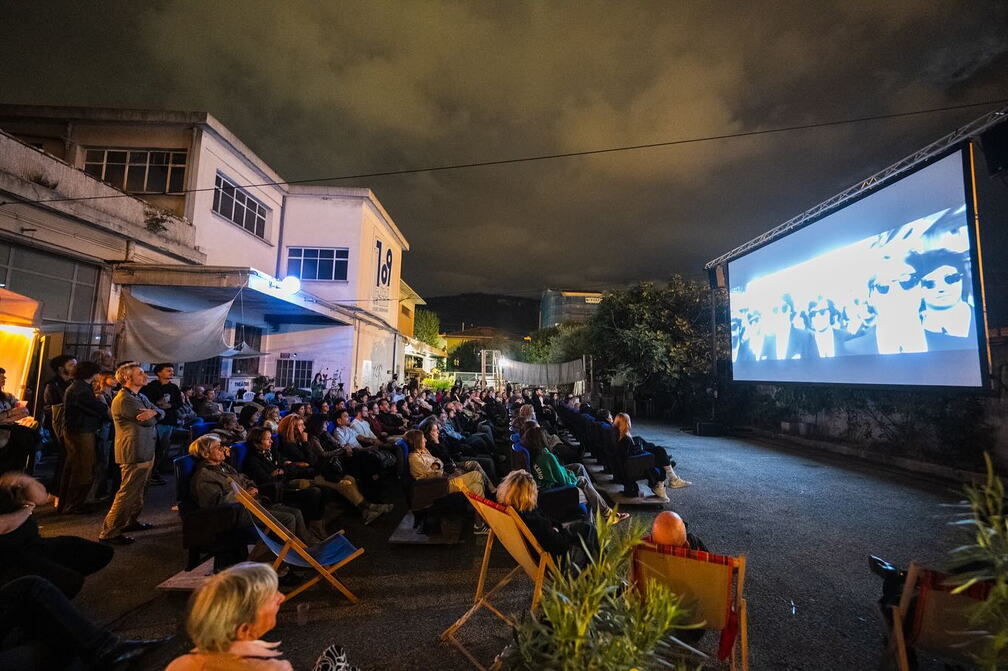
Nice's European short film festival brings together emerging filmmakers and curious audiences each autumn for a week of screenings, competitions, and masterclasses across the…

DJADJA & DINAZ is a prominent rap duo known for their significant impact on the Francophone rap scene since 2014. They released a powerful…

EVO Nice 2026 is the second edition of the Evolution Championship Series, the world's largest fighting game tournament, held at the Palais des Expositions…
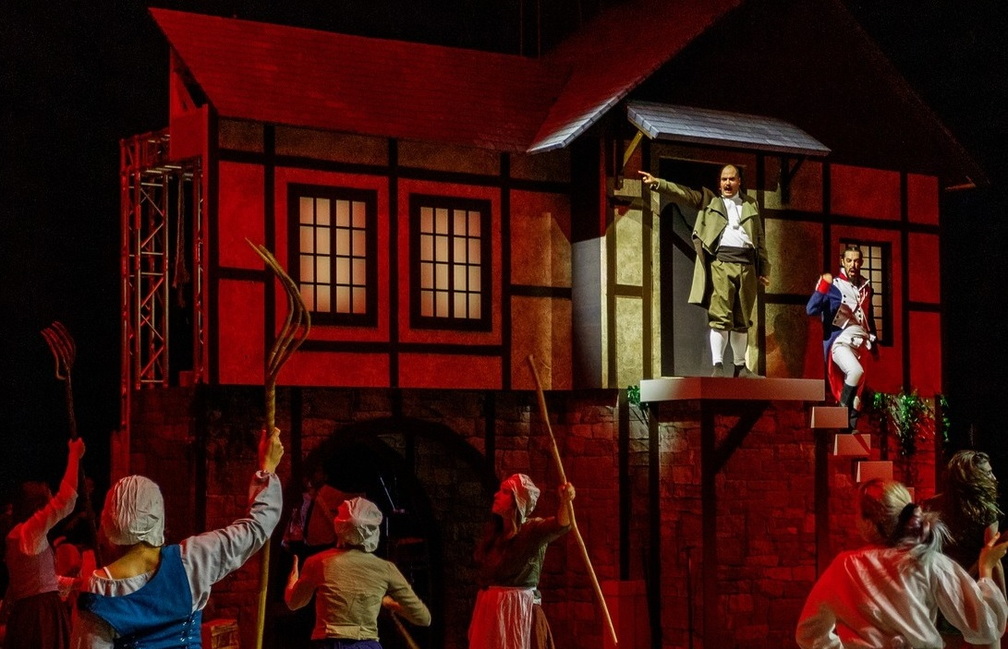
La Dame de Pierre tells the story behind the legend of Notre-Dame de Paris, spanning centuries from its construction to the present day. You…
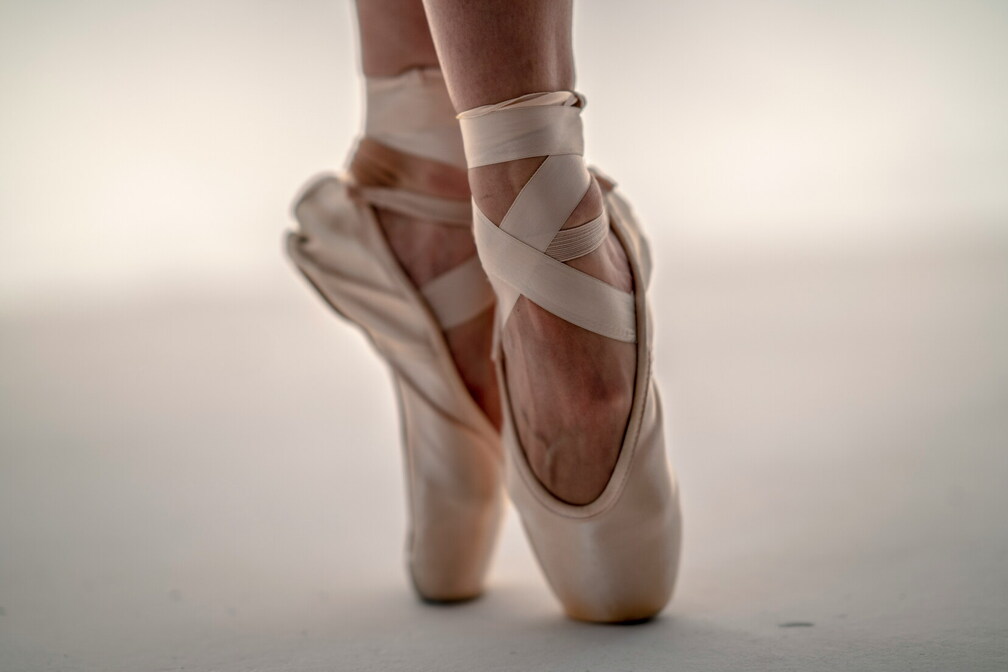
Two choreographers from different generations come together in a program blending poetry and modernity. Jean-Christophe Maillot brings his celebrated work Opus 40, an ode…
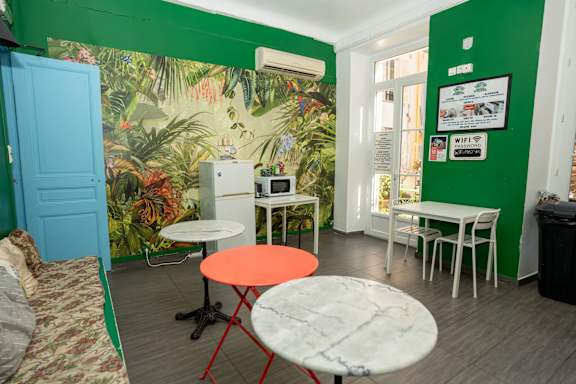
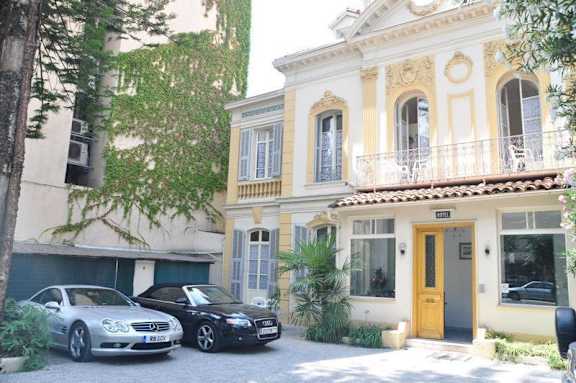
A good scene near the old town and the station, with prices spiking in July, August and Grand Prix week. Live from Hostelworld.
 Sustainable

 Sustainable
May, June, September and October. July and August are hot, full and priced accordingly.
Average highs. The sea is warmest in September, not August, and the shoulder months of May and October give you most of the summer at noticeably lower prices.
Pick how you travel. Per person per night, in euros.
These are summer figures — May and October run roughly a third lower. The transport line assumes a couple of coastal train hops.
The ones we get asked most.

Compare Nice hostels — live prices, real reviews and free cancellation on most bookings. Then meet the people already there in the app.

 Get the App.
 Get the App.