Altstadt
First-timersThe rebuilt baroque centre: the Frauenkirche, the Zwinger, the Green Vault and the river terrace.

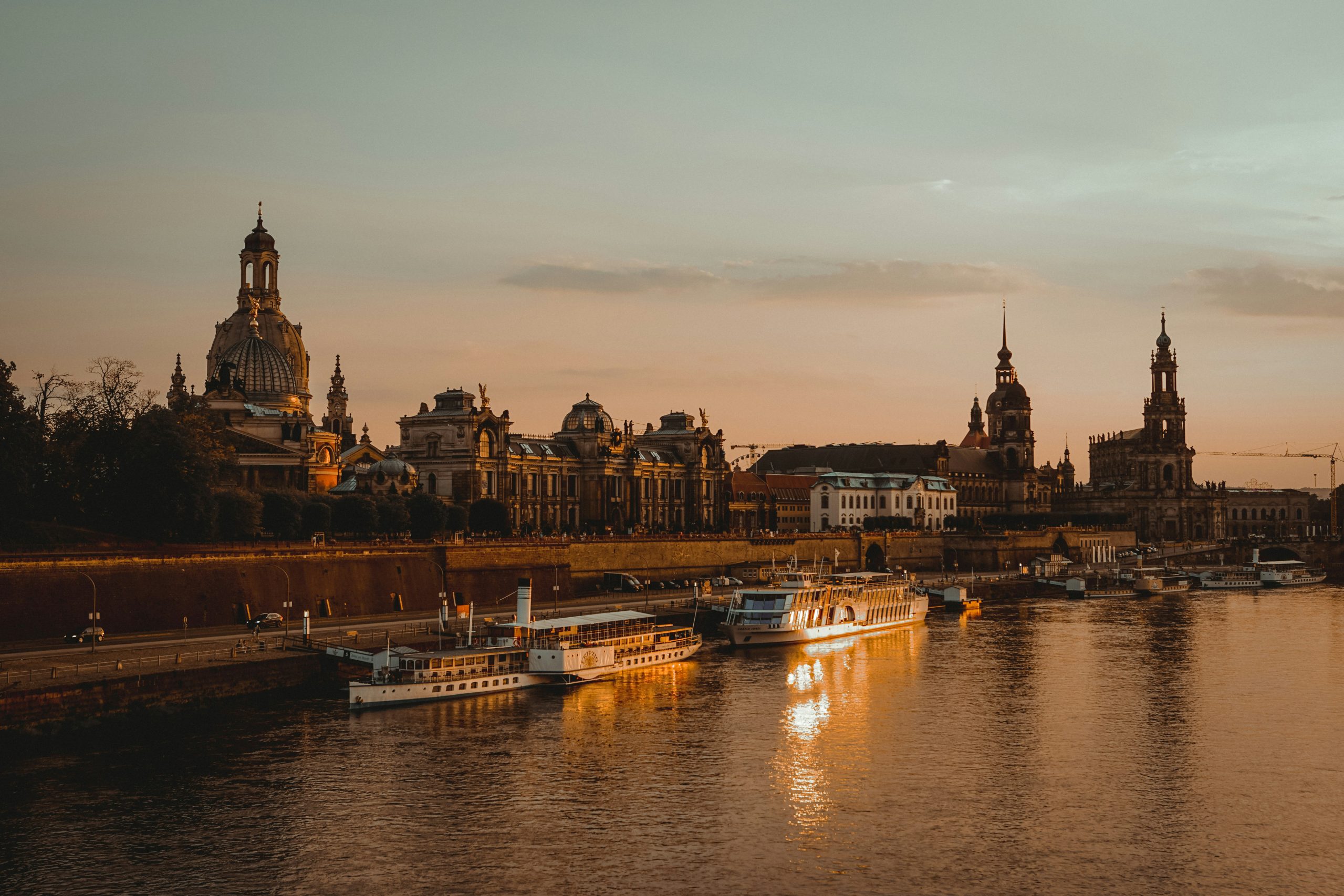
A baroque city rebuilt from rubble stone by stone, a royal treasury of absurd wealth, and sandstone cliffs an hour upriver.
Dresden was the baroque capital of Saxony, one of the most beautiful cities in Europe, and in February 1945 Allied bombing destroyed it and killed something in the region of 25,000 people.
What stands now is a reconstruction, and the city is open about it. The Frauenkirche was left as a rubble heap through the GDR years as a memorial, then rebuilt between 1994 and 2005 using surviving stones where possible — you can see them, darker than the new sandstone, scattered through the facade like a map of what survived.
The Green Vault holds the Saxon royal treasury and is one of the richest collections of its kind in Europe, still recovering from a jewel theft in 2019.
The Elbe runs through the middle, and an hour upstream the sandstone towers of Saxon Switzerland make the best hiking in eastern Germany.
It is cheaper than Berlin and frequently skipped. Two days.
A baroque core on one bank, and the interesting district on the other.
The rebuilt baroque centre: the Frauenkirche, the Zwinger, the Green Vault and the river terrace.
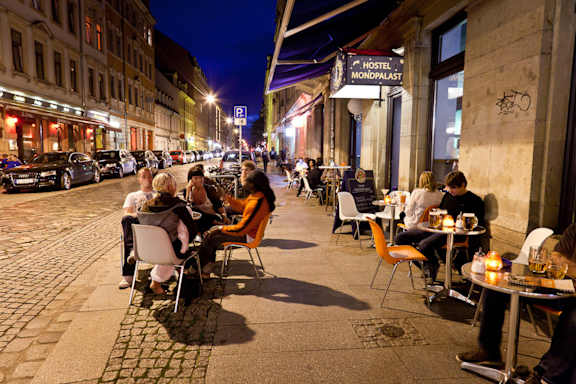
Across the Elbe: largely undestroyed, now the bar and alternative district with the cheapest beds.
South of the centre: functional, well connected and a ten-minute walk to the old town.
Orange labels are neighbourhoods, dots are the 4 top-rated hostels. Map © MapTiler © OpenStreetMap contributors.
The Frauenkirche is free to enter and is the story of the city in one building — destroyed in 1945, left as rubble for fifty years as a deliberate memorial, rebuilt with international funding and reopened in 2005. The darker original stones set into the pale new sandstone are visible from the square and are worth standing and looking at properly.
The Historic Green Vault, about €14, is the Saxon treasury displayed in its restored baroque rooms with no cases — timed entry, strictly limited numbers, and it must be booked weeks ahead. The New Green Vault next door is easier to get into and nearly as good.
The Zwinger is a baroque palace complex with three museums, including the Old Masters gallery holding Raphael's Sistine Madonna.
The Fürstenzug, a 102-metre porcelain tile mural of the Saxon rulers on an outside wall, is free and survived the bombing almost intact.
Then cross to the Neustadt, which the bombs largely missed, for the Kunsthofpassage courtyards — including a building wall designed to play music when it rains.
The Frauenkirche is free to enter, with only the dome climb charged.
The Fürstenzug, the Zwinger courtyard, the Theaterplatz and the Brühl Terrace above the Elbe — nicknamed the balcony of Europe — are all free.
The Kunsthofpassage courtyards in the Neustadt are free, including the funnel-and-gutter wall that plays sound in the rain.
The Elbe meadows on both banks are free and enormous, and the walk or cycle upstream towards the Blue Wonder bridge and Pillnitz is the best in the city.
Saxon Switzerland is free to hike once you have paid the S-Bahn fare, which is the cheapest great day out in this part of Germany.
Saxon food is hearty and inland: Sauerbraten, Rouladen, and a great deal of potato.
Dresdner Christstollen is the famous export — a dense fruit bread with marzipan, made here since the fifteenth century and protected by name. It is sold year-round despite being a Christmas item.
Eierschecke, a three-layer cheesecake, is the local cake.
The Neustadt has the best cheap eating at €8 to €14, including good Vietnamese — a legacy of GDR-era labour agreements with North Vietnam that left a substantial community in eastern German cities.
A restaurant main is €12 to €18, a beer €3.50 to €5, and Radeberger is the local pilsner brewed just outside the city.
The Neustadt is the whole answer. It largely escaped the bombing, spent the GDR years decaying, was squatted after 1989 and is now the densest bar district in eastern Germany outside Berlin.
Alaunstraße and Louisenstraße have dozens of bars within a few hundred metres, and prices are low — a beer is €3.50 to €5 and cocktails €7 to €11.
The Altstadt is largely dead after the restaurants close, so cross the river.
Bunte Republik Neustadt in June is a three-day street festival across the district, free and very large.
The city has a smaller student population than Leipzig and a correspondingly quieter scene, but for its size it punches well above expectations.
Trams are frequent, cheap and cover everything, with a day ticket around €8. The centre is walkable and the Neustadt is fifteen minutes on foot across the Augustus Bridge.
Validate before boarding — the fine is €60.
The airport is 20 minutes on the S2 and small, with mostly domestic routes.
ICE trains reach Berlin in about two hours and Prague in about two, which makes Dresden a natural stop between the two.
For Saxon Switzerland, the S1 runs along the Elbe to Rathen, Königstein and Bad Schandau in 30 to 50 minutes on a normal regional ticket, and the trailheads are at the stations.
Cheaper than western Germany and considerably cheaper than Munich. Dorms are €16 to €32, a main €12 to €18, and a beer €3.50 to €5.
A day is €40 to €75.
The Frauenkirche, the Fürstenzug, the terraces and the Elbe meadows are free. The Green Vault at about €14 and the Zwinger museums at about €14 are the paid attractions.
Saxon Switzerland costs only the S-Bahn fare and is the best value day out in the region.
The Christmas market in December — the Striezelmarkt, running since 1434 and among the oldest in Germany — pushes beds up for the month.
Dresden is a safe city with low crime against visitors, and the practical risks are minor.
Petty theft happens around the Hauptbahnhof and in the Neustadt at weekends.
Dresden has a visible far-right presence and has hosted regular political demonstrations, some of them large. These are announced in advance and are easy to avoid — go around rather than through, and be aware that counter-demonstrations happen at the same time.
The 13 February bombing anniversary is marked seriously: a human chain forms around the old town, and far-right groups have historically attempted to use the date. If you are here then, the commemorations themselves are moving and worth attending; the fringe is worth avoiding.
In Saxon Switzerland the sandstone is friable, paths run along cliff edges with ladders and steps, and rock falls happen. Stay on marked trails. Emergency number is 112.
Sandstone towers, a hilltop fortress and Prague within reach.
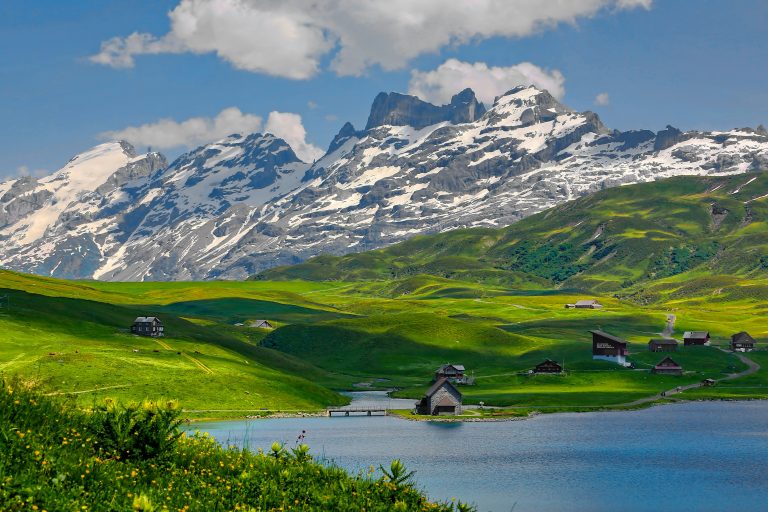
Sandstone pillars, the Bastei bridge over a gorge, and marked trails everywhere. The best hiking in eastern Germany.
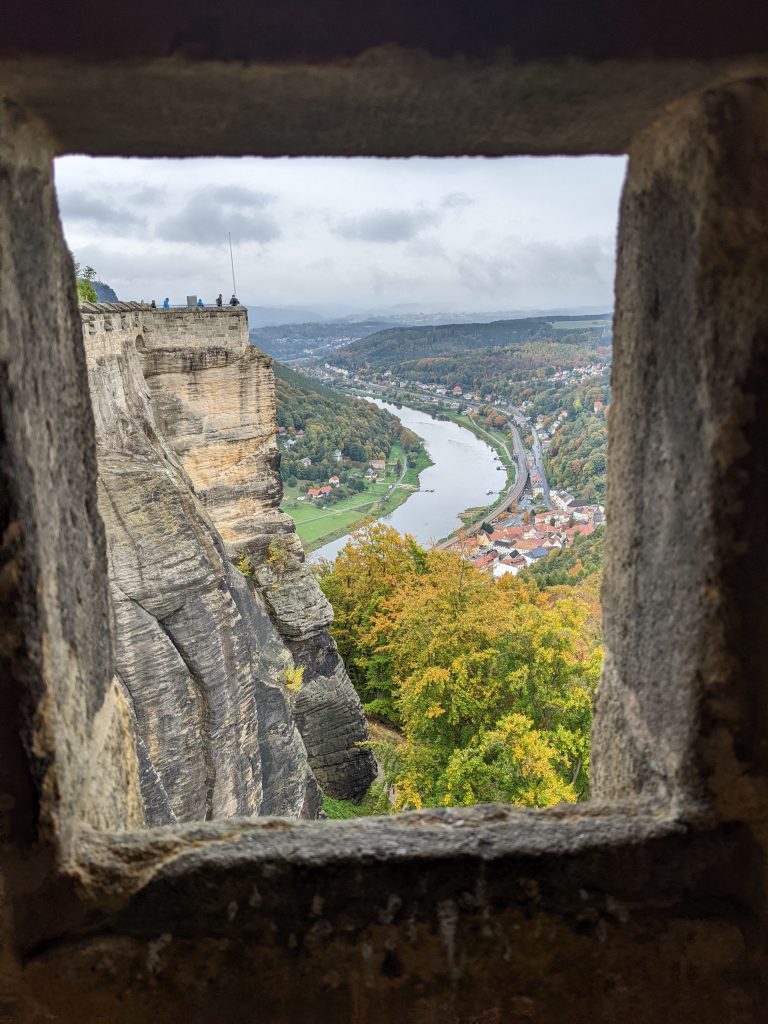
A hilltop fortress that was never taken, with walls above the Elbe and a 152-metre well.
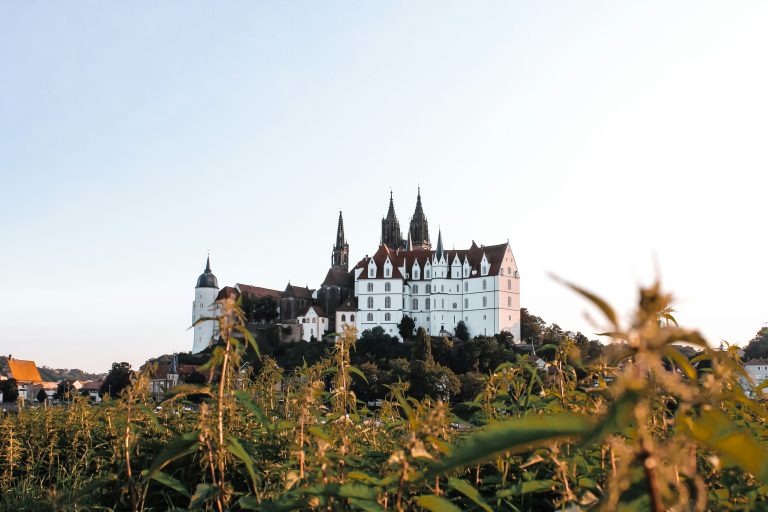
The porcelain town, with a cathedral, a castle and the manufactory that invented European hard-paste porcelain in 1710.
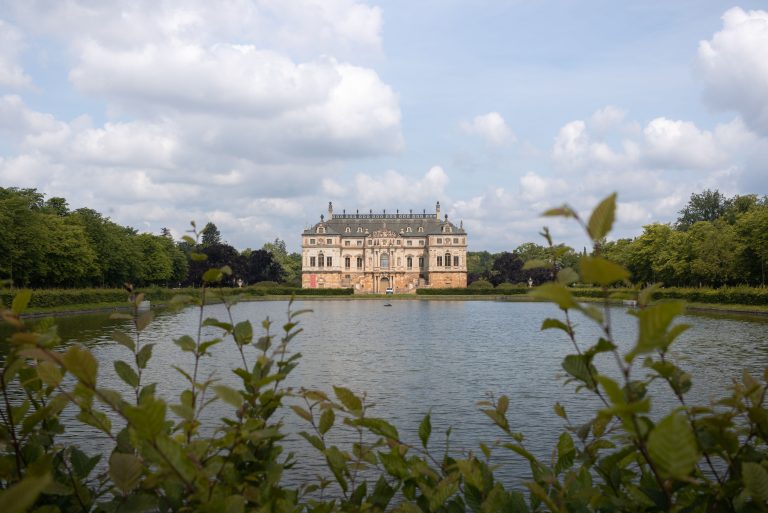
A Chinoiserie summer palace and gardens on the Elbe, reached by paddle steamer in season.
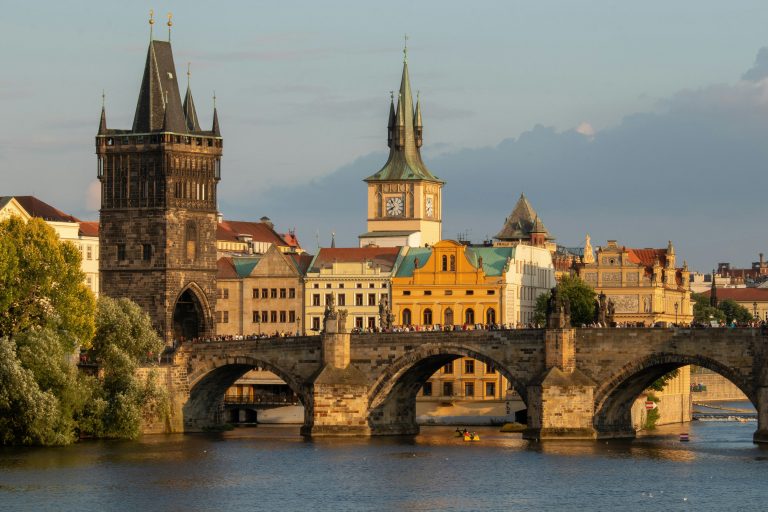
A different country, and closer than Munich.
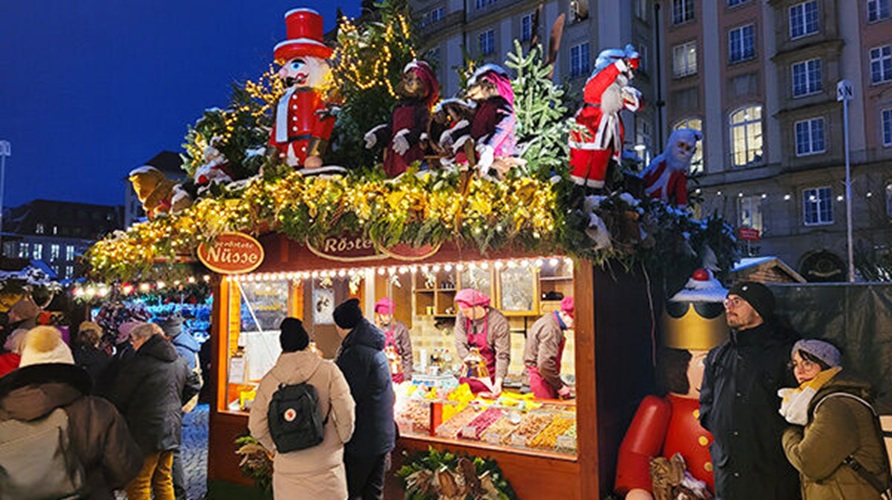
One of the oldest Christmas markets in Germany, running since 1434.
 Staff pick
The Dresden Striezelmarkt in Dresden's old town, Germany, is renowned as the country's oldest Christmas market, dating back to 1434. Set against the historic…
 Staff pick
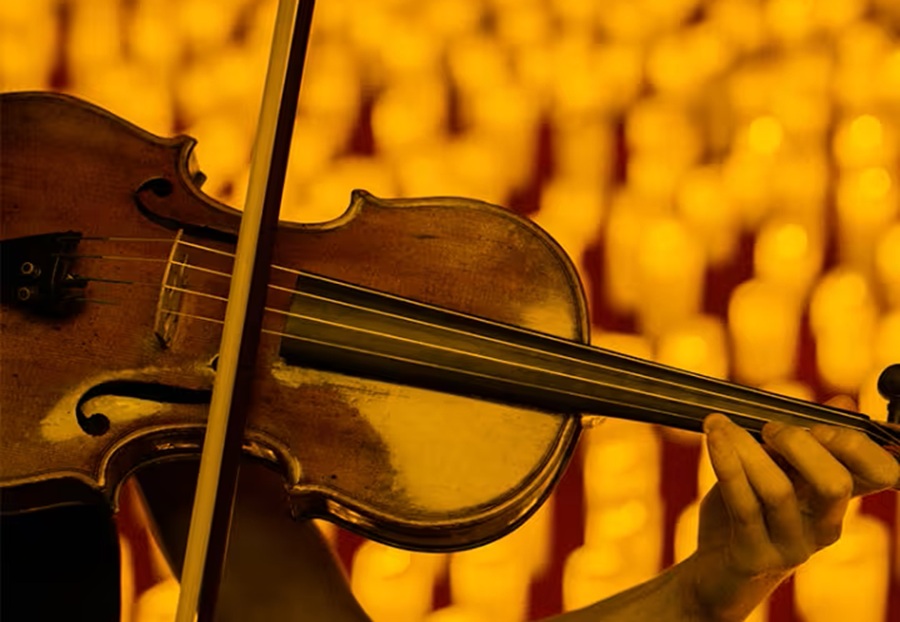
Candlelight: Coldplay & Ed Sheeran is a live music experience that transforms venues in Dresden into concert locations illuminated by thousands of candles. The…
 Staff pick
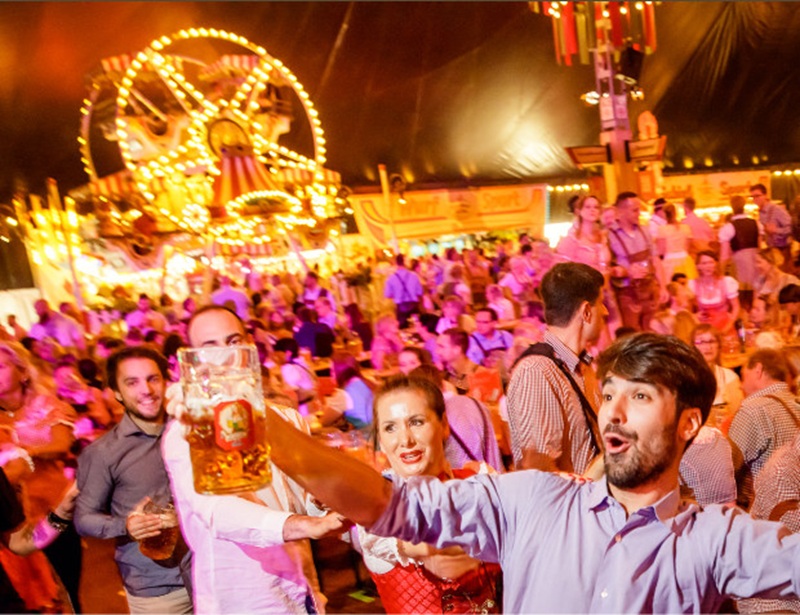
Pichmännel Oktoberfest in Dresden, Germany, transforms RINNE DRESDEN into a lively celebration inspired by Bavarian tradition. Guests can enjoy a festive atmosphere inside a…
 Staff pick
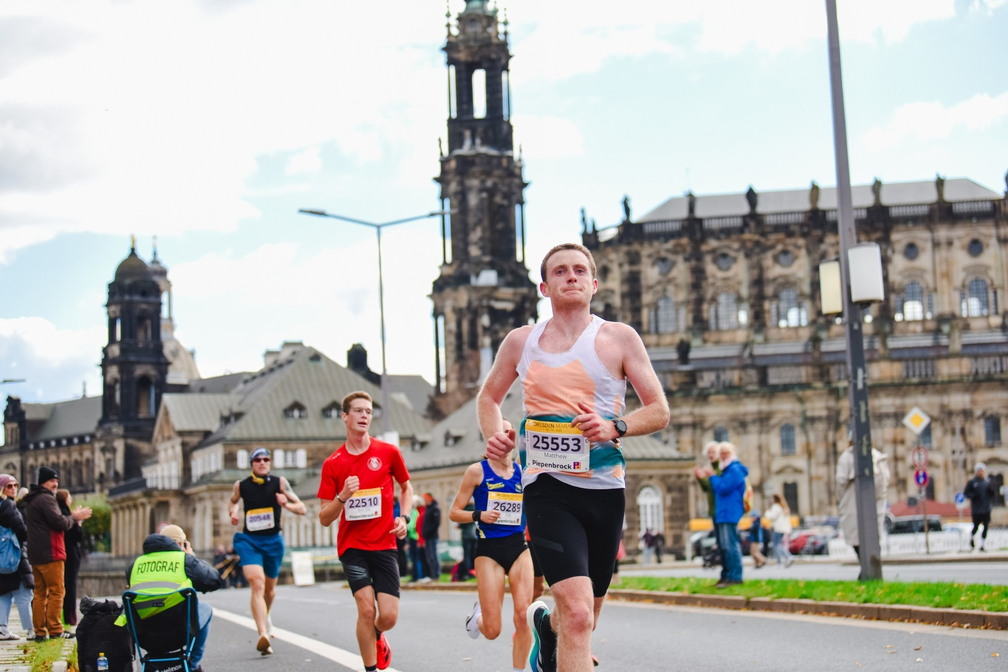
The Dresden Marathon offers runners a scenic route through the city’s historic old town, passing iconic Baroque landmarks and lively neighborhoods known for their…
 Staff pick
The Dresdner Stollenfest in Dresden, Germany, is a beloved pre-Christmas celebration honoring the city’s centuries-old tradition of baking Dresden Christmas Stollen. Visitors gather at…

The GFL-Bowl is a major American football event held at the Rudolf-Harbig-Stadion in Dresden. You will find a modern arena with a capacity of…

The ERIMA GFL Bowl is the championship game where the top two teams of the German Football League compete for the national title in…
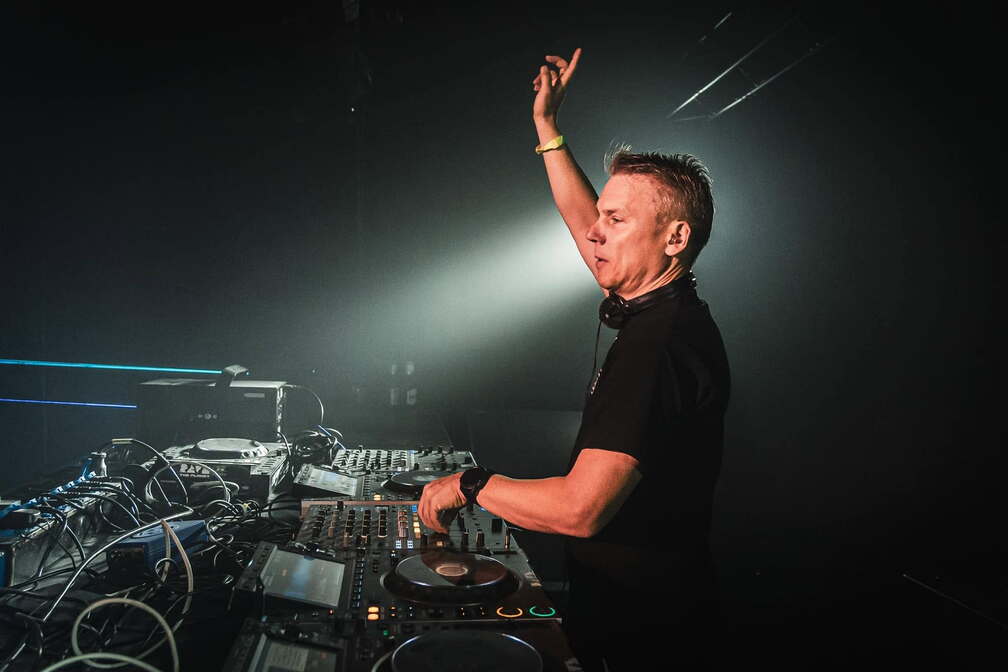
Paul Van Dyk brings his This World Is Ours Tour 2026 to Stromwerk Dresden for a night of electronic dance music. The event runs…
A good scene in the Neustadt at low eastern German prices. Live from Hostelworld.
May to September for the hiking. December for the oldest Christmas market in Germany.
Average highs. Dresden is continental and colder than western Germany in winter. Saxon Switzerland is best from late spring to October — the sandstone paths, ladders and steps are treacherous in ice.
Pick how you travel. Per person per night, in euros.
December runs above these for beds. The doing line is low because the Frauenkirche and the best walking are free.
The ones we get asked most.

Compare Dresden hostels — live prices, real reviews and free cancellation on most bookings. Then meet the people already there in the app.

 Get the App.
 Get the App.