Altstadt and Römer
First-timersThe rebuilt old town: the Römerberg square, the cathedral and the river a few minutes away.

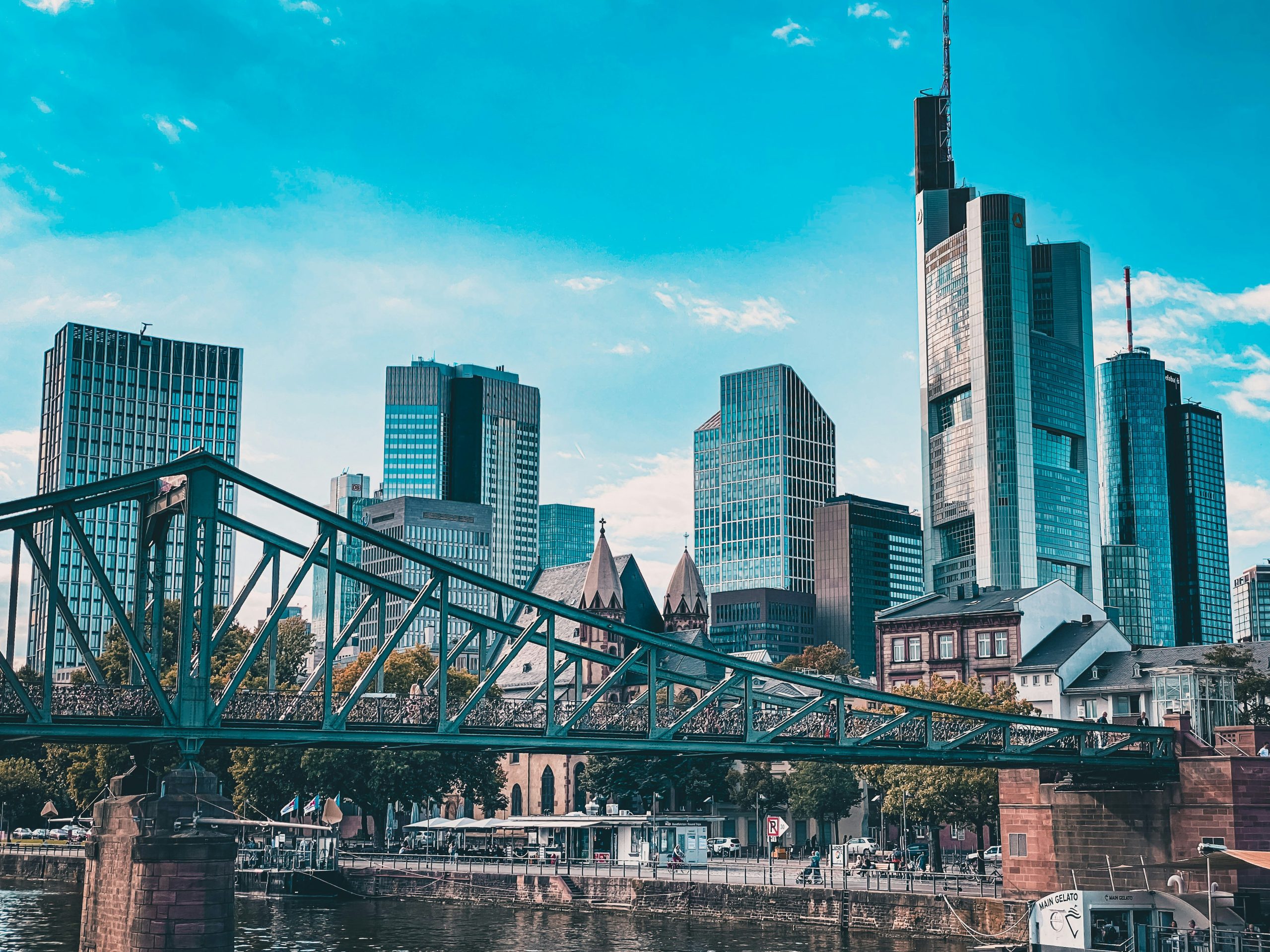
Banking towers over a rebuilt medieval square, fifteen museums along one riverbank, apple wine in a district of its own, and the best transport links in Europe.
Frankfurt has about 770,000 people and a skyline that suggests several million, because the European Central Bank and most of Germany's financial industry are here. Germans call it Mainhattan, and they think this is funnier than it is.
The medieval centre was destroyed in 1944. A stretch of it between the Römer and the cathedral was rebuilt from scratch and reopened in 2018 — reconstructions of specific lost buildings alongside new ones in the same idiom. It is convincing enough to confuse people and entirely six years old.
The Museumsufer is the real reason to stay. Fifteen museums line the south bank of the Main within a couple of kilometres, and the Städel alone would justify a day.
Apfelwein — sour apple wine served in ribbed glasses from blue ceramic jugs — is the local drink, and Sachsenhausen is where it is drunk.
Two days, and it is a natural first or last stop given the airport.
A compact centre on the Main, with the drinking district across the river.
The rebuilt old town: the Römerberg square, the cathedral and the river a few minutes away.
South of the river: the Museumsufer, cobbled lanes and the traditional apple wine taverns.
North-east: a genuine neighbourhood with good restaurants, bars and no bankers.
Around the main station: the cheapest beds and best transport, in a district with visible street drug use.
Orange labels are neighbourhoods, dots are the 5 top-rated hostels. Map © MapTiler © OpenStreetMap contributors.
The Städel is the museum to do, about €18, holding seven hundred years of European art from Cranach and Vermeer through to the present, with a modern wing built underground beneath the garden.
The rest of the Museumsufer runs along the same bank — the Film Museum, the Architecture Museum, the Liebieghaus sculpture collection — and many offer free entry on the last Saturday of the month.
The Römerberg is the rebuilt medieval square, with the Römer town hall and the half-timbered facades reconstructed after the war. The newer Neue Altstadt behind it opened in 2018 and fills the gap between there and the cathedral.
Go up something. The Main Tower observation deck is about €9 and is the only skyscraper in the city with public access, which makes it the one place you can see Frankfurt without the towers blocking the view.
Then cross to Sachsenhausen and drink Apfelwein where it belongs.
The Römerberg, the rebuilt Neue Altstadt and the cathedral are all free.
Many Museumsufer museums offer free entry on the last Saturday of the month, which is the single best-value day in the city if your dates line up.
The Main riverbanks are free and are where Frankfurt actually relaxes — the south bank in particular, with barbecues and picnics through summer.
The Palmengarten charges, but the Grüneburgpark next to it is free and large.
The Eiserner Steg footbridge, covered in padlocks with a Homeric inscription across the arch, is free and gives the classic skyline view.
Bergerstrasse in Bornheim costs nothing to walk and is where the city eats and drinks away from the visitors.
Apfelwein is the thing. It is fermented apple juice, sour and about 5.5 per cent, served in a ribbed glass called a Geripptes poured from a blue-grey stoneware jug called a Bembel. It costs €2 to €3 a glass and it does not taste like cider — expect something drier and sharper.
Grüne Soße is the local dish: a cold herb sauce of seven specific herbs, served with boiled eggs and potatoes. Goethe supposedly loved it and the city takes it seriously.
Handkäse mit Musik is a sour milk cheese with onions, and the name refers to what the onions do later.
Frankfurter sausages are from here, obviously, and Schnitzel with green sauce is the standard pub plate at €14 to €20.
The Kleinmarkthalle is the best lunch in the city at €8 to €14, and Bergerstrasse in Bornheim has the good cheap restaurants.
Sachsenhausen's apple wine taverns are the traditional evening — long benches, jugs on the table, and a crowd that mixes locals and visitors.
Bornheim and the Nordend have the neighbourhood bars, and Bergerstrasse is the strip.
Frankfurt has a real club history: the Trance sound of the 1990s came substantially from here, and there are still serious venues, notably around the Ostend and the industrial edges.
A beer is €4 to €6, Apfelwein €2 to €3 and cocktails €10 to €14.
The Bahnhofsviertel has bars alongside the red-light trade and the drug scene, and while parts of it are genuinely good, it is not somewhere to wander aimlessly late at night.
The RMV system covers U-Bahn, S-Bahn, trams and buses with a day ticket around €6, which is cheap by German standards.
Validate before boarding — the fine is €60.
The airport is 15 minutes on the S8 or S9 for about €5.60 and is Europe's main hub, with a long-distance ICE station attached, so you can arrive by plane and leave by train without entering the city.
That connectivity is the city's real asset: Cologne in an hour, Munich in three and a half, Paris in under four, and most of Germany within three.
Cycling is good and mostly flat, with the riverbank paths the best of it.
Expensive, and wildly variable. Dorms are €22 to €45 normally, and during major trade fairs they can treble or worse — the Messe calendar is the single biggest factor in what a Frankfurt trip costs, and the Book Fair in October and the motor show years are the worst of it.
Check the fair calendar before you book. Moving your dates by three days can halve the price.
A main is €14 to €20, Apfelwein €2 to €3, and a day is €55 to €100.
The free last Saturday at the Museumsufer museums is the best value in the city, and the riverbanks and the rebuilt old town cost nothing.
Frankfurt is a safe city overall, with one specific area that visitors should understand rather than fear.
The Bahnhofsviertel, immediately around the main station, has one of the most visible open drug scenes in western Europe. Frankfurt pioneered a public health approach in the 1990s — supervised consumption rooms rather than dispersal — which concentrated the scene into a few streets rather than hiding it. You will see open drug use, and it is confronting.
You are very unlikely to be harmed. The risk is petty theft and aggressive begging rather than violence. Walk purposefully, do not engage, and avoid the side streets late at night. Many cheap hostels are here, which is why it needs saying rather than skipping.
Elsewhere the city is unremarkable for crime.
Validate transport tickets — €60. Emergency number is 112.
A castle town, a Roman spa and the Rhine valley.
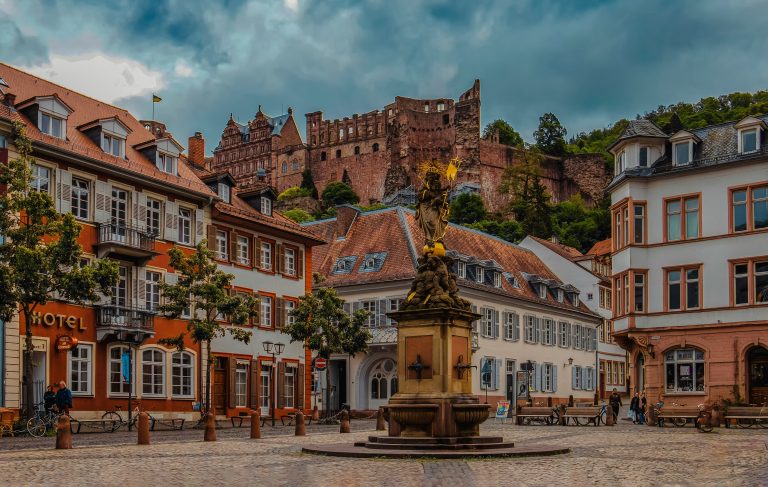
A castle ruin above the Neckar and the oldest university in Germany. The classic day trip from here.
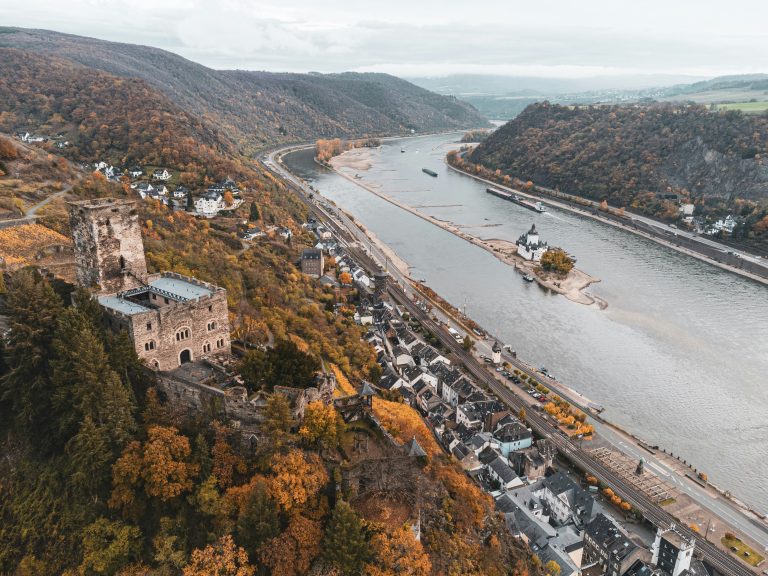
Castles above vineyards between Rüdesheim and Koblenz, best seen from the train or a boat.
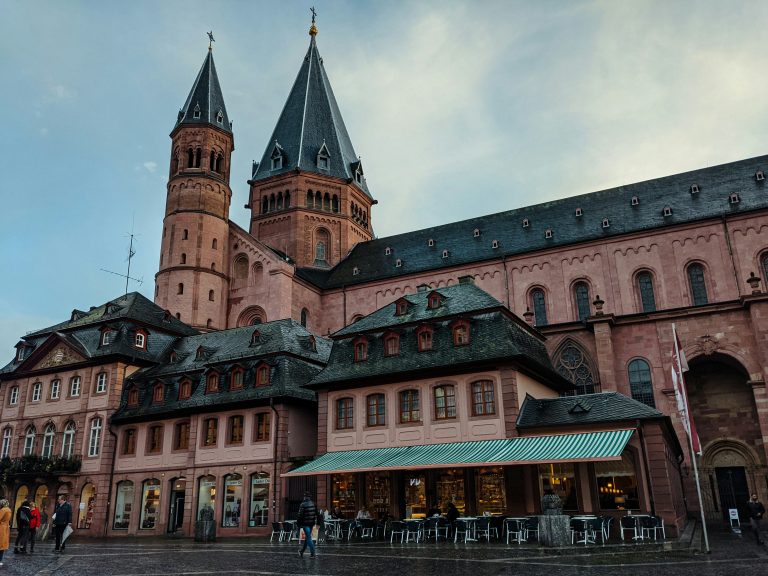
A Roman town with the Gutenberg Museum and Chagall windows in St Stephen's church.
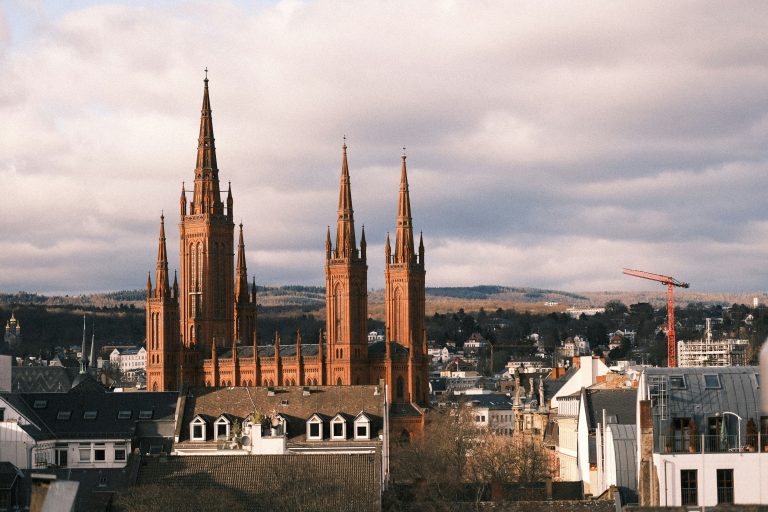
A spa town of nineteenth-century grandeur, with thermal baths and a casino.
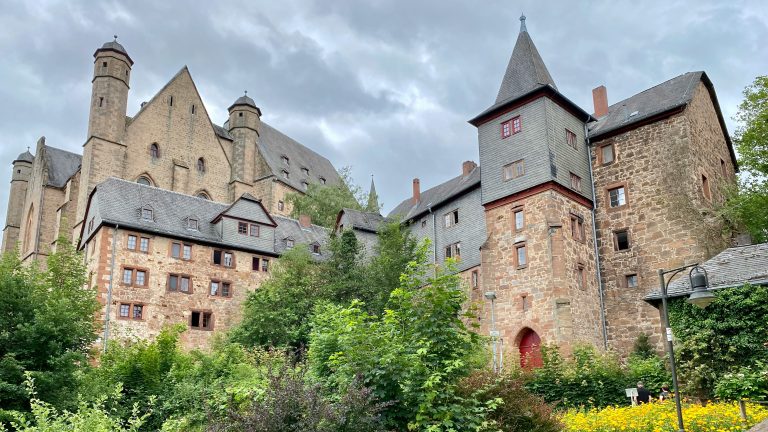
A hill town of steep lanes and half-timbering, with a castle and a Gothic church, rarely visited.
A riverbank festival in August, and a book fair that fills every bed.
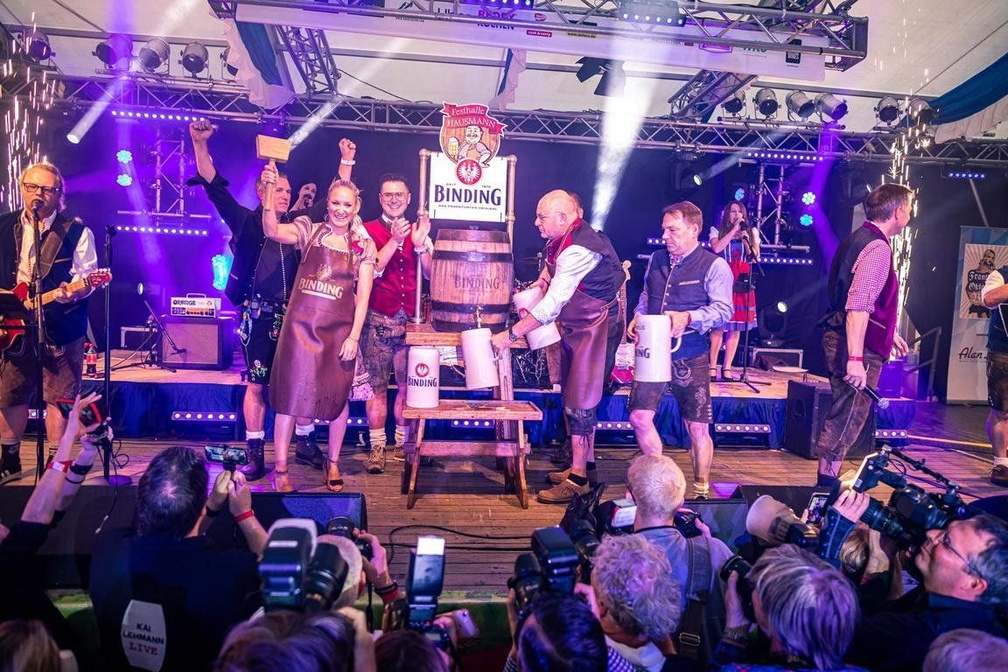 Staff pick
Frankfurt’s Oktoberfest brings the spirit of Bavaria to life with bustling beer tents, hearty German cuisine, and lively music. Drawing crowds of over 3…
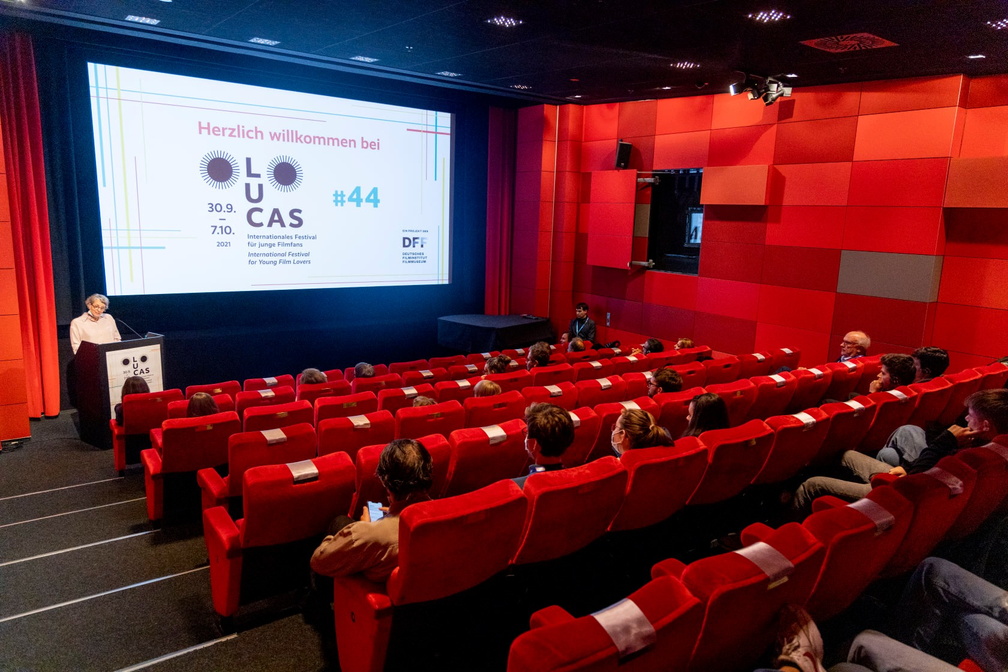 Staff pick
The LUCAS International Festival for Young Film Lovers is a must-visit event for families and film enthusiasts alike, drawing in over 10,000 attendees each…
 Staff pick
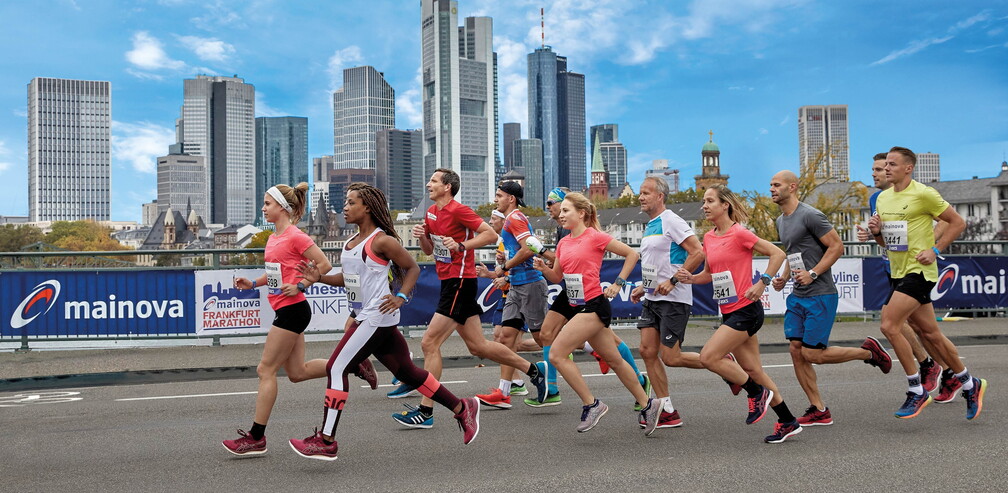
The Mainova Frankfurt Half Marathon is a premier running event in Germany that attracts thousands of participants and spectators each year. With a challenging…
 Staff pick
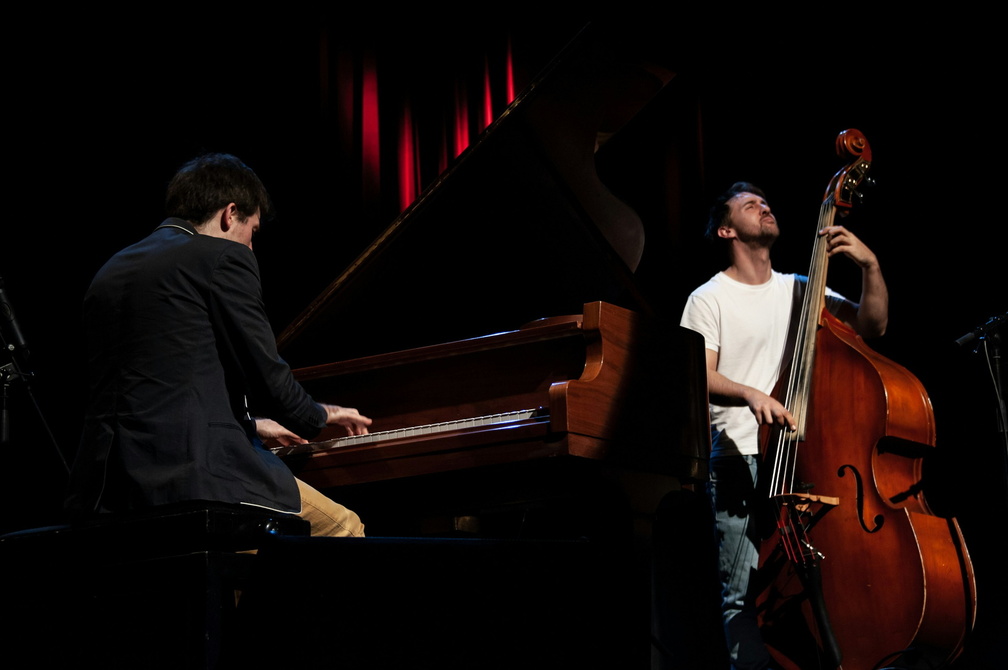
Jazz on the Third turns Frankfurt’s historic center into a vibrant celebration of jazz, where legendary artists fill the city with soulful ballads and…
 Staff pick
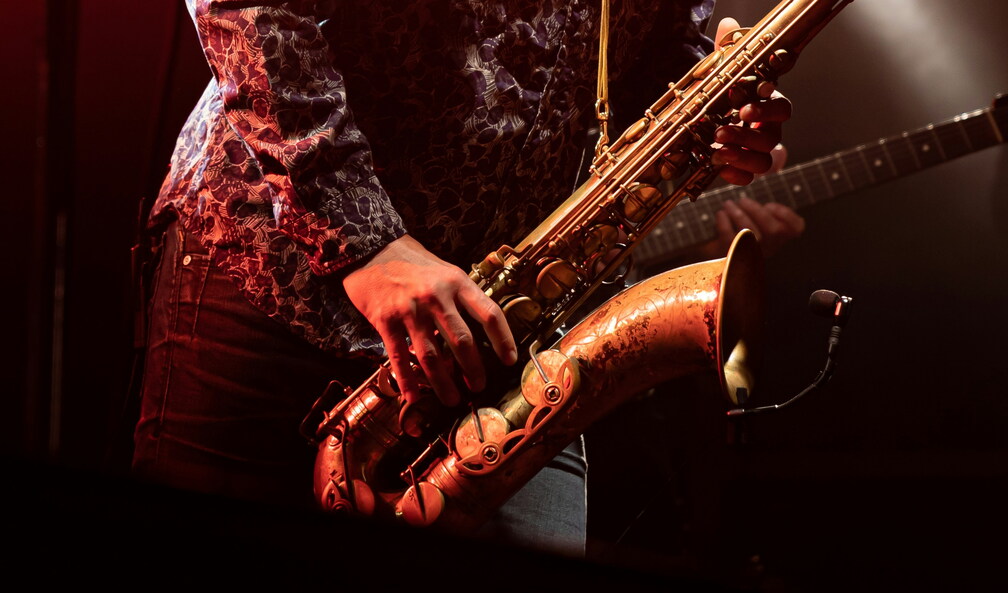
The Deutsches Jazzfestival in Frankfurt is a premier event that celebrates the vibrant world of jazz music. With an anticipated attendance of over 5,000…

The exhibition 'Stillleben mit Gemüse' by the artist duo Elmgreen & Dragset transforms the Städel Museum into a captivating interplay of reality and illusion.…
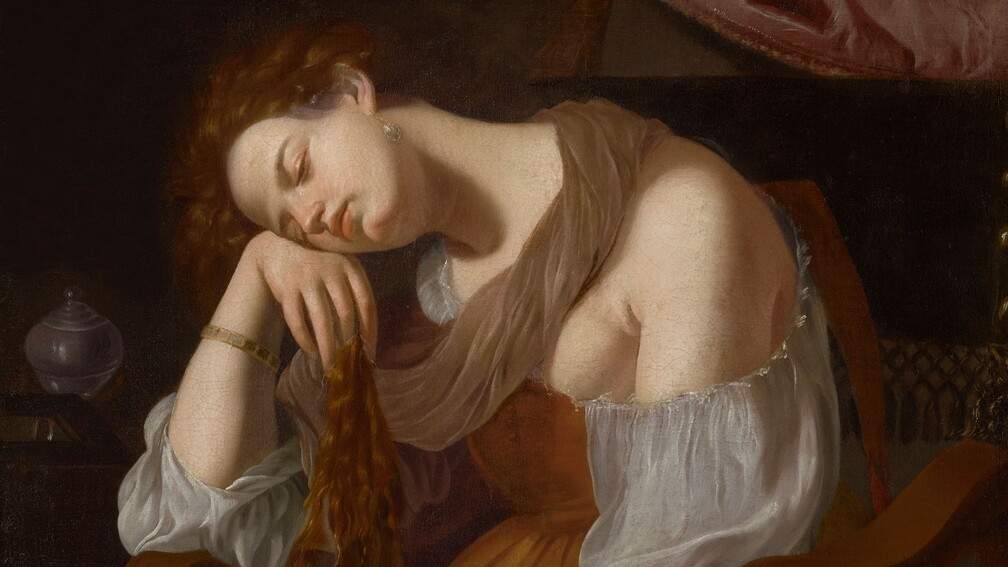
The exhibition explores the multifaceted figure of Mary Magdalene, showcasing her evolution from a penitent sinner to a symbol of female empowerment. It features…
DIE NERVIGEN will perform live in 2026. The event is scheduled to start at 19:00, with doors opening at 17:00. Attendees under 14 years…
A reasonable scene, mostly near the station, with prices swinging hard on the trade fair calendar. Live from Hostelworld.
 Sustainable
 Sustainable
May to September, avoiding the big trade fairs. December for the Christmas market.
Average highs. The weather matters less here than the trade fair calendar — a random week in June can cost more than Christmas if the Messe has something large on.
Pick how you travel. Per person per night, in euros.
These assume a normal week. Trade fair weeks — especially the October Book Fair — can treble the bed line or worse.
The ones we get asked most.

Compare Frankfurt hostels — live prices, real reviews and free cancellation on most bookings. Then meet the people already there in the app.

 Get the App.
 Get the App.