Stuttgart-Mitte
First-timersThe centre: Schlossplatz, the shopping street, the station and most of the beds.

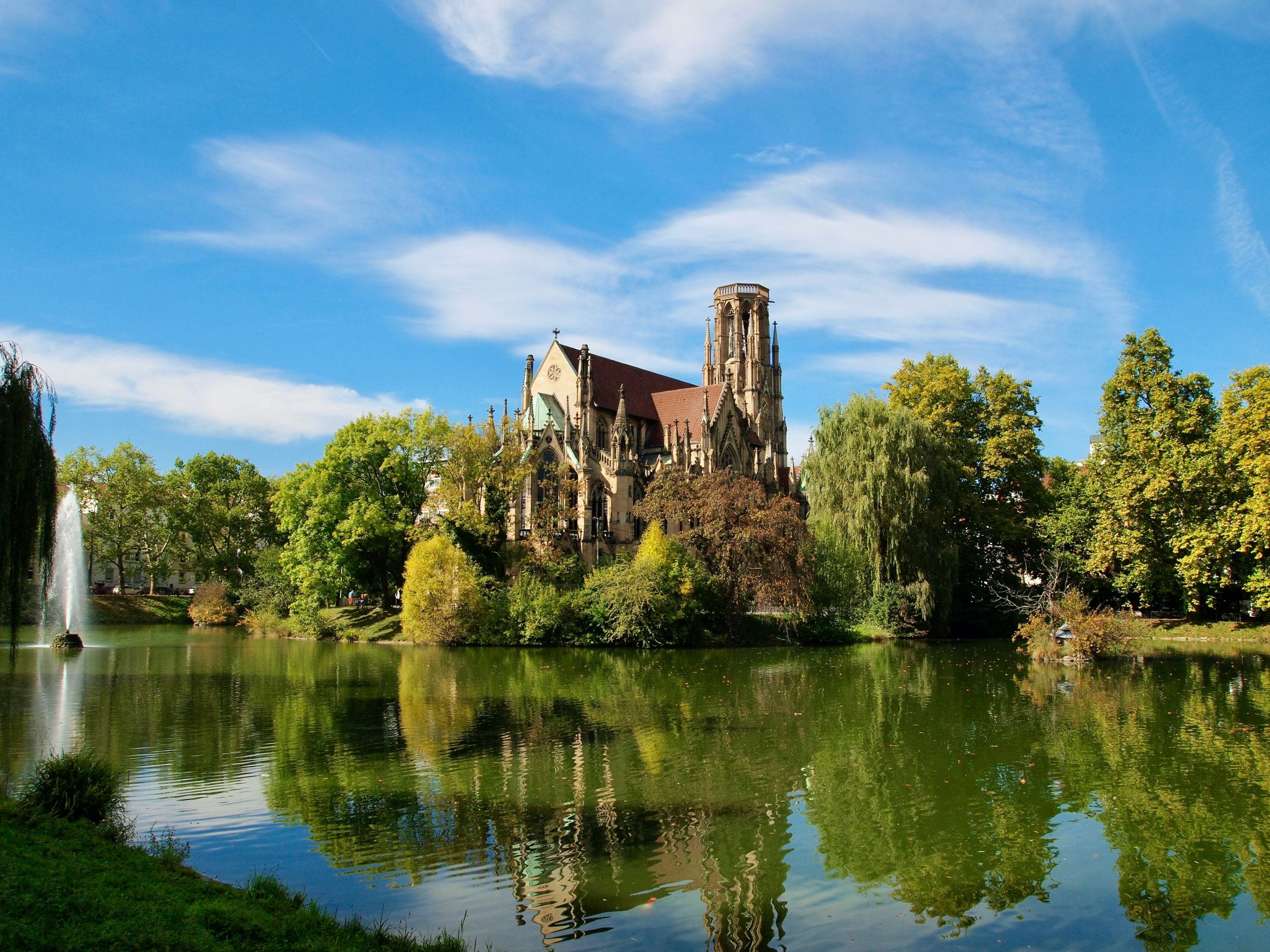
Mercedes and Porsche museums at either end of the city, vineyards growing inside the built-up area, four hundred public staircases, and Germany's second-biggest beer festival.
Stuttgart sits in a steep basin, and the slopes around the centre are planted with vineyards that run right up to the buildings — it is the only large German city where you can walk from a tram stop into a working vineyard in ten minutes.
Because of the gradient there are more than four hundred public staircases, called Stäffele, threading the hillsides. They were built for the vineyard workers and are now how people get around.
The cars are the other thing. Karl Benz and Gottlieb Daimler independently built the first automobiles here in 1886, and both Mercedes-Benz and Porsche have museums in the city that are serious pieces of architecture as well as collections.
Swabian food is its own tradition — Maultaschen, Spätzle, and a local wine culture centred on Trollinger that the rest of Germany does not take seriously and Stuttgart does.
The Cannstatter Volksfest is the second-largest beer festival in the world and almost nobody outside Germany has heard of it. Two days.
A centre at the bottom of a bowl, with the interesting bits up the sides.
The centre: Schlossplatz, the shopping street, the station and most of the beds.
South and uphill: the best bar district, good restaurants and the Stäffele up the slopes.
West: a dense nineteenth-century district with cheap eating and a short walk into the centre.
North-east across the Neckar: mineral springs, the Volksfest grounds and cheaper beds.
Orange labels are neighbourhoods, dots are the 2 top-rated hostels. Map © MapTiler © OpenStreetMap contributors.
The Mercedes-Benz Museum, about €16, is the better of the two car museums even if you do not care about cars — a double-helix building you spiral down through 130 years of the motor car, starting with a horse and ending with Formula One. It takes three hours.
The Porsche Museum, about €12, is smaller, sharper and more focused, and the two make a reasonable day together at opposite ends of the same S-Bahn line. Both close on Mondays.
Walk the Stäffele. More than four hundred public staircases climb the vineyard slopes, and the Eugensplatz route up from the centre gives the view back over the basin.
The Wilhelma, about €23, is a zoo and botanical garden in a Moorish-revival palace complex, which is a stranger combination than it sounds and very good.
And drink Trollinger in a Besenwirtschaft if the season is right — temporary taverns that winegrowers open in their own premises for a few weeks a year, marked by a broom hung outside.
The Stäffele are free and are the best way to see the city — the staircases climb from the centre into the vineyards and out to viewpoints over the basin.
Schlossplatz, the Neues Schloss facade and the palace gardens running down to the Neckar are free.
The vineyards themselves are open — marked paths run through the working vines on the Kriegsberg and around Rotenberg, with the Württemberg mausoleum on the hill above.
The Killesberg park and its lookout tower are free, and the Höhenpark has views across the whole bowl.
The Staatsgalerie has free entry to its permanent collection on some days, and the mineral baths in Bad Cannstatt are cheap rather than free — Germany's second-largest mineral water reserves sit under the city.
Swabian food is distinct and good. Maultaschen are large filled pasta parcels, traditionally invented to hide meat during Lent — the local nickname translates roughly as God-cheaters. Spätzle are soft egg noodles, and Käsespätzle with melted cheese and fried onions is the comfort version at €10 to €15.
Zwiebelrostbraten, steak with fried onions and gravy, is the big plate at €18 to €26.
Trollinger is the local red wine — light, pale and dismissed by the rest of Germany, which Stuttgart resents. Lemberger is the better bottle. A glass is €4 to €6.
The Besenwirtschaften are the thing to find: winegrowers may open temporary taverns in their own buildings for a limited period each year, serving their own wine and simple food. A broom hung outside marks an open one.
The Markthalle is an art nouveau market hall doing lunch at €8 to €14.
The Theodor-Heuss-Strasse strip in the centre is the loud mainstream option and largely aimed at a young suburban crowd.
The Süden and the Heusteigviertel have the better bars, and the West has the neighbourhood ones.
A beer is €4 to €5.50, wine €4 to €6 and cocktails €9 to €13.
Stuttgart has a good and slightly unexpected electronic scene, with venues in the industrial edges and under the railway arches.
The Cannstatter Volksfest from late September is the main event — the second-largest beer festival in the world after Oktoberfest, with the same tent structure, the same litre glasses and a fraction of the international attention. Beds rise but nothing like Munich's, which makes it arguably the better festival to attend.
The VVS network covers S-Bahn, U-Bahn and buses with a day ticket around €6.50.
The gradient matters. The Zacke rack railway climbs to Degerloch and the Seilbahn funicular runs up to the forest cemetery, both on normal tickets — use them rather than walking every slope.
Validate before boarding — the fine is €60.
The airport is 30 minutes on the S2 or S3 for about €4.20.
The Hauptbahnhof has been a construction site for years under the Stuttgart 21 rail project, which is worth knowing because platforms and entrances move and signage changes. Allow extra time for connections there.
Both car museums sit on the S1 line at opposite ends of the city, which makes doing both in a day straightforward.
Mid-to-upper range for Germany. Dorms are €22 to €42, a main €12 to €18, and a beer €4 to €5.50.
A day is €50 to €90.
The Stäffele, the vineyards and the parks are free, and the two car museums at about €16 and €12 are the main entries — cheaper than comparable attractions elsewhere and both closed on Mondays.
The Volksfest from late September raises beds, though far less dramatically than Oktoberfest does in Munich.
A Besenwirtschaft, when one is open, is the cheapest good meal and wine in the city.
Stuttgart is a safe city and crime against visitors is low.
Petty theft happens around the Hauptbahnhof and on the Theodor-Heuss-Strasse strip at weekends.
The Volksfest carries the same risks as any large beer festival: litre glasses of strong beer, enormous crowds and a lot of medical incidents. Eat properly, pace yourself, and agree a meeting point because phone signal fails in the tents.
The Stäffele are steep, uneven and frequently unlit, and they are slippery in rain and ice. They are a pleasure in daylight and a hazard after dark and a few drinks.
The Hauptbahnhof construction site changes layout periodically, and following an old map through it does not work.
Validate transport tickets — €60. Emergency number is 112.
A monastery, a Roman frontier and the Black Forest.
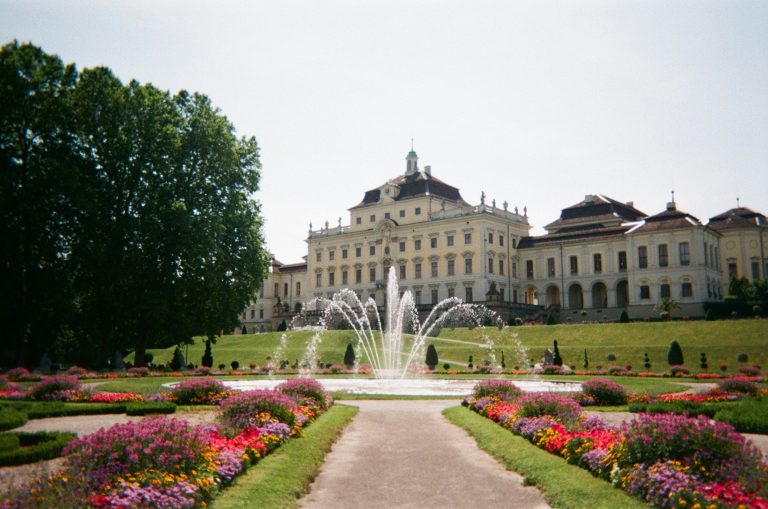
One of the largest baroque palaces in Germany, with gardens and a fairytale park.
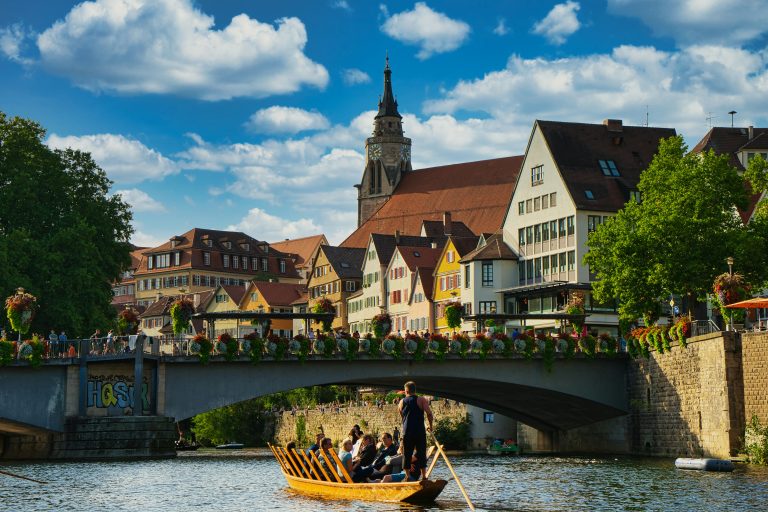
A university town of half-timbered houses on the Neckar, with punts on the river and a hilltop castle.
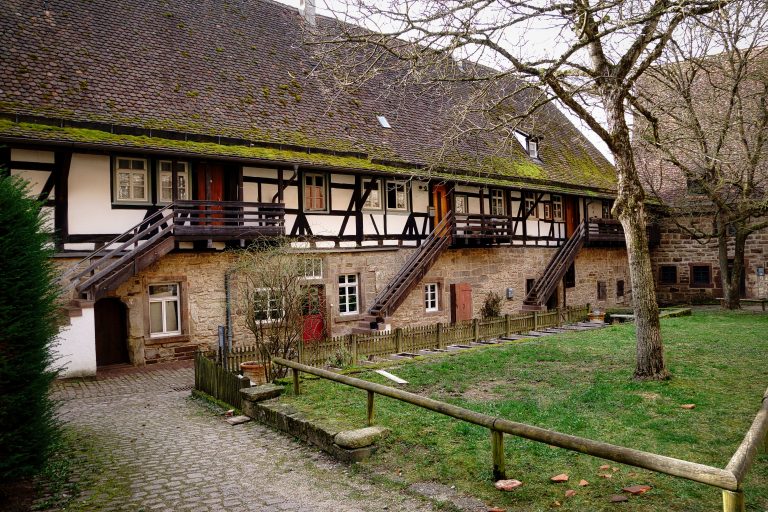
The best-preserved medieval Cistercian monastery north of the Alps, UNESCO-listed.
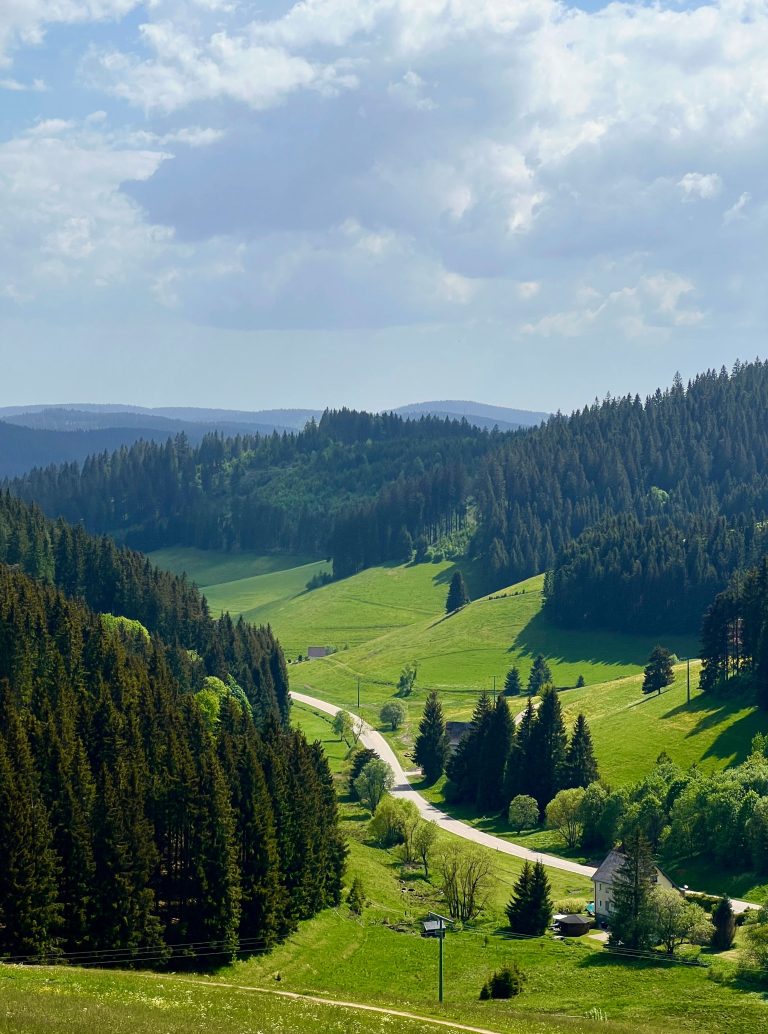
Forest, cuckoo clocks, waterfalls at Triberg and walking trails, starting an hour and a half south-west.
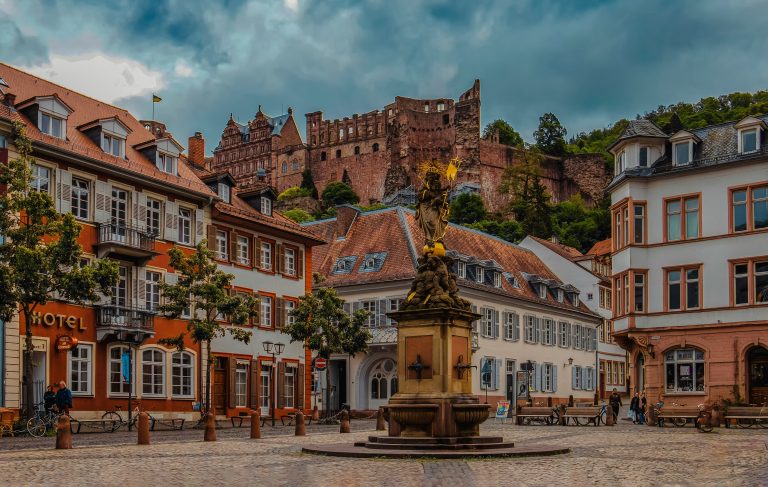
A castle ruin above the Neckar and the oldest university in Germany.
The second-largest beer festival in the world, and a wine village in August.
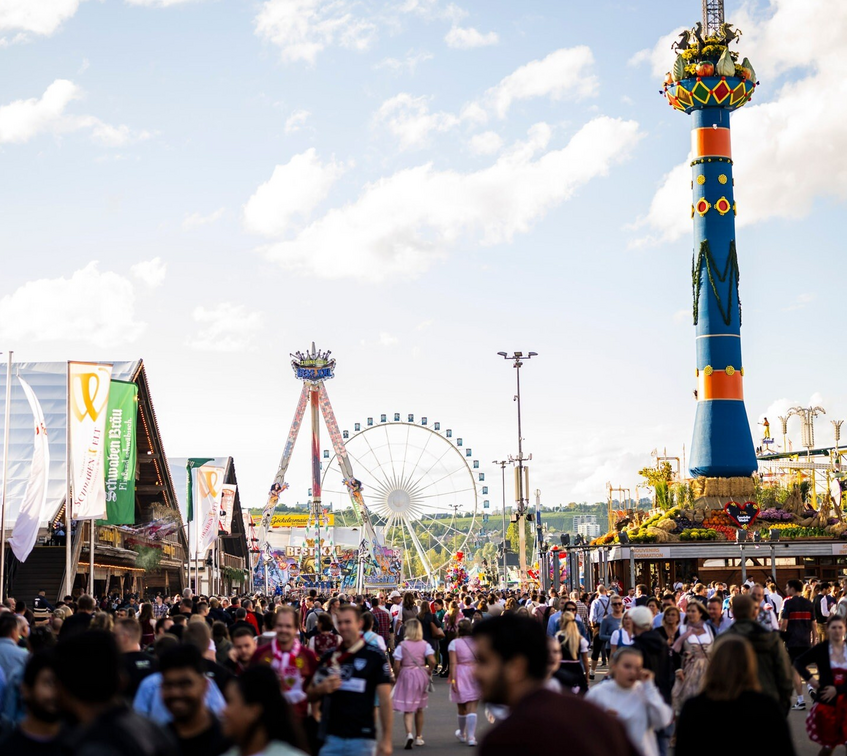 Staff pick
The Cannstatter Volksfest, held annually in Stuttgart, Germany, is one of the largest and most vibrant folk festivals in Europe. Known as the "Stuttgart…
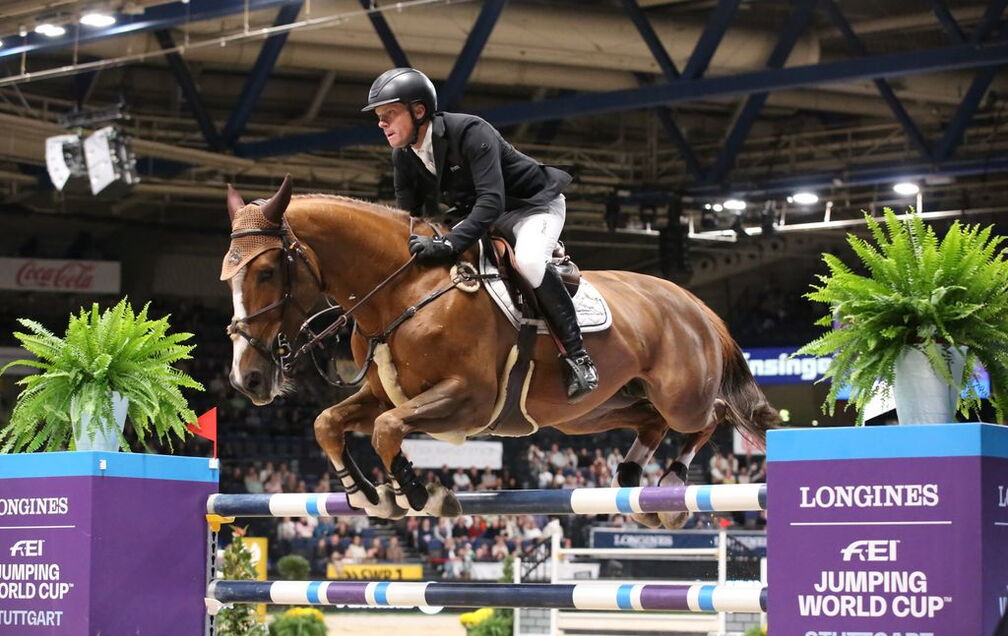 Staff pick
The Stuttgart German Masters is a premier international horse show held at the renowned Hanns-Martin-Schleyer-Halle in Stuttgart, Germany. Featuring five-star competition across four equestrian…
 Staff pick
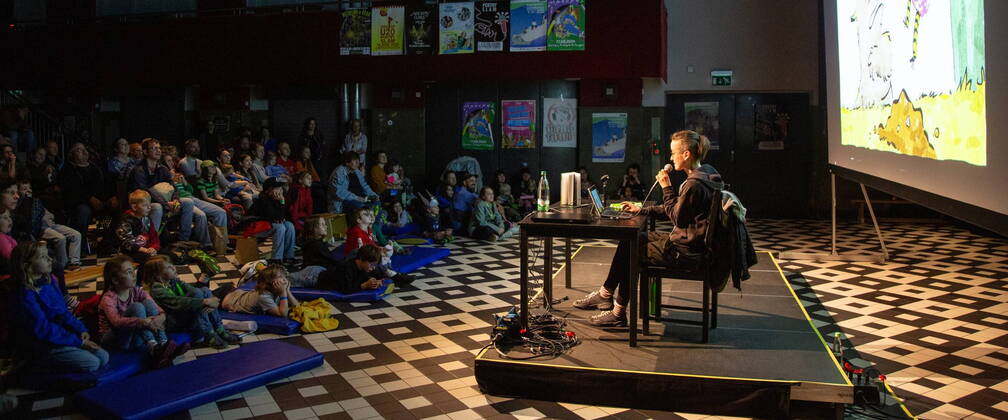
Comic Con Stuttgart, held at Messe Stuttgart, is a major pop culture event in Germany that brings together fans of comics, movies, TV, cosplay,…
 Staff pick
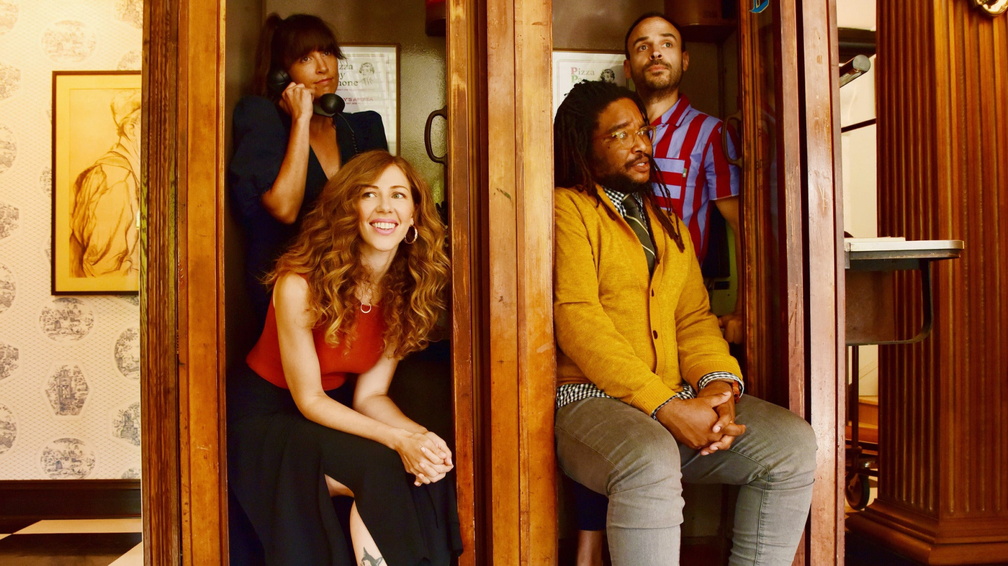
Lake Street Dive is a multi-genre band from Boston who creates music with Southern rock, indie pop, blue-eyed soul and alt-jazz sounds. With US…
 Staff pick
Made in Germany Festival in Stuttgart, Germany, is an intercultural theater event that brings together a wide range of productions exploring the realities of…
 Staff pick
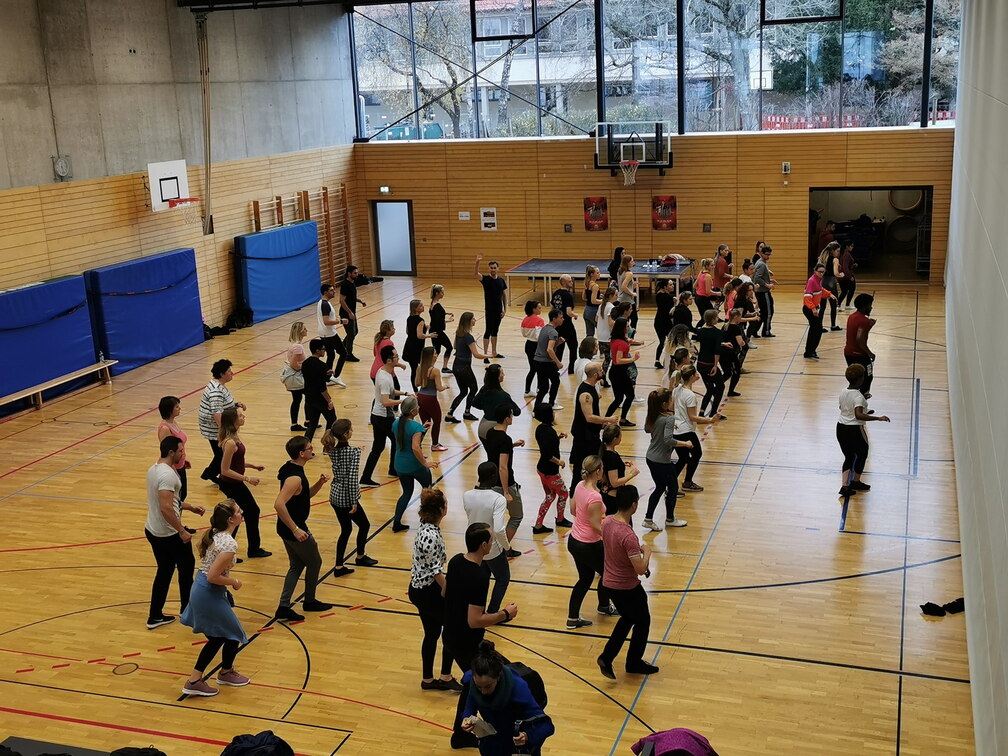
The Latin Festival Stuttgart brings together world-class Salsa and Mambo stars along with passionate dancers from across Germany and beyond. Hosted at La Pachanga…
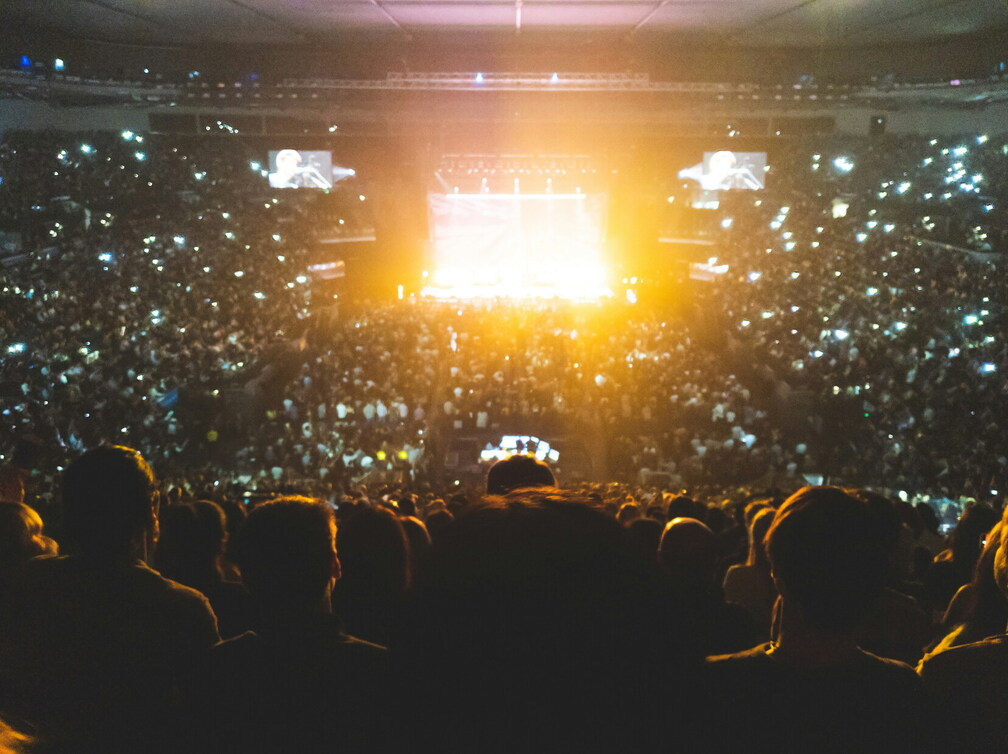
The Schlager Night of the Year 2026 brings together popular hits and folk music in a lively celebration. You will enjoy an evening filled…

Laura Pausini brings her music to Schleyer-Halle in Stuttgart for an evening of rock and pop. The concert starts at 7:00 PM with doors…
A modest scene near the centre and Bad Cannstatt, tightest during the Volksfest. Live from Hostelworld.
May to September, plus late September for the Volksfest and the wine village in August.
Average highs. Stuttgart sits in a basin that traps heat and air, so summer in the centre is noticeably hotter than the surrounding country — which is another argument for the vineyard slopes.
Pick how you travel. Per person per night, in euros.
The doing line assumes one car museum. Volksfest and Weindorf weeks push the bed line up, though not to Munich levels.
The ones we get asked most.

Compare Stuttgart hostels — live prices, real reviews and free cancellation on most bookings. Then meet the people already there in the app.

 Get the App.
 Get the App.