Medieval Mile
First-timersThe main street from the castle to the cathedral. Pubs, shops and everything to see.

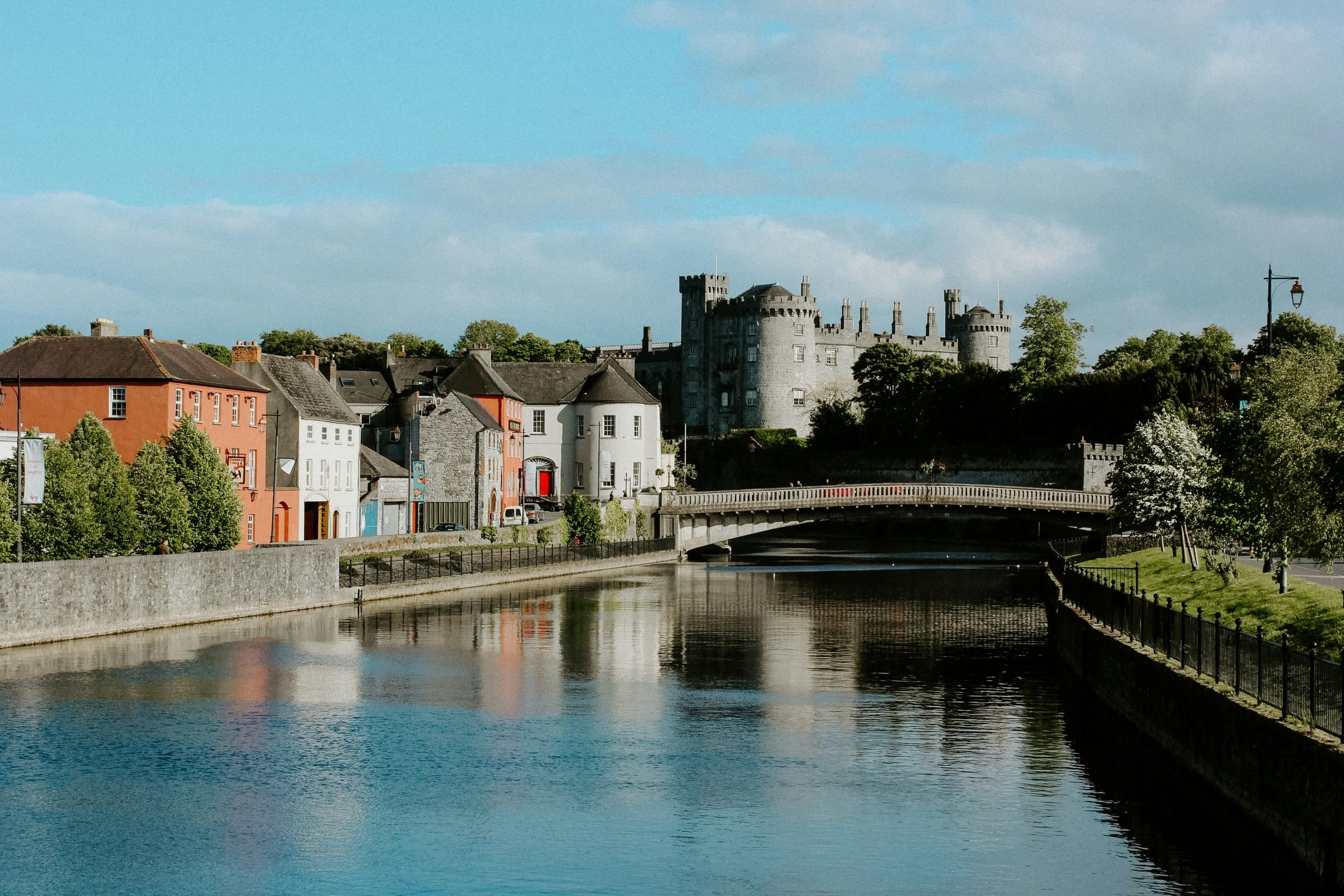
A medieval city on the River Nore, with a Norman castle at one end, a cathedral and round tower at the other, and a mile of lanes, pubs and craft shops between them. Ninety minutes from Dublin.
Kilkenny is a city by charter but a town in size, and it is the best-preserved medieval centre in Ireland. For a few years in the 1640s it was effectively the capital of the country, as the seat of the Confederation that ruled much of Catholic Ireland during the wars of that decade.
The centre is a single spine, the Medieval Mile, running from Kilkenny Castle, the seat of the Butler family for almost six hundred years, to St Canice's Cathedral and its round tower. Between them are narrow lanes called slips, a Tudor merchant's house, a Dominican abbey and a lot of pubs.
Kilkenny is also the hurling capital of Ireland, the craft and design centre of the country and a weekend favourite for hen and stag parties. One or two days is right, and the Rock of Cashel and Jerpoint Abbey are close.
The centre is small, and everything is on or near the Medieval Mile. Stay anywhere central.
The main street from the castle to the cathedral. Pubs, shops and everything to see.
Around the castle and its park, at the southern end of the centre.
Across the river on the east bank, near the train station. Pubs and restaurants.
The old quarter around St Canice's Cathedral, at the northern end.
Map © MapTiler © OpenStreetMap contributors.
Start at Kilkenny Castle, a Norman fortress rebuilt as a Victorian stately home, which the Butler family sold to the city for £50 in 1967. The rooms are restored and the parkland behind it is free.
Walk the Medieval Mile to St Canice's Cathedral, a thirteenth-century Gothic church with a ninth-century round tower beside it. It is one of only two round towers in Ireland you can climb, up a series of ladders, and the view over the city from the top is the best in town.
On the way, the Medieval Mile Museum, in a converted church, tells the city's story. Rothe House is a merchant's house and garden from the early 1600s. The Black Abbey, a Dominican friary from 1225, is still in use. The Smithwick's Experience is on the site of the abbey where the ale was first brewed.
Kyteler's Inn is named after Alice Kyteler, who was accused of witchcraft in 1324 and fled before she could be burned. Her maid was not so lucky.
The Castle Park, behind Kilkenny Castle, is free and open daily, and the walk along the River Nore from the castle is free too.
The Medieval Mile itself costs nothing to walk, and the slips — the narrow medieval lanes running off it — are the best of it. The Black Abbey is free to visit.
The National Design and Craft Gallery and the Kilkenny Design shops, in the castle's old stables, are free to browse.
Trad sessions in the pubs are free.
Kilkenny eats well for its size. Pub food and carvery lunches are the everyday option, and the city has several good cafés and restaurants on and off the High Street.
The county is dairy and farming country, and Kilkenny produces good cheese and meat. Smithwick's red ale was brewed here for centuries, and it is on tap in every pub.
A pub meal is €15 to €20, and restaurants €25 and up. The Savour Kilkenny food festival in October is the best time to eat.
Kilkenny has an outsized pub scene for a small city. Parliament Street and John Street are packed with pubs, many with trad sessions or live music.
It is also a popular hen and stag destination, and on Friday and Saturday nights parts of the centre are loud with them. Midweek, the pubs are quieter and more local.
A pint is €5.50 to €6.50.
The centre is walkable, and the train and bus stations are a few minutes from the castle.
Trains from Dublin Heuston take about an hour and a half. Buses run to Dublin, Dublin Airport, Waterford and Cork. The nearest airport is Dublin.
For Jerpoint Abbey, Dunmore Cave and the Rock of Cashel, a car is much easier, as bus connections are limited. Day tours from Dublin often include Kilkenny.
Kilkenny has no dorm hostels at the moment, so budget for a room. B&Bs and guesthouses are the cheaper option, and prices rise sharply on summer weekends and during festivals.
A careful day, with a shared room, comes to €60 to €80. The sights are mostly cheap, and the castle park and the Medieval Mile are free.
Visit midweek rather than at the weekend, when the city is quieter and cheaper, or come as a day trip from Dublin.
Kilkenny is very safe. The only problems are the noise and the occasional rowdiness of hen and stag parties at weekends, mostly around Parliament Street and John Street late at night.
The round tower climb is steep and on ladders, and it closes in bad weather. It is not suitable for everyone.
Emergency numbers are 112 or 999.
Some of the best medieval sites in Ireland are within an hour.
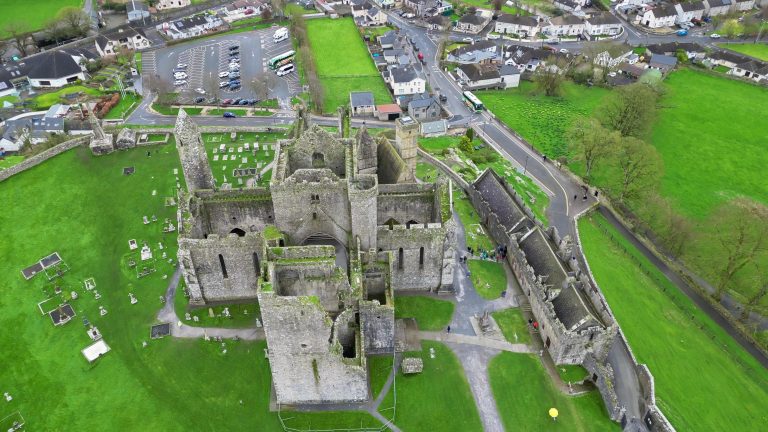
A cluster of medieval church buildings on a limestone rock, once the seat of the kings of Munster.
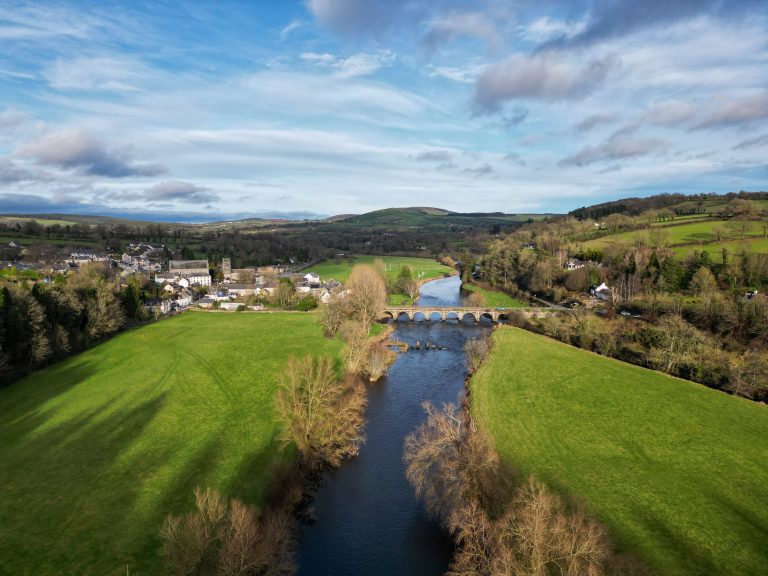
A pretty village on the Nore with a stone bridge and riverside walks.
The comedy festival in June and the arts festival in August are the big two.
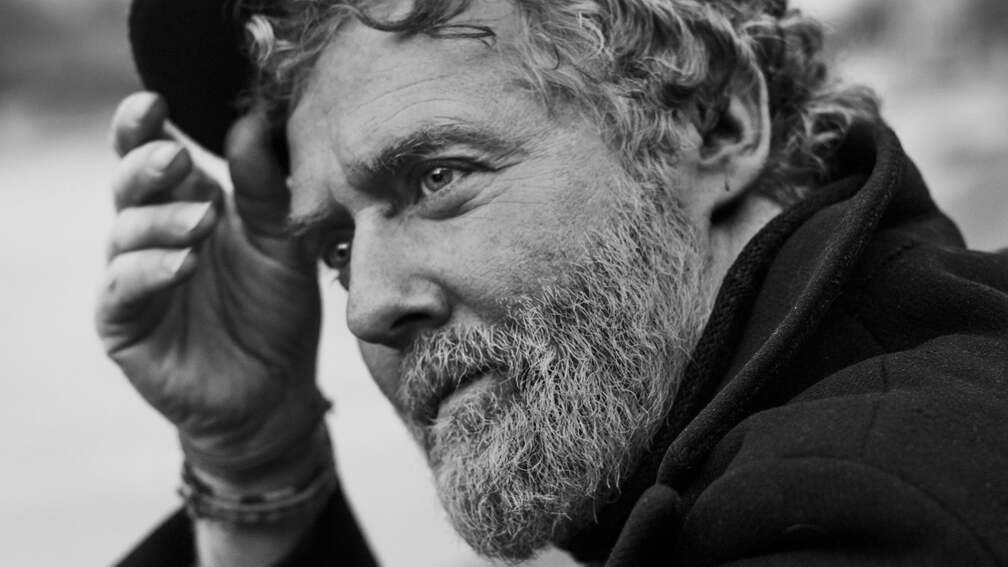
Glen Hansard is a singer-songwriter, guitarist, and actor from Ireland. Along with releasing popular singles like "Why Woman," "If You Want Me," and the…
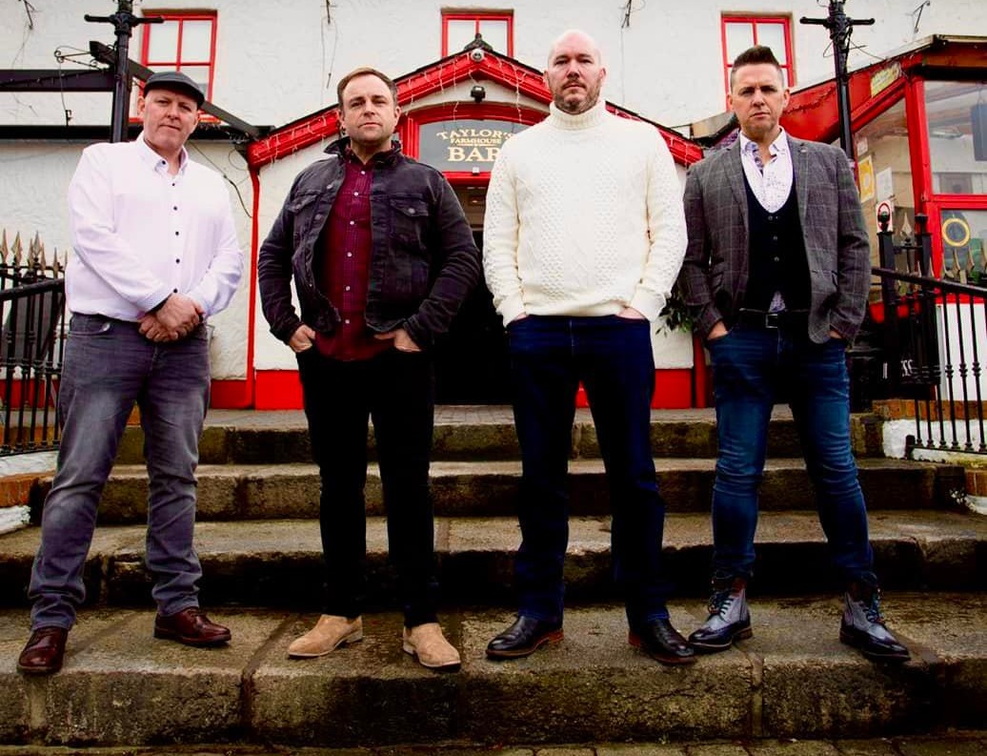
The High Kings is an Irish folk group formed in 2008. Consisting of four members, the group has multiple charting albums on the Billboard…
Kilkenny is good all year. Summer has the festivals; winter has quiet streets and warm pubs.
Average highs. Kilkenny is inland, so it is warmer in summer and colder in winter than the coast.
Pick how you travel. Per person per night, in euros.
Beds are for a room shared between two, as there are no dorms in the city. Transport assumes walking.
The ones we get asked most.

Compare Kilkenny hostels — live prices, real reviews and free cancellation on most bookings. Then meet the people already there in the app.

 Get the App.
 Get the App.