Netherlands
Netherlands country guide

Things To Do In The Netherlands

A country you can cross in three hours by train, where the bike is the transport and the second cities are half the price of the first. Amsterdam is the draw; Rotterdam, Utrecht and the coast are the reason to stay longer.

€30
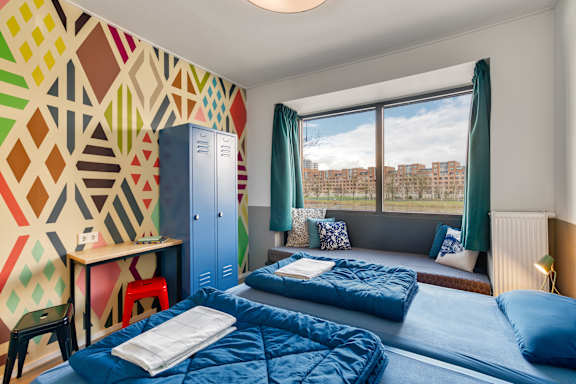
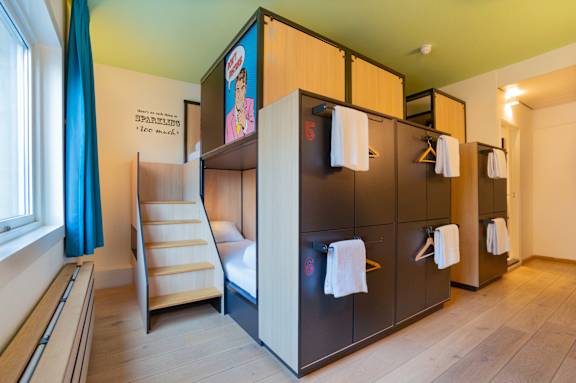
Dorm bed in Amsterdam, from
22,000km
Of cycle paths
3h
North to south by train
€1
A stroopwafel, hot off the iron

Small, flat, and not just Amsterdam

The Netherlands is the size of Munster and half of it is below sea level, which is why it looks the way it does: flat, engineered, and organised around water and bicycles. You can be anywhere in the country within three hours of Schiphol, and most people never leave the first city they land in.

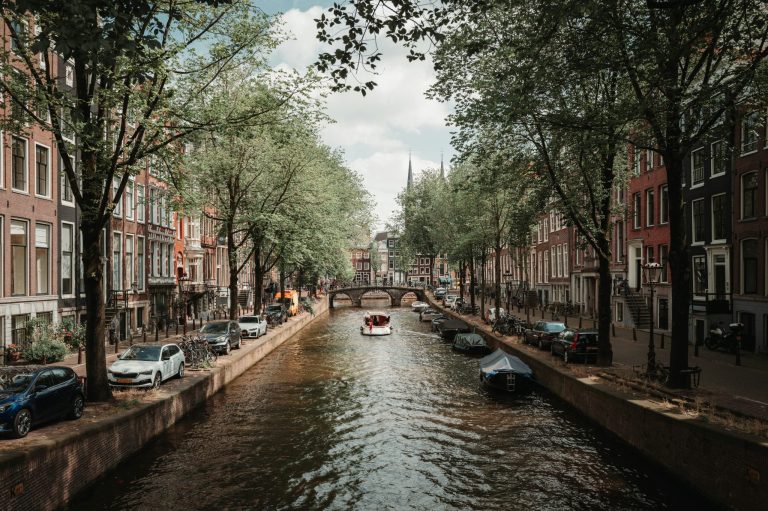
Amsterdam deserves its reputation and pays for it. Canals, Rembrandt and Van Gogh, and more visitors per resident than almost anywhere in Europe. It is also the most expensive bed in the country by a wide margin, and the city has spent years actively discouraging the stag-and-coffeeshop end of its tourism.

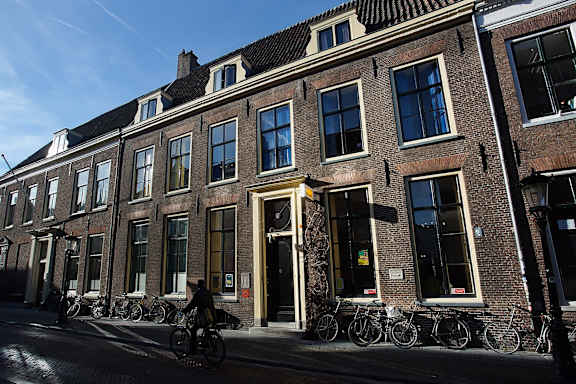
Twenty minutes to an hour away, the country changes. Utrecht is Amsterdam with fewer people and lower canals. Rotterdam is modern, industrial and the best food city. Haarlem, Delft and Leiden are small, handsome and cheap. Basing yourself outside Amsterdam and commuting in is a genuinely good trick.

Where to go

Trains link everything, and the whole country is under three hours across.

Amsterdam

Amsterdam

80 hostels · dorms from €19

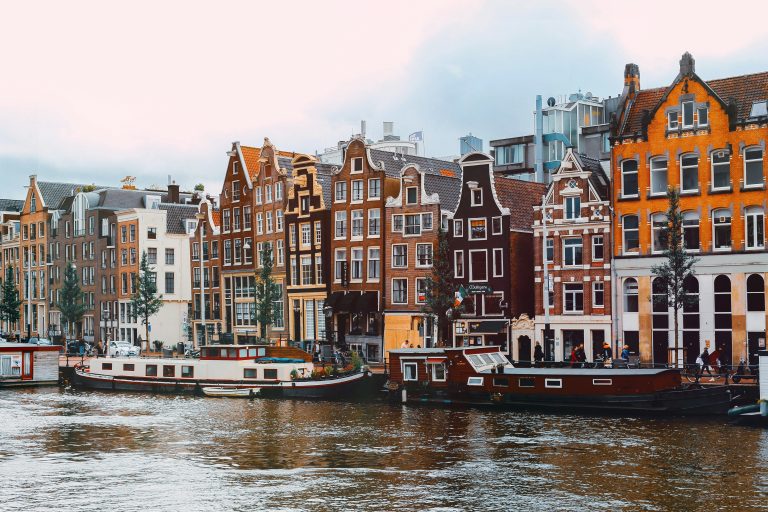
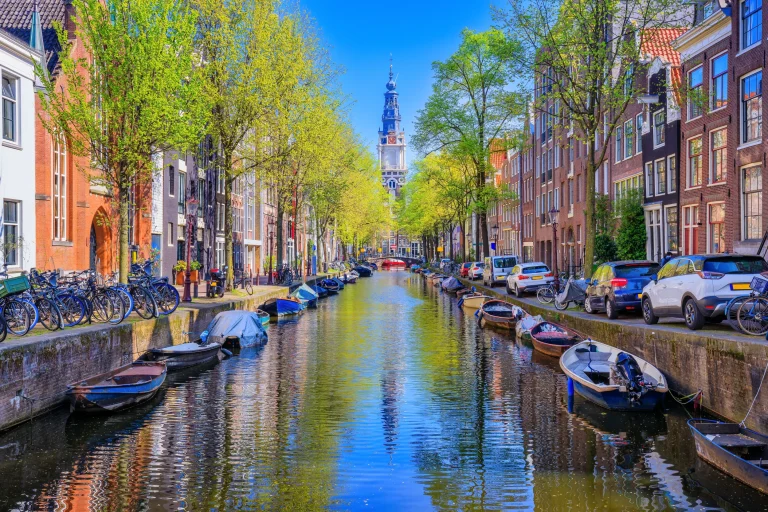
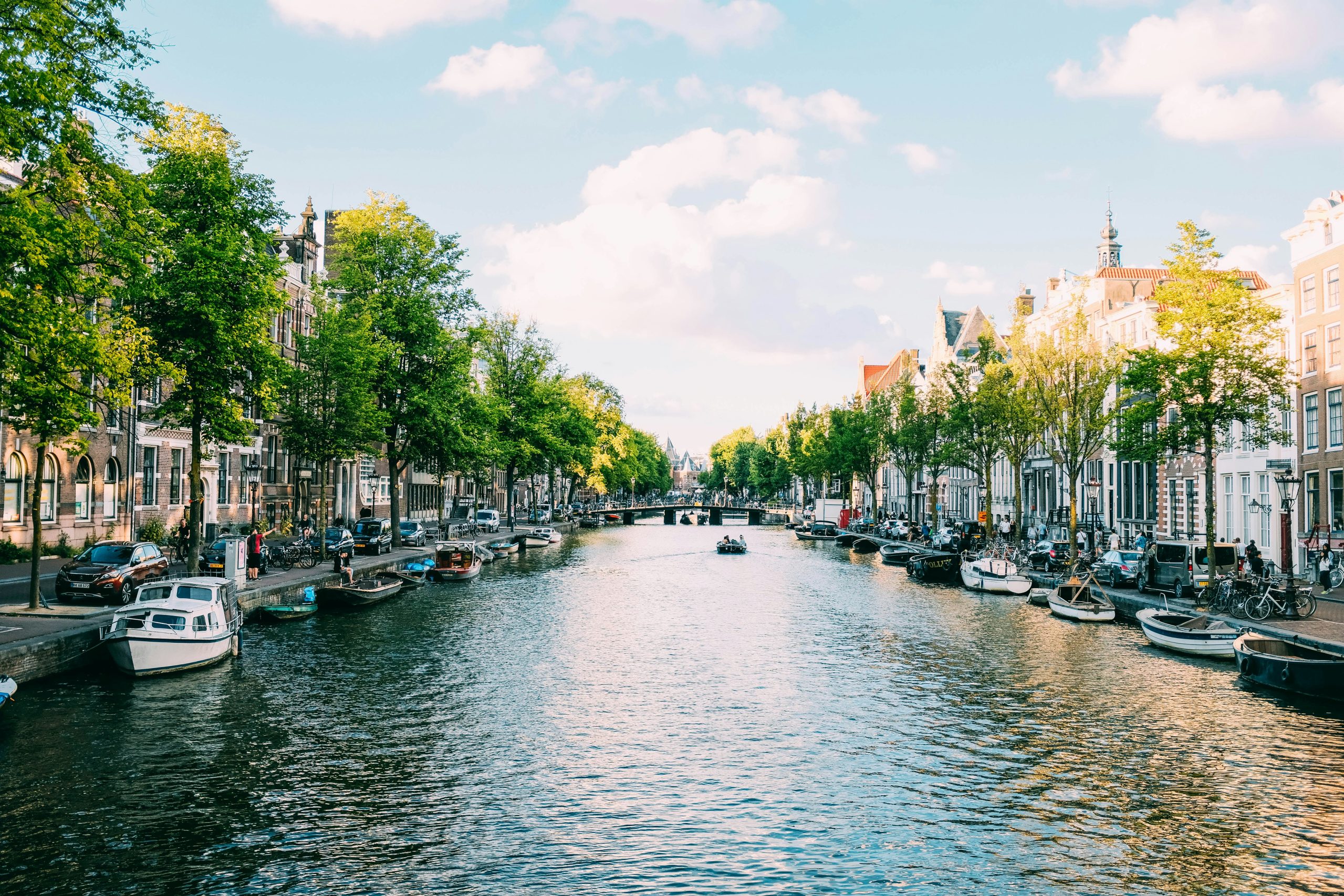
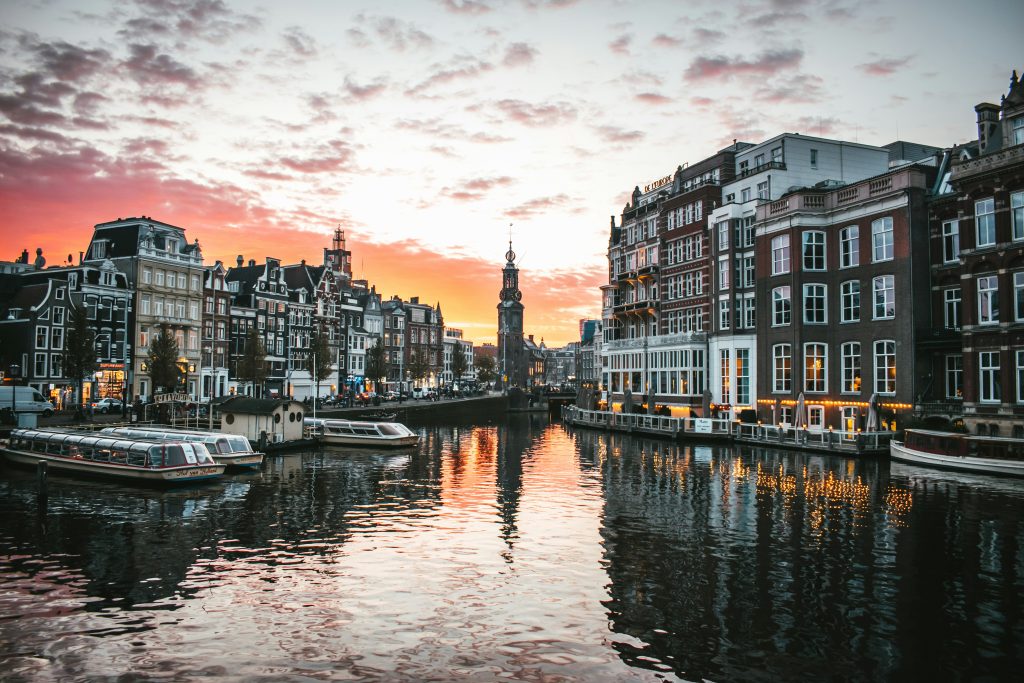
Canals, world-class museums and the busiest centre in the country. Beautiful, and priced accordingly.

A brilliant city for everyone, whether you want culture, sights or fun. Public transport was fairly easy to use and despite the ongoing repairs on some parts of the tram system most of the city was easily accessed via public transport. I’d recommend getting a museum or amsterdam pass card thing for a longer trip, they’re pretty useful.

A traveller, on Hostelworld
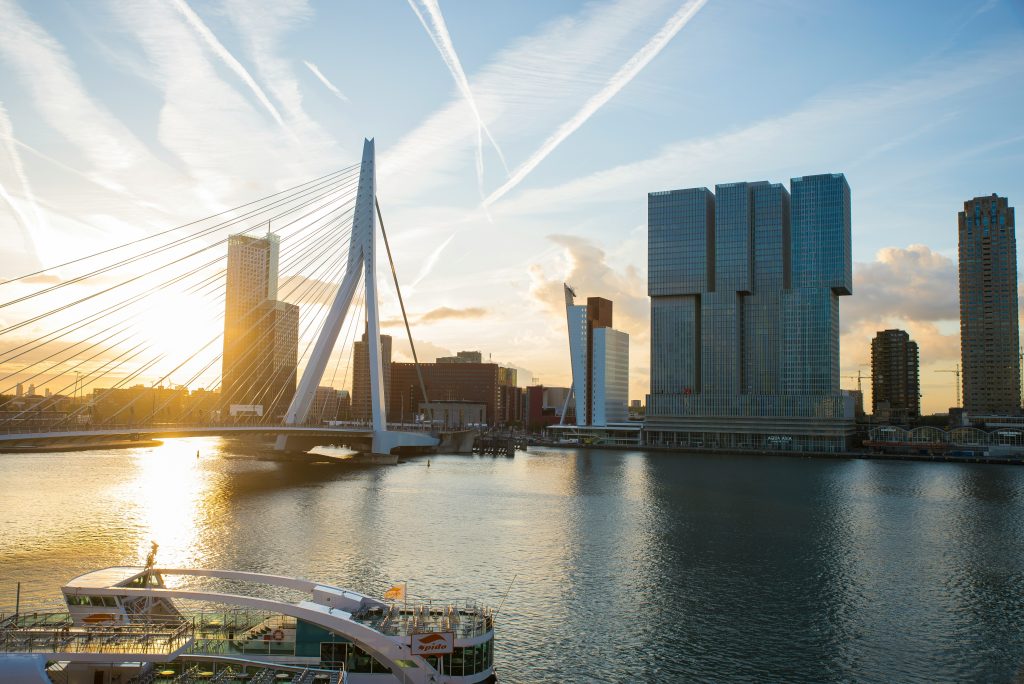
The Amsterdam guide
Rotterdam

Rotterdam

12 hostels · dorms from €21

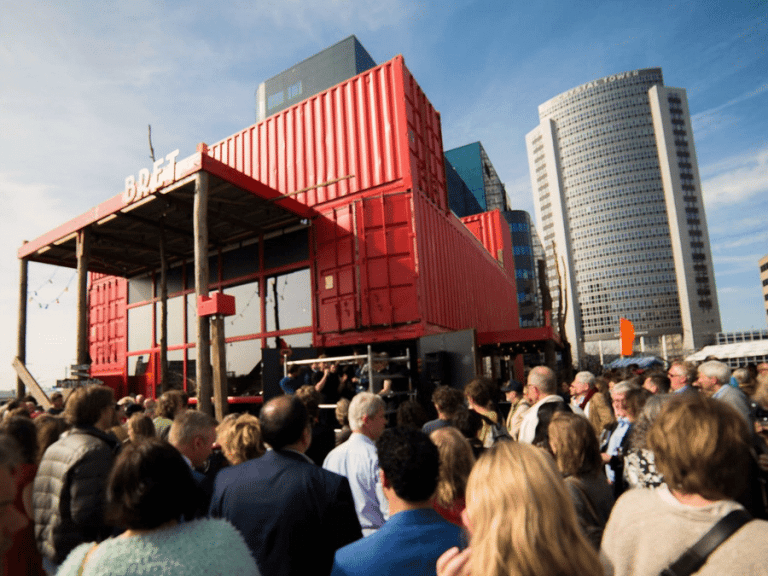
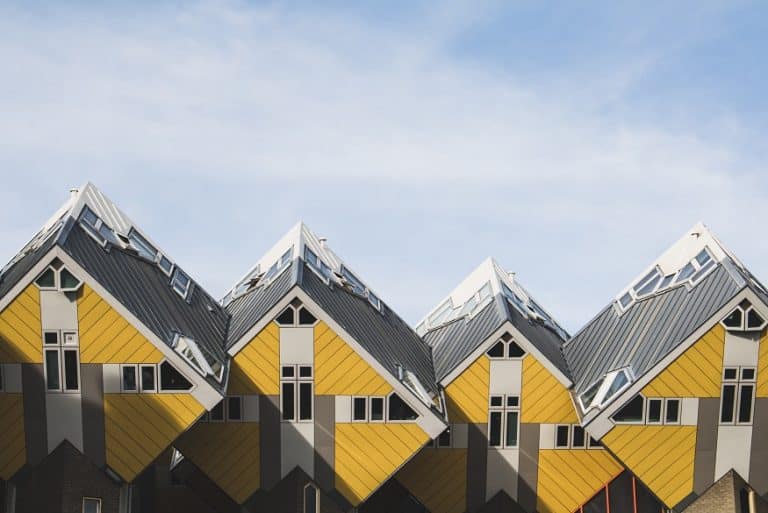
Rebuilt after 1940 and modern because of it. The best architecture, food halls and nightlife in the country.

I honestly didn’t know what to expect with Rotterdam but OMG that city is amazing! It reminds me of NYC but a Dutch version, it’s clear from all the construction going on that Rotterdam is experiencing a boom and if they keep going at the rate they’re going I have no doubt in my mind that within 5-10 years Rotterdam will truly dethrone Amsterdam as the number 1 place to go in the Netherlands Loved the architecture keep doing your thing Rotterdam it was a pleasure and I’ll see you again soon

A traveller, on Hostelworld
The Rotterdam guide
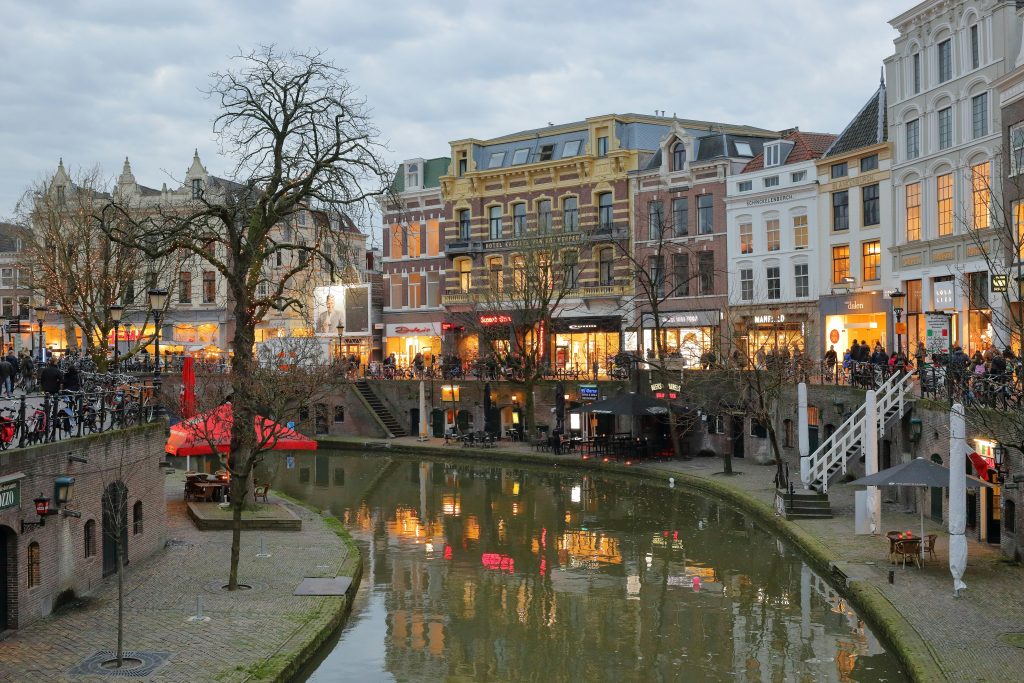
Utrecht

Utrecht

6 hostels · dorms from €30

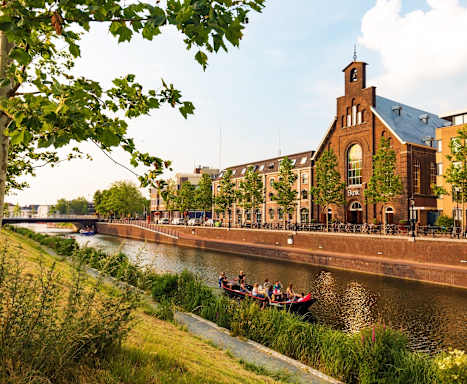
Amsterdam's canals at street level, a student population and prices about a third lower.

Utrecht is absolutely beautiful. If you’re not as big of a fan of the big city vibes of Amsterdam, try Utrecht instead. It’s beautiful and feels a lot calmer and less touristy. It was also easy for me to get there from Amsterdam and go on my way to Germany, it’s on a major rail line.

A traveller, on Hostelworld
The Utrecht guide
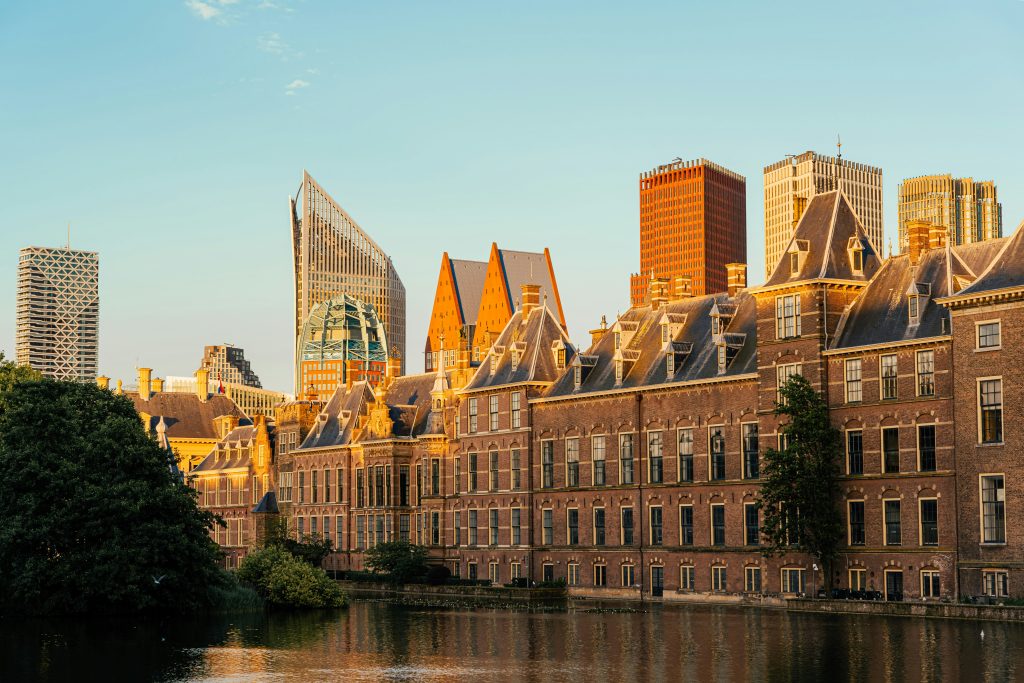
The Hague

The Hague

5 hostels · dorms from €29

Government, galleries and the only proper beach city, at Scheveningen.

The The Hague guide
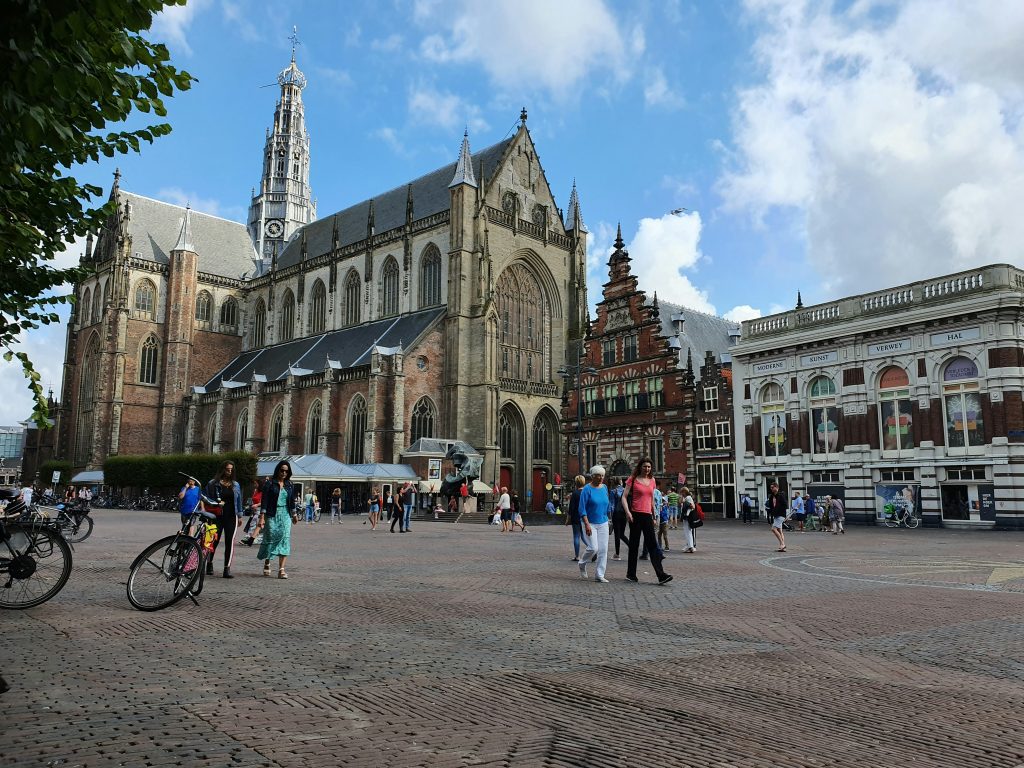
Haarlem

Haarlem

2 hostels

Fifteen minutes from Amsterdam, half the price, and a quieter version of the same architecture.

Do not skip Haarlem this Dutch city is beautiful, the locals are so friendly it’s safe to walk at night nobody will bother you at all the Dutch people are a living example of the phrase “Minding our own business” 😂 I am going to miss the Netherlands until next time

A traveller, on Hostelworld
The Haarlem guide
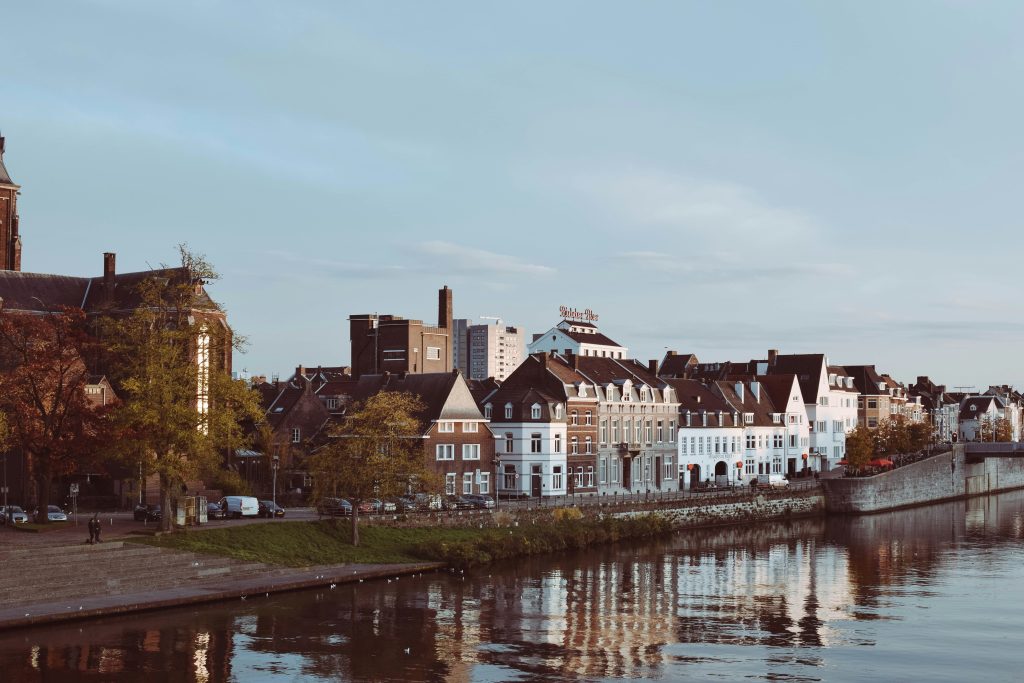
Maastricht

Maastricht

2 hostels · dorms from €22

Southern, hilly and closer to Brussels than Amsterdam. Roman ruins and a different accent entirely.

The Maastricht guide
Groningen

Groningen

5 hostels

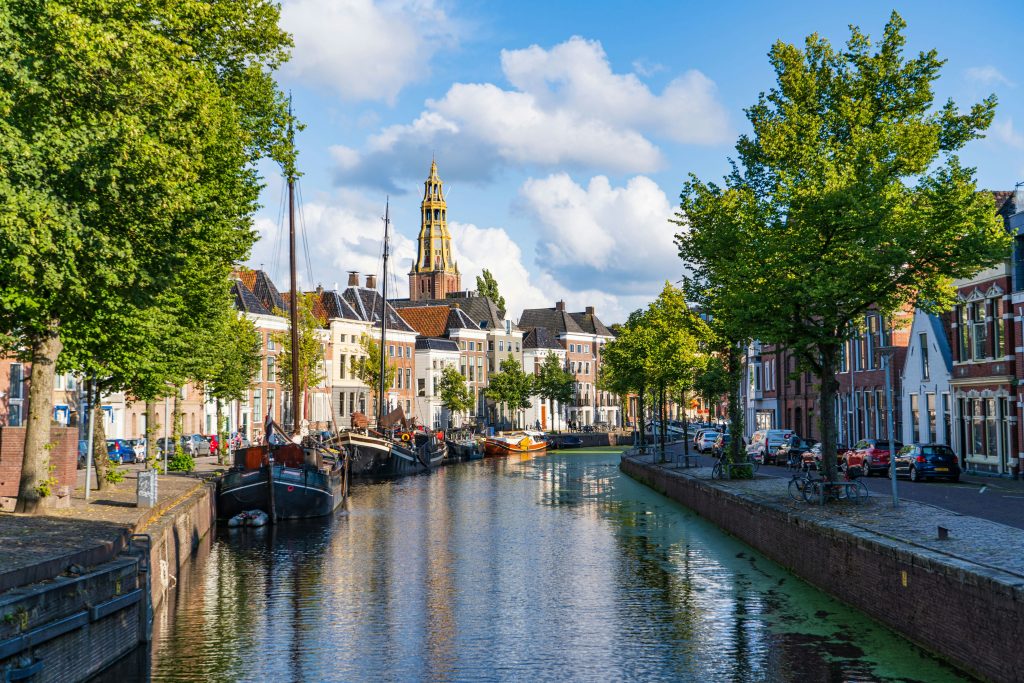
The northern student city, with more bicycles than people and the best nightlife per head in the country.

The Groningen guide
Delft

Delft

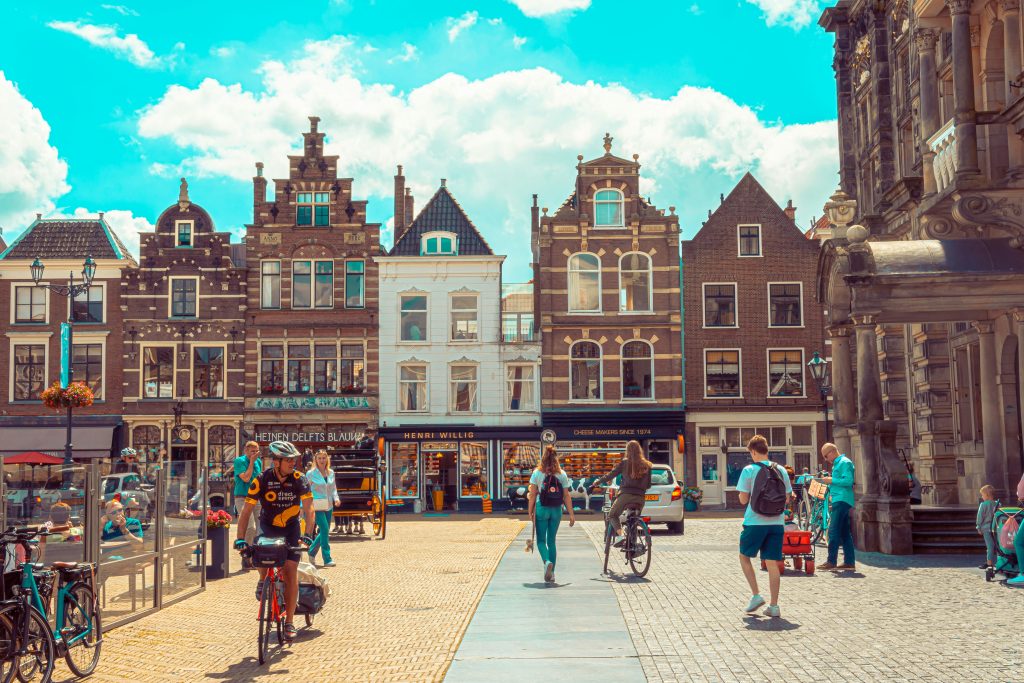
Blue pottery, a canal-ringed centre between Rotterdam and The Hague, and Vermeer's town.

The Delft guide

What kind of trip is this?

The Netherlands does short trips better than long ones. Pick the shape of your week.

City break in Netherlands

Three or four days, one city, everything walkable.

What to do

  • Van Gogh Museum, booked ahead
  • A canal walk with no destination
  • Brown café in the late afternoon

Spots to visit

  • Jordaan, Amsterdam
  • Oude Gracht, Utrecht
  • Markthal, Rotterdam

Best cities for it

Things to do

Things to do in the Netherlands

Amsterdam's museums are the anchor and they need booking. The Anne Frank House releases timed tickets six weeks ahead and sells out within days; the Van Gogh Museum and Rijksmuseum sell out in season but not as brutally. All three are on or beside Museumplein, which makes a single museum day efficient.

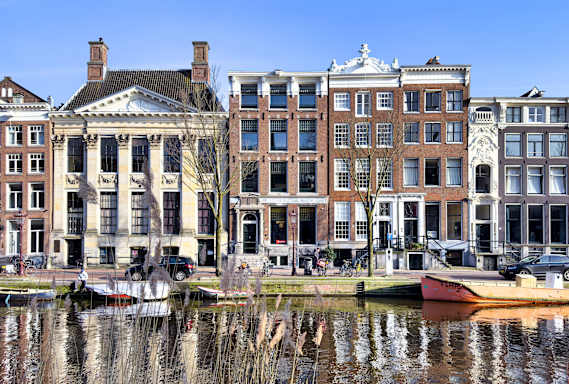
The cheaper pleasure is the city itself. Walking the canal ring, sitting in a brown café, or taking the free ferry from behind Centraal station to Noord, where the industrial north has become the interesting half of the city.

Outside Amsterdam: Kinderdijk's nineteen windmills, the Keukenhof tulip gardens if you are here between late March and mid-May, and the Hoge Veluwe national park, where the entry ticket includes a white bike to ride around on.

Food and drink

Eating in the Netherlands

Dutch cooking is plain and the country knows it, which is why the best eating here is Indonesian, Surinamese and Turkish. A rijsttafel — a spread of a dozen small Indonesian dishes — is the meal to have at least once, and a Surinamese roti from a corner shop is the best €8 in Amsterdam.

The Dutch things worth doing are snacks. Herring from a street stand, eaten with onions and held by the tail. Bitterballen with beer. Fresh stroopwafels pressed while you wait, which cost a euro at a market and four in a café.

Rotterdam's Markthal and Amsterdam's Albert Cuyp are the food halls, and supermarkets — Albert Heijn is everywhere — keep costs down substantially in a country where sitting down to eat is expensive.

Nightlife

Going out in the Netherlands

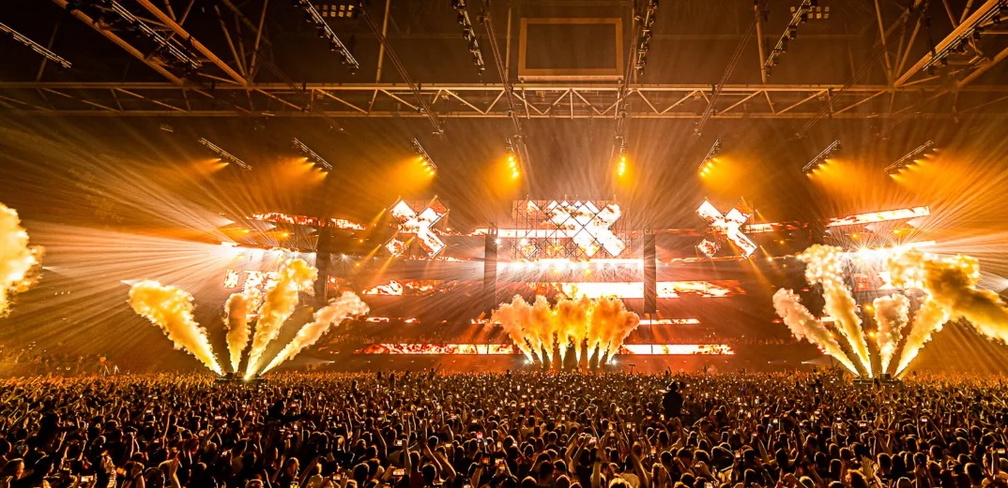
Amsterdam's nightlife is more varied than its reputation. The Red Light District is now mostly a slow-moving crowd of visitors, and the city has been actively pushing tourism away from it. The better nights are in Noord, De Pijp and around Rembrandtplein, plus the club warehouses across the IJ.

Rotterdam is the real night out. It has the techno scene, the late licences and the crowd that goes with them, and it is about forty minutes from Amsterdam by train.

Brown cafés — dark, wooden, centuries old — are the other institution and the cheapest way to spend an evening. A beer is €3.50 to €5, nobody rushes you, and they close when they feel like it.

Getting around

Getting around the Netherlands

NS runs trains every fifteen minutes between the main cities and the whole country is within three hours of itself. Buy an anonymous OV-chipkaart or use contactless bank cards, which now work on most services — check in and check out, every time, or you get charged the maximum fare.

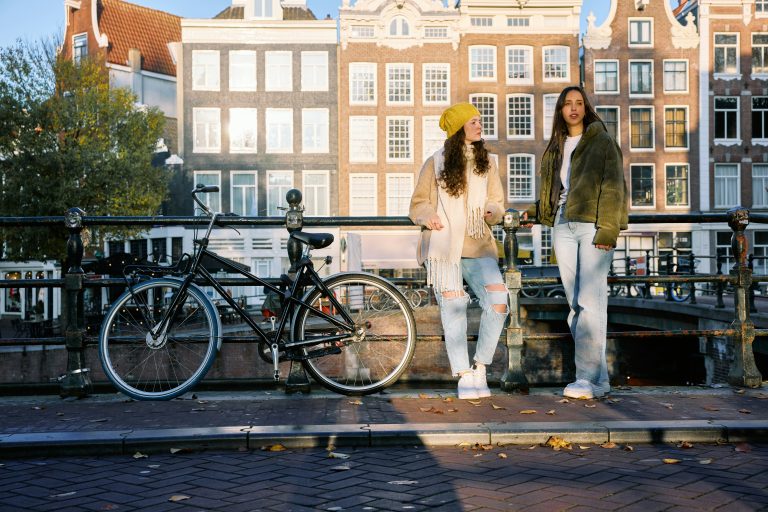
For anything under about ten kilometres, cycle. Rental is €10 to €15 a day, the infrastructure is the best in the world, and the Dutch cycle fast and expect you to keep up. Stay right, signal with your arm, and never stand in a bike lane.

Amsterdam's trams are useful but the centre is genuinely walkable. Taxis are expensive and rarely necessary.

Costs

What the Netherlands costs

Amsterdam is the expense. Dorms start around €30 and climb hard at weekends, during Kingsday and through the summer, while the same bed in Rotterdam or Utrecht is €20 to €24. Basing yourself in Haarlem or Utrecht and taking the train in costs less than staying central, even after the fares.

Eating out is expensive by European standards and self-catering is easy, since supermarkets are good and hostels almost all have kitchens. Beer is €3.50 to €5 in a bar, about €1 in a shop.

Museums add up fast at €20 to €25 each. If you are doing more than four, the Museumkaart at around €75 pays for itself.

Safety

Staying safe in the Netherlands

The Netherlands is very safe and Amsterdam is safe at any hour, with the caveats you would expect in a city with that many visitors: pickpockets around Centraal, Dam Square and on the busiest trams, and bike theft at industrial scale.

The genuine hazard is traffic, and it is not cars. Stepping into a bike lane without looking is the single most common way visitors get hurt here. Cyclists have priority, move faster than you expect, and will not stop.

Coffeeshops are legal and regulated, and the strength of what they sell catches people out every week — particularly edibles, which take hours to work. Buying anything on the street is illegal and usually fake.

Entry and documents

Entry and documents

The Netherlands is in the Schengen area. EU citizens need an ID card. UK, US, Canadian and Australian passport holders get 90 days in any 180 across the whole zone, counted across all member states rather than per country.

Passports need three months' validity beyond your departure date and to have been issued within the last ten years.

ETIAS, the EU's pre-travel authorisation, has been delayed repeatedly — check the official EU site rather than any article. Dutch law also requires everyone over 14 to carry ID, and it is enforced more than in neighbouring countries, so keep a passport or card on you.

When to go

The Netherlands has a short good summer, a famous spring and a wet everything else. Tulip season and Kingsday are the two dates that move prices.

6°
Jan
Cold, dark, cheapest beds of the year
7°
Feb
Quiet. Carnival in the Catholic south
10°
Mar
Tulip season opens at the end of the month
14°
Apr
Keukenhof and Kingsday on the 27th. Book far ahead
18°
May
The best month. Blossom over, weather good, crowds easing
21°
Jun
Long evenings, terraces full, prices climbing
23°
Jul
Peak season and peak prices in Amsterdam
23°
Aug
Still peak, plus Pride early in the month
20°
Sep
Excellent. Warm enough, much quieter
15°
Oct
Cool, wet, cheap. Museum weather
10°
Nov
Grey and inexpensive
7°
Dec
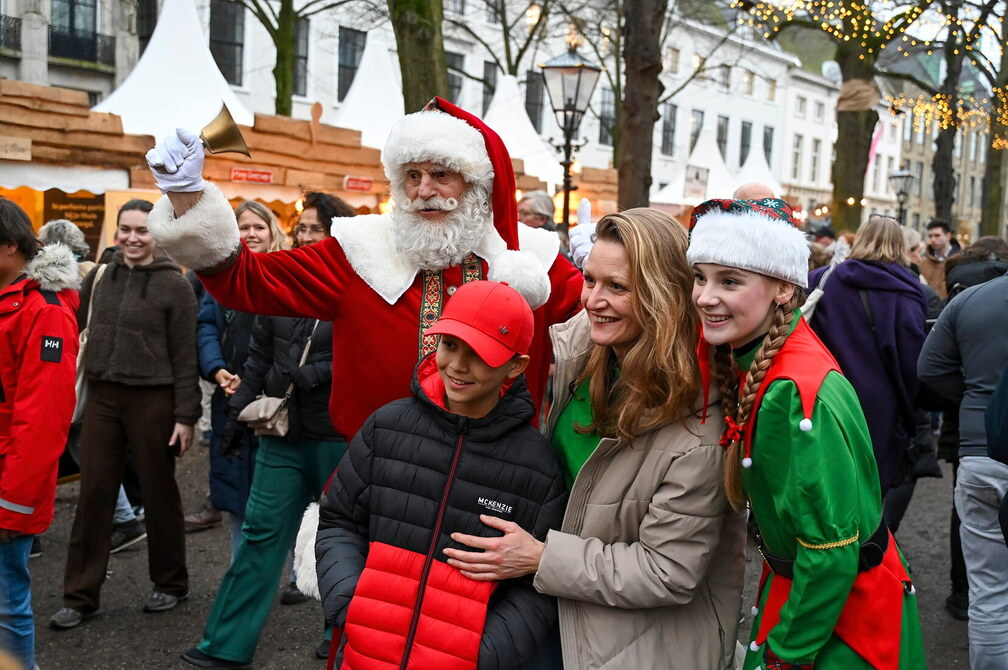
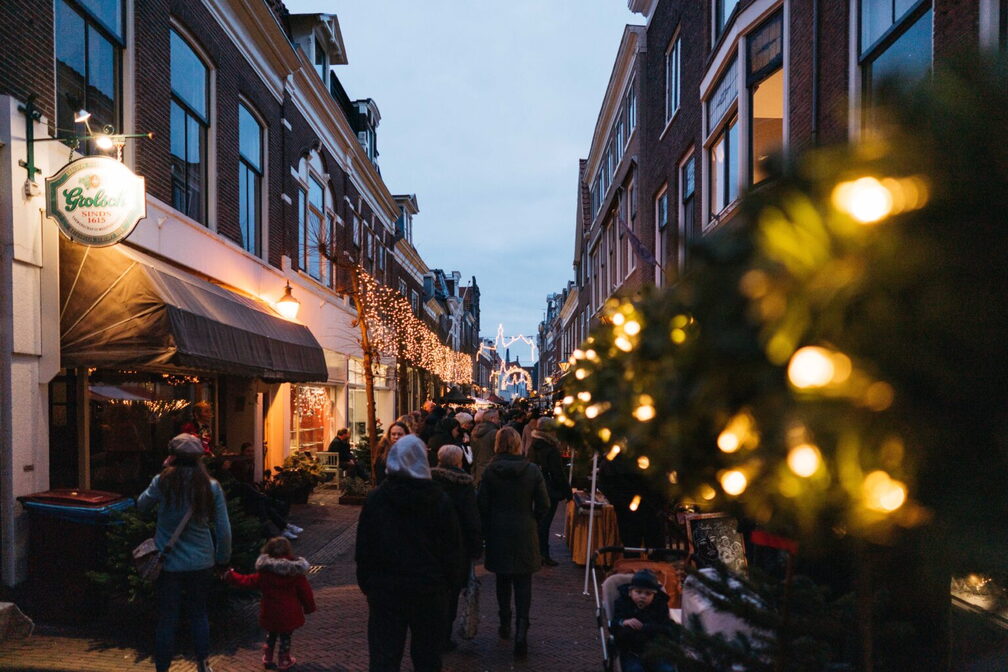
Christmas markets and Sinterklaas, then a New Year spike
Bar height is temperature. Colour is how busy it gets: quiet busy peak

Average highs. It rains in every month; the difference is temperature, not dryness. Keukenhof opens late March to mid-May only.

What your trip will cost

Pick how you travel and how long for. Per night, for one person. Amsterdam adds roughly a third to the bed.

Excludes intercity trains, which are cheap — Amsterdam to Rotterdam is around €17. Staying in Haarlem or Utrecht and commuting in usually beats a central Amsterdam bed.

—
  • Beds—
  • Food and drink—
  • Getting around—
  • Doing things—
What's on

What is on while you are there

Two of these fill every bed in the country. Plan around them deliberately, in either direction.

Netherlands travel questions

The ones we get asked most.

How many days do you need in Amsterdam?
Three or four. That covers the big museums, the canal ring and an evening in Noord or De Pijp without rushing. A week lets you add Rotterdam, Utrecht and the coast, all within an hour by train.
Is Amsterdam expensive?
The bed is. Dorms start around €30 and rise sharply at weekends and in summer, against €20 to €24 in Rotterdam or Utrecht. Food, transport and beer are ordinary western European prices.
When is tulip season?
Late March to mid-May, with the peak usually in mid-April. Keukenhof is only open during that window. The bulb fields around Lisse are free to cycle through and less crowded than the gardens.
Do I need to book the Anne Frank House?
Yes, and early. Timed tickets are released six weeks ahead and sell out within days. There is no ticket office queue any more — without a booking you will not get in.
Is it worth staying outside Amsterdam?
Often, yes. Haarlem is fifteen minutes away and Utrecht half an hour, both with cheaper beds and their own reasons to be there. Even after train fares you will usually save money.
Are coffeeshops open to tourists?
In Amsterdam yes, though the city has restricted them in some districts and street dealing is illegal everywhere. Products are stronger than most visitors expect, particularly edibles, which take a couple of hours to take effect.
Do I need to speak Dutch?
No. English is spoken almost universally and often better than in some English-speaking countries. A hallo and a dank je are appreciated but nobody expects more.

Say yes to hostels, meet the world
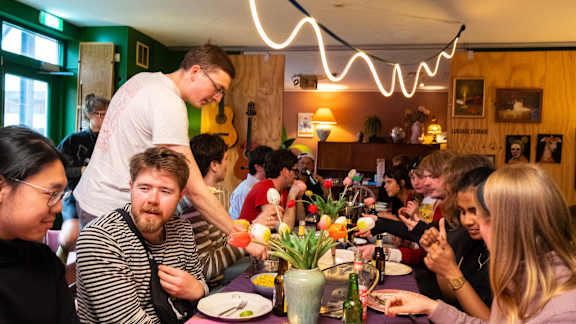
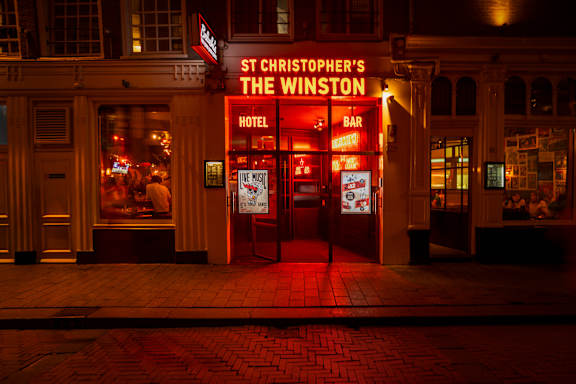
Compare hostels across the Netherlands — live prices, real reviews and free cancellation on most bookings. Then meet the people already there in the app.
Get the App. QRGet the App.
Get the App. QR  Get the App.
Scroll to Top