
Free Things To Do In Costa Rica
Costa Rica has a reputation for being the expensive one in Central America, and it isn’t entirely undeserved. National park fees add up, shuttles cost more than buses, and a single canopy tour can swallow a whole day’s budget. But here’s the thing most travellers work out by day three: the best of this country is outdoors, public, and completely free.
Every beach in Costa Rica is public by law. The wildlife doesn’t check tickets. Sunsets are still the best show in town.
This guide covers the genuinely free things to do in Costa Rica, from donation-entry national parks to Caribbean farmers markets, plus where to sleep cheaply while you do it. Ready to lock in the beds first? Browse every hostel in Costa Rica on Hostelworld and build the trip around them.
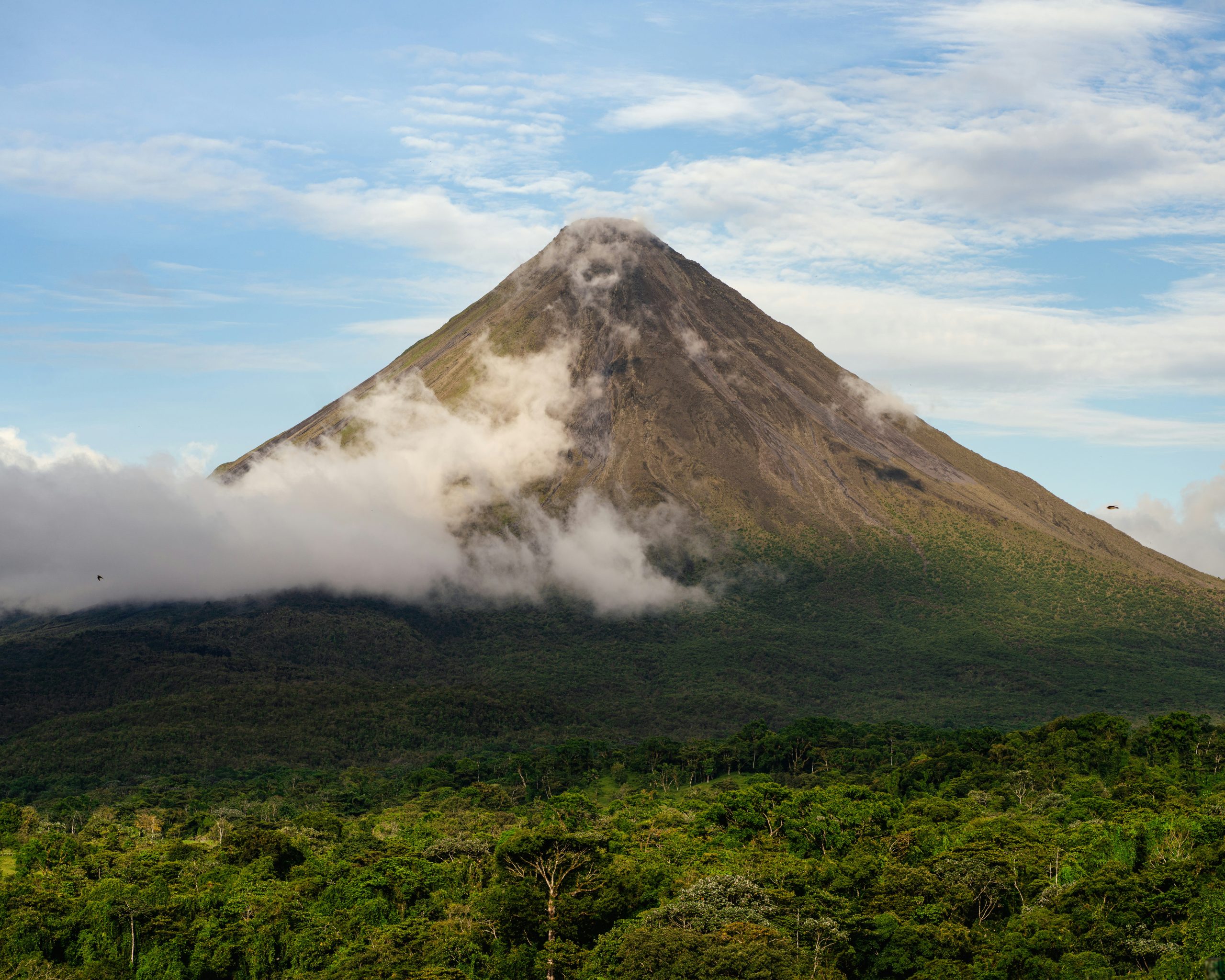
🌿 What are the best free things to do in Costa Rica?
The top free things to do in Costa Rica are almost all coastal, volcanic or both. Here’s where to start:
| Where | What’s free | Worth knowing |
|---|---|---|
| Cahuita | Playa Blanca and the coastal trail from the Kelly Creek entrance | Entry works on a voluntary donation, so give what you can |
| La Fortuna | Arenal Volcano views from town and the road north | Skies are usually clearest before 8am |
| Puerto Viejo | Playa Cocles, Playa Chiquita and Punta Uva | Sloths are regularly spotted from the roadside cycle path |
| Santa Teresa | Sunset at Playa Carmen | The whole town shows up, surfboard optional |
| San José | Parque La Sabana and Plaza de la Cultura | Sundays belong to local families |
The Cahuita trail is the standout. It runs for around 7km between jungle and reef, and howler monkeys, capuchins and hermit crabs come as standard.
When you do want to splash out on one paid activity, the Hostelworld Events page is the easiest way to compare what’s actually worth it.
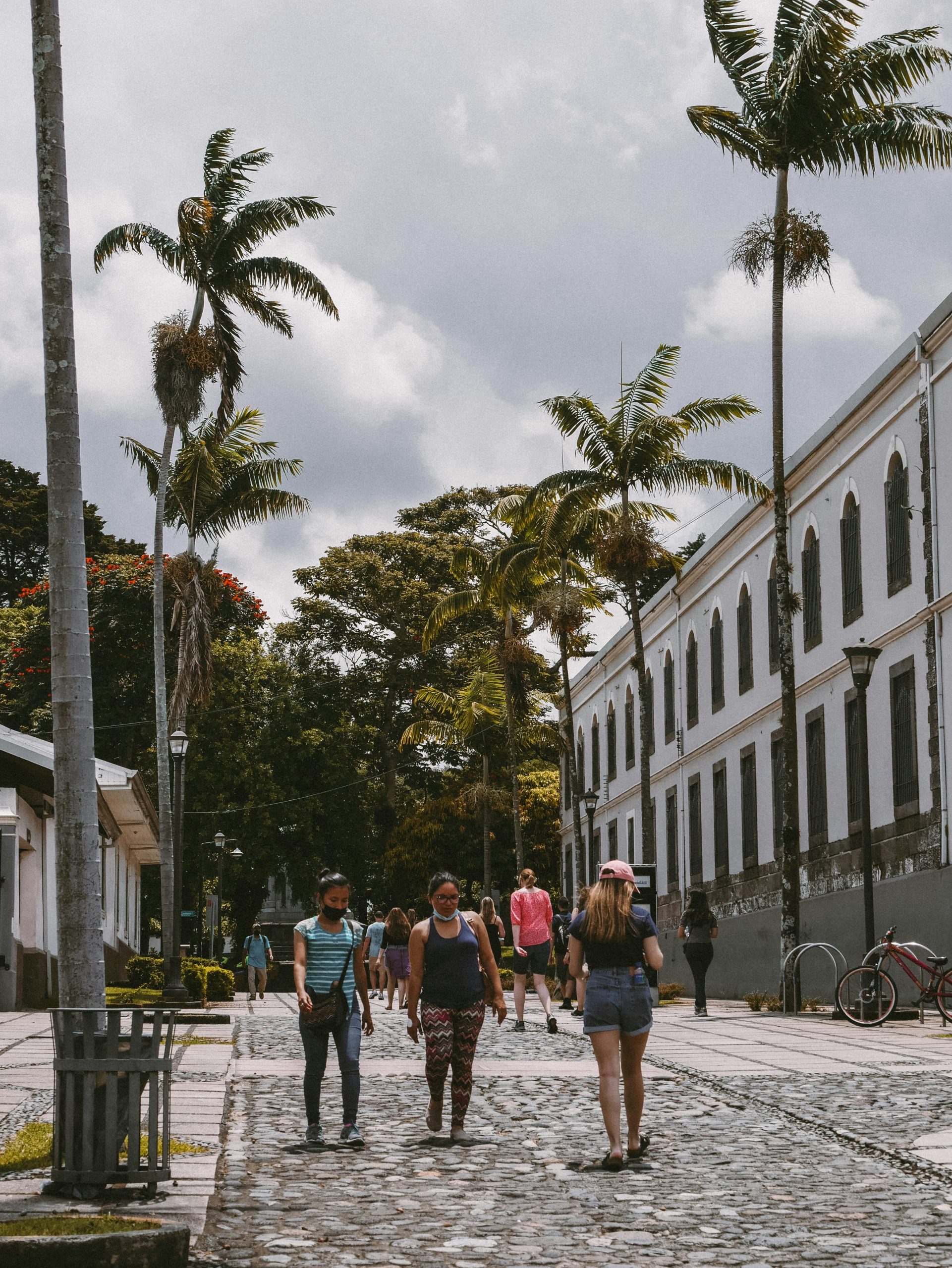
🚶 Are there free walking tours in Costa Rica?
Yes, though not on the scale of Europe. Free walking tours in Costa Rica are concentrated in San José, where local guides run tip-based city walks through the historic centre, and they’re easily the fastest way to understand a capital most backpackers skip in a single afternoon.
Outside the capital, the model shifts:
- Hostel-led walks. Many hostels run their own free orientation walks, market runs and sunset strolls, especially in La Fortuna and Puerto Viejo.
- Self-guided beach walks. Puerto Viejo to Punta Uva along the coast costs nothing and takes about two hours.
- Barrio wanders. Barrio Amón in San José is a free open-air lesson in coffee-boom architecture.
💡 Tip: tip-based tours are not actually free. Budget €5 to €10 per person if you join one, and everyone stays happy.
👋 How do you meet other travellers in Costa Rica for free?
Costa Rica is a genuinely easy country to travel solo, and the social side of it costs nothing at all. Hostel events do most of the heavy lifting, and the ones listed on Hostelworld run daily in the bigger towns: beach clean-ups, family dinners, movie nights, sunrise surf sessions.
Two things worth setting up before you land:
- Download the Hostelworld app. Bookings, in-app chat and hostel event calendars all live in one place, so you can see who’s staying where before you arrive.
- Social Pass. It connects you to city chat groups and free or low-cost meet-ups with other travellers nearby, which is a small miracle on a first solo trip.
If you’d rather have a ready-made crew for part of the route, Roamies runs small group trips in this part of the world. And for more on going it alone, our solo travel guides are a good place to start.
🍚 Where can you eat cheaply in Costa Rica?
Eating in Costa Rica on a budget comes down to one word: soda. These are small family-run diners, and they serve the country’s best value plate of food.
- Casado at a soda: €5 to €8 for rice, beans, salad, plantain and a protein
- Gallo pinto breakfast: around €4, often with coffee included
- Empanada from a bakery: €1.50
- Supermarket beer: €1.50 to €2, versus €4 to €5 in a bar
- Tap water: free and safe to drink almost everywhere, so refill rather than buy
The genuinely free bits are worth knowing too. Plenty of hostels include free breakfast or free all-day coffee, and farmers markets hand out fruit samples freely if you’re buying anything at all. Filter for hostels with a kitchen if you plan to self-cater, since that single decision saves more than any other.
🥭 Do this once: go to a feria del agricultor (farmers market) on a Saturday morning. A week of mangoes, pineapple and papaya costs less than one cocktail on the beach.
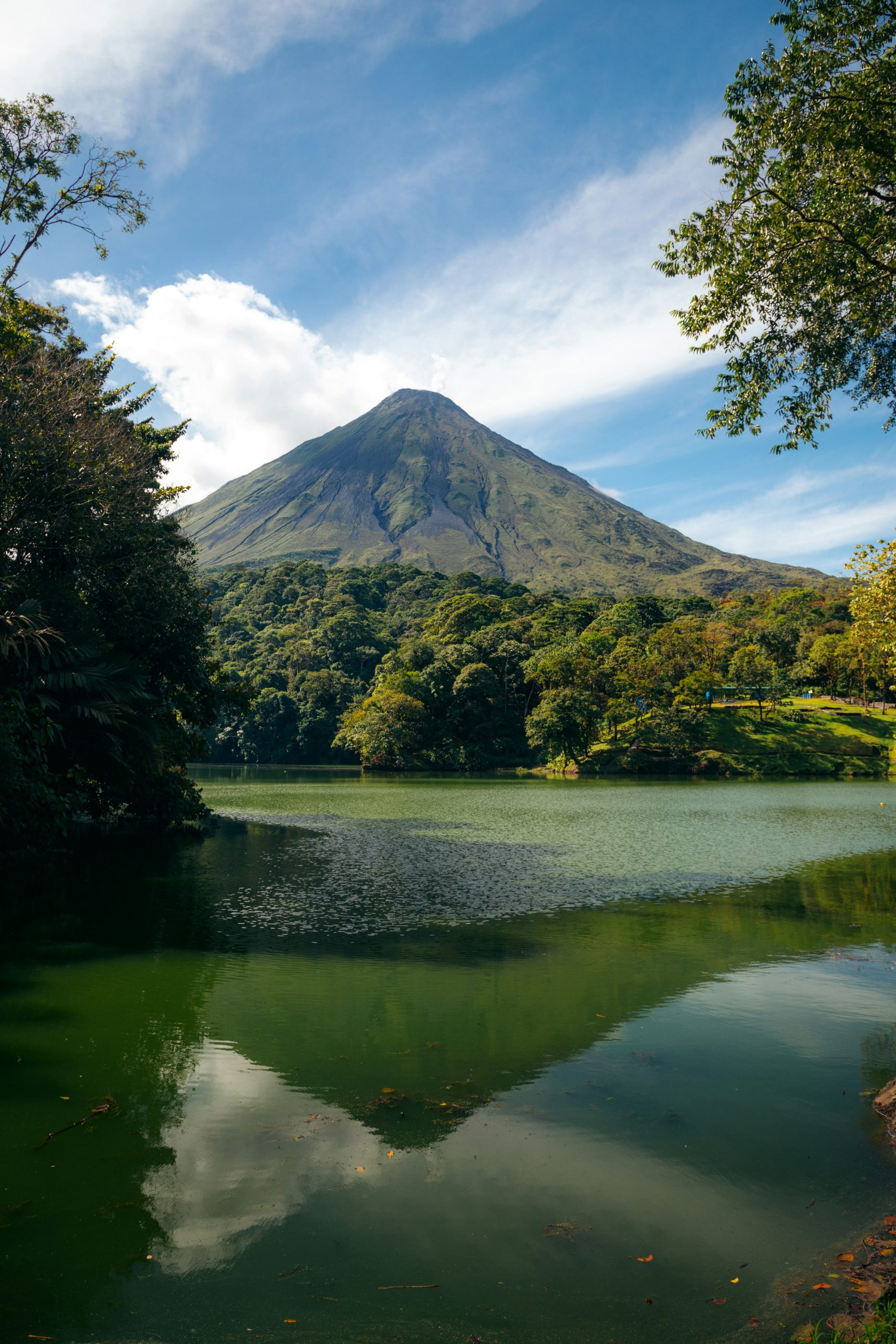
🏞️ Which outdoor spaces and neighbourhoods are free to wander?
Parque La Sabana in San José is the closest thing the capital has to a Central Park, and it costs nothing to spend an entire afternoon there among joggers, families and weekend football games. Ten minutes east, Barrio Escalante is all converted houses, murals and coffee shops, and window-wandering it is free even if the flat whites are not.
On the coast, the wandering gets better.
The road south from Puerto Viejo towards Manzanillo is one of the great free walks in the country, all jungle on one side and empty beach on the other.
In La Fortuna, the town itself sits directly beneath Arenal, so the volcano view arrives with your morning coffee.
Monteverde is walkable, cool and cheap to just exist in, and the roadside forest around town delivers birdlife without a reserve ticket.
For a fuller picture of which base suits which kind of trip, our guide to the best places to stay in Costa Rica breaks it down region by region.
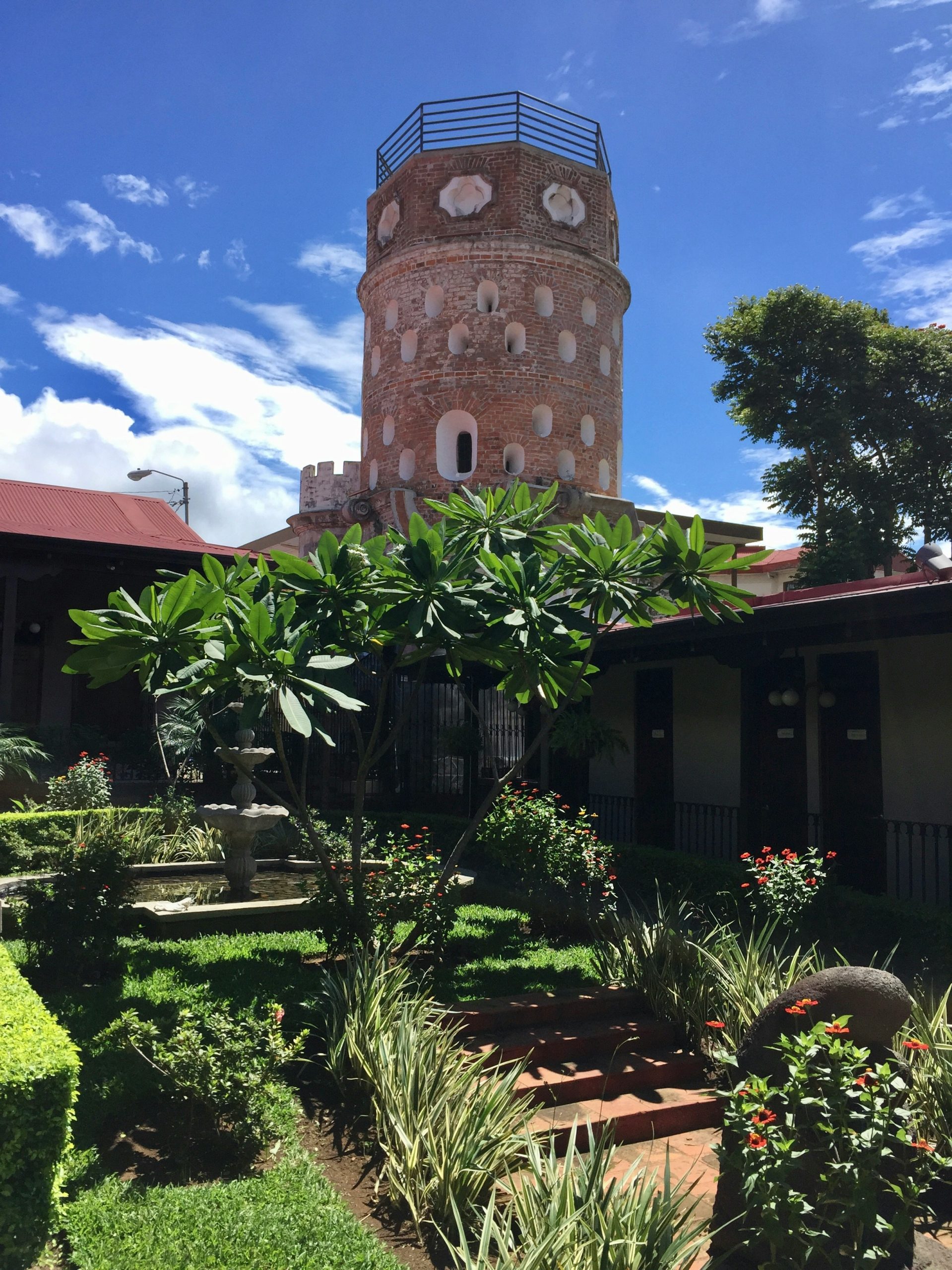
🎨 Are there free museums and cultural experiences in Costa Rica?
There are fewer free museums in Costa Rica than in a big European capital, but the ones that exist are good, and the culture here happens outdoors anyway.
Worth building a day around:
- Museo de Arte Costarricense, San José. Set in the old airport terminal at La Sabana, with free admission and a sculpture garden.
- ChocoMuseo, La Fortuna. Free entry to learn how cacao becomes chocolate. The tasting workshops cost extra.
- Mercado Central, San José. More than a century old, free to walk, and the cheapest lunch counters in the city.
- Puerto Viejo Farmers Market, running weekly through the year on the Caribbean coast.
- Live Music Monday, Puerto Viejo. Regular free live sets that pull in locals and travellers alike.
Paid museums are still reasonable if one calls to you. The National Museum runs around €10, and the plaza outside it is free to sit on with a bag of fruit, which is arguably the better cultural experience.
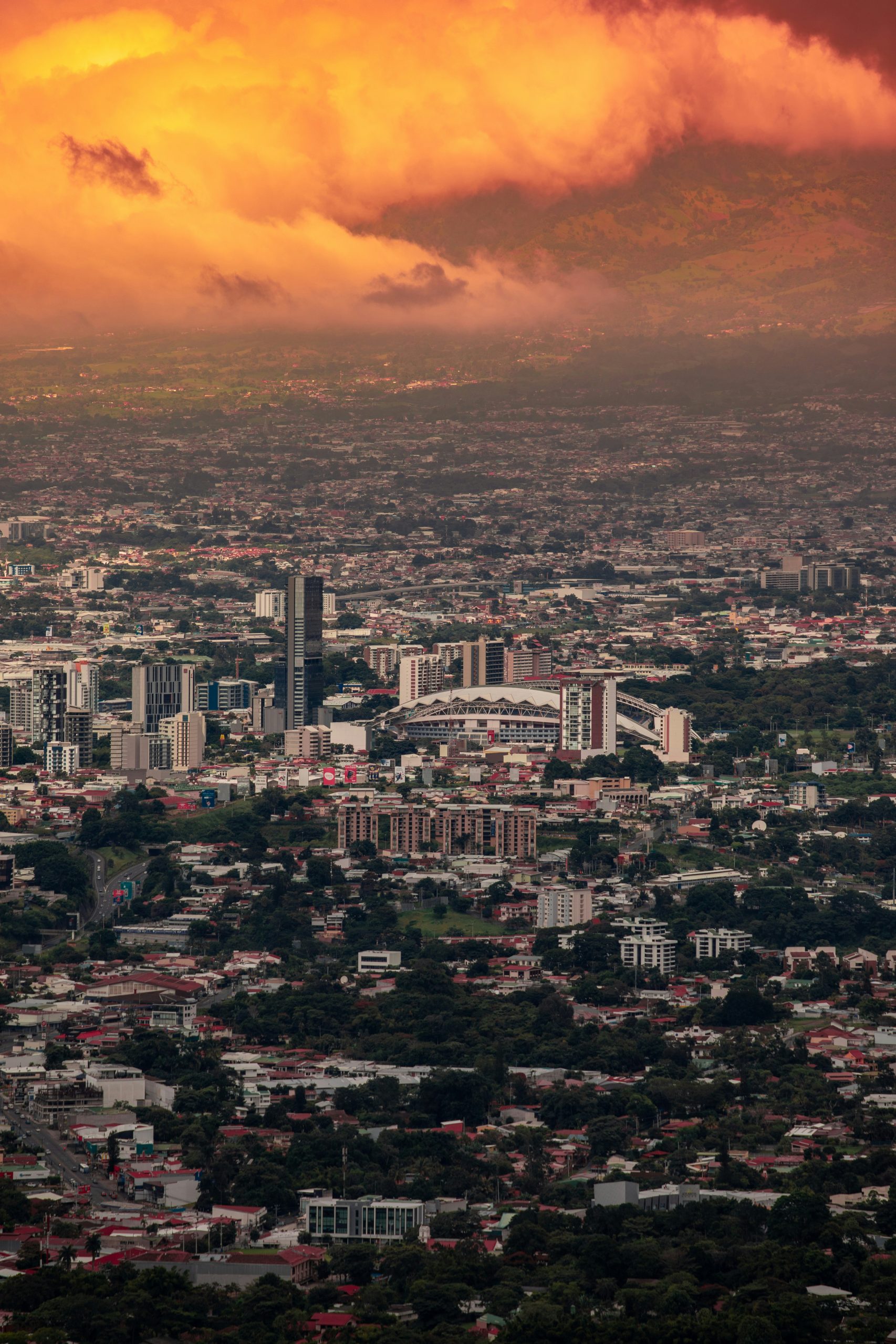
💸 Can you actually do Costa Rica on a budget?
Yes, if you keep two things under control: paid activities and transport. Public buses cost a fraction of tourist shuttles, and a day built on free things to do costs almost nothing at all.
| Daily spend | Tight budget | Comfortable |
|---|---|---|
| Hostel dorm | €6 to €9 | €12 to €18 |
| Food | €10 to €14 | €18 to €25 |
| Local transport | €2 to €5 | €6 to €12 |
| Activities | €0 (free days) | €15 to €30 |
| Total | €18 to €28 | €50 to €85 |
The trick is alternating. Pair one paid day, say a national park or a surf lesson, with two free ones spent on beaches, markets and walks. Our budget travel tips and the ultimate guide to backpacking Costa Rica go deeper on stretching a small budget across a long trip.
Students should also check the Hostelworld student discount before booking.
🛏️ Which budget hostels should you book in Costa Rica?
Costa Rica has a dense, well-run hostel network, and dorm beds still start in single figures in EUR. These are all bookable on Hostelworld, with prices converted from the listings and quoted per night in a dorm. Several are Hoscars winners, which is usually a reliable shortcut to a good one.
San José 🏙️
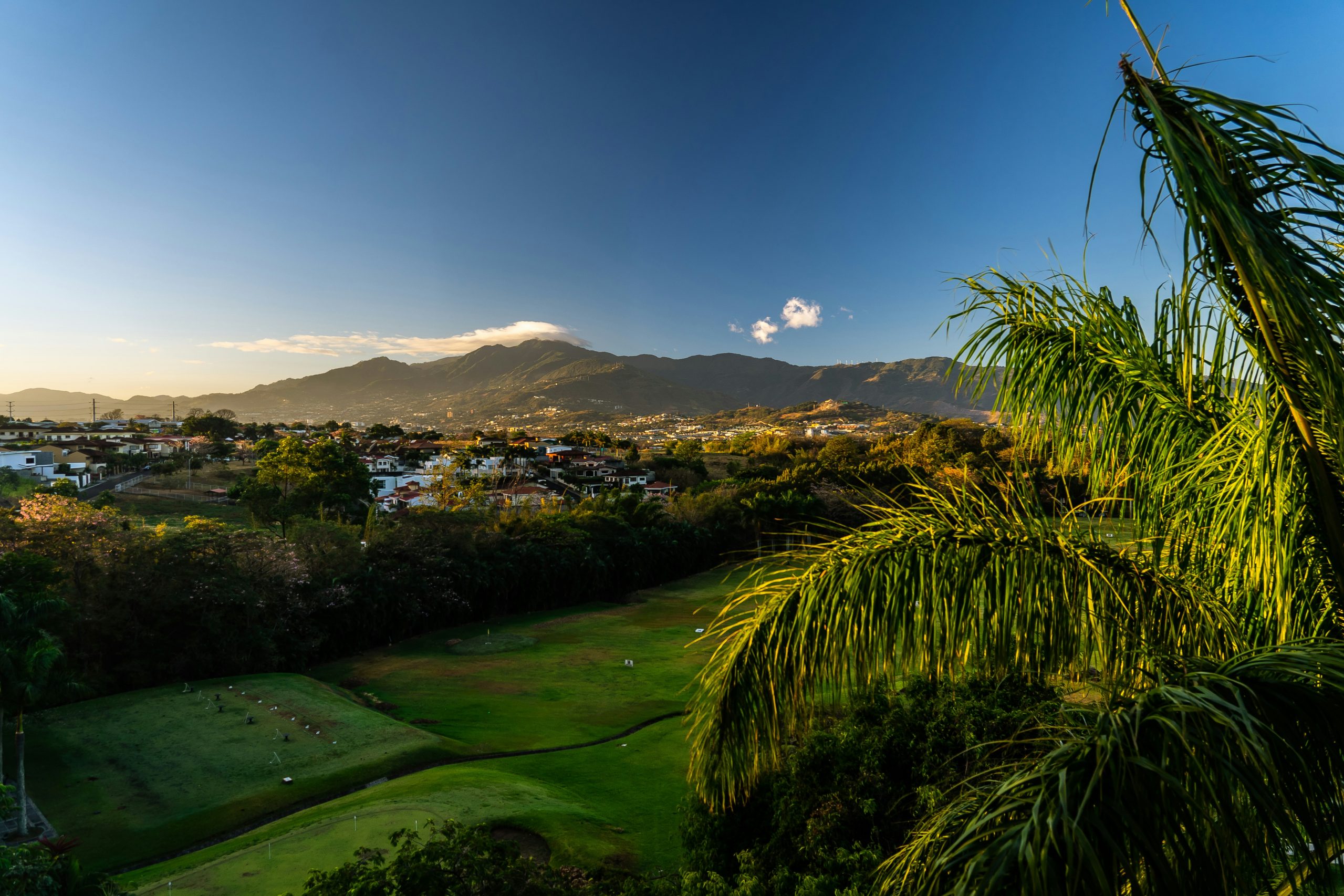
Costa Rica Backpackers is the classic capital pick, with a pool, tropical garden and shared kitchen, from around €9. Stray Cat Hostel is a Hoscars winner with free breakfast, from about €9.50, while In The Wind Hostel & Guesthouse sits in a quiet, safe area from roughly €6.
La Fortuna 🌋
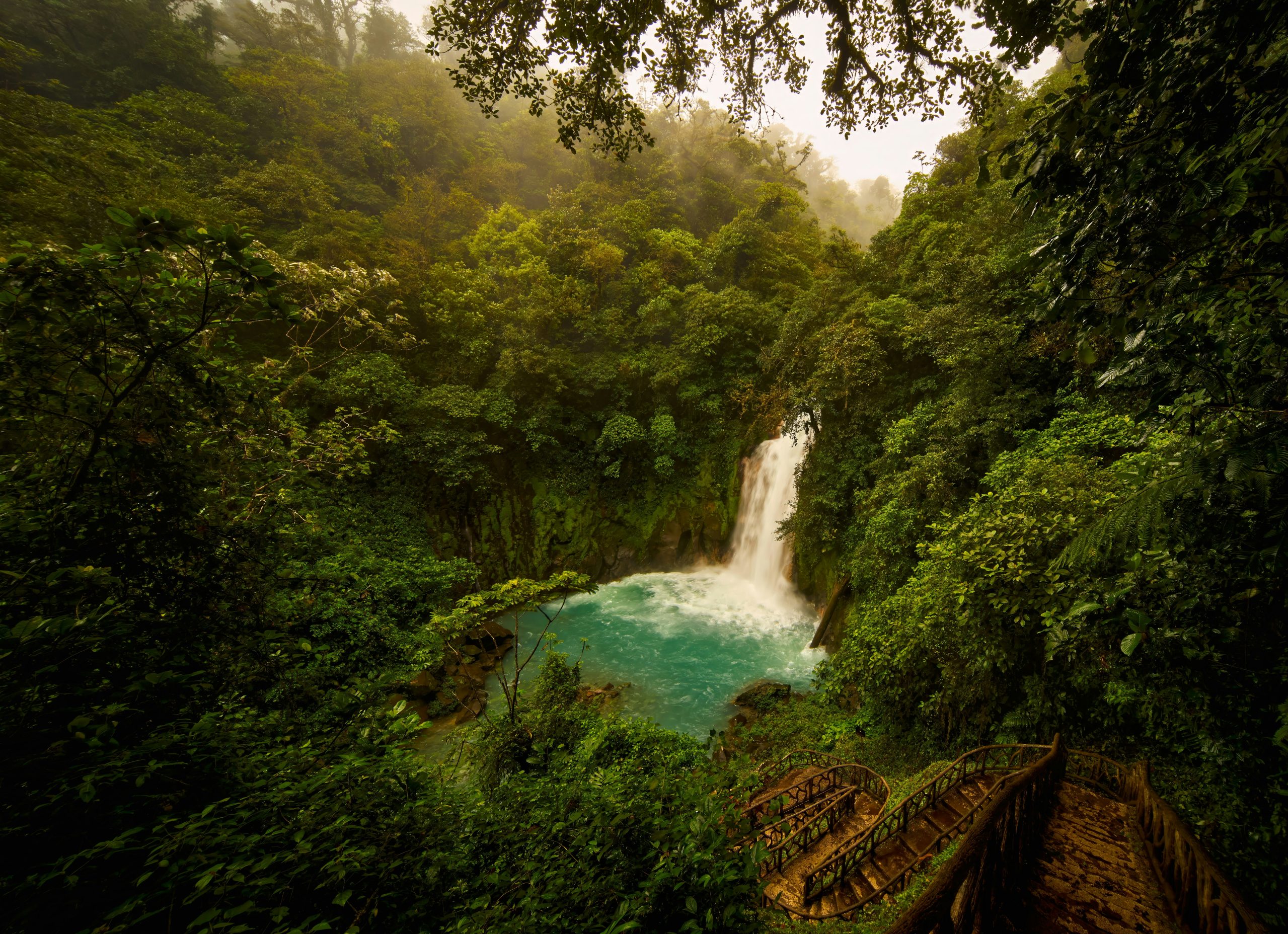
Pura Vibra Hostel is built for backpackers and starts around €6. Argdivan Hostel is five minutes from the bus station and rates 9.5, from about €8.50. Ceiba Hostel has a garden and terrace from roughly €9.50, with an events calendar that makes meeting people easy.
Puerto Viejo de Talamanca 🌴
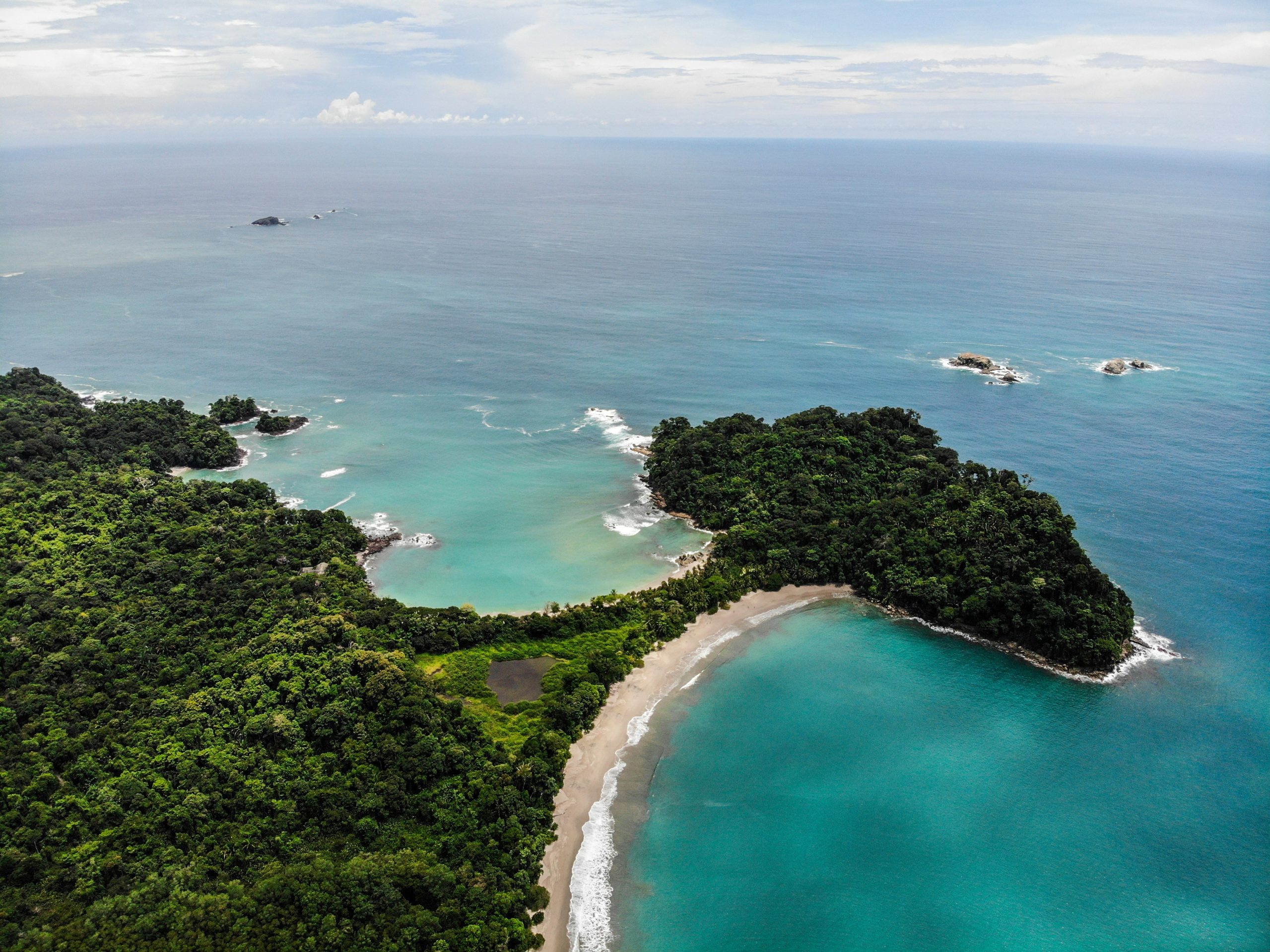
Pagalu Hostel is the most central of the cheap picks, 130m from town, from around €9.50. Tasty Dayz Hostel sits where the jungle meets the sea from about €8.50, and Madre Selva Hostel is a quieter option towards Cocles from roughly €10.50.
Santa Teresa 🏄
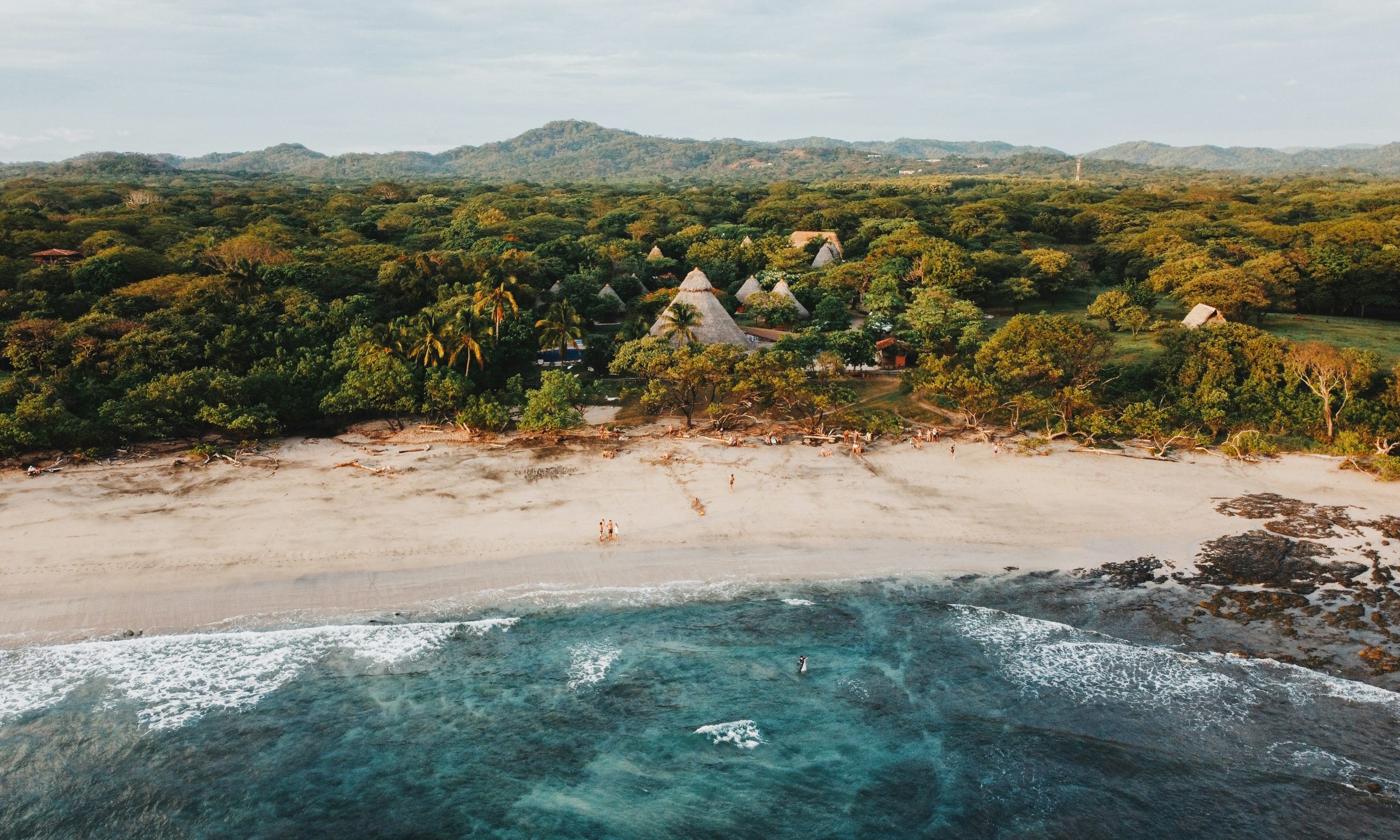
Surf towns cost more, but not always much more. Zeneidas Surf Garden is a garden-on-the-beach setup from around €10, Salty’s Enthusiasts starts near €10, and Abacaxi Hostel comes in around €8.50.
For the full shortlist across the country, see our roundup of the best hostels in Costa Rica, or search every hostel, hotel and B&B on Hostelworld if you fancy a private room for a night.
🌅 Final thoughts
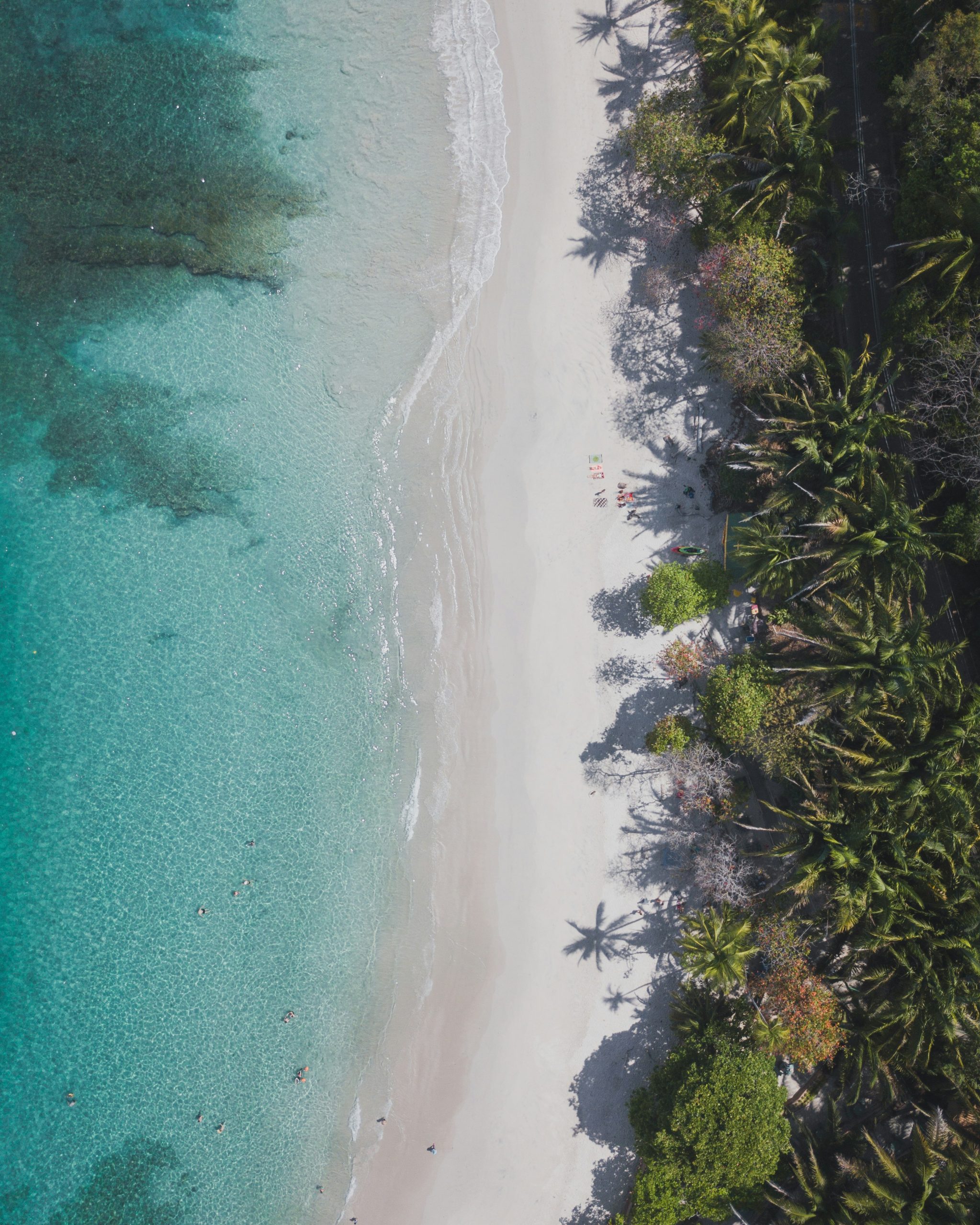
Costa Rica rewards travellers who slow down, and slowing down happens to be free. A morning on the Cahuita coastal trail, an afternoon at a farmers market, a sunset at Playa Carmen: none of it costs anything, and all of it will outlast the memory of whichever tour you almost booked instead.
Pick a cheap dorm, walk more than you ride, eat where the locals eat, and Costa Rica stops being the expensive one. Book your Costa Rica hostels on Hostelworld, grab the app so your bookings and hostel chats travel with you, and if you’re continuing north or south afterwards, our Central America backpacking guide picks up where this leaves off.
Pura vida, on a budget.
Download the Hostelworld app to start booking now


❓FAQs: Free Things To Do In Costa Rica


 Get the App.