
Hidden Gems in Florida: Beyond the Theme Parks
Florida is world-famous for its theme parks, but beyond the roller coasters and resorts lies an entirely different side of the Sunshine State. Picture crystal-clear springs tucked in forests, quirky historic sites, secluded islands with powdery sands, and tiny towns where time seems to slow down. These hidden gems showcase “Old Florida” charm and natural beauty that many visitors overlook. From swimming in an underground cave to kayaking through bioluminescent waters that glow at night, each of these offbeat destinations offers a unique adventure away from the usual tourist trail. Best of all, they’re often easier on the wallet and lighter on crowds than the big attractions. Let’s dive into some of Florida’s best-kept secrets – complete with how to get there, what to do, when to go, and money-saving tips for each spot (psst…staying in a friendly budget hostel via Hostelworld can help you save and meet fellow travelers!). Ready to discover the hidden gems in Florida that will make your trip truly unforgettable?
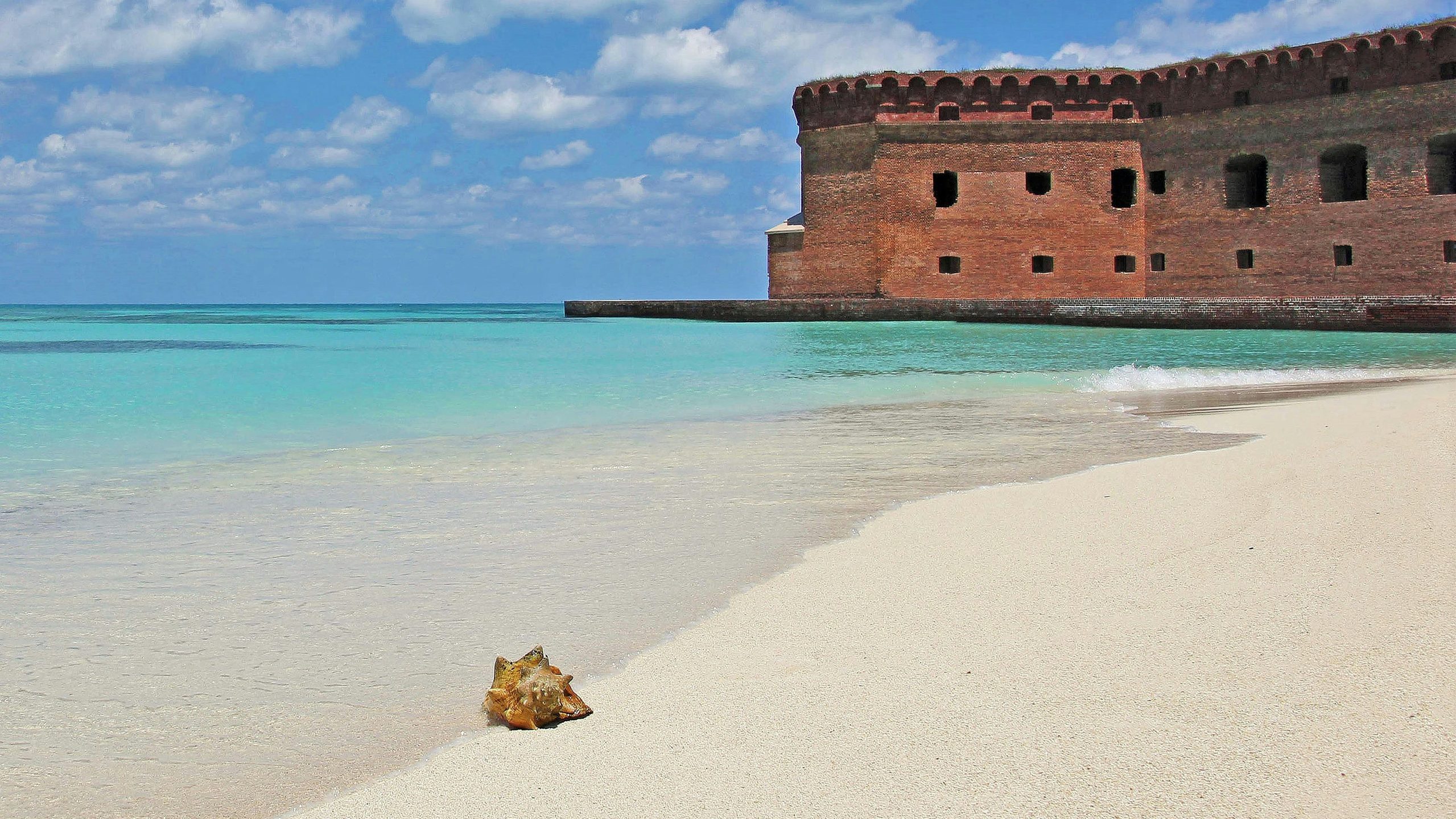
Dry Tortugas National Park – Remote Island Fort & Reef Paradise
A far-flung island chain with a colossal brick fort, neon-blue water, and snorkelling so good it feels like you paid extra for the color saturation. It’s remote, salty, and spectacular in the “I can’t believe this is Florida” way. If you want a day that feels like a mini-expedition, this is it.
Location
Dry Tortugas is a cluster of seven small islands about 70 miles west of Key West, in the Gulf of Mexico. The centerpiece is Garden Key, home to the massive 19th-century Fort Jefferson, which dramatically rises from turquoise seas. This remote national park is completely off the mainland – a true getaway surrounded by open ocean.
How to Get There
Boat or plane only! Dry Tortugas is only accessible by ferry or seaplane from Key West. The Yankee Freedom ferry takes about 2 hours each way and usually allows about 4 hours on the island for day-trippers. Seaplane tours are quicker (around 40 minutes) and provide amazing aerial views, but come at a higher cost. Be sure to reserve well in advance – both ferry and plane trips can sell out in peak season.
Things to Do
Explore Fort Jefferson, a sprawling brick fortress whose empty corridors and ramparts tell tales of pirates and Civil War prisoners. Snorkel in crystal-clear shallow waters around the fort walls, where you’ll spot colorful reef fish, coral, and perhaps a sea turtle – the park’s reefs are teeming with marine life. Birdwatchers will love this place in spring, when migrating birds rest here in droves. You can also relax on the pristine beach, or if you’re up for adventure, camp overnight on Garden Key to experience unbelievable stargazing after the day-trippers leave.
Best Time to Visit
Late spring and early summer offer ideal conditions – warm temperatures, calm seas, and excellent visibility for snorkeling. April to June is especially great, with spring bird migrations and before the peak of hurricane season. Summer is popular for water activities (just expect more visitors and afternoon storms). For fewer crowds and cooler weather, winter is lovely and even brings special bird sightings – though the ferry schedule may be more limited. Fall sees the least visitors and sometimes lower tour prices, but keep an eye on weather during hurricane season.
Budget Tip
The ferry isn’t cheap (around $200 for the day including breakfast/lunch), but it’s still more affordable than the seaplane. To save, consider camping at Dry Tortugas (small fee, bring all gear/food) so you get two days of paradise for one ferry price – just coordinate with the ferry in advance for a camping spot. Also, visit in the off-season (fall or winter) when tours and Key West lodging can be cheaper. If staying in Key West, opt for a budget lodging or hostel (you can find one via Hostelworld) instead of pricey resorts to save money before and after your Tortugas trip.
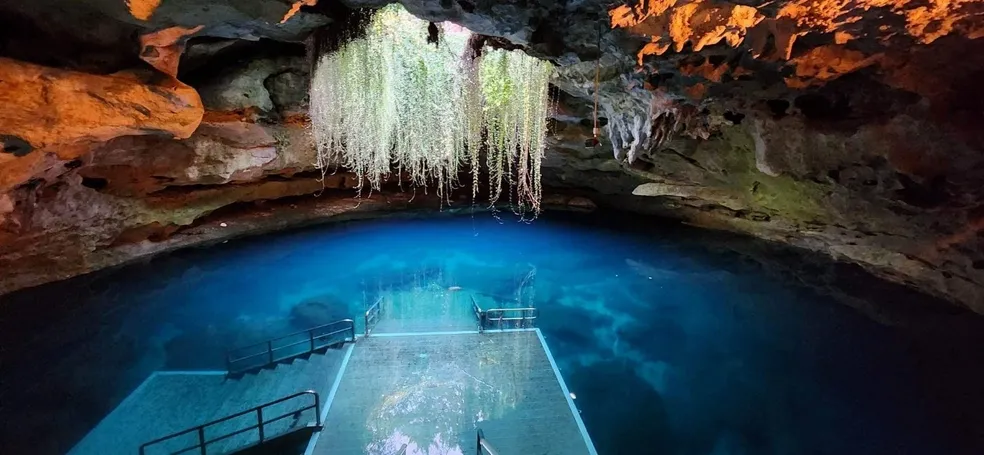
Devil’s Den Prehistoric Spring – Otherworldly Underground Pool
An underground spring inside a cavern where sunbeams pierce the ceiling like stage lights. It’s part swimming hole, part geology museum, part “did I accidentally time-travel?” vibe. Great if you want something you can’t replicate at a regular beach.
Location
Devil’s Den is in Williston, a rural town about 35 minutes southwest of Gainesville in North Central Florida. It’s an ancient underground spring inside a dry cave, often called a “karst window.” In other words, a sinkhole collapsed to reveal an ethereal pool below ground – a truly unique geological wonder.
How to Get There
You’ll need a car – Devil’s Den is off the beaten path. From I-75 in Gainesville, take FL-121 south for about 20 minutes, then local roads into Williston; it’s roughly a 2-hour drive from Orlando or Tampa. Look for the Devil’s Den sign and scuba flag at the entrance. There’s no public transportation directly to this site, so driving is the way to go (it makes a great stop on a Florida road trip through the springs region).
Things to Do
Snorkel or scuba dive in an unreal setting. After descending the staircase into the cave, you’ll step onto a platform in translucent 72°F water lit by beams of sunlight from the hole in the cave ceiling. Swim among stalactites and ancient rock formations – fossils of prehistoric animals were found here! You might see small fish and turtles in the crystal-clear pool. Topside, Devil’s Den also has picnic areas and lodging/cabins if you want to hang out for the day. Nearby springs and parks (like Blue Springs or Rainbow Springs) are a short drive away if you’re doing a North Florida spring-hopping tour.
Best Time to Visit
Any time of year – the spring is a constant 72°F (22°C). In winter, steam rising from the cave gave Devil’s Den its name (it looked like smoke from “hell” to early settlers). Winter mornings can be chilly when you exit the water, but you’ll likely find fewer people. Weekdays are much less crowded than weekends year-round. If visiting in summer, go early in the day to beat the crowds (and the Florida heat when you’re not in the water).
Budget Tip
Bring your own snorkel gear to save on rental fees. Snorkeling requires an entrance fee (around $18 on weekdays, a bit more on weekends) and they mandate mask, snorkel, and fins for safety. Rental gear is about $13–14, so packing your own mask/fins can save you money. Also, plan for a weekday visit – not only is it less crowded, but weekday admission is cheaper (approx. $18 vs $25). There’s no general swimming allowed (you must snorkel or dive to enter), so if not everyone in your group wants to snorkel, they can watch from the viewing area above for free. Pack a picnic to enjoy on the grounds afterward instead of eating out.
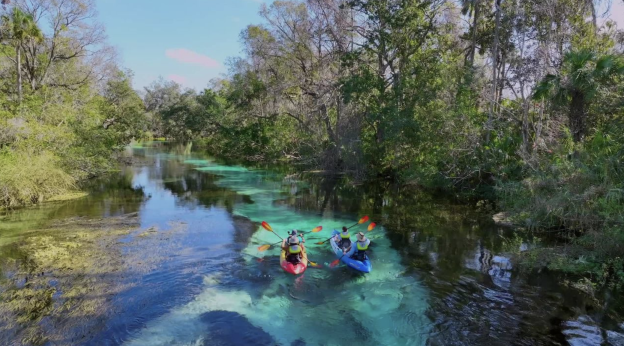
Weeki Wachee Springs State Park – Mermaids & Wild River Fun
A classic slice of “Old Florida” where mermaids perform underwater in a real spring. It’s delightfully weird, genuinely charming, and also a spring-fed playground for kayaking and swimming. You get kitsch and nature in one tidy package.
Location
Weeki Wachee Springs is located in Spring Hill, about an hour north of Tampa (around 45-60 minutes via the Suncoast Parkway or U.S. 19). It’s a roadside spring attraction that’s been entertaining visitors since 1947, famous for its live “mermaid” shows.
How to Get There
Easiest is by car. From Tampa, head north on the Suncoast Parkway (FL-589) or U.S. 19 until you reach Spring Hill/Weeki Wachee area. The park is right on US-19 (Commercial Way) and very easy to spot – you’ll see the Weeki Wachee mermaid signage. (Public transport is virtually non-existent here, so driving is the way to go. It’s roughly 2 hours west of Orlando as well.)
Things to Do
First, don’t miss the iconic Mermaid Show – real performers in mermaid tails who swim in the spring’s underwater theater, a kitschy-cool Florida tradition running for decades. After catching a show, you can rent a kayak or paddleboard and paddle down the Weeki Wachee River, a crystal-clear spring-fed river surrounded by lush jungle (you might spot turtles, fish, and even manatees in cooler months). There’s also Buccaneer Bay, a spring-water water park with fun flume slides that dump you into the 72°F spring – super refreshing on a hot day. The park offers boat tours, wildlife shows, and a swimming area as well. It’s a perfect mix of nature and nostalgic Florida roadside attraction.
Best Time to Visit
Spring and fall are ideal – the weather is warm enough to swim or paddle without the massive summer crowds. In winter, the mermaid shows still run, and you might see manatees in the spring run, but it can be too chilly to swim. Summer has the water park in full swing and all amenities open, but arrive early (park capacity is limited and often fills by mid-morning in summer). Weekdays, if possible, for fewer crowds. If kayaking, early morning launches are best for calm, quiet river time.
Budget Tip
Admission to Weeki Wachee is around $13 for adults (which includes the mermaid show and water park – a pretty good deal for a full day of fun). To save money, pack a picnic lunch; there are picnic tables and outside food is allowed in certain areas. If you’re kayaking, consider bringing your own kayak or paddleboard (there’s a small fee to launch privately, but it can save money compared to rentals if you already have gear). And definitely get there at opening – not just to beat crowds, but to ensure you get in at all (they stop admitting visitors when at capacity). By planning a day here instead of a pricey theme park, you’re already winning on budget while still enjoying a unique Florida experience.
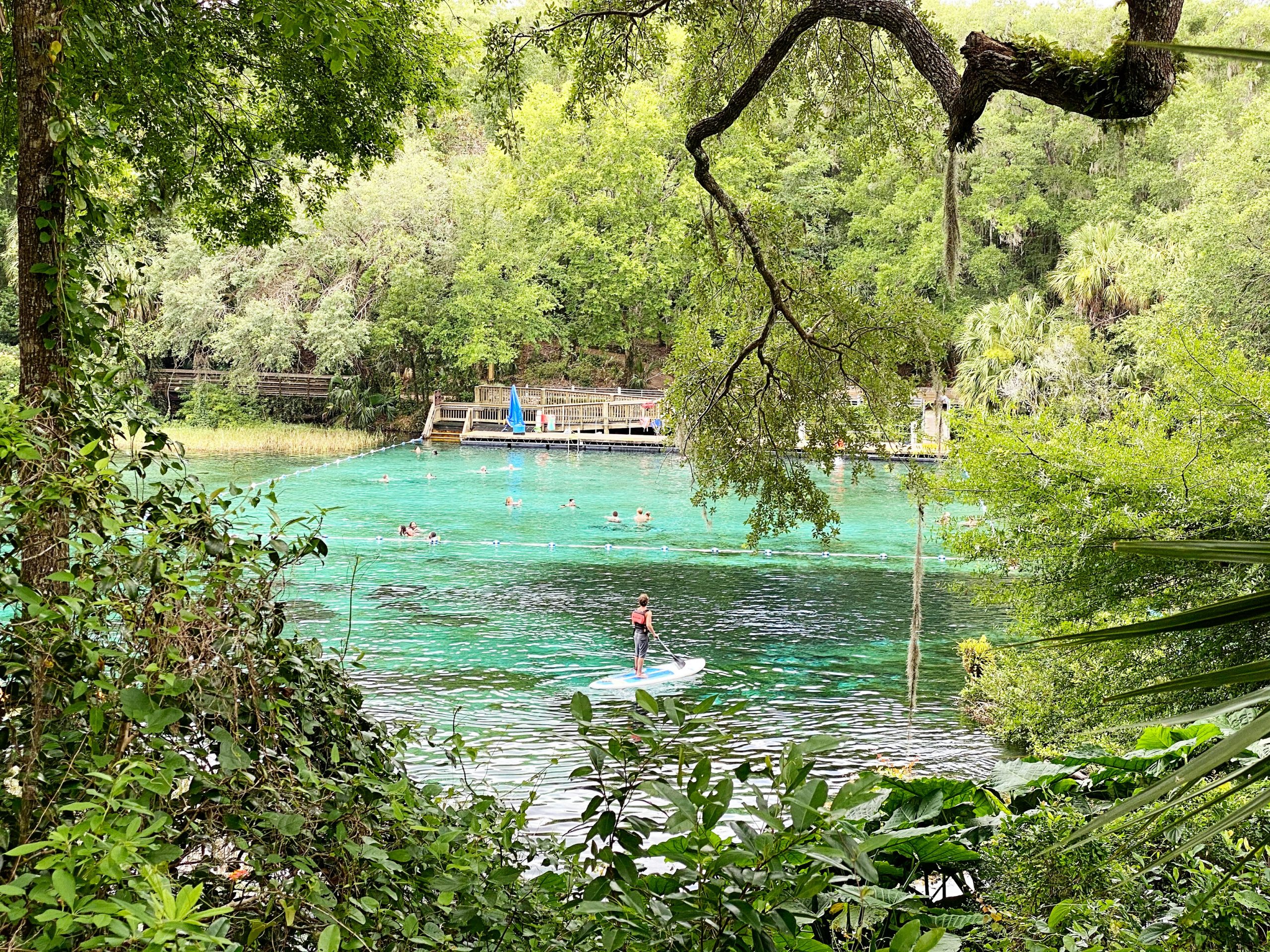
Rainbow Springs State Park – Crystal-Clear Springs & Lush Trails
A dreamy spring system with clear water, shady trails, and river tubing that feels like floating through a screensaver. It’s one of those places where you start the day saying “we’ll stay an hour” and end it sun-dazed and happy.
Location
Rainbow Springs is near the town of Dunnellon in Central Florida’s Marion County (about 20 miles southwest of Ocala). It’s Florida’s fourth-largest spring, famous for its brilliantly clear water that flows into the Rainbow River.
How to Get There
You’ll need a car. From Ocala, it’s roughly a 30-minute drive west on FL-40 and US-41. From Tampa or Orlando, budget ~1.5 to 2 hours drive. There are two main areas: the headsprings entrance (for swimming and gardens) on SW 81st Place Rd, and the tubing entrance a few miles downstream on SW 180th Avenue Rd. Follow signs carefully depending on your activity (swimming vs tubing) – they are separate park entrances.
Things to Do
Swim or snorkel in the headspring – the swimming area is like a giant natural pool with a constant 72°F temperature and visibility so clear you’ll feel like you’re in a huge aquarium. Take a nature walk through the park’s scenic gardens and man-made waterfalls (a legacy from when Rainbow Springs was a 1930s attraction). The big draw in summer is tubing down the Rainbow River – an easy, relaxing float (~2 hours) downriver through gorgeous scenery. You can rent tubes and take a shuttle at the tubing entrance or go through outfitter K.P. Hole Park nearby. You’ll likely see turtles, fish, and birds as you drift on the gentle current (about 1 mile per hour flow). Canoeing and kayaking are also popular and allow you to explore more of the river at your own pace. Don’t forget to watch for otters or even otter families playing along the banks!
Best Time to Visit
Summer is tubing season (April through September for the park’s tubing facilities) – great for cooling off, but weekends get very busy. To avoid crowds, try a weekday morning in summer or go in late spring. Early fall (September) can be wonderful: tubing still open until late Sept, but fewer people and slightly cooler air. In winter, tubing is closed and swimming can be chilly, but the park is peaceful for hiking and the water’s still gorgeous (and you might spot manatees where the Rainbow meets the Withlacoochee River). Also, the annual Rainbow Springs Dragonfly Festival in spring is a fun time with family events.
Budget Tip
It’s only $2 per person (or $5 per car) to enter the headsprings park for swimming and trails – a bargain for a day in paradise. If you plan to tube more than once, consider going through K.P. Hole County Park upstream, where you can do a longer float (4 hours) – they charge about $25-30 which includes tube rental and shuttle. To save a few bucks, you can bring your own tube, but note the park will still charge a per-person tubing fee (around $20) for shuttle/entry even with your own tube. Another tip: bring a picnic and drinks in reusable containers (disposable containers are banned on the river to keep it pristine). Finally, if you’re a frequent spring-hopper, a Florida State Parks annual pass can save money on repeat visits statewide.
Merritt Island’s Bioluminescent Bay – Glowing Waters on the Space Coast
At night, the water glows when you paddle, like you’re stirring liquid starlight. It’s surreal, quiet, and genuinely jaw-dropping. One of Florida’s most magical experiences, and a total flex for your travel stories.
Location
Merritt Island National Wildlife Refuge, on Florida’s Space Coast near Titusville, is home to one of the world’s few bioluminescent lagoons. The prime spots for glowing waters are the Indian River Lagoon and Mosquito Lagoon within the refuge, not far from Kennedy Space Center. (It’s about 1 hour east of Orlando, near Cape Canaveral).
How to Get There
Driving is necessary. From Orlando, take the 528 Beachline east to Titusville, then follow signs to Merritt Island NWR (around the KSC area). Tours usually meet at boat ramps like Kiwanis Island Park or Haulover Canal. If you book a bioluminescent kayak tour, the operator will give you a specific meeting point in the refuge. There’s no public transport to this remote area at night, so plan to drive or carpool.
Things to Do
At night, take a guided kayak tour into the dark waters and prepare to be amazed. In summer months, tiny plankton (dinoflagellates) make the water light up neon blue with every paddle stroke or movement – fish zip like blue comets and manatees or dolphins create ghostly glowing silhouettes. It’s like Avatar come to life. In winter, a different bioluminescence appears: glowing comb jellyfish, which you can sometimes scoop up gently – they shine when disturbed and do not sting. Besides paddling in the glowing bay, you might also schedule your trip during a rocket launch from nearby Kennedy Space Center – some launch viewing spots (like Playalinda Beach or the Max Brewer Bridge area) are around Titusville, making for a two-in-one space-and-nature adventure. During daytime, Merritt Island refuge is great for birdwatching and wildlife drives (the Black Point Wildlife Drive) if you have time to explore before your night tour.
Best Time to Visit
The bioluminescent dinoflagellates peak in summer, roughly May through early November. July and August are typically the brightest, especially on new moon nights (when the sky is darkest). Comb jellies glow in the cooler months (Nov–May), so really, bioluminescence is year-round, just different forms. Aim for a moonless night for the best effect – check the lunar calendar and go when the moonrise is late or the moon is a thin crescent. Tours often run in the evening right after sunset. Summer can be hot and buggy (bring insect repellent), but the experience of a warm-water paddle through glowing waves is incomparable.
Budget Tip
A standard bio kayak tour runs about $50–$75 per person. To get the most for your money, pick a tour that goes during peak season (don’t skimp on the timing – you want the brightest glow). You can save a few dollars by choosing a regular kayak instead of a clear kayak – the clear boats look cool but are usually ~$15 more for a similar experience. If you have a group, see if any tour operator offers a group discount. Also, consider doing the comb jelly tours in winter, which sometimes have lower prices or local coupons, and the bioluminescence is still very neat (plus cooler weather = fewer mosquitoes). Lastly, if you’re on a tight budget and have your own kayak, you could attempt a self-guided paddle (launch fees ~$5), but only do this if you’re experienced at night navigation and have proper safety gear; for most travelers, a guided tour is well worth the expense.
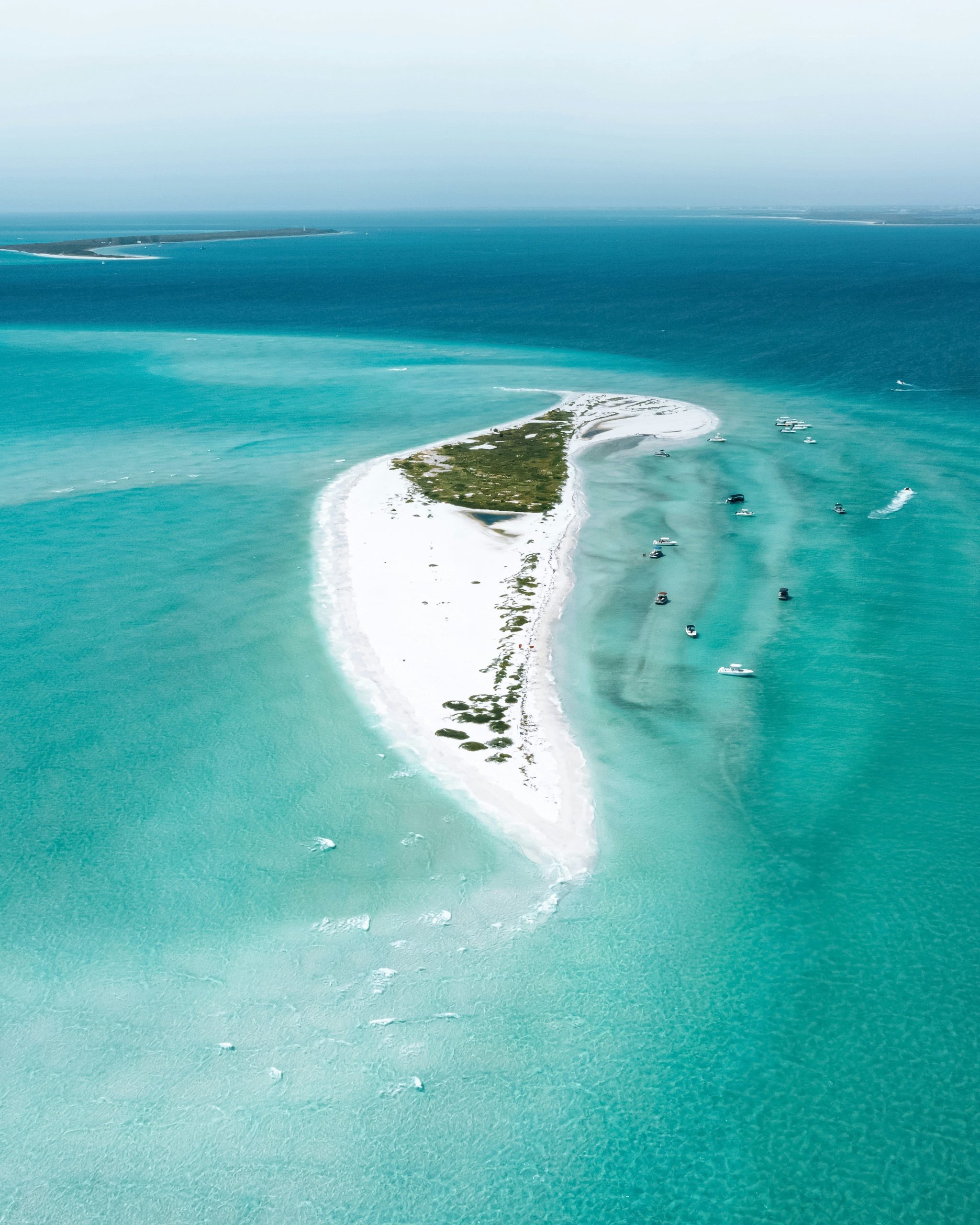
Anna Maria Island – Old Florida Beach Bliss
The Gulf Coast’s softer, slower, postcard version of itself. No towering skyline energy here. Think pastel cottages, mellow beaches, and sunsets that make you forget your phone exists (briefly).
Location
Anna Maria Island is a barrier island on Florida’s Gulf Coast, just west of Bradenton and about an hour’s drive south of Tampa Bay. It’s roughly 7 miles long, with the quaint villages of Anna Maria (north end), Holmes Beach (central), and Bradenton Beach (south end) making up the island.
How to Get There
By car, take I-75 or US-41 towards Bradenton, then cross the Cortez Bridge or Manatee Avenue Bridge to the island. There’s no bridge toll. Once on Anna Maria, a free trolley runs the length of the island – handy to get around without driving. The island has no high-rises, and a laid-back vibe immediately greets you as you arrive. (There is no direct public transit from Tampa, but you could take a bus to Bradenton and then a trolley/cab over the bridge in a pinch.)
Things to Do
Beach hopping is a must – the sands are sugar-white and the water is typically calm and clear. Check out Bean Point (quiet north-end beach with a natural feel), Manatee Public Beach (with beach cafe and volleyball), and Coquina Beach (on the south end, lined with pines and picnic spots). Stroll the historic Anna Maria City Pier or Rod & Reel Pier for fishing and dolphin-spotting. Rent a bike or golf cart to explore charming streets dotted with pastel cottages and local shops. Kayak through the mangrove tunnels at Leffis Key or try paddleboarding in the gentle Gulf waters. Sunset is event time here – join the locals at the beach each evening to watch the sun sink into the Gulf, applauding the view. The island’s strict ban on high-rises and chains means you’ll find only “Old Florida” style cottages, shops, and eateries – no towering condos in sight. Don’t miss a meal of fresh grouper at a locally owned café or an ice cream from a mom-and-pop shop on Pine Avenue. Everything about AMI (as the locals call it) invites you to slow down and savor the simple beach life.
Best Time to Visit
Spring (March–May) and fall (September–October) are arguably perfect – warm sunny weather, swimmable water, and thinner crowds compared to winter high season. Summer is actually quieter in terms of tourists than winter (which sees northerners escaping cold weather) but summer brings hot temps and afternoon thunderstorms (and occasionally, hurricanes). If you come in October or early November, you’ll find the island peaceful and the Gulf still warm enough for swims – truly a sweet spot. Winter (Dec–Feb) has fabulous weather (70s°F and low humidity), but it’s “in season” so expect more people and higher accommodation prices, especially January–March. Regardless of season, sunrise and sunset on the island are magical year-round.
Budget Tip
Enjoy the free trolley that runs up and down the island – it saves you gas and parking hassle while hitting all the beaches and main spots. For affordable eats, hit up local beach bars during happy hour or try the Food Truck Fridays (in Bradenton Beach) for cheap, tasty bites. Accommodations on-island can be pricey, so budget travelers might stay in Bradenton or Sarasota (or in a hostel in nearby Tampa/St. Pete) and drive in for day trips. Alternatively, look for Airbnb/private room rentals on the island in the off-season. Many of the best activities here are free – beachcombing, swimming, watching for manatees at the marina, and basking in the old-Florida atmosphere cost nothing at all. Finally, bring or rent a bike – it’s an inexpensive way to get around and truly absorb the island’s charm without spending on fuel.
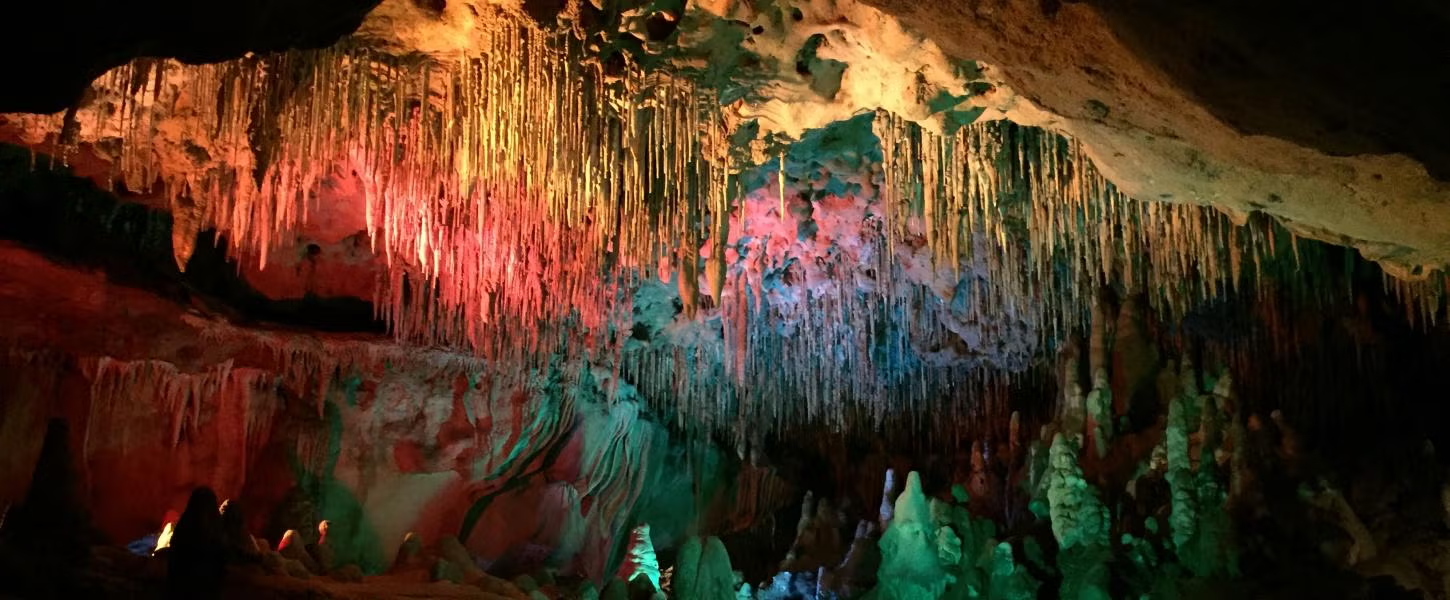
Florida Caverns State Park – Underground Wonderland in the Panhandle
Florida, but make it underground. This is your chance to swap sand for stalactites in the Panhandle’s coolest literal hidden world. It’s a refreshing curveball if your Florida trip is getting too “beach, repeat.”
Location
Florida Caverns State Park is near the town of Marianna in the Florida Panhandle, about one hour west of Tallahassee. It’s the only state park in Florida that offers tours of air-filled caves open to the public – a rarity in the Sunshine State where most caves are underwater.
How to Get There
Marianna is just off I-10 (Exit 142), then a short drive north on FL-166 to the park entrance. By car, it’s roughly 1 hour from Tallahassee, 1.5 hours from Pensacola, or about 3 hours from Jacksonville. There is a small entrance fee (about $5 per vehicle) at the gate. No public transport is available directly to the park, so driving is necessary.
Things to Do
The guided cave tour is the star attraction. A park ranger will lead you through winding caverns adorned with stalactites, stalagmites, flowstones, and other intricate formations. It’s like walking through a subterranean cathedral, complete with cool 65°F air (a nice break from Florida’s heat!). You’ll learn about how the caves formed and see features like the “Wedding Cake” stalagmite. Above ground, the park offers hiking trails through hardwood forests and along the Chipola River – you can even spot sinkholes and a natural bridge. There’s also camping and a freshwater blue hole spring for swimming in summer. Canoe rentals are available to paddle on the scenic Chipola River where you might see turtles, birds, even alligators. It’s a full nature experience with the bonus of Florida’s only walk-through caves – truly a hidden gem for nature and geology lovers.
Best Time to Visit
The caves are open year-round, but tour schedules may vary by season. Spring and fall are fantastic for comfortable hiking and cave touring. In summer, tours are offered more frequently (usually 5 days a week, Thursday–Monday, with hourly departures), and the park is popular on weekends – go early in the day to get on a tour, as tickets are first-come, first-serve and can sell out. Summer thunderstorms can cause occasional flooding in low parts of the cave, but generally tours run rain or shine. Winter brings fewer visitors, and the cooler weather is great for hiking (cave stays the same temp). Do note: after heavy rain or in rare cases, the caves might close temporarily, so it’s wise to call ahead if you’re traveling far. Overall, any season works – just avoid major holidays if you want more solitude.
Budget Tip
Cave tour tickets are very reasonable (around $10–$15 for adults, $5–$10 for kids) considering the unique experience – one of the cheapest cave tours in the country. Campsites at the park are affordable (~$20–$25) and a great way to save on lodging (plus you get to enjoy the park in the early morning and evening when day-trippers aren’t around). If you’re on an extended trip, note that Florida Caverns is part of the Florida State Parks system, so if you plan to visit multiple parks, an annual pass can save money on entry fees. Lastly, pack a picnic for lunch – the park has nice picnic areas and you can dine al fresco by the river for free, rather than eating at a restaurant in town.
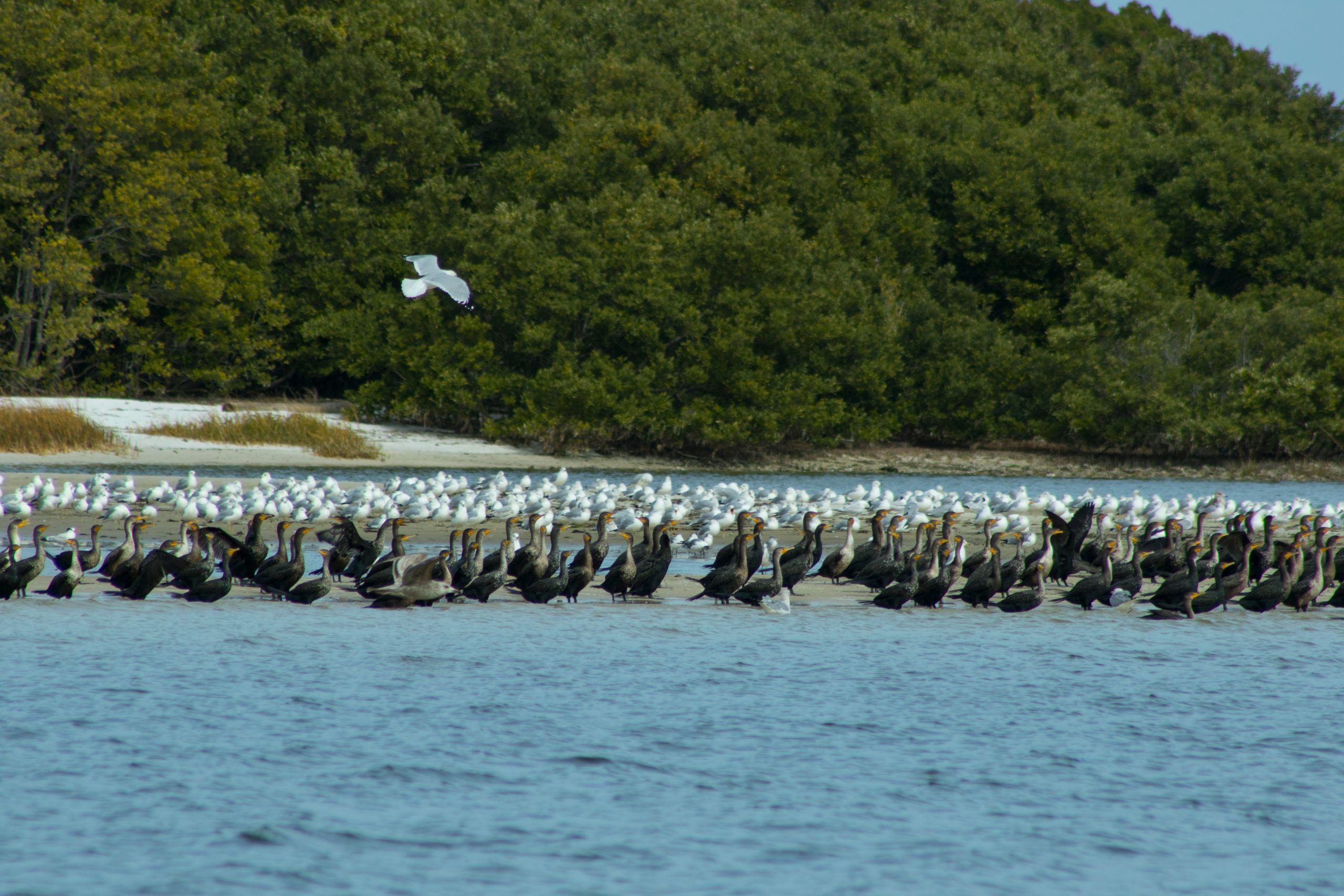
Cedar Key – Sleepy Seaside Village & Nature Haven
A sleepy coastal town where the loudest thing might be a pelican’s attitude. It’s artsy, salty, and proudly unpolished in the best way. Perfect for a reset day: slow food, slow walks, slow everything.
Location
Cedar Key is a small historic town on the Gulf Coast, about 3 hours north of Tampa and 1 hour southwest of Gainesville. It’s perched on a cluster of islands in the Big Bend area of Florida (where the panhandle meets the peninsula), surrounded by salt marshes and the Gulf of Mexico. This is “Old Florida” at its best – Cedar Key is actually the state’s second-oldest town, with a salty, artsy charm untouched by big development.
How to Get There
The only way in is a scenic drive along rural highways – FL-24 will take you the final stretch over causeways to Cedar Key. There’s no public transportation or shuttles, so you’ll be driving. From Gainesville, it’s about 60 miles southwest. From I-75 (Ocala area), you’d take US-27/Alt-27 to US-19, then FL-24 west. The drive itself is part of the charm, passing through forests and coastal wetlands. Once in town, you can easily explore on foot, bike, or golf cart (rentals available).
Things to Do
Relax and enjoy the slow pace. Stroll down 2nd Street to browse galleries and shops selling local art, seashell crafts, and souvenirs. Visit the Cedar Key Historical Society Museum to learn about the town’s past (it was once a bustling port and pencil-making center). Go fishing off the big pier, or hire a local guide for a fishing or island-hopping boat tour. Nature lovers can kayak through the Cedar Key National Wildlife Refuge – there are nearby uninhabited islands (like Atsena Otie Key) just a short paddle away, where you can land on a beach and maybe spot dolphins or roseate spoonbills feeding in the shallows. Birdwatching is fantastic here, especially in migratory seasons. There’s a small beach park in town suitable for a quick dip or a picnic with a view. And make sure to feast on local seafood: Cedar Key is famous for its clams (the community leads Florida in clam farming) – try some fresh clams or the clam chowder at a waterfront café. As the sun sets, head to Dock Street, where restaurants and bars built on stilts over the water offer gorgeous sunset views. At night, with minimal city lights, the stargazing over the Gulf is pretty impressive too.
Best Time to Visit
Spring (March–May) and fall (October–November) are ideal – pleasant warm weather and vibrant bird migrations. Cedar Key hosts a fun Old Florida Celebration of the Arts festival each spring (usually April) and a popular Seafood Festival in October, which can be lively times to visit. Summer is the off-season; it will be hot, humid and buggy (mosquitoes and no-see-ums can be fierce), but if you don’t mind the heat, it’s very quiet and lodging prices are lower. Do note, however, summer/fall is also hurricane season – the Gulf Coast here is prone to the occasional tropical storm, so just keep an eye on forecasts. Winter is mild (50s–70s°F) and a great time for fishing and walking, though a few local businesses might keep shorter hours. Overall, Cedar Key is enjoyable year-round if you plan accordingly, but most would agree spring and fall offer the best mix of weather and activity.
Budget Tip
Cedar Key is quite affordable compared to big tourist towns. Many attractions (like museums or state parks in the area) cost just a few dollars or are donation-based. You can rent a kayak for around $30 and split it with a friend for a day of adventure on the water – much cheaper than a guided boat tour (though those are reasonably priced too for what you get). For lodging, look into the simple mom-and-pop motels or B&Bs in town – they often include breakfast. If you’re really watching pennies, the Shell Mound campground (managed by Levy County, about 15 minutes drive from Cedar Key) offers a natural setting for only ~$10–$20 a night. Also, because Cedar Key’s seafood comes straight from local waters, you’ll find clam chowder, fried shrimp baskets, and fish dinners at fair prices – a delicious budget meal especially at casual spots. Lastly, everything in town is close by, so you won’t spend on gas once you arrive; park the car and enjoy walking or biking – it’s free and the best way to soak up the ambiance.
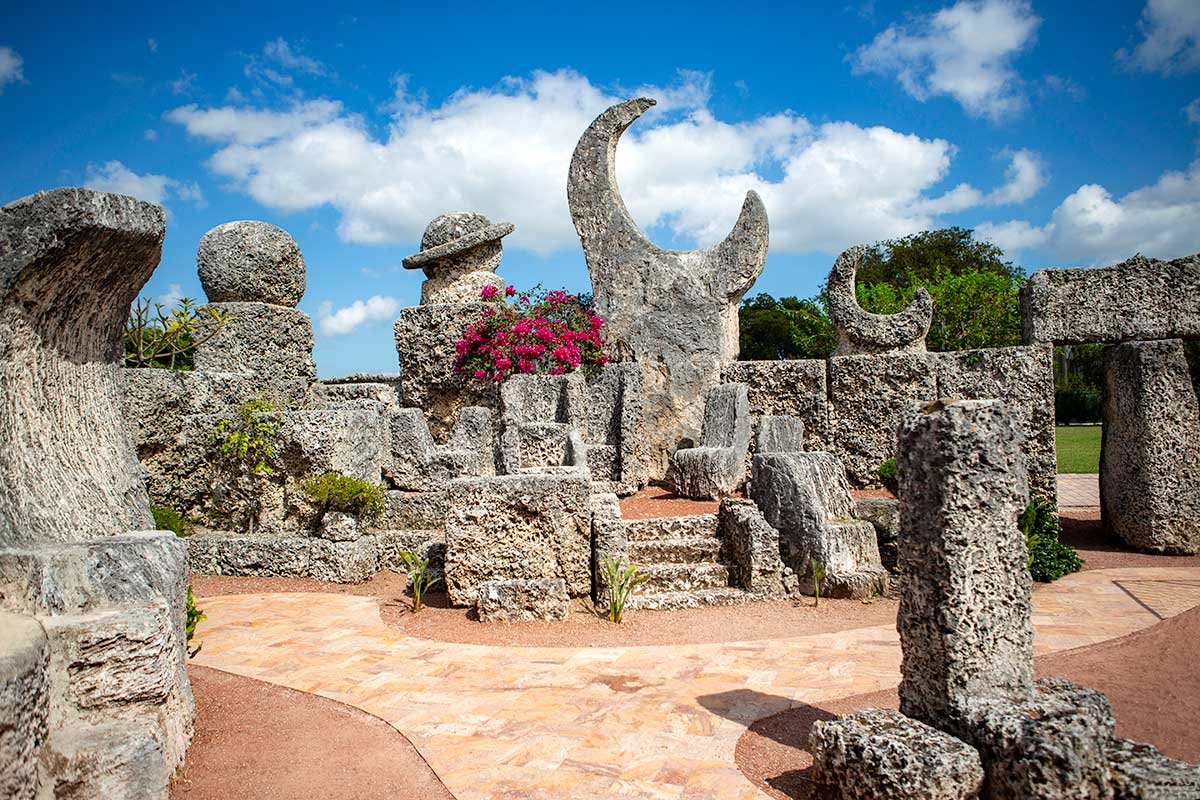
Coral Castle – Eccentric Hand-Carved Stone Garden
A mysterious rock garden built by one person, allegedly without modern machinery, and full of “how did he DO that?” energy. It’s part sculpture park, part love story, part engineering puzzle. Weird in a satisfying way.
Location
Coral Castle is located in Homestead, a town about 30 miles south of Miami. This bizarre and fascinating attraction sits along South Dixie Highway (US-1). It’s not actually a castle, but a rock sculpture garden and structure carved entirely out of coral limestone by one man, Edward Leedskalnin, in the early 1900s.
How to Get There
Easiest is by car via US-1 (it will be on your right heading south, roughly a 40-minute drive from downtown Miami without traffic). The address is 28655 S Dixie Hwy, Homestead, FL. There is free parking on site. If you must use public transit, you could take the Miami-Dade Metrorail to Dadeland South and then catch bus #34 or #38 (South Miami Heights) which runs down South Dixie Hwy – get off near 157th Ave and walk a short distance. But driving is more straightforward.
Things to Do
Take a guided tour of the Coral Castle grounds (tours run continuously and are included with admission). You’ll hear the almost unbelievable story of how a single man, Ed Leedskalnin – who stood just 5 feet tall – quarried, carved, and erected 1,100 tons of coral rock into walls, towers, furniture, and mysterious astronomical sculptures all by himself. Highlights include a 9-ton revolving gate, a massive stone table shaped like Florida, rocking chairs made of stone that really rock, and a towering obelisk. The guides will point out quirky features Ed built, like his Polaris telescope and the working sundial that still tells time (and season) accurately. It’s fun to speculate on how he did it – Ed was very secretive, leading to legends that magnetism or even alien help was involved. After the tour, you can wander more on your own, take photos, and visit the small museum/gift shop. It’s a relatively small site (you might spend 1-2 hours total), but absolutely worth it if you enjoy oddball history and engineering marvels.
Best Time to Visit
Coral Castle is open year-round (typically daily except Tuesdays; current hours are Thurs–Sun 9am–6pm). Go in the morning if you want to beat the Miami heat, as the tour is mostly outdoors. In summer, an early or late-day visit will be more comfortable (midday sun in Homestead can be intense). Winter, spring, or fall days are generally pleasant. Weekends might see a few more visitors, but it’s never overly crowded. If you’re combining this with other South Florida sightseeing, note that it makes a great stop on the way to the Florida Keys or Everglades. Also, check for any special evening events – occasionally they’ve done by-night tours or photography nights. Otherwise, any day is fine; just avoid visiting during a heavy rainstorm as much of the site is open-air (though tours run rain or shine).
Budget Tip
Admission is around $18–25 for adults (check for discounts like $2 off coupons online or military discounts). If you’re a history or science buff, it’s money well spent for the unique experience. To save, you could look for a Groupon or local deal – sometimes they pop up. Also consider that kids (ages 7–12) are about half-price and under 7 are free, which helps if you have family in tow. There’s a little café on site, but a cheaper move is to eat before you come or bring a snack to have in your car. And if you’re coming from Miami without a car, weigh the cost of a rental for the day versus ride-shares – renting for a day might be more cost-effective if you plan to hit multiple far-flung spots. Coral Castle is a quick visit, so pair it with a jaunt to nearby Everglades National Park (Ernest Coe Visitor Center) just 30 minutes away – an awesome free add-on for a day trip south.
Best Hostels in Florida 🏨 (Budget Stays Across the State)
Staying in hostels can be a great way to save money and meet fellow travelers while exploring Florida’s hidden gems. Here are four fantastic hostels across the state, each offering something unique:
1. Freehand Miami – South Beach Social Vibes (Miami Beach)
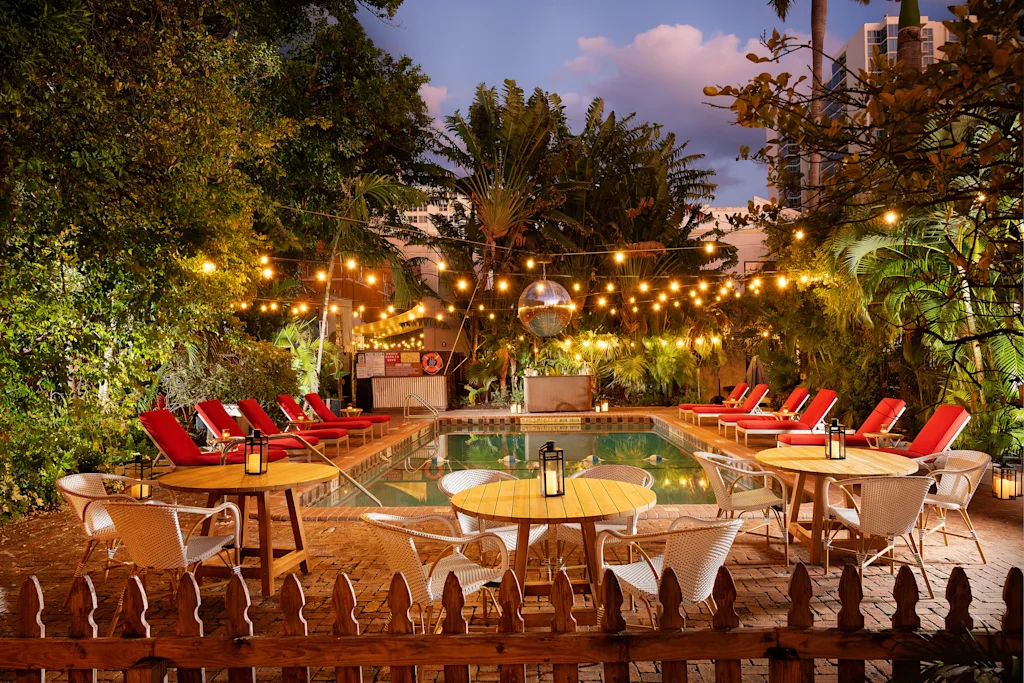
Located in a restored Art Deco building just a block from the beach, Freehand Miami combines hostel community with boutique-hotel style. It features an on-site cocktail bar (the award-winning Broken Shaker) and even a pool for guests. Dorms and private rooms are decorated by local artists, giving the place a trendy, funky flair, and guests enjoy perks like free continental breakfast and regular social events. It’s in the heart of Miami Beach, within walking distance to nightlife and cafes. Why it’s great: Stylish design, a fun bar scene, and a short walk to the sand – perfect for those who want a lively atmosphere without breaking the bank.
2. Gram’s Place Hostel – Music-Themed Laidback Lodge (Tampa)
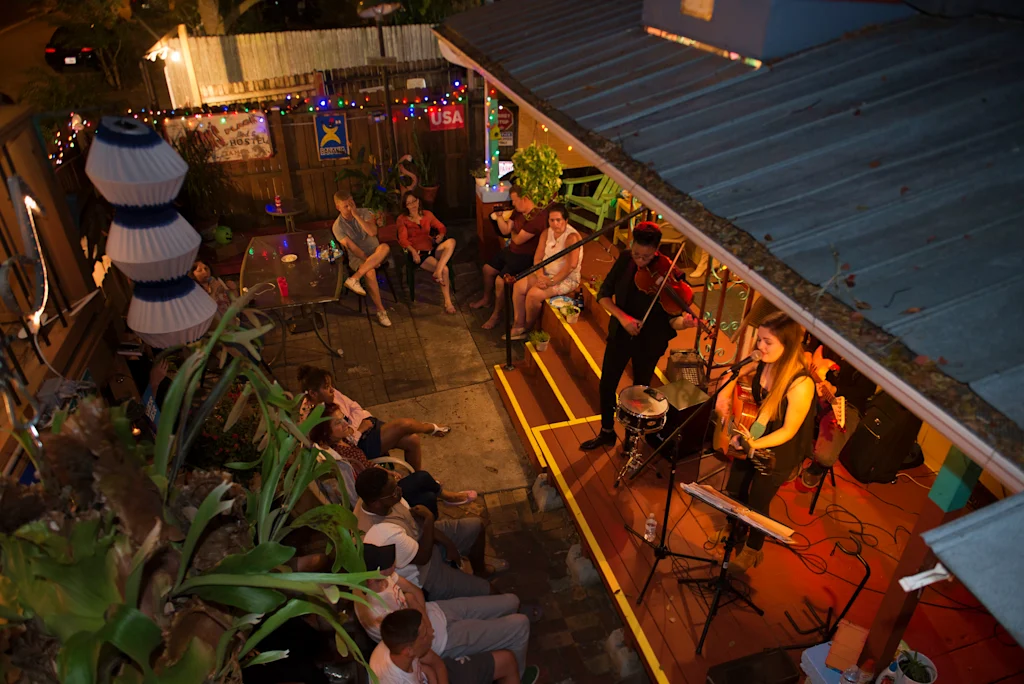
Tampa’s one and only hostel, Gram’s Place is a cozy B&B-style hostel with a bohemian soul. It’s named after musician Gram Parsons, and the place embraces a music theme – you’ll find instruments on the walls and can often strum a guitar or jam with fellow guests. Two courtyards, a treehouse deck, a BYOB tiki bar, and even an in-ground Jacuzzi give this hostel a super chill communal vibe. Dorms and private rooms are basic but homey. It’s located in a residential area of Tampa, a short ride from downtown. Why it’s great: The friendly, artsy atmosphere makes it easy to meet people, and amenities like hammocks and a hot tub don’t hurt either. If you love music or just a quirky, relaxed setting, this hostel is a hidden gem.
3. Seashell International Hostel & Motel – Tropical Key West Crash Pad (Key West)
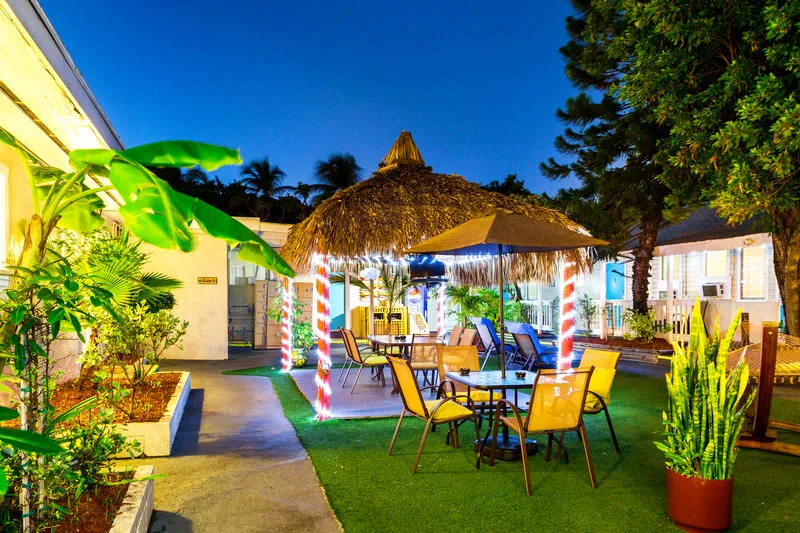
Book Seashell International Hostel & Motel
Key West isn’t known for budget accommodations, but this hostel/motel hybrid is an exception. Seashell Hostel is situated in Old Town Key West, just a few blocks from bustling Duval Street and close to the beach. It has dormitory beds as well as private rooms, and it’s been recently renovated for a fresher look. You’ll find a full kitchen, coin laundry, and a patio for hanging out. It’s not a party hostel per se, but with Duval Street’s bars and the sunset celebrations of Mallory Square within walking distance, it’s a perfect base for exploring. Why it’s great: Location, location, location – you’re in the heart of Key West’s action at a fraction of the cost of surrounding hotels. The vibe is friendly and relaxed, and you can swap stories with other travelers gearing up for snorkel trips or winding down after a day of reef diving.
4. Bposhtels Orlando – Budget & Convenient (Orlando)
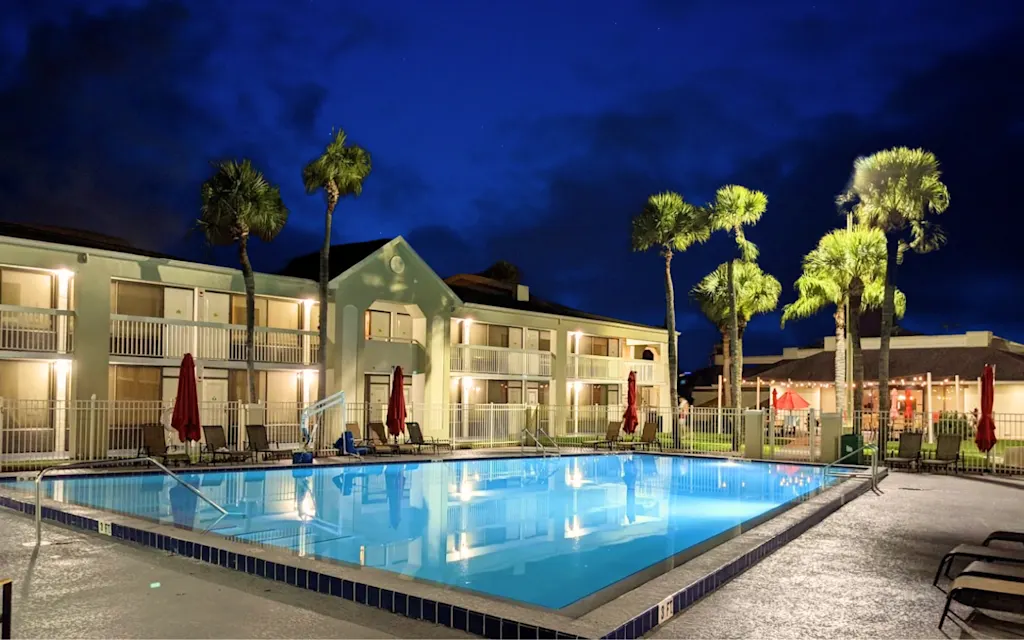
Orlando’s hostel scene is small, but Bposhtels offers a clean, convenient stay for those looking to save cash while visiting the theme parks or exploring Central Florida. They actually operate within a hotel property, so hostel guests have access to hotel amenities (like pools or lounges) in a more social, budget-friendly setup. There are two main locations: one near Florida Mall and another near Disney (Kissimmee). The Florida Mall location is central for those without a car – you can walk to the mall, 24-hour restaurants, and catch public buses easily. The Disney-area one offers shuttle service to the parks. Both provide free Wi-Fi, parking, and a basic breakfast/coffee. Why it’s great: It’s an affordable alternative in Orlando where hotels can be costly, and you still get comforts like a 24-hour front desk, security, and swimming pool access. Ideal for backpackers or solo travelers who are in Orlando to see the sights (be it Disney or downtown) and just need a simple, safe place to crash with some traveler camaraderie.
Booking Tip: Florida isn’t overflowing with hostels like Europe or Asia, so these spots can fill up in high season. It’s wise to book ahead on Hostelworld or the hostel’s site, especially for weekends or events. Also, many hostels in Florida offer both mixed and female-only dorms, as well as private room options – great for flexibility based on your travel style.
Download the Hostelworld app to start booking now


FAQ: Hidden Gems In Florida
Are Florida’s hidden gems free or budget-friendly to visit?
Many hidden gems in Florida are quite budget-friendly. State parks (like Weeki Wachee, Rainbow Springs, Florida Caverns) have low entry fees (often $5–$15 per vehicle or per person) and provide a full day of activities for cheap. Beaches like Caladesi or Anna Maria Island are essentially free (aside from small ferry or parking fees). Even Dry Tortugas, while more expensive due to transport, has free camping once you’re there. You’ll find that exploring springs, forests, and quaint towns can be done at minimal cost – especially compared to theme park tickets. Plus, Florida has many free public beaches and free natural attractions. So yes, with a bit of planning (and perhaps a picnic packed), seeing these hidden gems can be very budget-friendly.
What is the best time of year to visit Florida’s hidden gems?
Spring (March–May) and Fall (October–November) are generally the sweet spots – you get mild to warm weather, mostly dry days, and fewer crowds (except around spring break in March). For springs and rivers, late spring and summer are best for swimming and tubing (the water’s always 72°F, but the air is nice and hot then). For hiking, kayaking, and camping, the cooler months of fall and winter are ideal. If you want to see manatees in springs, go in winter (January/February) when they congregate for warmth. Each hidden gem has its own nuances (for example, bioluminescent bay is best in summer, and some parks have seasonal hours), but if picking one overall time, April–May or Oct would let you hit many spots comfortably. And remember, hurricane season runs June–Nov, so keep an eye on weather forecasts in late summer/fall.
Do I need a car to visit these hidden gems in Florida?
In most cases, yes, a car is highly recommended. Many of Florida’s offbeat treasures (springs, small towns, remote beaches) are not well-served by public transportation. Having a car gives you the freedom to hop between spots – you can drive the whole state via well-kept highways. That said, a few gems can be reached with some effort via other means: for example, you can take a ferry to Dry Tortugas from Key West without a car, or a bus from Miami to Homestead for Coral Castle (and then a short taxi). Larger cities like Tampa, Orlando, Miami have some transit, but to get to parks like Weeki Wachee or Rainbow Springs, you’d need wheels. If you can’t rent a car, consider guided day tours (some operators run trips to places like springs or the Everglades from city hubs) or use ride-shares for closer-by attractions. But overall, for a Florida road trip to hidden gems, driving is the easiest and often the only feasible option.
What should I pack for visiting Florida’s natural attractions?
Pack comfortable, casual clothing suitable for the outdoors: breathable shorts and shirts, a swimsuit, and quick-dry towel (for springs/beaches). Sturdy sandals or water shoes are great for springs and rocky bottoms (and to protect your feet from hot sand). Don’t forget sunscreen, sunglasses, and a wide-brim hat – Florida sun is intense year-round. Bug spray is a must, especially near wetlands or in summer. Carry a reusable water bottle to stay hydrated (tap water is fine to drink). If you plan on snorkeling in springs or reefs, consider bringing snorkel gear to save rental fees. A lightweight rain jacket or poncho is wise in summer (afternoon thunderstorms). For hikes, some trails can be muddy, so old sneakers or hiking shoes are good. And of course, bring a camera or GoPro – you’ll want to capture that crystal-clear spring or epic sunset. One more thing: if visiting any rural areas or parks, a physical map or downloaded map can help, as cell signal can be spotty in a few places.
Can you see bioluminescent waters in Florida?
Yes! Florida’s Space Coast (around Titusville/Merritt Island) is famous for its bioluminescent lagoons. On summer nights, the Indian River and Mosquito Lagoon light up with glowing blue swirls whenever the water is disturbed – this is caused by dinoflagellate plankton and is best seen on dark, moonless nights from May through early November. In winter months, you can see glowing comb jellies in the same waters (they luminesce when gently handled). The most popular way to experience this is by taking a bioluminescent kayak tour at night. It’s like paddling through starlight in the water – fish, manatees, even your hands create light trails. Outside of the Space Coast, bioluminescence can sometimes be seen in the waters of the Florida Keys or bays of Southwest Florida, but the Merritt Island area is the most reliable and spectacular spot for it in Florida. It’s a bucket-list natural phenomenon that many Florida visitors don’t even know exists!
What are the best Florida springs to visit for swimming or tubing?
Florida has dozens of gorgeous springs. Some of the top springs for swimming include Rainbow Springs (big swimming area and waterfalls), Ichetucknee Springs (also great tubing downstream), Blue Spring (summer swimming, plus manatees in winter – though closed to swimming then), and Gilchrist Blue Springs (pretty blue pool and snorkel-friendly). For tubing, the favorites are Ichetucknee River (lazy tube ride through forest), Rainbow River (tubing run from the state park or KP Hole, ~1.5–4 hours), and Juniper Springs (shorter run but adventurous). Weeki Wachee River is fantastic for a kayak paddle (clear water, chance to see manatees, and you can swim along the way). If you’re near Orlando, Wekiwa Springs is popular for a refreshing swim and kayak rentals. And for something unique, Devil’s Den (though not a typical spring run, it’s an underground spring cave for snorkeling/diving). All these springs stay ~72°F year-round, perfect for cooling off in Florida’s heat.
Is it safe to swim in Florida’s springs and rivers – what about alligators?
Generally, Florida’s spring parks are safe for swimming. Many springs have designated swimming areas free of alligators due to high human activity and clear, cold water (gators prefer warmer, murkier waters and usually avoid busy swimming holes). For instance, at places like Rainbow Springs, Ichetucknee headspring, Wekiwa Springs, etc., it’s very rare to see gators in the roped-off swim zones when people are around. However, when you’re tubing or kayaking down rivers connected to springs (Weeki Wachee, Rainbow River, Ichetucknee), do remember these are wild waterways – alligators do live in Florida’s rivers. They are generally shy and not interested in humans. As a precaution, avoid swimming in areas not designated for swimming, especially in the early morning or late evening when gators are more active. Don’t swim in waters that look stagnant or in any lake/pond that’s not meant for swimming. If you do see a gator, keep your distance and don’t provoke it. In summary, follow park guidelines (they often post whether an area is safe for swimming) and use common sense. Thousands of people safely enjoy Florida’s springs and rivers each year. As the saying goes: if the locals are doing it, it’s probably fine – Floridians love their springs and wouldn’t be in the water either if it weren’t safe!
Which hidden gem beaches in Florida have the fewest crowds?
Some of Florida’s least crowded, most pristine beaches are a bit off the beaten path. Caladesi Island (accessible by ferry or kayak) offers unspoiled sands with very light crowds since no one can drive there. Cayo Costa State Park (boat access from Pine Island or Captiva) is another virtually empty beach, great for shelling. Up in the Panhandle, St. Joseph Peninsula (Cape San Blas) and Grayton Beach State Park (in South Walton) have beautiful stretches with sparse crowds, especially on weekdays. Canaveral National Seashore on the east coast has long undeveloped beaches (Playalinda and Apollo) where you might walk a mile seeing only a few others. Anna Maria Island’s Bean Point is often quiet and feels hidden at the northern tip. And on the Forgotten Coast, beaches like St. George Island State Park or Alligator Point offer serenity. Generally, the farther you get from big cities or tourist hubs (and the harder the access – like needing a boat), the fewer people you’ll encounter. Florida has 825 miles of beaches, so there’s definitely quiet space if you know where to go!
What’s a hidden gem for history lovers in Florida?
Florida has a rich history beyond the theme parks. St. Augustine, the nation’s oldest city (founded 1565), isn’t exactly hidden, but beyond the main drag, history buffs will love its lesser-known spots like Castillo de San Marcos (old fort), Fort Matanzas, and the Colonial Quarter. Another gem is Pensacola’s Historic Village up in the Panhandle, where British, Spanish, and American history converge (plus the pre-Civil War Fort Pickens on the beach). Ybor City in Tampa offers a look into Cuban cigar heritage – check out the Ybor City Museum housed in an old bakery. In Cape Canaveral, the Air Force Space & Missile Museum at the Space Force Station is a hidden gem for Cold War and space history (requires advance arrangements). For something truly offbeat, visit the Koreshan State Park in Estero – preserves a site of a strange late 1800s utopian community. And Clewiston’s Ah-Tah-Thi-Ki Museum offers an immersion into Seminole Tribe history and culture. So whether it’s colonial times, the Space Age, or quirky Americana, Florida has a treasure trove of history to uncover.
How can I travel around Florida on a budget?
To travel Florida cheaply, consider these tips: Plan a road trip with friends to split gas costs (fuel is generally reasonable and driving allows you to reach free/cheap natural spots). Opt for accommodations like hostels (see the list above) or camp in state parks (many parks have campgrounds from $16–$30 a night). If you’re visiting cities, use public transit where available (Miami’s Metrorail/Metromover, Tampa’s streetcar, etc.) or stay central to avoid car rentals. Take advantage of Florida’s many free attractions – beaches, spring parks (some under $10 entry), historic downtowns for strolling, and free festivals. For paid attractions, look for combo tickets or online discounts (CityPASS for theme parks, for example, or Groupon deals for tours). Eating cheaply is easy if you go where locals go: Publix supermarket deli for a famous sub, food trucks, Cuban cafes (big portions, low prices), and seafood shacks. And drink the local tap water instead of buying bottles – it’s safe (though some places like the Keys have a slight taste). Florida also has no state income tax and fairly low sales tax, so your dollars stretch a bit further. With good planning, you can enjoy the Sunshine State’s gems without draining your wallet – many of the best experiences (sunsets, swims, hikes) are free or nearly free anyway!
Can I camp on the beach or state parks in Florida’s hidden spots?
Yes, camping is possible in many of Florida’s hidden gems, but with some rules. Many state parks offer campgrounds (for example, Florida Caverns, Grayton Beach, Anastasia State Park in St. Augustine, Bahia Honda in the Keys). These sites are designated and often have amenities (bathrooms, grills). Beach camping is allowed in certain places – e.g., Cayo Costa State Park and St. Joseph Peninsula State Park have primitive beachfront campsites. Dry Tortugas National Park allows primitive camping on Garden Key (right by Fort Jefferson’s beach) – you must bring everything in/out, but it’s an epic beach camping experience. If you’re kayaking the coastal waterways, there are sometimes “chickee” platforms or beach sites (like in Everglades National Park or along the Suwannee River) for backcountry camping. Random camping on public beaches is generally not allowed unless it’s a designated area, and many county beaches prohibit overnight sleeping. Always check the specific park’s rules and get permits if required. For instance, Caladesi Island doesn’t allow camping (but you can boat camp overnight at its marina), whereas adjacent Anclote Key Preserve State Park does allow free primitive camping on its beach. Bottom line: plan ahead – Florida has awesome camping opportunities, but they’re usually in official sites to protect the environment (and you from tides and wildlife). Reserve early for popular parks, especially in cooler months when locals love to camp.
Are there hostels or budget accommodations near Florida’s natural attractions?
In major cities and tourist hubs, yes – Florida has hostels in places like Miami, Orlando, Tampa, and Key West (see our “Best Hostels” list above). For natural attractions in more rural areas, hostels are rarer, but you can find other budget options. Around springs and parks, look for campgrounds, cabins, or budget motels in the nearest town. For example, near Ichetucknee Springs, there are inexpensive motels and a hostel-like lodge (Ichetucknee Hideaway). Everglades City has some lodges that cater to budget anglers. If you’re exploring multiple parks, staying in a centrally located small city (like Ocala for central springs, or Gainesville) and day-tripping can work; Gainesville even has a couple of affordable inns and a lively college-town vibe. Additionally, consider checking Hostelworld or similar for any new listings – sometimes budget guesthouses pop up seasonally. And don’t overlook Airbnb/private room rentals which can be cheap in rural Florida. While hostels may not be at every park, with a bit of creativity (camping, cabins, or mom-and-pop motels) you can keep accommodation costs low while exploring. Hostelworld is a great resource when you’re in the cities or Keys, and Florida’s state park system website is great for finding cabins/camps in the wild areas.
What’s one Florida hidden gem that’s good for families with kids?
Weeki Wachee Springs State Park is a fantastic hidden gem for families – kids are enthralled by the mermaid show (it’s a one-of-a-kind experience) and love splashing in the Buccaneer Bay water park (with a kiddie pool and waterslides). The gentle kayak trip down Weeki Wachee River is also family-friendly, and you might spot manatees which is super exciting for kids. Another great option is Devil’s Den if your kids are strong swimmers or snorkelers (ages 6 and up can snorkel there) – exploring an underground spring feels like a real adventure. Florida Caverns is educational and fun, letting kids become little cave explorers (just watch the younger ones on stairs). ZooTampa at Lowry Park in Tampa or Ellie Schiller Homosassa Springs Wildlife State Park (where you can see manatees, a hippo, and other native animals) are also lesser-known but excellent for children. And for a beachy gem, kids enjoy Caladesi Island or Anastasia State Park (near St. Augustine, with gentle surf and nature trails). These places have the right mix of uniqueness and comfort (bathrooms, snack bars, etc.) to keep both parents and kids happy on a day out.
How can I find more off-the-beaten-path spots once I’m in Florida?
Once you’re on the ground in Florida, talk to locals – Floridians are proud of their favorite local spots and usually happy to share tips if you ask (think park rangers, hostel staff, Uber drivers, bartenders). Also, keep an eye out for community bulletin boards or local free magazines (many cities have a “This Week” or “Florida Insider” magazine) that list parks, events, and lesser-known attractions. Use social media: searching location tags on Instagram or posts on travel forums (like a search for “#Florida hidden gem” or checking Tripadvisor’s Florida forums) can reveal recent discoveries. If you visit one state park, ask the rangers “what nearby do you recommend?” – they might clue you in to, say, a quiet spring down the road or a good local barbecue joint. Florida’s tourism site (Visit Florida) also has themed articles about hidden gems by region. But often, the best way is just to explore: drive down that quiet scenic road, stop at a roadside fruit stand or antique shop, wander a nature trail that isn’t crowded. You never know what secret beach or tiny museum you might stumble upon. Florida’s full of surprises beyond the guidebooks – stay curious and you’ll find your own hidden treasures!
Why is “Old Florida” mentioned so much – what does it mean?
“Old Florida” refers to the character and charm of Florida as it was in the mid-20th century (or even earlier), before huge developments, high-rise condos, and theme parks changed the landscape. It’s that laid-back, nostalgia-tinged atmosphere of vintage beach motels, family-run diners, fish camps, and towns where time moves slower. Places described as having an “Old Florida vibe” often have preserved historical buildings, height restrictions on development (so no skyscrapers blocking the sun), and a strong sense of local identity (think roadside citrus stands or coastal villages where fishing is still big). Examples: Cedar Key is Old Florida – no chain stores, just clapboard cottages and sunsets. Anna Maria Island, with its ban on high-rises and local ice cream shops, works hard to keep that feel. Even parts of the Florida Keys, like Islamorada’s old marina or Key West’s Conch houses, exude Old Florida. Visitors seek these spots to experience a bit of Florida’s past – a contrast to the fast-paced, theme-park or Miami high-rise scene. In short, “Old Florida” means authentic, relaxed, and rooted in simpler times, and many hidden gems strive to keep that spirit alive.
Is it worth going beyond the theme parks and beaches? What will I gain?
Absolutely yes! While Florida’s theme parks and popular beaches are loads of fun, going beyond them lets you discover the real Florida in all its diversity. You’ll gain a deeper appreciation for the state’s stunning natural ecosystems – swimming in a clear spring or seeing the Everglades up close can be awe-inspiring in a way no ride can match. You’ll also find tranquility and space to breathe: imagine drifting down a river with no crowds, or having a stretch of white sand to yourself on a wild island. Culturally, you’ll encounter charming small towns and friendly locals, taste fresh-from-the-Gulf seafood in a tiny fishing village, or learn quirky history (mermaids! castles made of coral!). These experiences make your trip more personal and memorable. Plus, you might save money while doing it – many offbeat spots are cheaper than tourist traps. In essence, venturing off the typical path in Florida turns a fun vacation into a richer adventure – you’ll come home with stories of things most visitors never see, and perhaps a new favorite place that wasn’t in any brochure. Florida has so much more than what’s on the postcard, and exploring the hidden gems lets you truly feel the magic of the Sunshine State beyond the clichés.


 Get the App.