
Montréal vs Toronto: Which City Has the Better Vibe?
Choosing between Montréal and Toronto is a debate that Canadians have been having with genuine passion for decades, and it never quite resolves. Both cities are world-class, culturally rich, and built around a quality of life that makes them genuinely wonderful to visit. But they’re different in ways that go deeper than language, and understanding those differences is what makes this comparison worth having.
This guide breaks down everything: the food scenes, the neighborhoods, the nightlife, the festivals, the cost, and the hostel scene. Whether you’re planning your first trip to Canada, trying to choose between two cities on a tight itinerary, or simply curious which city suits your travel personality better, here’s everything you need to decide.

🌆 Montréal at a Glance
Montréal is unlike anywhere else in North America. It’s a French-speaking city with a European soul, a festival calendar that runs almost year-round, and a creative energy that makes it feel permanently switched on even in the depths of a Quebec winter.
Short snapshot:
- Atmosphere: Bilingual, bohemian, culturally electric, deeply proud
- Best for: Food lovers, festival goers, nightlife seekers, arts and culture travelers
- Vibe: Late brunches in the Plateau, afternoon gallery visits, live music until 3am
Quick tip for first timers: Don’t worry about your French. Montréalers are warm and most switch to English easily. That said, opening with a bonjour goes a long way and is simply the right thing to do.
🏙️ Toronto at a Glance
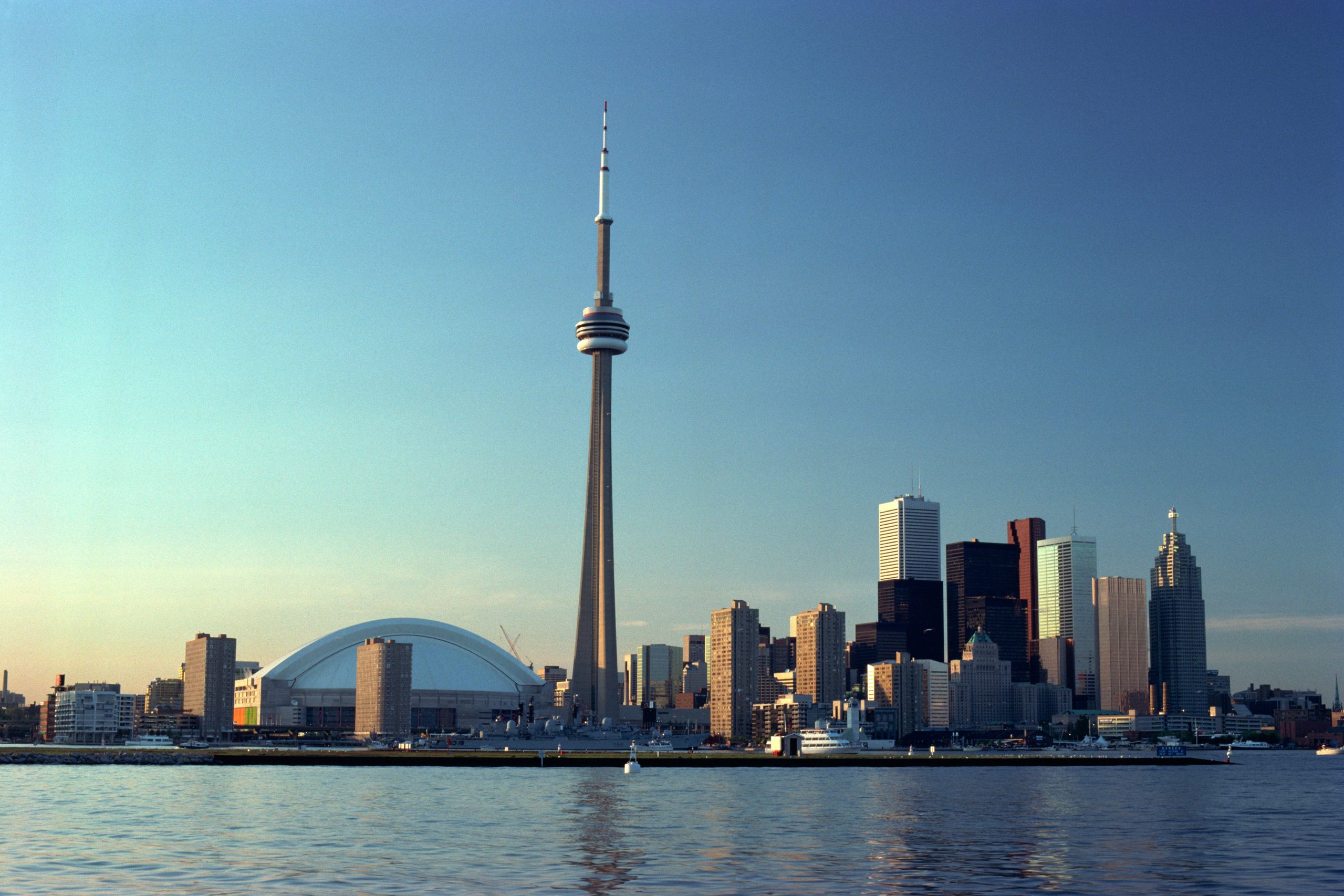
Toronto is one of the most genuinely multicultural cities on earth, a place where over 200 languages are spoken and where every neighborhood feels like a different world. It’s ambitious, forward-looking, and built around a diversity that shows up most clearly and most wonderfully in its food.
What to expect:
- Atmosphere: Cosmopolitan, diverse, energetic, constantly evolving
- Best for: Food explorers, film and arts enthusiasts, waterfront walkers, urban adventurers
- Vibe: Kensington Market mornings, afternoon in a gallery, dinner somewhere that requires a reservation made weeks ago
If Montréal is a jazz record playing in a dimly lit bar on a Tuesday night, Toronto is a city-wide playlist with something for every possible mood. Both are extraordinary. They just set a completely different tone from the moment you arrive.
🎨 Culture, Arts & Things to See
Two cities, two completely different relationships with culture, and both are worth engaging with seriously.
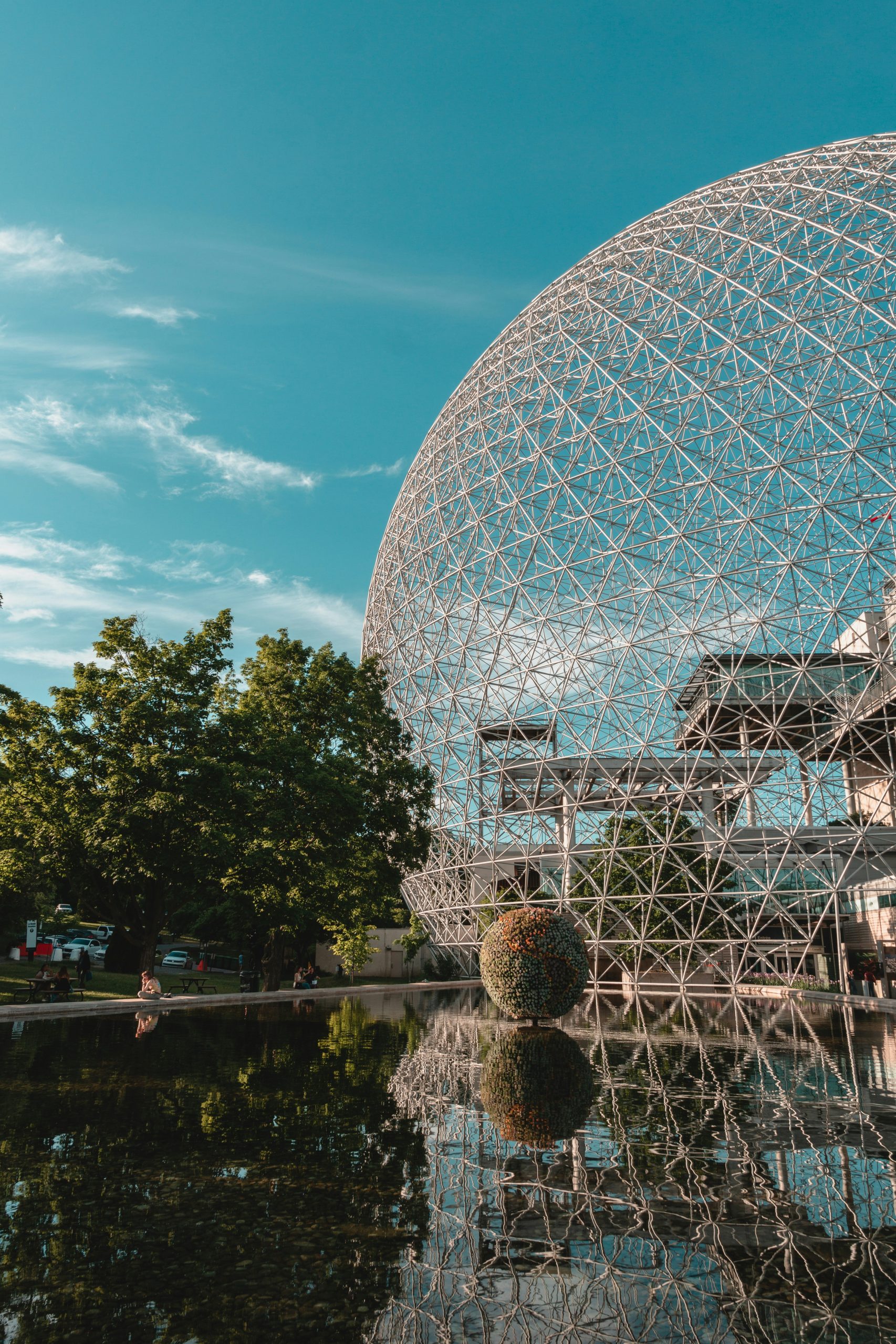
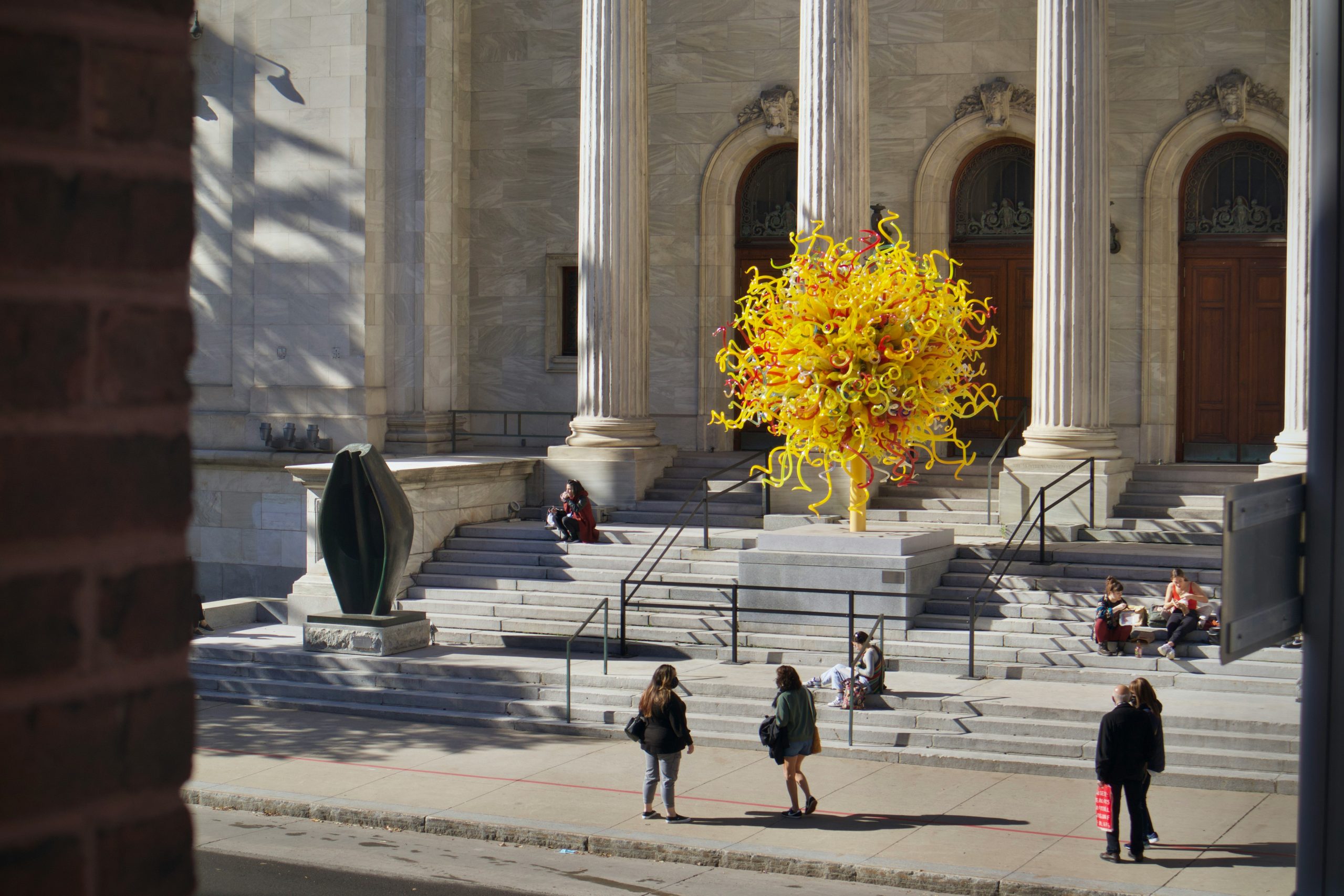
Montréal’s cultural identity is rooted in French Canadian heritage, artistic independence, and a creative scene that produces disproportionately for its size. The Musée des Beaux-Arts de Montréal is one of the finest art museums in Canada, with a permanent collection spanning five thousand years and a building complex that keeps expanding because it keeps needing to. The Musée d’art contemporain anchors a contemporary scene that feeds into galleries and studios across the Plateau and Mile End neighborhoods.
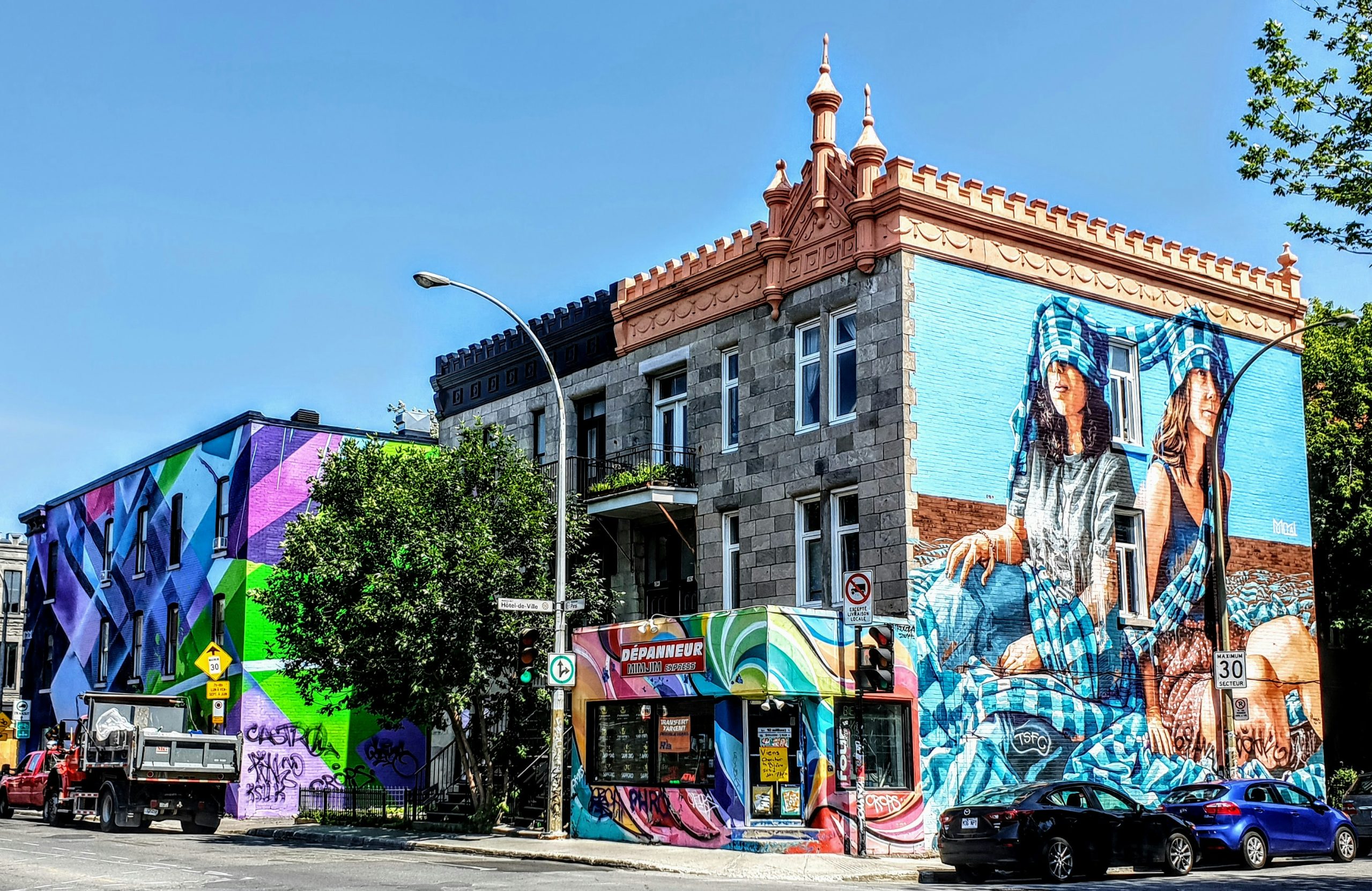
Beyond the institutions, Montréal’s culture lives on its streets. Murals cover entire building facades across the city, particularly in the Plateau-Mont-Royal and Rosemont neighborhoods, creating an outdoor gallery that changes constantly. The Monument-National and a constellation of smaller theatres sustain a performing arts scene that punches well above the city’s weight internationally.
The Old Montréal district, centered on the Place Jacques-Cartier and the extraordinary Basilique Notre-Dame, offers a compact and beautiful introduction to the city’s history. The basilica’s interior, with its deep blue vaulted ceiling and gold ornamentation, is one of the most breathtaking rooms in North America. The Pointe-à-Callière Museum tells the full story of the city’s founding directly above the archaeological remains of the original settlement.
Toronto’s cultural scene is larger, more institutionally supported, and more internationally connected. The Art Gallery of Ontario, redesigned by Frank Gehry in a dramatically expanded building that opened in 2008, holds one of the most significant collections in North America with particular strength in Canadian, Indigenous, and contemporary art. The Royal Ontario Museum is Canada’s largest museum, with extraordinary collections spanning natural history, world cultures, and a striking crystalline addition by Daniel Libeskind that polarizes opinions and dominates the streetscape in the best possible way.
The Distillery District, a Victorian-era industrial complex converted into galleries, studios, cafes, and performance spaces, is one of the most successful cultural regeneration projects in North America. The TIFF Bell Lightbox, permanent home of the Toronto International Film Festival, runs year-round programming that makes it a genuine destination for cinema lovers beyond festival season.
| City | Cultural Strength | Best For |
|---|---|---|
| Montréal | Street art, French Canadian heritage, independent arts scene | Basilique Notre-Dame, Old Montréal, festival culture |
| Toronto | Major institutions, multicultural arts, film culture | AGO, ROM, Distillery District, TIFF |
Montréal’s culture feels more embedded in daily life. Toronto’s feels more institutionally ambitious. Both reward serious engagement.
🌊 Waterfront, Parks & Getting Outside
Both cities have strong outdoor cultures, but the geography shapes each experience differently.
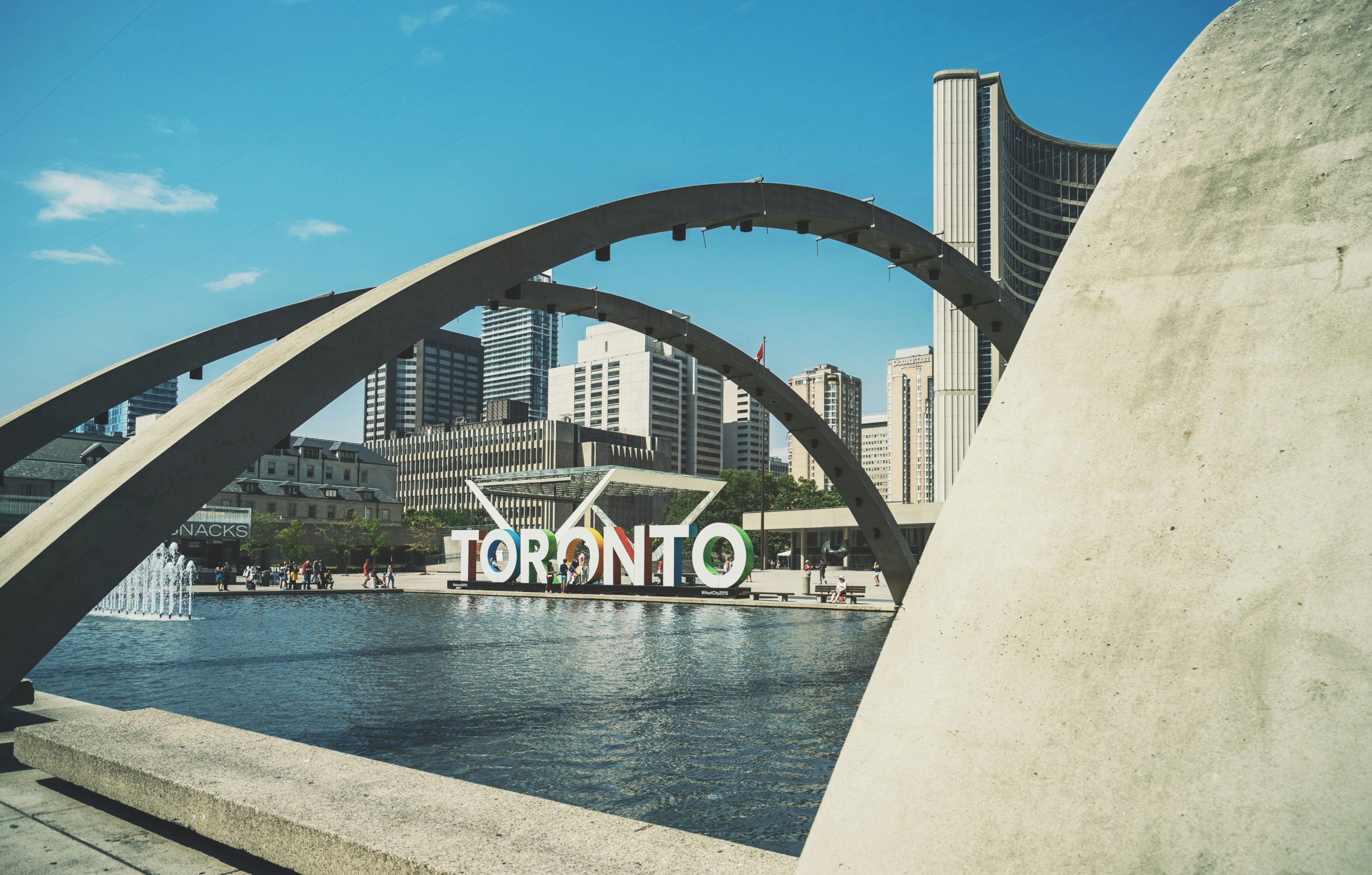
Toronto’s relationship with Lake Ontario is central to its identity and increasingly well developed for visitors. The Harbourfront Centre is a year-round cultural venue right on the water, with galleries, performance spaces, and a skating rink in winter. The Toronto Islands, a short ferry ride from the downtown waterfront, offer beaches, cycling paths, and views of the skyline that are among the best in the city. On a clear summer day, cycling around Ward’s Island with the lake on one side and the skyline on the other is one of those simple, perfect travel experiences.
High Park in the west end is Toronto’s largest park, with trails, a small zoo, sports facilities, and cherry blossoms in late April that draw enormous crowds for good reason. The Scarborough Bluffs on the eastern waterfront offer dramatic white cliff faces above the lake that feel genuinely surprising for a major city.
Montréal’s outdoor centerpiece is Mont Royal, the small mountain that gives the city its name and sits right in the middle of it. Designed by Frederick Law Olmsted, the same landscape architect behind New York’s Central Park, the mountain offers trails, a large lake, a belvedere with sweeping views over the city, and a social scene on weekends where locals gather for tam-tams, an informal drum circle and gathering that has been a Montréal institution every Sunday since the 1970s.
The Lachine Canal, running west from Old Montréal through working-class neighborhoods turned creative districts, is one of the best cycling routes in the city, flat, scenic, and lined with converted industrial buildings. In winter, Parc La Fontaine in the Plateau offers a skating rink surrounded by trees that is impossibly charming.
Toronto wins on waterfront variety and lake access. Montréal wins on the mountain experience and the cycling culture that weaves through its neighborhoods. Both cities take outdoor life seriously in ways that reward getting off the tourist trail.
🍴 Food – Québécois Soul vs Global Diversity
This section is genuinely difficult to call because both cities are among the best food destinations in North America, and they operate in completely different registers.
Montréal
Montréal’s food identity is distinctive, rooted, and impossible to replicate elsewhere. The city has its own culinary canon and takes it seriously.
- Bagels from St-Viateur or Fairmount, wood-fired, hand-rolled, slightly sweet, and the subject of a genuine Montreal vs New York debate that Montréalers consider already settled
- Poutine, french fries with cheese curds and gravy, done properly at La Banquise which serves 30 variations 24 hours a day
- Smoked meat sandwiches at Schwartz’s Deli on Boulevard Saint-Laurent, a Montréal institution since 1928 with a queue that is always worth it
- Tourtière, a spiced meat pie that is quintessentially Québécois and appears on restaurant menus across the city in colder months
- The brunch culture, which in Montréal is less a meal and more a Sunday religion practiced across the Plateau with long queues, excellent coffee, and no apparent urgency
Toronto
Toronto’s food scene is defined by its diversity, and the depth of authentic international cuisine available is rivaled by very few cities on earth.
- Dim sum in Scarborough’s Cantonese restaurants, some of the best outside of Hong Kong
- Roti from a Trinidadian spot on Roncesvalles, stuffed with curried chickpeas and potato
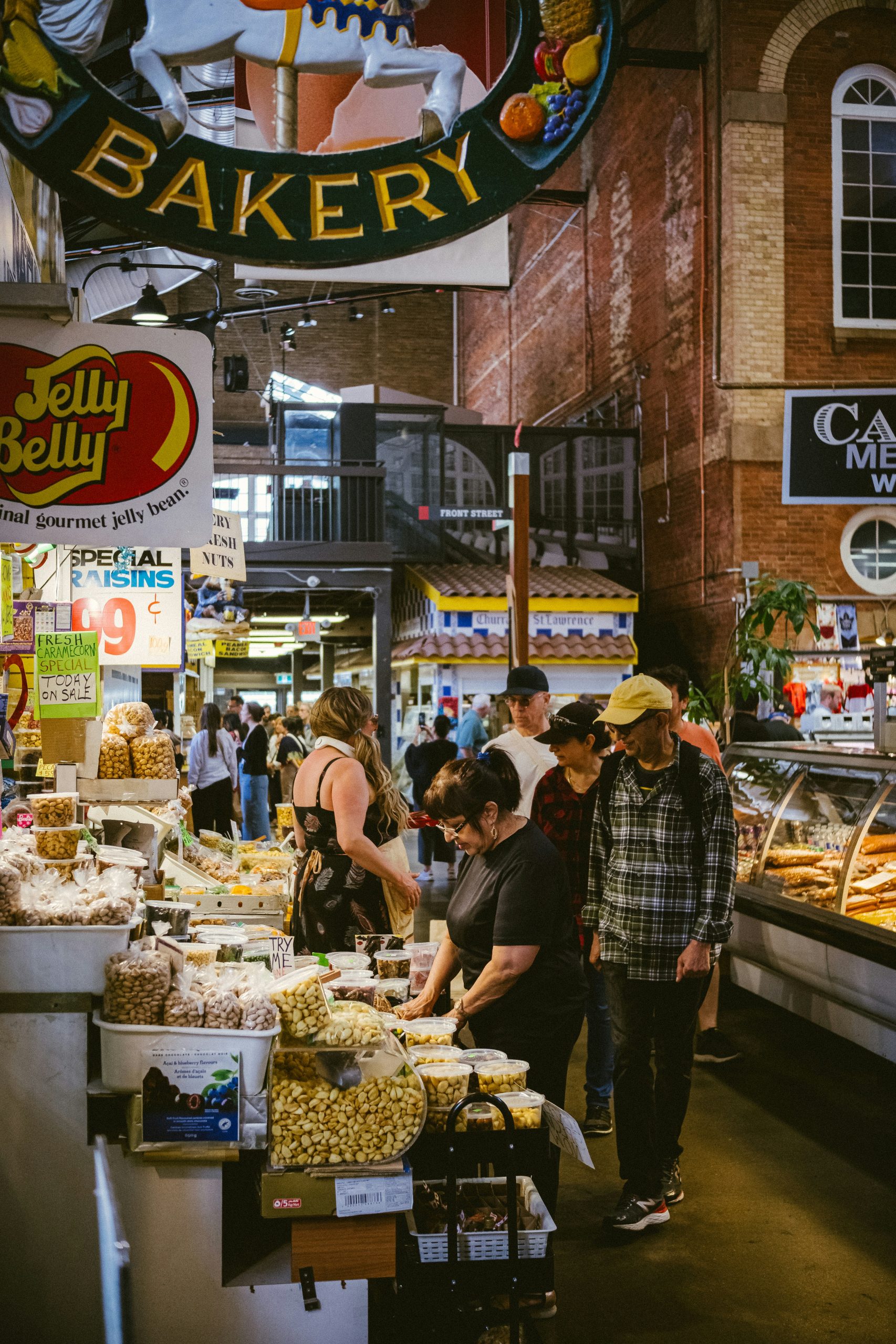
- Jerk chicken from a Jamaican counter in Kensington Market eaten outside regardless of the weather
- Korean fried chicken and army stew in Koreatown on Bloor Street West
- Iranian, Ethiopian, Vietnamese, Peruvian, and every other cuisine represented at a level of authenticity and quality that makes Toronto one of the world’s great eating cities
Important note: Montréal wins on having a distinctive local food identity that you can’t get elsewhere. Toronto wins on sheer global variety and the depth of its international food scene. Both cities will ruin your diet in the best possible way.
🎪 Festivals – Montréal’s Secret Weapon
This section exists almost entirely to make the case for Montréal, because no city its size has a festival calendar that comes close.
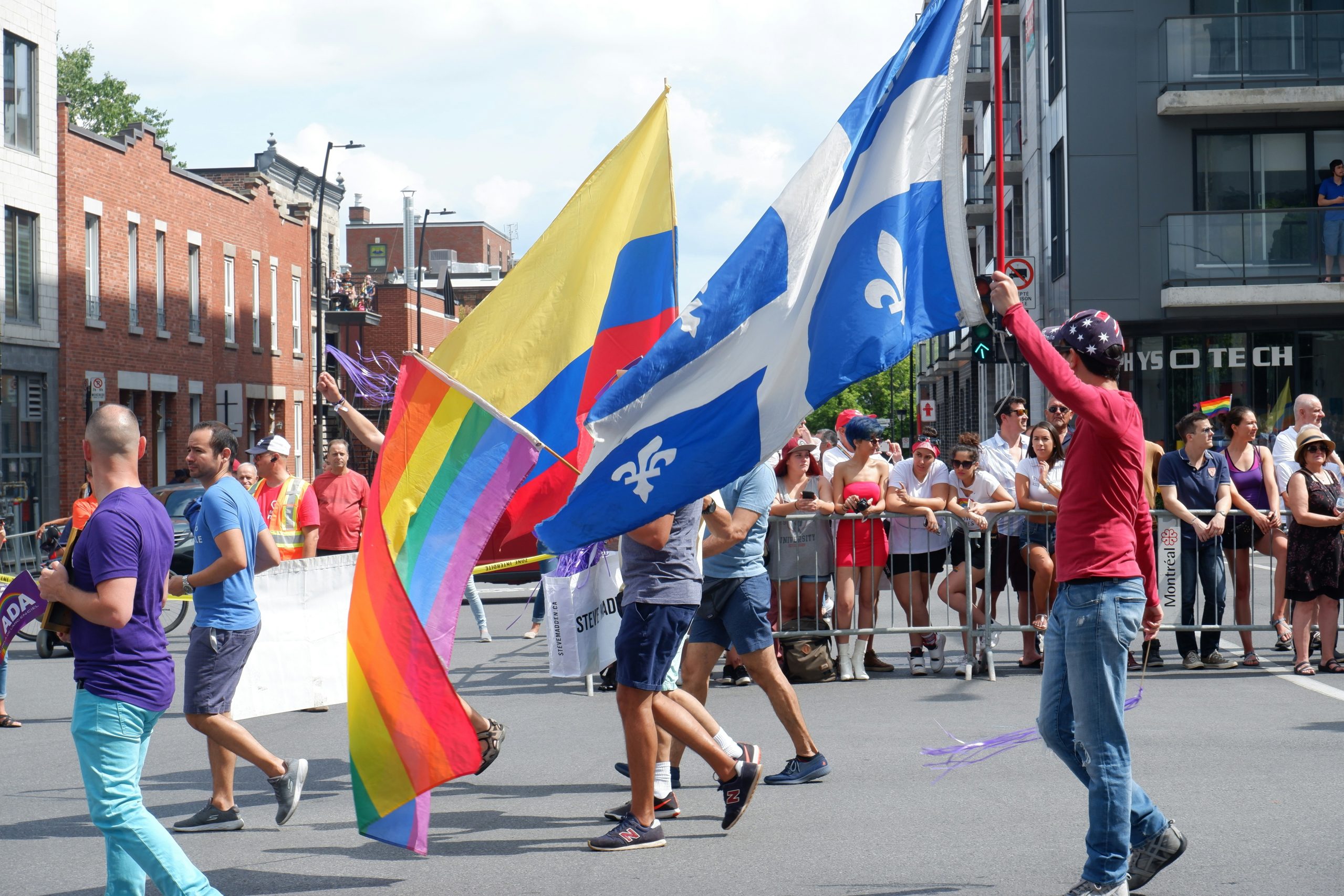
The Festival International de Jazz de Montréal is one of the largest jazz festivals in the world, running for eleven days every summer and filling the streets of downtown with both ticketed concerts and free outdoor performances that attract over two million people. The Just for Laughs Comedy Festival is the world’s largest comedy festival, bringing the biggest names in stand-up to venues across the city every July. Osheaga is one of North America’s premier music festivals, held on Île Sainte-Hélène with a lineup that rivals Coachella for consistency.
Igloofest in winter turns the Old Port into an outdoor electronic music festival held in sub-zero temperatures, which is either the most Montréal thing imaginable or a very specific form of seasonal madness, depending on your perspective. Montréal en Lumière lights up February with food, performances, and outdoor activities that make the coldest month feel genuinely festive.
Toronto has a strong festival presence too, with TIFF being the most internationally significant, drawing film industry figures and premieres that make it one of the most important film festivals in the world. Caribana, now officially the Scotiabank Caribbean Carnival, is one of the largest street festivals in North America. Pride Toronto is consistently among the largest Pride celebrations in the world.
Montréal’s festival density for its size is genuinely unmatched in North America. If your trip aligns with one of the major festivals, it becomes the main reason to go.
🌙 Nightlife – Late Nights vs Last Call
The difference between Montréal and Toronto’s nightlife scenes comes down to one simple fact that shapes everything else.
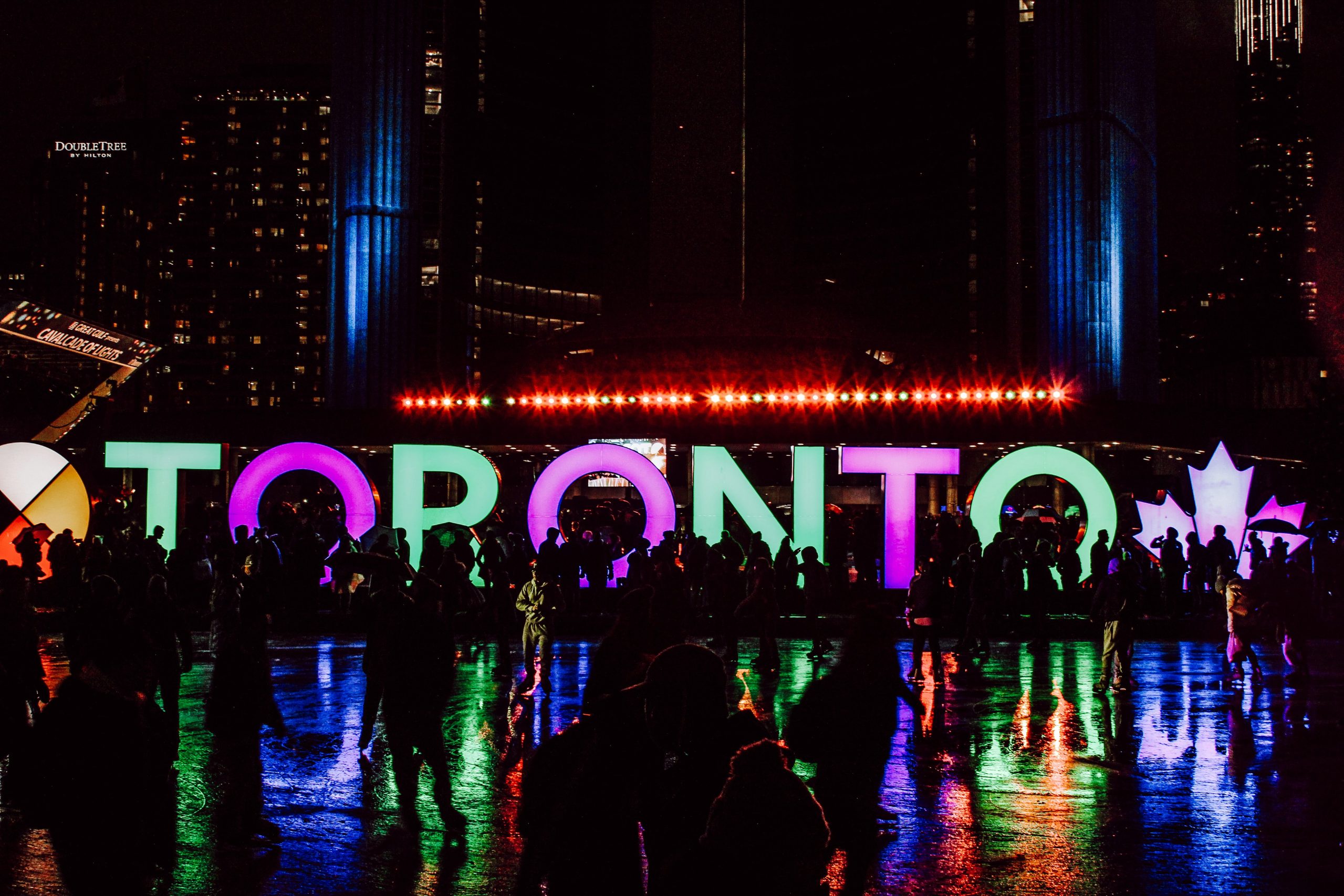
Montréal bars stay open until 3am. Toronto’s close at 2am. That might sound like a minor detail. It isn’t. It changes the entire rhythm of a night out, the pace at which people drink, the energy in rooms late in the evening, and the culture of how a city relates to its own nightlife. Montréal’s later closing time is part of why the city has developed such a strong late-night culture, with restaurants serving until midnight, terrasses filling up at 11pm, and a general attitude that the night is long and worth using properly.
The Plateau-Mont-Royal and Mile End neighborhoods are the heart of Montréal’s bar scene, with small, characterful bars on Boulevard Saint-Laurent and Avenue du Mont-Royal that stay genuinely busy late into the week. Rue Crescent caters to a more tourist-friendly crowd. The Gay Village on Rue Sainte-Catherine is one of the most vibrant LGBTQ+ neighborhoods in North America, with a summer street closure that creates an outdoor festival atmosphere from June through September. The club scene in the Old Port and along Saint-Laurent is strong, with electronic music particularly well represented.
Toronto’s nightlife is concentrated in neighborhoods like King West, Queen West, and Ossington Avenue, with a strong cocktail bar culture that reflects the city’s broader food and drink sophistication. The club scene is solid, particularly around Entertainment District venues, and the city’s diverse neighborhoods each bring their own bar culture. The earlier closing time simply means things move faster and feel slightly more compressed.
Quick tip: Montréal wins on nightlife culture, closing time, and the sheer pleasure of a city that doesn’t rush its evenings. Toronto wins on cocktail bar quality and neighborhood variety. For late-night energy, Montréal isn’t close.
🚶 Getting Around & Practical Logistics
A few things worth knowing before you go:
- Montréal’s metro is clean, efficient, and covers the main neighborhoods well. The underground city, RÉSO, connecting metro stations, shopping centers, and buildings through 33 kilometers of underground passages, is genuinely useful in winter.
- Toronto’s TTC covers the city by subway, streetcar, and bus, though the system can feel stretched during peak hours. The streetcars on King Street and Queen Street are the most enjoyable way to move through the downtown core.
- Both cities are manageable by bike in warmer months, with the BIXI bike-share scheme operating in Montréal and Bike Share Toronto providing good coverage in the core.
- Winter in both cities is serious. Montréal averages colder temperatures but is arguably better prepared for it, with the underground city and a culture built around making winter enjoyable rather than merely survivable.
- English works fine in both cities, though Montréal’s French-first culture means making the effort matters more and is more appreciated.
- Toronto’s neighborhoods are spread across a larger area than Montréal’s, meaning transport planning matters more for getting between areas like Kensington Market, Greektown, and Scarborough.
Montréal is more compact and easier to navigate on foot and by metro. Toronto rewards using its transit network to explore neighborhoods spread across a larger footprint.
🏨 Best Hostels in Montréal 🛏️
Montréal’s hostel scene reflects the city: social, characterful, and well located in neighborhoods that actually have something going on around them.
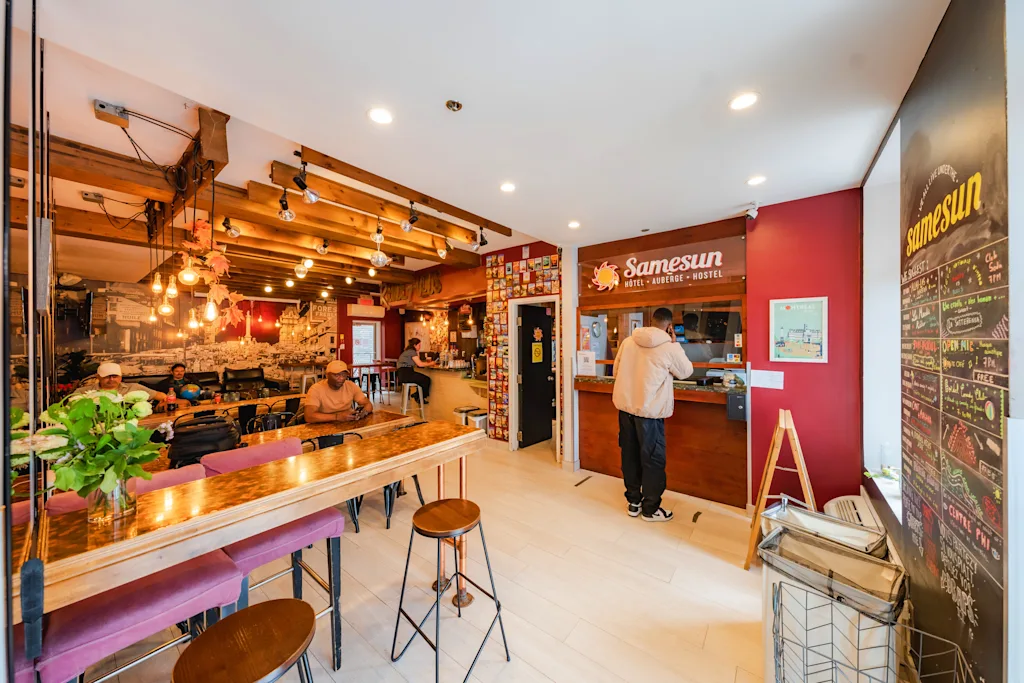
1. Samesun Montreal Central
A lively, social hostel in downtown Montréal with a strong reputation for events, pub crawls, and easy meetups. Clean, well-designed, and perfect for solo travelers who want instant community without trying too hard.
Dorms from around €21

2. M Montréal Hostel
A social hostel in a great central location with a lively common area, regular events, and a vibe that suits solo travelers who want to connect quickly. Well-reviewed for its staff and the ease with which guests end up spending evenings together.
Dorms from around €20
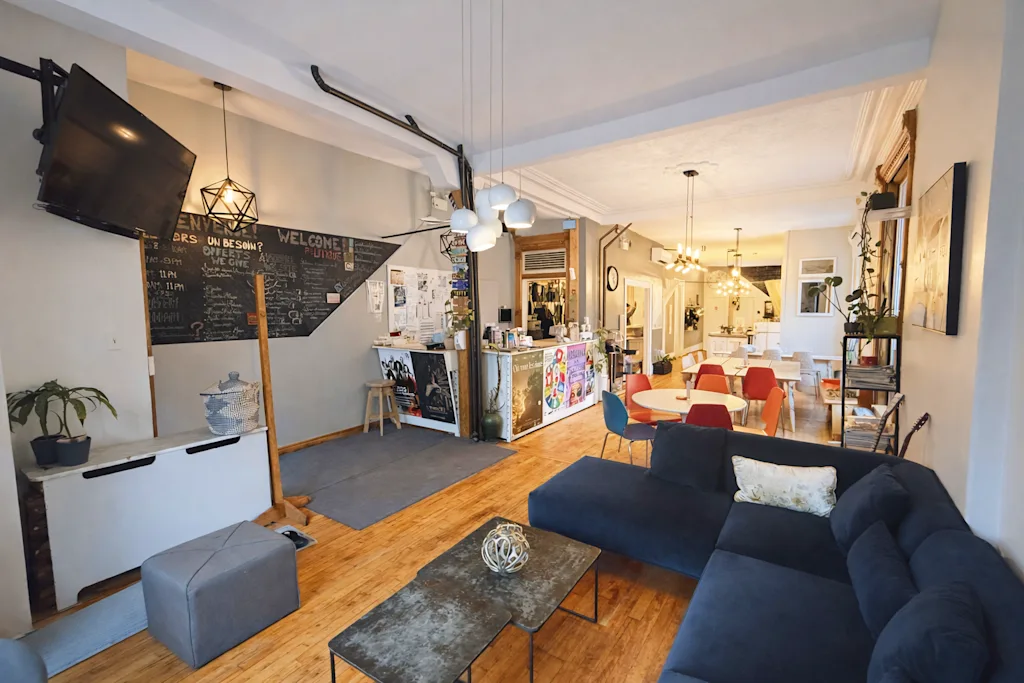
3. Auberge du Plateau
A smaller, more intimate option in the downtown core with a friendly atmosphere and a location that puts you walking distance from both Old Montréal and the nightlife of Crescent Street. A solid choice for travelers who prefer a quieter hostel experience without sacrificing central location.
Dorms from around €23
Montréal’s hostels are good value by North American standards, and the neighborhoods surrounding them are genuinely rewarding to explore on foot.
🚏 Best Hostels in Toronto 🛏️
Toronto’s hostel scene is smaller than its size might suggest, but the quality options are well placed and reliably good.
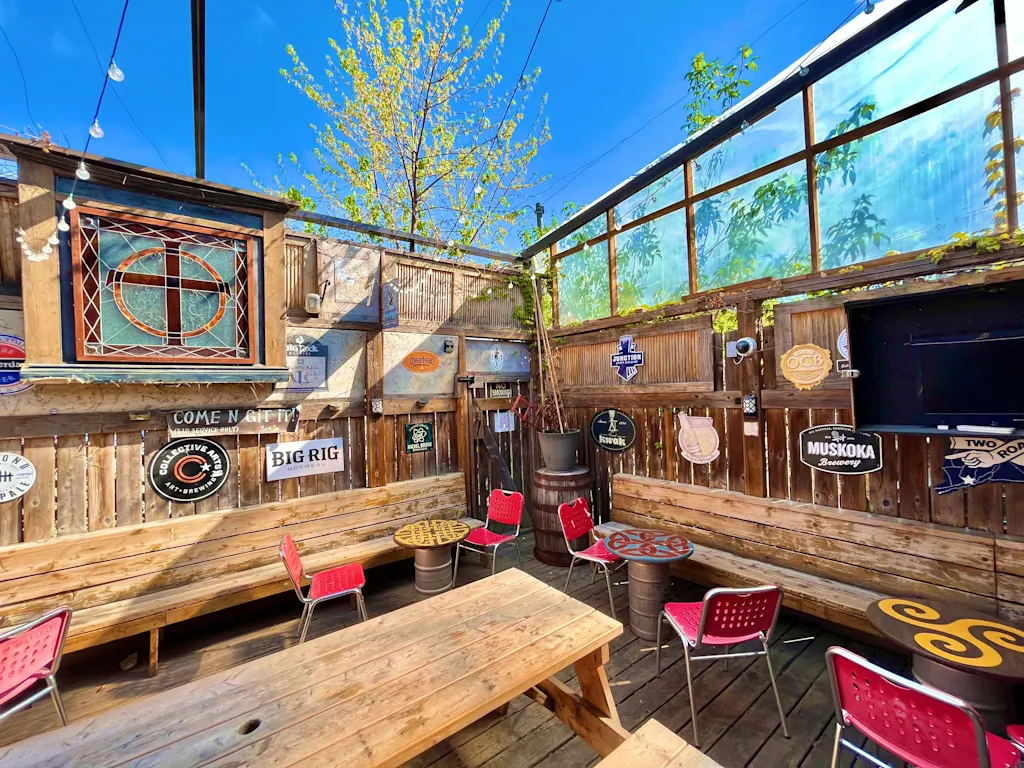
Book The Only Backpacker's Inn
1. The Only Backpacker’s Inn
A long-time favorite with serious personality, located in the Danforth area (Greektown). Known for its relaxed social vibe, onsite bar (The Only Café), and one of the best beer selections in the city. Ideal for travelers who want a more local, less touristy experience.
Dorms from around €27

2. Planet Traveler Hostel
One of Toronto’s most beloved independent hostels, with a rooftop patio, a warm social atmosphere, and a location in Kensington Market that puts you in one of the city’s most interesting and lively neighborhoods from the moment you walk out the door.
Dorms from around €26
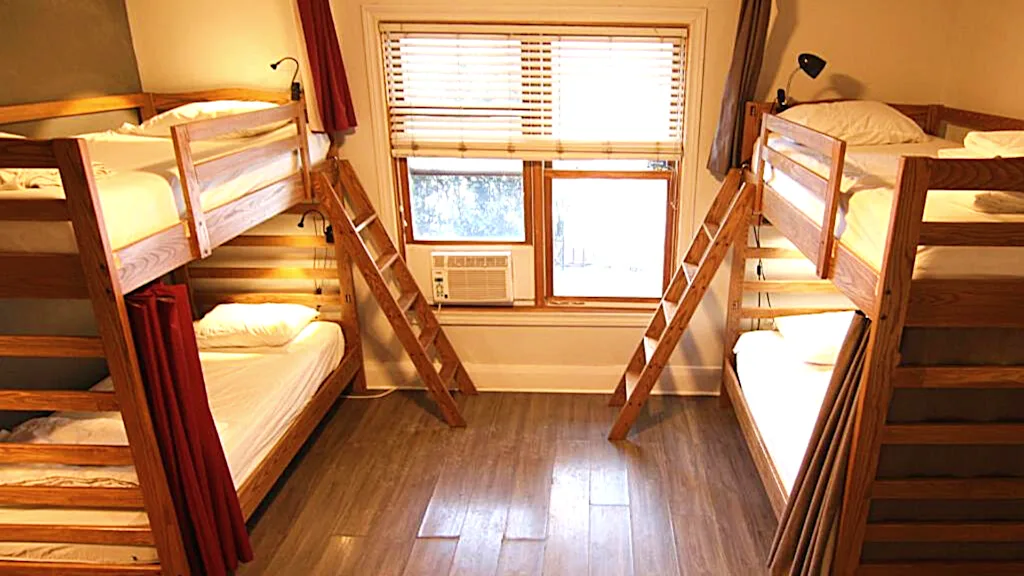
3. The Clarence Park
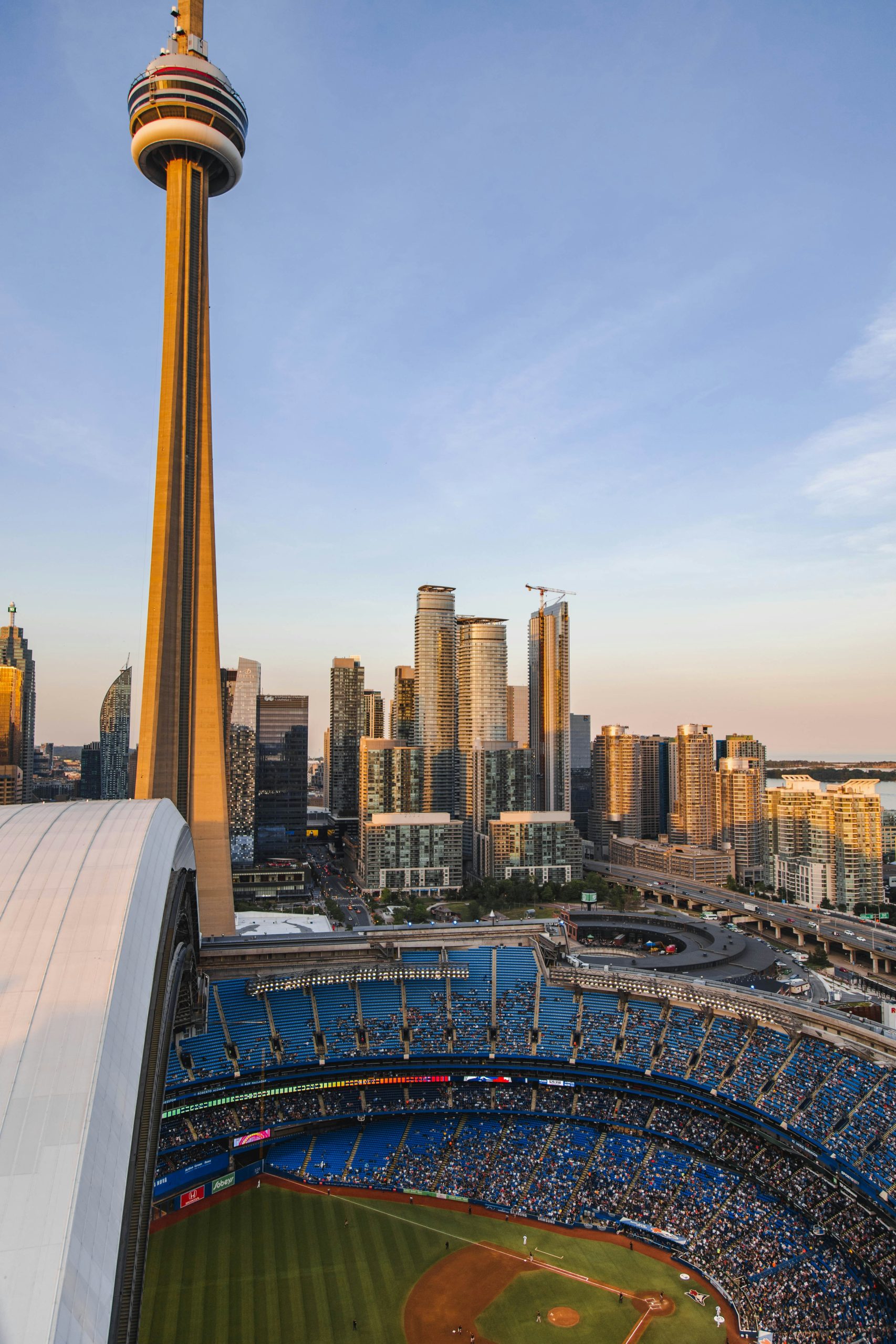
A modern boutique-style hostel right in downtown Toronto, walking distance to the CN Tower, waterfront, and nightlife. It blends hostel social energy with a more polished, design-forward feel. Great for travelers who want comfort without losing the social vibe.
Dorms from around €30
Toronto’s hostels reflect the city’s higher cost of living. They’re pricier than Montréal options but well located and reliably social.
🧭 Which City Is Better for Solo Travelers?
Both cities are welcoming to solo travelers, but the experience of arriving alone feels meaningfully different in each.
Montréal is one of the best cities in North America for solo travel, and the reasons are deeply embedded in how the city works. The festival culture creates natural gathering points where meeting people requires almost no effort. The bar and terrasse culture is open and social in a way that reflects the city’s French-influenced relationship with public life. Hostel events tend to revolve around the city’s food and nightlife scene, which means they feel organic rather than organized. The Plateau and Mile End neighborhoods in particular have a creative, transient community of artists, students, and travelers that makes arriving alone feel entirely normal and quickly comfortable.
Toronto is excellent for solo travelers who enjoy independent urban exploration. The city’s neighborhoods are each distinct enough that spending a day in Kensington Market, an afternoon in Chinatown, and an evening in the Distillery District feels like traveling through multiple worlds without leaving the city. The hostel scene is active and social, free walking tours run regularly, and the sheer variety of food options means that eating alone is never anything other than a pleasure. The city’s size and diversity mean there is always something to do, always somewhere new to explore.
Both cities are safe, welcoming, and easy to navigate alone. Montréal is more immediately social and better suited to travelers who want connection to happen naturally and quickly. Toronto is better for independent, curious travelers who could happily spend days exploring neighborhoods without needing a packed social calendar.
🍹 Budget Breakdown – Where Your Money Goes
| Category | Montréal | Toronto |
|---|---|---|
| Meals & Eating Out | Excellent value by North American standards, with casual restaurant meals from CAD 15–20 and street food significantly cheaper. Smoked meat and bagels represent some of the best food value on the continent. | More expensive overall, particularly at mid-range restaurants. The diversity of options means budget eating is possible but requires knowing where to go. Kensington Market and ethnic neighborhoods offer the best value. |
| Hostels & Accommodation | More affordable than Toronto, with a solid range of quality hostel options at prices that feel reasonable for a major North American city. | Noticeably more expensive, reflecting Toronto’s higher cost of living. Still good value compared to cities like Vancouver or New York. |
| Public Transport | Affordable and well-connected, with the metro covering key neighborhoods efficiently. The OPUS card offers good value for multi-day visitors. | Reasonable value with the Presto card covering TTC services. Day passes are available and worth using if you’re moving around a lot. |
| Nightlife & Going Out | Very good value, with bar prices noticeably lower than Toronto and a culture that stretches a night out over more hours without necessarily spending more. | Mid to high range depending on the neighborhood. King West cocktail bars are expensive. Kensington and Ossington offer better value. |
| Attractions | Many major attractions are reasonably priced, with the Musée des Beaux-Arts offering free permanent collection access on certain days. Old Montréal is free to explore. | AGO and ROM entry are significant costs at around CAD 25–30 each. The Distillery District and waterfront are free to explore. |
| Coffee & Casual Bites | Strong café culture with good value, particularly in the Plateau and Mile End. Bagels from the wood-fired shops cost almost nothing. | Good café scene with Toronto prices. Kensington Market and neighborhood cafés offer better value than downtown spots. |
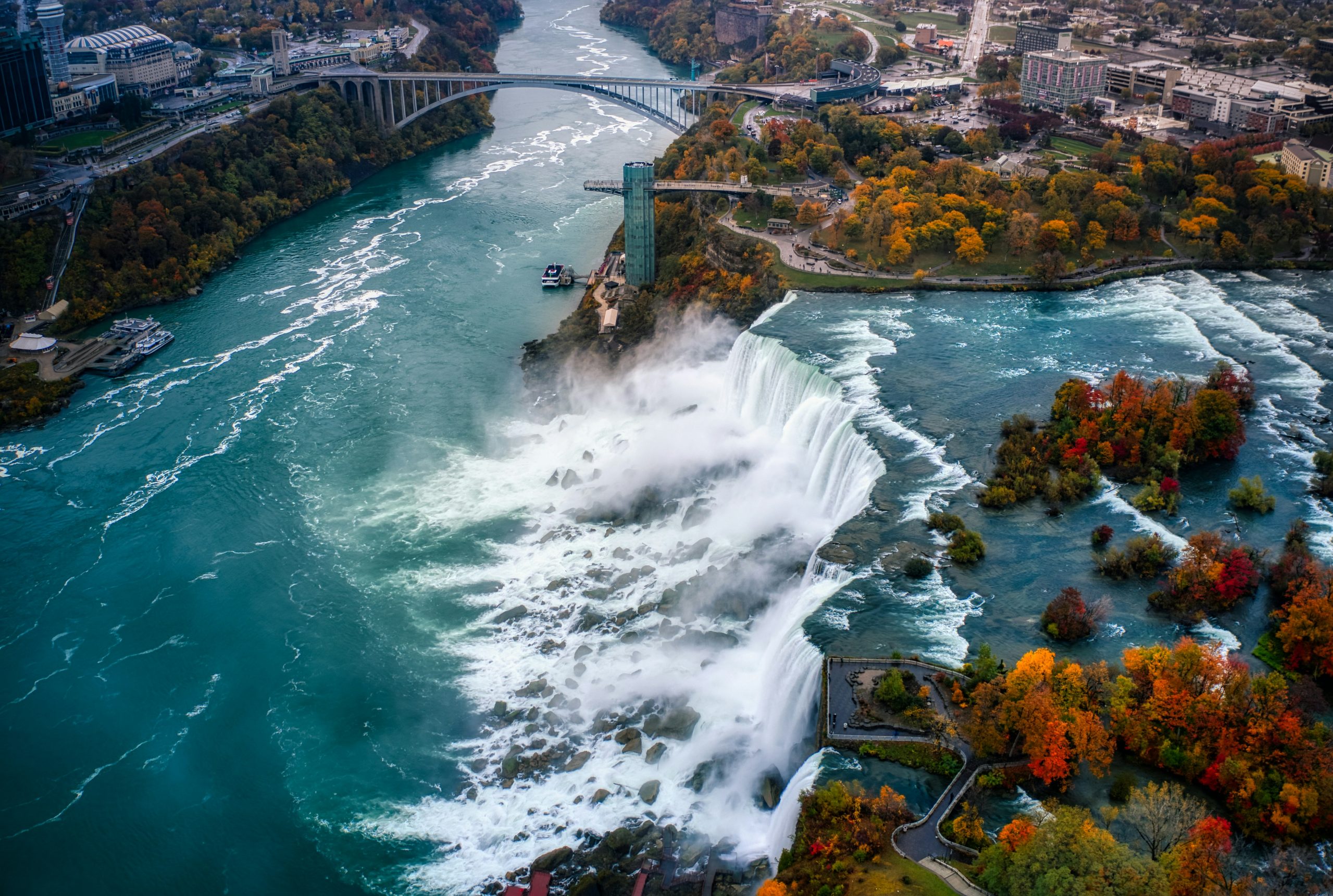
| Day Trips | Good connections by train and bus to Québec City, Ottawa, and the Laurentian Mountains, with competitive Via Rail fares. | Well connected by GO Transit to Niagara Falls, and by train to Ottawa and Montréal. Niagara is the classic day trip and always worth it. |
Bottom line: Montréal is significantly more affordable than Toronto across most categories. Toronto’s higher costs reflect its status as Canada’s financial capital, but budget travelers can manage well by focusing on the city’s extraordinary ethnic neighborhood food scene and free outdoor attractions.
🏞️ Day Trips & Adventures
Both cities are well positioned for day trips that reflect their surrounding landscapes and regions.
From Montréal, day trips lean historic, natural, and deeply Québécois.
You’ll love these if you:
- Want to spend a day in Québec City, one of the most beautiful and best-preserved walled cities in North America, about three hours by train and genuinely worth every minute of the journey
- Are drawn to the Laurentian Mountains north of the city for skiing in winter or hiking and lake swimming in summer, accessible in under 90 minutes
- Want to explore the Eastern Townships, a region of rolling hills, vineyards, and charming villages that feels remarkably like the French countryside transplanted to Quebec
From Toronto, day trips lean natural, dramatic, and iconic.
You’ll love these if you:
- Want to visit Niagara Falls, about 90 minutes by bus or GO Transit, still one of the most genuinely impressive natural spectacles in North America regardless of how many postcards you’ve seen
- Are drawn to the Bruce Peninsula, with its turquoise Georgian Bay waters, hiking on the Bruce Trail, and the extraordinary Flowerpot Island accessible by ferry
- Want a slower day in Prince Edward County, a wine and food region on Lake Ontario about two hours east, with excellent wineries, beautiful beaches, and a creative small-town scene that has been growing for years
Montréal’s day trips lean toward French Canadian culture and mountain landscapes. Toronto’s lean toward natural drama and wine country. Both sets are genuinely rewarding.
🧳 Choosing Based on Travel Style
Montréal is for travelers who want a city with a strong, distinctive personality that feels unlike anywhere else in North America.
You’ll love it if you:
- Want a city with genuine European influence in its café culture, nightlife, and relationship with food and art
- Are visiting during one of the major festivals and want the experience of a city fully given over to celebration
- Love late nights, terrasse culture, and a city that takes its evenings seriously without rushing them
- Want better value than Toronto without sacrificing any of the cultural richness
Toronto is for travelers who want one of the world’s great multicultural cities, with a food scene and neighborhood diversity that is genuinely without equal in Canada.
You’ll love it if you:
- Want to eat your way through neighborhoods that represent dozens of cultures at a level of authenticity that is rare anywhere
- Are a film or arts enthusiast who wants world-class institutions and a thriving creative scene
- Like large, ambitious cities that are constantly building, changing, and expanding what they think they can be
- Want easy access to natural day trip options like Niagara Falls and the Bruce Peninsula
✅ Conclusion: Montréal or Toronto?
Both cities are extraordinary and both deserve more than a single visit. Montréal wins on nightlife culture, festival energy, food identity, affordability, and the rare pleasure of a North American city that feels genuinely European in its bones. Toronto wins on multicultural diversity, institutional cultural ambition, food variety, and the sheer scale of what it offers across neighborhoods, waterfront, and arts.
If you want late nights, incredible food with a local identity, festivals that fill the streets, and a city with a creative soul that feels impossible to fully know, choose Montréal. If you want one of the world’s most diverse cities, extraordinary international food, world-class museums, and a waterfront that keeps improving, choose Toronto.
If you can manage both on the same trip, the train between them takes about five hours and the contrast makes each city sharper and more interesting by comparison.
Download the Hostelworld app to start booking now


❓ FAQs: Montréal vs Toronto
Which city is cheaper, Montréal or Toronto?
Montréal is significantly more affordable across accommodation, food, and nightlife. Toronto is one of Canada's most expensive cities, though its ethnic neighborhood food scene offers genuine budget options.
Is Montréal or Toronto better for nightlife?
Montréal wins clearly. The 3am closing time, the terrasse culture, the festival calendar, and the late-night energy of the Plateau and Mile End give it a nightlife scene that Toronto simply cannot match on the same terms.
Which city is better for food?
Montréal wins on distinctive local food identity. Toronto wins on global variety and the depth of its international cuisine. Both are among the best food cities in North America.
Which city is better for festivals?
Montréal is one of the world's great festival cities for its size. Jazz, comedy, electronic music, film, and winter festivals create a calendar that is genuinely unmatched in North America.
Which city is better for solo travelers?
Montréal is more immediately social and better suited to solo travelers who want connection to happen naturally. Toronto is excellent for independent explorers who enjoy discovering neighborhoods at their own pace.
How many days do you need in Montréal?
Three to four days covers the main neighborhoods and experiences well. Five days allows for a day trip to Québec City and more time in the Plateau and Mile End.
How many days do you need in Toronto?
Three days covers the highlights. Four to five days allows for proper neighborhood exploration and a day trip to Niagara Falls or Prince Edward County.
Is it worth visiting both Montréal and Toronto on the same trip?
Absolutely. The train takes around five hours, the cities are fascinatingly different, and combining them gives you the fullest possible picture of what urban Canada looks and feels like.
So… Montréal or Toronto?
For nightlife, festivals, food identity, affordability, and a city with a soul that feels genuinely its own, choose Montréal. For multicultural diversity, world-class institutions, extraordinary international food, and one of the great ambitious modern cities, Toronto is the one.


 Get the App.