
The Most Beautiful Beaches in Venezuela to Visit Now
Venezuela doesn’t make it onto most beach travel lists, and that’s exactly why it should be on yours. While the country’s political and economic situation has made headlines for years, travelers who have made it there recently come back with the same report: the coastline is extraordinary, the people are warm, and the landscapes are unlike anything else in South America. The most beautiful beaches in Venezuela include some of the most dramatic Caribbean scenery on the planet, from the candy-colored coral reefs of Los Roques to the wild Atlantic-facing coves of the Peninsula de Paria.
This is not a destination for travelers who want everything smoothly packaged. It rewards curiosity, patience, and a willingness to adapt. But for adventurous backpackers who are ready for that, Venezuela offers something rare: beaches that genuinely feel undiscovered.
A note before you go: always check current travel advisories from your home country before booking. Entry requirements, currency logistics, and safety conditions change frequently. When you’re there, use US dollars for most transactions, stay in well-reviewed posadas, and lean on local knowledge for everything.
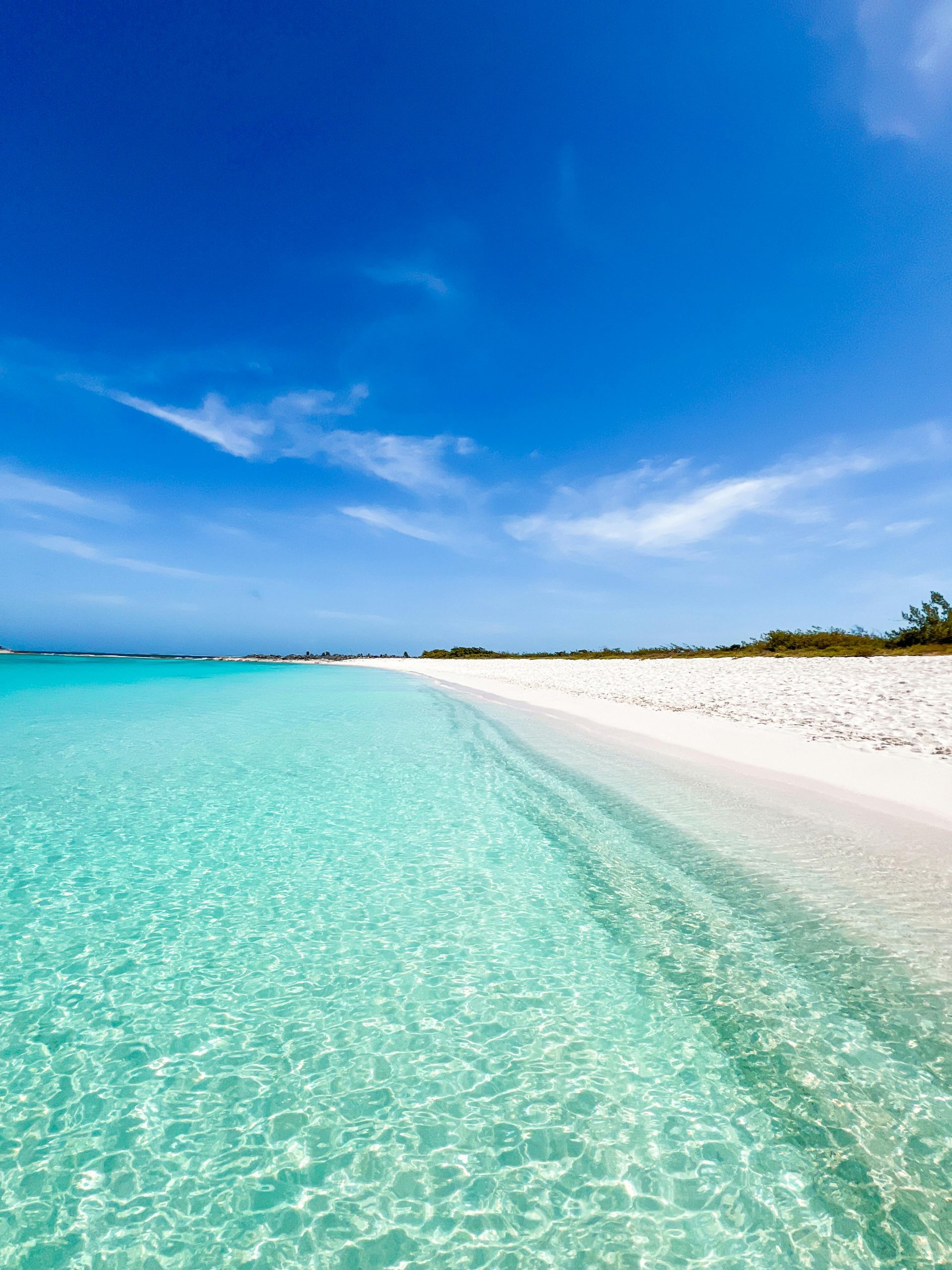
🌊 Los Roques at a Glance
Los Roques is the one that stops people mid-sentence when they describe it. A protected archipelago of around 350 islands and coral cays sitting about 166 kilometers north of Caracas, it has water so clear and so intensely turquoise that photos of it routinely get mistaken for digital manipulation. It isn’t. The reefs are alive, the sand is powdery white, and the main village, Gran Roque, has no cars, no high-rises, and no chain restaurants.
- Atmosphere: Remote, pristine, genuinely wild
- Best for: Snorkelers, divers, kite surfers, travelers who want the real Caribbean
- Vibe: Early morning snorkel, long afternoon on a deserted cay, fresh fish at a posada at sunset
- Getting there: Small domestic flights from Caracas, around 40 minutes. Day trips are possible but staying overnight is the only way to actually feel it.
Worth knowing: Los Roques is a national park. Entry fees apply, and posadas must be licensed to operate. Book accommodation before you arrive because options are limited and demand from Venezuelan travelers is high in summer.
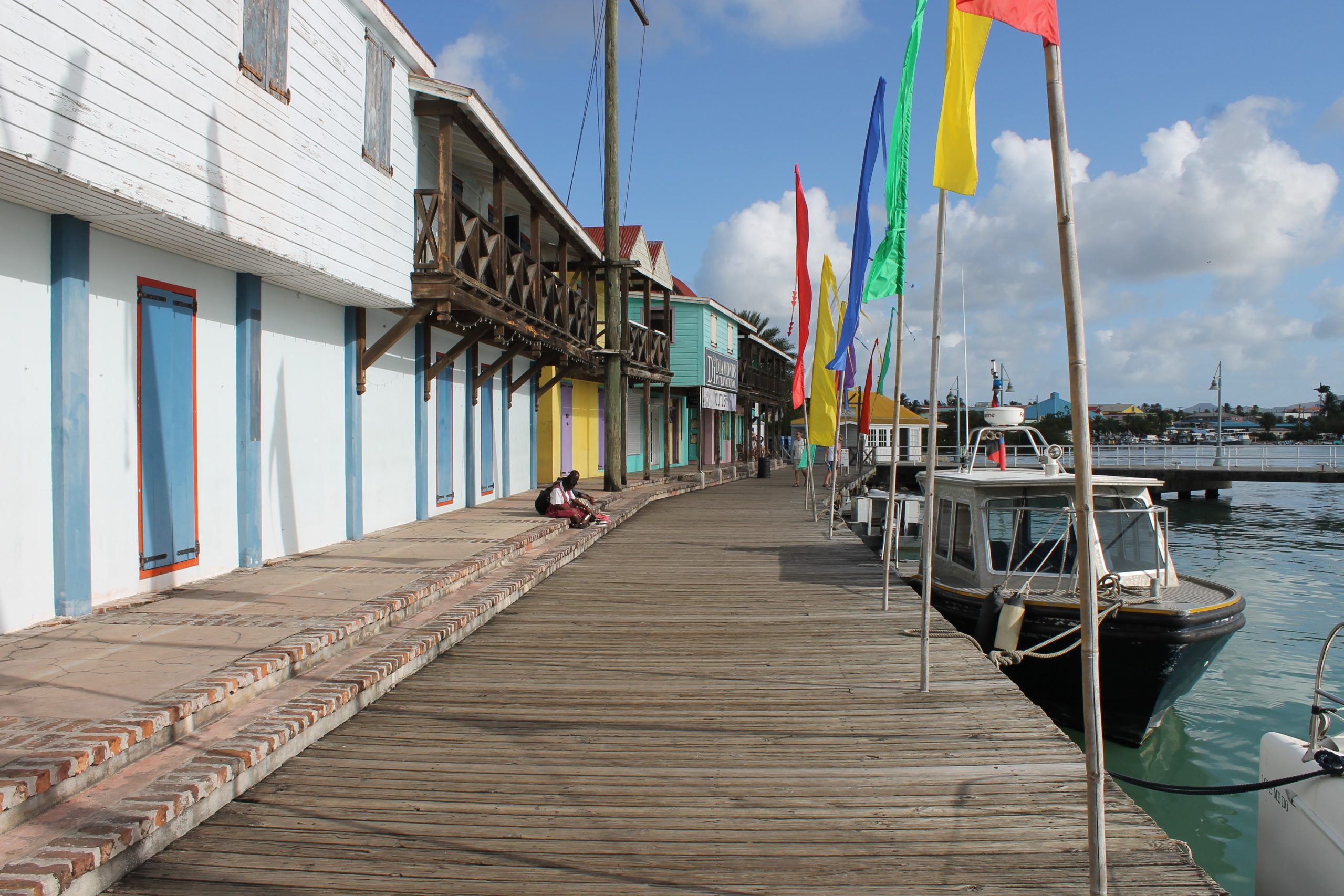
🏝️ Isla Margarita at a Glance
Isla Margarita is Venezuela’s most famous beach destination and the most accessible of the lot. It sits off the northeastern coast of the country and has its own international airport, a long-established tourist infrastructure, and enough beach variety to keep you occupied for a week without seeing the same stretch twice.
What it offers:
- Playa El Agua: The island’s most famous beach, a long Atlantic-facing strip with good surf, beach bars, and palm trees. Busy in high season but genuinely beautiful.
- Playa El Yaque: The kite surfing capital of Venezuela, consistently ranked among the top kite spots in the Caribbean. Flat, shallow water and reliable trade winds make it ideal.
- Playa Parguito: Quieter, slightly wilder, beloved by surfers and anyone who wants to escape the crowds just a few kilometers north of El Agua.
- Juan Griego Bay: A sheltered bay on the northwest of the island with a ruined Spanish fort on the headland and sunsets so reliably good that locals gather every evening to watch.
Margarita is not off the beaten path, but it earns its reputation. The sheer variety of beach experiences on one island is hard to match anywhere in the Caribbean.
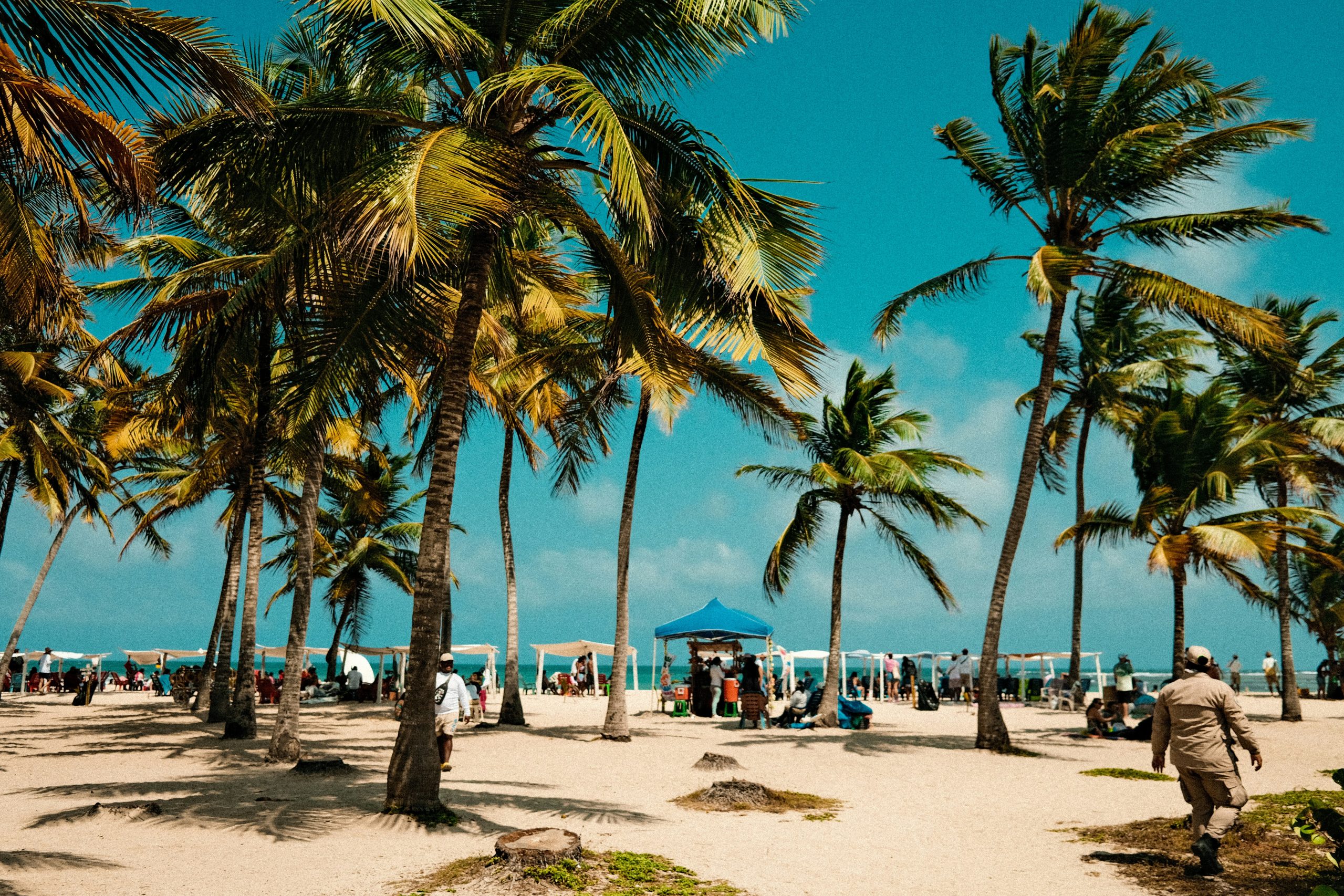
🗺️ Los Roques vs Isla Margarita
| Los Roques | Isla Margarita | |
|---|---|---|
| Accessibility | Domestic flight only, more effort | International airport, easier to reach |
| Water | Impossibly clear, shallow reefs | Atlantic surf on one side, calmer bays on the other |
| Vibe | Remote, peaceful, no infrastructure | Developed, varied, lively in season |
| Budget | Higher, posadas are the only option | More flexible, wider range of prices |
| Best activity | Snorkeling, diving, island hopping | Kite surfing, beach hopping, nightlife |
| Crowds | Low by Caribbean standards | Higher, especially in Venezuelan holiday season |
The honest answer: Los Roques is the more extraordinary experience, but Isla Margarita is the more practical base for first-time visitors. If you can only do one and you’re new to Venezuela, start with Margarita and save Los Roques for when you’re ready to plan more carefully.
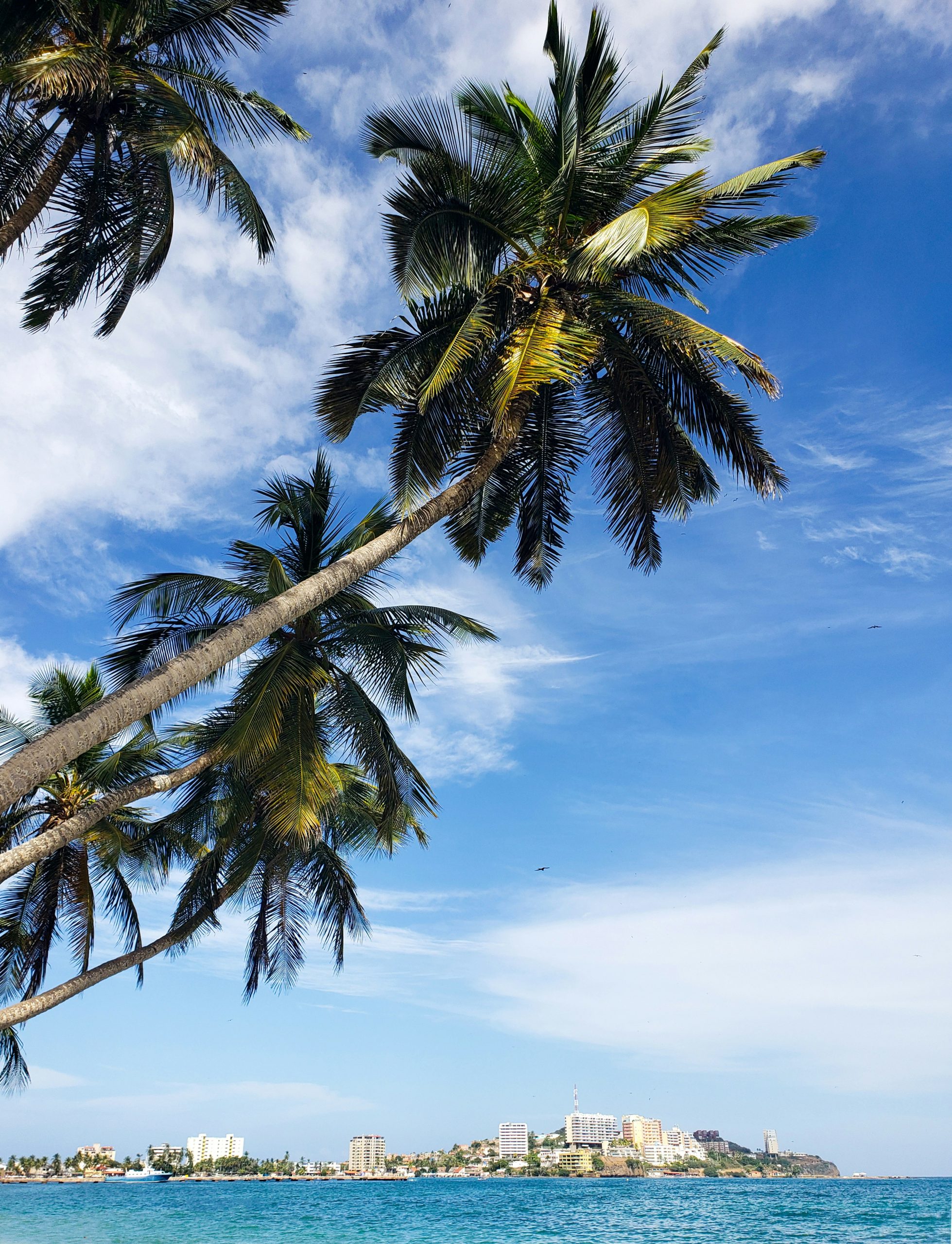
🏖️ More Beaches Worth Knowing
Venezuela’s coastline goes far beyond its two most famous destinations.
Choroní and Puerto Colombia sit on the Caribbean coast about two and a half hours from Caracas, at the foot of the Henri Pittier National Park, which is the oldest national park in Venezuela and one of the most biodiverse on the planet. The beach at Puerto Colombia is a small, sheltered bay backed by jungle-covered mountains. It gets busy on weekends with day trippers from Caracas, but weekdays are wonderfully quiet. The drive through the national park itself is spectacular, and birdwatching along the way is world-class.
Medina Beach, near the town of Río Caribe in the state of Sucre, is a long palm-lined beach on Venezuela’s northeastern coast that looks like it was designed specifically to appear in travel magazines. Coconut palms lean over dark sand, the water is warm and calm, and the surrounding area is cacao country, producing some of Venezuela’s finest chocolate.
Mochima National Park, a protected area of islands, bays, and beaches near the city of Cumaná, is popular with Venezuelan travelers but largely unknown internationally. The park has dozens of small beaches accessible only by boat, each one different from the last.
Quick tip: Venezuelan beaches are public. No resort or hotel can legally restrict access to the shoreline. On busy islands like Margarita, the best beaches are sometimes tucked behind large hotels but are always legally accessible if you find the path.
🍽️ Food on the Venezuelan Coast
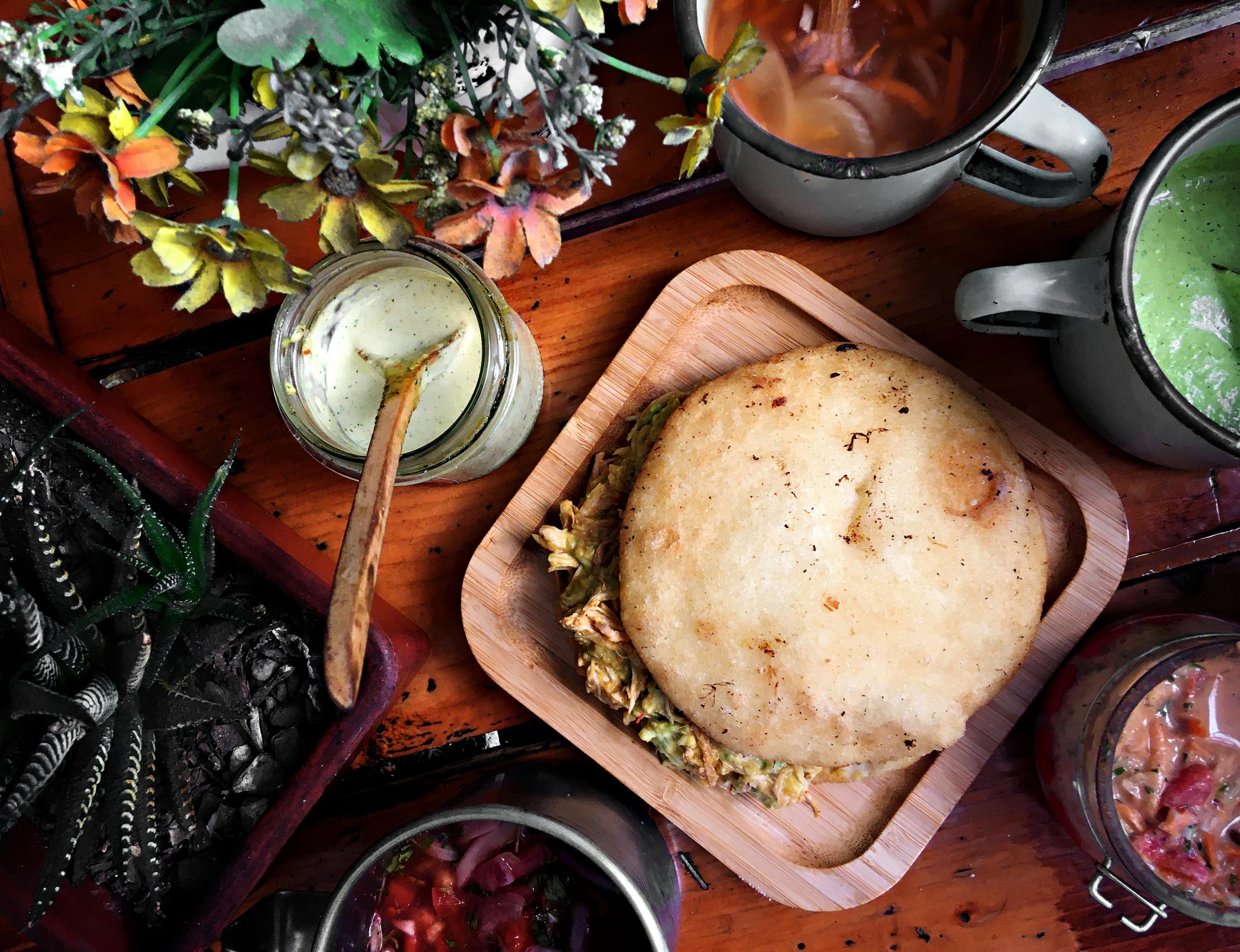
Venezuelan coastal food is one of the great underappreciated cuisines of South America. The ingredients are exceptional: fresh Caribbean fish and lobster, tropical fruit that grows wild, and a culinary tradition that mixes indigenous, African, and Spanish influences in ways that feel entirely their own.
The things to eat on the Venezuelan coast:
- Pabellón criollo: The national dish. Black beans, shredded beef, white rice, and fried plantains on a single plate. Humble and exactly right after a long day.
- Cachapas: Sweet corn pancakes, usually served with queso de mano, a soft fresh cheese. Eaten for breakfast or as a snack at any hour.
- Ceviche venezolano: Fresher and lighter than the Peruvian version. Made with local fish, lime, coriander, and ajíes (Venezuelan chillies).
- Langosta a la plancha: Grilled lobster, served simply with lime and garlic butter at any good posada in Los Roques or Isla Margarita.
- Chicha: A thick, sweet drink made from rice or corn, sold from street carts, cold and filling.
Budget on local food: around $5-10 per meal at a good local restaurant. Los Roques tends to cost more because everything is flown or boated in.
🌙 Nightlife: Two Islands, Two Energies
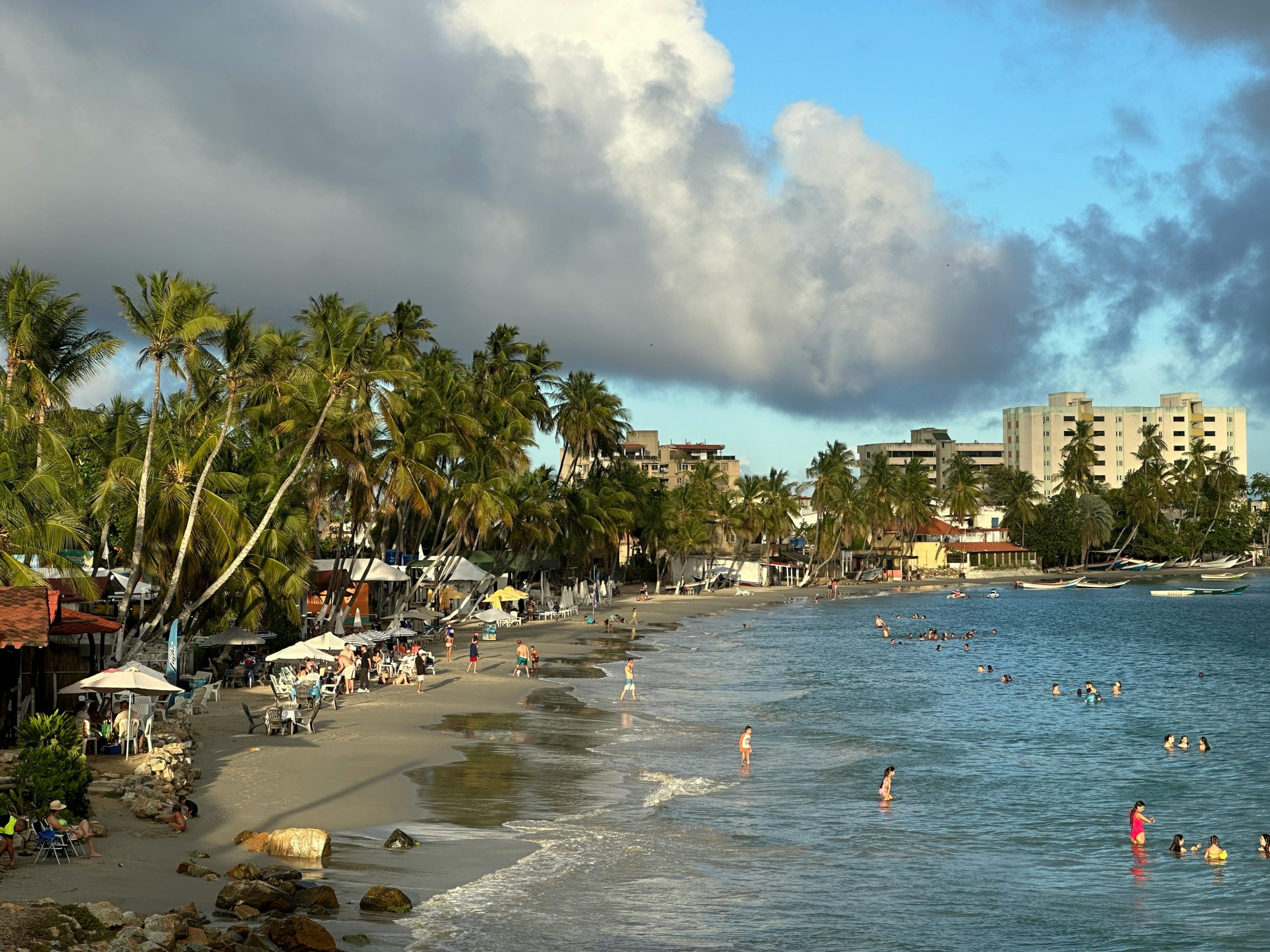
Isla Margarita has the most active nightlife in Venezuela’s beach destinations. Porlamar, the island’s commercial center, has clubs, bars, and a party scene that runs late into the night in high season. The scene is overwhelmingly local, which means it’s more interesting and more affordable than anything catering exclusively to foreign tourists. Pampatar, the quieter colonial town on the eastern coast, has a more low-key bar scene along the waterfront that’s better suited to an evening drink than a night out.
Los Roques operates on a completely different frequency. Gran Roque village has a few bars that open in the evening, but the night here is about sitting outside under the stars, eating well, and listening to the water. That’s not a consolation prize. After a day of snorkeling coral reefs and drifting between uninhabited cays, that is precisely what you want.
Puerto Colombia, near Choroní, has a small but lively weekend scene with local music that spills out of the restaurants and onto the beach road. Salsa, joropo, and gaita depending on the season. Go on a Friday or Saturday night and you’ll end up dancing whether you planned to or not.
🚌 Getting Around: Practical Essentials
Venezuela’s travel logistics require more planning than most South American destinations, but they’re manageable once you understand them.
- Flights into Venezuela: The main international airport is Simón Bolívar International Airport in Maiquetía, near Caracas. Several airlines fly direct from Madrid, Bogotá, Panama City, and Miami. Always check current flight options as availability changes.
- Getting to Los Roques: Small charter flights from Caracas take around 40 minutes. Several operators run this route daily. Book well in advance in high season (July, August, December, January).
- Getting to Isla Margarita: Direct flights from Caracas take around an hour. Ferries from the mainland (Cumaná or Puerto La Cruz) are slower but cheap and a great way to travel if you have time.
- On Margarita: Taxis and por puestos (shared route taxis) are the main ways to get around the island. Agree on a price before getting in.
- Currency: Carry US dollars. The dollar is widely used and often preferred over the Venezuelan bolívar. ATMs are unreliable for foreign cards. Bring enough cash for your entire trip, especially if heading to Los Roques.
- Best time to visit: December to April is dry season on most of the coast. August and September see the most Venezuelan domestic tourism. The Caribbean coast is warm year-round.
🏨 Where to Stay: Best Stays in Venezuela
Venezuela’s hostel scene is limited compared to other South American countries, but Hostelworld offers the following options across the country. Given that beach destinations like Los Roques and Choroní rely mainly on posadas (family-run guesthouses booked locally), these two properties cover the best bases for budget travelers moving through Venezuela.
1. El Sofá Caracas (Caracas)
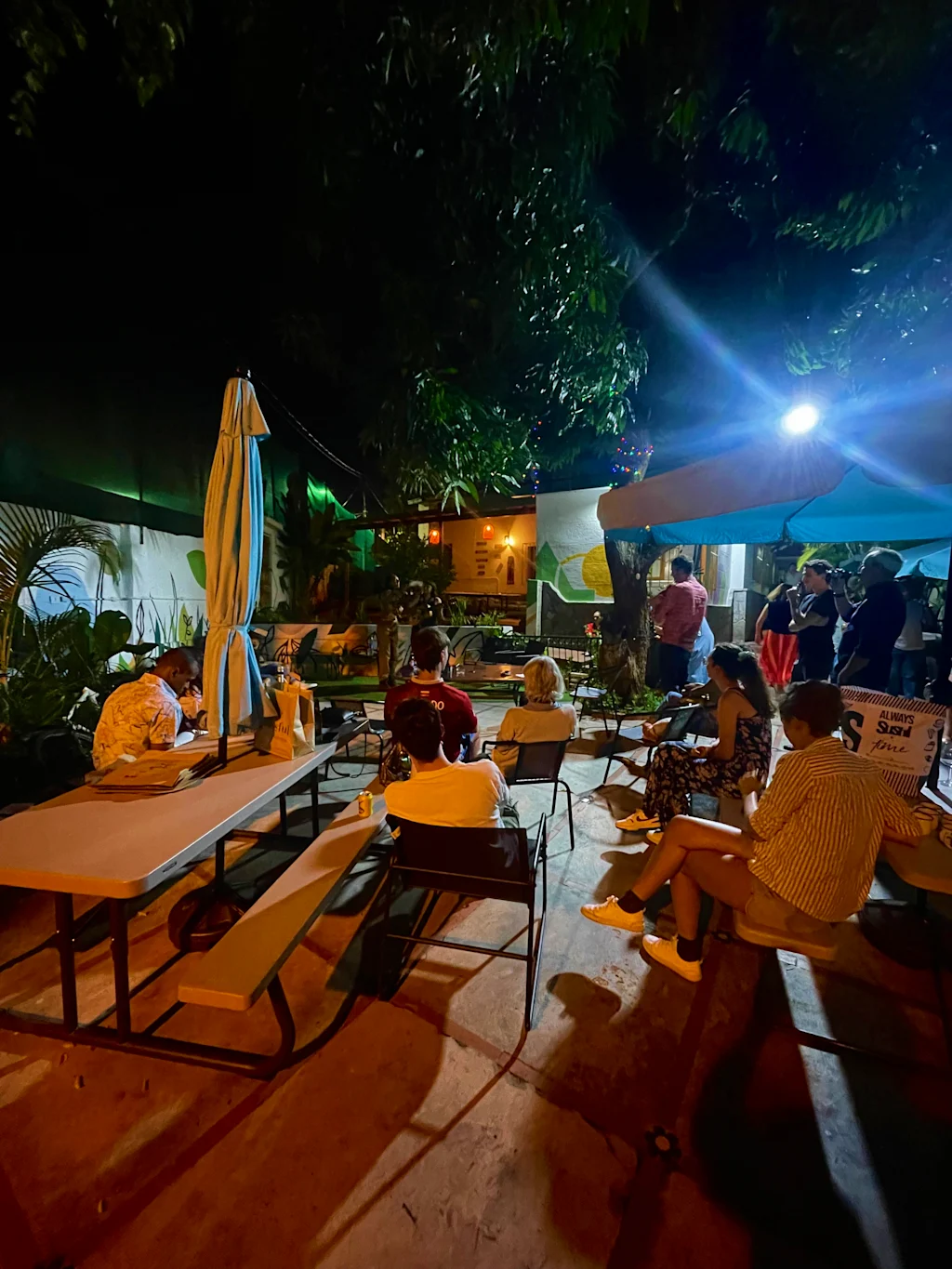
The standout budget property in Venezuela on Hostelworld, rated a perfect 10 from its guests. El Sofá is a thoughtfully run hostel in the safe, residential Chacao neighbourhood of Caracas, with bunk beds with blackout curtains, private rooms, a fully equipped kitchen, a ping pong table, and two friendly dogs and cats. Staff speak English and know Venezuela well, offering connections and advice for onward travel to Isla Margarita, Los Roques, and beyond. Reviews describe it as a genuinely warm and clean place that feels like a home base. This is the place to start any Venezuela trip.
Dorms from around $20, privates from $8
2. Hotel El Arroyo (Caracas)
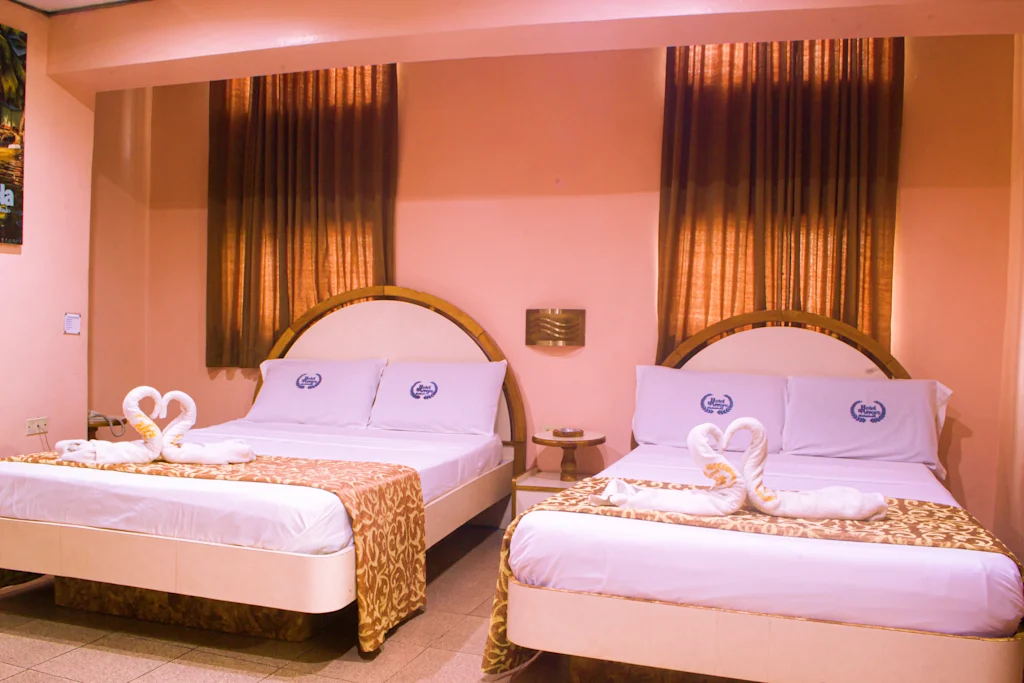
Established in 1982 and sitting just 0.1km from Caracas city centre, Hotel El Arroyo is one of the most characterful budget stays in the Venezuelan capital. The property is built around a colonial-style 18th-century house, and beyond the rooms it offers its own restaurant, bakery, and nightclub, all within the same walls. Easy access to key landmarks including the Fine Arts Museum, Simón Bolívar’s birthplace, and the Children’s Museum makes it a solid choice for travelers who want to spend a day or two genuinely exploring Caracas before heading to the coast. 24-hour reception, free WiFi, and a central location that’s hard to beat for the price.
From around $7
🎒 What Kind of Traveler is Venezuela For?
Venezuela is a destination for a specific kind of traveler. It suits people who are comfortable with unpredictability, who do their research, who travel with good travel insurance, and who find the off-the-beaten-track experience more rewarding than the perfectly packaged one. It absolutely does not suit travelers who expect things to work the way they do in Western Europe, or who aren’t prepared to deal with cash logistics, limited English in most places, and occasional infrastructure frustrations.
For the right traveler, Venezuela offers something increasingly rare. Beaches that the crowds haven’t reached. Reefs that are still genuinely healthy. A culture that is warm, proud, and deeply hospitable even in difficult times. And landscapes, from the Caribbean coast to the Andes to the Gran Sabana, that remain among the most dramatic in the hemisphere.
✅ Final Verdict: Should You Go to Venezuela?
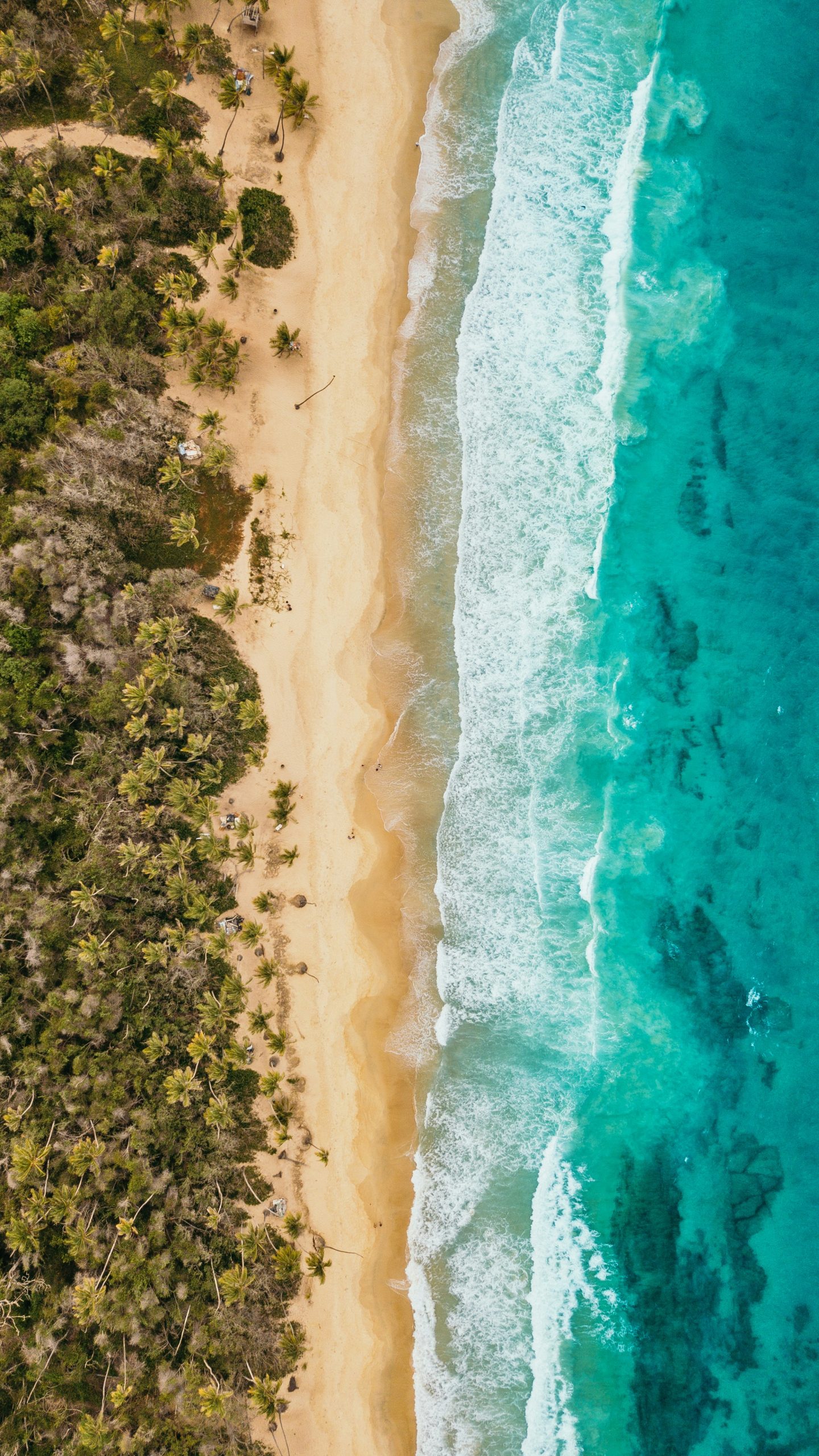
The beaches in Venezuela are some of the most beautiful in all of South America. Los Roques is a genuine rival to the Maldives or the Tuamotus for sheer Caribbean perfection. Isla Margarita has a variety and liveliness that rewards extended stays. Choroní is the kind of place that people stumble on and never fully stop thinking about. Morrocoy is a national park with island-hopping to rival anything in the region.
The context matters. Venezuela requires preparation, flexibility, and an honest assessment of your own comfort with risk. But travelers who go in with their eyes open consistently come back with extraordinary stories and a perspective on South America that the better-worn routes simply cannot provide.
Check current travel advisories. Get travel insurance that covers medical evacuation. Carry your dollars in cash. And then go, because the beaches are waiting.
Download the Hostelworld app to start booking now


❓ FAQs: Beaches in Venezuela
What is the most beautiful beach in Venezuela?
Los Roques Archipelago is widely considered the most beautiful, with its turquoise shallow reefs and uninhabited coral cays. For accessibility, Playa El Agua on Isla Margarita and Playa Medina near Río Caribe are among the most photographed and praised.
Do I need a visa to visit Venezuela?
Visa requirements vary by nationality. Citizens of many countries can enter Venezuela visa-free for short stays, but requirements change. Check with the Venezuelan consulate or your government's travel portal before booking.
What currency should I use in Venezuela?
US dollars are the most practical currency for travelers. The Venezuelan bolívar is the official currency but the dollar is widely accepted, especially in tourist areas and for posada payments. Bring cash as ATMs are unreliable for foreign cards.
How do I get to Los Roques from Caracas?
Small charter flights depart from Simón Bolívar Airport and the smaller La Carlota airport in eastern Caracas. The flight takes about 40 minutes. Several operators run daily services. Book ahead, especially in July, August, and December.
What is the best time to visit Venezuela's beaches?
December to April is the dry season on most of the Caribbean coast, with calmer seas and less rain. July and August are busy with Venezuelan domestic tourists, particularly on Isla Margarita. Los Roques is beautiful year-round but most accessible in dry season.
Is Isla Margarita worth visiting?
Yes. It's Venezuela's most developed beach destination and the easiest to visit independently. The variety of beaches, from the surf at Playa El Agua to the kite-surfing at El Yaque to the calm bay at Juan Griego, makes it genuinely worth several days.
Are Venezuela's beaches crowded?
Outside of Venezuelan public holidays and high season (July, August, December, January), most beaches are uncrowded by Caribbean or Mediterranean standards. Los Roques, being a protected national park with limited accommodation, is rarely overcrowded.


 Get the App.