Fresh Creek and Andros Town
Diving, batikCentral Andros, near the reef and the Androsia factory.

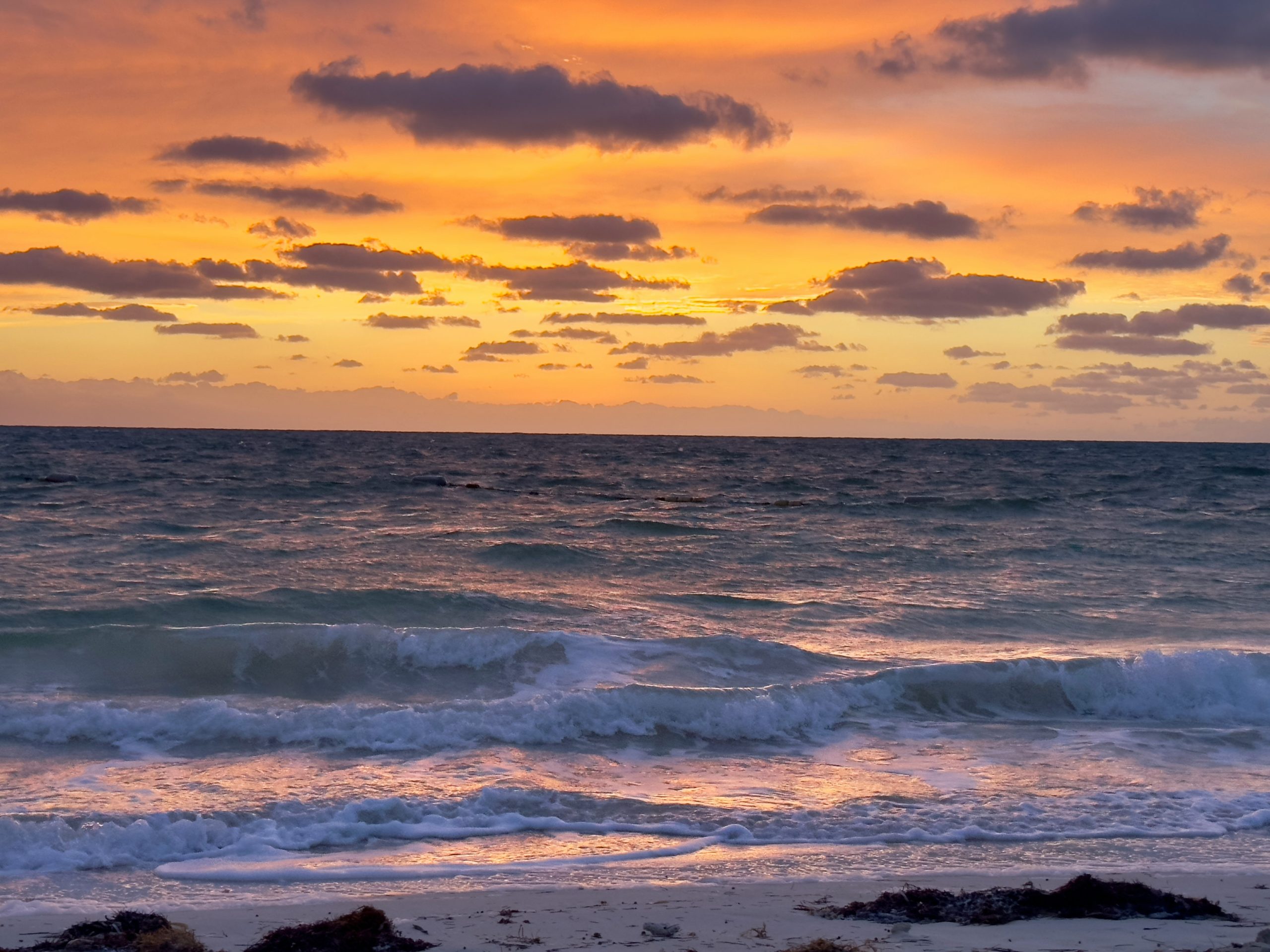
The biggest and least visited island in the Bahamas: blue holes in the forest and the sea, a huge barrier reef, bonefishing flats, hand-printed Androsia batik and almost no crowds.
Andros is the largest island in the Bahamas, at nearly 6,000 square kilometres, and one of the least developed. It is really a group of islands split by tidal channels called bights, covered in pine forest, mangroves and creeks, with only a few thousand people living in small settlements along the east coast.
It has the highest concentration of blue holes in the world: deep, round sinkholes in the limestone, some inland in the forest and some offshore in the sea. Just off the east coast runs the Andros Barrier Reef, one of the largest barrier reefs in the world, which drops into the deep water of the Tongue of the Ocean. Diving and snorkelling are excellent, and the flats on the west side make Andros one of the best places in the world for bonefishing.
Local legend says the forest is home to the chickcharney, a mischievous creature with three toes. Andros is for slow travel, nature and the water. Give it four or five days, and plan transport carefully, as settlements are far apart.
Fresh Creek and Andros Town in central Andros for diving and the batik factory, Nicholls Town in the north, or the quiet south.
Central Andros, near the reef and the Androsia factory.
Northern beaches and Uncle Charlie's Blue Hole.
Beaches and bonefishing flats in the far south.
Map data from OpenStreetMap contributors.
Swim in an inland blue hole, such as Captain Bill's Blue Hole near Small Hope Bay, with a platform for jumping in, or Uncle Charlie's Blue Hole in the north. Experienced divers can explore ocean blue holes and the wall of the Andros Barrier Reef, where it drops into the Tongue of the Ocean.
Snorkel on the shallow reef from the east coast, and go bonefishing on the flats with a local guide; Andros is known as the bonefishing capital of the world.
Visit the Androsia batik factory in Fresh Creek, where the bright fabric is still printed by hand, and walk the beaches and creeks around the settlements. Kayak through the mangroves to see birds, turtles and young fish.
All beaches in the Bahamas are public, and Andros's long, empty beaches are free. Inland blue holes such as Captain Bill's are free to swim in.
You can snorkel from the shore on the east coast with your own mask.
Visiting the settlements, and watching the batik being made in Fresh Creek, costs nothing.
Food is simple and local: conch, fried fish, crab and peas and rice. Andros is known for its land crabs, celebrated at the Crab Fest in Fresh Creek in June.
There are few restaurants and they close early, so lodges usually include meals, and self-catering is common. Small shops in the settlements sell basic groceries.
Restaurant meals carry 10 per cent VAT.
There is almost no nightlife: a bar or two in each settlement, and evenings at your lodge.
The Crab Fest in June and Junkanoo at Christmas are the big local events.
The night skies are very dark, and good for stars.
Andros has several small airports, including San Andros in the north, Andros Town in the centre and Congo Town in the south, with short flights from Nassau. Ferries and mail boats also run from Nassau.
There is almost no public transport. Hire a car, arrange taxis in advance, or stay at a lodge that organises transfers and trips. North and south Andros are separated by water, so pick the right airport for where you are staying.
Driving is on the left.
Andros is expensive, mainly because of transport and the small number of places to stay. Guesthouses start at around €85 to €130 a night, and dive and fishing lodges cost much more, often including meals.
Dives, guided bonefishing and car hire are the main costs.
Bring enough cash: there are few cash machines, and cards are not always accepted.
Andros is very safe, and crime against visitors is rare.
Blue holes are deep, and ocean blue holes have strong currents: only dive them with a qualified guide. Swim in inland blue holes with others, and do not go into caves.
Mosquitoes and sandflies can be fierce, so bring repellent. Settlements are far apart and phone signal is patchy. Hurricane season runs from June to November. In an emergency, call 911 or 919.
Crabs, regattas and Junkanoo.
Land crab dishes, music and culture.
Local parades.
December to April is the dry season, with calm seas and the best diving visibility. Bonefishing is good all year. Hurricane season runs from June to November.
Average highs, rounded. Warm all year.
Per night, for one person, based on Andros prices.
Treat these as a guide. Dives, fishing guides and car hire cost extra.
The ones we get asked most.

Compare places to stay across the Bahamas: live prices, real reviews and free cancellation on most bookings. Then meet the people already there in the app.

 Get the App.



 Get the App.