Bayahibe village
Guesthouses, foodThe fishing village.

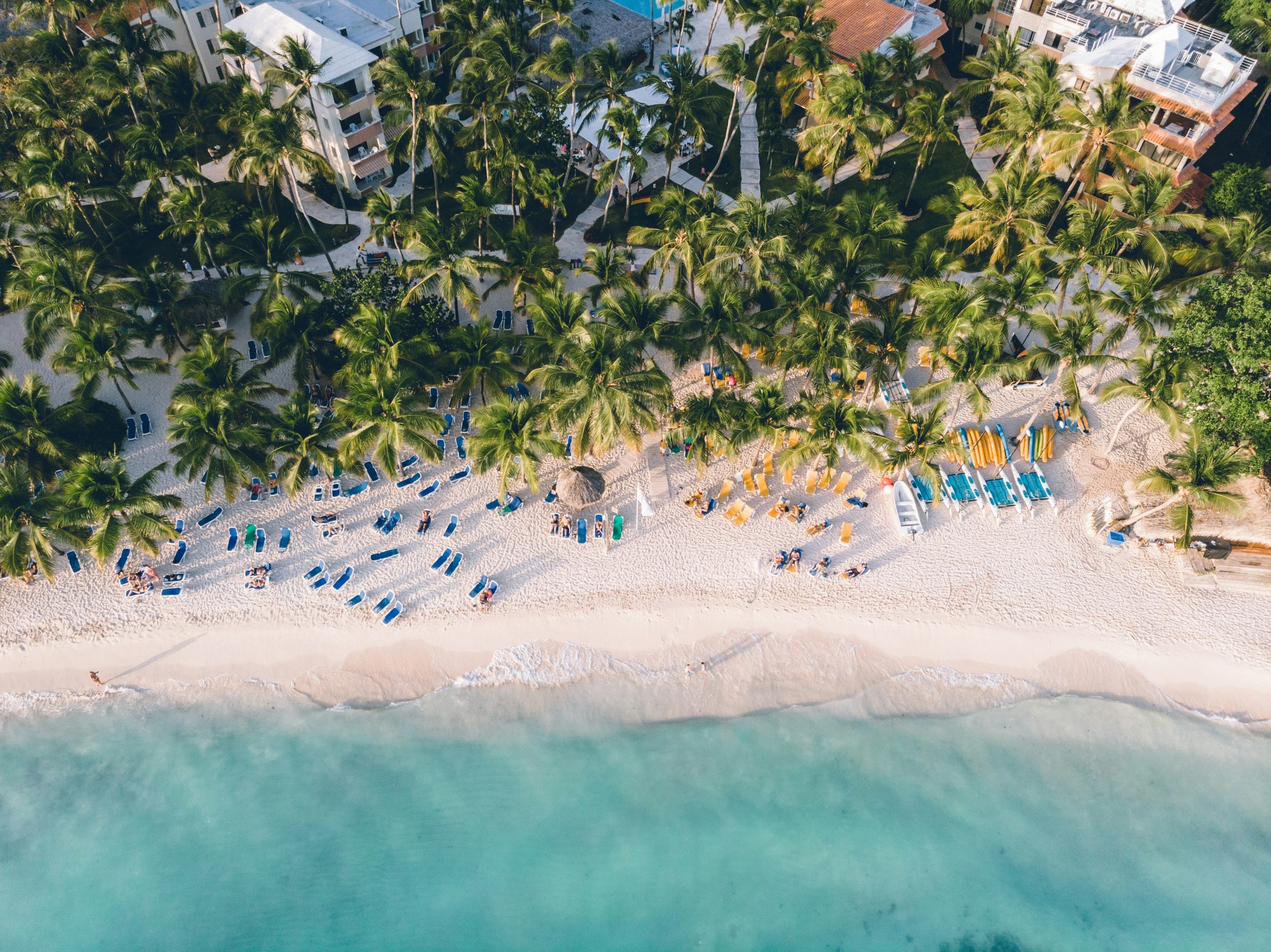
A fishing village on the south-east coast, and the gateway to Saona Island and Cotubanamá National Park: calm turquoise water, the best diving in the country, and a relaxed alternative to Punta Cana.
Bayahibe is a small fishing village on the Caribbean coast in the south-east of the Dominican Republic, about 20 minutes from La Romana. It sits on the edge of Cotubanamá National Park, formerly Parque Nacional del Este, which protects dry forest, caves and the islands of Saona and Catalinita.
Most boats to Saona Island leave from its beach, and in the morning the village fills with catamarans and speedboats. By afternoon, it goes quiet again. The calm, clear water makes it the country's diving centre, with reefs and wrecks, and the snorkelling is good straight from the shore.
Bayahibe is a cheaper, more local base than Punta Cana, with small guesthouses and fish restaurants on the beach. Nearby are the long beach at Dominicus, the cave pool of Padre Nuestro and the stone village of Altos de Chavón. Give it three days.
The village for guesthouses and food, or Dominicus for a bigger beach.
The fishing village.
South of the village.
Map data from OpenStreetMap contributors.
Take a day trip to Saona Island, with white beaches, a sandbar natural pool full of starfish and lunch on the sand. Visit Isla Catalina for snorkelling on its reef wall.
Dive the reefs and wrecks of Cotubanamá National Park, including the St. George wreck, or learn to dive with one of the village's schools.
Walk the Padre Nuestro trail in the national park to a freshwater cave pool, swim at Playa Dominicus, and visit Altos de Chavón, a replica 16th-century Mediterranean village above the Chavón River.
The village beach and Playa Dominicus are free, and you can snorkel from the shore.
Watching the boats leave in the morning and the sunset from the beach costs nothing.
The national park, Saona and Altos de Chavón charge.
Fresh fish is the thing to eat: grilled or fried with tostones at beach restaurants and shacks. Comedores in the village serve la bandera for €4 to €7.
Colmados sell cold Presidente on the waterfront.
Restaurant bills add 18 per cent tax and a 10 per cent service charge by law, so check whether menu prices include them; a little extra for good service is appreciated.
Bayahibe is quiet at night. A few bars and colmados play music on the waterfront, busiest at weekends.
Most people are up early for the boats or a dive.
A Presidente costs €1.50 to €3.
From Santo Domingo, take a bus to La Romana, about two hours, then a guagua or taxi to Bayahibe, about 20 minutes. La Romana airport is about 25 minutes away, and Punta Cana airport about 1.5 hours.
The village is walkable, and Dominicus is a short walk or ride.
Taxis go to Altos de Chavón and Padre Nuestro.
Beds start at around €15 to €25 a night. La bandera costs €4 to €7.
Saona trips cost about €50 to €90, and dives about €50 to €70 each, with courses extra. The national park charges a small entry fee.
Carry pesos for comedores and guaguas.
Bayahibe is relaxed and safe. Do not leave belongings unattended on the beach.
Book Saona trips and dives through your accommodation or known operators, not beach sellers, and check boats carry life jackets.
Do not touch or lift the starfish in the natural pool. Do not drink the tap water; bottled and refill jugs are cheap everywhere. In an emergency, call 911.
The dry season and holidays.
Calm, sunny days.
Dominicans head to the beaches.
December to April is the dry season and the busiest time. The south-east is one of the driest parts of the country. Hurricane season runs from June to November.
Average highs, rounded. Calm water most of the year.
Per night, for one person, based on Bayahibe prices.
Treat these as a guide. Boat trips and dives cost extra.
The ones we get asked most.

Compare hostels across the Dominican Republic: live prices, real reviews and free cancellation on most bookings. Then meet the people already there in the app.

 Get the App.



 Get the App.