Town centre
Food, busesThe compact centre.

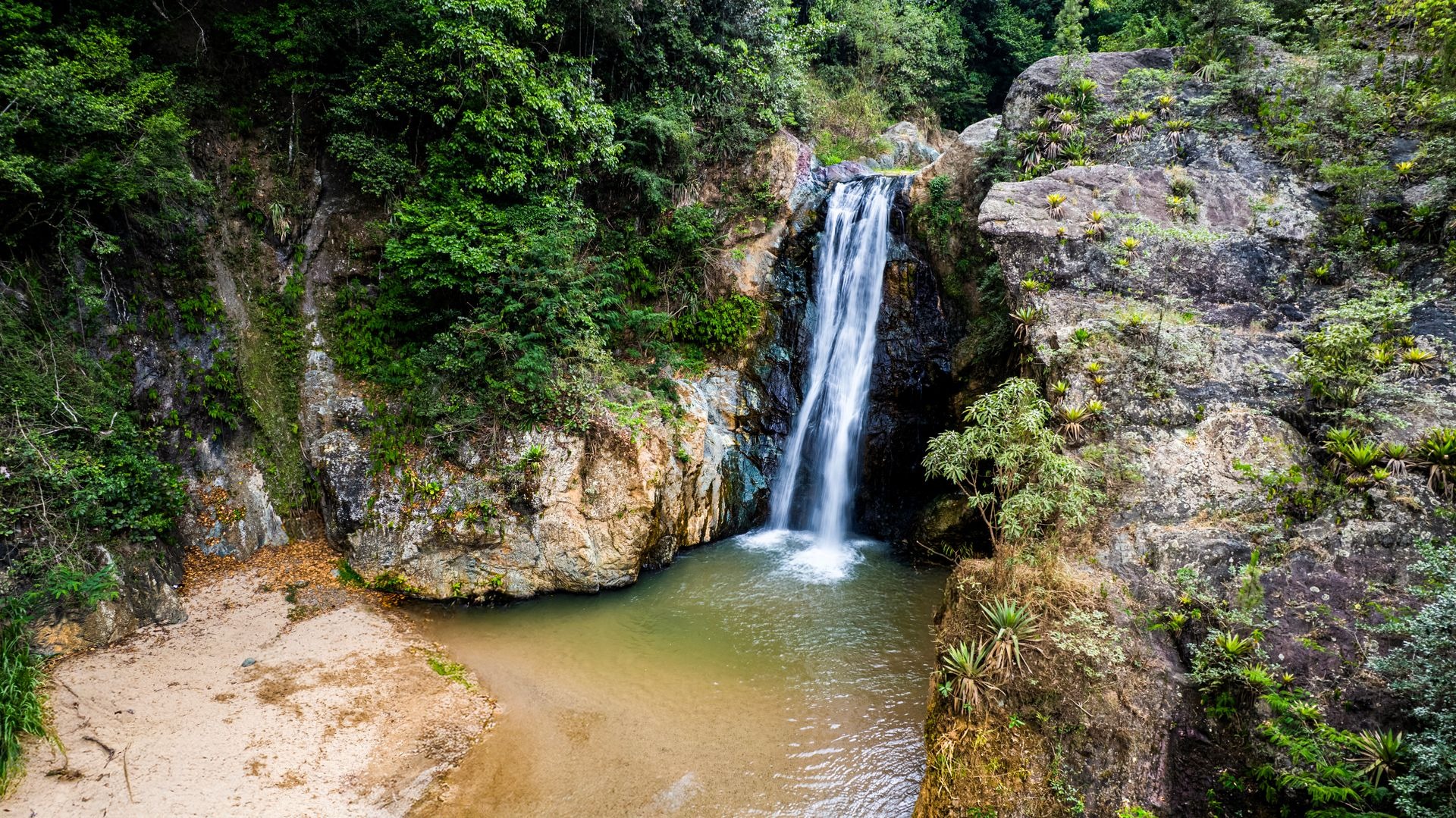
The Dominican Republic's mountain town: pine forests, cool evenings, white-water rafting on the Río Yaque del Norte, waterfalls, coffee farms, and the start of the trek up Pico Duarte, the highest peak in the Caribbean.
Jarabacoa is a town in the Cordillera Central, the mountain range in the middle of the Dominican Republic, at around 530 metres. Dominicans call it the city of eternal spring: days are warm, nights are cool, and the hills are covered in pine forest, coffee and flowers, a world away from the beach resorts.
It is the adventure capital of the country. The Río Yaque del Norte, the longest river in the Dominican Republic, has some of the best white-water rafting in the Caribbean, and the hills have waterfalls, canyoning, paragliding and horse riding. Salto de Jimenoa and Salto de Baiguate are short trips from town.
Jarabacoa is also the base for climbing Pico Duarte, at 3,098 metres the highest mountain in the Caribbean, on a guided trek of two or three days. Give the town three days, or five with the climb.
The town centre for food and buses, or the hills around it for mountain lodges and views.
The compact centre.
Mountain lodges around town.
Map data from OpenStreetMap contributors.
Raft the Río Yaque del Norte, with grade III and IV rapids, or go canyoning in the gorges nearby. Visit Salto de Jimenoa, a waterfall reached by suspension bridges, and swim at Salto de Baiguate.
Paraglide over the valley, ride horses through the pine forest, and tour a coffee farm to see how Dominican coffee is grown.
For the big one, climb Pico Duarte, the highest peak in the Caribbean, on a guided trek from La Ciénaga, with mules to carry the gear and a pre-dawn walk to the summit.
Walking the town, its market and the riverbanks costs nothing, and the views from the hill roads are free.
The cool evening air is the main attraction for Dominican visitors.
The waterfalls charge small entry fees, and the national park and treks need permits and guides.
Food in Jarabacoa is hearty mountain cooking: sancocho, chicken stews and la bandera for €3 to €6 at comedores. Fresh strawberries and local coffee are everywhere.
A handful of restaurants serve steaks and international food.
Restaurant bills add 18 per cent tax and a 10 per cent service charge by law, so check whether menu prices include them; a little extra for good service is appreciated.
Jarabacoa is quiet at night. There are a few bars and colmados with music in the town centre, busier at weekends when Dominicans come up from the cities.
Most visitors are up early for rafting or trekking.
A Presidente costs €1.50 to €3.
Caribe Tours runs direct buses from Santo Domingo to Jarabacoa in about two and a half hours. Guaguas connect with La Vega, on the main highway.
In town, use motoconchos or taxis to reach the waterfalls. A car is useful for the hills.
Tour operators provide transport for rafting and Pico Duarte.
Jarabacoa is cheap. Dorm beds and simple rooms start at around €12 to €20 a night. La bandera costs €3 to €6.
Rafting costs about €50 to €70, paragliding about €60 to €80, and a guided Pico Duarte trek about €120 to €200, with mules and permits.
Carry pesos; cards are not accepted everywhere.
Jarabacoa is safe and friendly. River levels rise after rain, so raft only with established operators that check conditions.
Pico Duarte is a serious trek: go with a licensed guide, as required, and bring warm layers, as it can drop close to freezing at the summit.
Do not drink the tap water; bottled and refill jugs are cheap everywhere. In an emergency, call 911.
Peaks, rivers and valleys.
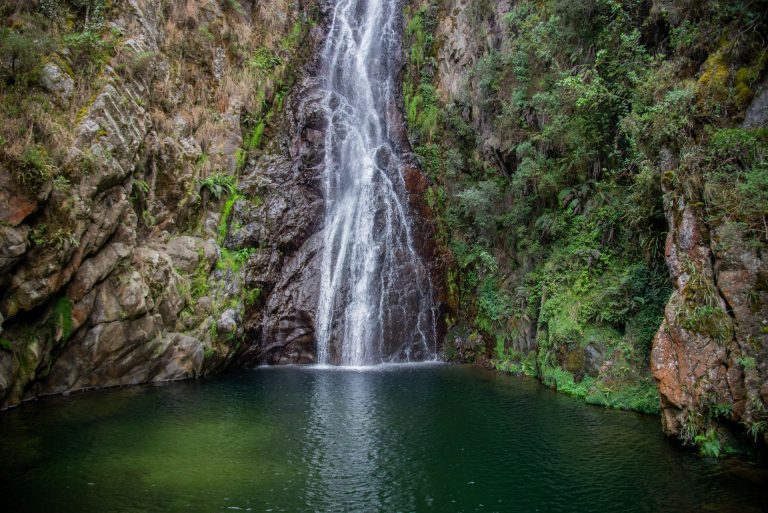
A high, cool valley of farms.
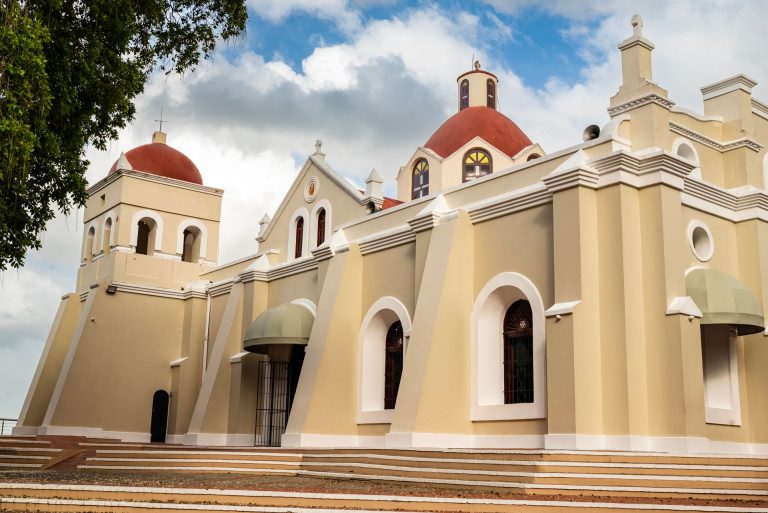
Home of the biggest Carnival.
Carnival and the dry season.
The country's biggest Carnival, 45 minutes away.
Dominicans head to the mountains.
Jarabacoa is pleasant all year, warm by day and cool at night. December to April is driest, and the best time for Pico Duarte. May to November brings afternoon rain, and higher rivers for rafting.
Average highs, rounded. Much cooler than the coast, especially at night.
Per night, for one person, based on Jarabacoa prices.
Treat these as a guide. Rafting and treks cost extra.
The ones we get asked most.

Compare hostels across the Dominican Republic: live prices, real reviews and free cancellation on most bookings. Then meet the people already there in the app.

 Get the App.



 Get the App.