Los Corales
Hostels, cafesBeside Bávaro beach.

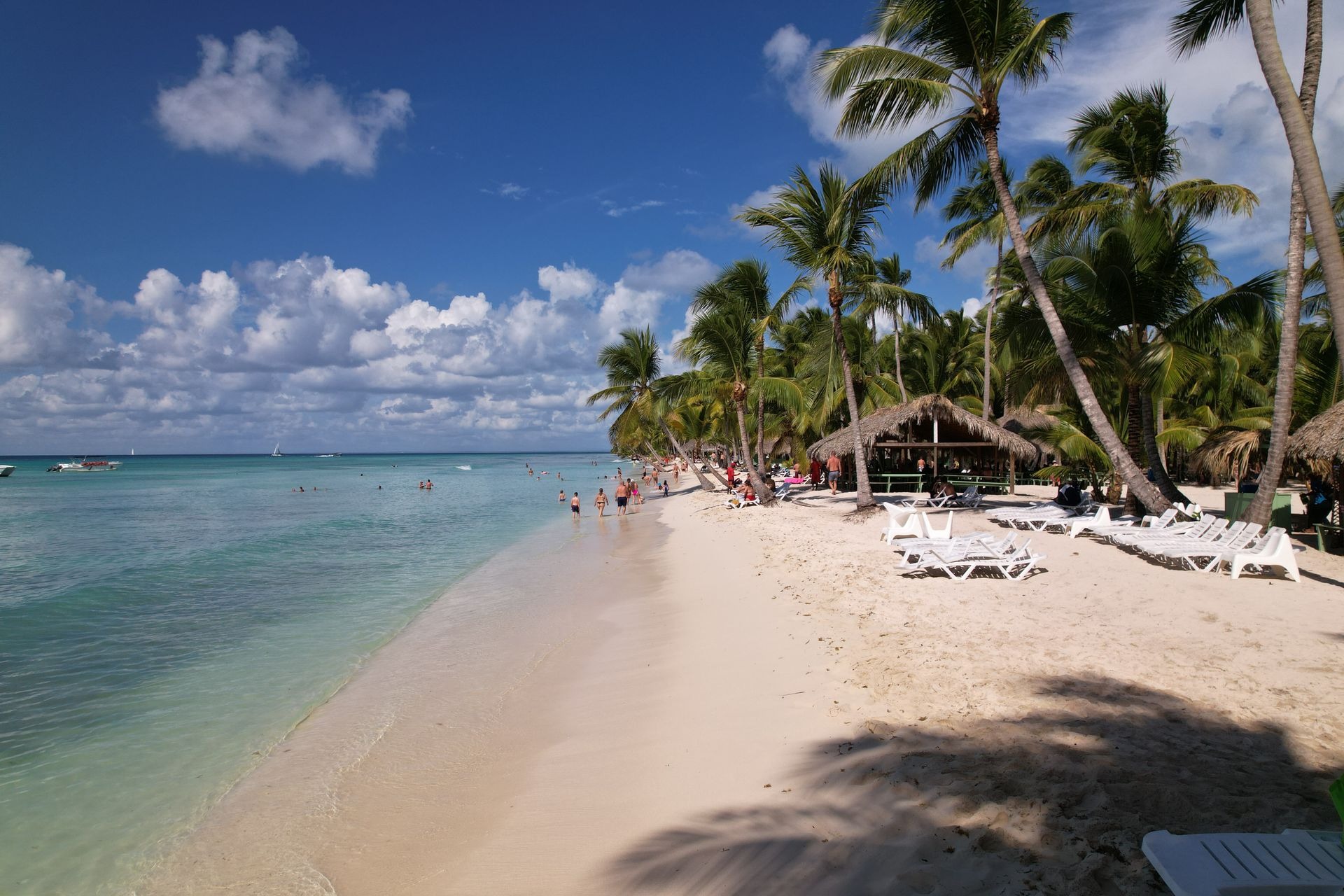
The Dominican Republic's main beach destination: kilometres of white sand at Bávaro, surf at Macao, swimming in the lagoons of Ojos Indígenas, and day trips to Saona Island, with a few hostels for travellers who want the beaches without the all-inclusive.
Punta Cana is the eastern tip of the Dominican Republic, and the name is used for the whole stretch of coast from Cap Cana north to Bávaro and Macao. It has some of the longest white-sand beaches in the Caribbean, protected by an offshore reef, and its airport is the busiest in the country.
Most visitors stay inside all-inclusive resorts, and the area can feel like a separate economy. But the beaches are public, and a small number of hostels and guesthouses in Bávaro and Los Corales make it possible to see it on a budget.
Use it for sand and sea: snorkelling, the surf beach at Macao, the freshwater lagoons of the Ojos Indígenas Ecological Park, and catamaran trips to Saona Island. For culture and cheaper prices, combine it with Santo Domingo or Bayahibe. Give it two to four days.
Los Corales and Bávaro for hostels and beach access, or Cortecito for a more local feel.
Beside Bávaro beach.
The main beach strip.
The old fishing beach.
Orange labels are neighbourhoods, dots are the 4 top-rated hostels. Map data from OpenStreetMap contributors.
Walk the long beaches of Bávaro and Los Corales, and snorkel on the reef. Surf or take a lesson at Playa Macao, one of the few beaches on this coast with waves and without resorts.
Swim in the clear freshwater lagoons of the Ojos Indígenas Ecological Park, and visit the Hoyo Azul cenote at Cap Cana.
Take a catamaran day trip to Saona Island, with its sandbar natural pool full of starfish, or to Isla Catalina for snorkelling.
All beaches in the Dominican Republic are public, so walking the sand at Bávaro, Los Corales and Macao is free, even in front of the resorts.
Sunrise over the sea and the fishermen at Cortecito cost nothing.
The parks, Hoyo Azul and boat trips charge.
Prices are high in the tourist zone. Eat where Dominicans eat: comedores in Friusa and Verón serve la bandera for €4 to €7, and beach shacks at Macao fry fish.
Los Corales has cafes and international restaurants.
Restaurant bills add 18 per cent tax and a 10 per cent service charge by law, so check whether menu prices include them; a little extra for good service is appreciated.
Nightlife is mostly in the resorts and in a handful of bars and clubs in Bávaro and Los Corales, some with beach parties.
Colmados in local neighbourhoods are the cheap alternative.
Cocktails cost €6 to €12. Use registered taxis at night.
Punta Cana International Airport is 20 to 30 minutes from Bávaro by taxi; agree the fare first. Expreso Bávaro buses run from Santo Domingo in about 2.5 to 3 hours, and buses also run to La Romana for Bayahibe.
Local buses run along the main road between Bávaro and Friusa, and taxis are expensive.
A car or scooter helps for Macao and the parks.
Punta Cana is the most expensive area in the country. Dorm beds start at around €18 to €30 a night. Comedores charge €4 to €7 a plate.
Saona trips cost about €60 to €100, Ojos Indígenas about €40 to €50, and surf lessons about €40 to €60.
US dollars are widely accepted, but prices in pesos are usually better.
The tourist area is generally safe. Petty theft happens, so do not leave belongings on the beach.
Agree taxi fares before getting in, and book tours through your accommodation or known operators rather than beach sellers.
Rip currents occur at Macao; swim with care. Do not drink the tap water; bottled and refill jugs are cheap everywhere. In an emergency, call 911.
Islands, lagoons and towns.
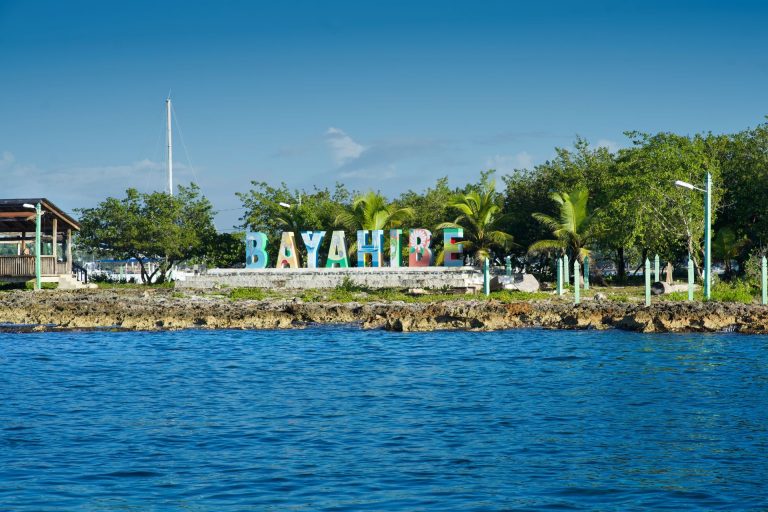
A fishing village by the national park.
The dry season and holidays.
Sunny and busy.
Dominicans head to the beaches.
The highest-rated hostels in Punta Cana, live from Hostelworld. Prices and availability are live on each property page.
December to April is the dry season and the busiest time. May to November is hotter, with short showers, and hurricane season runs from June to November. Sargassum seaweed can reach the beaches in summer.
Average highs, rounded. Warm all year.
Per night, for one person, based on Punta Cana prices.
Treat these as a guide. Tours cost extra.
The ones we get asked most.

Compare hostels across the Dominican Republic: live prices, real reviews and free cancellation on most bookings. Then meet the people already there in the app.

 Get the App.




 Get the App.