Zona Colonial
History, nightlifeThe old walled city.

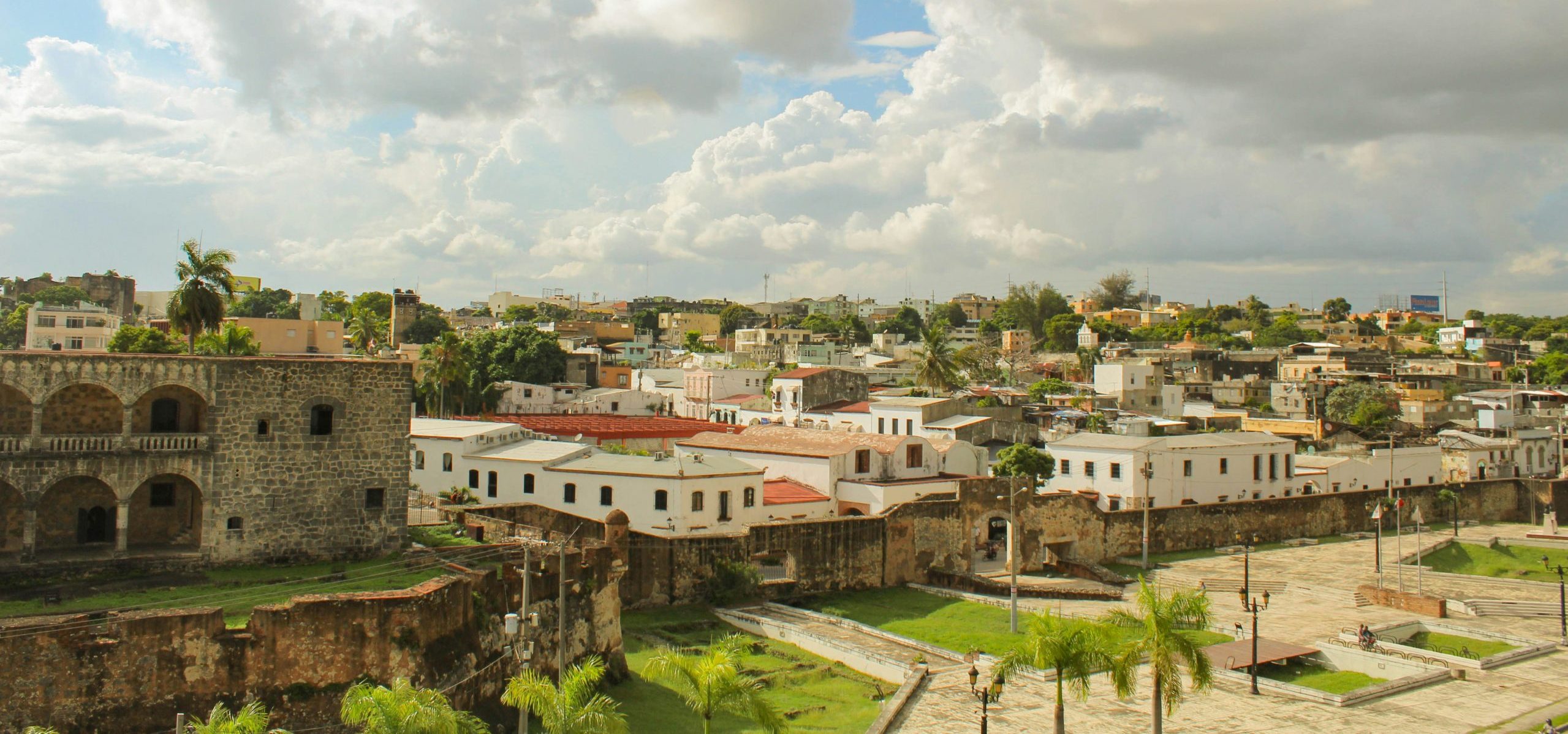
The oldest European city in the Americas and a loud, living Caribbean capital: the cobbled Zona Colonial, the first cathedral in the New World, merengue and bachata in the street, and the cheapest good food in the country.
Santo Domingo is the capital of the Dominican Republic and the largest city in the Caribbean, home to around three million people in its metropolitan area. It was founded by Bartholomew Columbus in 1496, which makes it the oldest permanent European settlement in the Americas.
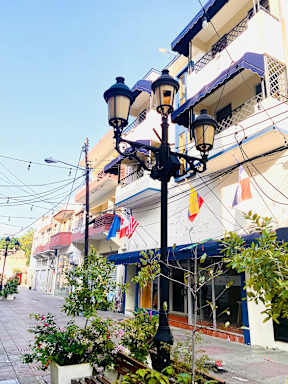
Its Zona Colonial, a UNESCO World Heritage Site since 1990, is a walkable grid of stone streets with a run of New World firsts: the first cathedral, the first hospital, the first paved street and the first university. Unlike many old towns, it is still a working neighbourhood, with colmados, barbers and families on doorsteps between the museums and bars.
Beyond the walls, the city is big, busy and rewarding for anyone curious about how Dominicans actually live: the Malecón seafront, the cave lagoons of Los Tres Ojos, baseball at the Estadio Quisqueya and dancing that is taken seriously. Give it two or three days.
The Zona Colonial for history and nightlife, Gazcue for a quieter local base, or Piantini and Naco for modern city life.
The old walled city.
Leafy streets west of the Zona.
Malls, restaurants and clubs.
Orange labels are neighbourhoods, dots are the 6 top-rated hostels. Map data from OpenStreetMap contributors.
Walk the Zona Colonial: the Catedral Primada de América, completed in 1540, Calle Las Damas, the Fortaleza Ozama and the Alcázar de Colón, the palace of Diego Columbus. Visit the Museo de las Casas Reales and sit in Parque Colón as the city goes by.
Go underground at Los Tres Ojos, a chain of lagoons inside limestone caves, and walk the Malecón at sunset. In season, from October to January, catch a baseball game at the Estadio Quisqueya, which is as much a party as a match.
On Sunday evenings, join the crowd at the Ruinas de San Francisco, where live son and merengue bands have played to dancing locals for years.
Walking the Zona Colonial, its plazas and Calle Las Damas costs nothing, and so does the Malecón at sunset.
The Sunday evening music at the Ruinas de San Francisco is free to watch, and Parque Colón is the best free people-watching in the city.
The Jardín Botánico Nacional charges a small fee, and the Catedral Primada and the museums charge for entry.
Santo Domingo is the best and cheapest place to eat Dominican food. La bandera, rice, beans, stewed meat and salad, costs €3 to €6 at a comedor at lunchtime, and mangú, mashed plantain with fried cheese, salami and egg, is breakfast.
Try chicharrón, sancocho stew and street chimi burgers, and finish with a cold Presidente at a colmado.
Restaurant bills add 18 per cent tax and a 10 per cent service charge by law, so check whether menu prices include them; a little extra for good service is appreciated.
Merengue and bachata were born in the Dominican Republic, and Santo Domingo is where to dance them. The Zona Colonial has bars in colonial buildings, from rooftop terraces to small dance halls, and it gets busy from Thursday to Sunday.
Colmados with speakers outside are the cheapest night out, and Piantini and Naco have upmarket clubs.
A Presidente costs €1.50 to €3 in a colmado and more in bars. Take a registered taxi or an app home.
Las Américas International Airport is about 30 to 40 minutes from the Zona Colonial by taxi. The city has two metro lines and a cable car, clean and cheap, though they do not reach the Zona Colonial directly.
Uber and other ride-hailing apps work well and are the easiest option at night. Carros públicos, shared cars on fixed routes, and guaguas are cheap but crowded.
Caribe Tours and Metro Tours run air-conditioned intercity buses from their own terminals.
Santo Domingo is cheap away from tourist restaurants. Dorm beds start at around €12 to €20 a night. La bandera costs €3 to €6, and a colmado beer €1.50 to €3.
Museums cost a few euros each, and metro rides well under €1.
Cards work in most places, but carry pesos for colmados, comedores and guaguas.
The Zona Colonial is well policed and busy, but bag snatching, sometimes from motorbikes, and pickpocketing happen. Keep phones out of reach of the road and valuables out of sight.
Use ride-hailing apps or registered taxis at night rather than street hails, and avoid unlit areas after dark.
Do not drink the tap water; bottled and refill jugs are cheap everywhere. In an emergency, call 911.
Beaches, caves and the colonial south.
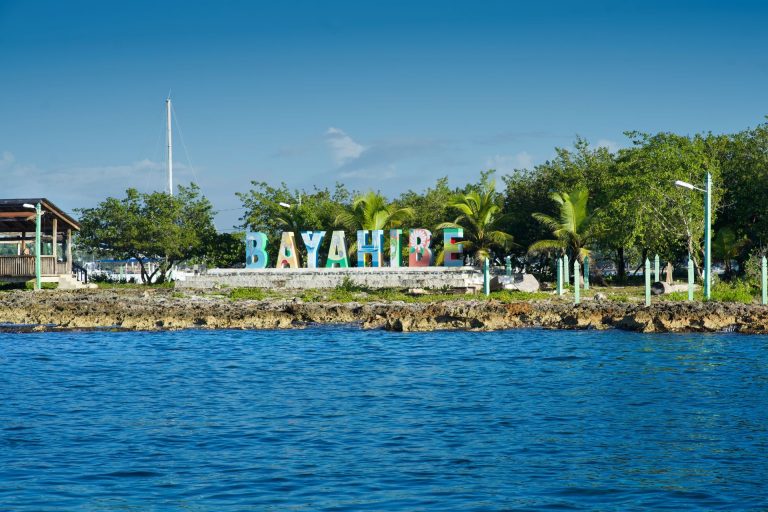
Gateway to Saona Island.
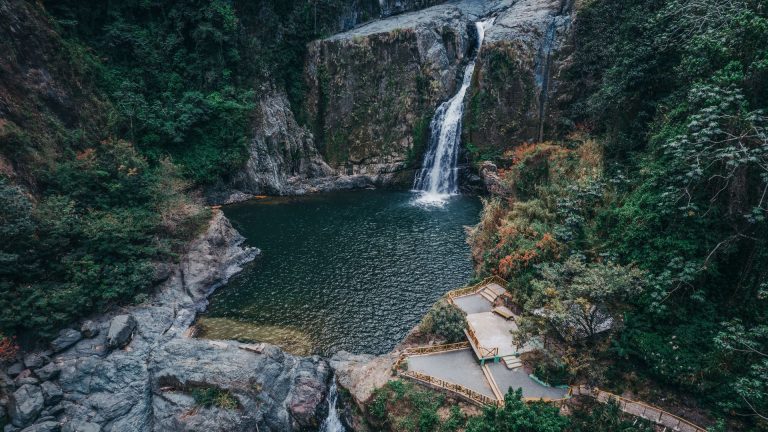
Mountains and rafting.
Carnival, baseball and saints' days.
Masked diablos cojuelos and parades.
Military parade on the Malecón.
The winter league, loud and joyful.
The highest-rated hostels in Santo Domingo, live from Hostelworld. Prices and availability are live on each property page.
December to April is the dry season and the most comfortable time. May to November is hotter and wetter, and hurricane season runs from June to November, peaking in August and September.
Average highs, rounded. Hot and humid all year.
Per night, for one person, based on Santo Domingo prices.
Treat these as a guide. Day trips cost extra.
The ones we get asked most.

Compare hostels across the Dominican Republic: live prices, real reviews and free cancellation on most bookings. Then meet the people already there in the app.

 Get the App.



 Get the App.