Little Corn village
Food, divingThe west side, with the dock and dive shops.

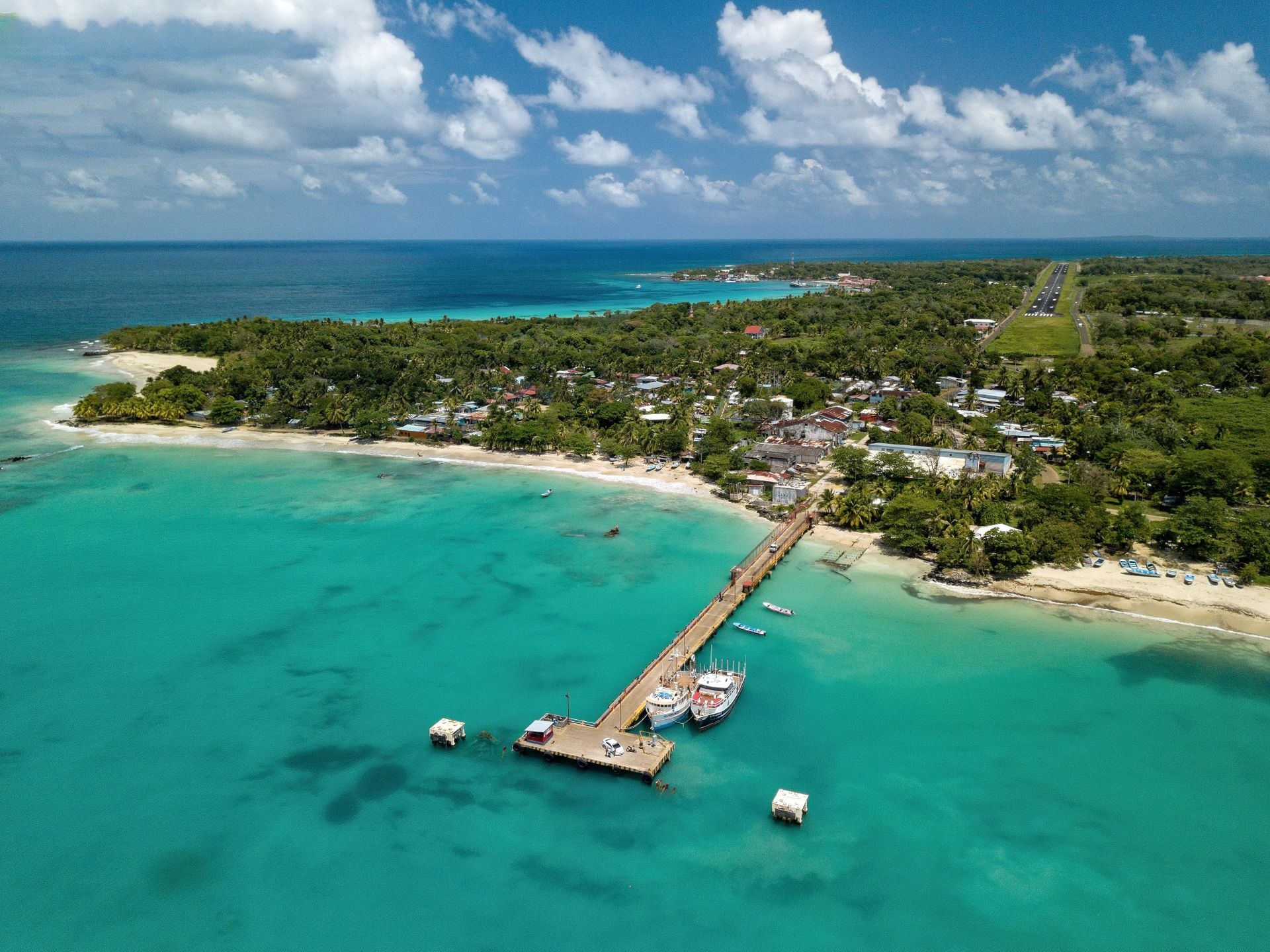
Two Caribbean islands off Nicaragua's east coast: Big Corn with its beaches and fishing villages, and car-free Little Corn with jungle paths, reef snorkelling, diving and very little else. Hard to reach, which is the point.
The Corn Islands lie about 70 kilometres off Nicaragua's Caribbean coast. They feel nothing like the Pacific side: English Creole is widely spoken, the food is coconut and seafood, and the pace is very slow.
Big Corn, the larger island, has the airport, a ring road, beaches and a few villages. Little Corn, a short boat ride away, has no cars at all, just footpaths through the jungle, a handful of small hotels and hostels, and reefs right off the beach. Most visitors pass through Big Corn and spend most of their time on Little Corn.
Getting there takes a flight or a long overland and boat trip, so give the islands at least four or five days.
On Little Corn, the village side for food and the dive shops, or the east coast for beaches; on Big Corn, near Picnic Center or Southwest Bay.
The west side, with the dock and dive shops.
Otto Beach and Goat Beach.
The best beach on Big Corn.
A sheltered bay on Big Corn.
Map data from OpenStreetMap contributors.
Snorkel or dive the reefs around Little Corn, where you can see nurse sharks, rays and turtles; the dive shops run courses. Walk the jungle paths across the island to the beaches of Otto Beach and Goat Beach, and climb to the lighthouse viewpoint.
On Big Corn, swim at Picnic Center and Southwest Bay, and snorkel at Long Bay. Rent a bike or golf cart to circle the island.
Go fishing with local boats, and do very little in a hammock.
All the beaches are free, and so is walking Little Corn's jungle paths and the lighthouse viewpoint.
Snorkelling from some beaches costs nothing if you bring a mask.
Dive trips, boat trips and the panga between the islands charge.
The islands eat coconut and seafood. Try rundown, a coconut stew of fish, plantain and yuca, and coconut bread. Lobster is cheap in season.
Small restaurants serve fish with rice and beans for €5 to €10.
Food costs more than on the mainland, as much of it is shipped in. A 10 per cent service charge is often added to restaurant bills; if it is not, 10 per cent is a fair tip.
Little Corn has a few beach bars and occasional bonfire parties. Big Corn has some reggae bars at weekends.
Most nights are quiet.
A beer costs €1.50 to €3.
La Costeña flies from Managua to Big Corn in about 1.5 hours, often via Bluefields; book ahead and pack light, as baggage limits are strict. The overland route is a long bus to El Rama or Bluefields and a boat, which can take the best part of two days.
Pangas (open speedboats) cross from Big Corn to Little Corn in about 30 to 40 minutes, and the ride can be rough and wet; protect your bags.
Big Corn has taxis and a bus; Little Corn has only footpaths.
Hostel beds start at around €12 to €20 a night, more than the mainland. A fish plate costs €5 to €10.
The Managua flight costs about €150 to €200 return, the panga a few euros each way, a two-tank dive about €70 to €100, and a snorkel trip about €20 to €30.
Bring enough cash: there are ATMs on Big Corn but none on Little Corn, and cards are rarely accepted there.
The islands are relaxed, but theft from rooms and beaches happens, and there have been robberies on isolated paths at night on Little Corn. Walk with a torch and in company after dark.
The panga crossing can be rough. Foreigners are banned from any political activity in Nicaragua, including joining protests, so avoid demonstrations and do not post about politics while you are there. Drones are banned.
Medical care is very limited, so bring what you need. Drink bottled or filtered water; most hostels have refill stations. In an emergency, call 911, or 118 for the police.
Island holidays.
Celebrates the abolition of slavery on the islands.
Best weather.
Busy with visitors.
The Caribbean side is wetter than the Pacific. February to April is the driest time; it rains a lot from June to December. Hurricane season runs from June to November.
Average highs, rounded. Warm and humid all year.
Per night, for one person, based on Corn Islands prices.
Treat these as a guide. The flight and diving cost extra.
The ones we get asked most.

Compare hostels across Nicaragua: live prices, real reviews and free cancellation on most bookings. Then meet the people already there in the app.

 Get the App.



 Get the App.