Centro
First-timersBetween the cathedral and Parque Darío.

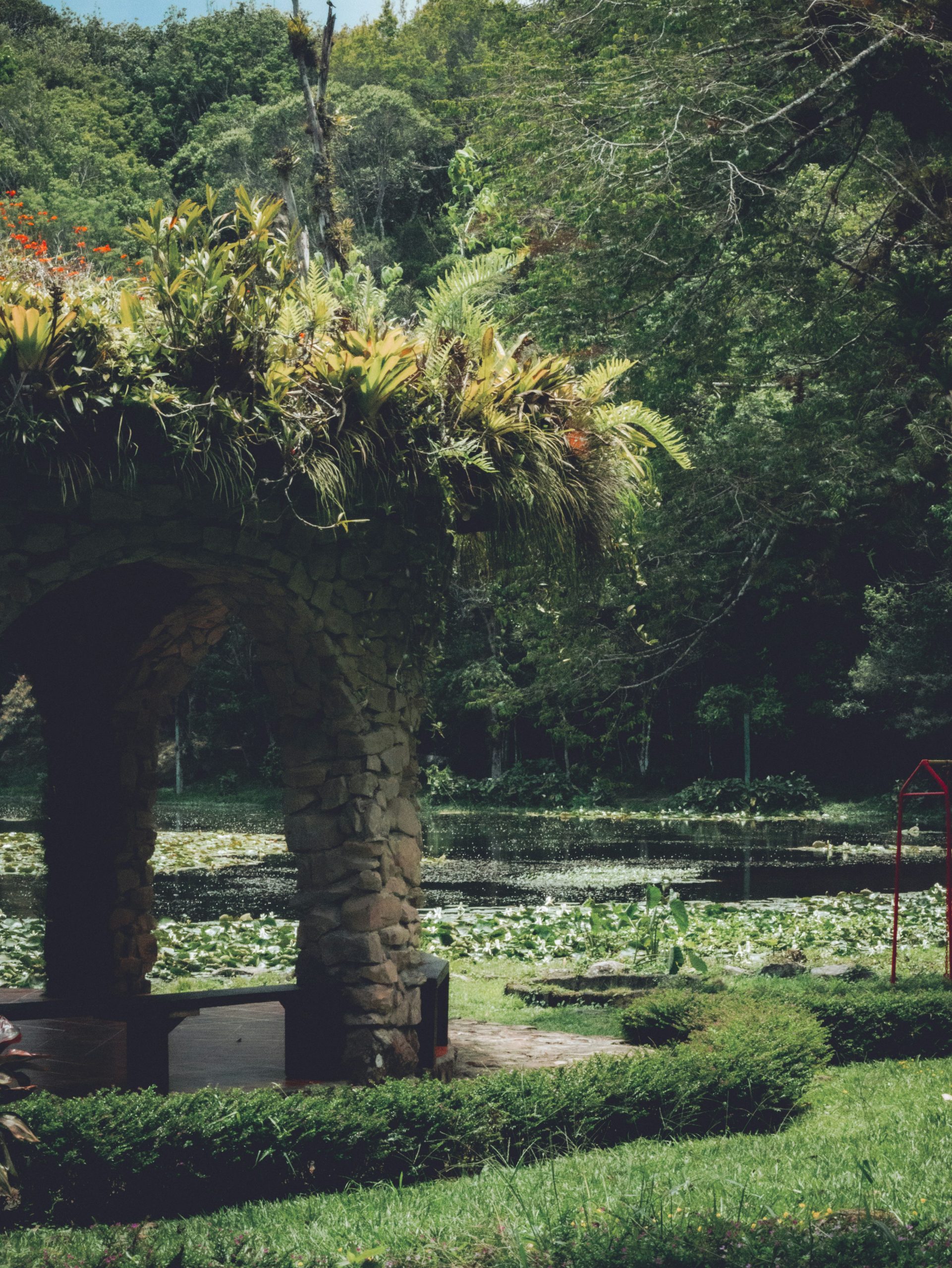
The capital of Nicaraguan coffee country: green mountains, coffee farm tours, cloud forest at Selva Negra and Peñas Blancas, hikes above the city, and cool air after the heat of the lowlands.
Matagalpa sits at about 700 metres in a valley in Nicaragua's central highlands, ringed by green, misty mountains. It is the heart of the country's coffee industry, and coffee farms, many run by cooperatives, cover the hills around it.
The city itself is a busy market town with a cathedral, a coffee museum and few tourists. The draw is the countryside: farm tours to see coffee picked and processed, hikes to viewpoints and waterfalls, and cloud forest reserves with howler monkeys, orchids and birds.
Nights are cool, so bring a layer. Give Matagalpa two or three days.
Stay in the centre, between the cathedral and the Parque Darío; for nature, spend a night at a coffee farm or at Selva Negra.
Between the cathedral and Parque Darío.
Cloud forest estate north of the city.
Farms in the hills around the city.
Orange labels are neighbourhoods, dots are the 2 top-rated hostels. Map data from OpenStreetMap contributors.
Visit the Museo del Café to learn the history of coffee in the region, then take a coffee farm tour to see how it is grown, picked and processed, ideally in the harvest season, roughly from November to February.
Hike to the Cerro Apante viewpoint above the city, or walk the trails at Selva Negra, a cloud forest estate with a lake, coffee and wildlife.
For something wilder, travel to the Peñas Blancas massif, part of the Bosawás biosphere reserve, for waterfalls and cloud forest.
The cathedral, the parks and the market are free.
The hike to some viewpoints above the city costs nothing, though some trails cross private land with small fees.
Farm tours, reserves and the museum charge.
Comedores serve set plates for €2 to €4. Cafés pour local coffee from the surrounding farms.
Try güirilas, sweet corn pancakes with cheese, a northern speciality.
A 10 per cent service charge is often added to restaurant bills; if it is not, 10 per cent is a fair tip.
Matagalpa is quiet at night, with local bars, cafés and some live music at weekends.
Most visitors are up early for hikes.
A beer costs €1 to €2.
Buses run from Managua in about 2.5 to 3 hours, and from León and Estelí. Express buses are quicker.
Taxis in the city are cheap. Buses and taxis go to Selva Negra; Peñas Blancas is a longer trip by bus or tour.
The centre is walkable but hilly.
Hostel beds start at around €7 to €12 a night. Comedor plates cost €2 to €4.
A coffee farm tour costs about €15 to €30, Selva Negra entry a few euros, and a guided hike about €15 to €25.
Carry córdobas for buses and food.
Matagalpa is generally calm for visitors. Watch your bags in the market and at bus terminals, and take a taxi at night.
Hire a local guide for remote hikes. Foreigners are banned from any political activity in Nicaragua, including joining protests, so avoid demonstrations and do not post about politics while you are there. Drones are banned.
Drink bottled or filtered water; most hostels have refill stations. In an emergency, call 911, or 118 for the police.
Coffee and holidays.
Picking and processing.
Processions.
The Gritería.
The highest-rated hostels in Matagalpa, live from Hostelworld. Prices and availability are live on each property page.
November to April is dry, with cool nights; the coffee harvest runs roughly from November to February. May to October is wet and misty, and the hills are at their greenest.
Average highs, rounded. Mild and cool at night.
Per night, for one person, based on Matagalpa prices.
Treat these as a guide. Tours cost extra.
The ones we get asked most.

Compare hostels across Nicaragua: live prices, real reviews and free cancellation on most bookings. Then meet the people already there in the app.

 Get the App.




 Get the App.