Rarotonga
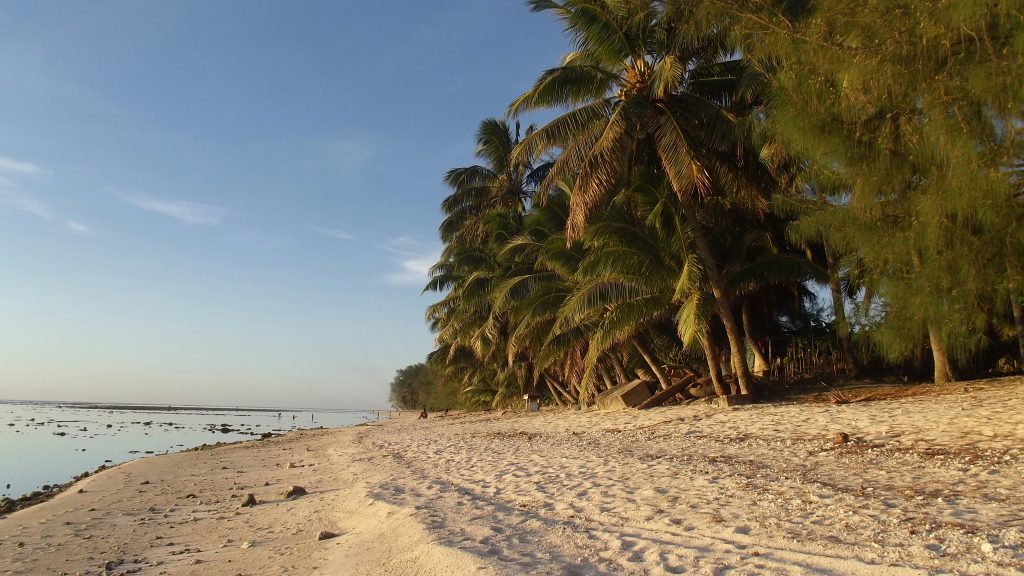
The main island: a lagoon, a mountainous interior, a 32km ring road and two buses.

Fifteen islands in the middle of the Pacific, a lagoon at Aitutaki that people rank the best in the world, and a bus that goes clockwise and one that goes anticlockwise.
The Cook Islands are fifteen islands scattered across an area of ocean the size of western Europe, with about 15,000 people. Almost everything a visitor does happens on two of them.
Rarotonga is the main island: a volcanic peak wrapped in a lagoon, with a 32km road around the edge and two bus routes, clockwise and anticlockwise, which is genuinely the whole public transport system. You can circle the island in under an hour.
Aitutaki, 45 minutes north by plane, has the lagoon: a vast triangle of shallow turquoise water with motu islets around the rim, regularly called the most beautiful lagoon in the world, and the reason most people come.
The country is self-governing in free association with New Zealand, uses the New Zealand dollar, and English is universal, which makes it one of the easiest Pacific destinations to travel. A week is enough.
Rarotonga and Aitutaki carry almost all visits. The outer islands need time and planning.
The main island: a lagoon, a mountainous interior, a 32km ring road and two buses.
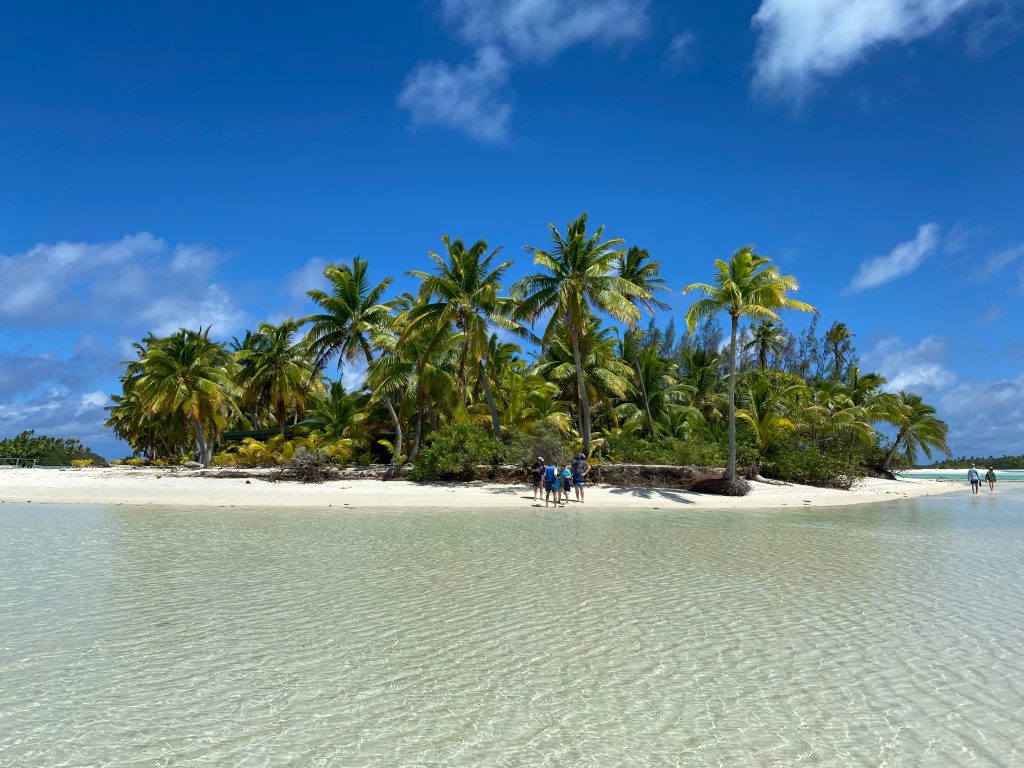
The lagoon people come for, 45 minutes north by plane, with motu islets around it.
The Cook Islands are a lagoon and slow-days trip, easy to organise and hard to leave.
Aitutaki's lagoon, and Muri on Rarotonga.
A cross-island trek and a lot of snorkelling.
Island night dancing and a strong church tradition.
Ika mata, market food and surprisingly good coffee.
Not cheap, though the buses and markets help.
Avarua is small, and that is the appeal.
Aitutaki's lagoon cruise is the thing. Boats leave in the morning, stop at motu islets and snorkelling spots, land at One Foot Island where a small post office stamps your passport, and come back in the afternoon. It costs NZ$120 to NZ$180 and it is the reason most people fly up.
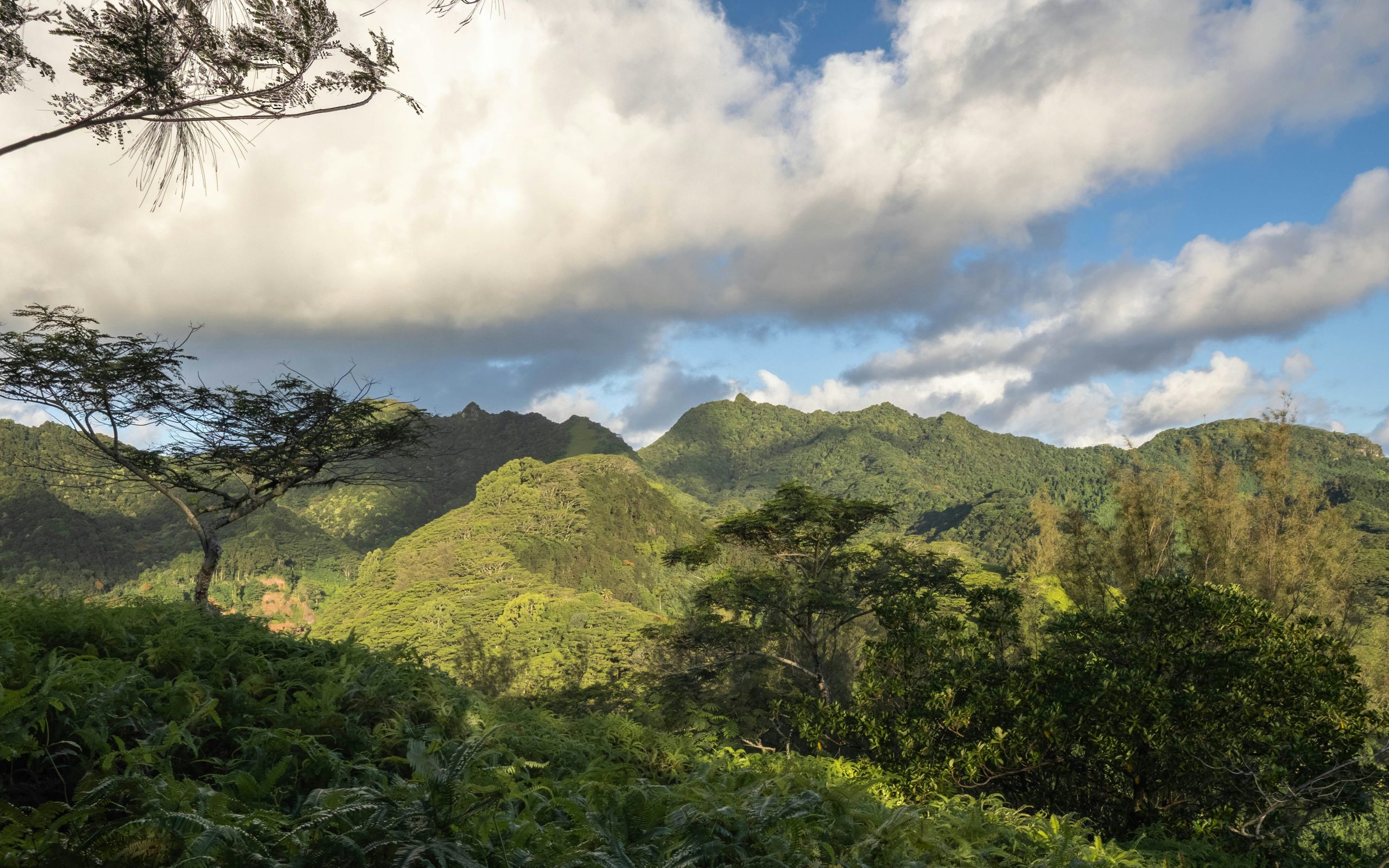
On Rarotonga, the cross-island track climbs past Te Rua Manga, the rock needle at the island's centre, and descends to a waterfall on the other side: three to four hours, steep, muddy and not to be done alone after heavy rain.
Muri lagoon is the snorkelling and kitesurfing centre, and the ring road makes cycling or scootering the island straightforward.
Island nights (buffet dinners with drumming and dance) run several evenings a week at various venues, and Cook Islands drumming is fast, loud and genuinely impressive.
Ika mata is the national dish (raw fish marinated in lime and coconut cream) and it appears everywhere from market stalls to restaurants.
The Punanga Nui market in Avarua on Saturday mornings is the week's event: produce, cooked food, coffee and crafts, and the cheapest good eating on the island. The Muri night market runs several evenings with food stalls around a common seating area, which is the standard cheap dinner.
Most accommodation has kitchens, and self-catering from the supermarket is how a lot of people manage the cost, since almost everything is imported.
Atiu, one of the outer islands, grows coffee that is genuinely good and turns up in cafés on Rarotonga.
Rarotonga has a handful of bars around Avarua and the resorts, and a famous weekly institution in the Friday and Saturday nights where the whole island seems to end up in the same two or three places.
Island nights are the more organised version (dinner, drumming and dance) and they are worth doing once even if they feel arranged.
Aitutaki is quieter again, with a couple of bars and not much else.
Sunday is church morning, and while it is less absolute than in Tonga or Samoa, many businesses close and the singing at a CICC church is worth getting up for. Beer is NZ$8 to NZ$12.
Rarotonga's public transport is two buses: one goes clockwise, one goes anticlockwise, both around the same 32km ring road, roughly hourly. A ride is about NZ$5 and a day pass is better value. That is the entire system and it works.
Scooters are the local choice and require a Cook Islands licence, obtained at the police station in Avarua for a small fee: a practical curiosity that many visitors end up enjoying.
Air Rarotonga flies to Aitutaki several times daily, taking 45 minutes and costing NZ$400 to NZ$600 return, which is the single largest cost of most trips here.
Outer islands beyond Aitutaki are served infrequently and need planning around fixed flight days.
This is not a cheap destination. Dorms and budget rooms start around NZ$40 to NZ$90, restaurant mains are NZ$25 to NZ$40, and almost everything is imported from New Zealand with prices to match.
The Aitutaki flight at NZ$400 to NZ$600 return and the lagoon cruise at NZ$120 to NZ$180 are the two costs that define most trips, and both are worth it.
A day on Rarotonga without flights comes to NZ$90 to NZ$160. Self-catering, the Saturday market and the NZ$5 bus are what bring that down. The currency is the New Zealand dollar, with local coins that cannot be spent elsewhere: keep one as a souvenir rather than trying to change it.
The Cook Islands are very safe, with minimal crime and a population small enough that everyone knows everyone. Petty theft from unlocked accommodation is about the extent of it.
The main hazards are the road and the reef. Scooter accidents are the most common cause of injury to visitors: the ring road is narrow, locals drive it fast, and many travellers ride without helmets or experience. Wear a helmet regardless of what anyone else does.
In the water, the lagoon is shallow and calm but reef passages have strong outgoing currents, and going over the reef edge is dangerous. Coral cuts infect quickly; reef shoes are worth having.
Cyclone season runs November to April. Medical facilities are basic and serious cases are evacuated to New Zealand, so insurance covering that matters.
Most nationalities receive a free visitor permit on arrival for 31 days, extendable up to six months, with onward travel and pre-booked accommodation required: that second condition is enforced more here than in most places, so have your first nights booked.
Passports need six months' validity.
The Cook Islands are self-governing in free association with New Zealand, and Cook Islanders hold New Zealand citizenship, but the islands are not part of New Zealand for entry purposes and you clear immigration on arrival.
April to November is the dry season, and June to September is the cool, clear heart of it. December to March is wetter with cyclone risk.
Average highs for Rarotonga, which barely change. The variable is rain and cyclone risk, and July and August are both the best weather and the busiest and priciest months.
Pick how you travel and how long for. Per night, for one person, in New Zealand dollars.
The Aitutaki flight at NZ$400–600 return and its lagoon cruise at NZ$120–180 sit outside these figures and are what most trips are built around.
Te Maeva Nui in August is the biggest week of the Cook Islands year.
A week of dance and song competition between islands, marking self-government in 1965.
The week's event: produce, cooked food, coffee and crafts from early morning.
Buffet dinners with drumming and dance at venues across the islands.
Marking the arrival of missionaries in 1821, with nuku performances at churches.
Clear water and the most reliable weather.
Wetter and riskier, though often still swimmable between systems.
The ones we get asked most.

Compare places to stay across the Cook Islands: live prices, real reviews and free cancellation on most bookings. Then meet the people already there in the app.

 Get the App.
 Get the App.