Muri
LagoonThe best lagoon, with the night market.

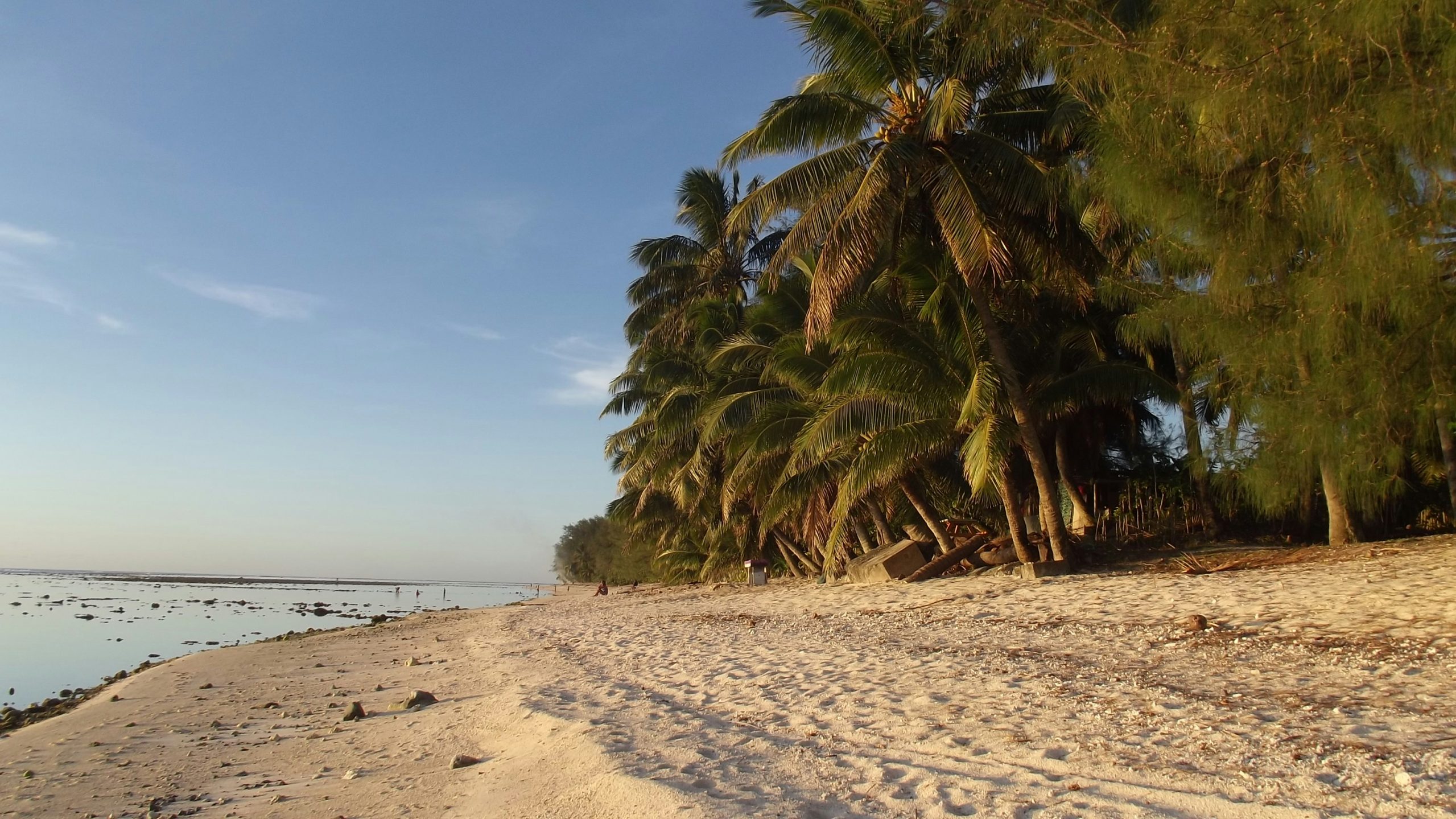
Rarotonga is the Cook Islands' main island: a jagged green peak wrapped in a lagoon, with one 32 km road around the edge and two buses, one clockwise and one anticlockwise. Snorkel at Muri, hike over the middle past the Needle and spend Saturday morning at the market in Avarua.
Rarotonga is the largest and most populated of the Cook Islands, and where every international flight lands. It's a young volcanic island with a steep, forested interior and a lagoon around most of its edge.
The 32 km ring road loops the coast, linking villages, beaches, guesthouses and resorts. You can drive around it in under an hour.
Avarua, on the north coast, is the capital: a small town with a harbour, shops, cafés and the Punanga Nui market. Muri, on the south-east coast, has the island's best lagoon, with motu (islets) offshore and the main cluster of places to stay and eat.
The island is relaxed and easy to travel. English is universal, the currency is the New Zealand dollar, and the two buses are the whole public transport system.
Most travellers spend four or five days here, with two or three on Aitutaki.
Stay at Muri for the lagoon and night market, Avarua for town and the Saturday market, or the west coast for sunsets.
The best lagoon, with the night market.
The capital, with the Saturday market.
South coast beaches and the marine reserve.
West coast village with sunset views.
Map data from OpenStreetMap contributors.
Snorkel or kayak at Muri lagoon, the best on the island, and paddle out to the motu. Muri is also the kitesurfing centre.
Snorkel at the Aroa marine reserve on the south-west coast, one of the island's best spots for fish straight from the beach.
Hike the cross-island track over the middle of the island, past Te Rua Manga, the rock needle, down to Wigmore's waterfall on the south coast. It takes three to four hours, and it's steep and muddy, so don't go alone after heavy rain.
Spend Saturday morning at the Punanga Nui market in Avarua, with produce, cooked food, coffee and crafts.
Go to an island night, with a buffet dinner, drumming and dance, several evenings a week at venues around the island.
Go to church on Sunday morning. The singing at a Cook Islands Christian Church (CICC) service is worth getting up for.
Ride the bus all the way around the island.
The beaches and lagoon are free, and snorkelling from the shore is free.
The cross-island track is free.
The Punanga Nui market is free to browse.
Sunday church services are free to attend; dress modestly.
Ika mata, raw fish in lime and coconut cream, is the national dish.
The Punanga Nui market on Saturday morning is the best cheap eating on the island.
The Muri night market has food stalls around shared seating several evenings a week, and is the standard cheap dinner.
Most accommodation has kitchens, and self-catering from the supermarket saves a lot, since almost everything is imported. Restaurant mains are NZ$25 to NZ$40, and a beer NZ$8 to NZ$12.
On Friday and Saturday nights, the island seems to end up in the same two or three bars around Avarua and Muri.
Island nights are the organised version: dinner, drumming and dance, worth doing once.
Sunday is church morning and quiet.
Rarotonga International Airport is just west of Avarua, with flights from New Zealand, Australia and some other Pacific islands. Many places to stay offer transfers.
Two buses run around the ring road, one clockwise and one anticlockwise, roughly hourly, for about NZ$5 a ride. A day pass is better value.
Scooters are the local choice. You need a Cook Islands licence, from the police station in Avarua for a small fee. Wear a helmet.
Bikes are a good option too: the ring road is flat.
Air Rarotonga flies to Aitutaki several times a day, taking 45 minutes.
Rarotonga is not cheap. Hostelworld has no listings right now, so budget travellers stay in backpacker lodges and self-catering units from about NZ$40 to NZ$90.
The Saturday market, the Muri night market and self-catering keep food costs down.
The bus at about NZ$5 a ride is the cheapest way around.
Allow around NZ$90 to NZ$160 a day without flights.
Rarotonga is very safe, with minimal crime. Lock your room, as petty theft from unlocked accommodation is about the extent of it.
Scooter accidents are the most common injury for visitors. The ring road is narrow and locals drive fast. Wear a helmet.
Stay inside the lagoon: reef passages have strong outgoing currents. Wear reef shoes for coral.
Don't do the cross-island track alone or after heavy rain.
In an emergency, call 998. Serious medical cases are evacuated to New Zealand.
Rarotonga's day trips are around and over the island, or a flight to Aitutaki.
Over the middle of the island, past Te Rua Manga.
The full 32 km ring road.
The famous lagoon. Covered in the Aitutaki hub.
Te Maeva Nui in August is the biggest week of the year.
A week of dance and song competition between islands.
Produce, cooked food, coffee and crafts.
Buffet dinners with drumming and dance.
Nuku performances marking the missionaries' arrival.
Rarotonga is warm all year, with highs from 25°C to 29°C. April to November is the dry season, and June to September the best of it. December to March is wetter, with cyclone risk.
Average daily highs from weather2travel's Avarua climate data. Crowd levels are our rough guide.
Pick a style and a number of nights for a rough total. Per day, for one person, in New Zealand dollars.
Estimates, based on backpacker lodges and self-catering units. Flights to Aitutaki sit outside these figures.
Prices and timetables change. Check before you travel.

Compare Rarotonga hostels: live prices, real reviews and free cancellation on most bookings. Then meet the people already there in the app.

 Get the App.



 Get the App.