Avatoru
VillageThe main village, with shops and pensions.

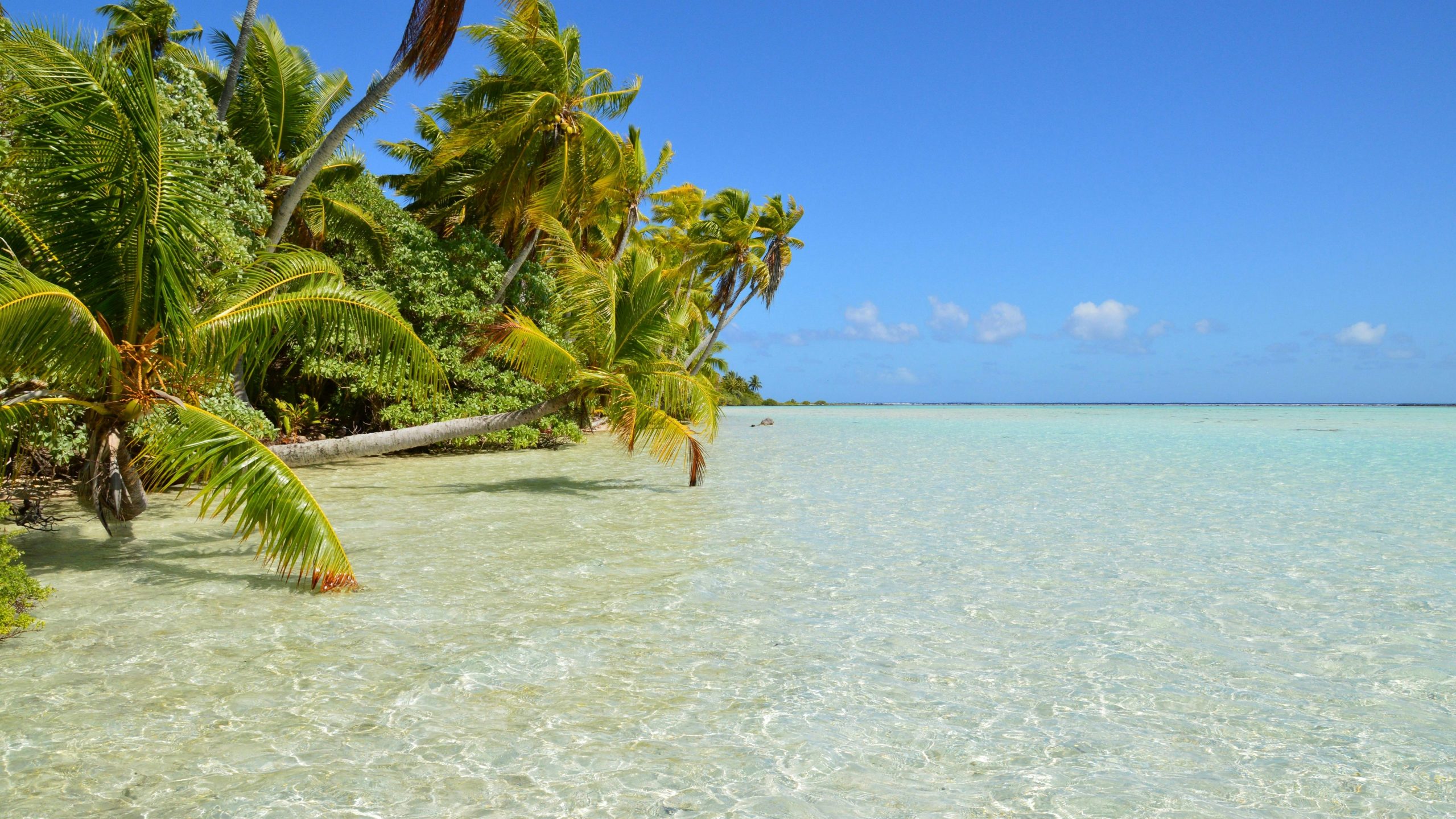
Rangiroa is one of the largest atolls in the world, a thin ring of coral around a lagoon so big you can't see across it. It's one of the great dive destinations of the Pacific, with dolphins, sharks and manta rays riding the tide through the Tiputa pass.
Rangiroa is in the Tuamotu archipelago, about 350 km north-east of Tahiti. It's a coral atoll: a narrow ring of motu (islets) and reef, more than 200 km around, enclosing a vast lagoon.
There are no mountains here, just flat coral, coconut palms and water on both sides. Most life is on the north-east motu, around the villages of Avatoru and Tiputa, either side of the two main passes.
Rangiroa is famous for diving. Twice a day, the tide pushes huge volumes of water through the Tiputa pass, bringing grey reef sharks, dolphins, manta rays and hammerheads in season.
It's also drier than the Society Islands, and the place to see the atoll side of French Polynesia.
Three to five days is ideal, longer if you're diving.
Stay on the north-east motu, near Avatoru or close to the Tiputa pass, where the dive shops and pensions are.
The main village, with shops and pensions.
The famous pass, with dolphins.
Lagoon within the lagoon, west side.
Pink-tinted sand, south-east side.
Map data from OpenStreetMap contributors.
Dive the Tiputa pass, one of the most famous dives in the Pacific. Drift in with the incoming tide alongside grey reef sharks, dolphins and manta rays. Hammerheads are seen in season.
Snorkel the pass at the Aquarium, a sheltered spot near Tiputa with lots of reef fish, on a guided snorkel trip.
Watch dolphins at the Tiputa pass from the shore in the late afternoon, when they often surf the waves.
Take a full-day boat trip to the Blue Lagoon, a lagoon within the lagoon on the west side, with shallow water and blacktip sharks.
Visit the Pink Sands (Sables Roses), on the far south-east side, where the sand has a pink tint.
Visit a black pearl farm, as the Tuamotus are the centre of pearl farming.
Taste wine at Rangiroa's vineyard, one of the most unusual in the world, among the coconut palms.
Watching dolphins at the Tiputa pass from the shore is free.
Snorkelling from the shore is free, but stay out of the pass currents.
Cycling the motu road is free apart from bike hire.
Rangiroa has few restaurants, a couple of roulottes and small shops. Most pensions include meals, often half board.
Fresh fish and poisson cru are the staples. Everything else is shipped in, so food is pricey.
Bring snacks from Papeete.
There's no nightlife on Rangiroa. Evenings are sunsets over the lagoon, dinner at your pension and early nights before dives.
Air Tahiti flies to Rangiroa from Papeete, about an hour, and from some other islands. Multi-island air passes include Rangiroa.
The airport is on the main motu, between Avatoru and the Tiputa pass, and pensions collect guests.
A single road runs about 10 km along the main motu. Hire a bike or scooter. Boats cross the pass to Tiputa village, and tours go further.
Rangiroa is expensive. Hostelworld has no listings right now, so budget travellers stay in pensions, often with meals included.
Diving is the main cost, so dive packages are worth asking about.
Blue Lagoon and Pink Sands trips are full-day boat tours.
Allow around XPF12,000 to XPF18,000 a day before diving.
Rangiroa is safe on land.
The passes have very strong currents, especially on outgoing tides. Dive and snorkel them only with a guide.
Wear reef shoes for coral and stonefish.
Medical care is basic, and there's no hyperbaric chamber on the atoll, so dive conservatively and make sure your insurance covers evacuation.
Ciguatera is present in some reef fish, so follow local advice on what to eat.
In an emergency, call 15 for medical help and 17 for the police.
Rangiroa's day trips are by boat across the lagoon.
Drift dive with sharks and dolphins.
Shallow lagoon and blacktip sharks.
Pink-tinted beaches on the far side.
Rangiroa's calendar follows the dive seasons.
Great hammerheads seen on dives.
The best weather.
Rangiroa is warm all year, with highs from 28°C to 30°C, and drier than the Society Islands. May to October is the best time. Hammerhead season runs roughly December to March.
Average daily highs from weather2travel's Takaroa climate data, another Tuamotu atoll, as there's no Rangiroa page. Crowd levels are our rough guide.
Pick a style and a number of nights for a rough total. Per day, for one person, in CFP francs.
Estimates, based on pension prices. Flights and diving sit outside these figures.
Prices and timetables change. Check before you travel.

Compare Rangiroa hostels: live prices, real reviews and free cancellation on most bookings. Then meet the people already there in the app.

 Get the App.



 Get the App.