South Africa
South Africa country guide

South Africa Travel Guide

Table Mountain, the Garden Route, the Drakensberg and Kruger, all in one country that runs on English, card payments and good roads. Most backpackers start in Cape Town, ride the coast east to Gqeberha, then fly north for the big parks. Three weeks is a sensible first trip, and planning around safety matters as much as planning around scenery.

90 days
Visa-free stay for UK, US and Australian passports
€1 ≈ R18.5
Rough exchange rate, October 2026
Nov–Mar
Best months for Cape Town and the Garden Route
May–Sep
Dry season, best for Kruger game viewing

What travelling South Africa is actually like

South Africa is big, roughly five times the size of the UK, and the distances catch people out. Cape Town to Johannesburg is around 1,400 km by road, which is why most travellers stitch a trip together from a coastal road trip in the south and a short flight to the north-east. The upside is that the infrastructure is the best in the region: decent highways, full-service petrol stations, big supermarkets, card machines almost everywhere and English on every sign.

Nearly every first trip starts in Cape Town and the Western Cape. Give the city and the peninsula at least four days, then add a day or two in the winelands around Stellenbosch and Franschhoek, and Hermanus if it's whale season (June to November). From there the Garden Route runs east through Mossel Bay, Wilderness, Knysna and Plettenberg Bay to Storms River and the surf town of Jeffreys Bay, ending in Gqeberha (still called Port Elizabeth on most bus timetables).

Beyond Gqeberha the backpacker trail thins out. The Wild Coast around Coffee Bay is rural Eastern Cape at its most beautiful, with grass hills dropping into the Indian Ocean and very little in the way of tourist infrastructure. Further north, Durban is warm all year and has the country's best curry, and the Drakensberg's basalt walls are three or so hours inland. Lesotho (90 days visa-free for British passports) and Eswatini (30 days) are both easy side trips if you have a car.

The north-east is safari country. Johannesburg and Pretoria are worth a couple of days for the Apartheid Museum, Constitution Hill and Soweto, then most people head to Hazyview or another town near Kruger's southern gates, where hostels run game drives so you don't need to hire a car. The Panorama Route and Blyde River Canyon are on the way.

Be honest with yourself about what's hard here. Long-distance buses exist but are slow, the backpacker hop-on hop-off bus now only covers Cape Town to Gqeberha, and crime shapes daily habits: you'll take more Ubers, walk less after dark and think about where you leave your phone. Two weeks covers Cape Town and the Garden Route well. Three to four weeks lets you add the Wild Coast or Drakensberg and fly up for Kruger.

Where to go in South Africa

The classic route runs Cape Town to Gqeberha along the Garden Route, then jumps by plane to Johannesburg and Kruger. Durban, the Drakensberg and the Wild Coast fill the gap if you have a car and an extra week.

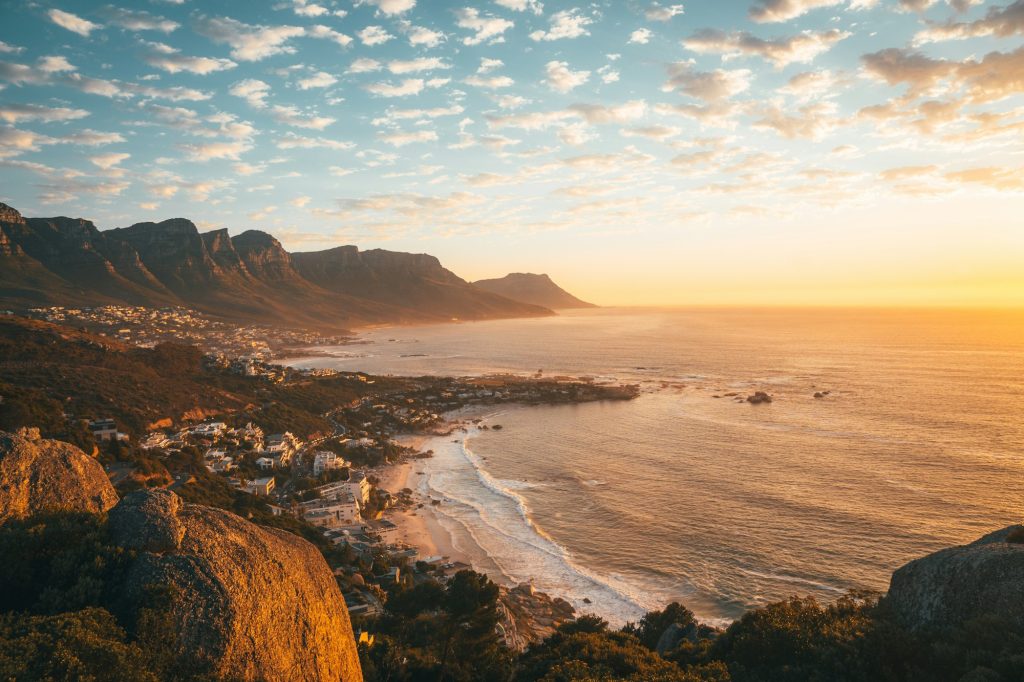
Cape Town

Cape Town

40 hostels

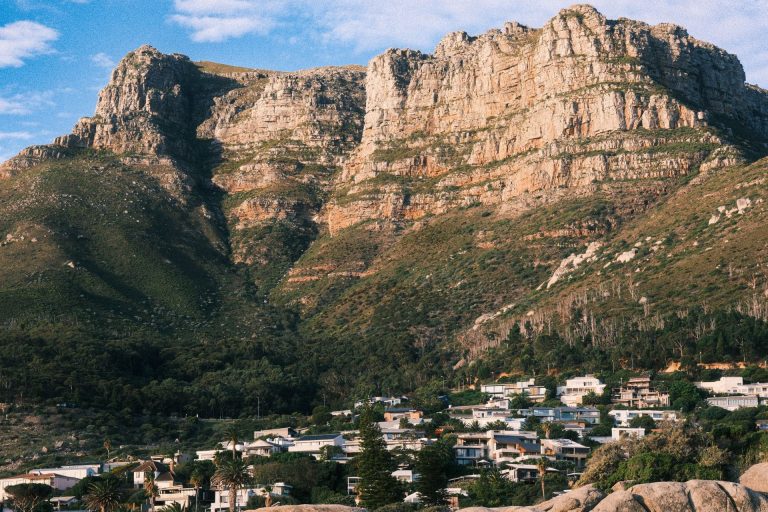
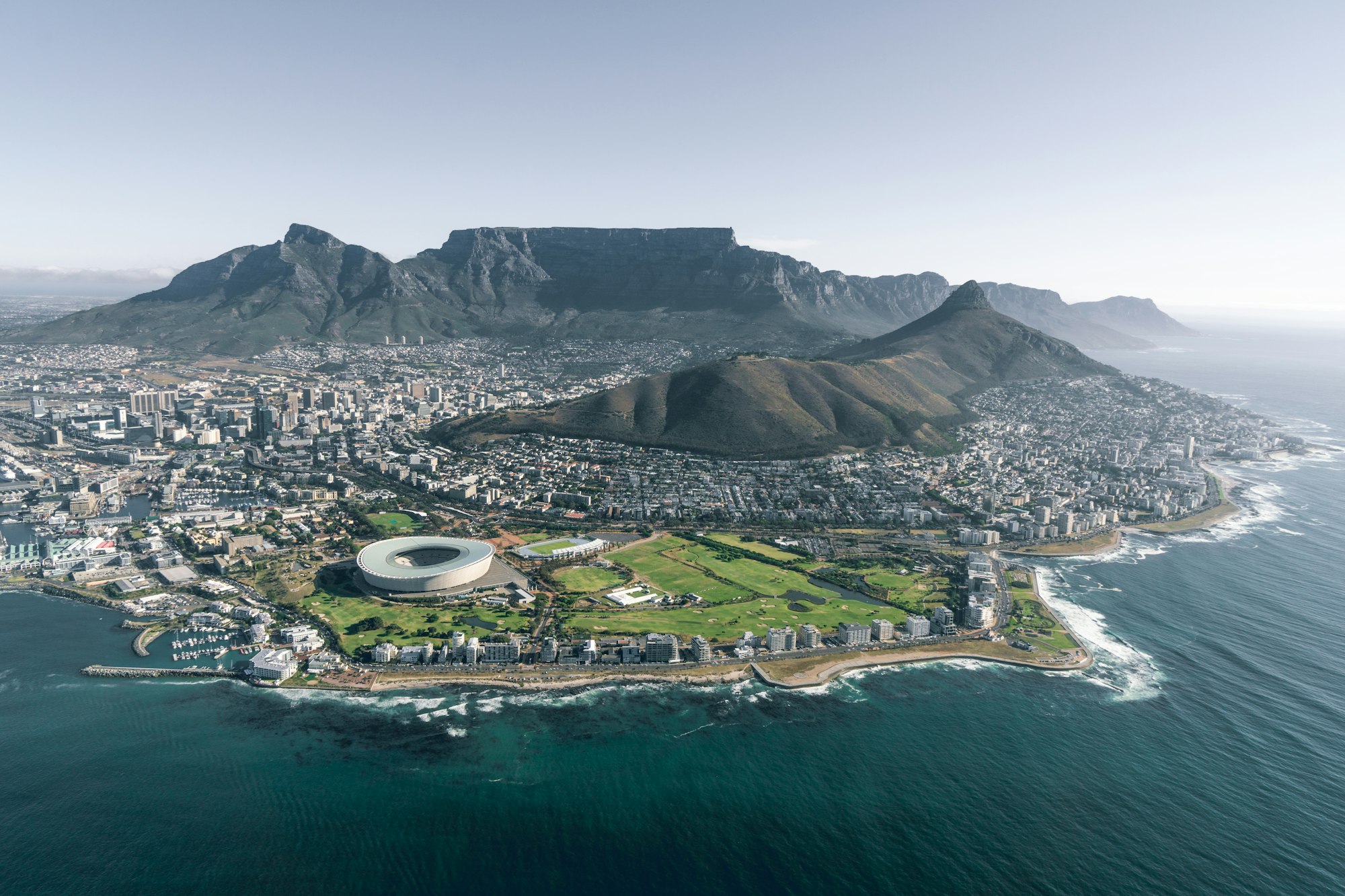
Table Mountain, the Atlantic beaches and Cape Point make this the best-loved city in Africa for backpackers. Give it at least four days.

Unbelievable weather, very cheap for an EU tourist and some of the nicest and most beautiful districts of any city. Great food and drink.

A traveller, on Hostelworld
The Cape Town guide
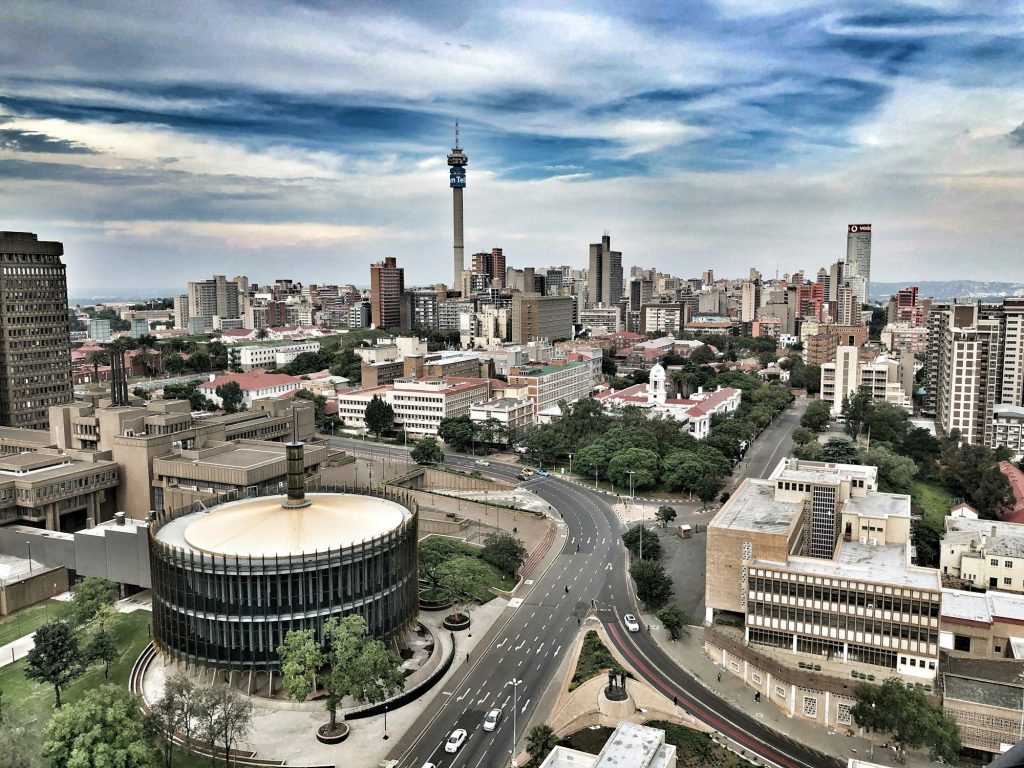
Johannesburg

Johannesburg

11 hostels

The country's biggest city and its history lesson: the Apartheid Museum, Constitution Hill and Soweto, plus rooftop bars in Braamfontein and Maboneng.

The Johannesburg guide
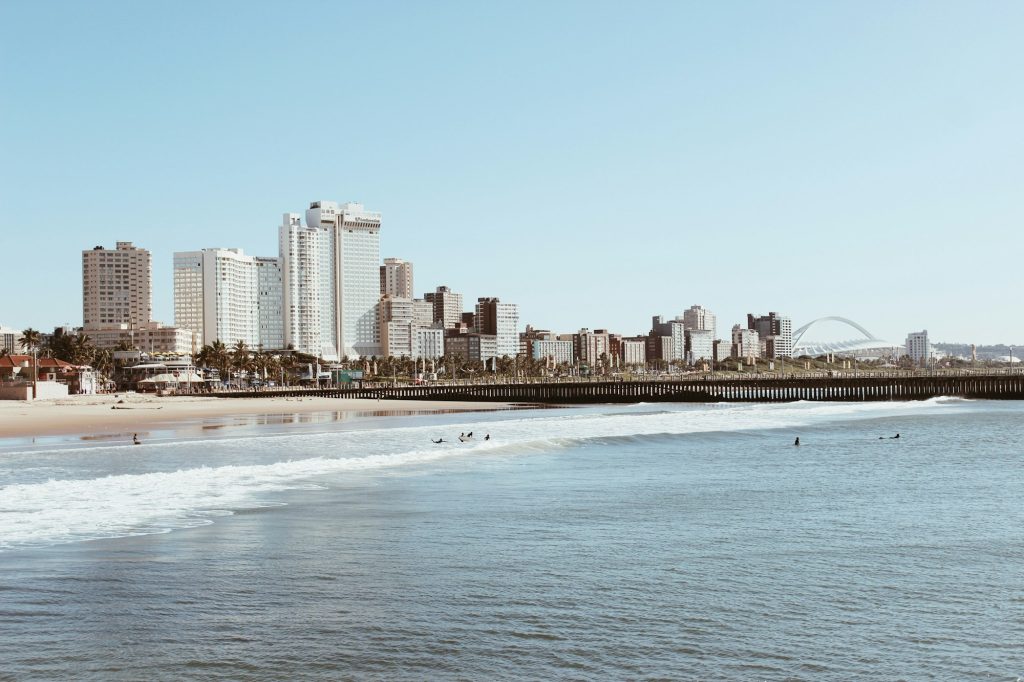
Durban

Durban

4 hostels

A warm Indian Ocean city with a long beachfront promenade, the best curry in the country and an easy hop to the Drakensberg.

The Durban guide

Pick your kind of South Africa trip

Most trips mix two or three of these. A surf-and-road-trip fortnight on the Garden Route feels nothing like a week of game drives near Kruger, so decide what you care about before you book flights.

Road trip in South Africa

The Garden Route from Cape Town to Gqeberha is South Africa's classic drive, with forests, lagoons and beaches every hour or two.

What to do

  • Self-drive or Baz Bus
  • Storms River suspension bridge
  • Robberg walk
  • Bloukrans bungy
  • Wilderness canoeing

Spots to visit

  • Garden Route
  • Tsitsikamma
  • Route 62
  • Chapman's Peak Drive

Best cities for it

Things to do

Mountains, game drives and two oceans

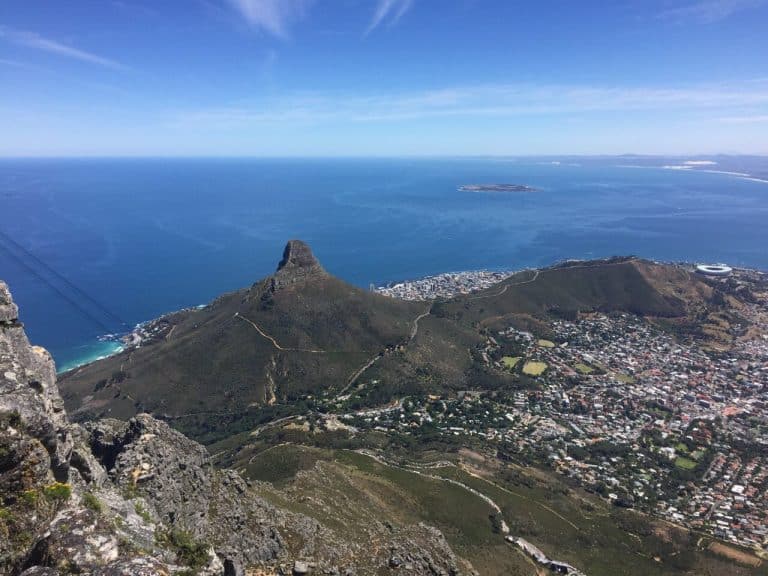
Start with Table Mountain. You can ride the Aerial Cableway (R475 return online, about €26) or walk up: Platteklip Gorge is the straightforward route, roughly 680 m of climbing and two to three hours to the top, while India Venster uses chains and staples for short scrambling sections and isn't for anyone nervous of heights. Round off Cape Town with Robben Island, the penguins at Boulders Beach and the cliffs at Cape Point.

The Garden Route is the country's classic road trip. Walk the suspension bridge at Storms River Mouth in Tsitsikamma, kayak or hike around Wilderness, take the ferry-and-forest walks around the Knysna lagoon, and if you want an adrenaline story, the Bloukrans Bridge bungy is on the Baz Bus route. Jeffreys Bay is one of the world's best-known right-hand point breaks and has an easy surf-town rhythm even if you don't surf.

Kruger is the reason a lot of people come. The daily conservation fee for international visitors is R692 (about €37) from 1 November 2026, and you can self-drive on tarred roads or join a hostel-run game drive from Hazyview. The dry winter months (May to September) are best for seeing animals, because the bush thins out and wildlife gathers at waterholes. Addo Elephant National Park near Gqeberha is the cheaper, malaria-free alternative if Kruger doesn't fit your route.

For mountains, the uKhahlamba-Drakensberg in KwaZulu-Natal has multi-day hikes, San rock art and the Amphitheatre. Sani Pass climbs into Lesotho, but the border insists on a 4x4. The Wild Coast around Coffee Bay is best for slow days: the walk to Hole in the Wall, swimming, and evenings in hostels that feel like small villages.

In Johannesburg, give a full day to the Apartheid Museum and Constitution Hill, and see Soweto's Vilakazi Street with a local guide. It's the best place in the country to understand the history everyone else on your trip will be talking about.

Food and drink

Braai smoke, bunny chow and cellar-door wine

South African food is a mash-up of Dutch, Malay, Indian, Portuguese and African cooking, and it's at its best at a braai. Every hostel worth its name has one, and a Saturday braai with boerewors (coiled spiced sausage), chops, pap (maize porridge) and chakalaka (spicy vegetable relish) is the fastest way to meet people. Supermarkets like Checkers, Pick n Pay and Woolworths make self-catering easy and cheap.

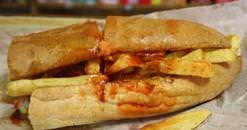
Each region has a signature. Cape Malay cooking in Cape Town's Bo-Kaap gives you bobotie (spiced minced meat baked under an egg custard), fragrant curries and the spiced, coconut-dusted koesister. Durban is the home of bunny chow, a hollowed-out quarter loaf filled with curry, and its Indian food is the best in the country. Out in the townships and on the roadside, shisa nyama spots grill meat to order.

Snack on biltong (air-dried spiced meat) on long bus rides, try vetkoek (fried dough, sweet or stuffed with mince) and finish with melktert (milk tart). Rooibos tea is grown in the Cederberg, north of Cape Town, and you'll find it everywhere.

Wine is the treat that doesn't break a budget. Stellenbosch and Franschhoek are under an hour and a half from Cape Town and tastings at most estates are cheap by European standards. Constantia, inside Cape Town itself, is the closest wine area. If you're not driving, join a tour or take the Franschhoek wine tram rather than an Uber between farms. Castle Lager is the default beer, but there's a decent craft beer scene in the cities.

Tap water is fine in cities and most towns, so carry a bottle and refill. Tip 10 to 15% in restaurants, since wages rely on it.

Nightlife

Long Street, rooftop bars and amapiano

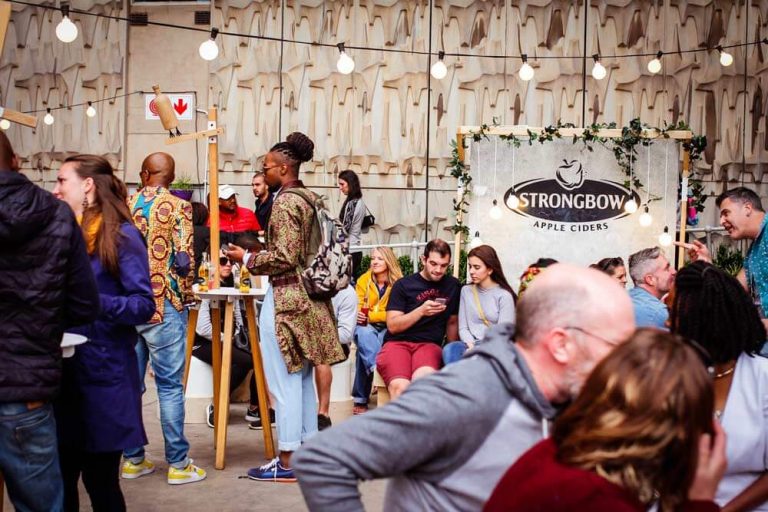
Cape Town has the easiest nightlife for backpackers. Long Street is the loud, cheap, hostel-crowd strip of bars and clubs; nearby Bree Street and Kloof Street are more about cocktails and restaurants. Woodstock and Observatory are where students and creatives drink. It's fun, but it's also where phones get snatched, so keep valuables at the hostel and take an Uber home, even for short distances.

Johannesburg is the country's real party city, and the birthplace of amapiano, the log-drum-heavy house sound that has spread across Africa and beyond. Braamfontein and Maboneng have rooftop bars and weekend markets, and Melville's 7th Street is a long-standing bar strip. Go out with people who know the area, ideally your hostel, and use ride-hailing apps door to door.

Durban's nightlife clusters around Florida Road and the beachfront, with a warmer, slower feel. On the Garden Route and Wild Coast, the hostels are the nightlife: braais, bonfires and bar nights in Knysna, Plettenberg Bay, Jeffreys Bay and Coffee Bay.

A few practical things. Clubs often don't get going until late, and many bars take cards. Drink-driving limits are strict (0.05% blood alcohol), and police run roadblocks on weekends. Never leave a drink unattended and don't walk between bars after dark, even in busy areas.

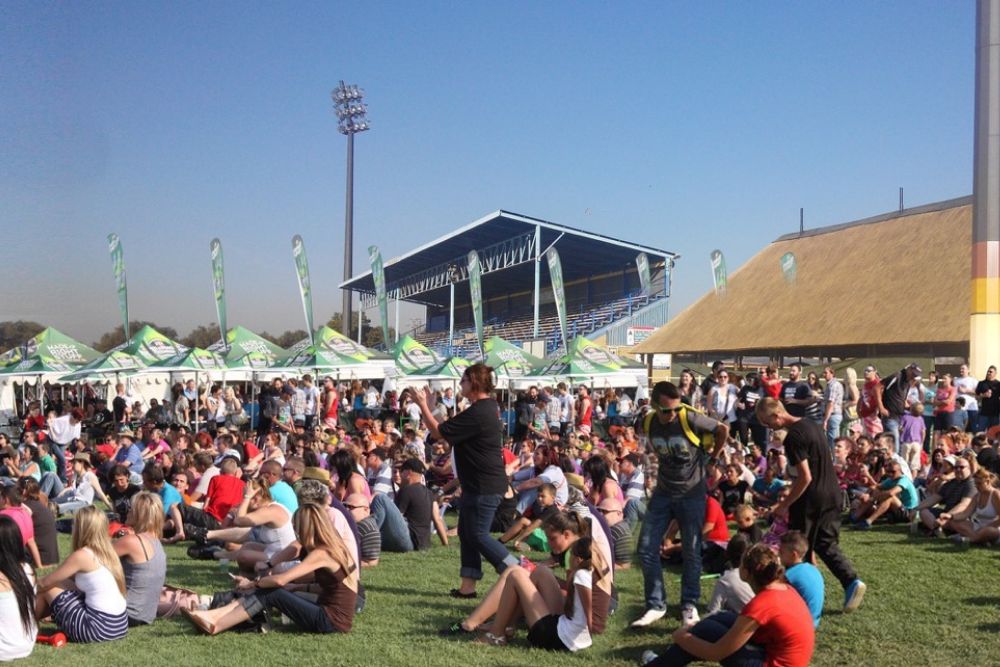
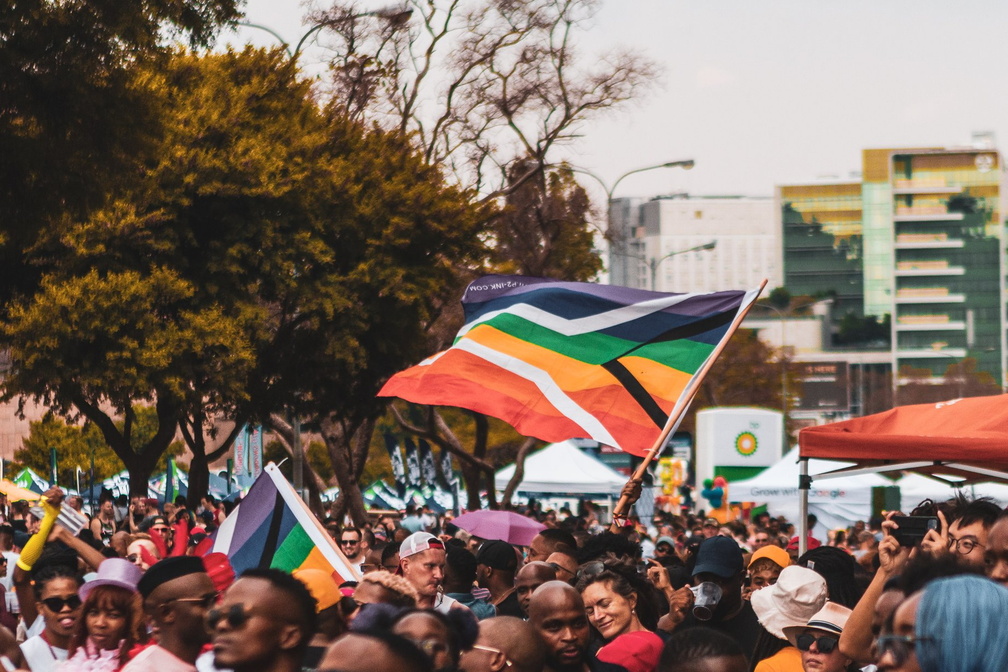
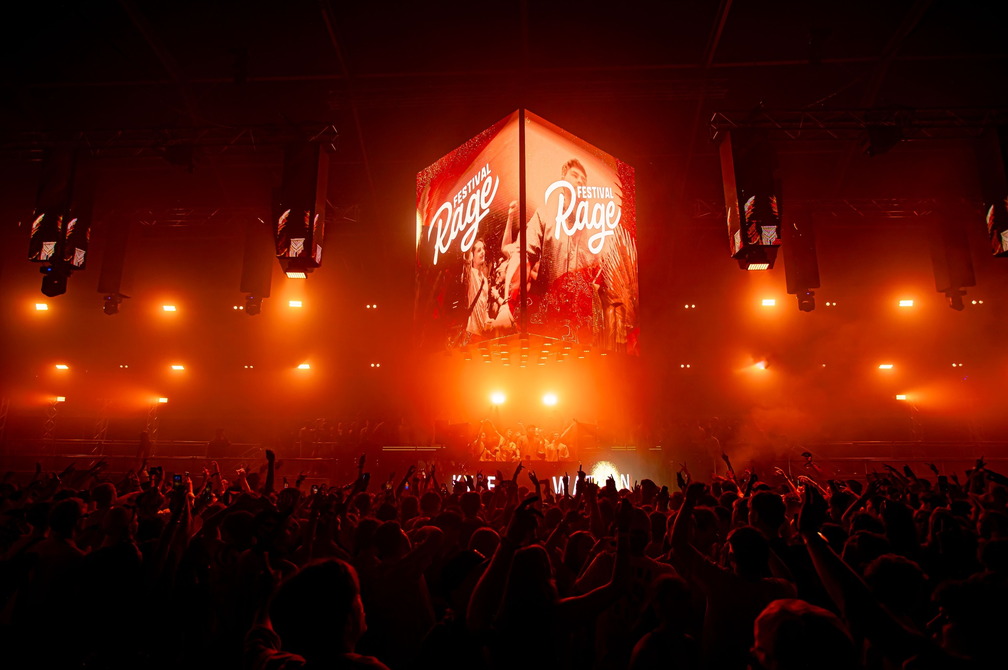
If clubs aren't your thing, the best nights out are often the simplest: sundowners on Signal Hill or a Durban beach, a wine farm afternoon that rolls into dinner, or a hostel braai with whoever turned up on the Baz Bus that day. In summer, outdoor concerts and festivals fill most weekends.

Getting around

Baz Bus, Intercape and more Ubers than you'd think

South Africa has no good backpacker train network, so you'll mix buses, flights, ride-hailing and maybe a hire car. The Baz Bus is the backpacker classic: a hop-on hop-off minibus that picks you up and drops you at your hostel. It currently only runs on the Garden Route between Cape Town and Port Elizabeth (Gqeberha), stopping at Stellenbosch, Hermanus, Swellendam, Mossel Bay, Wilderness, Knysna, Plettenberg Bay, Storms River and Jeffreys Bay. It runs daily from October to February and five days a week from March to September.

For longer hops, Intercape is the main long-distance coach company. Greyhound stopped running in February 2021, announced a comeback in 2022, and its status changes, so don't plan around it without checking. Johannesburg to Cape Town by coach takes 18 to 20 hours. Domestic flights on airlines such as FlySafair and Airlink are often cheaper than they look and take about two hours between Cape Town and Johannesburg, which is why most travellers fly that leg.

In Johannesburg and Pretoria, the Gautrain links OR Tambo Airport to Sandton in about 15 minutes, then continues to Rosebank, Park Station and Pretoria. In Cape Town, MyCiTi buses cover the centre, Atlantic seaboard and northern suburbs with a tap-on myconnect card. Avoid minibus taxis: the FCDO warns of erratic driving and a higher risk of theft and violence.

Uber and Bolt work in the big cities and are what most travellers use at night. Book through the app, wait inside until the car arrives, and check the registration and driver before you get in.

A hire car opens up the Wild Coast, Drakensberg and Kruger. South Africa drives on the left, freeways are 120 km/h, and you need a licence in English with a photo or an International Driving Permit. Keep windows up and bags out of sight at junctions, and avoid driving after dark outside cities.

Costs

Cheaper than Europe, if transport doesn't eat it

The rand has been weak against the euro for years, and at around R18.5 to €1 (October 2026), South Africa is good value for anyone earning in euros or pounds. Supermarket food, wine and beer are cheap; restaurant meals cost noticeably less than in Western Europe. The things that push a budget up are park fees, tours and transport.

Expect to pay real money for the headline sights. From 1 November 2026, SANParks' daily conservation fees for international visitors are R692 (about €37) for Kruger, R592 (about €32) for Cape Point and R282 (about €15) for Boulders Beach. The Table Mountain Cableway is R475 return (about €26) online. A hostel-run Kruger safari or a Robben Island ticket can each take a whole day's budget.

Transport is the other big line. Uber and Bolt are cheap per trip, but you'll take more of them than you'd expect for safety reasons. The Baz Bus or a shared hire car between three or four people usually works out cheaper per head than a string of tours, especially on the Garden Route.

Cards work almost everywhere, including small cafés in cities, and contactless is common. Use ATMs inside banks or shopping centres in daylight, shield your PIN and turn down any offer of help at the machine. Carry a little cash for car guards, petrol attendants, markets and rural areas. Tip 10 to 15% in restaurants.

Use the SANParks fee schedule to decide whether a WILD Card is worth it: members don't pay daily conservation fees, which adds up fast if you're visiting several parks.

Safety

Real risks, and the habits that keep you clear of them

South Africa has a high crime rate and it would be dishonest to pretend otherwise. The UK Foreign Office lists violent muggings, carjackings and smash-and-grab robberies, with the risk highest in townships, some city centres, isolated areas and after dark. The good news is that most visitors have no problems, and the habits that keep you safe are simple and quickly become second nature.

Don't walk around with your phone out or valuables on show, and don't resist if someone does try to rob you. Use ride-hailing apps or hostel transfers after dark rather than walking, even for a few blocks. Use ATMs inside banks or malls, and be wary of anyone offering to help. Visit townships only with a reliable local guide.

Hiking needs extra thought in Cape Town. The FCDO reports muggings on Lion's Head, Signal Hill and other Table Mountain trails, and advises busy, marked routes, avoiding quiet early mornings and evenings, and hiking in groups of four or more. Save the Wilderness Search and Rescue number: +27 21 937 0300.

On the road, keep doors locked and windows up, especially at traffic lights and petrol stations, and don't stop for unmarked cars with blue lights. Thieves have followed travellers from OR Tambo Airport, so arrange a pickup if you can. In Cape Town, stick to the M3 and N2 to and from the airport rather than the R300 or back roads.

Load-shedding (scheduled power cuts) is far less of an issue than it was, with no national load-shedding since 16 May 2025, but local outages still happen. Carry a power bank and a torch. Swim only between the red and yellow flags on patrolled beaches, because rip currents cause many drownings every year.

Entry and documents

90 days, two blank pages and a customs form

British, US and Australian passport holders can visit South Africa for up to 90 days without a visa. Most EU passports also get 90 days, but the official exemption list gives some EU nationalities 30 days and doesn't list others, so check the Department of Home Affairs list for your passport before you book.

Your passport needs to be valid for at least 30 days after you plan to leave and must have at least two blank pages. Airlines enforce this, and they will refuse boarding if you don't comply. If you're adding Lesotho or Eswatini, you'll collect more stamps: the FCDO advises four blank pages for a Lesotho trip, and Eswatini wants two of its own on top of South Africa's.

Since 1 July 2026, every traveller entering or leaving South Africa by air, land, sea or rail has to submit an online traveller declaration to SARS no more than 24 hours before departure. You do it on the SARS Traveller Management System website or the SATMS app, and you keep the confirmation on your phone for customs.

South Africa launched an Electronic Travel Authorisation (ETA) in August 2026. It's being rolled out as compulsory for nationalities that need a visa; visa-exempt travellers, including UK, EU and US passport holders, can use it voluntarily but don't have to. Children under 18 have extra document rules, so check the Home Affairs guidance if you're travelling with anyone under 18.

You'll need a yellow fever certificate if you arrive from a country with yellow fever transmission risk. Kruger and north-east KwaZulu-Natal are malaria areas, so talk to a travel clinic before you go.

When to go to South Africa

South Africa's seasons run opposite to Europe's, and the country has two climates that matter. The Cape has dry, sunny summers (November to March) and wet, windy winters. Kruger and Johannesburg get summer rain and dry, mild winters, which is peak safari time. Durban is warm all year.

28°
Jan
Peak summer, school holidays, hostels full
28°
Feb
Hot and dry on the Cape, quieter hostels
27°
Mar
Cape Town Cycle Tour, warm sea
24°
Apr
Easter crowds, Two Oceans Marathon
22°
May
Rain starts on the Cape, Kruger dries out
19°
Jun
Whales arrive, Comrades Marathon, best safaris
18°
Jul
Winter school holidays, big J-Bay swells
19°
Aug
Wet Cape, wildflowers start on the west coast
20°
Sep
Spring, peak whale season in Hermanus
23°
Oct
Warm, dry and good value
24°
Nov
Summer begins, good all-round month
27°
Dec
Festive season, book everything early
Bar height is temperature. Colour is how busy it gets: quiet busy peak

Average highs are Cape Town figures (1991–2020 normals at Cape Town International Airport, via climate-zone.com), since most trips start there. The airport can run a degree or two warmer than the Atlantic seaboard. Crowd scores are our own rough guide, driven by South African school holidays (mid-December to mid-January, Easter and late June to July).

What a day in South Africa costs

Pick a travel style and the number of nights for a rough total. Park fees, safaris and flights come on top.

Our estimates in euros per day, based on dorm beds, self-catering or cheap meals, ride-hailing and the occasional paid sight, at around R18.5 to €1. Check live dorm prices below. A single Kruger day (R692 park fee plus a game drive) or a Robben Island trip will cost more than one day's doing budget.

—
  • Beds—
  • Food and drink—
  • Getting around—
  • Doing things—
What's on

Festivals and events in South Africa

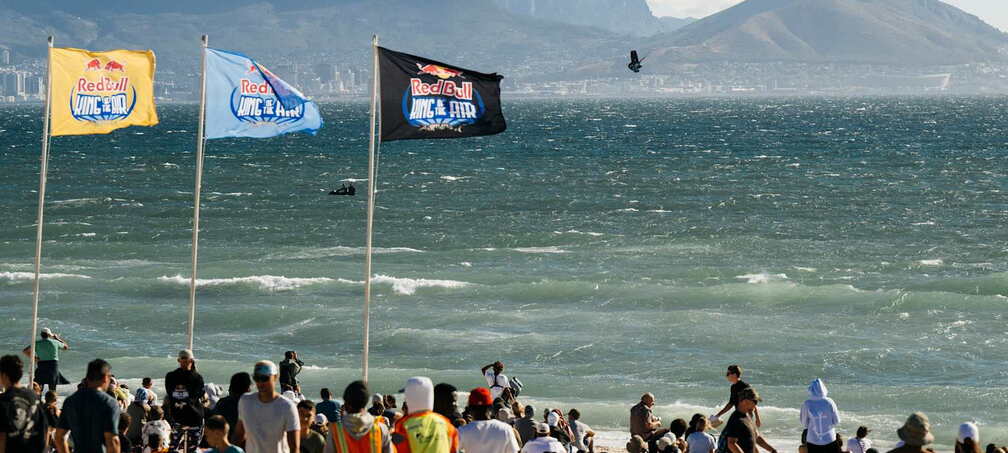
Big sporting events and festivals fill hostels fast, especially in Cape Town over New Year and Easter, so book ahead if your dates overlap.

South Africa travel FAQs

Visa rules, fees and safety advice change. Check the official sources before you travel.

Is South Africa safe for backpackers?
Most backpackers visit without problems, but crime is high, so you need to change some habits. Use Uber, Bolt or hostel transfers after dark, keep your phone out of sight on the street, use ATMs inside banks or malls, and hike Cape Town's trails in groups of four or more. Visit townships only with a reliable local guide.
How many days do you need in South Africa?
Two weeks covers Cape Town, the winelands and the Garden Route at a decent pace. Three to four weeks lets you add the Wild Coast or Drakensberg and fly up to Johannesburg for Kruger. Anything less than ten days is best spent on the Western Cape alone.
Do I need a visa for South Africa?
UK, US and Australian passport holders can stay up to 90 days visa-free. Most EU passports also get 90 days, but a few get 30 days or need a visa, so check the Department of Home Affairs exemption list. Your passport needs 30 days' validity beyond departure and two blank pages, and you must submit the SARS online traveller declaration within 24 hours of flying.
When is the best time to visit South Africa?
October to April is best for Cape Town, the beaches and the Garden Route, with the hottest, busiest weeks from mid-December to mid-January. May to September is the dry season in Kruger, when animals are easiest to spot. Whale season in Hermanus runs from June to November.
Is South Africa safe for solo female travellers?
Plenty of women travel South Africa solo, mostly by sticking to hostels, the Baz Bus and ride-hailing apps rather than walking or minibus taxis. Be careful at night and on quiet hiking trails, where the FCDO advises going in groups. Hostels are a good place to find hiking and travel partners.
How much does a trip to South Africa cost per day?
A tight backpacker budget is around €40 a day in a dorm with self-catering, rising to about €90 for a more comfortable mid-range trip. Park fees (R692 a day for Kruger from November 2026), tours and flights come on top. Wine, supermarket food and Uber rides are cheap by European standards.
How do you get from Cape Town to Johannesburg?
Most travellers fly: it takes about two hours and budget airlines such as FlySafair often have cheap fares if you book ahead. Intercape coaches take 18 to 20 hours. Driving is around 1,400 km, so only do it if you're stopping along the way.
Is the Baz Bus still running?
Yes, but currently only on the Garden Route between Cape Town and Port Elizabeth (Gqeberha), with hostel pickups at stops including Stellenbosch, Hermanus, Knysna, Plettenberg Bay and Jeffreys Bay. It runs daily from October to February and five days a week the rest of the year. For Durban, Johannesburg and the Wild Coast you'll need Intercape, flights or a car.
Can you visit Kruger on a budget?
Yes. Stay in a hostel in Hazyview or another town near the southern gates and join its game drives, which saves you hiring a car. If you do drive, the park roads are good and self-drive safaris are common. Budget for the daily conservation fee of R692 (about €37) per person from 1 November 2026.
Is there still load-shedding in South Africa?
National load-shedding has been suspended since 16 May 2025, and Eskom reported over 440 days without it in August 2026. Local outages and maintenance cuts still happen, so carry a power bank and a torch. Ask your hostel whether it has backup power.

Say yes to hostels, meet the world

Compare South Africa hostels — live prices, real reviews and free cancellation on most bookings. Then meet the people already there in the app.

Get the App. QRGet the App.
Get the App. QR  Get the App.
Scroll to Top