Morocco packs medieval medinas, Sahara dunes, Atlas peaks and Atlantic surf into a country you can cross by train and bus for under €25 a leg. Fly into Marrakech in under four hours from London, sleep in a riad hostel from about €6 a night, and give it two weeks if you can.
Morocco is the most varied country you can reach on a short-haul budget flight from Europe. In a single fortnight you can get lost in the souks of Marrakech, sleep in a tent in the Erg Chebbi dunes, walk mule tracks in the High Atlas and finish with grilled sardines and a surf lesson on the Atlantic. It is also a country that asks a bit more of you than Spain or Portugal: the medinas are loud and disorientating, bargaining is part of daily life, and touts are a constant in the busiest cities. Most people find it settles down after day two.
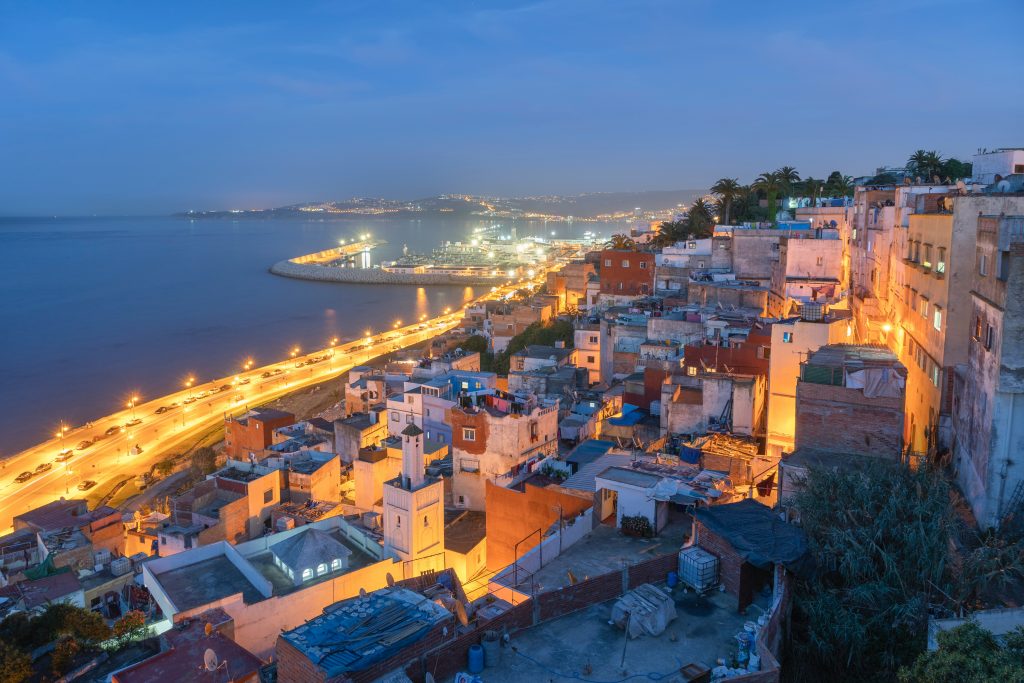
Think of it in four zones. The imperial cities (Marrakech, Fes, Meknes and Rabat) are where the history is: walled medinas, madrasas, palaces and tanneries. The north (Tangier, Chefchaouen, Tetouan) feels closer to Andalucía, with Spanish widely spoken and a ferry to Tarifa that takes about an hour. The south (the Atlas, Ouarzazate, Aït Benhaddou, the Draa valley and Merzouga) is mountains, kasbahs and desert. And the Atlantic coast (Essaouira, Taghazout, Agadir) is where travellers slow down, surf and recover from the medinas.
Getting around is easier than people expect. ONCF trains link Tangier, Rabat, Casablanca, Fes and Marrakech, and the Al Boraq high-speed line gets you from Tangier to Casablanca in about 2 hours 10 minutes. Everywhere the railway does not reach, CTM and Supratours coaches do, with reserved seats and luggage holds. Grand taxis fill the gaps in the mountains.
The classic first trip is a loop: fly into Marrakech, spend three days there, take a three-day desert tour or bus to Merzouga, continue to Fes, ride the bus to Chefchaouen, then exit via Tangier by train or ferry. Add four or five days on the coast at Essaouira or Taghazout and you have a very good two to three weeks. With only a week, pick one region rather than trying to see the whole country from a minibus window.
Budget-wise, Morocco is cheap but not as cheap as it was. A dorm bed in a Marrakech riad hostel runs from about €6 to €17, a plate of food at a local spot costs a few euros, and long-distance buses rarely top €20. Entry tickets are where costs creep up: the big Marrakech monuments are 100 MAD (about €9) each and the Jardin Majorelle is 150 MAD. Most backpackers spend €30 to €45 a day.
Go in spring (March to May) or autumn (September to November) if you can. Summer is fierce inland, with Marrakech averaging 36°C in July and August, and winter nights in the desert and mountains drop close to freezing. Ramadan 2027 is expected to run from about 8 February to 9 March: travel is still very doable, but daytime eating options shrink and the rhythm of the day changes.
Where to go in Morocco
Most routes start in Marrakech or Tangier and link the imperial cities, the desert and the coast. These are the stops that earn their place on a backpacker itinerary, with live hostel counts and dorm prices from Hostelworld.
Marrakech
60 hostels
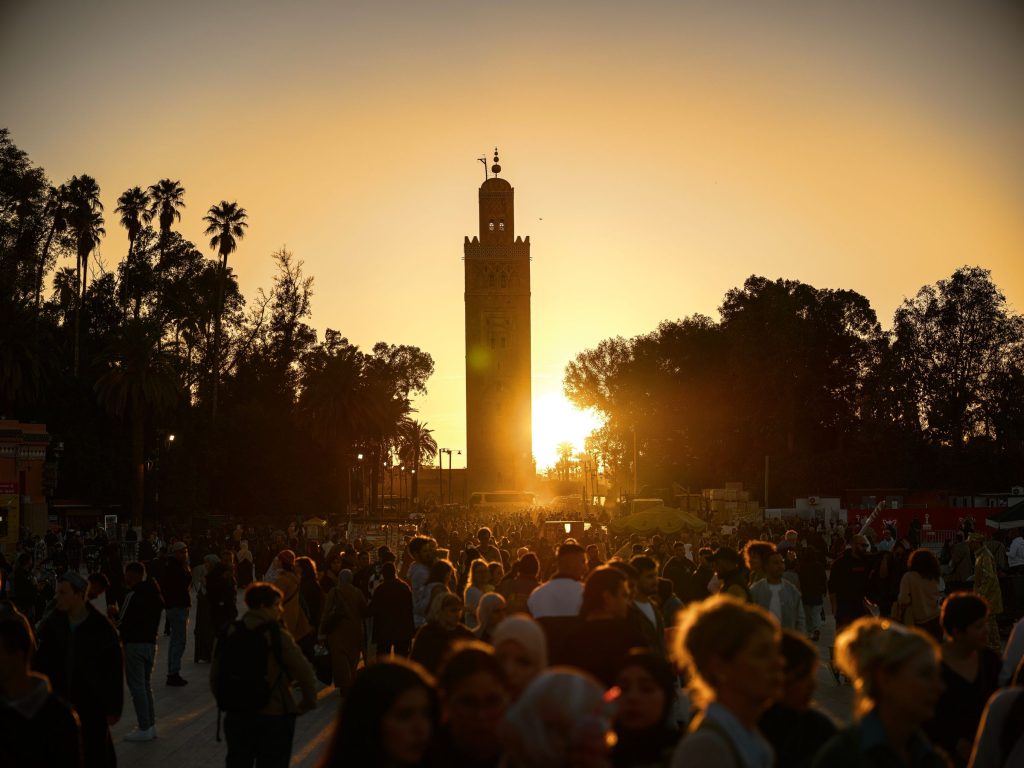
The loud, intense, unmissable start of most trips: Jemaa el-Fna at night, riad hostels, palaces at 100 MAD a ticket and day trips to the Atlas and Agafay.
Great city with friendly people, great food and high energy.
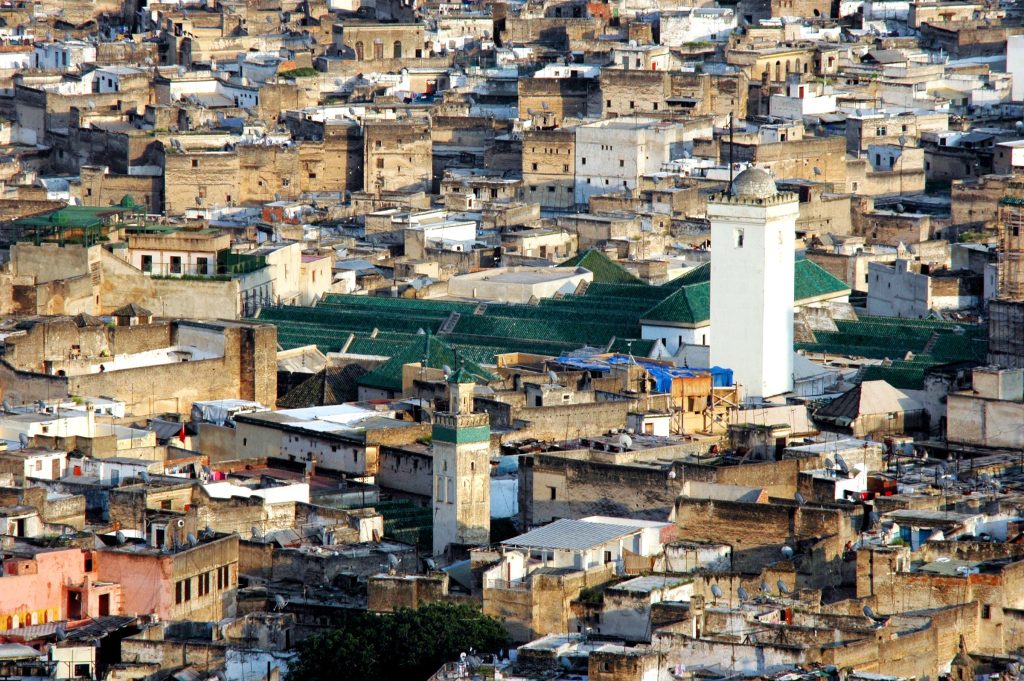
The largest and most authentic medina in Morocco, a UNESCO site since 1981, with tanneries, madrasas and lanes only donkeys can navigate. Give it two full days.
My second time in Fez it was fantastic. I really enjoyed all the things of the city.
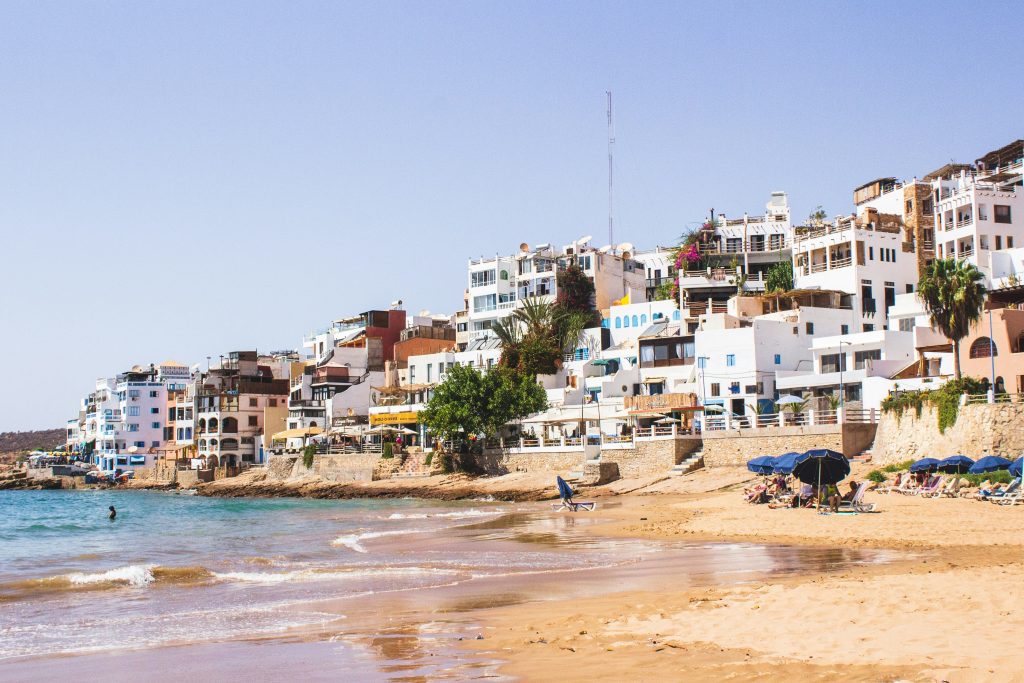
Laid-back surf village north of Agadir with surf hostels, beginner lessons all year and bigger swells from September to April.
Taghazout is really great for a couple of things: - The Surfing culture, you can rent board and wetsuits everywhere, it sits close by to a lot of beaches and surf points you can walk to some or take a taxi which gives you more opportunities to surf on your days there based on the waves of each place and it also just fun to just switch and go to another beach. - It has great panaromas view from the skatepark to just walking in the village your eyes are always delighted - The food is great
Morocco works for very different trips. Choose one or two of these and build the route around them, rather than trying to tick off the whole country in ten days.
Desert in Morocco
Ride out into the Erg Chebbi dunes at sunset, sleep in a desert camp and cross the Atlas past kasbahs and palm valleys.
Start with the medinas, because they are the reason most people come. Marrakech is the loudest and most theatrical: Jemaa el-Fna fills with food stalls, musicians and storytellers every evening, and the souks to the north are a maze of leather, lamps and spices. Fes el-Bali, a UNESCO site since 1981, is older, bigger and far less touristy, with donkeys still hauling goods through lanes too narrow for anything else. Climb a terrace above the Chouara tannery for the classic view of the dye pits, and expect to be steered into a leather shop on the way out.
Then go south. A night in the Erg Chebbi dunes at Merzouga is the highlight of most trips: camel ride out at sunset, dinner and drumming in a camp, and a sky full of stars. On the way, the Tizi n'Tichka pass crosses the High Atlas to Aït Benhaddou, the fortified earth village that has appeared in a long list of films and TV series and has been a World Heritage site since 1987. Walking into the ksar itself is free.
For hiking, Imlil is the base for the High Atlas and for Jebel Toubkal, at 4,167 m the highest peak in North Africa. You need a licensed guide to climb Toubkal, and most people take two or three days with a night at the refuge. Even if you do not summit, the day walks through walnut groves and Amazigh villages around Imlil are some of the best in the country.
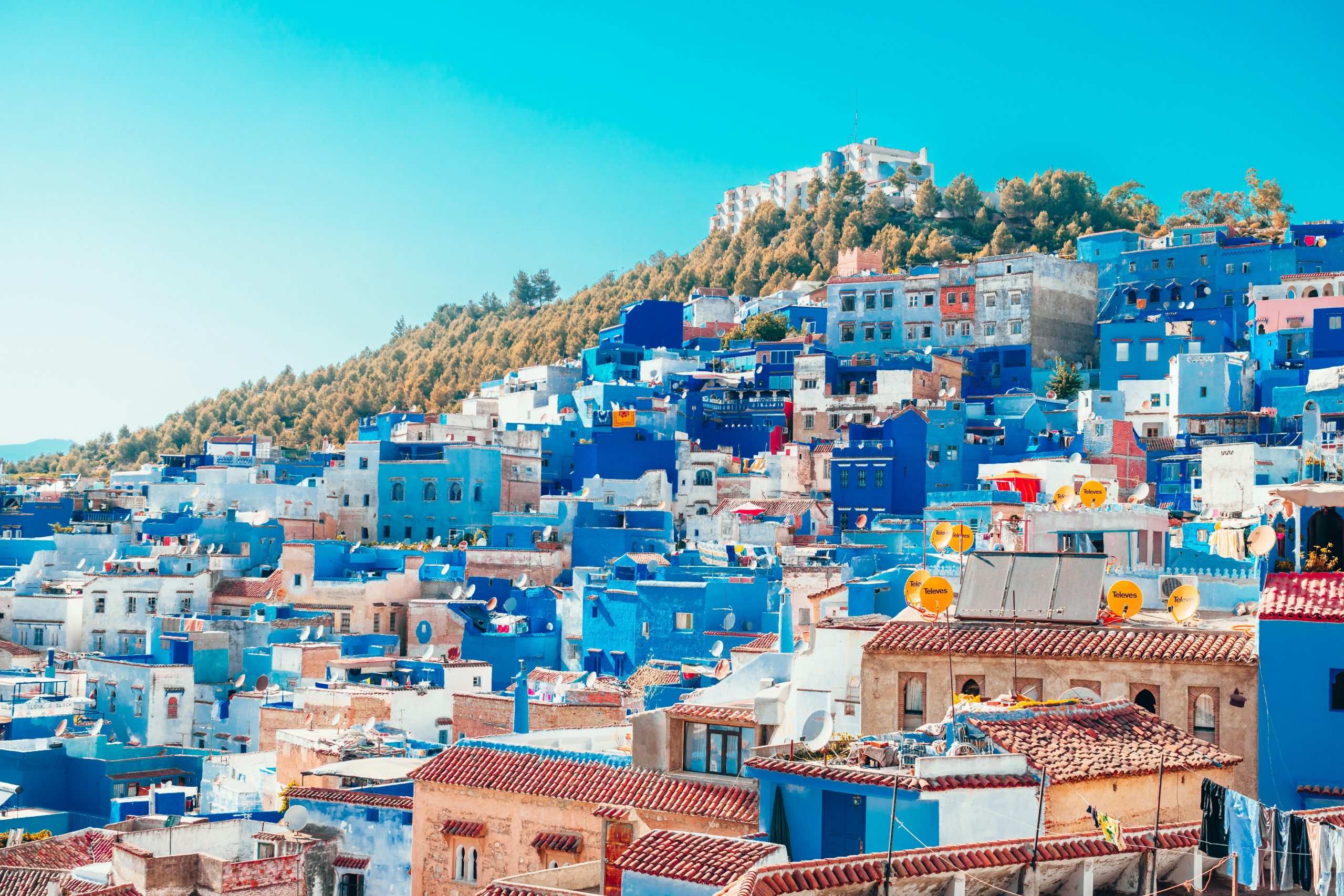
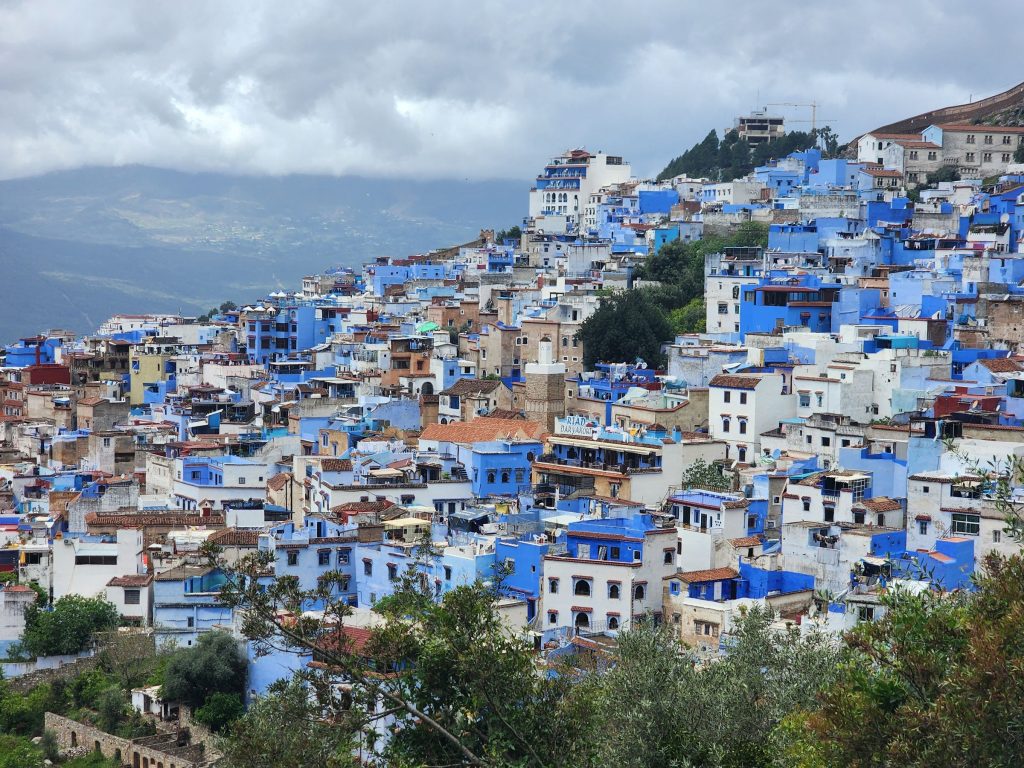
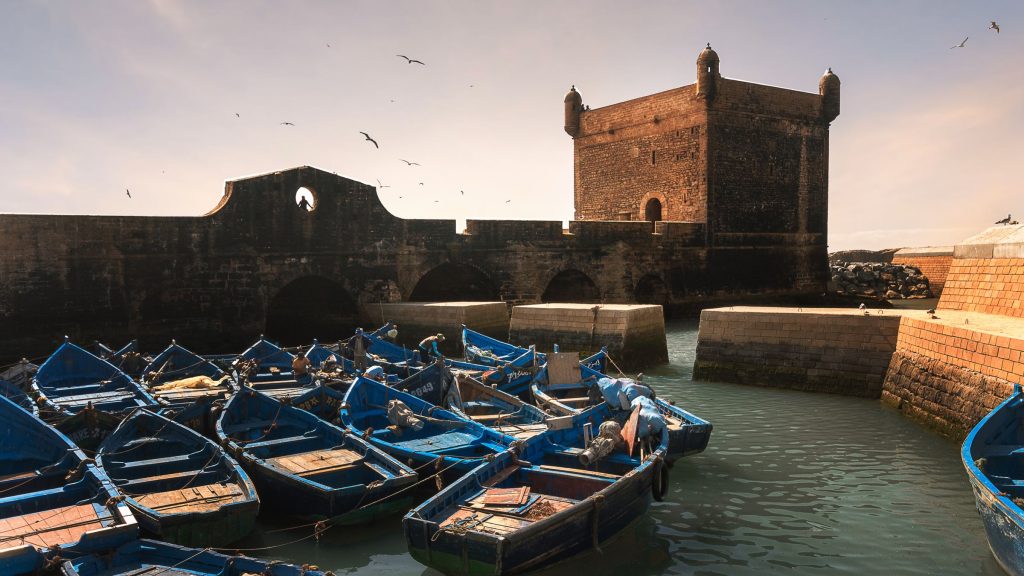
On the coast, Essaouira has a compact, walkable UNESCO medina, a working fishing port and steady wind that makes it a kitesurf hub. Further south, Taghazout is a laid-back surf village where beginners can learn year-round and experienced surfers come for the bigger swells from September to April. In the north, Chefchaouen's blue-washed medina in the Rif mountains is beautiful and very photographed; stay at least two nights so you see it before and after the day-trippers.
Do not skip the cities people rush through. Rabat is calm, clean and has the Kasbah of the Udayas above the ocean. Casablanca's Hassan II Mosque is one of the few mosques in Morocco non-Muslims can enter, on guided tours that cost 140 MAD. Meknes is the base for the Roman ruins at Volubilis.
Food and drink
Tagines, harira and too much mint tea
Moroccan food is built around slow cooking and bread. Tagine, the conical clay pot, is on every menu: chicken with preserved lemon and olives, beef with prunes, or kefta (spiced meatballs) with egg. Couscous is traditionally a Friday lunch, so look for neighbourhood restaurants serving it around midday that day. Bread (khobz) comes with everything and doubles as your cutlery.
The cheapest and best eating is on the street and in small local cafés. Harira, a tomato, lentil and chickpea soup, costs about 10 to 15 MAD (around €1) and is the dish that breaks the fast every evening during Ramadan. Breakfast is msemen or meloui (flaky griddle breads) with honey for a few dirhams each, or a bowl of bissara, a garlicky split-pea soup that is a winter staple. Sfenj, a ring doughnut fried to order, costs 1 or 2 MAD.
Each region has its speciality. Marrakech is known for tanjia, beef or lamb slow-cooked in a clay urn in the embers of a hammam furnace. Fes is the home of pastilla, a sweet and savoury pie of pigeon or chicken dusted with cinnamon and sugar. On the coast, Essaouira's port grills serve the morning's catch, and the south is where you will find amlou, a spread of almonds, honey and argan oil.
Mint tea is the national drink and the start of every conversation, poured from a height and usually very sweet. Freshly squeezed orange juice is everywhere and cheap. Alcohol is only sold in licensed bars, restaurants and hotels, and drinking in the street is illegal. During Ramadan many cafés close until sunset, then the whole country sits down to eat at once.
Prices jump in tourist areas. A tagine that costs 50 to 100 MAD in a local medina restaurant can cost three times that on a rooftop overlooking the main square. Check the menu price before you sit down, carry small notes, and assume street stalls are cash only.
Nightlife
Rooftops, campfires and the odd club
Be realistic: Morocco is a Muslim country and nightlife is low-key compared with southern Europe. Alcohol is only served in licensed venues, there are few bars inside the old medinas, and drinking anywhere else, including in the street, is illegal and can get you arrested. That does not mean evenings are dull, just that they look different.
In most places the evening happens outdoors and sober. Jemaa el-Fna in Marrakech is the best free night out in the country, with food stalls, Gnawa musicians and crowds until late. Hostels across Morocco put on shared dinners, rooftop music and drumming sessions, and in the desert the night is a campfire, tagine and Amazigh drumming under the stars.
Marrakech has the most going on after dark. The rooftop bars around the medina pour drinks with a view of the Koutoubia minaret, and the new town of Gueliz and the Hivernage district have cocktail bars and clubs that run until the early hours, usually with a dress code and a cover charge. Casablanca and Tangier have more of a regular city bar scene, while Taghazout and Essaouira are about sunset beers, surf-hostel parties and live music.
If you want music, time your trip around a festival. The Gnaoua and World Music Festival in Essaouira (late June) and Mawazine in Rabat (June) are the big ones.
Two safety notes. The UK government warns that drinks containing methanol have killed and injured people in Morocco, and you cannot taste or smell it, so stick to sealed bottles in licensed places. And during Ramadan, many bars close or stop serving to Moroccans, so check before you head out.
Getting around
Trains, buses and grand taxis
Morocco's rail network, run by ONCF, is the easiest way to cover the north and the imperial cities. The Al Boraq high-speed train runs from Tangier to Rabat in about 1 hour 20 minutes and to Casablanca in about 2 hours 10 minutes, roughly hourly between 06:00 and 19:00 plus a 21:00 departure. Second-class fares to Casablanca run from about 99 to 224 MAD (around €9 to €21), cheaper the earlier you book. Conventional trains continue to Marrakech (about 2 hours 40 minutes from Casablanca) and Fes (about 3 hours 20 minutes from Casablanca).
Book on oncf-voyages.ma, where tickets go on sale up to three months ahead and the site switches to English. The site sells seats only. For the overnight train from Tangier to Marrakech (leaves 23:25, arrives 09:01), a couchette costs about 375 MAD and has to be booked at the station or through an agency. Marrakech to Fes by train is a long 6½ to 7½ hours, at around 180 to 220 MAD in second class.
Where the railway stops, the two reliable coach companies take over. CTM and Supratours (ONCF's bus arm) have assigned seats, air conditioning and luggage holds, with a small fee of 5 to 15 MAD per checked bag. Supratours leaves from beside Marrakech station for Essaouira (about 3 hours, around 100 MAD) and Agadir (about 3½ hours, around 110 to 120 MAD). CTM runs Fes to Chefchaouen in about 4½ to 5 hours for around 140 MAD, and Tangier to Chefchaouen in about 2½ hours. For the desert, Supratours runs an overnight service from Fes (via Meknes) that leaves at 20:30 and reaches Merzouga at 07:40, for about 240 MAD.
Grand taxis, usually old white Mercedes or Dacias, run fixed routes between towns and leave when all six seats are full. They are the way to reach Imlil, Ourika and many smaller places. Agree the per-seat price before you get in, or pay for two seats if you want room. Inside cities, small petit taxis should use the meter; ride-hailing apps Careem and inDrive work in the big cities, and Uber returned to Casablanca and Marrakech in late 2025 with licensed operators only.
Arriving overland from Spain, fast ferries cross from Tarifa to Tanger Ville port in about an hour. If you plan to drive, UK licence holders need the 1968 International Driving Permit.
Costs
What Morocco costs in 2026
Morocco uses the dirham (MAD). In October 2026, €1 buys about 10.9 MAD, so 100 MAD is roughly €9. The dirham is a closed currency: you cannot easily buy it before you travel, and US travel advice says exporting it is prohibited, so change or spend what you have left before you fly home. ATMs are easy to find in cities and towns but scarce in mountain villages and the desert, so take out enough cash before heading to Imlil, Merzouga or Chefchaouen.
Cash runs the country. Street food, grand taxis, local cafés, the Marrakech monuments and most guesthouses want dirhams, ideally in small notes. Cards work in bigger hostels, chain shops, train stations and for online bookings, and some sights, such as the Jardin Majorelle, now sell tickets online only.
Accommodation is the easy part. Dorm beds in Marrakech riad hostels currently run from about €6 to €17 a night, and many include breakfast on the roof. Some hostels add a city tax per night on top of the listed price, so check the booking. Food is cheap if you eat where locals do: harira for about €1, a tagine in a medina restaurant for €5 to €9, a fresh orange juice for under €1.
Sightseeing and tours are where budgets slip. The main state-run monuments in Marrakech (Bahia Palace, El Badi Palace, Saadian Tombs) cost 100 MAD each for foreign visitors since June 2024. The Jardin Majorelle is 150 MAD, or 300 MAD with the YSL and Berber museums. Desert tours vary wildly in price, so compare what is included (transport, camp standard, meals, camel ride) rather than the headline figure.
Bargaining is expected in the souks and with unmetered taxis, but not in supermarkets, cafés with printed menus, or for train and coach tickets. Start well below the first price, keep it friendly, and be ready to walk away. Tipping is customary: round up in cafés and leave something for guides and drivers.
Safety
Staying safe and sane in Morocco
Morocco is a popular, generally safe destination, and the main problems travellers face are hassle and small scams rather than danger. The UK, US and Australian governments all advise increased caution because of the risk of terrorism, which is a reason to stay aware in crowded places rather than to cancel a trip. Expect visible security at some hotels and sites.
Petty crime is the realistic risk. Pickpocketing, bag snatching and theft by passing motorbikes happen in medinas, at beaches and around tourist sights, and the UK government notes occasional knife-point robberies in cities, so avoid quiet lanes late at night and do not carry more cash than you need. In the medinas, the classic hassles are fake guides who claim a sight is closed and walk you to a shop, henna artists who start before agreeing a price, and animal handlers who put a monkey or snake on you and then demand money.
Women, especially travelling solo, get more attention, from comments in the souk to persistent questions. Loose clothing covering shoulders and knees reduces it noticeably, walking with purpose helps, and a sociable hostel is a good base. Same-sex relations are illegal in Morocco and public displays of affection can lead to prosecution, so LGBTQ+ travellers should be discreet and careful with dating apps.
Know the laws. Drugs carry zero tolerance and long sentences; kif is offered openly around Chefchaouen and the Rif but buying it is still illegal. Drinking outside licensed venues is illegal, as is flying a drone without permission from the civil aviation authority. During Ramadan, avoid eating, drinking or smoking in public in the daytime.
In the mountains, hire a licensed guide (required on Toubkal), carry water and warm layers, and make sure your insurance covers trekking. The September 2023 earthquake struck the High Atlas southwest of Marrakech and rebuilding continues in some villages. Do not travel near the Berm in Western Sahara: Australia's advice warns of armed conflict and landmines there.
Entry and documents
Visas, passports and paperwork
Good news for most Hostelworld readers: UK, US, Canadian, Australian and EU passport holders do not need a visa to visit Morocco as a tourist for up to 90 days. You just get an entry stamp at the border. Other nationalities should check the official e-visa portal, acces-maroc.ma, before booking.
Check your passport validity. UK advice says your passport must be valid for at least three months after the date you arrive; US advice asks for six months' validity on entry and one blank page per stamp. Aim for six months to be safe, and make sure the passport is not damaged, because damaged passports have been refused.
Make sure you get your entry stamp. UK travel advice notes that some travellers have had trouble leaving Morocco because their passport was not stamped on arrival. If you want to stay longer than 90 days, apply for an extension at a police station; US advice warns that overstaying means seeing a judge and possibly paying a fine before you can leave.
Money and customs: you must declare large amounts of foreign currency when entering and leaving, and you cannot take dirhams out of the country. Customs rules are strict, so declare anything that might be restricted. Drones need prior permission from the civil aviation authority, and posting passports into or through Morocco is banned.
Morocco switched to permanent GMT (UTC+0) on 20 September 2026, ending the old GMT+1 time with a one-hour change for Ramadan, so check older timetables and guides that still mention it.
When to go to Morocco
Spring and autumn are the sweet spots: warm days, cool nights and comfortable conditions in the medinas, the mountains and the desert. Summer is hot inland and best spent on the coast, and winter is mild by day but cold at night anywhere high or dry.
18°
Jan
Clear days, cold nights; snow on the Atlas
20°
Feb
Ramadan expected from about 8 Feb 2027
22°
Mar
Eid al-Fitr around 9–10 Mar 2027; spring starts
24°
Apr
Peak spring, Easter crowds
27°
May
Rose Festival in the Dades valley
31°
Jun
Fes, Mawazine and Gnaoua festivals
36°
Jul
Very hot inland; coast busy
36°
Aug
Hottest month; head for the Atlantic
32°
Sep
Surf season starts; Imilchil festival
27°
Oct
Best all-round month
22°
Nov
Good trekking light; film festival
19°
Dec
Holiday rush; freezing desert nights
Bar height is temperature. Colour is how busy it gets:quietbusypeak
Temperatures are average daily highs in Marrakech (weather2travel climate data), used as a reference for the inland route. The coast at Essaouira and Taghazout is noticeably cooler in summer, and the desert and Atlas are colder at night. Crowd levels are our own rough estimate. Ramadan and Eid dates move about 11 days earlier each year and are confirmed only by moon sighting.
How much a day in Morocco costs
Pick a travel style and the number of nights to see a rough total. Figures are per person per day in euros, based on hostel dorm or private room prices, local food, buses and trains, and a mix of paid sights and tours.
Rough figures for 2026, converted at about €1 = 10.9 MAD. Multi-day desert tours, Toubkal guides and surf camps are usually paid as packages and can push a day well above these numbers.
—
Beds—
Food and drink—
Getting around—
Doing things—
What's on
Festivals and events in Morocco
Music festivals, harvest celebrations and religious holidays shape the Moroccan calendar. Lunar holidays such as Ramadan and the two Eids shift about 11 days earlier each year, so check dates for your trip.
Staff pick
21–29 November
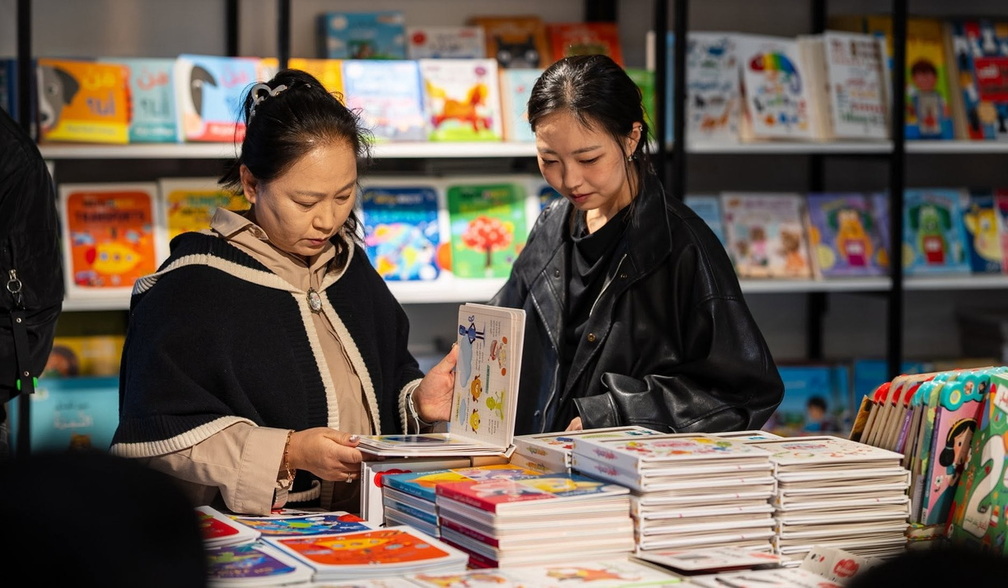
Casablanca’s International Children's and Youth Book Fair
Casablanca
The International Children's and Youth Book Fair in Casablanca, Morocco, brings together local and international authors, illustrators, and publishers to celebrate children's literature and…
Staff pick
22–25 October
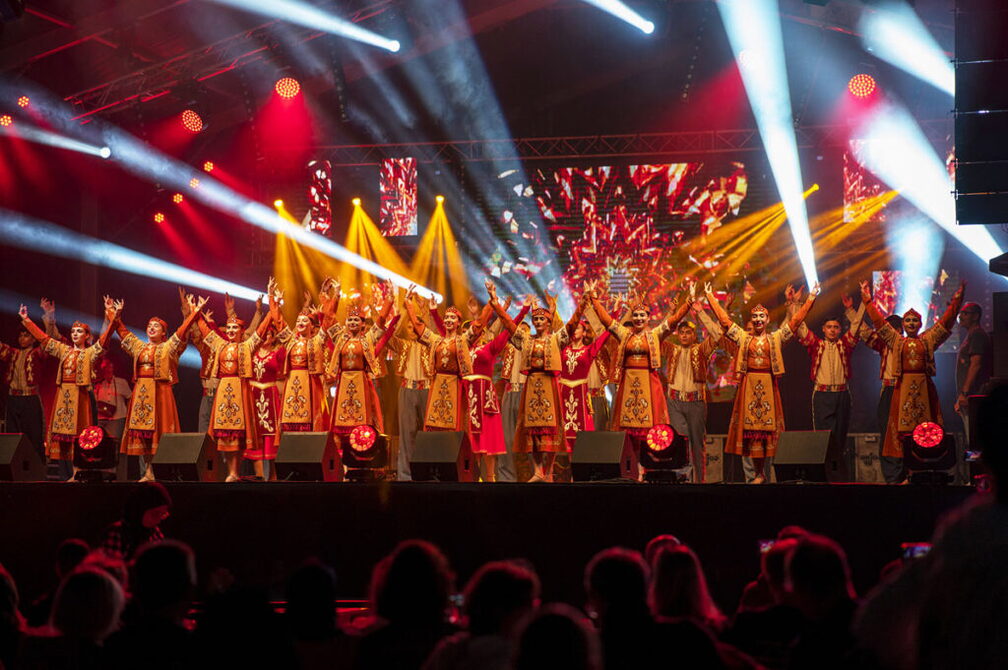
Marrakech Folklore Days
Marrakech
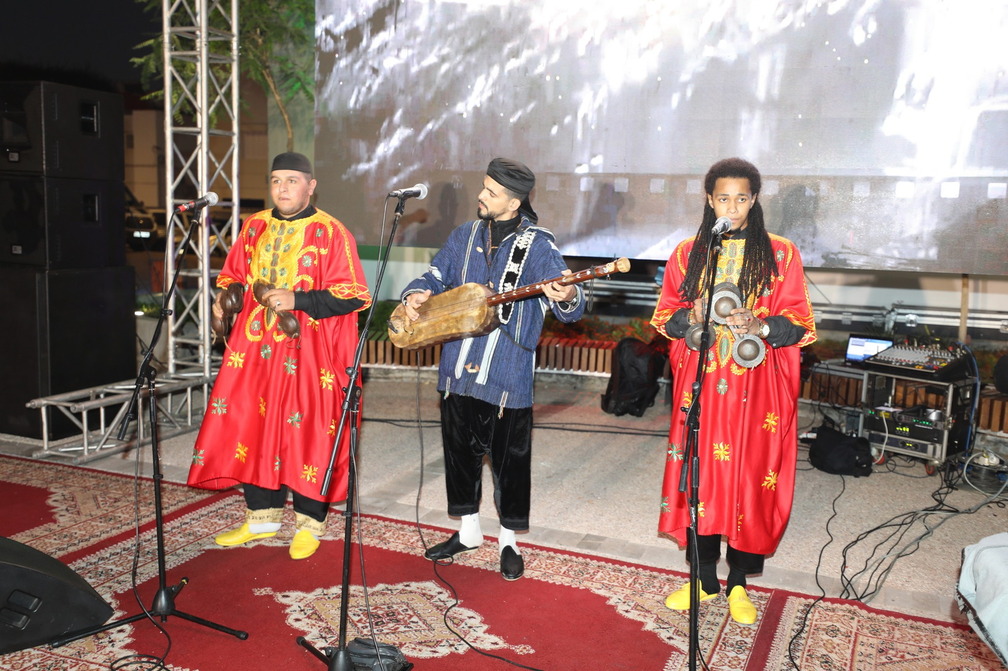
Marrakech Folklore Days in Marrakech, Morocco, is recognized as Africa’s largest traditional art festival, drawing folk artists and performers from across the globe. The…
Staff pick
25 October
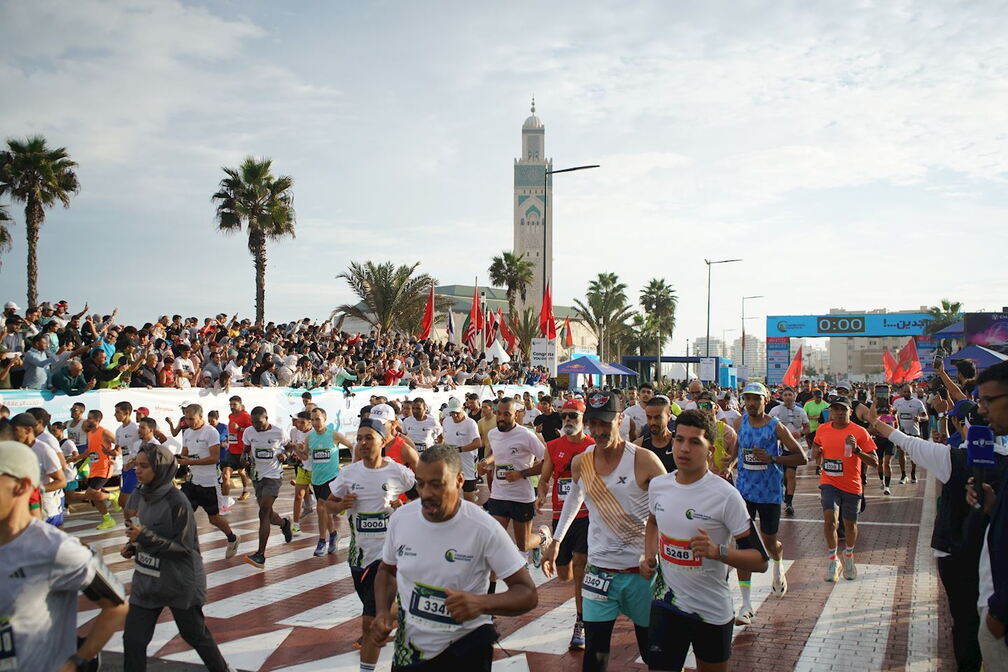
Marathon International de Casablanca
Casablanca
The Marathon International de Casablanca in Casablanca, Morocco, has welcomed over 10,000 runners from Morocco and around the world for more than 15 years.…
Staff pick
14–16 November
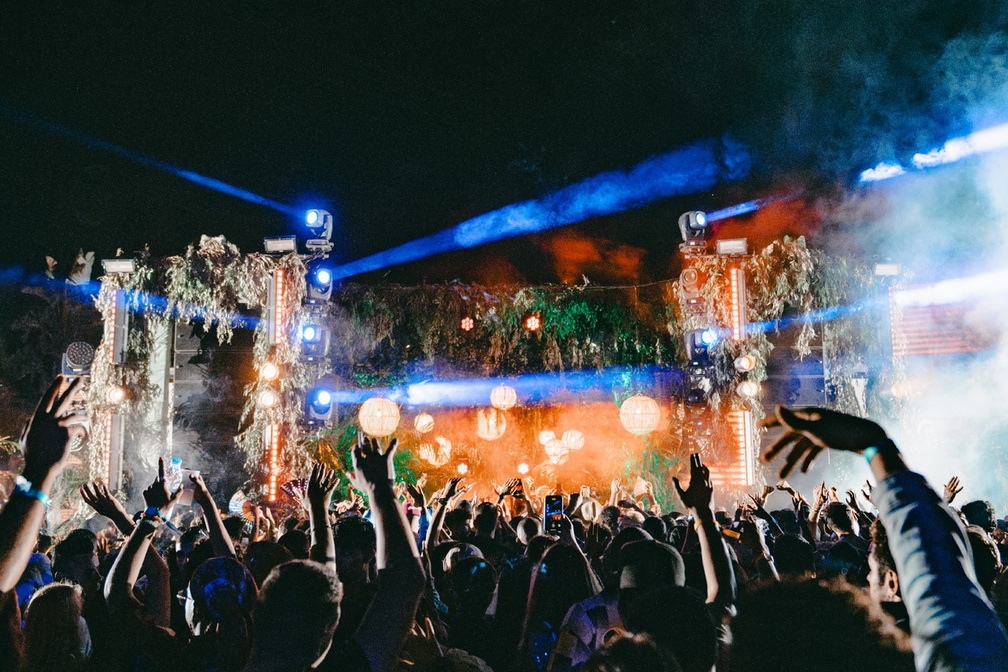
Cultivora Festival
Marrakech
Cultivora Festival in Marrakech, Morocco, is a dynamic music event that blends cutting-edge sounds with the city’s rich cultural heritage. Attendees can expect an…
Staff pick
20–28 November
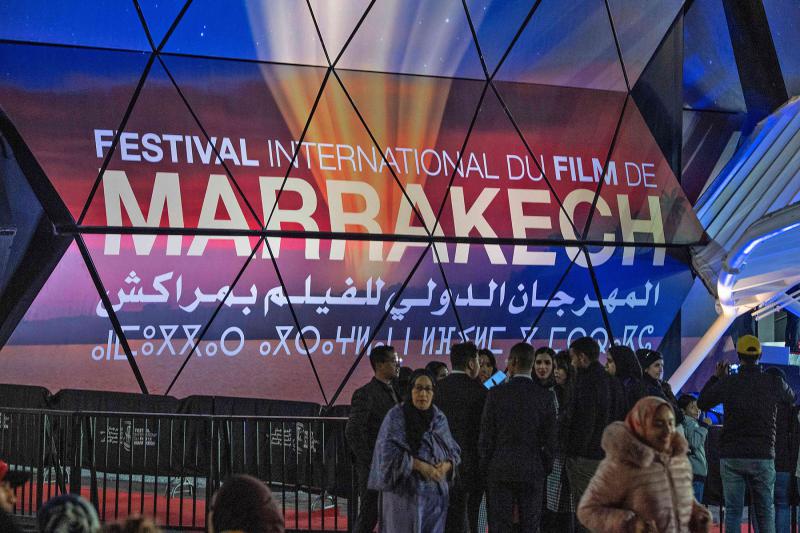
Festival International Du Film De Marrakech
Marrakech
The Marrakech International Film Festival in Marrakech, Morocco, is a renowned celebration of global cinema, drawing filmmakers, actors, and cinephiles from around the world.…
Staff pick
29 Nov – 6 Dec
Marrakech Golf Festival
Marrakech
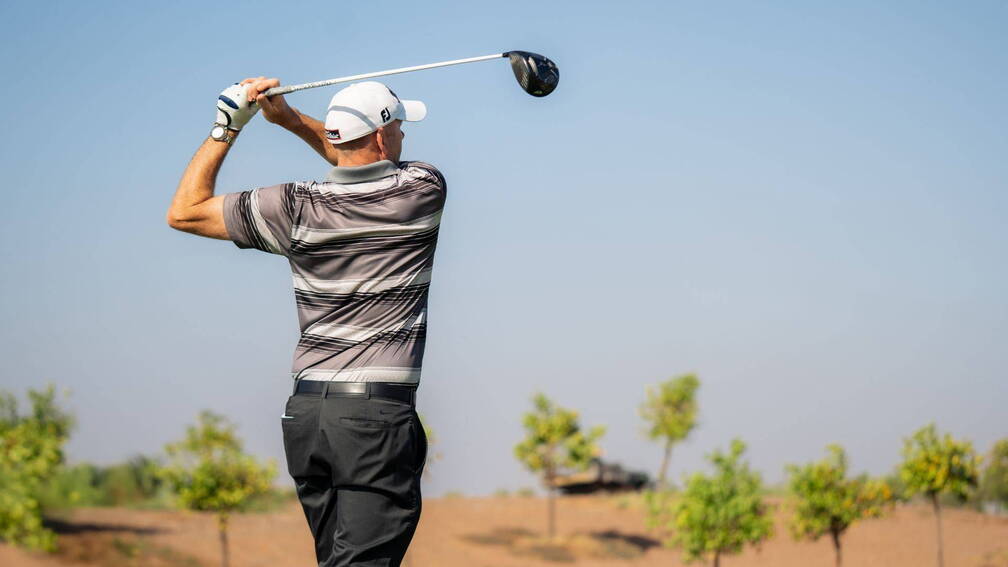
The Marrakech Golf Festival in Marrakech, Morocco, brings together amateur golfers from around the world for a week of competition and cultural immersion. Participants…
Staff pick
24–30 October
Le Mille Maroc Classic Rally
Taghazout
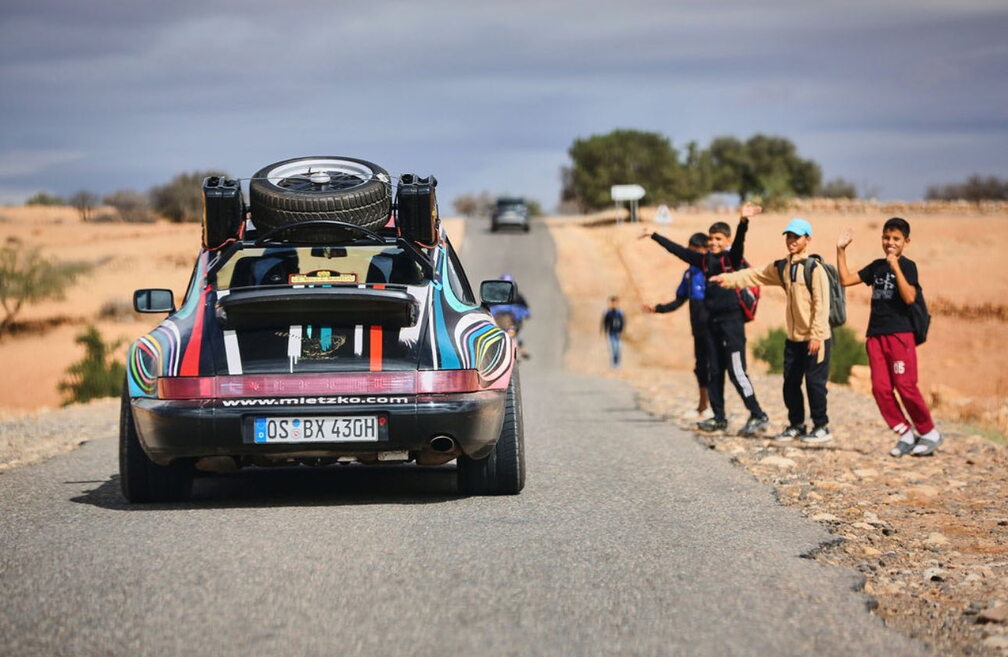
The Mille Maroc Classic Rally invites classic car enthusiasts to experience Morocco’s diverse beauty on a multi-stage journey, culminating in Taghazout, Morocco. Participants drive…
Staff pick
7–12 December
Festival Cinema Migrations Agadir
Agadir
Founded in 2003, the Festival Cinema Migrations in Agadir explores the many facets of migration through the lens of film, delving into themes like…
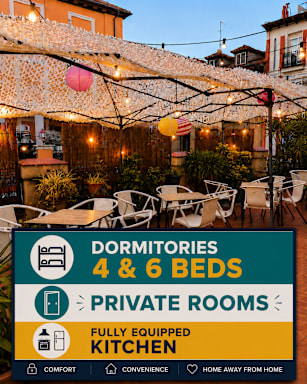
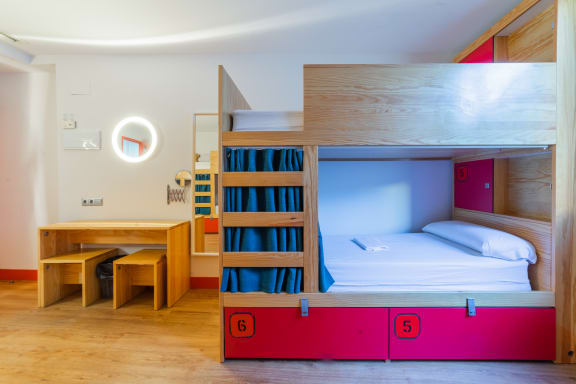
Moroccan hostels are often converted riads: rooms around a tiled courtyard, a roof terrace for breakfast, and staff who will book your bus or desert trip. These are the best-rated right now, with live prices.
Visa, price and timetable details were checked in October 2026. Rules change, so confirm with official sources before you travel.
Is Morocco safe for backpackers?+
Yes, for most travellers. The real issues are hassle, scams and petty theft in medinas rather than serious crime. The UK, US and Australian governments advise increased caution because of the terrorism risk, so stay aware in crowded places, avoid quiet lanes late at night and keep valuables out of sight.
Do I need a visa for Morocco?+
Not if you hold a UK, EU, US, Canadian or Australian passport and are visiting as a tourist for up to 90 days. Your passport should have at least three months' validity under UK advice, or six months under US advice, so aim for six. Other nationalities should check the official portal at acces-maroc.ma.
How many days do I need in Morocco?+
Two weeks is enough for a good loop of Marrakech, the desert, Fes and Chefchaouen. Three weeks lets you add the coast at Essaouira or Taghazout and the High Atlas. With one week, stick to one region, such as Marrakech plus the desert or Marrakech plus Essaouira and Imlil.
What is the best time to visit Morocco?+
March to May and September to November, when Marrakech averages around 22–27°C and nights in the desert are bearable. July and August are very hot inland (about 36°C in Marrakech), so spend summer on the coast. Winter days are pleasant but desert and mountain nights get close to freezing.
How much does a trip to Morocco cost per day?+
Most backpackers spend around €30 to €45 a day. That covers a dorm bed (about €6 to €17 in Marrakech), local food, buses and a sight or two. Desert tours, guided treks and surf camps are extra and are usually paid as packages.
Is Morocco safe for solo female travellers?+
Many women travel solo in Morocco without problems, but expect more unwanted attention than in Europe, especially in the Marrakech and Fes medinas. Loose clothing covering shoulders and knees helps, as does walking with purpose and ignoring persistent approaches. Sociable hostels and group desert tours make it easier to find company.
How do I get from Marrakech to the Sahara?+
Most people take a two- or three-day tour that crosses the Atlas via Aït Benhaddou and finishes with a night in a camp at Merzouga or Zagora. Independently, you can take a coach to Ouarzazate (about 4 hours) and continue east, or reach Merzouga from Fes by the overnight Supratours service, which leaves at 20:30 and arrives at 07:40.
How do I get from Marrakech to Fes?+
By train it takes about 6½ to 7½ hours and costs around 180–220 MAD in second class, changing or continuing via Casablanca and Rabat. CTM coaches take longer, roughly 7 to 9 hours. Many travellers break the trip by going via the desert instead.
Can I drink alcohol in Morocco?+
Yes, but only in licensed bars, restaurants and hotels. Drinking in the street or anywhere unlicensed is illegal and can get you arrested. The UK government also warns about methanol in illicit alcohol, so stick to sealed drinks in licensed places.
Can I use cards in Morocco or do I need cash?+
You need cash for most things: street food, taxis, local cafés and many monuments. ATMs are easy to find in cities but scarce in mountain villages and the desert. Cards work in larger hostels, train stations and for online bookings, and some sights, like the Jardin Majorelle, sell tickets online only.







 Get the App.