Town centre
Hostels and restaurantsEat Streat, the lakefront and the Government Gardens.

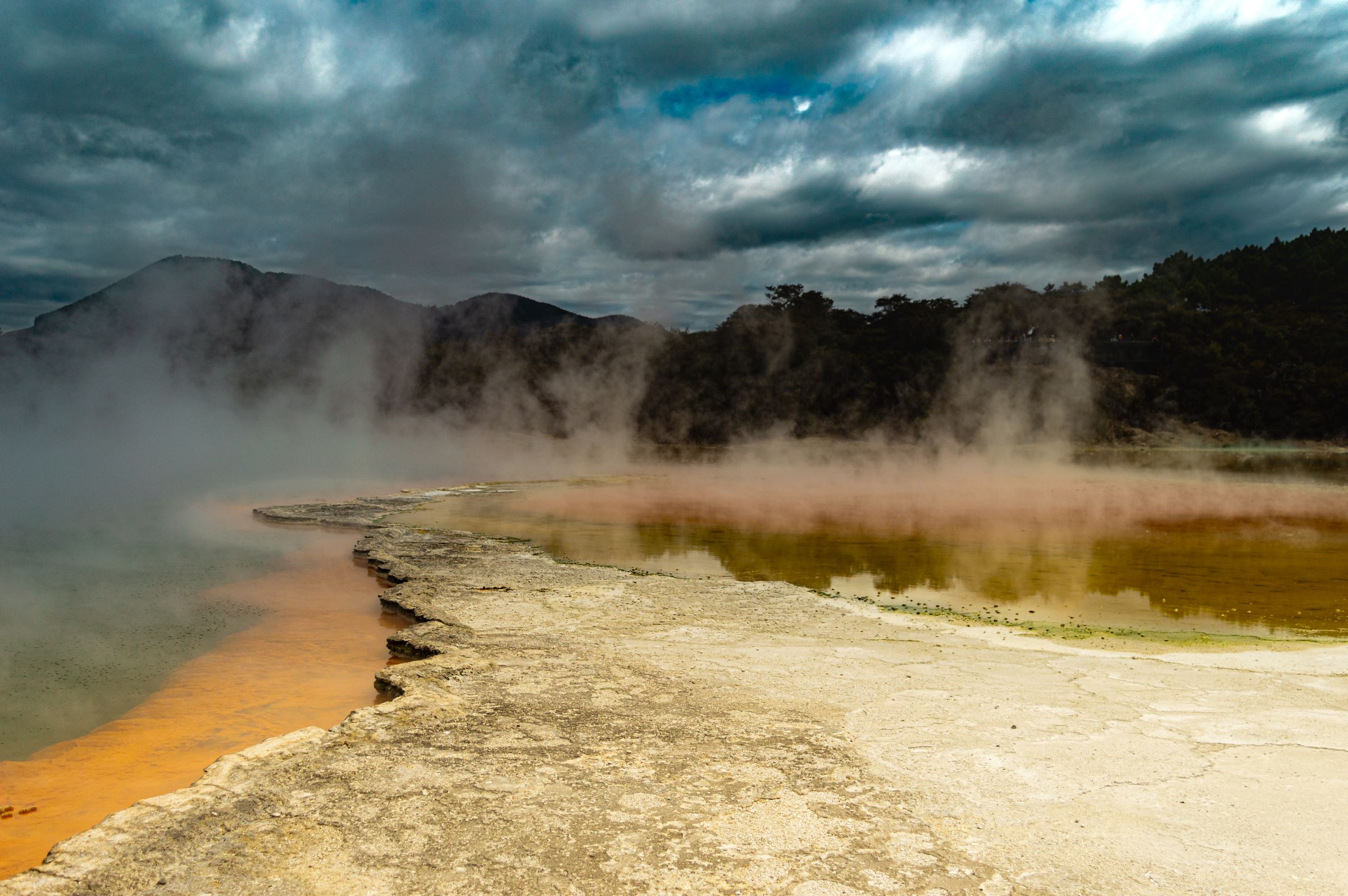
Rotorua smells of sulphur, and that's the point: geysers erupt, mud pools bubble and steam rises from parks and drains across town. It's also the heart of Māori cultural tourism, with hāngī feasts and performances, plus redwood forests, mountain bike trails and Hobbiton an hour away.
Rotorua sits on the southern shore of Lake Rotorua, on the volcanic plateau in the middle of the North Island. The whole area is geothermally active, and you'll see steam rising from the ground, the lake shore and even the town's parks.
The town itself is small and easy to walk, with the lakefront, the Government Gardens and the Tudor-style Rotorua Museum building, and Eat Streat for restaurants.
It's one of the centres of Māori culture in New Zealand. Te Arawa, the local iwi (tribe), have lived here for centuries, and the town is the best place for visitors to experience Māori culture, from the village at Whakarewarewa to cultural evenings with a hāngī, a meal cooked in an earth oven.
Around town are geothermal parks with geysers, mud pools and colourful lakes, the Redwoods forest and its treetop walk, world-class mountain biking trails, and lakes for swimming and kayaking.
Hobbiton, the Lord of the Rings film set, is about an hour away, and Waitomo's glowworm caves about two hours.
Two to three days covers the geothermal parks, a cultural evening and the Redwoods.
Stay in the town centre, near Eat Streat and the lakefront, for hostels, restaurants and walkable sights.
Eat Streat, the lakefront and the Government Gardens.
Steaming lakes and mud pools in town.
Te Puia and the living Māori village.
Giant redwoods and mountain bike trails.
Orange labels are neighbourhoods, dots are the 5 top-rated hostels. Map data from OpenStreetMap contributors.
Visit a geothermal park. Te Puia, at Whakarewarewa, has the Pōhutu Geyser, the largest active geyser in the southern hemisphere, plus mud pools and a Māori arts and crafts institute. Whakarewarewa, the living Māori village next door, offers guided tours of a village built among the steam. Wai-O-Tapu, about 30 minutes south, has the colourful Champagne Pool and the Lady Knox Geyser.
Kuirau Park, in town, has free steaming lakes, mud pools and hot foot baths.
Join a Māori cultural evening, with a welcome, a performance including the haka, and a hāngī feast.
Walk among giant Californian redwoods in the Redwoods (Whakarewarewa Forest), free on the ground, with a paid treetop walkway and night lights.
The forest is also one of New Zealand's best mountain biking areas, with trails for all levels.
Relax in a geothermal spa, from the Polynesian Spa by the lake to free hot streams like Kerosene Creek.
Hobbiton, the film set from The Lord of the Rings, is about an hour away, and the Waitomo glowworm caves about two hours.
Kuirau Park has free steaming lakes, mud pools and hot foot baths.
Walk in the Redwoods forest, free on the ground trails.
The Government Gardens and lakefront are free.
Kerosene Creek, south of town, is a free natural hot stream.
Watch the steam rising across town, especially at dawn.
A hāngī is the must-try: meat and vegetables cooked slowly in an earth oven heated by hot stones, usually part of a cultural evening.
Eat Streat, a covered street by the lake, has restaurants and bars.
Cheap food is easy to find: Asian takeaways, fish and chips and pub meals.
Supermarkets and hostel kitchens keep costs down. A beer is NZ$10 to NZ$14. Tap water is safe to drink.
Rotorua is quiet at night. A Māori cultural evening is the highlight for most travellers.
Eat Streat has bars, and a few pubs stay open late at weekends.
Hostel bars and soaking in hot pools are the main evening activities.
Rotorua Airport, about 10 km north-east, has flights from Auckland, Wellington and Christchurch.
InterCity coaches and backpacker buses connect Rotorua with Auckland (about 3.5 hours), Taupō and Wellington.
The town centre is walkable, and local buses run to the main attractions. Most tours and cultural evenings include pick-ups.
For Wai-O-Tapu, Hobbiton and Waitomo, join a tour or hire a car.
Rotorua is one of the cheaper places in New Zealand. Hostelworld lists dorm beds from about NZ$26 to NZ$30.
A cultural evening with a hāngī and the geothermal parks are the main costs.
Kuirau Park, the Redwoods ground trails and Kerosene Creek are free.
Hobbiton is expensive, so budget for it if you're a fan.
Allow around NZ$80 to NZ$120 a day, before tours.
Rotorua is safe, with low crime.
Geothermal areas are genuinely dangerous: stay on marked paths and behind barriers, as the ground can be thin and the water boiling.
In natural hot pools, keep your head above water to avoid amoebic meningitis, a rare but serious risk in geothermal water.
The sulphur smell is harmless, though strong.
On mountain bike trails, choose trails that match your level and wear a helmet.
Rotorua is the base for geothermal parks, Hobbiton and the Waitomo caves.
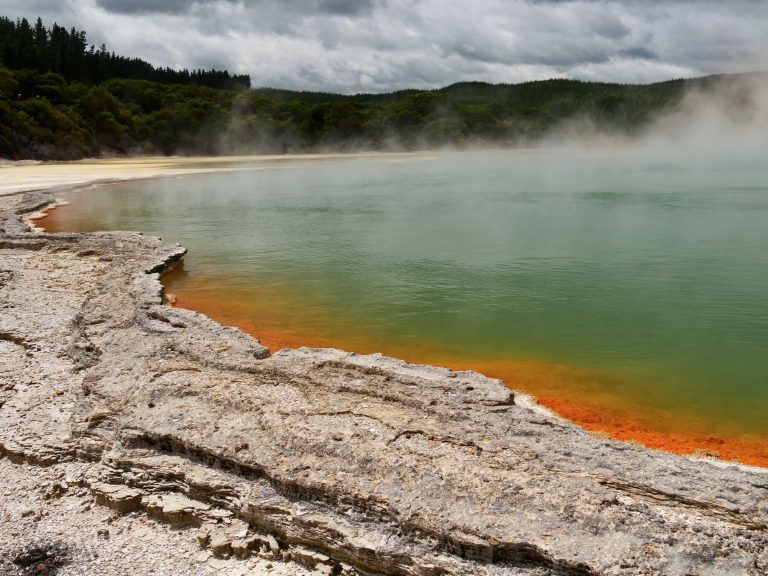
Colourful geothermal park and the Lady Knox Geyser.
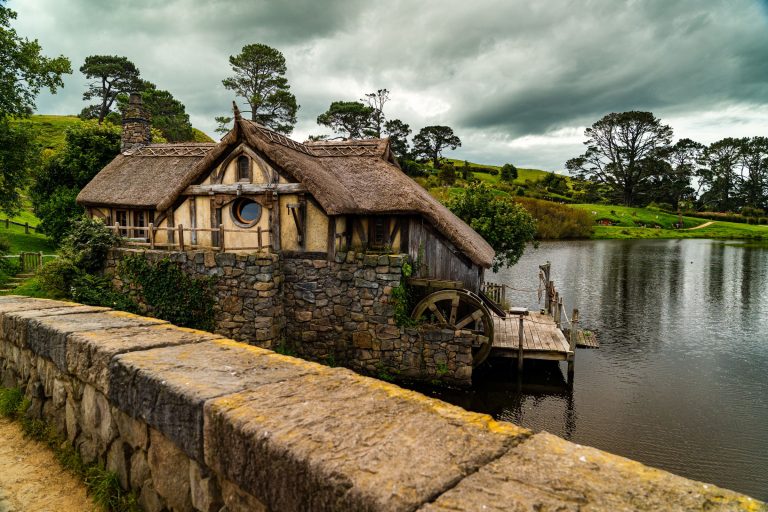
The Lord of the Rings film set.
Glowworm caves and blackwater rafting.
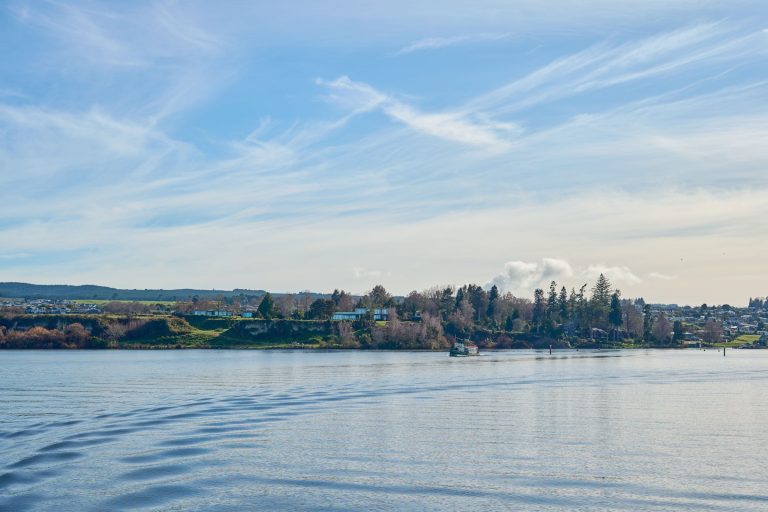
Lake Taupō, Huka Falls and the Tongariro Crossing.
Rotorua's calendar includes Matariki celebrations and mountain bike events.
 Staff pick
The Whaka 100 is a renowned mountain biking festival held in Rotorua’s legendary Whakarewarewa Forest, drawing riders and supporters from across New Zealand and…
 Staff pick
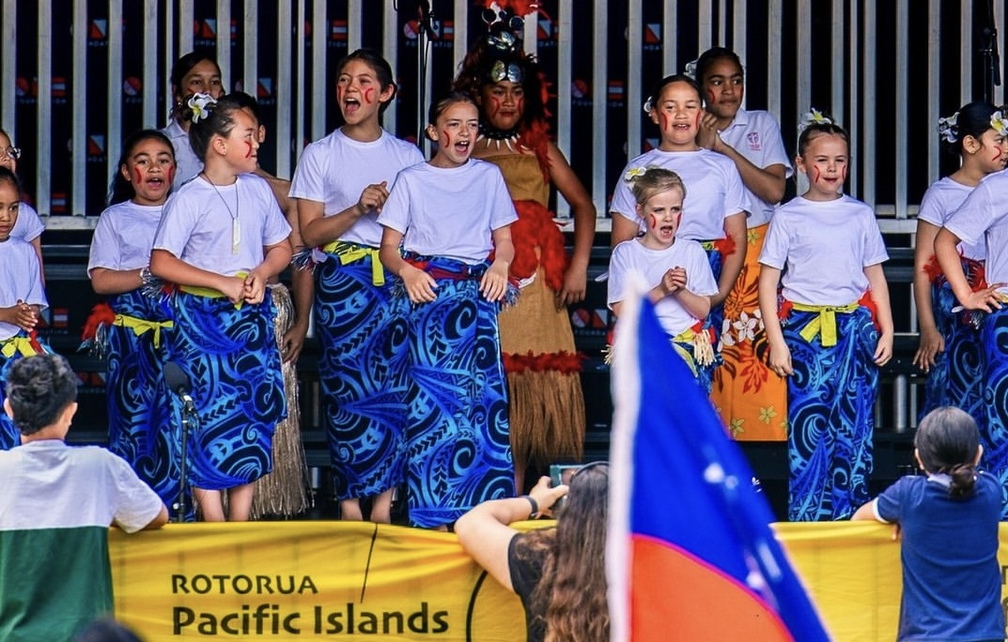
Experience the spirit of the Pacific at the Pasifika Festival in Rotorua, where the community gathers to celebrate the rich cultures, flavors, and traditions…
 Staff pick
The NZ Silver Fern Rally in Rotorua, New Zealand, is a legendary motorsport event that takes drivers on a challenging journey across over 1,000…
 Staff pick
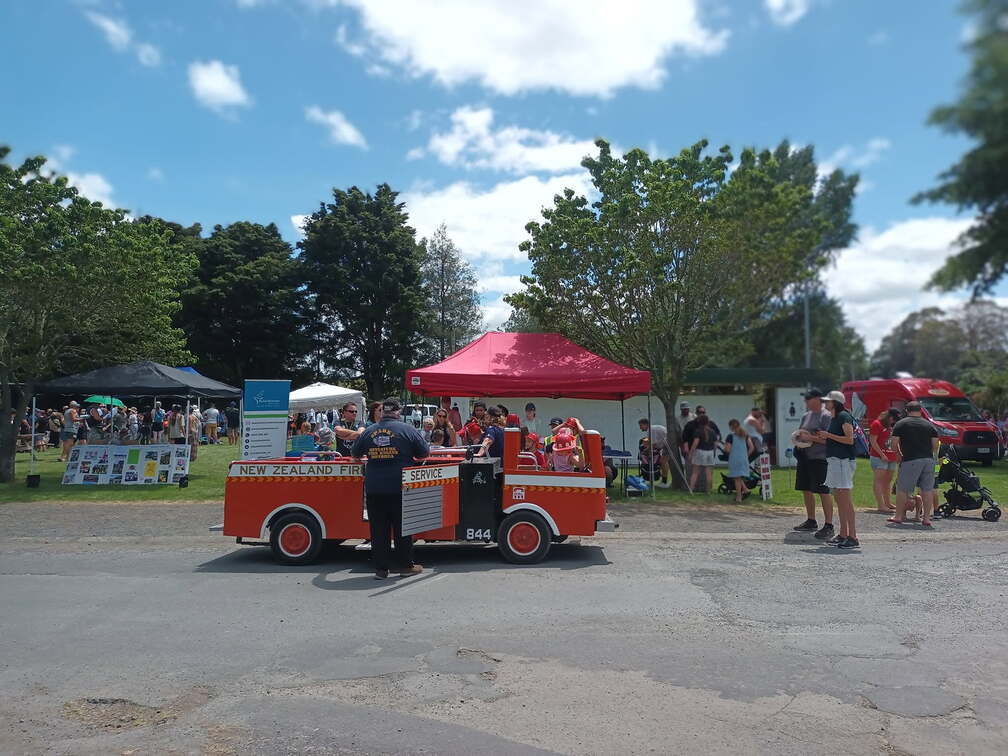
The Rotorua A&P Show in Rotorua, New Zealand, is a lively celebration of rural life and community spirit, bringing together traditional agricultural competitions like…
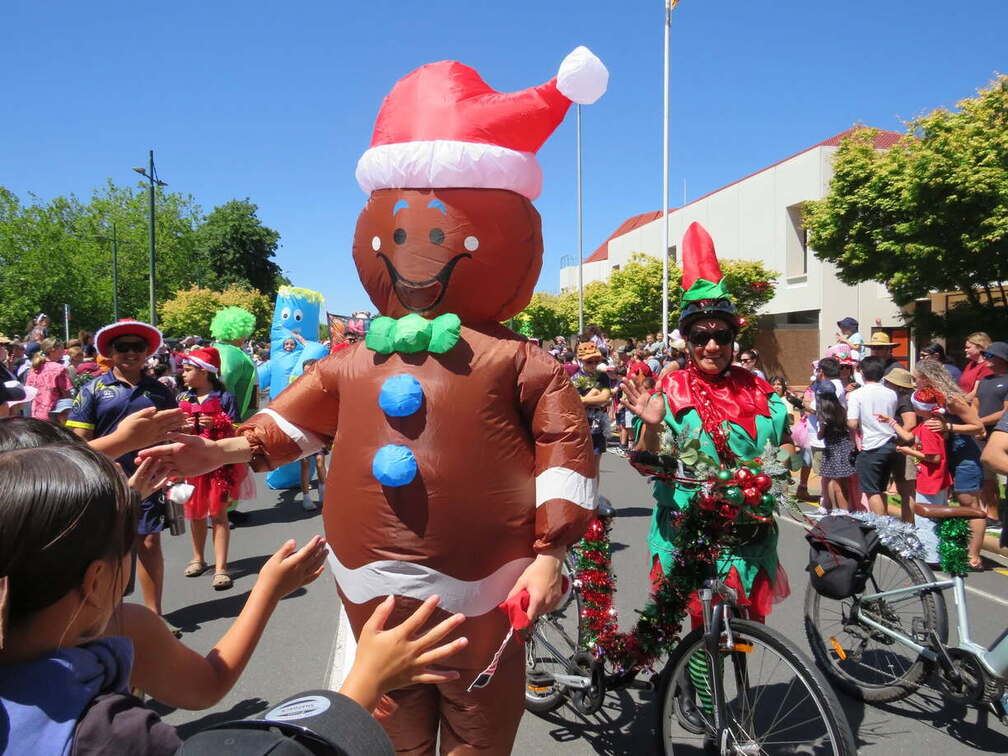
Rotorua marks the official start of its festive season with this beloved community parade winding through the city streets. Floats, performers, and local groups…
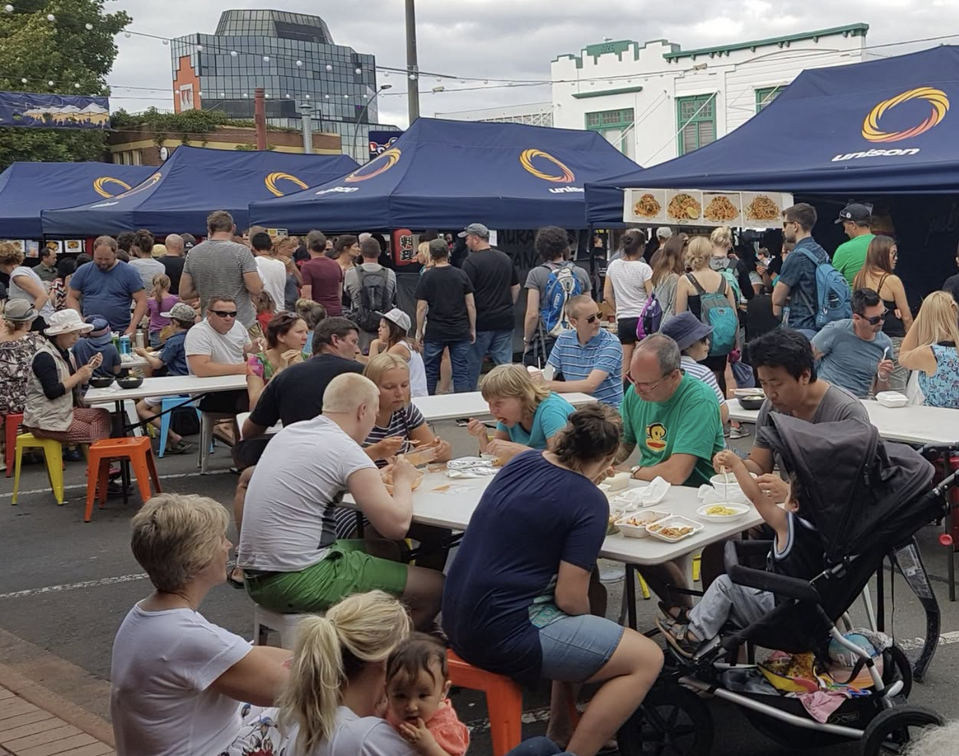
Tūtānekai Street transforms into a lively Thursday evening gathering where global street food, local boutique vendors, and live music create a relaxed after-work atmosphere.…
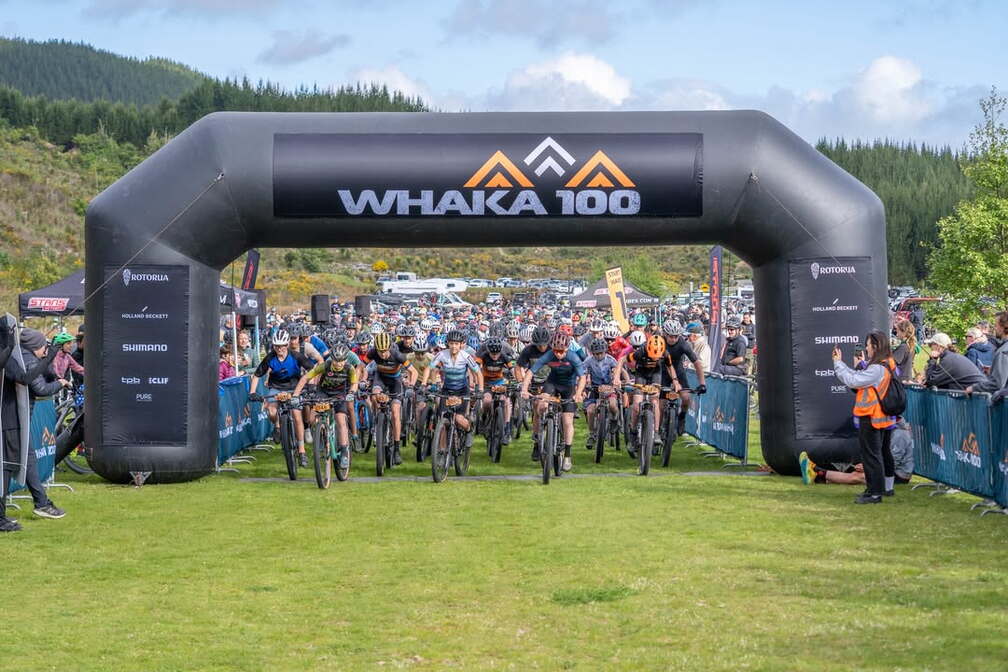
Whaka 100 2026 is a challenging one-day mountain bike marathon that combines endless single-track trails with tough climbs and descents. The event attracts world-class…

Rotorua's Whakarewarewa Forest hosts this trail running festival with distances ranging from a 2km kids run to the challenging Whaka Ultra 50K, which tackles…
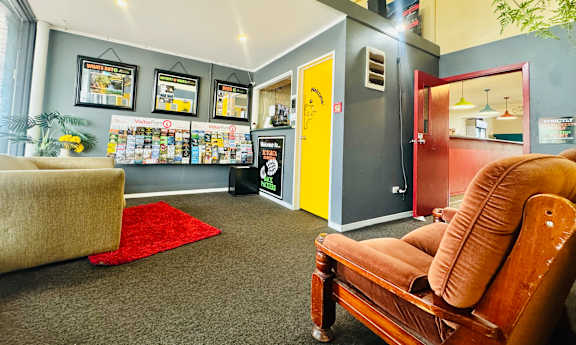
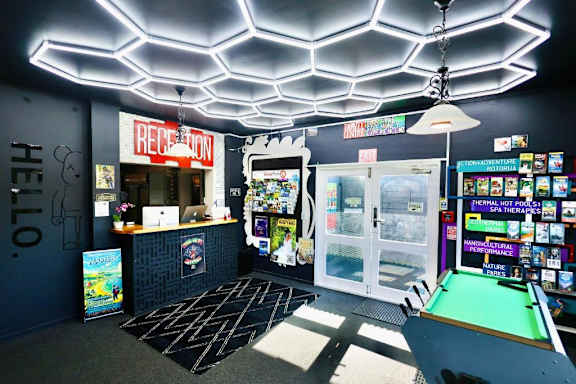
Rotorua has nine hostels on Hostelworld, all close to the town centre and Eat Streat.
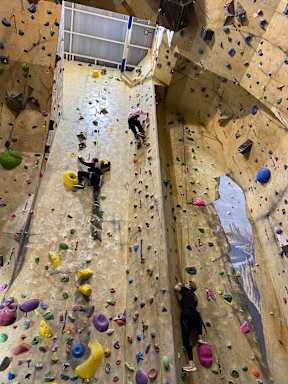
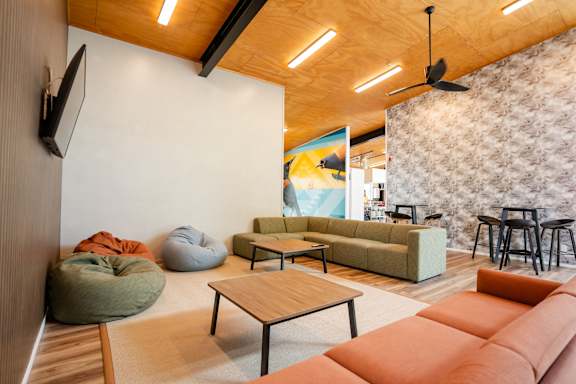
Rated 9.3 from 1,807 reviews, in the centre, with an indoor climbing wall and dorms from about NZ$30.
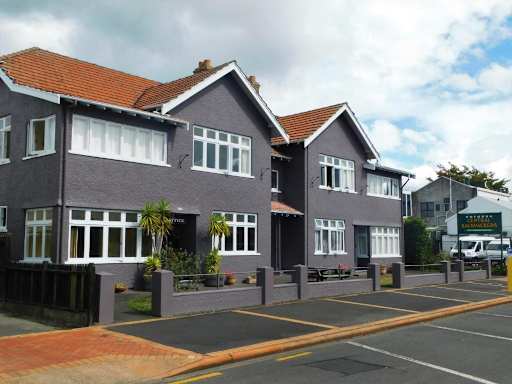
Rated 8.6 from 1,144 reviews, in the centre, with dorms from about NZ$28.
Rotorua is mild in summer and cool in winter, with highs from 12°C in June and July to 23°C in January and February. December to March is the best time, but the geothermal sights work all year.
Average daily highs from weather2travel's Rotorua climate data. Crowd levels are our rough guide.
Pick a style and a number of nights for a rough total. Per day, for one person, in New Zealand dollars.
Estimates. Beds are based on Hostelworld prices in October 2026, converted from US dollars. Hobbiton and cultural evenings sit outside these figures.
Prices and timetables change. Check before you travel.

Compare Rotorua hostels: live prices, real reviews and free cancellation on most bookings. Then meet the people already there in the app.

 Get the App.



 Get the App.