
Things To Do In Melbourne – Month By Month
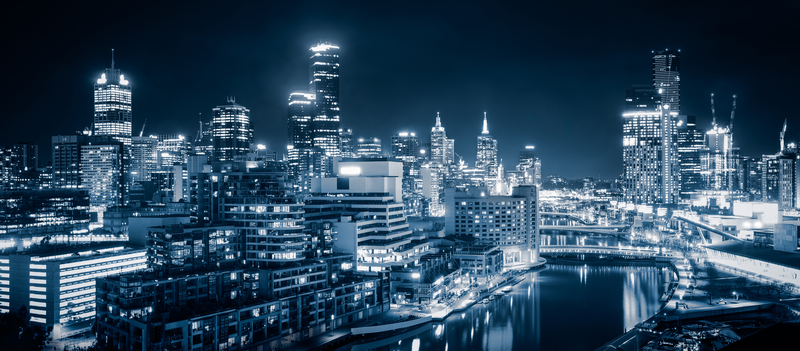
TLDR: This guide is designed for solo travelers exploring Melbourne, Australia’s cultural capital, renowned for its vibrant art scene, hidden laneways, world-class coffee, and diverse attractions. From visiting iconic spots like Federation Square to enjoying day trips to the Great Ocean Road, Melbourne is a city full of surprises and charm. This month-by-month guide will help you plan your visit.
Highlight
A must-do in Melbourne is exploring the city’s famous laneways, like Hosier Lane, where you can discover incredible street art, cozy cafes, and boutique shops. Solo travelers will enjoy the creative energy and the chance to meet fellow explorers in this bustling part of the city.
Related Guides
- How To Spend 24 Hours In Melbourne
- How To Spend 2 Days In Melbourne
- How To Spend 3-5 Days In Melbourne
About Melbourne
Melbourne, the capital of Victoria, is a city of contrasts, offering both a vibrant urban atmosphere and easy access to natural wonders. Known as the cultural capital of Australia, Melbourne is famous for its eclectic art scene, award-winning coffee, and events like the Melbourne International Comedy Festival.
The city enjoys a temperate climate, with warm summers (December to February) and cool winters (June to August). Spring and autumn are particularly popular for outdoor activities and exploring the city’s parks and gardens.
Getting to Melbourne
Melbourne is served by Melbourne Tullamarine International Airport (MEL), located about 20 minutes from the city center by car or express bus.
Connections:
- From Southeast Asia: Direct flights from Singapore, Kuala Lumpur, and Bangkok are frequent, with round-trip fares starting at $300–$500.
- From Europe or the US: Long-haul flights often connect through hubs like Doha or Los Angeles, with prices ranging from $800–$1,500 round-trip.
- Domestic Flights: Melbourne is well-connected to other Australian cities, with frequent flights from Sydney, Brisbane, and Perth starting at $100 one-way.
What Else To Know When Visiting Melbourne
Accommodation Tips
Solo Friendly: Melbourne offers a variety of accommodations, from stylish hostels to boutique hotels. Staying in neighborhoods like Fitzroy or St Kilda ensures access to nightlife, cafes, and the beach.
Hostel Options: The Nunnery and Space Hotel are popular choices for solo travelers, offering communal spaces, organized events, and prime locations. Explore more options on Hostelworld.
Food and Drink
Dining Solo: Melbourne’s food scene is globally inspired, with standout options like dumplings in Chinatown, Greek souvlaki on Lonsdale Street, and brunch at iconic cafes like Higher Ground. Solo travelers can enjoy laneway dining at spots like Hardware Lane.
Melbourne Safety
Staying Safe: Melbourne is one of Australia’s safest cities, but as always, stay vigilant in crowded areas and at night, especially when exploring unfamiliar neighborhoods.
Language and Culture
Language Basics: English is widely spoken, and Melburnians are known for their friendliness. A good conversation starter is discussing the city’s thriving coffee culture.
Getting Around
Transportation: Melbourne’s trams are a must-try and offer free travel within the City Circle zone. An Myki card is required for travel outside the free tram area.
Meeting Fellow Travelers
Social Hotspots for Solo Travelers: Join free walking tours of Melbourne to learn about the city’s history while meeting others. Hostels often organize group outings, and live music venues like The Espy in St Kilda provide great opportunities to socialize. Day trips to Phillip Island or the Yarra Valley are also perfect for meeting like-minded travelers.
As Jack, a 30-year-old solo traveler from the UK, shared: “Melbourne has the perfect mix of culture, food, and nightlife. The walking tours were a great way to meet people, and the coffee scene is second to none.”
General Pricing in Melbourne
Melbourne is slightly more affordable than Sydney but still offers options for every budget. Here’s a breakdown:
- Accommodation: Dorm beds in hostels range from $25–$50 per night, while mid-range hotels cost $100–$200.
- Food: Local meals cost $10–$20, while dining at cafes or restaurants ranges from $25–$50.
- Transportation: Daily public transport costs average $5–$10 with a Myki card.
- Attractions: Entrance fees to major attractions like the Melbourne Zoo or the Eureka Skydeck are $25–$50. Many museums and galleries are free.
What’s On In Melbourne Month By Month
Melbourne offers year-round activities, from festivals and cultural events to seasonal outdoor adventures. Here’s a month-by-month breakdown.
January: Summer Festivals and Beach Days
January is peak summer in Melbourne, with events like the Australian Open Tennis Tournament drawing international crowds. Solo travelers can enjoy St Kilda Beach or attend free outdoor movie nights at Royal Botanic Gardens.
Tourism is high, attracting sports fans and beach lovers.
Weather: Warm and sunny, temperatures between 16–30°C (61–86°F).
Location: St Kilda Beach, Australian Open venues
Cost/Budget: Australian Open tickets start at $50; outdoor movies are often free.
February: Cultural Highlights and Events
February is packed with events like the St Kilda Festival, featuring live music and food stalls. Visit Brighton Beach for its colorful bathing boxes or take a laneway tour to discover Melbourne’s street art.
Tourism remains high, with a mix of music enthusiasts and art lovers.
Weather: Warm with occasional rain, temperatures between 16–28°C (61–82°F).
Location: St Kilda, Brighton Beach
Cost/Budget: Festival events are often free; laneway tours start at $20.
March: Arts and Autumn Vibes
March marks the beginning of autumn and Melbourne’s Moomba Festival, offering carnival rides, fireworks, and water sports. Solo travelers can also enjoy the Melbourne International Comedy Festival, which starts late in the month.
Tourism slows slightly, attracting art and comedy fans.
Weather: Mild and sunny, temperatures between 14–26°C (57–79°F).
Location: Moomba Festival venues, comedy show locations
Cost/Budget: Comedy tickets start at $30; Moomba events are free.
April: Autumn Adventures
April is perfect for exploring Yarra Valley for wine tasting or the Dandenong Ranges for hiking. Solo travelers can also enjoy markets like Queen Victoria Market, where they can find local crafts and gourmet treats.
Tourism is steady, attracting foodies and outdoor enthusiasts.
Weather: Cool and sunny, temperatures between 11–22°C (52–72°F).
Location: Yarra Valley, Dandenong Ranges
Cost/Budget: Wine tours start at $100; market entry is free
May: Cool Weather and Cultural Festivals
May brings crisp autumn weather, making it a great time to explore Melbourne’s cultural and historical attractions. The Clunes Booktown Festival is a must for book lovers, while solo travelers can enjoy day trips to Hanging Rock for scenic hikes and stories of local lore.
Tourism slows slightly, attracting cultural enthusiasts and adventure seekers.
Weather: Cool and crisp, temperatures between 10–18°C (50–64°F).
Location: Clunes, Hanging Rock
Cost/Budget: Festival entry is around $10; day trips start at $40.
June: Winter Warmers and Vivid Experiences
June marks the start of winter, perfect for cozy indoor activities like exploring Melbourne Museum or attending the RISING Festival, which combines art, music, and performances. Solo travelers can also take the Puffing Billy Railway ride through lush forests.
Tourism remains moderate, with cultural explorers and festival-goers enjoying the city.
Weather: Cool with occasional rain, temperatures between 7–15°C (45–59°F).
Location: Melbourne Museum, RISING Festival venues
Cost/Budget: Museum entry costs $15; Puffing Billy tickets start at $30.
July: Winter Markets and Warmth
July is Melbourne’s coldest month, making it perfect for indulging in comfort foods at the Winter Night Market at Queen Victoria Market. Solo travelers can join indoor activities like wine tasting at Southbank or visiting Scienceworks Museum.
Tourism slows, attracting foodies and indoor activity seekers.
Weather: Cold and dry, temperatures between 6–14°C (43–57°F).
Location: Queen Victoria Market, Southbank
Cost/Budget: Market entry is free; wine tasting starts at $20.
August: Sports and Cultural Events
August is a big month for sports fans, with AFL (Australian Football League) finals heating up. Solo travelers can also explore Melbourne’s jazz scene at venues like The Jazzlab or attend exhibitions at the National Gallery of Victoria (NGV).
Tourism picks up slightly, with sports enthusiasts and art lovers.
Weather: Cool and dry, temperatures between 7–16°C (45–61°F).
Location: Marvel Stadium, NGV
Cost/Budget: AFL tickets start at $25; gallery entry is free for permanent exhibits.
September: Spring Blooms and AFL Finals
Spring begins in September, bringing blooming flowers at Royal Botanic Gardens and events like the AFL Grand Final Parade. Solo travelers can enjoy rooftop bars reopening for the season and join walking tours of Melbourne’s historic sites.
Tourism increases, attracting sports fans and nature lovers.
Weather: Mild and sunny, temperatures between 10–20°C (50–68°F).
Location: Royal Botanic Gardens, CBD
Cost/Budget: Walking tours start at $20; garden entry is free.
October: Festivals and Outdoor Adventures
October is a lively month, with events like the Melbourne Fringe Festival and the Melbourne Marathon Festival. Solo travelers can take day trips to Phillip Island to see the famous penguin parade or explore the Great Ocean Road.
Tourism picks up, attracting fitness enthusiasts and festival-goers.
Weather: Warm and sunny, temperatures between 12–22°C (54–72°F).
Location: Phillip Island, Great Ocean Road
Cost/Budget: Day trips start at $100; festival tickets vary.
November: Racing and Cultural Highlights
November is all about the Melbourne Cup Carnival, a world-famous horse racing event. Solo travelers can also explore Fitzroy Gardens or join group tours to the Grampians National Park for breathtaking views and hikes.
Tourism is high, attracting racing enthusiasts and nature explorers.
Weather: Warm and sunny, temperatures between 14–24°C (57–75°F).
Location: Flemington Racecourse, Grampians National Park
Cost/Budget: Melbourne Cup tickets start at $60; national park tours start at $50.
December: Festive Season and Summer Fun
December is summer in Melbourne, with Christmas markets, outdoor concerts, and beach days at St Kilda or Brighton Beach. Solo travelers can enjoy the lively vibe of Federation Square, which hosts holiday-themed events and gatherings.
Tourism peaks, attracting holidaymakers and beachgoers.
Weather: Warm and sunny, temperatures between 16–30°C (61–86°F).
Location: Federation Square, St Kilda Beach
Cost/Budget: Concerts are often free; beach access is free.
Best Time to Visit Melbourne
The best time to visit Melbourne is during the spring (September to November) and autumn (March to May), when the weather is mild, and the city’s parks and gardens are at their best. For solo travelers, these seasons also offer exciting events, smaller crowds, and a more relaxed atmosphere.
Heading Back
That concludes our month-by-month guide to Melbourne. Whether you’re sipping coffee in Fitzroy, catching a match at Marvel Stadium, or exploring the Great Ocean Road, Melbourne offers an incredible blend of culture, adventure, and connection for solo travelers. Its creative vibe, world-class dining, and diverse activities make it a must-visit destination in Australia.

 Get the App.