

Thailand is the classic first backpacking trip for good reason: cheap beds, incredible food, islands that look photoshopped, and a hostel scene that makes it easy to meet people from day one. But plenty of the Thailand travel tips you’ll find online are now out of date. The visa-free stay has been cut, the paper arrival card has gone digital, cannabis shops need a prescription and a new entry fee is on the way.
So before the usual advice about street food and tuk-tuks, here’s what’s actually changed for trips in 2027, followed by the tips that still hold: money, scams, getting around, showing respect and where to stay. For the route itself, our guide to backpacking Thailand has you covered, and our Thailand travel guides go deeper on every stop.
How long can you stay in Thailand without a visa in 2027?
For most backpackers, 30 days. Since 15 September 2026, nationals of 60 countries and territories, including the UK, US, Canada and Australia, get 30 days visa-free, down from the 60 days most older guides still quote. The Tourism Authority of Thailand confirmed the change, and TTG Asia reports that the exemption now covers tourism only, so even a short business trip needs a visa.
A handful of nationalities get 15 days or stay on visa on arrival, so check your own Thai embassy’s page before you book.
Want longer? You can apply at an immigration office in Thailand for a 30-day extension, using form TM.7 and paying 1,900 THB in cash, VisasNews reports; approval isn’t guaranteed. For more pre-departure admin, see our things to know before travelling.
Don’t overstay. Thailand fines overstayers 500 baht for every extra day, up to 20,000 baht, and longer overstays, or being caught by police rather than paying when you leave, can get you banned from coming back, according to the Royal Thai Embassy’s overstay advice.
Is there an entry fee for Thailand in 2027?
Not yet, but one is coming. The government has proposed a flat 450-baht fee for every foreign visitor, replacing an older plan that charged less for land and sea arrivals, The Star reported in September 2026.
It isn’t law yet. As of 9 October 2026, Khaosod English reported that officials still had to set the collection rules and hold a 30-day public hearing before the plan goes to Cabinet. The government is aiming to start collecting in the first quarter of 2027, beginning with air arrivals, though some reports say collection would only start 180 days after the rule is published in the Royal Gazette.
Whatever happens, never pay a third-party website for it. Wait for the official channel, and budget the fee in if it’s live when you fly. Then spend the rest on these cool things to do in Thailand.
What is the Thailand Digital Arrival Card (TDAC)?
It’s the online form that replaced the old paper arrival card. Every foreign arrival has had to fill it in since 1 May 2025, and it’s free on the official immigration site. Copycat sites charge a fee to “process” it for you; those are scams.
- Go to the official site, tdac.immigration.go.th, and nowhere else.
- Fill it in within the 72 hours before you arrive, with your flight and first night’s address (your hostel works).
- Save the confirmation or screenshot the QR code, so you can show it at immigration even without signal.
Arriving overland or by boat? You still need one, so add it to your pre-trip checklist alongside these tips for staying healthy while travelling.
What’s legal and what isn’t (cannabis, vapes and alcohol)?
Three rules catch out more first-timers than anything else. Here’s where they stand:
- Cannabis: prescription only. Since June 2025, shops can only sell cannabis flower with a prescription from a licensed practitioner, the AP reported. The “weed shop on every corner” days are over, smoking in public can bring fines, and you should never carry cannabis into or out of the country.
- Vapes: banned completely. Importing, selling, owning and using e-cigarettes is illegal, for tourists too. In 2025, two British tourists caught vaping on a beach paid a 40,000 baht fine, Fox News reported. Leave the vape at home.
- Alcohol: check the hours. The old ban on sales between 2pm and 5pm was lifted on a 180-day trial from 3 December 2025, with sales allowed 11am to midnight, per Khaosod English. The trial ran until around June 2026, and we couldn’t find a final decision on whether it was made permanent, so check before you go. Sales are also banned on major Buddhist holidays, with some exemptions for tourist venues, as The Star reported in July 2026, and around elections, as tourists found out at the February 2026 vote.
When the bars are open, our pick of the best rooftop bars in Bangkok is a good place to start.
How much money do you need for Thailand?
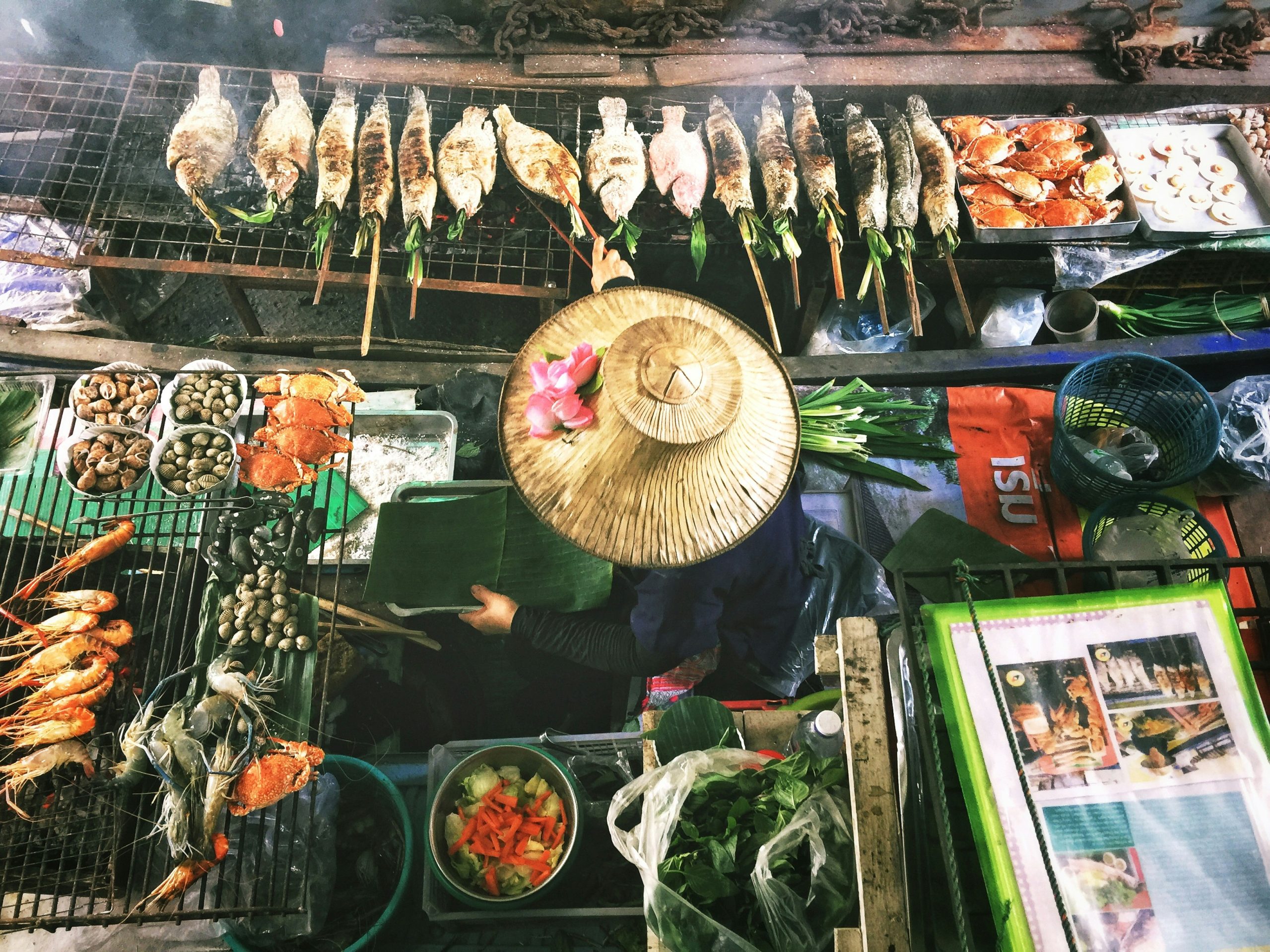
Less than you’d think. Our backpacking Thailand guide suggests allowing £25 to £30 a day (updated October 2026), with dorm beds around £6 to £8 and street food meals around £1 to £2. When we checked Hostelworld in October 2026, beds at four of Bangkok’s top-rated Khao San Road hostels started at €7.61 to €16.89 a night, and a meal at an inexpensive restaurant in Thailand averaged ฿100, according to Numbeo. Some days you’ll spend far less.
- Watch the ATM fees. Thai ATMs charge a flat fee on foreign cards, usually around 220 baht and up to 350 baht on some cards in 2026, according to Portail Asie. Take out larger amounts less often, always say no to converting into your home currency, and carry some cash for markets and street stalls.
- Budget for the entry fee. If the proposed 450-baht fee is in force when you fly, add it to your costs.
- Haggle in the right places. Bargaining is normal at markets, not in malls or 7-Elevens. Practise at one of these Bangkok markets, then eat cheaply at these cheap Bangkok restaurants.
Which scams should first-timers watch out for?
Thailand is safe for most travellers, but a few well-worn scams target new arrivals. New Zealand’s embassy keeps a list of common scams in Thailand, and these are the ones to know:
- “The Grand Palace is closed today.” A friendly stranger near a big sight tells you it’s shut and offers a tuk-tuk tour instead, which ends at a gem or tailor shop. It’s almost never closed: check opening hours yourself and walk on. Our guide to Bangkok’s sights helps you plan the day.
- Gem “bargains”. There’s no special government sale and no investment that pays off back home. Don’t buy.
- Jet-ski damage claims. Operators blame you for old scratches and demand cash. Photograph and film the jet ski before you ride, or skip it.
- Unmetered taxis. Insist on the meter, or book through Grab or Bolt so the price is fixed upfront.
- Fake visa, arrival card and entry-fee websites. The arrival card is free on the official site, and any entry fee will only be paid through official channels.
How do you get around Thailand cheaply?
- Long distances: overnight trains and buses. A sleeper train or night bus from Bangkok to Chiang Mai or the south saves you a night’s accommodation. Budget flights are often cheap too, so compare both, and book train sleepers ahead in high season.
- In cities: Grab, Bolt and the metro. In Bangkok, the BTS Skytrain and MRT beat the traffic. Elsewhere, Grab and Bolt show the fare before you ride, so there’s no haggling with taxi drivers.
- To the islands: ferries and combo tickets. Bus-and-boat tickets get you from the mainland to the islands in one booking. In peak season, buy a day or two ahead. Our guide to island hopping in Thailand maps out the routes.
- Scooters: only if you’re properly licensed. You need your home licence for that type of vehicle plus an International Driving Permit, as Australia’s Smartraveller advice puts it, and insurers can refuse a claim if you weren’t fully licensed for the bike, this insurance guide warns. Check your policy wording before you rent, and always wear a helmet.
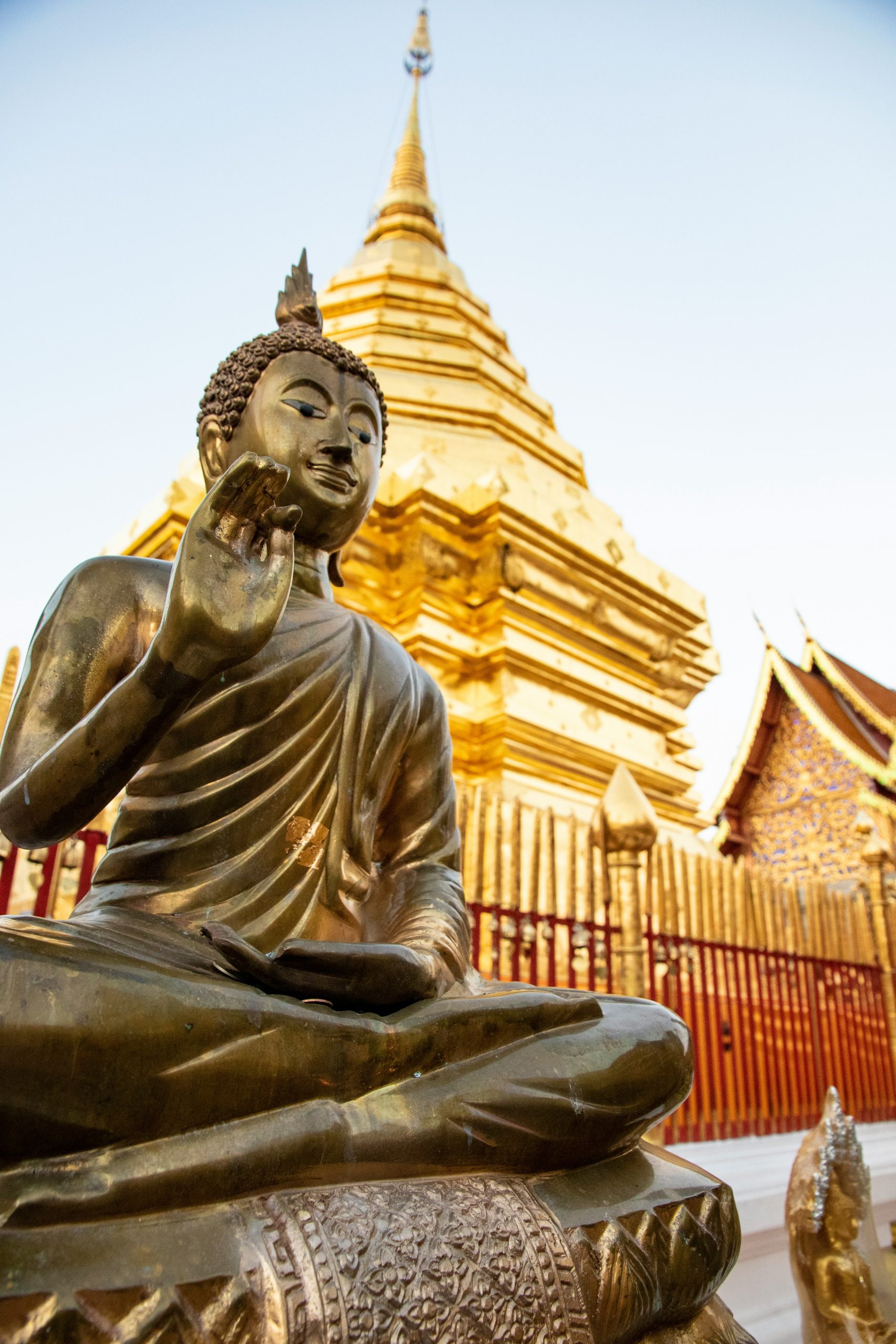
How do you show respect in Thailand?
Dress for temples. Cover your shoulders and knees, and take your shoes off before you step into a temple building. A light scarf and a pair of loose trousers in your daypack solve it every time.
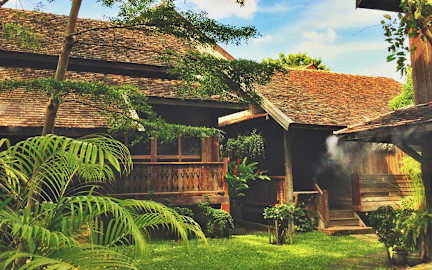
Popular Hostels in Thailand
Never insult the monarchy. Criticising the King or the royal family is a crime under Section 112 of the Thai Criminal Code, with 3 to 15 years in prison per count, as this overview of the law explains. That covers social media posts and jokes too, and since the King’s image is on every banknote, never step on or deface money.
Mind your head and feet. The head is seen as sacred, so don’t touch anyone’s, even a child’s. Feet are the lowest part of the body: don’t point them at people or Buddha images.
Keep your cool. Losing your temper in public gets you nowhere in Thailand. Stay calm and smile, even when a bus is late. For more on local culture, see our best places to visit in Thailand.
Where should first-timers stay in Thailand?
In hostels, if you want to meet people from day one. Thailand’s hostel scene is one of the most social in the world, with rooftop bars, pub crawls and travellers swapping island tips over breakfast. Start in Bangkok, then use our best hostels in Thailand round-up to plan the rest of the route.
Before you land, download the Hostelworld app. Hostels and travellers post Linkups such as street-food tours and temple walks from 14 days before check-in, and Social Pass lets you join the chats before you’ve booked. For festivals like Songkran and Loy Krathong, check the Bangkok Events page, and read our Songkran guide before you get soaked.

Conclusion: Ready for your first trip to Thailand in 2027?
The best Thailand travel tips for 2027 come down to a short checklist before you fly:
- Plan for a 30-day visa-free stay, not 60, and extend at immigration if you need longer.
- Fill in the free Thailand Digital Arrival Card in the 72 hours before you land, on the official site only.
- Check whether the proposed 450-baht entry fee is in force when you travel.
- Leave the vape at home, and remember cannabis now needs a prescription.
- Check the latest rules on afternoon alcohol sales before you plan a long lunch.
Get those sorted and the rest is the fun part: street food, temples, islands and a hostel full of new friends from your first night in Bangkok.

 Get the App.
Comments