Historic centre
Sights, budgetThe grid around the Palacio de López and the Plaza de los Héroes, with museums and cheap beds. Quiet at night.

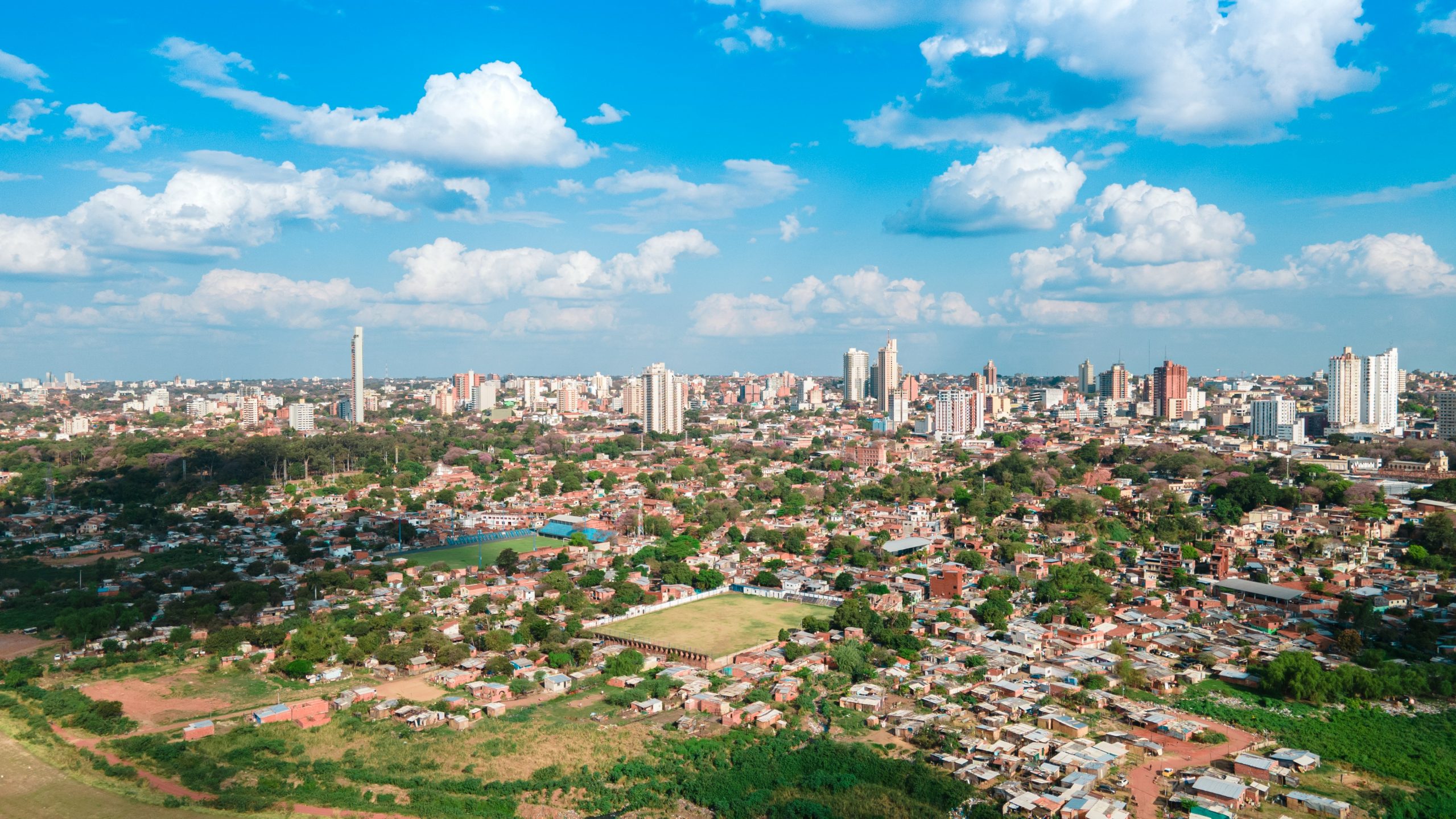
One of the oldest cities in South America, on a bend of the Paraguay river: a quiet, green capital of colonial palaces, busy markets and tereré, with almost no other travellers.
Asunción was founded in 1537, and Spanish expeditions set out from here to found other cities across the region, which is why it is called the mother of cities. Today it is a relaxed, leafy capital on the Paraguay river, with the Chaco stretching away on the far bank. Its old centre has grand 19th-century buildings, some beautifully kept and others faded, and the city is full of trees that flower purple and yellow in spring.
Few travellers come here, and that is part of the appeal. Nothing is set up for tourists, prices are low, and people are curious and welcoming. You will hear Guaraní as much as Spanish, and see people everywhere carrying a thermos of tereré, the cold mate that is the national habit.
Give Asunción two or three days: one for the historic centre and the river, one for the markets and the museums, and one for a day out to the lake town of Areguá or the churches and villages of the Circuito de Oro. It is also the starting point for trips into the Chaco. Summer is fiercely hot, so plan your days around the afternoon heat.
The centre has the sights and the cheapest beds but is quiet at night. Villa Morra and Carmelitas are safer and livelier in the evening, with restaurants and bars.
The grid around the Palacio de López and the Plaza de los Héroes, with museums and cheap beds. Quiet at night.
A leafy area east of the centre with shopping centres, bars and restaurants.
A small, upmarket area next to Villa Morra, with cocktail bars and good food.
A residential barrio west of the centre, with local restaurants and the Defensores del Chaco stadium.
Orange labels are neighbourhoods, dots are the 10 top-rated hostels. Map data from OpenStreetMap contributors.
Start in the historic centre. The Palacio de López, the presidential palace, faces the river and is lit up at night. The Panteón Nacional de los Héroes holds the remains of the country's national heroes, with a guard of honour at the door, and the Casa de la Independencia is a small colonial house where the independence movement met in 1811. The cathedral and the Cabildo, now a cultural centre, are close by.
Walk along the Costanera, the riverside promenade, at sunset, and climb up to the Loma San Jerónimo, a hillside barrio of brightly painted houses and stairways with views over the river. The Manzana de la Rivera is a block of restored historic houses with exhibitions and a café.
Dive into the Mercado 4, a huge and chaotic market selling everything from medicinal herbs for tereré to clothes and cheap lunches. The Museo del Barro has one of the best collections of Indigenous, popular and contemporary art in South America.
The Panteón de los Héroes and the Casa de la Independencia are free, and so are the outside of the Palacio de López and the cathedral. Many of the city's small museums and cultural centres are free or ask for a donation.
The Costanera is free and best at sunset, and the Loma San Jerónimo can be walked without a guide in daylight. The Mercado 4 costs nothing to explore.
The Parque Ñu Guasu and the Botanical Garden are big green spaces where locals walk, run and drink tereré.
Paraguayan food is built on corn, cassava and cheese. Sopa paraguaya is not a soup but a dense cornbread, chipa is a cheesy bread ring sold everywhere for breakfast, and mbejú is a cassava and cheese pancake. Asado, grilled meat, is the weekend meal, and vori vori is a hearty chicken soup with cornmeal balls.
The Mercado 4 and local comedores serve cheap set lunches. Villa Morra and Carmelitas have the city's best restaurants, cafés and craft beer.
Tereré, cold mate with herbs, is drunk all day, and you will be offered it. Accept, drink the whole guampa, and hand it back to the person serving.
Asunción's nightlife is in the residential areas east of the centre. Villa Morra and Carmelitas have bars, cocktail lounges and clubs, busiest from Thursday to Saturday and starting late.
The historic centre has a few bars and cultural spaces with live music, but it empties after dark.
Use ride apps rather than walking at night, and keep your phone out of sight.
City buses are cheap but slow, crowded and hard to follow. Ride apps, including Bolt and Uber, are easy, cheap and safest, especially at night. The historic centre is walkable.
Silvio Pettirossi airport is around 30 to 40 minutes from the centre by taxi or ride app.
Long-distance buses leave from the main terminal, south-east of the centre: Encarnación takes around six hours and Ciudad del Este around five. Buses to Filadelfia in the Chaco take around seven or eight hours. Buses to Areguá and San Bernardino leave from the city.
Asunción is cheap. Dorm beds start around €7, with well-rated hostels from €8 to €15. A set lunch costs €3 to €6, and ride apps are inexpensive.
The guaraní has a lot of zeros, so prices in the tens and hundreds of thousands are normal. Cards are accepted in many places, but carry cash for markets, buses and small shops.
Use ATMs inside shopping centres or banks.
Asunción is generally safe with ordinary city care. Petty theft and phone snatching happen, especially in the centre after dark, around the bus terminal and in the Mercado 4. Keep your phone out of sight and use ride apps at night.
The centre empties at night, so avoid walking its quiet streets after dark. Visit the Loma San Jerónimo in daylight.
Heat is the everyday risk: summer temperatures pass 40°C. Drink water, cover up and rest in the afternoon. Mosquitoes can carry dengue, especially in the hot, wet months, so use repellent. In an emergency, call 911.
Lakes, colonial churches and the Chaco.
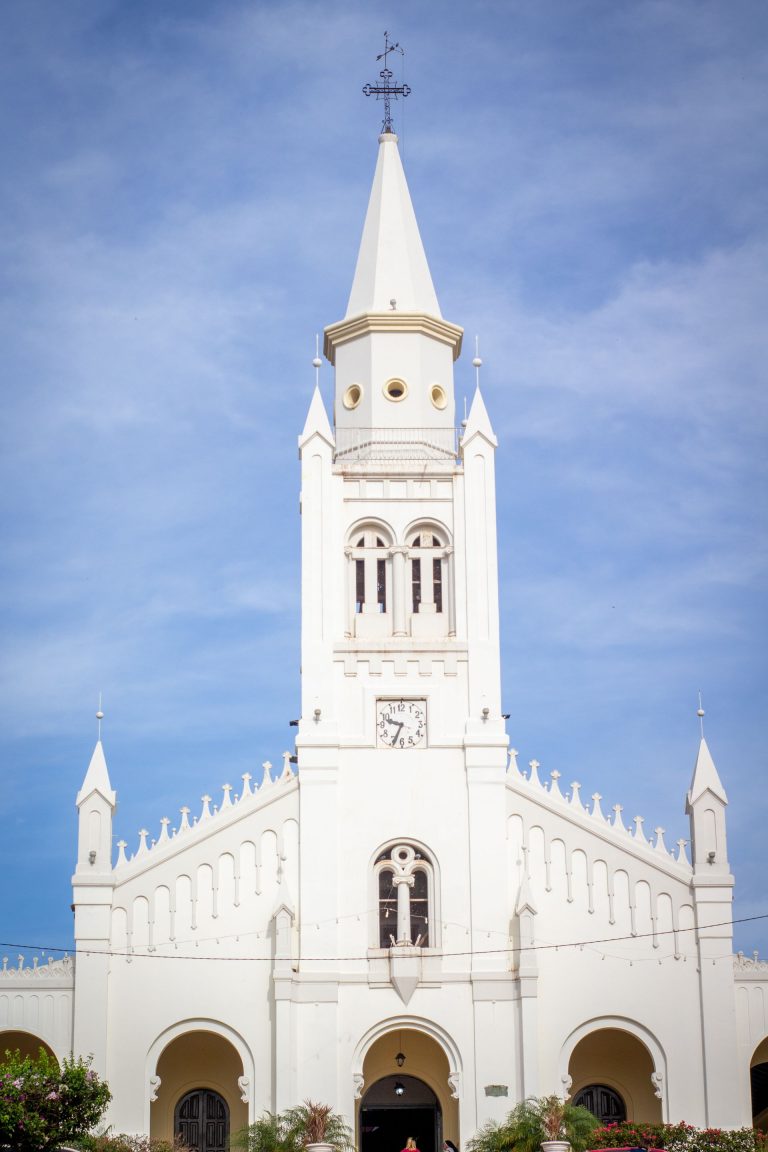
A lakeside town of ceramics, colonial houses and strawberry farms.
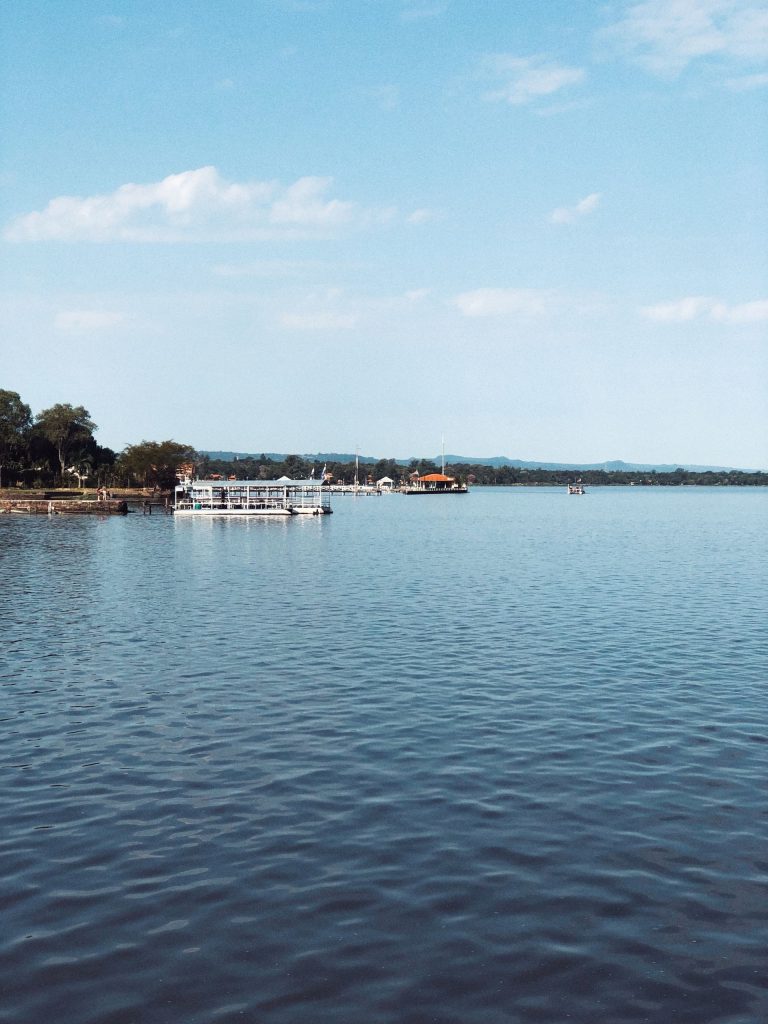
The summer resort on the lake, busy at weekends from December to February.
Independence, pilgrimages and the national holidays.
Parades and celebrations in the capital.
Hundreds of thousands walk to the basilica for the country's biggest pilgrimage.
Fire games, traditional food and fiestas in neighbourhoods and schools.
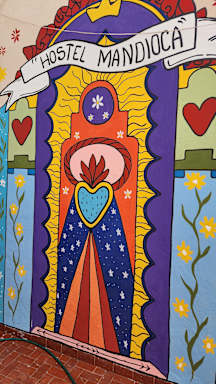
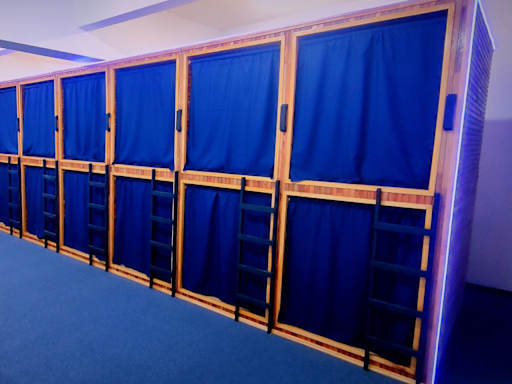
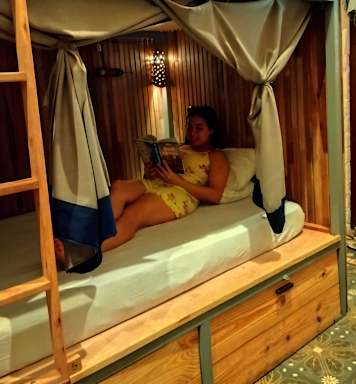
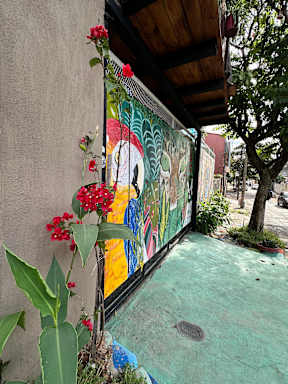
The highest-rated hostels in Asunción, straight from Hostelworld. Prices and availability are live on each property page.

May to September is the most comfortable time, warm by day and sometimes cool at night. October to March is very hot and humid, with storms, and temperatures regularly pass 40°C.
Average highs, rounded. Heatwaves push well above these in summer.
Per night, for one person, based on Asunción prices.
Treat these as a guide. Chaco trips cost extra.
The ones we get asked most.

Compare hostels in Asunción: live prices, real reviews and free cancellation on most bookings. Then meet the people already there in the app.

 Get the App.



 Get the App.