Pinheiros
Food, bars, first visitsA lively district of restaurants, bars and shops, with good metro links.
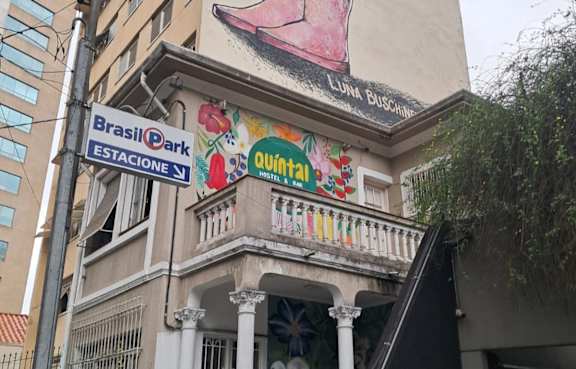
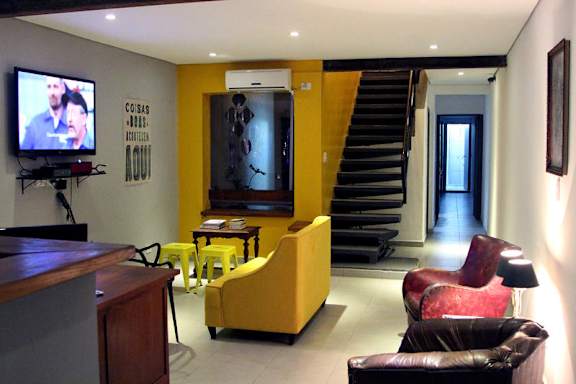
4 hostels · from €8

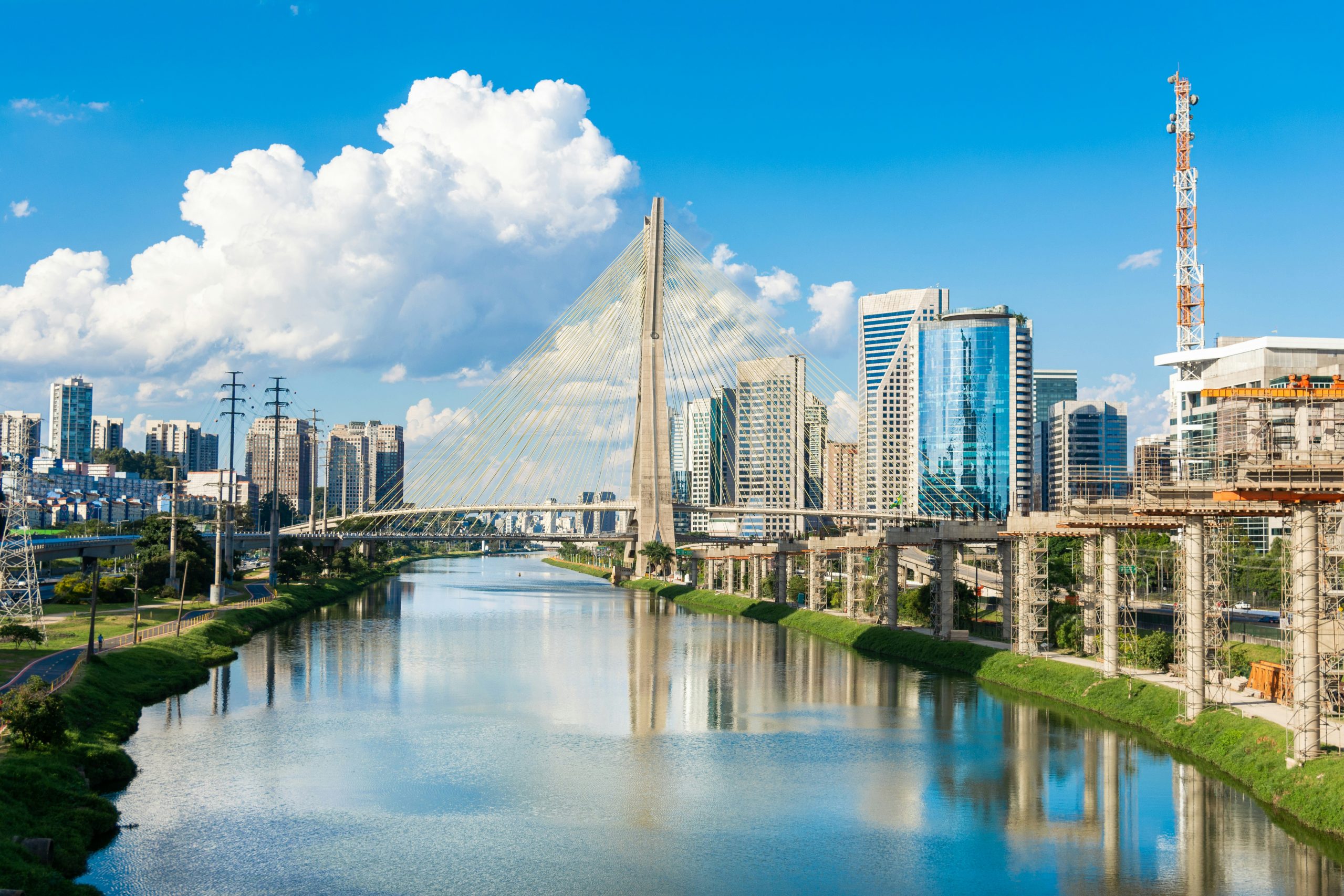
A concrete giant with the best food, art and nightlife in South America. Not pretty at first sight, but the more time you give it, the more it gives back.
São Paulo is the largest city in the southern hemisphere, home to around 12 million people in the city itself and more than 20 million in the metropolitan area. It was built by immigrants from Italy, Japan, Portugal, Lebanon, Germany and every corner of Brazil, and you can taste that history in its restaurants, from Italian cantinas to the Japanese-Brazilian district of Liberdade.
There are no beaches and few postcard views. What Sampa, as locals call it, has instead is energy: world-class museums, street art on every wall, a restaurant scene that rivals any in the world and a nightlife that runs until sunrise. Avenida Paulista, the city's spine, closes to cars on Sundays and fills with musicians, skaters and families.
Three or four days is a good introduction. Base yourself in Pinheiros, Vila Madalena or near Paulista, use the metro, and eat as much as you can.
Pinheiros and Vila Madalena are the favourites for food, bars and street art. Bela Vista and Paraíso put you on Avenida Paulista, with easy metro links everywhere.
A lively district of restaurants, bars and shops, with good metro links.
Hilly streets of bars, galleries and graffiti, including Beco do Batman. The city's favourite night out.
Next to Avenida Paulista, with the Italian neighbourhood of Bixiga and its cantinas.
At the eastern end of Paulista, close to Ibirapuera and well connected.
Leafy streets of boutiques and restaurants south of Paulista. Pricier.
A residential district near Ibirapuera Park, with metro access and local bars.
Orange labels are neighbourhoods, dots are the 9 top-rated hostels. Map data from OpenStreetMap contributors.
Start on Avenida Paulista. MASP, the art museum raised on red pillars over an open plaza, has one of the best collections in the southern hemisphere, and the avenue is lined with cultural centres, many of them free. On Sundays, the whole avenue closes to cars and becomes a street festival.
Ibirapuera Park is the city's great green space, with Oscar Niemeyer's modernist buildings, the Afro Brasil Museum and the Museum of Modern Art. In Vila Madalena, Beco do Batman is an alley covered from end to end in graffiti, and the surrounding streets are some of the best for street art anywhere.
Downtown, the Mercado Municipal is famous for its stained-glass windows and its huge mortadella sandwiches, the Pinacoteca has Brazilian art in a beautiful restored building, and the Edifício Copan, Niemeyer's wave-shaped tower, is a landmark. Liberdade, the largest Japanese community outside Japan, has a weekend street fair packed with food stalls.
São Paulo has a surprising amount for free. MASP has free entry on some days, many cultural centres along Avenida Paulista, such as the Itaú Cultural and the IMS, are always free, and the Pinacoteca has free days too.
Sundays are the best free day: Avenida Paulista closes to cars, Ibirapuera fills with picnics, and street fairs pop up across the city. The street art of Vila Madalena and the Centro costs nothing to see, and free walking tours run in the historic centre.
The view from the top of the Edifício Martinelli or the Farol Santander, one of the old skyscrapers downtown, is cheap or free depending on the day.
São Paulo is South America's restaurant capital. Pizza is a serious business, with thousands of pizzerias and a dedicated Pizza Day; Japanese food in Liberdade ranges from ramen counters to sushi bars; and Middle Eastern esfihas are a cheap snack across the city.
At lunch, por quilo buffets and pratos feitos, set plates of rice, beans, meat and salad, are the budget options. The Mercado Municipal's mortadella sandwich, stacked impossibly high, is a rite of passage, and the pastel de bacalhau at the same market comes a close second. Virado à paulista, a plate of beans, pork, egg and greens, is the city's traditional Monday dish.
For drinks, bars in Pinheiros and Vila Madalena serve craft beer and caipirinhas, and the city's coffee shops take Brazilian beans seriously.
São Paulo has the biggest nightlife in Latin America and something for every taste. Vila Madalena's bars spill onto the streets, especially around Rua Aspicuelta, and are busiest from Thursday to Saturday. Pinheiros has cocktail bars and live music, and Rua Augusta is the place for indie bars and clubs.
The electronic music scene is world-class, with clubs and parties that run until well after sunrise. Many clubs open around midnight and peak at three or four.
The city's LGBTQ+ scene is one of the largest in the world, and the São Paulo Pride Parade on Avenida Paulista is among the biggest anywhere. Use apps to get home at night.
The metro is the way to get around: clean, fast and connected to the train network. Lines run to Paulista, Pinheiros, Vila Madalena, Liberdade and the Centro. Pay by contactless bank card at the gates or buy a rechargeable card. Traffic is notorious, so avoid buses and cars at rush hour.
Uber and 99 are cheap and the safest option at night. Guarulhos international airport is around 25km north-east of the centre: the airport bus or an app car takes around an hour or more, depending on traffic, and a train line links the airport to the city.
Congonhas, the domestic airport, is in the south of the city. Long-distance buses leave from the Tietê terminal, with services to Rio, Paraty and the coast.
São Paulo is good value for a big city. Dorm beds run from around €10 to €18, and the city's huge choice of por quilo and prato feito lunches keeps food costs low, with lunch from €5 to €8.
The extras are restaurants and nights out: São Paulo has some of the best restaurants in the world, and it is easy to spend more than you planned. Museums are cheap, and many have free days.
Cards and Pix are accepted almost everywhere, including street food stalls. Carry a little cash as a backup.
São Paulo needs street awareness. Phone snatching, including from people on motorbikes and through car windows, is the most common crime. Keep your phone away when walking, especially near the kerb, and do not use it at traffic lights in cars.
The Centro is busy by day but empty and less safe at night, especially around Cracolândia near Luz station, which is best avoided. Paulista, Pinheiros and Vila Madalena are lively and safer, but use apps rather than walking long distances at night.
If you are robbed, hand everything over. In an emergency, call 190 for police or 192 for an ambulance.
Beaches, islands and mountain towns, all within a few hours.
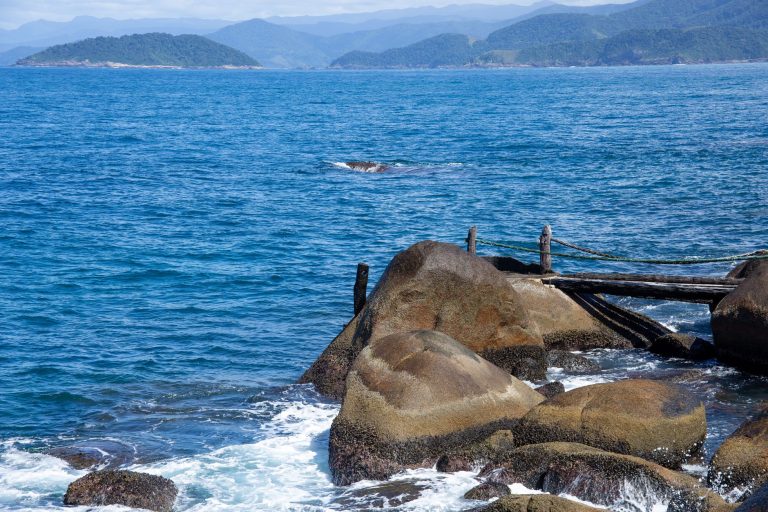
A mountainous island with waterfalls and beaches.
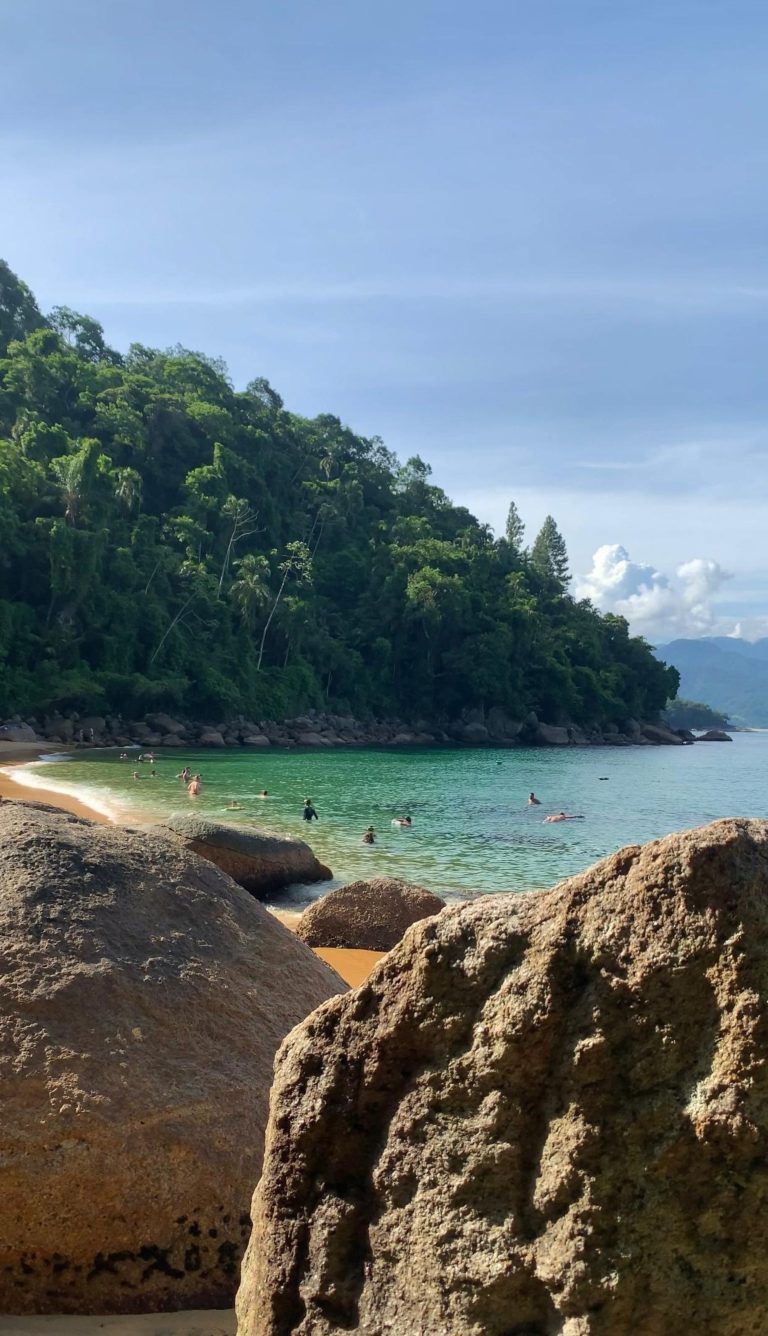
Dozens of beaches between forest and sea on the north coast.
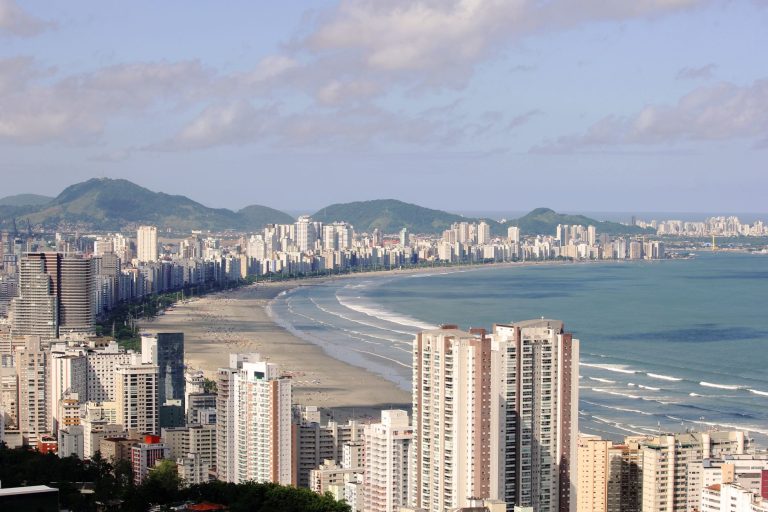
The port city with Pelé's museum and a long beach.
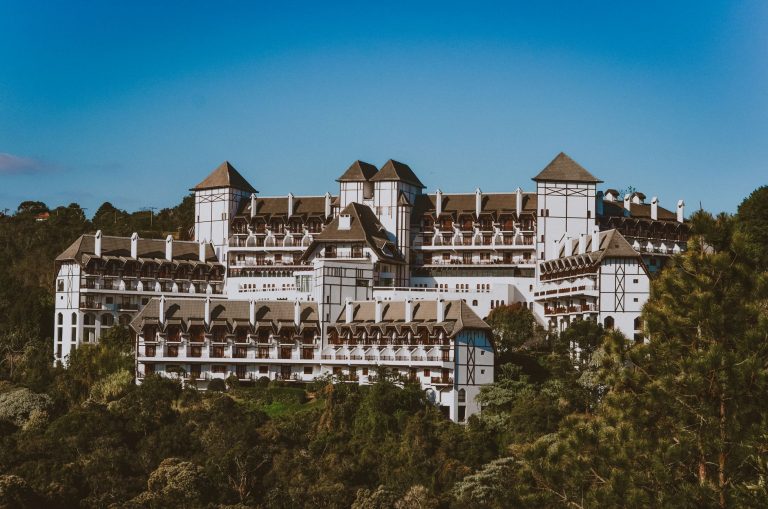
A mountain town with Alpine-style houses, busiest in winter.
Pride, the Virada Cultural and a packed cultural calendar.
One of the largest Pride parades in the world.
A 24-hour festival of free concerts, theatre and art.
A big Sambadrome parade and hundreds of street parties.
The highest-rated hostels in São Paulo, straight from Hostelworld. Prices and availability are live on each property page.
São Paulo is a year-round city. December to March is warm and rainy; June to August is cooler and dry, with chilly evenings.
Average highs, rounded. Summer storms can be heavy and cause flooding.
Per night, for one person, based on São Paulo prices.
Treat these as a guide. Fine dining and big nights out cost much more.
The ones we get asked most.

Compare hostels across São Paulo: live prices, real reviews and free cancellation on most bookings. Then meet the people already there in the app.

 Get the App.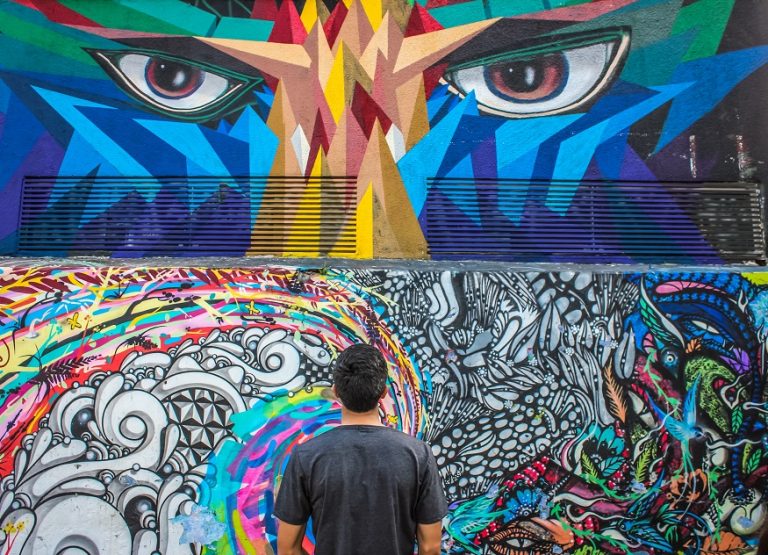




 Get the App.