Village centre
Restaurants, barsThe streets above the fishermen's beach, with most shops and bars.

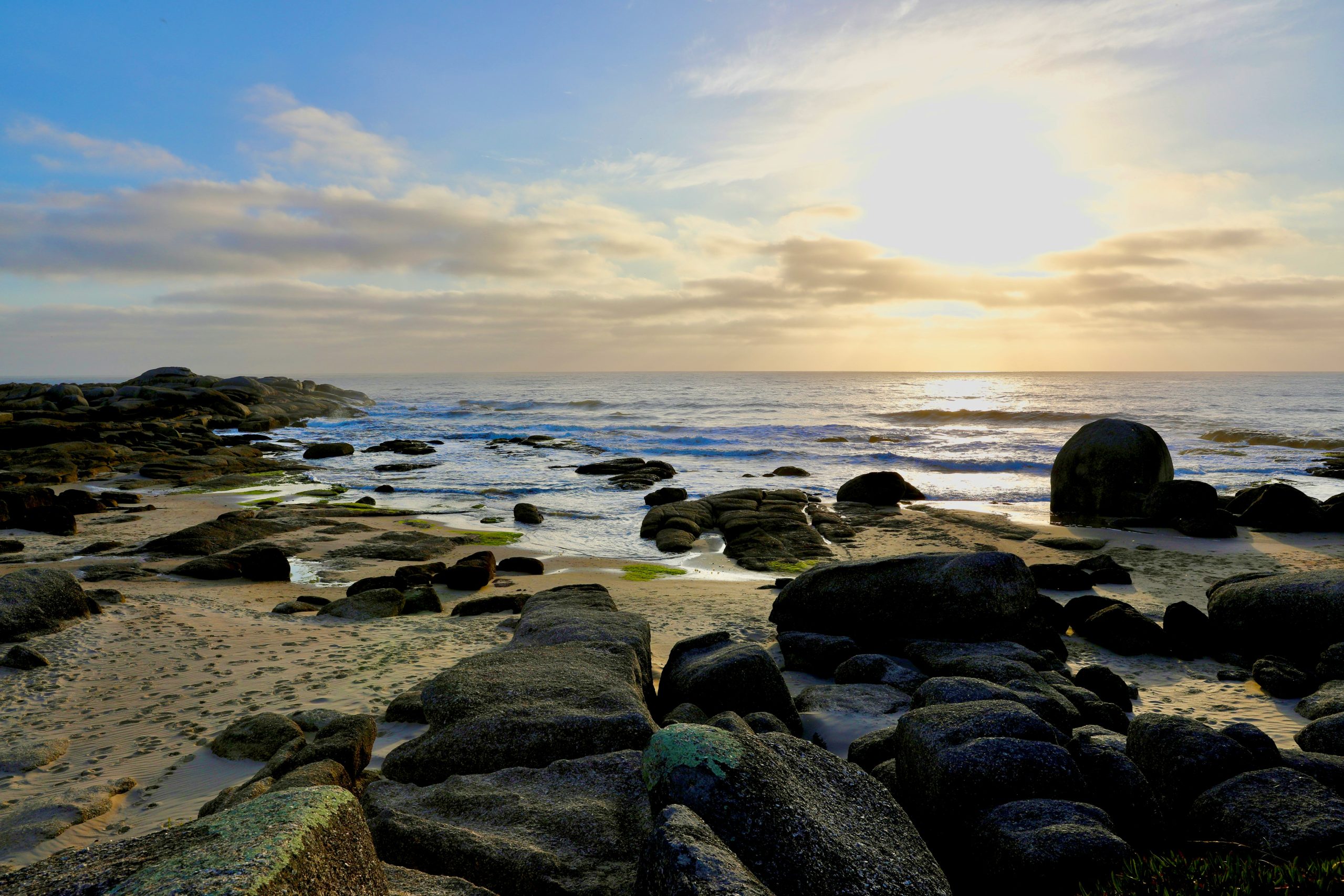
A fishing village turned surf and backpacker town near the Brazilian border, with sandy lanes, wooden cabins, wide beaches and Santa Teresa National Park next door.
Punta del Diablo is a village on the Rocha coast in the far east of Uruguay, around 40 km from the Brazilian border. It began as a fishing community, and fishing boats are still pulled up on the beach, but it is now one of the most popular backpacker spots in the country, with colourful wooden cabins along sandy lanes and a laid-back surf scene.
The village has several beaches: the Playa del Rivero for surfing, the Playa de los Pescadores by the fishing boats, and the long Playa Grande. Just north, Santa Teresa National Park has a star-shaped 18th-century fortress, forests, campsites and quiet beaches.
Give Punta del Diablo three or four days in summer, longer if you surf. January and February are lively, with hostels and bars full. The rest of the year it is very quiet, with many places closed, but beautiful for walks and whale watching from July to November.
Stay near the centre and the fishermen's beach for restaurants and bars, or in the quieter lanes near the Playa Grande or the Playa del Rivero.
The streets above the fishermen's beach, with most shops and bars.
The surf beach north of the village.
The long beach south of the village, with quieter cabins and hostels.
Orange labels are neighbourhoods, dots are the 3 top-rated hostels. Map data from OpenStreetMap contributors.
Surf. The Playa del Rivero, north of the village, has the most consistent waves, and surf schools rent boards and give lessons in summer. Beginners do best on calmer days with a teacher.
Visit Santa Teresa National Park, around 10 km north. The Fortaleza de Santa Teresa is a star-shaped stone fort from the 18th century, built during the wars between Spain and Portugal. The park also has gardens, forests, a greenhouse, camping and beaches such as Playa Grande and Cerro Verde, where sea turtles feed offshore.
Walk to the Cerro de la Viuda, a rocky point with views over the coast, and watch the fishermen bring in their catch on the Playa de los Pescadores. From July to November, look for whales from the rocks. The Laguna Negra, a large lagoon west of the park, is good for birdwatching.
The beaches are free, and so is watching the fishermen at work and the sunset from the rocks.
Santa Teresa National Park is free to enter, though the fortress charges a small fee. The walks along the coast between the beaches are free.
Whale watching from the shore costs nothing.
Fish is the reason to eat here. Try fish empanadas and buñuelos de algas, seaweed fritters, sold at stalls by the fishermen's beach, and fish of the day in the village restaurants.
The village has pizzerias, parrillas and cafés, and in summer food stalls line the beach. Many hostels have kitchens, and there are small supermarkets.
Off season, many restaurants close, so check before you go.
In January and February, Punta del Diablo has a lively backpacker nightlife, with beach bars, hostel parties and live music.
Off season, it is very quiet.
Nights can be cool even in summer, so bring a jumper.
The village is walkable, on sandy lanes. Bikes are useful for the beaches and Santa Teresa park.
Buses from Montevideo's Tres Cruces terminal take around four and a half to five hours, stopping at the entrance to the village. Buses run along the coast to Cabo Polonio, La Paloma and Chuy on the Brazilian border.
Chuy, around 40 minutes north, is the main border crossing to Brazil.
Punta del Diablo is good value for the Uruguayan coast. Dorm beds start around €15, and more in January. Beach stalls and hostel kitchens keep food costs down.
Surf lessons and board hire are the main extras.
There is an ATM in the village, but it can run out in summer, so bring some cash.
Punta del Diablo is safe and relaxed. Take normal care with belongings in hostels and on the beach.
The Atlantic has strong currents and rip tides. Lifeguards work only in summer, so swim where they are, and surf within your ability.
The sun is strong in summer. In an emergency, call 911.
A fortress, lagoons and the rest of the Rocha coast.
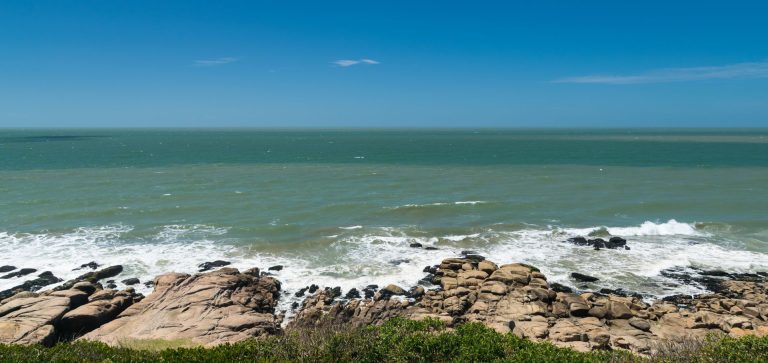
A star-shaped fort, forests and beaches.
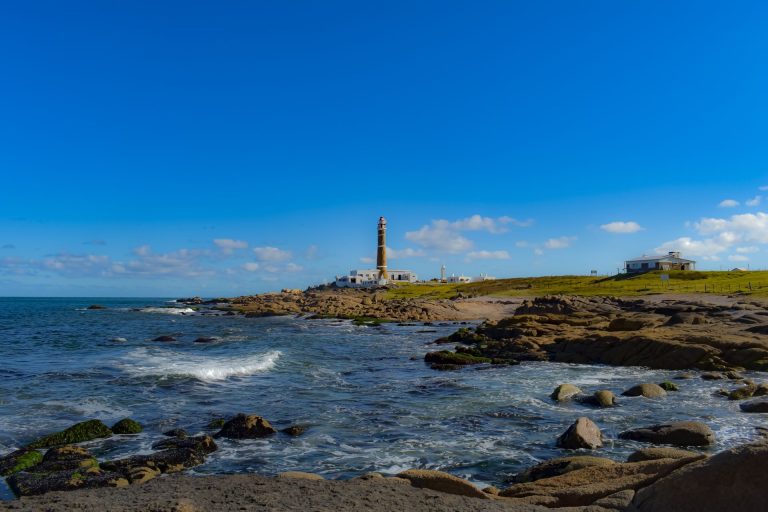
A village in the dunes with sea lions.
Summer season and whale season.
Full hostels, beach bars and live music.
Southern right whales offshore.
The highest-rated hostels in Punta del Diablo, straight from Hostelworld. Prices and availability are live on each property page.
January and February are peak season, warm and lively. December and March are quieter and still good. Winter is cold, windy and very quiet, but whales pass from July to November.
Average highs, rounded. Sea breezes keep it cool.
Per night, for one person, based on Punta del Diablo prices.
Treat these as a guide. January prices are higher.
The ones we get asked most.

Compare hostels in Punta del Diablo: live prices, real reviews and free cancellation on most bookings. Then meet the people already there in the app.

 Get the App.




 Get the App.