

For a first trip to Ireland, start with Dublin, Galway and Killarney, then add the Cliffs of Moher from Doolin. With more than a week, Cork, Dingle, Connemara, Sligo, Donegal and the Aran Islands are all reachable by train, bus or ferry, and every place below has hostels you can book on Hostelworld.
We checked the details that change most often (ferry seasons, bus routes, ticket prices and trail closures) in November 2026. Below are the 10 best places to visit in Ireland for first-timers, the best hostels in Ireland for each stop, a 7 to 10 day itinerary, how to get around without a car and when to go. For more ideas, browse our Ireland travel guides or the full guide to backpacking Ireland.

1 Dublin, the easiest place to start
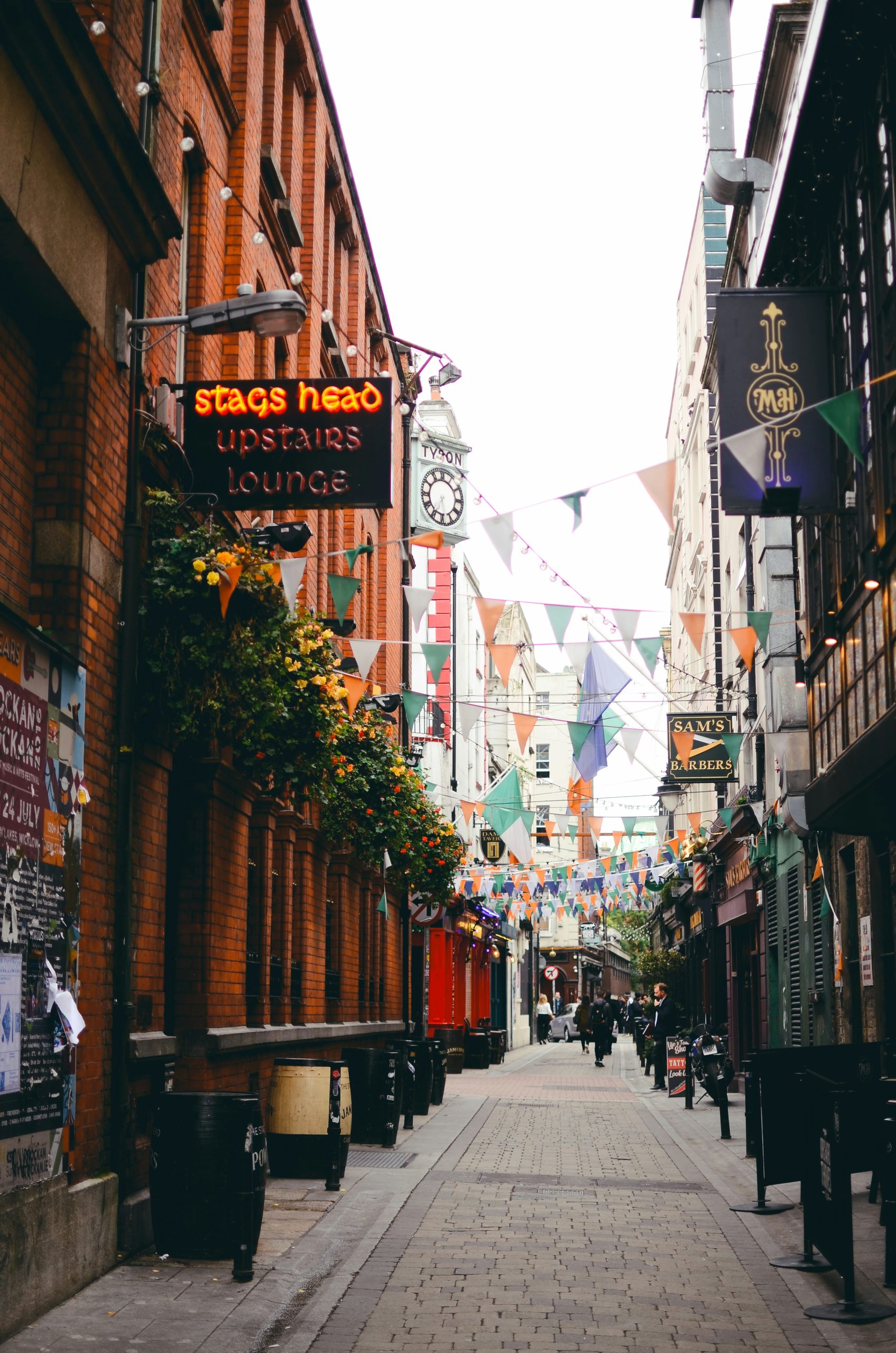
Dublin is the first stop for most travellers, and for good reason. Georgian streets, famous pubs, live music every night, and museums you can enjoy even if you are not a “museum person”. The National Museum of Ireland on Kildare Street is free to enter, and the self-guided Book of Kells Experience at Trinity College costs from €25 (checked November 2026), so book ahead for weekends and summer.
Why it hits different for first timers:
- Temple Bar energy (chaotic but essential)
- Literary history almost everywhere
- Walkable city centre
- A perfect blend of culture, nightlife and café hopping
Where to stay (hostel vibes):
- Latroupe Jacobs Inn for a modern feel and social vibe
- Abbey Court if you want to be central and meet people fast
- Generator Dublin for stylish spaces with a lively bar
Quick tip: Book your hostel early if you are coming around St Patrick’s Day. The 2027 St Patrick’s Festival runs from 13 to 17 March, with the parade on Wednesday 17 March, and prices spike as beds go fast. For trips out of the city, see our guide to day trips from Dublin.
2 Galway for live music and west coast trips
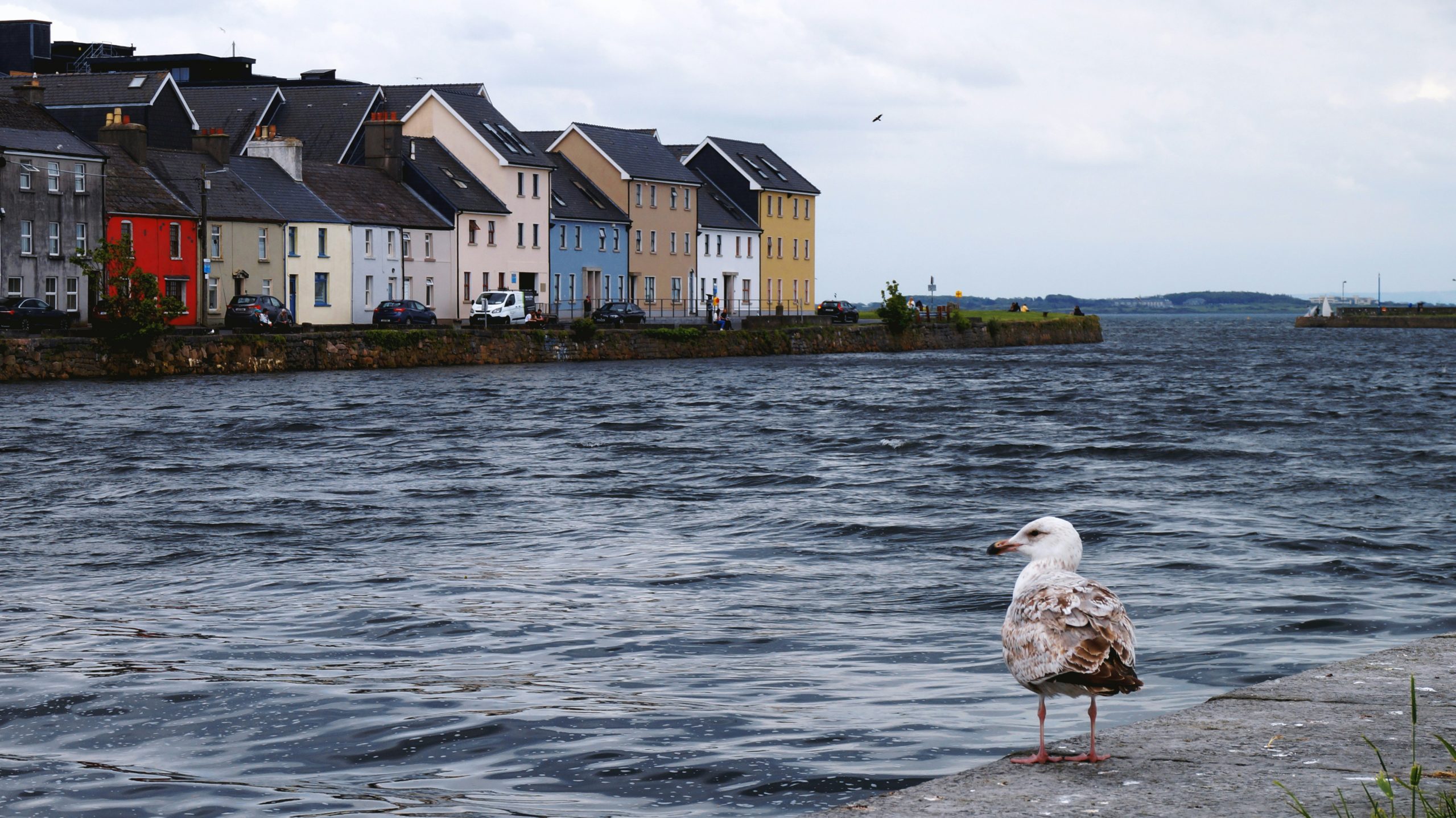
If Dublin is the intro track, Galway is the chorus everyone remembers. Street performers, colourful buildings and that “grab a pint and chat to strangers” atmosphere make it one of the best places to visit in Ireland for young travellers. One Hostelworld guest who stayed in Galway described “loads of fantastic live music performances – from the street buskers to the pub gigs”, and warned it is “best to prepare for some rain and wind”. Trains from Dublin Heuston take about 2 hours 30 minutes.
A few things to love:
- Live trad music every night
- Salthill’s seaside walks
- Easy access to the Cliffs of Moher on Bus Éireann route 350, and to the Aran Islands on the ferry shuttle bus from Victoria Place
Top hostels to look at:
- The Nest Boutique Hostel for quality accomodation with unique social spaces
- Kinlay Eyre Square Hostel for proximity to train stations and main attractions
Mini‑callout: If you love food, Galway’s market is small but iconic.
3 Cork for food markets and harbour day trips
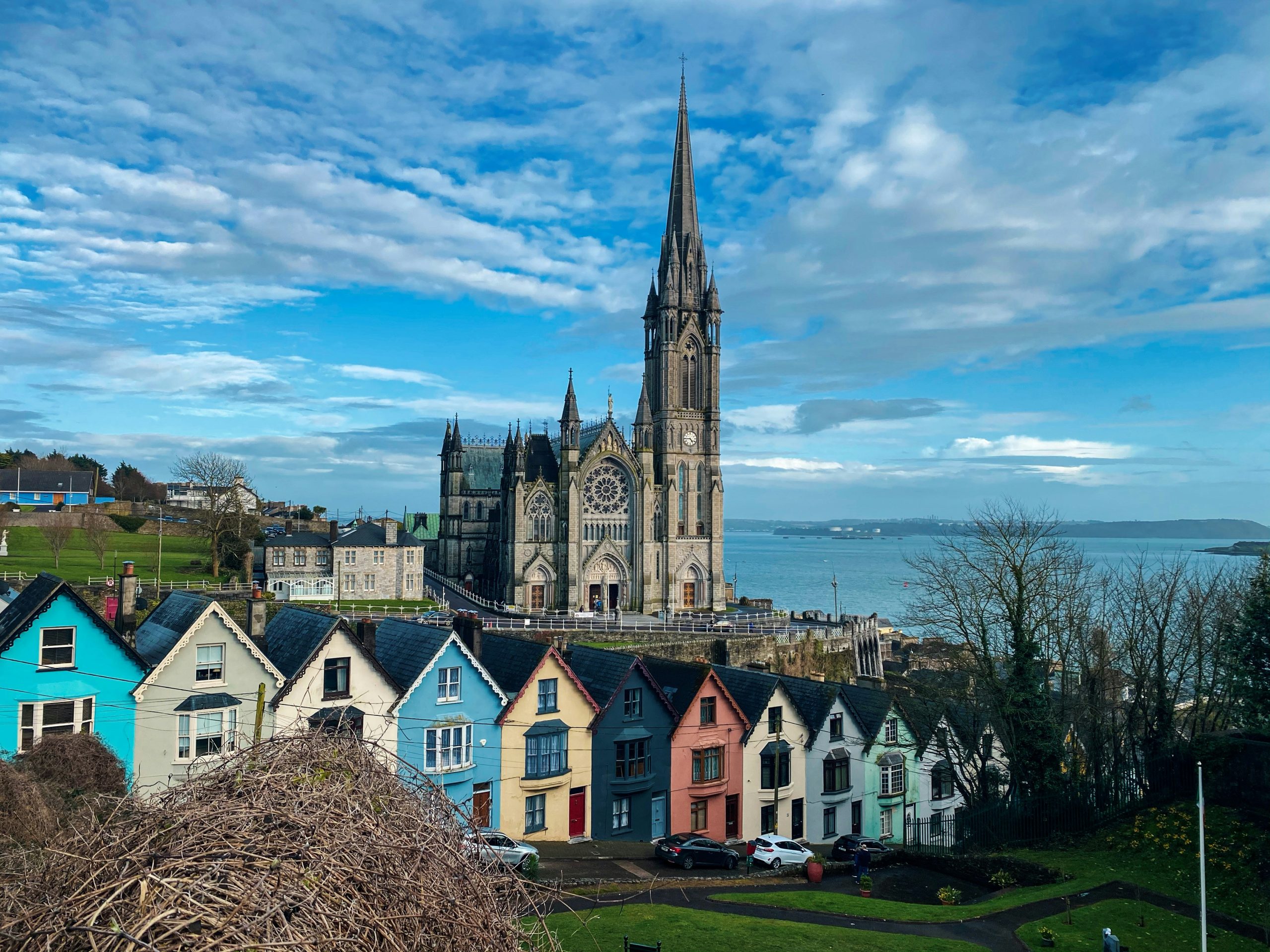
Cork often surprises first‑timers because it feels like a smaller, friendlier version of a big city. You can wander from quirky cafés to the English Market, grab a riverside lunch, then end the day with live music on MacCurtain Street. “Pubs are significantly cheaper than other places,” said one Hostelworld guest who stayed in Cork. Trains from Dublin Heuston take about 2 hours 30 minutes.
What makes Cork special:
- A massive food scene
- Great base for day trips like Cobh or Blarney Castle
- Rebel City attitude that locals are proud of
One hostel you cannot go wrong with:
- Sheilas Cork Hostel for social travellers who want nightlife at their doorstep
Fun idea: Take the train from Kent Station to Cobh, one of the prettiest harbour towns in Ireland. The trip takes about 25 minutes, with trains roughly every 30 minutes during the day.
4 Killarney National Park by bike
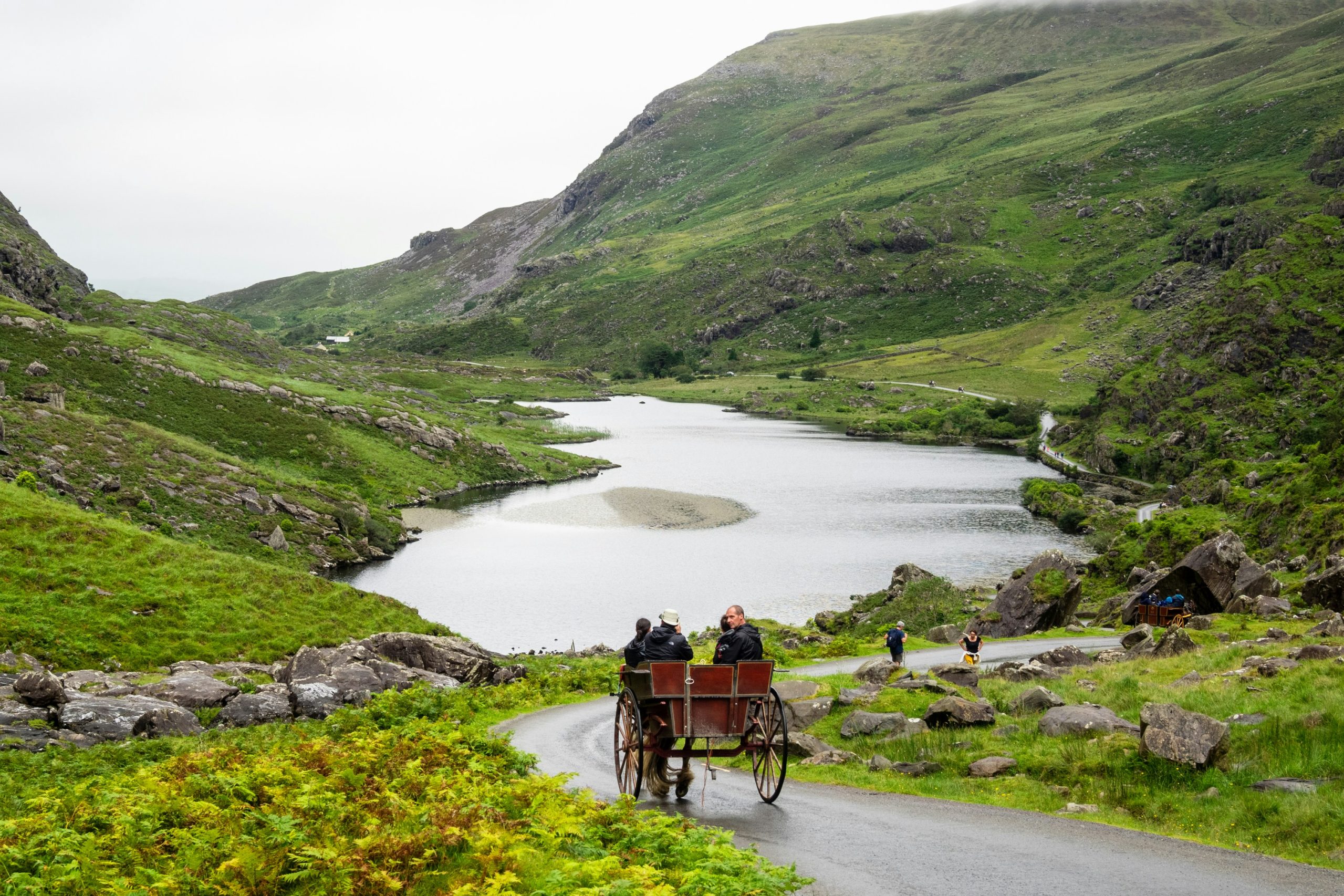
Killarney is where Ireland shows off. Lakes, waterfalls, mountains and a massive national park you can bike through in a day. It is insanely beautiful and perfect for first‑timers wanting nature without complicated logistics.
Expect:
- Ross Castle, where the interior is open by guided tour from early March to early November (adult tickets €5, checked November 2026)
- Muckross House and Gardens
- Torc Waterfall after a short forest walk
Best accommodation pick:
- Killarney View House, warm, cosy, and ideal for nature lovers
Quick tip: Rent a bike. It is the easiest and most scenic way to explore.
5 Dingle, a harbour town with nightly music
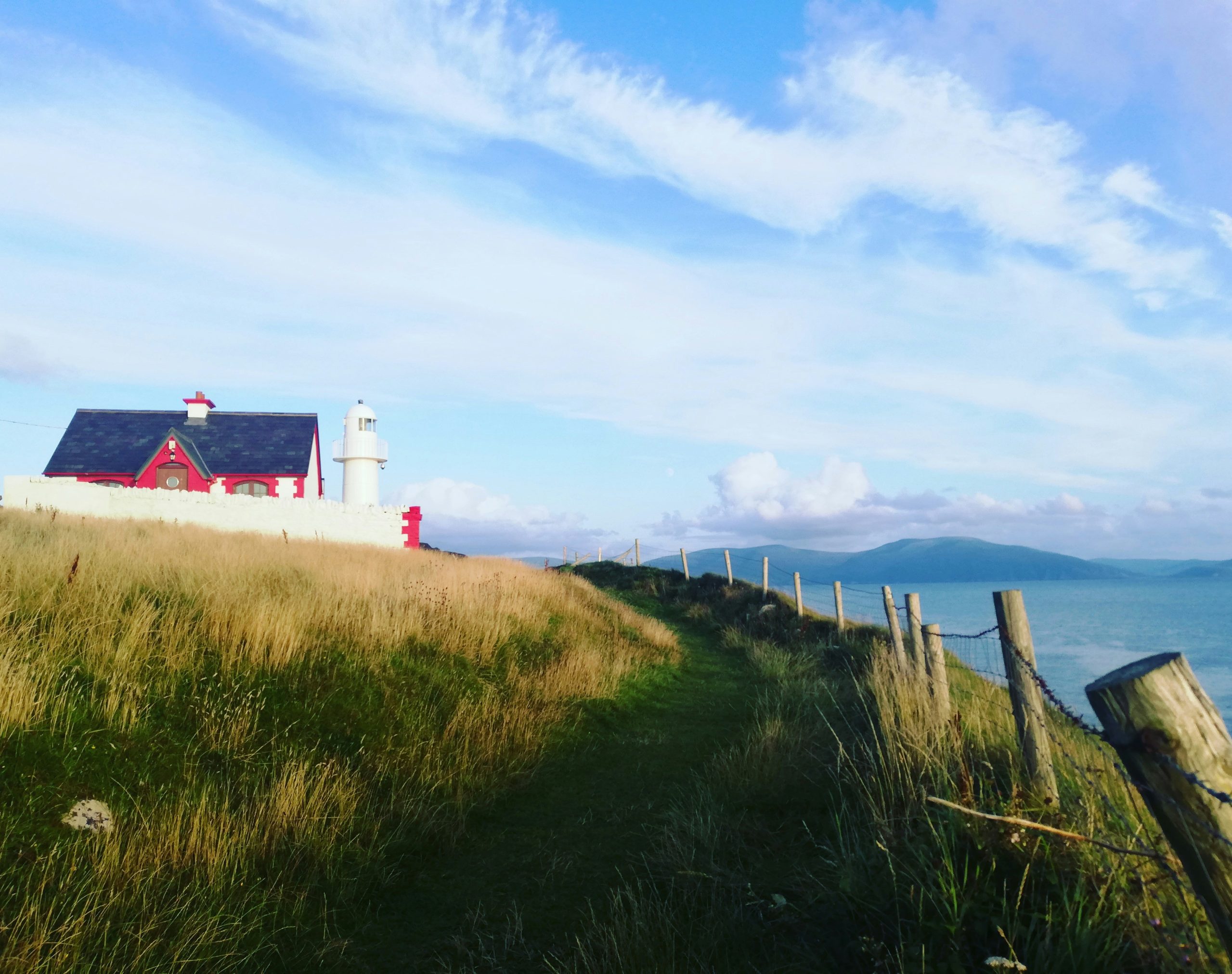
Dingle is small but mighty, known for its friendly locals, pubs with nightly music, and the peninsula’s dramatic scenery. The drive to Dunquin Pier alone is enough reason to go.
Perfect for:
- Slow travel
- Coastal walks
- Road trippers doing the Wild Atlantic Way
Where to crash:
- The Grapevine Hostel, known for its homey feel
Dingle has this “stay for one night but end up staying three” effect. Consider yourself warned.
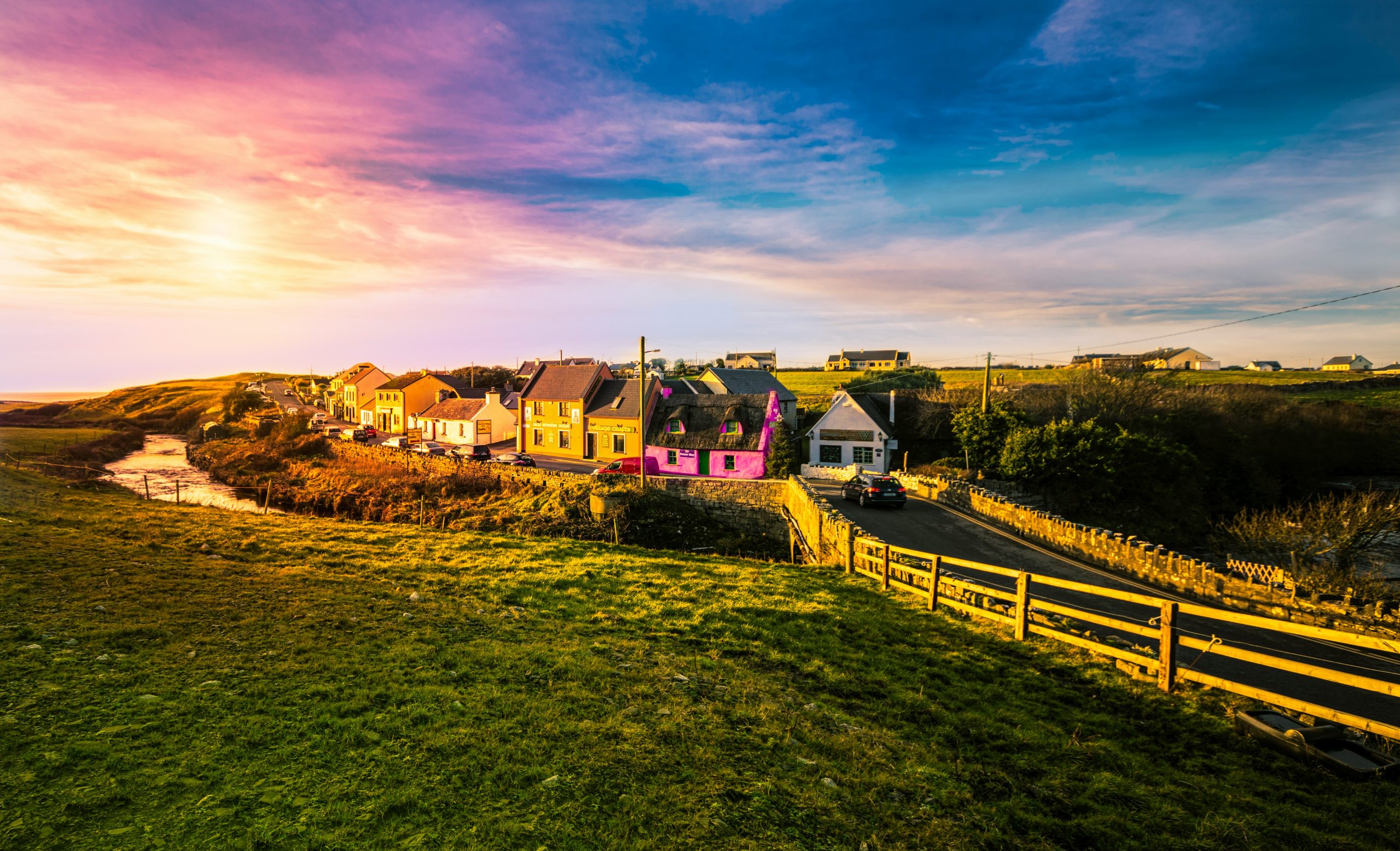
6 Doolin, the base for the Cliffs of Moher
Doolin is tiny and charming, best known for traditional music and its proximity to the Cliffs of Moher. Many travellers prefer staying here instead of in the tourist‑packed areas.
Highlights:
- A quieter launch point for cliff walks
- Seasonal ferries to the Aran Islands, running roughly March to November
- Trad sessions at Gus O’Connor’s, McDermott’s and McGann’s
Best hostel choice:
Aille River Hostel, cosy and welcoming, especially after a long day of hiking.
Travel tip: Check the trail before you set off. As of August 2026, the coastal walk from Doolin is open only as far as Surfers Point, where you have to turn back, and there is no walking access from Doolin to the Cliffs of Moher Experience. Take Bus Éireann route 350 to the visitor centre instead. Adult tickets on the day were €15 in 2026, and online tickets for 2027 start at €9 off-peak. The site stays open until 9pm from May to August, so go early or late to beat the crowds.
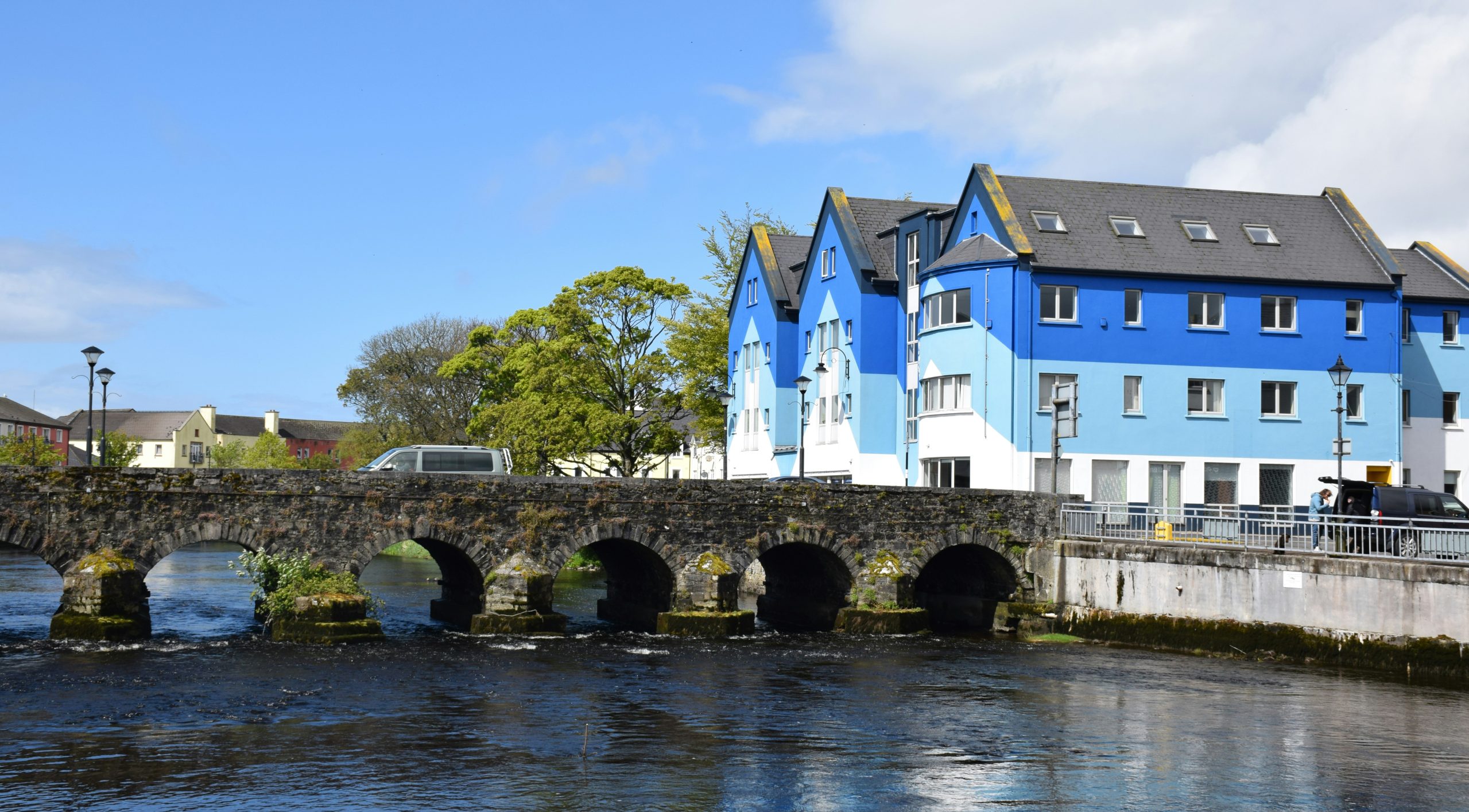
7 Sligo for surfing and mountain walks
Sligo blends surfing culture, literary history, and wild landscapes. It feels youthful, creative and slightly under the radar for first‑time travellers.
Why you should go:
- Surf lessons at Strandhill, home of the National Surf Centre (the beach is not safe for swimming because of rip currents)
- Queen Maeve’s Trail up Knocknarea, and forest walks below Benbulben at Gortarowey
- A cool coastal‑meets‑arts vibe
Where to stay:
- Éalú Lodge, a quiet and friendly base perfect for laid‑back travellers
Best for: Anyone who wants a nature break without huge crowds.
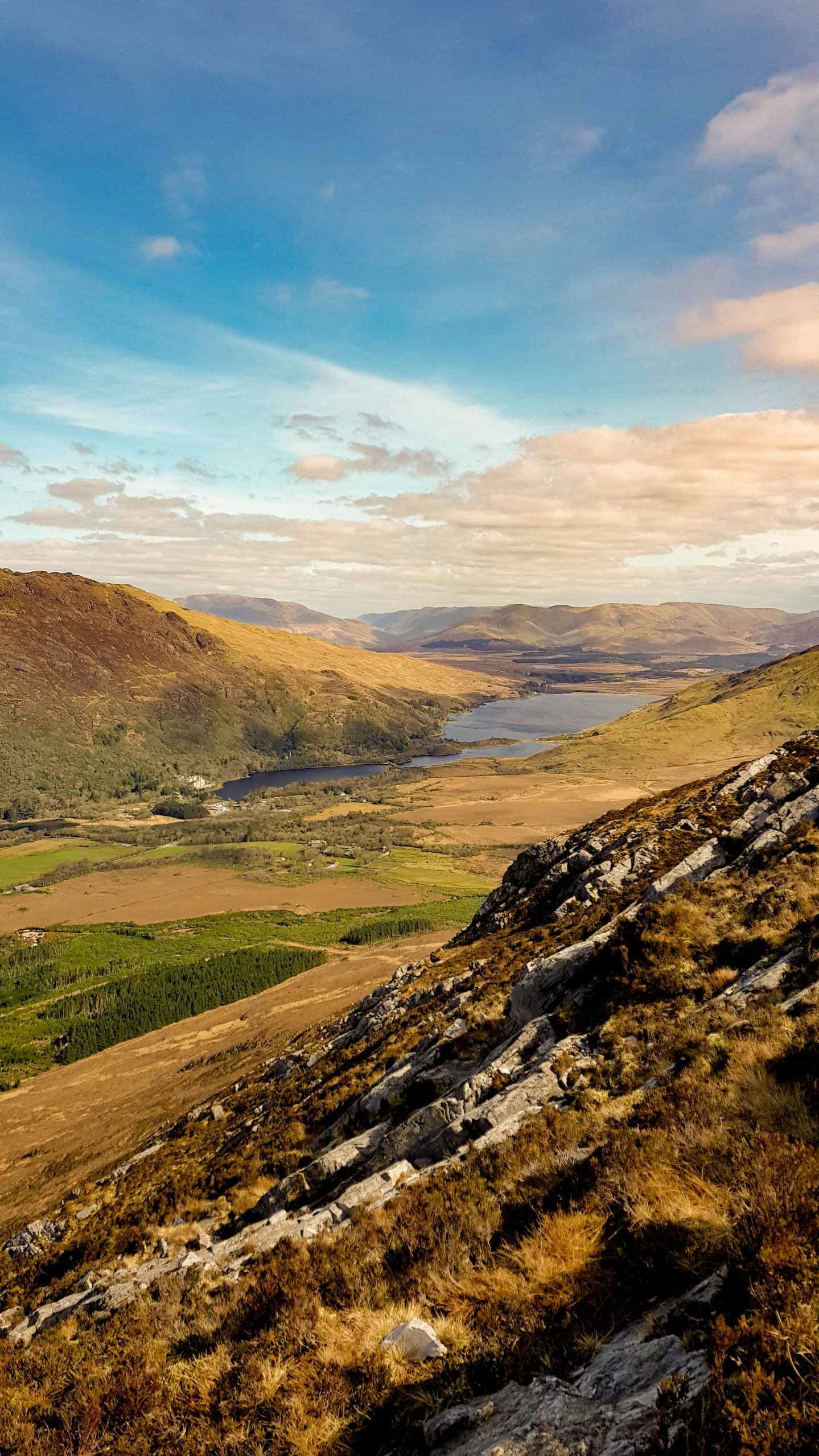
8 Connemara, wild mountains west of Galway
Connemara is one of the most beautiful regions in Ireland, famous for glassy lakes, stony hills and tiny villages where the Irish language is still spoken. Renting a car or joining a day tour from Galway is the simplest way to see it.
Top things to experience:
- Kylemore Abbey
- Connemara National Park
- Sky Road panoramas
Best hostel option:
- Ben Lettery Connemara Hostel, simple and scenic, with incredible mountain views
Inspiration: Bring a journal. This region makes everyone poetic.
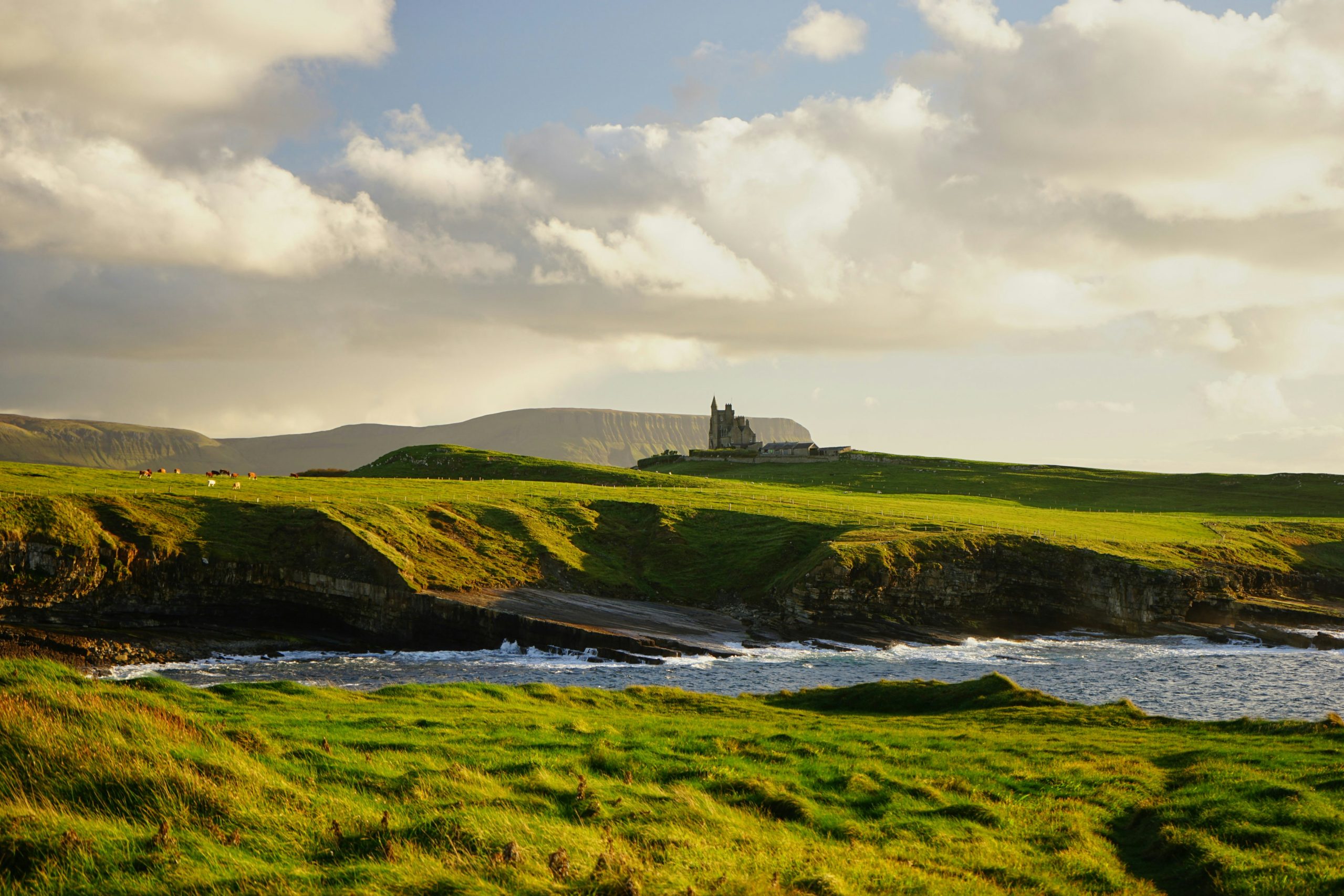
9 Donegal for sea cliffs and empty beaches
Donegal feels like Ireland’s wild frontier. Rugged cliffs, quiet beaches, dramatic headlands and some of the warmest hospitality you will find. The Wild Atlantic Way, a 2,500km touring route down the west coast to Kinsale in County Cork, starts here at Malin Head.
A few highlights:
- Sliabh Liag (Slieve League) sea cliffs, with a visitor centre and a seasonal shuttle bus to the viewpoint
- Glenveagh National Park
- Tiny coastal villages that feel frozen in time
Best stay:
- Atlantic Guest House, perfect location for outdoor explorers
Vibe check: If you like places that feel “undiscovered”, Donegal hits.
10 The Aran Islands by bike and ferry
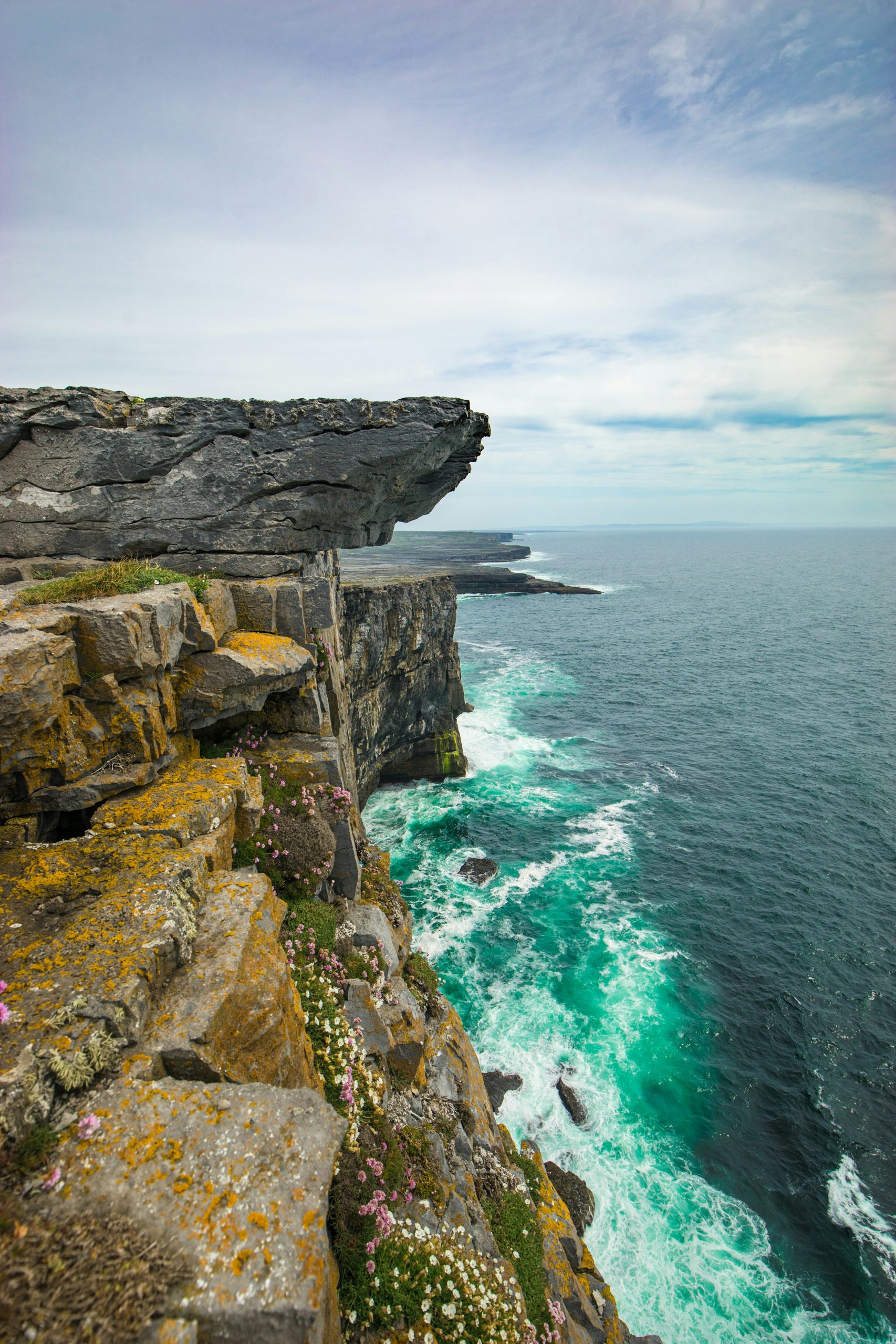
The Aran Islands are the Ireland people imagine before they visit. Stone walls, ponies, cliffs, fishermen cottages and locals switching between Irish and English effortlessly.
Most popular experiences:
- Cycling around Inis Mór
- Visiting Dún Aonghasa, the clifftop stone fort, where the visitor centre reopened in May 2026 after a €1.6 million upgrade
- Snapping photos of endless stone wall grids
Where to stay:
- Kilronan Hostel on Inis Mór, in the island’s main village of Kilronan
Note: Aran Island Ferries sails year-round from Rossaveel, about 40 minutes to Inis Mór, and runs a shuttle bus from Victoria Place in Galway city that takes about 50 minutes (book at least 12 hours ahead). Ferries from Doolin are seasonal, running roughly March to November.
How to choose where to go in Ireland
Ireland is small but packed with variety. For first‑timers, picking the right mix is key. Here is a quick breakdown to help:
- For nightlife and city energy: Dublin, Cork
- For coastal charm: Galway, Dingle
- For nature and hiking: Killarney, Connemara, Donegal
- For surfing: Sligo
- For ancient island vibes: Aran Islands
Helpful reminder: Distances are short. Dublin to Galway or Cork takes about 2 hours 30 minutes by train, so you can comfortably combine three or four places in one week.
A 7 to 10 day Ireland itinerary for first-timers
Here is a flexible itinerary you can tweak depending on your pace.
Day 1 to 2: Dublin
Walk around Trinity College, visit the free National Museum on Kildare Street and try a Guinness in a proper pub. From the airport, Dublin Bus routes 16 and 41 run to the city centre.
Day 3: Galway
Take the train from Dublin Heuston (about 2 hours 30 minutes). Sea breezes, the market and live trad in the evening.
Day 4: Connemara
Day trip west of Galway for Kylemore Abbey, Connemara National Park and the Sky Road, or stay a night at Ben Lettery.
Day 5: Doolin and the Cliffs of Moher
Take Bus Éireann route 350 south from Galway to the Cliffs of Moher and Doolin, then catch a trad session at night.
Day 6 to 7: Killarney
Finish strong with national park views and small‑town charm. Rent a bike for the lakes and Muckross House.
Got 10 days? Add Dingle on day 8, then Cork and the train to Cobh on days 9 and 10, and take the train back to Dublin from Cork.
Getting around Ireland without a car
You can see most of this list by public transport. Intercity trains from Dublin Heuston reach Galway and Cork in about 2 hours 30 minutes, and Bus Éireann covers most of the west coast towns.
In Dublin, pay with a TFI Leap Card rather than cash. Leap fares are up to 30% cheaper, and the 90-minute fare costs €2 for adults (checked November 2026), covering buses, the Luas and most DART trains in that window. A Young Adult or Student Leap Card cuts fares by up to 50%.
In the west, Bus Éireann route 350 links Galway, the Cliffs of Moher, Doolin and Ennis, and the Aran Island Ferries shuttle bus connects Galway city with the ferry at Rossaveel. A car makes the most sense for Connemara, Donegal and the Dingle Peninsula, where the best viewpoints are spread out.
When is the best time to visit Ireland?
May to September is the easiest time for a first trip, with the longest days and the most transport and attractions running. The Cliffs of Moher stay open until 9pm from May to August, and Doolin’s ferries to the Aran Islands run roughly from March to November.
Spring and autumn are quieter, but some sights close for winter. Ross Castle in Killarney, for example, opened from 5 March to 3 November in 2026. Whenever you go, pack a waterproof jacket.
March is the exception to the quiet season. The 2027 St Patrick’s Festival in Dublin runs from 13 to 17 March, so book beds well ahead.
Ireland for solo travellers and young adults
Ireland is an easy first solo trip. English is spoken everywhere, distances are short and pubs with live music make it simple to start a conversation. Dublin, Galway and Cork have the most social hostels, with bars, common rooms and organised nights out.
If you are travelling alone, the Hostelworld app lets you chat with travellers staying across the city and join Linkups such as walking tours and pub crawls, from 14 days before check-in. No booking yet? A Social Pass opens up the same social features.
Where to stay in Ireland on a first trip
Base yourself in central Dublin, then near Eyre Square in Galway, which is handy for the train station and the Aran Islands shuttle bus, and in Killarney town for the national park. Our pick of the best hostels in Ireland has more options for every kind of traveller.
Book your first nights in Dublin early
Dublin beds go first, especially around St Patrick’s Day, so book your first two nights before anything else. Then book the west coast stops once your route is set, and leave a spare night somewhere along the way, because Dingle and Galway have a habit of turning one night into three.
Before you go, get to know the locals with our list of 28 reasons the Irish are better than you.
Sláinte and happy travels! 🇮🇪✨
Download the Hostelworld app to start booking now


FAQ: Best Places To Travel In Ireland 🇮🇪❓
How many days do you need to see Ireland for the first time?
A 7 to 10 day trip is ideal for first‑timers. This allows time for Dublin, at least one west coast stop like Galway or Killarney, and a few scenic day trips without rushing.
What is the best time of year to visit Ireland?
Late spring and summer, from May to September, offer longer days and better weather. Shoulder seasons like April and October are quieter and still beautiful, just pack layers.
Are hostels in Ireland safe and social?
Yes. Ireland is known for having some of the best hostels in Europe, especially for solo travellers. Most offer shared spaces, organised activities, and central locations that make meeting people easy.
Do you need to rent a car in Ireland?
Not always. Cities like Dublin, Cork, and Galway are very walkable and well connected by trains and buses. A car is helpful for regions like Connemara, Donegal, or the Dingle Peninsula.
What should first‑time travellers pack for Ireland?
Weather‑proof layers are essential. Bring:
- A waterproof jacket
- Comfortable walking shoes
- A small day backpack
- A reusable water bottle
The weather changes fast, even in summer.
Is Ireland expensive for backpackers?
Ireland can be pricey, but staying in hostels, using public transport, and booking activities ahead helps keep costs down. Many museums are free, especially in Dublin.
Which Irish cities are best for nightlife?
Dublin and Galway are top picks for nightlife, with live music every night of the week. Cork also has a strong pub scene with a more local feel.
Can you see the Cliffs of Moher without a tour?
Yes. Many travellers reach them by bus or stay nearby in places like Doolin and walk along the cliffs. This option is often quieter and more scenic than bus tours.

 Get the App.
Comments