Gothic Quarter
First-timersThe medieval old town.

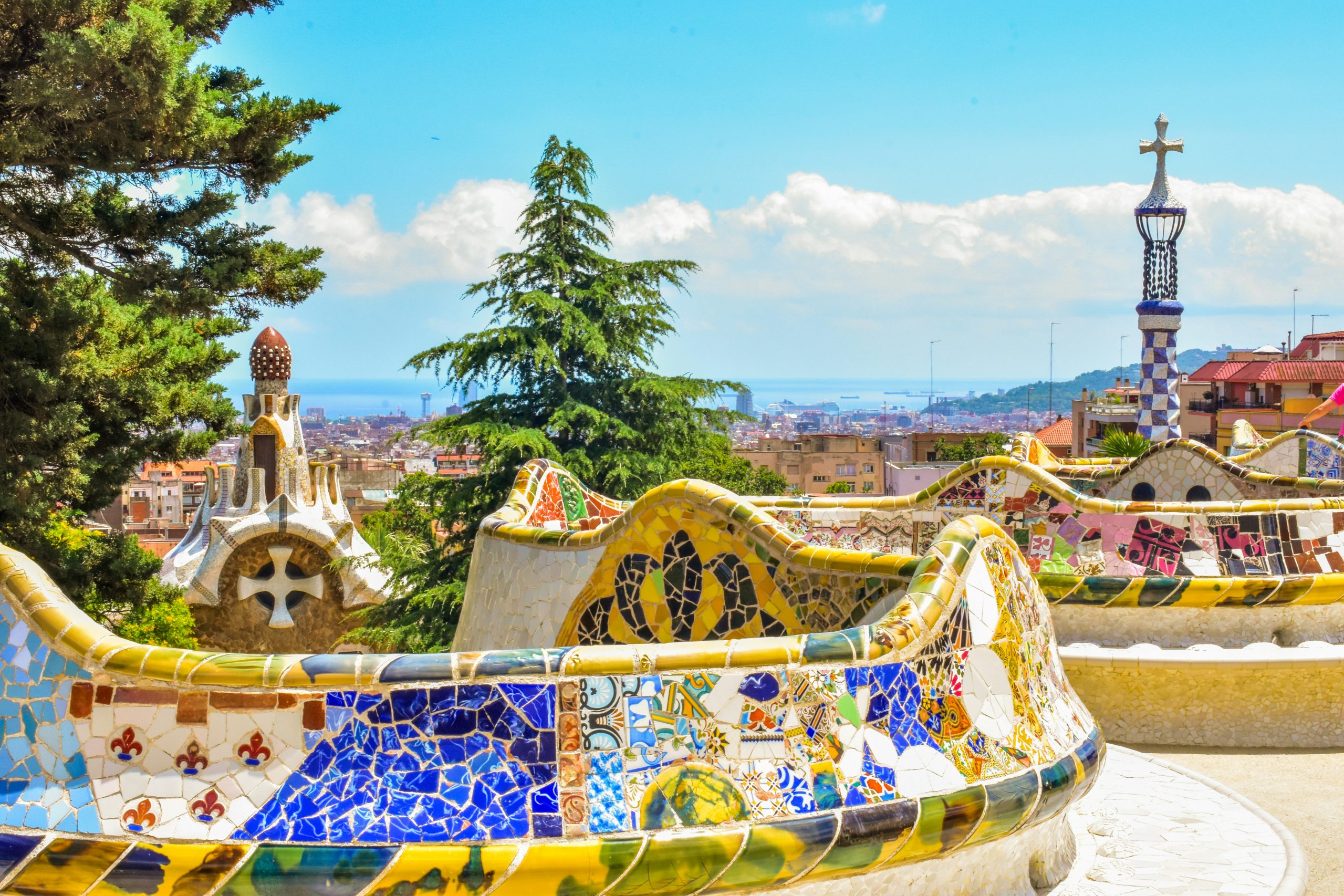
Gaudí's buildings, a Gothic old town, a city beach and a food and nightlife scene that runs late. The busiest and priciest city in Spain, and still worth it.
Barcelona is the capital of Catalonia, and it looks to the Mediterranean and to Europe as much as to Madrid. Catalan is spoken everywhere, and the city is proud of its own language, cuisine and identity.
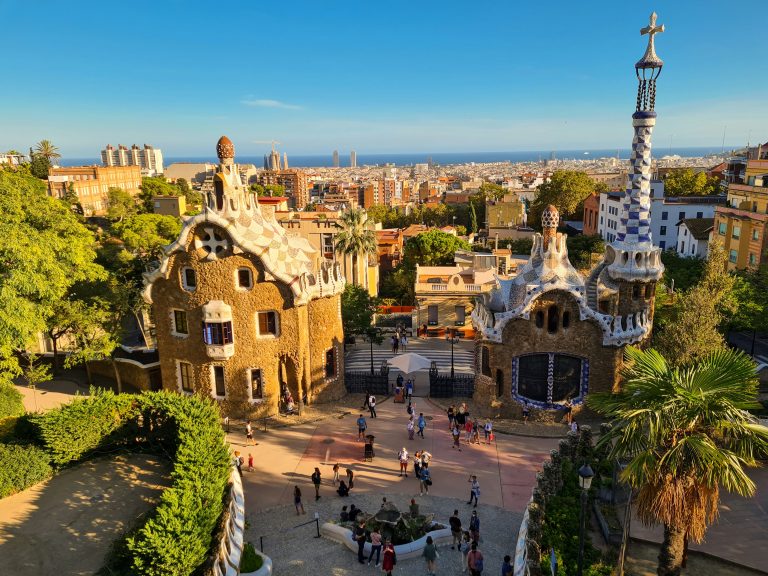
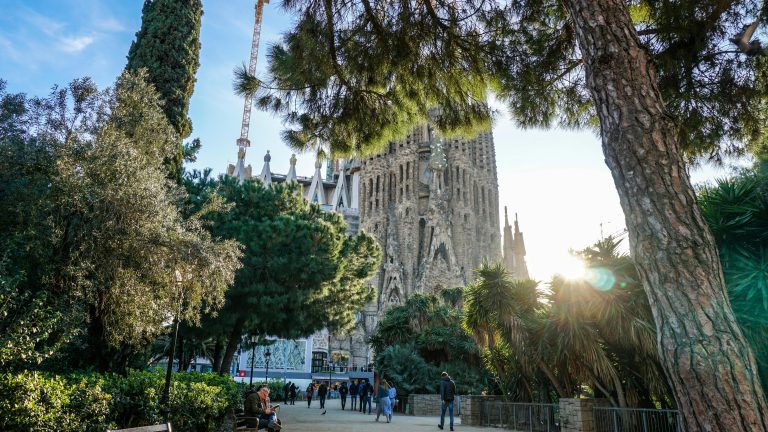
Its architecture is the draw: the medieval lanes of the Gothic Quarter, the grid of the Eixample, laid out in the nineteenth century, and the buildings of Antoni Gaudí, above all the Sagrada Família, still under construction more than a century after he began it.
Barcelona is also one of the most visited cities in Europe, and the city is working hard to manage the crowds. Book the big sights ahead, and give it four days.
Stay in the Gothic Quarter or El Born for atmosphere, Gràcia or the Eixample for a calmer base.
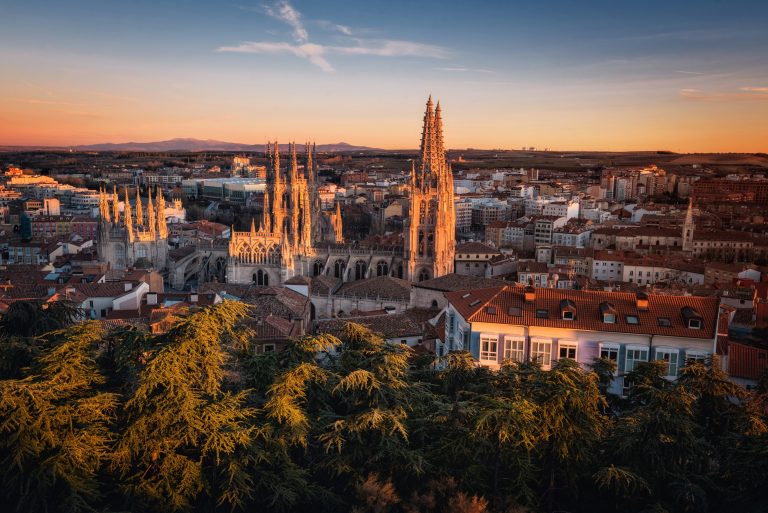
The medieval old town.
Bars and the Picasso Museum.
Squares and local bars.
The grid, with Casa Batlló and La Pedrera.
Orange labels are neighbourhoods, dots are the 12 top-rated hostels. Map © MapTiler © OpenStreetMap contributors.
The routes we would take, in the order we would take them.
Book the Sagrada Família in advance, and go early or late; the interior light is the reason to go inside. Casa Batlló and La Pedrera, Gaudí's apartment buildings on Passeig de Gràcia, are both ticketed.
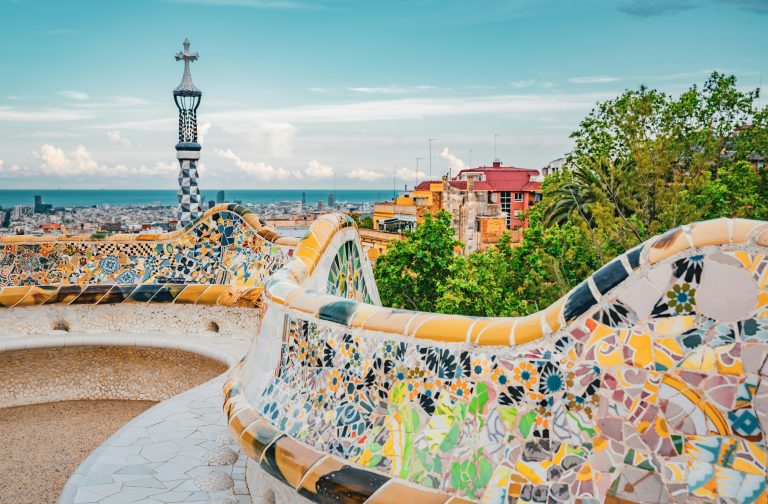
Park Güell's monumental zone, with the mosaic terrace, needs a timed ticket; the rest of the park is free.
Walk the Gothic Quarter and El Born, with the cathedral and the Picasso Museum. The Boqueria market on La Rambla is busiest mid-morning; Santa Caterina and Sant Antoni are calmer.
Walk up to the Bunkers del Carmel for the best free view of the city, and end the day on the beach at Barceloneta.
The Gothic Quarter, El Born, the beaches and the Bunkers del Carmel are free.
Many museums, including the Picasso Museum, are free on the first Sunday of the month or on certain afternoons; book the free slots ahead.
Montjuïc's gardens and the Magic Fountain shows, when running, are free.
Barcelona eats Catalan: pa amb tomàquet, bread rubbed with tomato, botifarra sausage, seafood rice and crema catalana. Vermouth before lunch on Sundays is a ritual.
The menú del día at lunch, €13 to €18, is the value. Avoid the paella on La Rambla; go to Barceloneta or Poble Sec for rice.
Tapas bars in El Born, Gràcia and Poble Sec are better value than the old town's tourist streets.
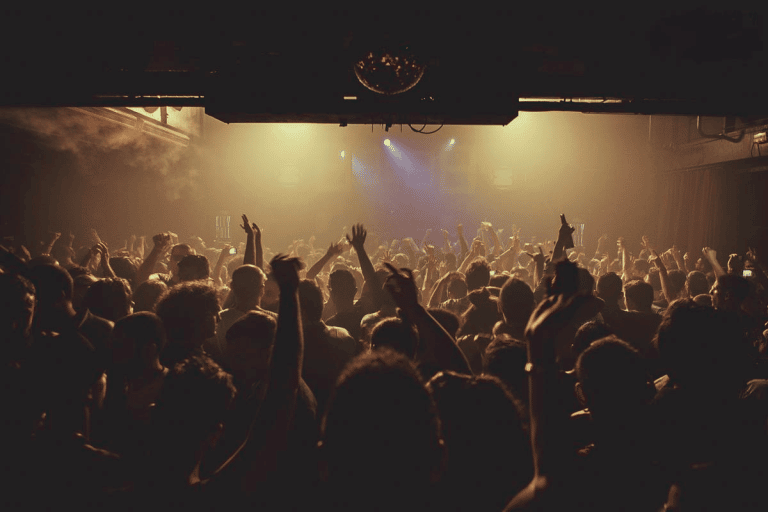
Barcelona goes out late: bars from ten, clubs from one or two. El Born and the Raval have the bars, and the clubs are along the beach at Port Olímpic and in Poble Nou.
Gràcia's squares are where locals drink outside in summer.
A beer is €3 to €5. The metro runs all night on Saturdays.
The centre is walkable, and the metro covers the rest; a T-casual ten-journey ticket is good value.
From the airport, the Aerobús reaches Plaça de Catalunya in about thirty-five minutes, and metro line 9 also serves it with a special fare.
AVE trains reach Madrid in about two and a half hours, and there are ferries to the Balearics.
Barcelona is the most expensive city in Spain. Dorms start around €25, more in summer. A careful day is €55 to €75.
The tourist tax, charged per night at check-in, has risen and is among the highest in Spain. The big Gaudí sites add up quickly.
The euro is the currency. Cards work almost everywhere, though small bars still like cash.
Barcelona is safe from violent crime but has a serious pickpocket problem: La Rambla, the metro, the beach and crowded bars. Keep your phone out of your back pocket and your bag closed.
Do not leave anything on the beach while you swim.
Emergency number is 112, with English-speaking operators usually available.
Mountains, medieval towns and Dalí.
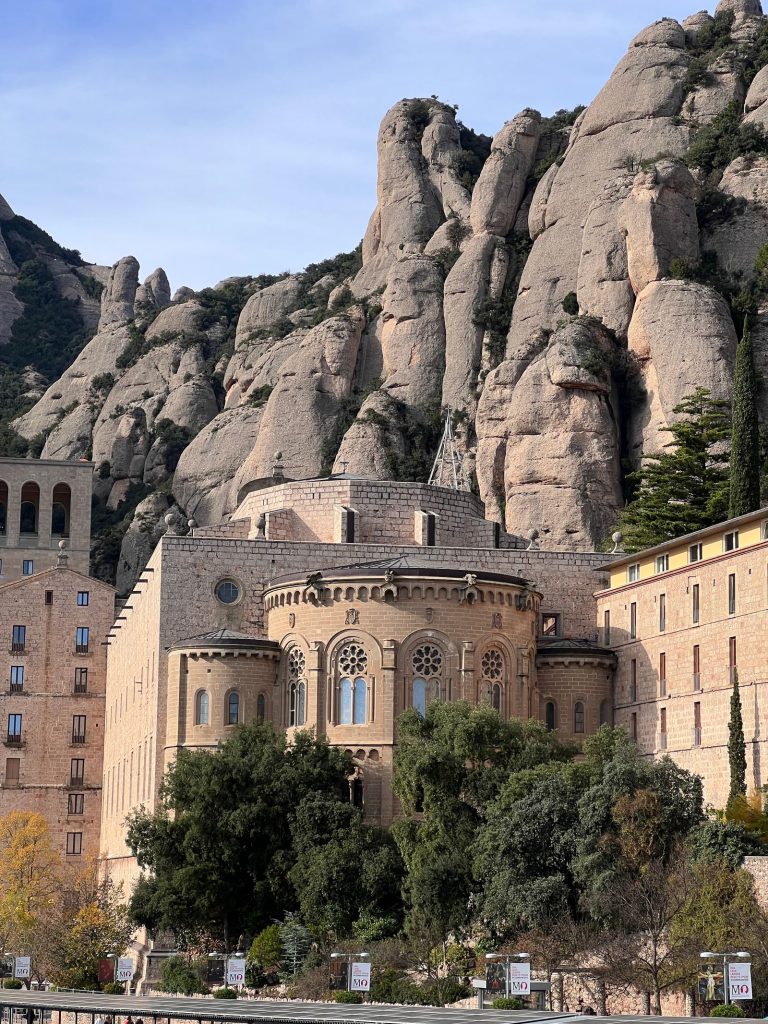
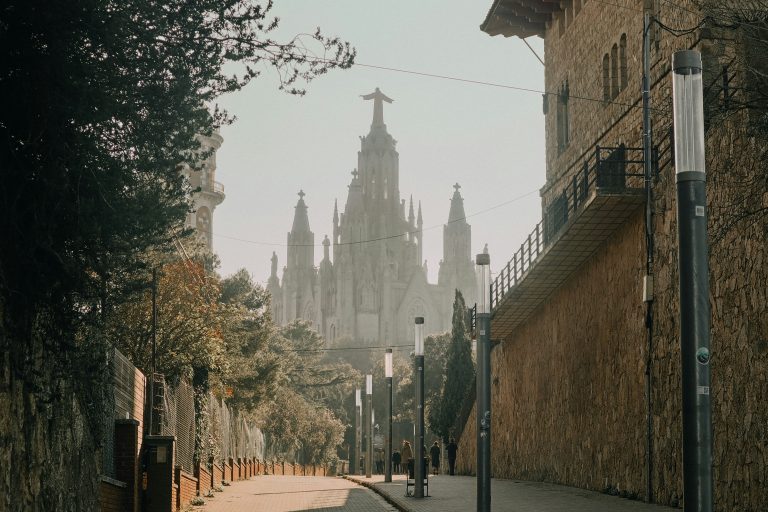
A mountain monastery above serrated peaks.
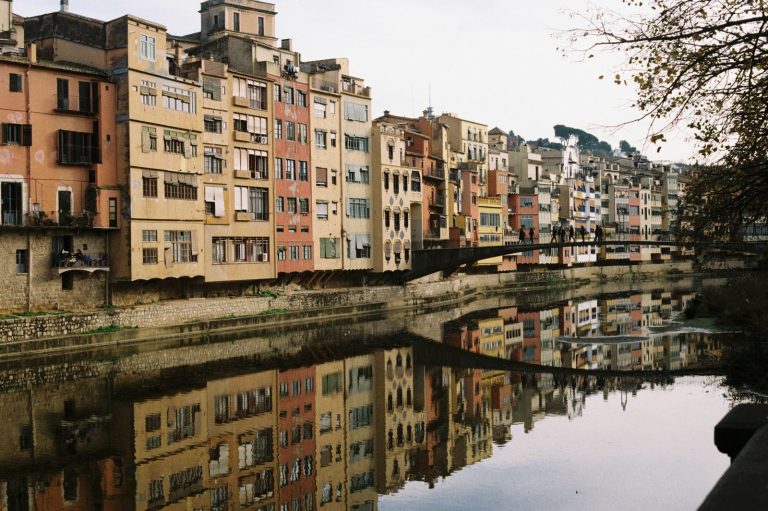
A medieval town on the river.
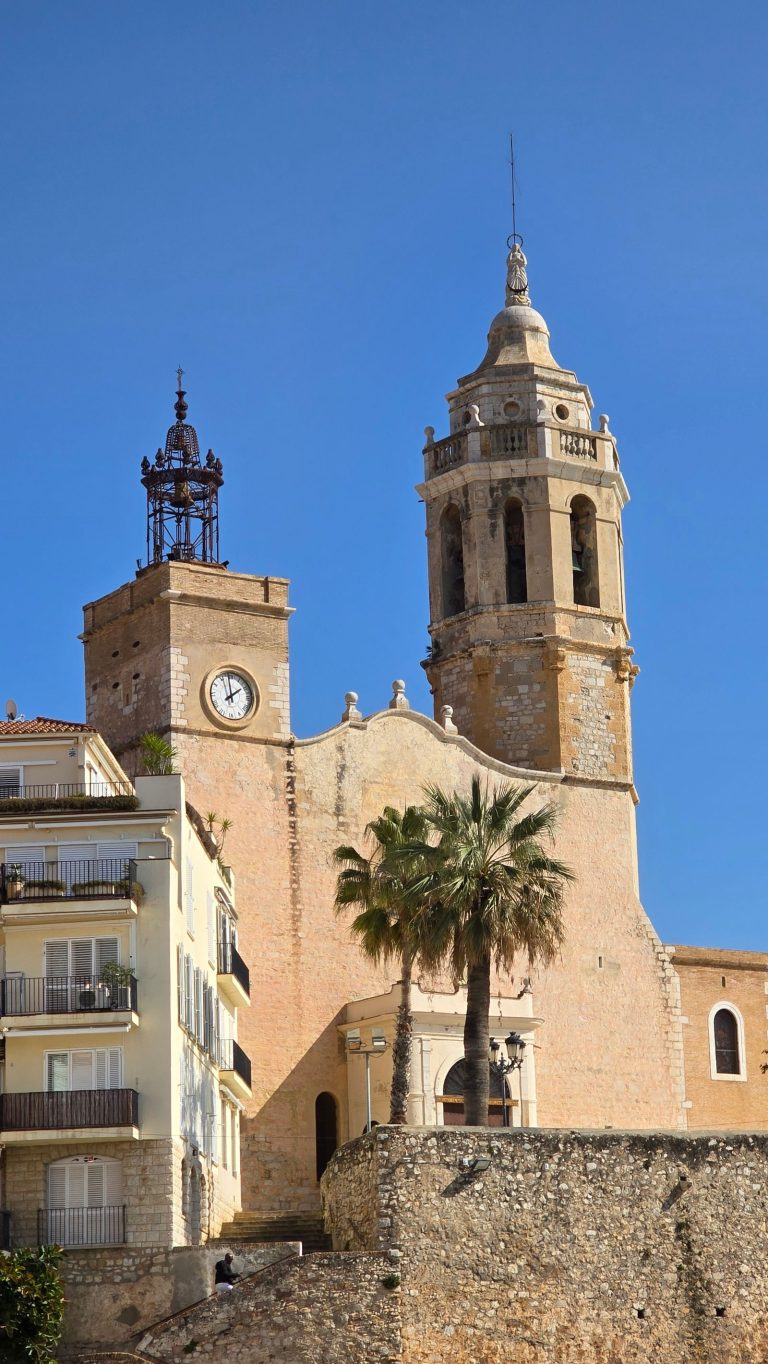
A beach town with a lively nightlife.
La Mercè in September is the city's great festival.
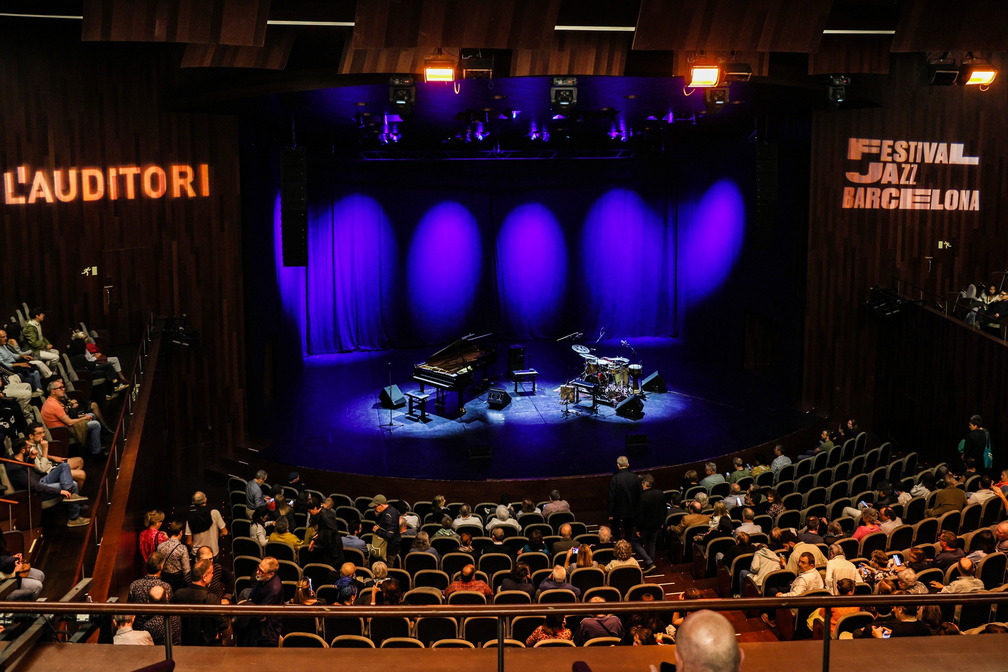 Staff pick
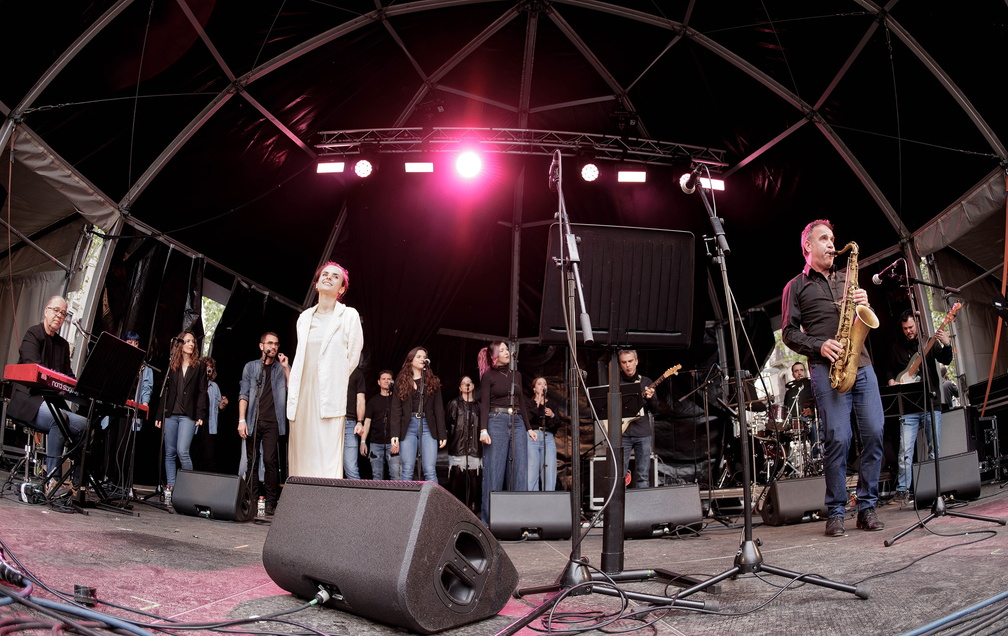
The Voll-Damm Barcelona Jazz Festival in Barcelona, Spain, is celebrated as a cornerstone of the international jazz scene, drawing acclaimed artists and passionate fans…
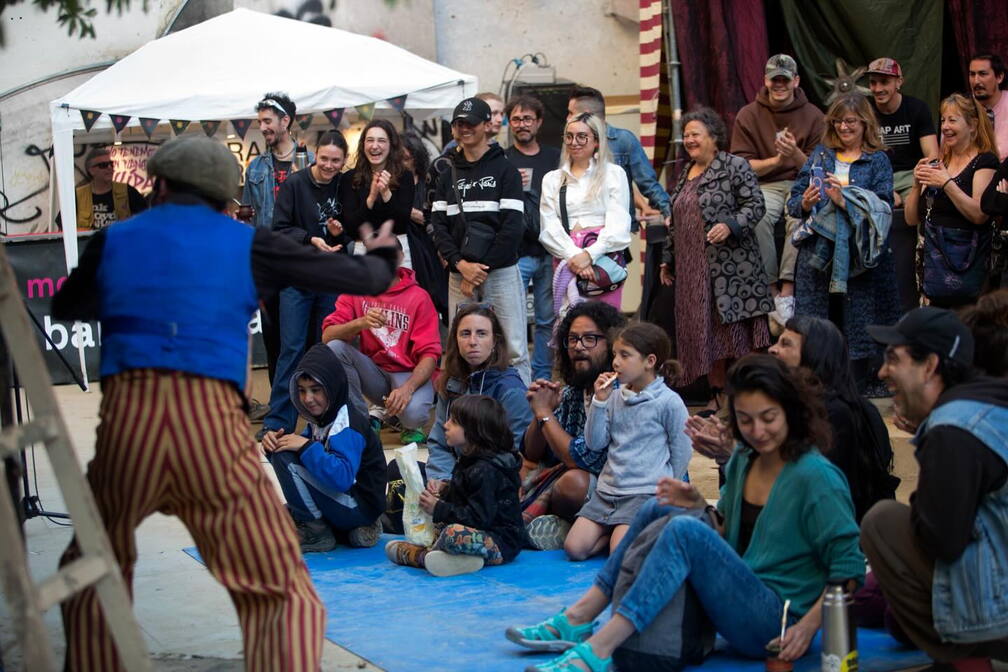 Staff pick
Drap-Art, held annually in Barcelona, Spain, is a vibrant celebration of sustainable art and design. With over 100,000 attendees expected, this eco-conscious event showcases…
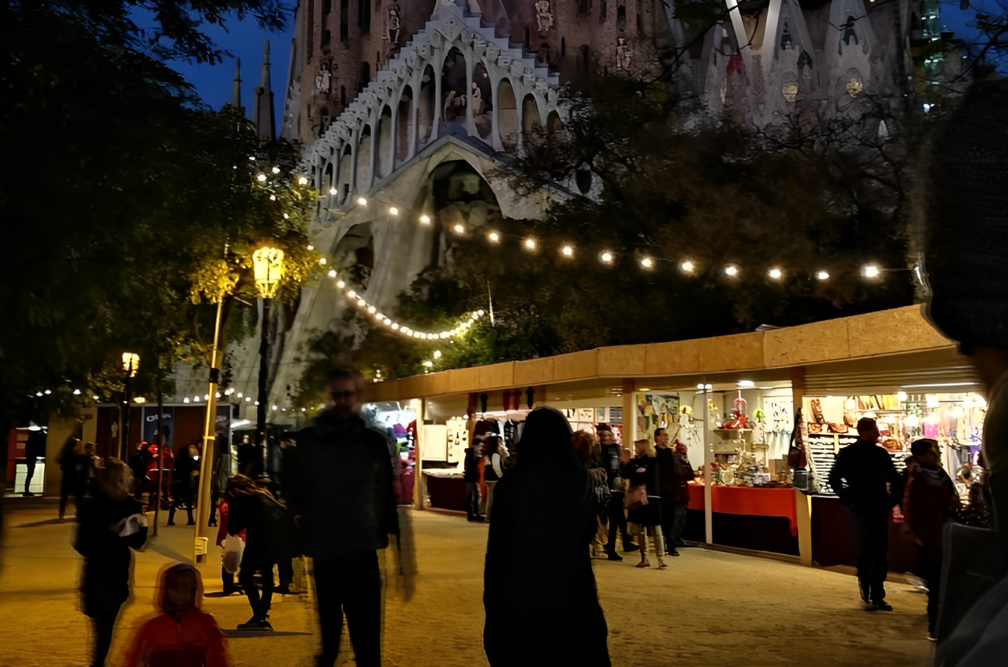 Staff pick
The Fira de Nadal de la Sagrada Familia is a festive Christmas market located in the shadow of Barcelona's iconic Sagrada Familia basilica. Visitors…
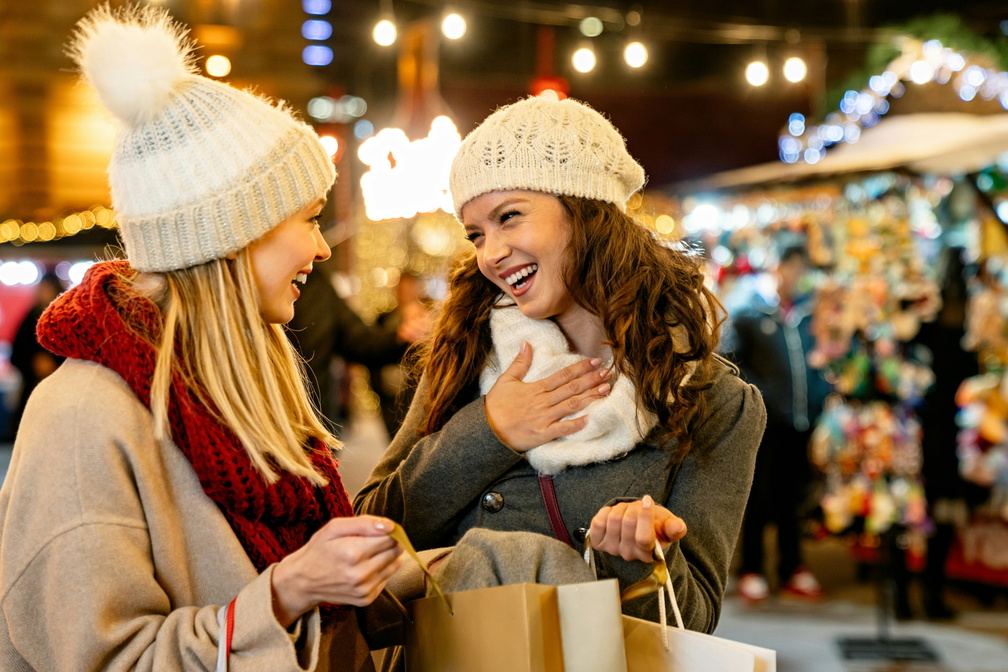 Staff pick
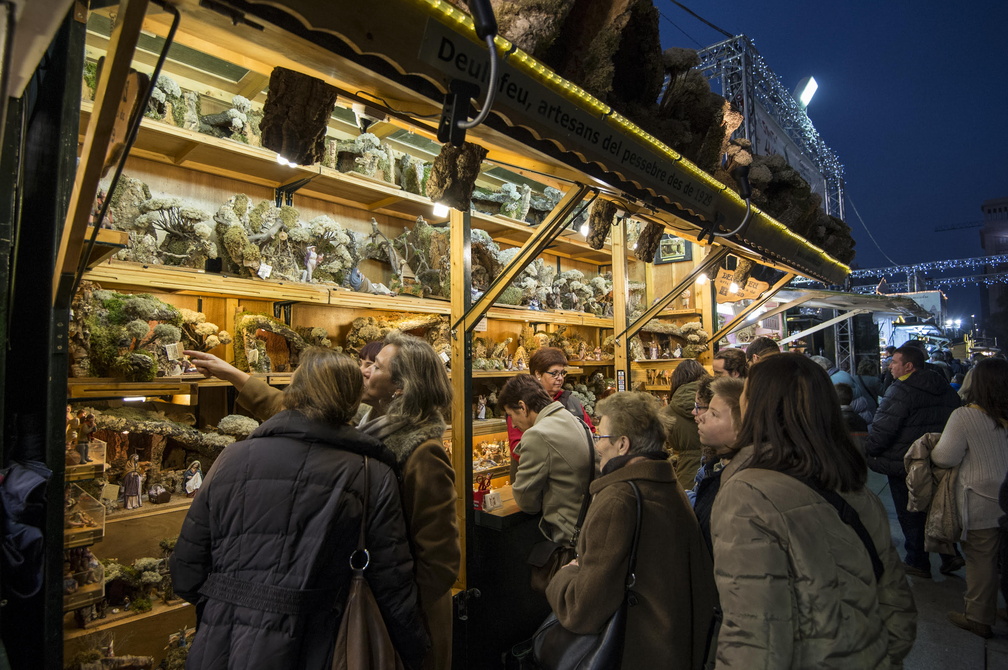
The Fira de Santa Llúcia is a cherished Christmas market that has brought festive spirit to Barcelona’s Gothic Quarter since 1786. Set against the…
 Staff pick
Step into a winter wonderland at Fira de Santa Llúcia in Barcelona, an enchanting Christmas fair that has delighted visitors since 1786 with its…
 Staff pick
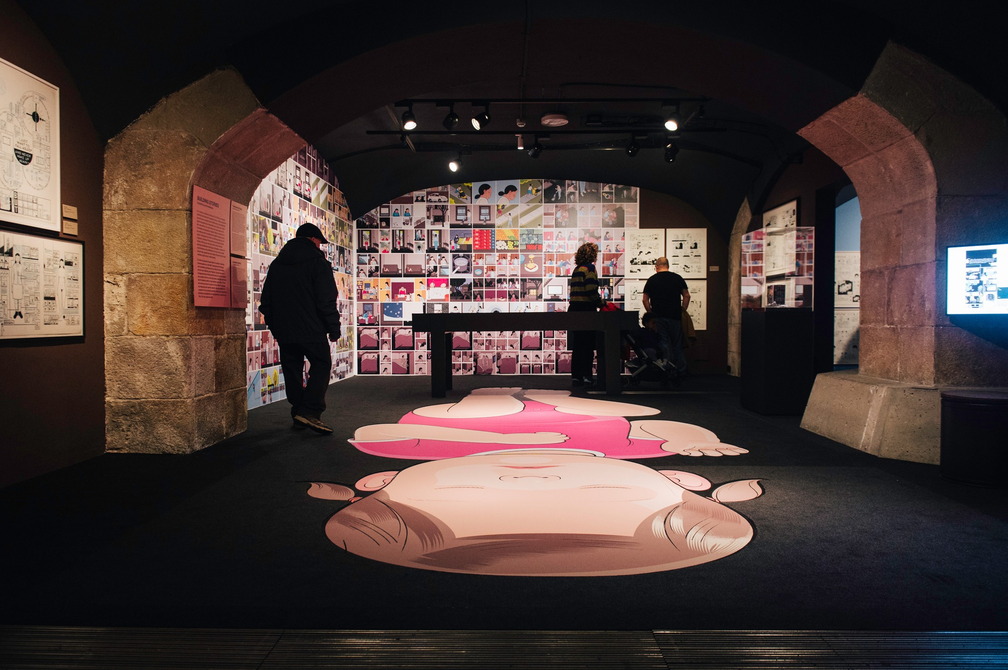
Immerse yourself in the vibrant world of anime and manga at Manga Fair Barcelona, an acclaimed event attracting 170,000 enthusiasts annually. Celebrated for its…
 Staff pick
The Voll-Damm Barcelona International Jazz Festival brings world-class jazz performances to venues across the city each year, drawing music lovers from around the globe.…
 Staff pick
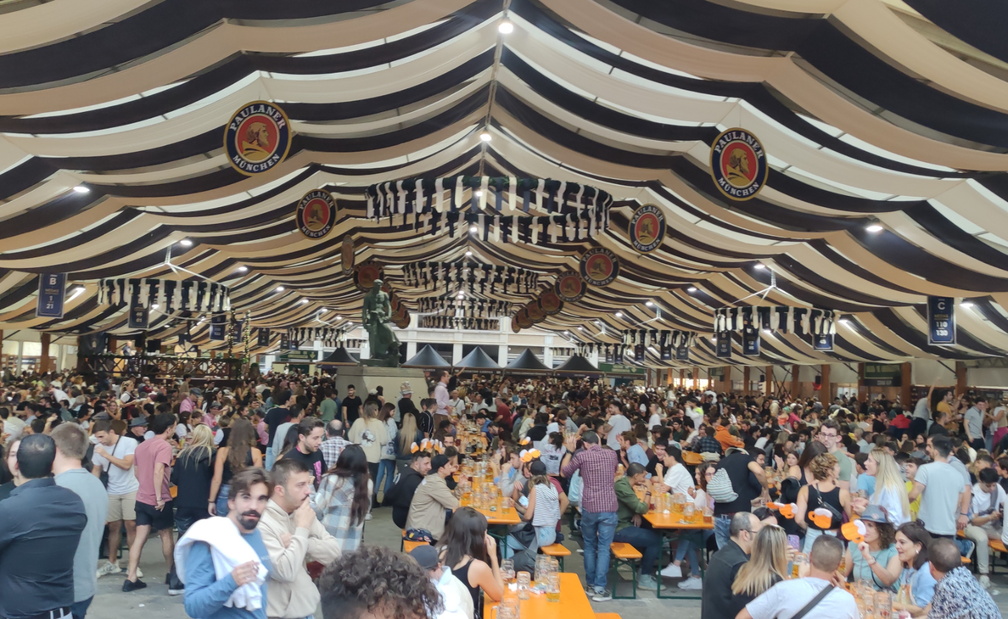
Immerse yourself in the vibrant spirit of Germany's Oktoberfest right in the heart of Barcelona at Oktoberfest Barcelona. Held annually at the traditional time,…
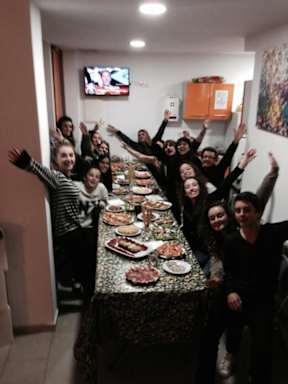
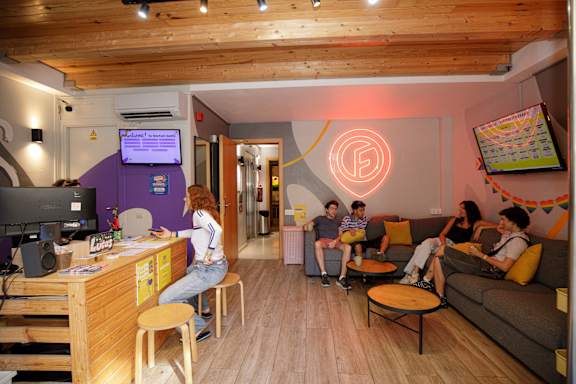
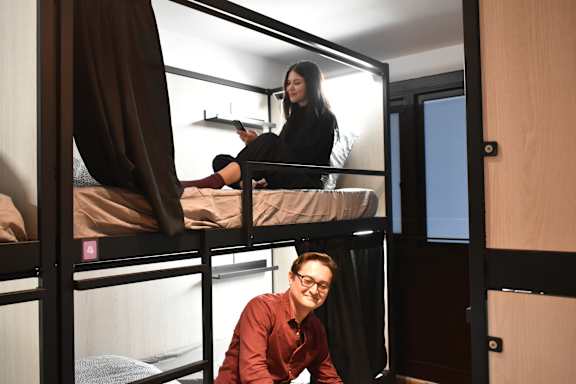
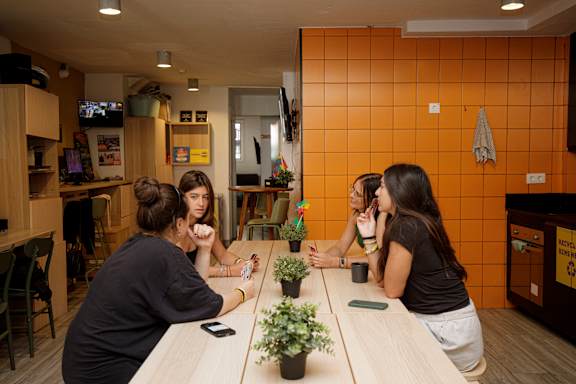
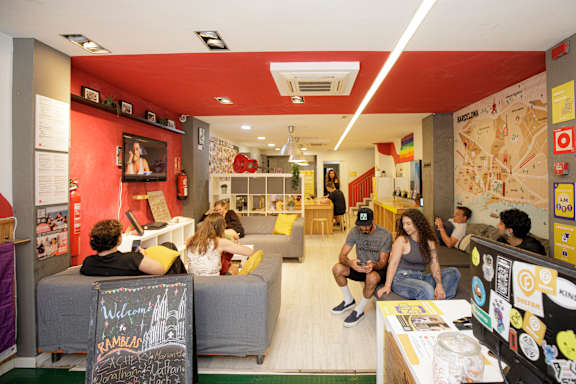
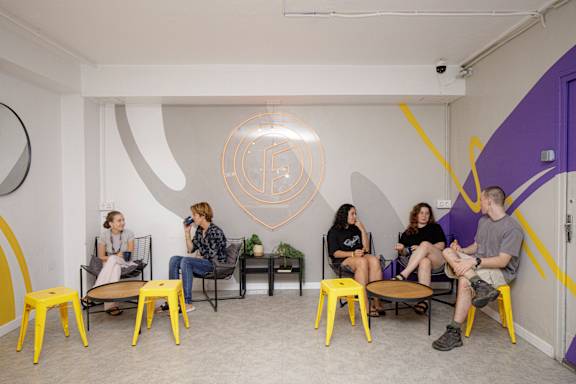
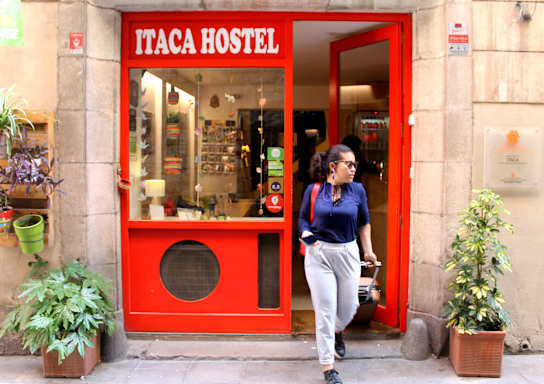
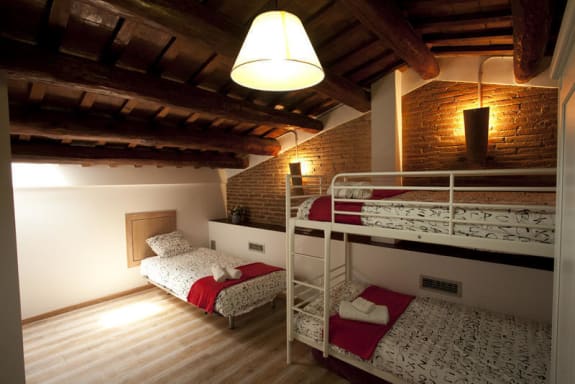
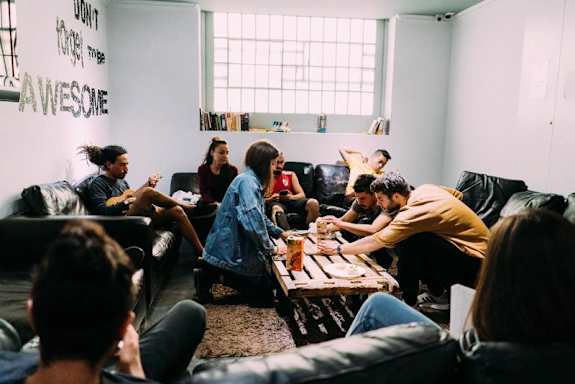
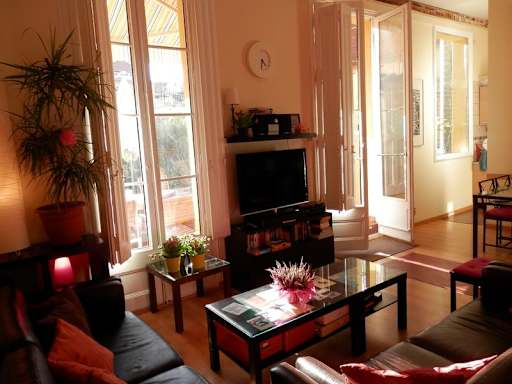
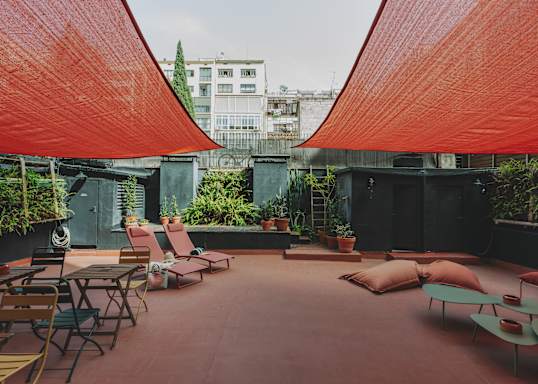
The top-rated places to stay in Barcelona right now, live from Hostelworld.
 Sustainable
May, June, September and October are best. August is hot and crowded.
Average highs.
Pick how you travel. Per person per night, in euros.
Excludes the Gaudí sites and the tourist tax.
The ones we get asked most.
Compare Barcelona hostels — live prices, real reviews and free cancellation on most bookings. Then meet the people already there in the app.

 Get the App.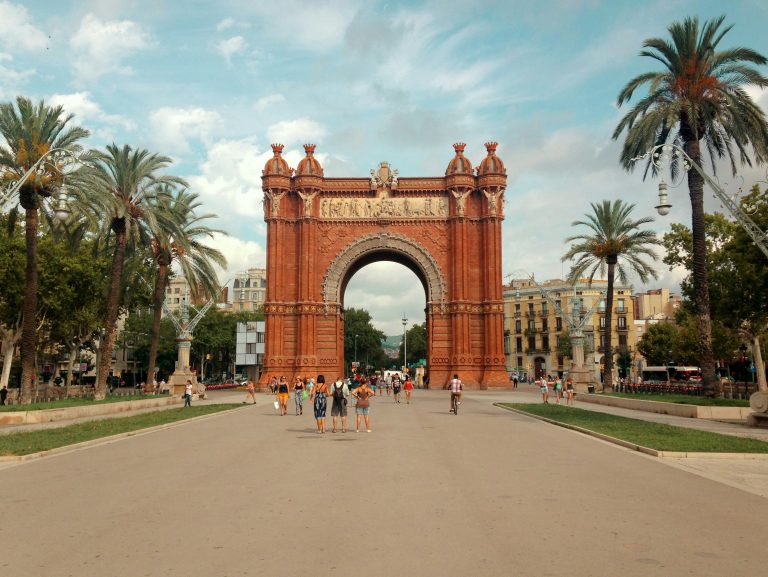


 Get the App.