Sofia
A capital with Roman ruins in the metro stations and a 2,290m mountain at the end of a bus route.
An affordable destination with beautiful sight’s seeing locations and cultural experiences
A traveller, on Hostelworld
Mountains for two thirds of the year, a Black Sea coast for the other third, and some of the cheapest skiing in Europe. Sofia sits under a 2,290m peak you can reach by bus.
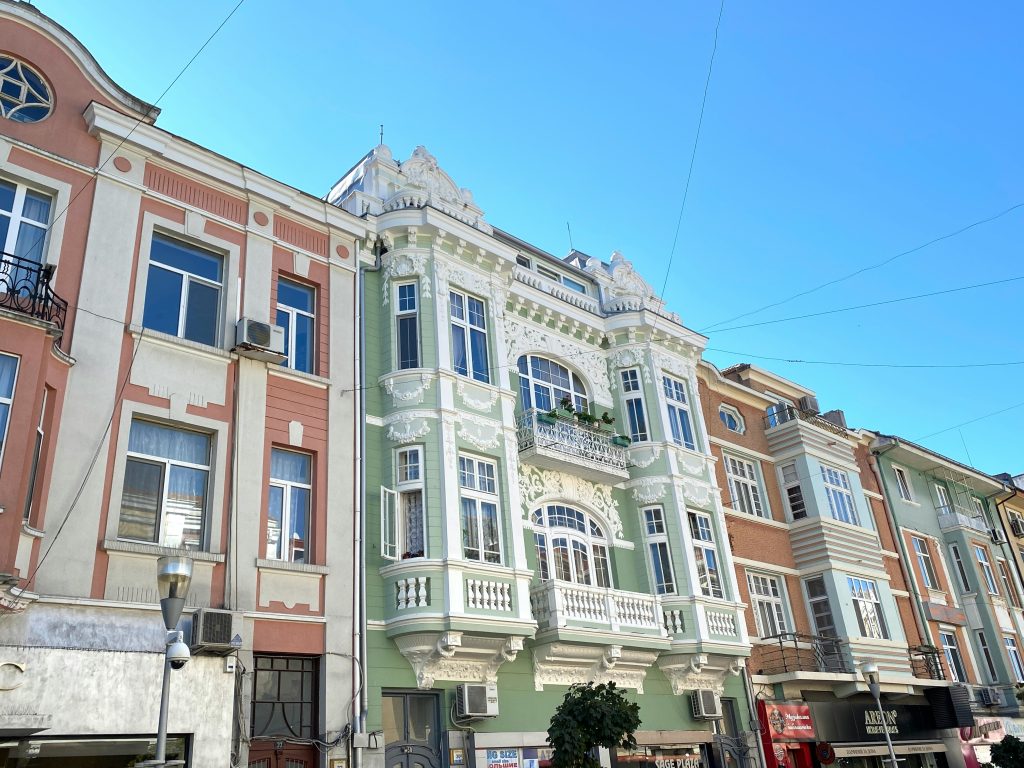
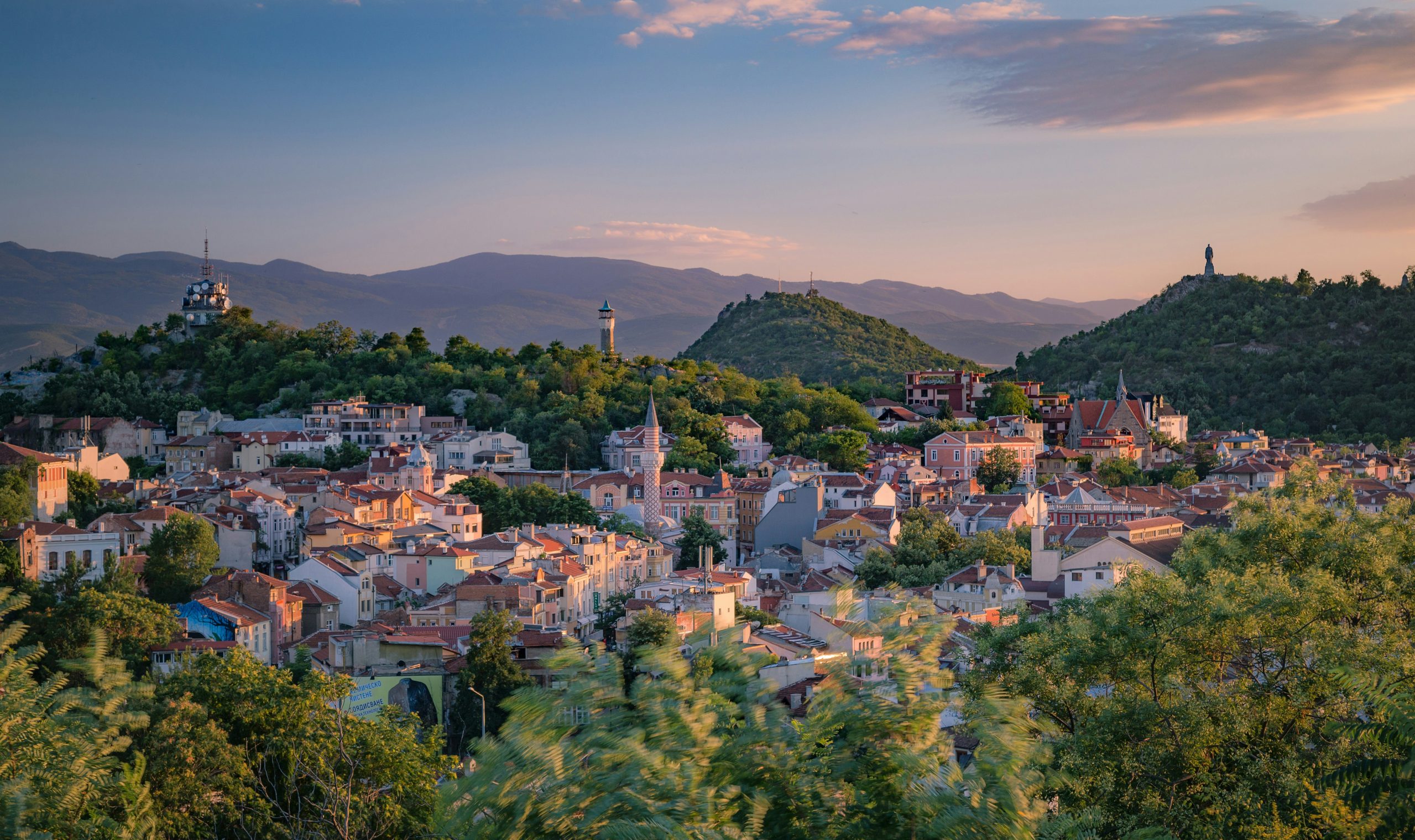
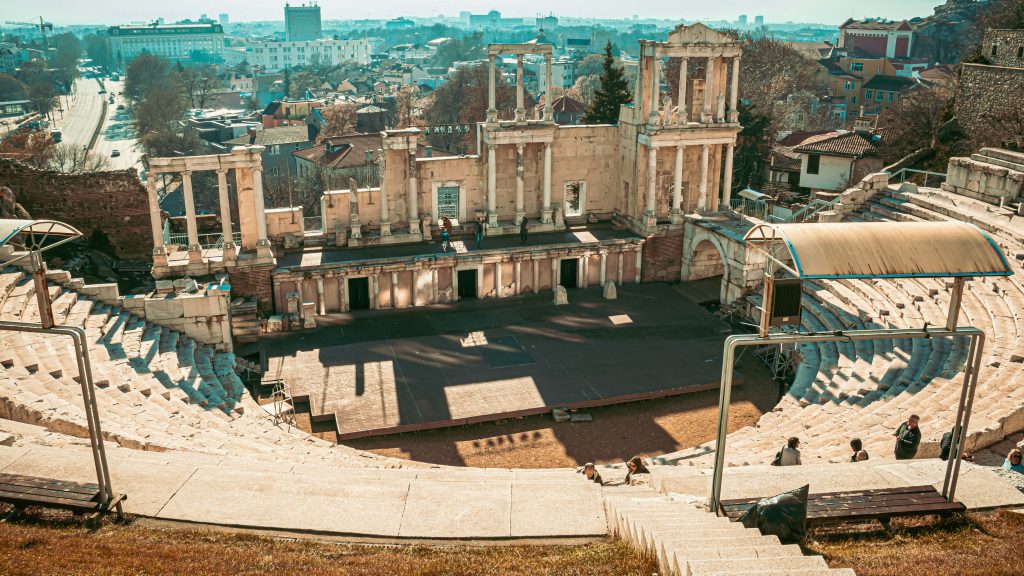
Bulgaria gets skipped by people doing the Balkans and it should not be. Sofia is a capital with Roman ruins under its streets, a mountain on its doorstep and prices that undercut every EU capital except perhaps Bucharest. Plovdiv is older than Rome and has a Roman theatre still used for concerts.
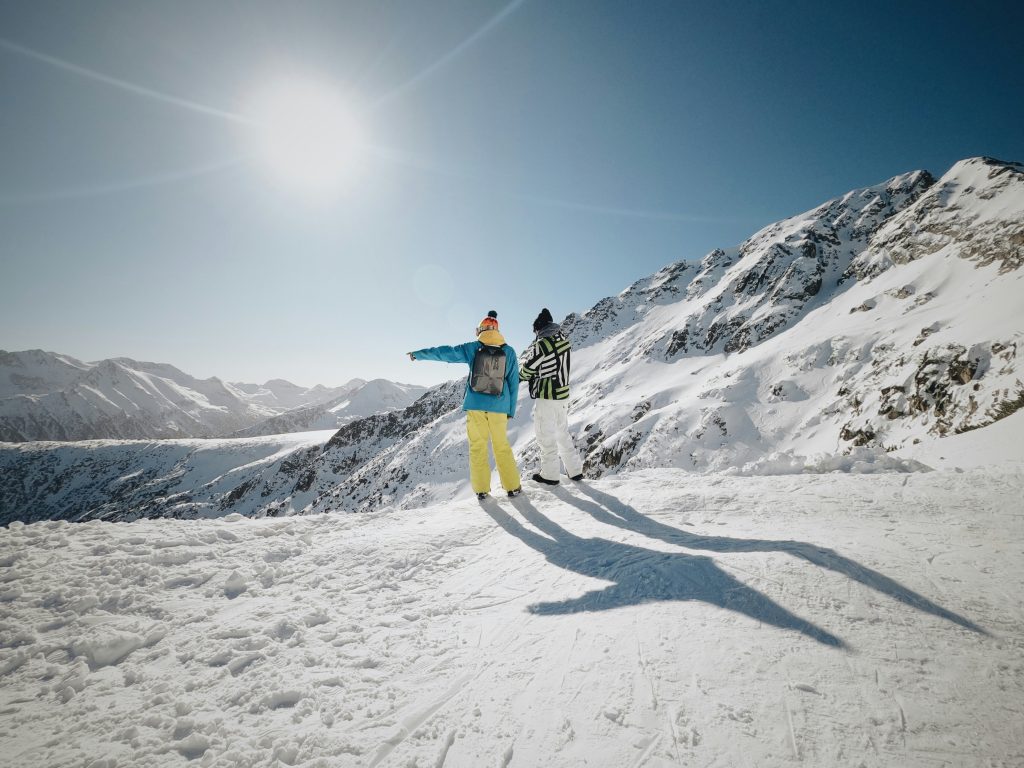
The country is two-thirds mountains. Rila and Pirin have 2,900-metre peaks, glacial lakes and the best-value skiing in Europe at Bansko, where a lift pass costs a third of an Alpine one.
The Black Sea coast is the third element and the most touristed — Sunny Beach is a package resort at scale, while Sozopol and Nesebar are old towns on peninsulas that are worth the trip in June or September.
Buses and trains are cheap, and Sofia to the coast is about six hours.
A capital with Roman ruins in the metro stations and a 2,290m mountain at the end of a bus route.
An affordable destination with beautiful sight’s seeing locations and cultural experiences
A traveller, on Hostelworld
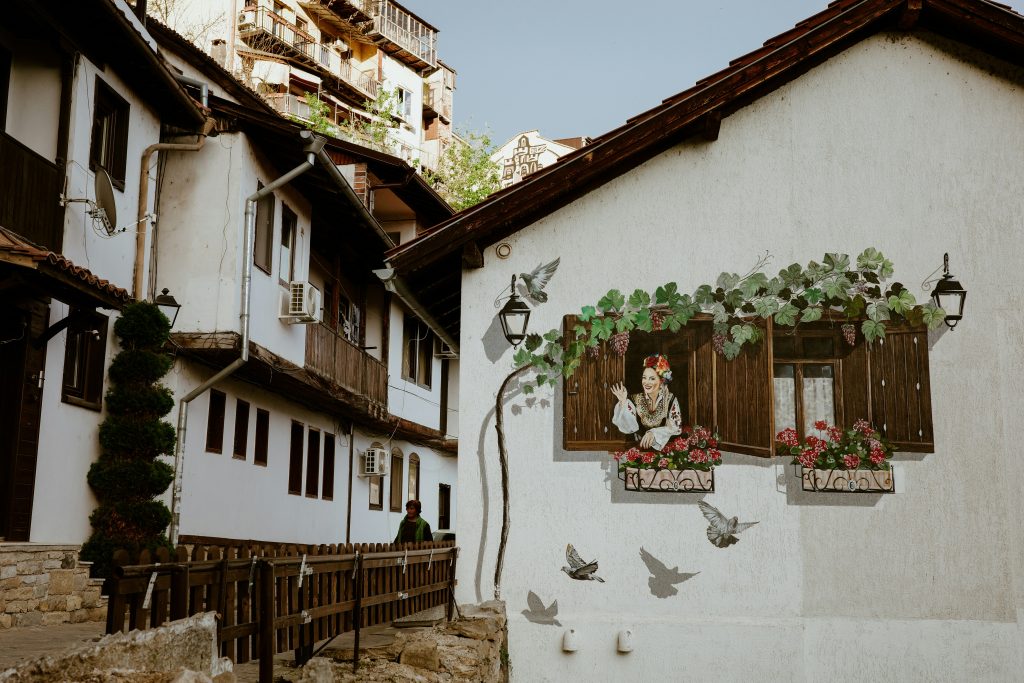
Older than Rome, with a Roman theatre still in use and the best old town in the country.
Plovdiv is an amazing place, where you can travel back thousands of years while exploring the city center. In downtown center there a numerous places to eat, have a drink or party. Definitely recommend visiting Plovdiv.
A traveller, on Hostelworld
A medieval capital on a river gorge, with a fortress lit up at night.
The ski town: Pirin mountains, a lift pass at a third of Alpine prices, and a long season.
The Black Sea's biggest city, with a sea garden and Roman baths.
Bulgaria is mountains, history and coast, and it is cheap in all three.
Rila, Pirin and the Seven Lakes, and skiing in winter.
Among the two or three cheapest countries in the EU.
Thracian tombs, Roman theatres and painted monasteries.
Sofia and Plovdiv in four days, for very little.
The Black Sea, cheap and warm in summer.
Rila Monastery is the country's most important building: a walled complex in the mountains with striped arcades and frescoes covering every surface, two hours from Sofia and doable as a day trip, though staying overnight when the day visitors leave is better.
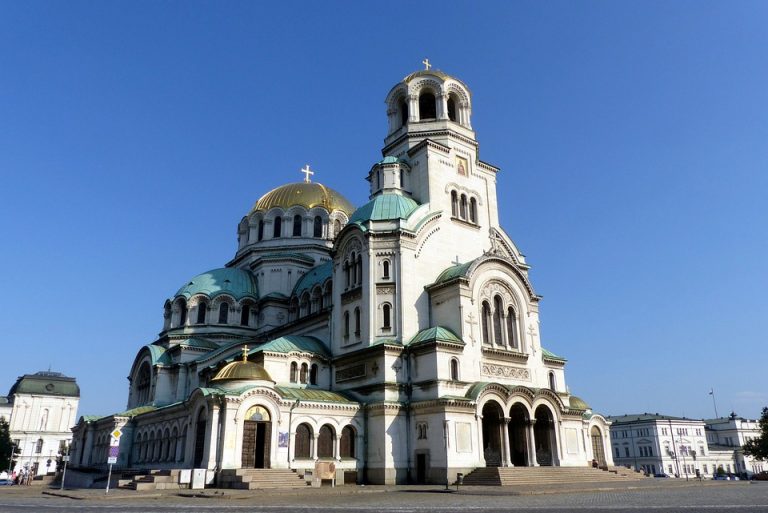
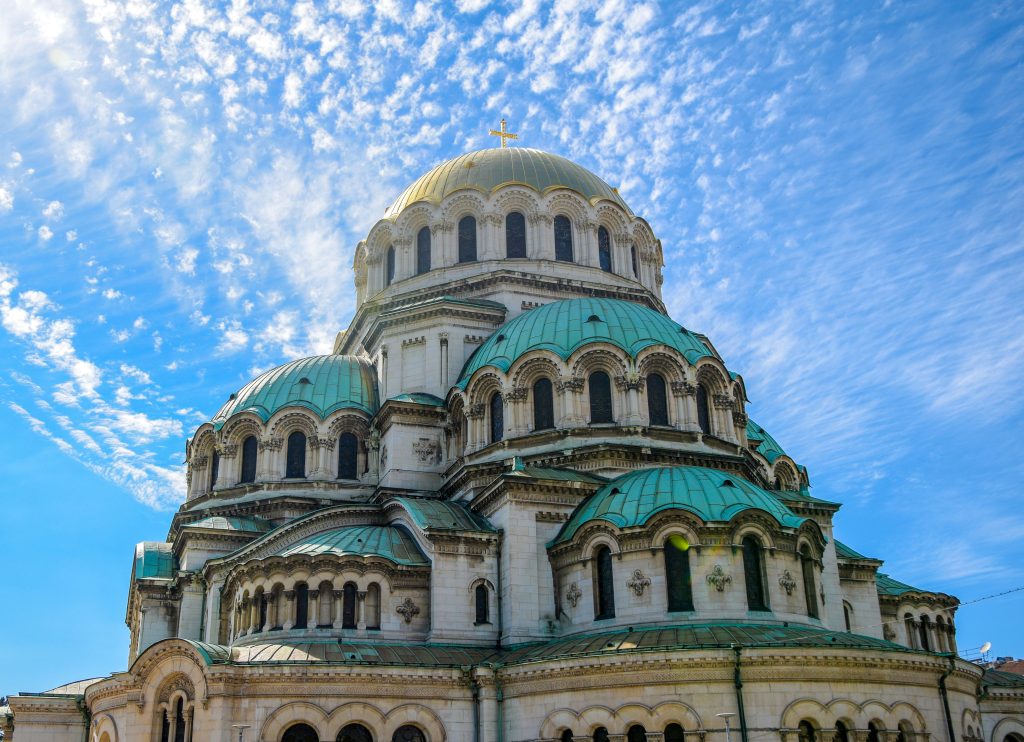
Sofia itself is surprisingly good value for a few days. Roman ruins sit under the city centre and in metro stations, the Alexander Nevsky cathedral is enormous, and Vitosha mountain is at the end of a city bus route — you can be walking at 1,800 metres an hour after leaving your hostel.
Plovdiv's old town is cobbled and hilly with nineteenth-century merchant houses, and its Roman theatre still hosts concerts. The Seven Rila Lakes, a chain of glacial lakes reached by chairlift and a walk, are the best day hike in the country.
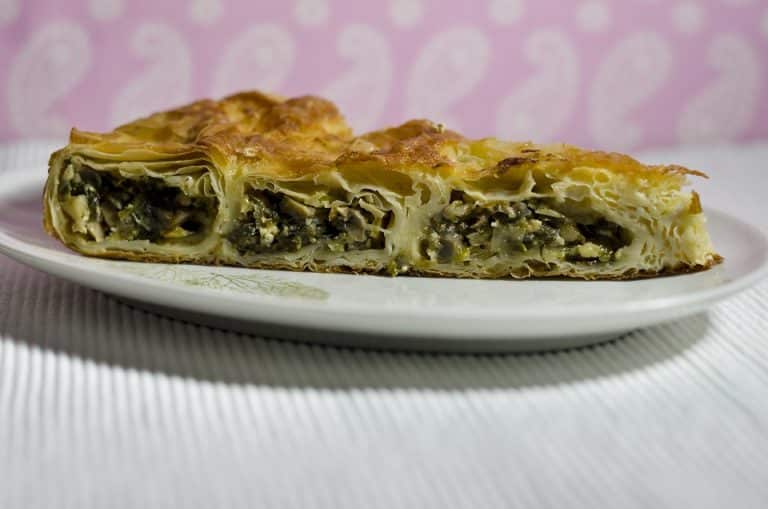
Bulgarian food is Balkan with a strong dairy element — the country claims yoghurt as its own and the bacteria is named after it. Shopska salad, with tomatoes, cucumber and white cheese, appears on every table, and banitsa, a filled pastry, is the standard breakfast at under a euro.
Grilled meat is the mainstay: kebapche, kyufte and skara generally, served with chips and more of that cheese. A full meal with a drink in a mehana, the traditional tavern, runs €7 to €12.
Bulgarian wine is old — the Thracians were making it here three thousand years ago — and very cheap. A decent bottle in a restaurant is €8 to €15, and rakia is the fruit brandy that accompanies the salad course rather than the dessert.
Sofia's nightlife is spread around the centre and the student districts, and it is very cheap: a beer is €1.50 to €2.50 and cocktails €4 to €6. The city has a decent electronic scene and a lot of live music.
Plovdiv's Kapana — "the trap", a grid of small streets — is the most concentrated bar district in the country and the most pleasant place to spend an evening.
The Black Sea coast in summer is a different proposition: Sunny Beach is a large-scale package resort with club strips and very low prices, and it has the reputation that comes with that. Sozopol and Sinemorets are the calmer alternatives.
Buses beat trains on almost every route: faster, more frequent and still cheap. Sofia to Plovdiv is about two hours and a few euros, Sofia to Veliko Tarnovo around three.
Trains are slower and cheaper still, and the narrow-gauge Septemvri to Dobrinishte line through the Rhodope mountains is a genuinely lovely five-hour ride for the price of a coffee in western Europe.
Sofia has a modern metro that runs to the airport, and city transport everywhere is inexpensive. A car is useful for the mountains and the monasteries, and roads are decent on main routes and variable elsewhere.
Bulgaria is among the two or three cheapest countries in the EU. Dorms start around €10, a mehana dinner is €7 to €12, a beer is €1.50, and city transport costs under a euro a ride.
Skiing is where the value is most striking: a Bansko day pass costs roughly a third of an Alpine equivalent, and lessons and hire are cheap in proportion.
Bulgaria adopted the euro on 1 January 2026, so prices are in euros and the lev is no longer used.
Bulgaria is safe for travellers with low violent crime. Taxi overcharging is the classic nuisance, particularly at Sofia airport and outside clubs — use an app, or check the rate printed on the window before getting in, because the difference between honest and dishonest fares is roughly fivefold.
Pickpocketing occurs on busy Sofia trams and in markets at ordinary levels.
In the mountains, weather changes fast and the Rila and Pirin ranges are serious terrain above 2,000 metres. Winter requires proper equipment, and off-piste skiing at Bansko carries avalanche risk like anywhere else.
Bulgaria is in the EU and a full member of the Schengen area: air and sea borders joined in 2024, and land border checks ended in January 2025. Time spent here counts against the 90-day Schengen allowance.
EU citizens need an ID card; UK, US, Canadian and Australian passport holders get 90 days in any 180 across the whole zone. Passports need three months' validity beyond departure and to have been issued within the last ten years.
The currency has been the euro since 1 January 2026.
Bulgaria has two real seasons: ski from January to March and hiking from June to September. The Black Sea works in July and August and shuts the rest of the year.
Average highs for Sofia, which sits at 550m and is cooler than Plovdiv or the coast. Bansko's ski season typically runs mid-December to mid-April.
Pick how you travel and how long for. Per night, for one person, outside the ski resorts in season.
Bulgaria has used the euro since January 2026. A Bansko ski day pass and hire adds roughly €45–55 a day in winter.
Two of these are genuinely unusual, and one involves fire.
Staff pick
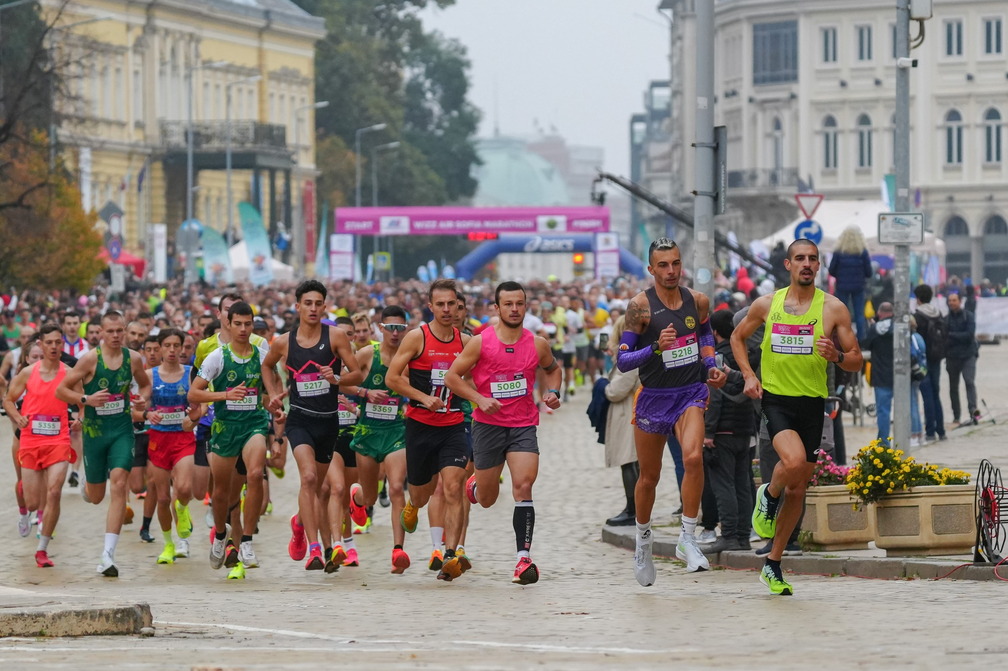
The Wizz Air Sofia Marathon is Bulgaria’s premier road-running event, attracting thousands of runners from around the globe to Sofia, Bulgaria, each year. Participants…
Staff pick
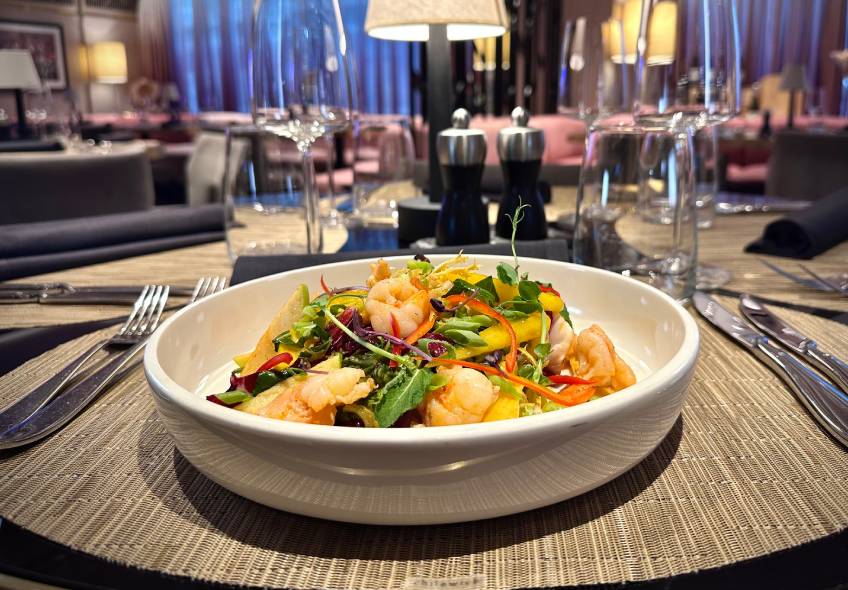
Sofia Restaurant Week is a celebrated culinary festival in Sofia, Bulgaria, inviting food lovers to explore the city’s diverse dining scene. For over 10…
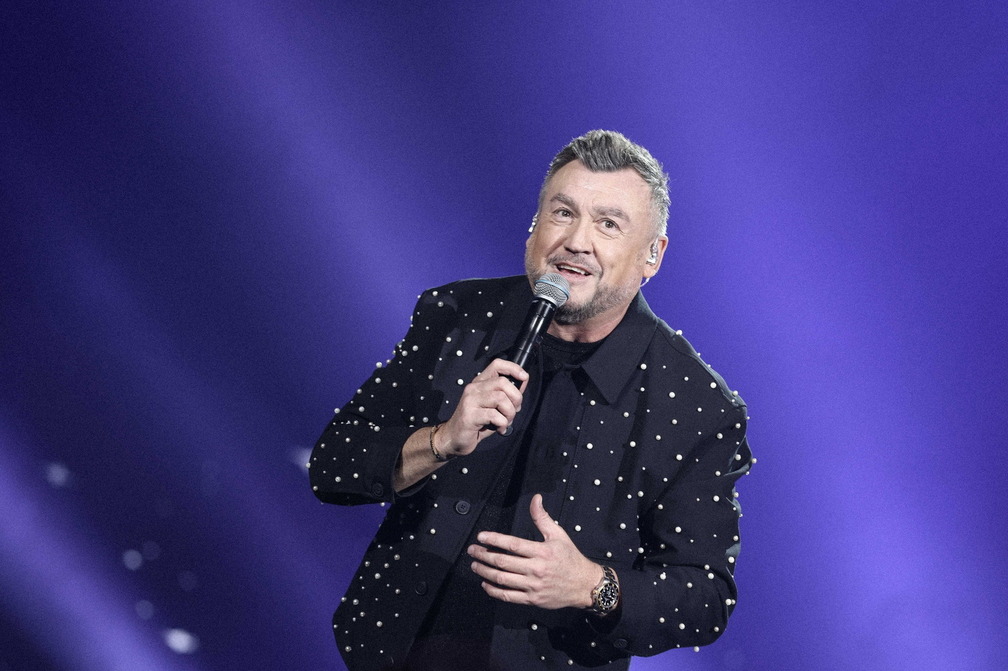
Lyubo Kirov brings his new album and grand production to stages across Bulgaria in 2026. The Futurophonia tour offers a musical journey through summer…
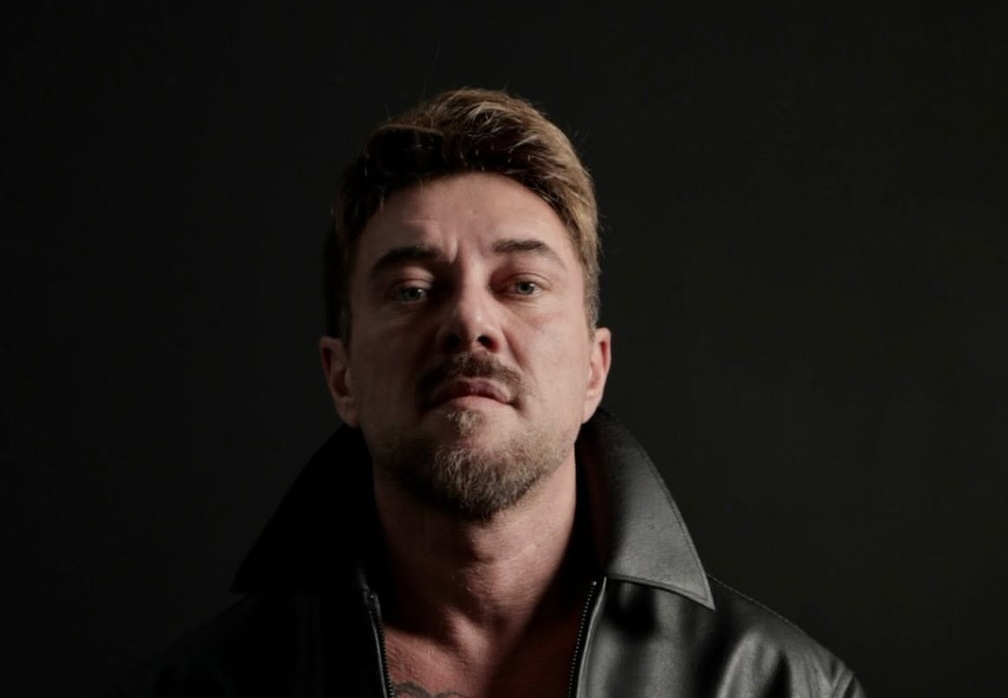
Miro brings his Peacemakers Tour to several cities across Bulgaria in 2026. You can catch his performances in historic and iconic venues like the…
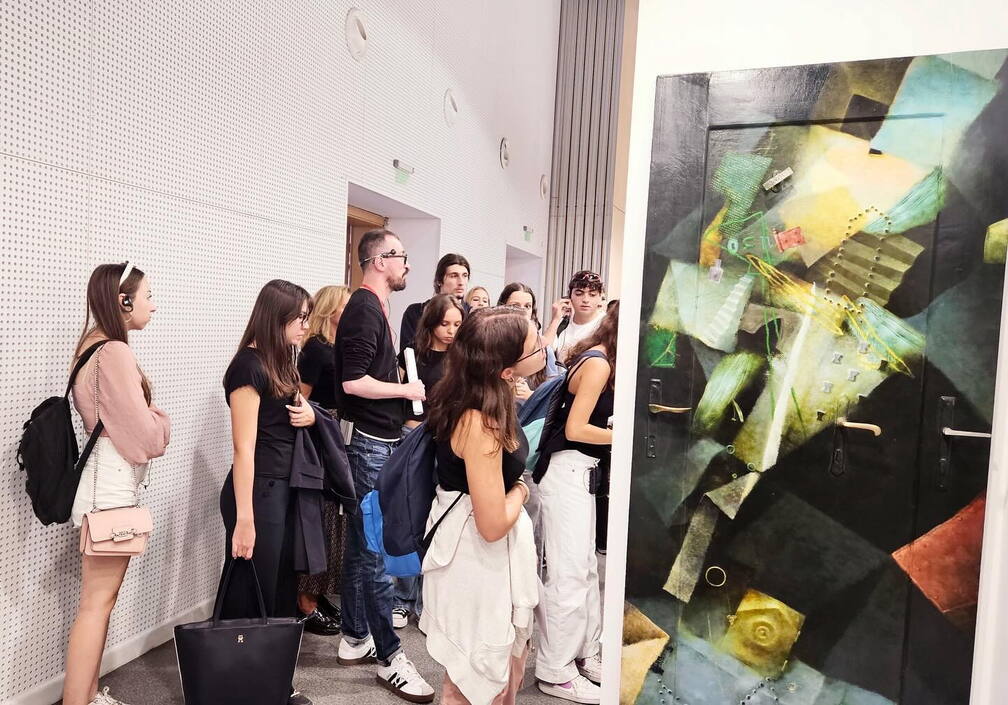
Sofia Art Fair brings together galleries, collectors, and artists for Bulgaria's largest contemporary art showcase. Beyond the exhibition halls, you can join curator-led tours,…
Onutė Gražinytė and Nayden Todorov present a concert at Bulgaria Hall in Sofia. The event invites you to experience a refined musical evening with…
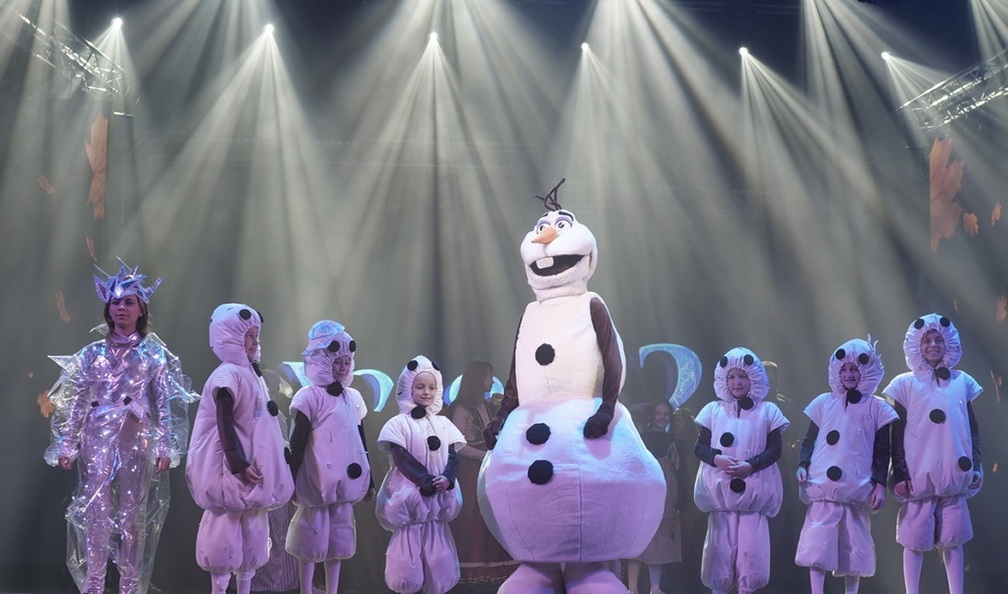
Frozen Heart is a captivating performance scheduled for October 17, 2026, at the Asics Arena in Sofia. The event invites you to experience a…
Living Dinosaurs: In Search of the Egg with Niki Stanoev invites you to a captivating experience at ASICS Arena in Sofia. The event takes…
The highest-rated hostels in the country, live from Hostelworld. Sofia and Plovdiv have the most, and Bansko fills in ski season.
The ones we get asked most.
Compare hostels across Bulgaria — live prices, real reviews and free cancellation on most bookings. Then meet the people already there in the app.