Old Town
AtmosphereThe cobbled hill of painted merchant houses, the Roman theatre and the best views. Steep, and quiet at night.

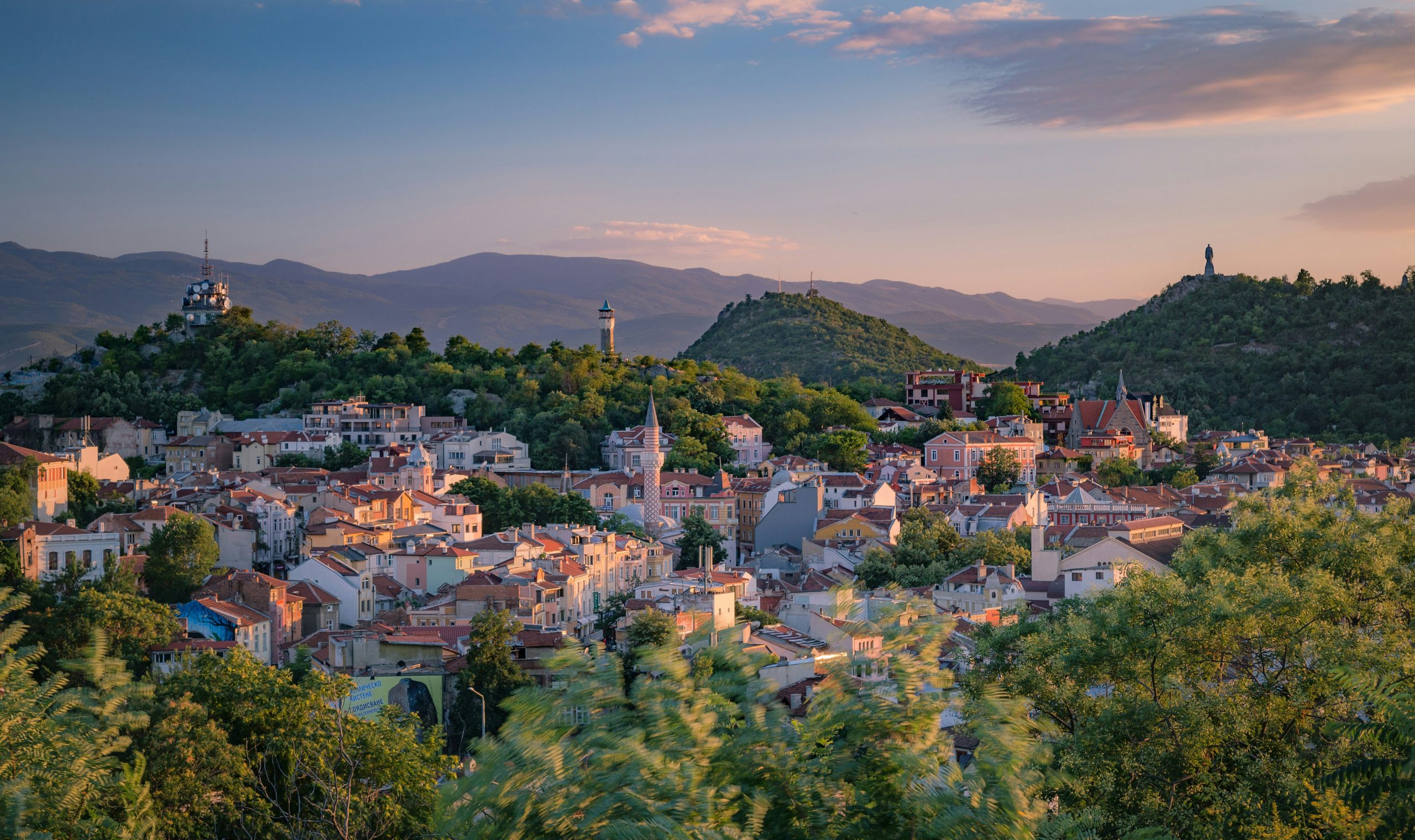
Older than Rome and Athens, with a Roman theatre still used for concerts, painted merchant houses on a hill, and an artists' quarter in a former tobacco district.
Plovdiv has been lived in for around 8,000 years, which makes it older than Rome, Athens and Constantinople, and it has been Thracian, Macedonian, Roman, Byzantine, Bulgarian and Ottoman in turn. Most of those are still visible.
The Roman theatre from the second century was buried by a landslide and only rediscovered in the 1970s, and it now seats 3,500 people for concerts and opera through the summer.
The old town climbs a hill in painted National Revival houses with overhanging upper storeys, and below it Kapana — "the trap", a grid of former craft streets — has become the artists' and bar quarter that carried the city's 2019 Capital of Culture year.
Two days, and it is the city most people who travel Bulgaria end up preferring.
Three hills, an old town on one of them, and a flat centre between.
The cobbled hill of painted merchant houses, the Roman theatre and the best views. Steep, and quiet at night.
The creative quarter below the old town: galleries, bars, street art and the liveliest evenings in the city.
Around the main pedestrian street and the Roman stadium, flat, central and close to everything.
Orange labels are neighbourhoods, dots are the 4 top-rated hostels. Map © MapTiler © OpenStreetMap contributors.
The Roman theatre is the one. Built in the second century, buried by a landslide, rediscovered in the 1970s and restored to working use — it seats 3,500 and hosts opera, concerts and film through the summer. Entry is a few euros, or buy a ticket to something and see it properly.
The old town is a climb through National Revival houses, several open as museums with painted ceilings and merchant furniture. The Balabanov and Hindliyan houses are the two worth paying for.
Under the main pedestrian street, the Roman stadium of Philippopolis is partly excavated and visible through glass, with a section you can walk into.
Kapana is where the city lives now: a grid of small streets full of bars, studios and street art, and it is best simply wandered in the evening.
Nebet Tepe, the hill at the top of the old town, has Thracian foundations and the best sunset in the city, free.
Nebet Tepe at the top of the old town is free and has the whole city and the plain below it at sunset.
Walking the old town cobbles, looking at the painted facades, costs nothing — only entering the house museums charges.
Kapana is free to wander and the street art changes constantly.
The main pedestrian street, one of the longest in Europe, runs past the exposed Roman stadium which you can see from above for nothing.
Tsar Simeon's Garden and the Singing Fountains are free, and the free walking tour leaves daily from the municipality building.
Thrace is Bulgaria's wine country and Plovdiv is its capital, which shapes eating here. Mavrud, the local red, grows on the plain around the city, and a glass is €3 to €5 with cellars an hour away in either direction.
Food is Bulgarian: shopska salad, grilled kebapche and kyufte, kavarma in a clay pot, and banitsa for breakfast. A full meal with wine is €10 to €16.
Kapana has the newer places — craft beer, third-wave coffee and small kitchens — and the old town has the traditional mehanas with folk music.
The Saturday market and the covered halls are worth an hour for cheese, honey and the local rose products.
Kapana is the whole answer. A grid of narrow streets that was a craft district and is now wall-to-wall bars, with tables outside and a mixed crowd of students, artists and visitors.
It runs from about nine until two or three, and a beer is €1.50 to €3.
The university keeps term time livelier, and there are clubs along the river and in the centre for anything later.
The Roman theatre hosts summer concerts and opera, which is a different kind of night out and worth checking — seeing something performed in a second-century theatre is the best thing this city offers.
The centre is flat and walkable, and the old town is a steep cobbled climb from it — worth knowing if you have luggage, because taxis cannot get up most of it.
Buses cost about €0.80 and cover the rest of the city.
Sofia is two hours by bus or train for about €8, with buses more frequent and more reliable than trains.
Veliko Tarnovo is three hours, the Black Sea coast about four, and Bansko around three.
Taxis are cheap and metered — agree the meter is running, as in Sofia.
Cheap, and slightly below Sofia. Dorms are €9 to €18, a full meal €10 to €16, and a beer €1.50 to €3.
A day is €25 to €42.
The Roman theatre and the house museums are €3 to €6 each, and a combined old town ticket covers several.
Bulgaria switched to the euro on 1 January 2026, so prices are in euros and the lev is no longer in use. Cards work widely; carry some cash for small places.
Plovdiv is a safe, relaxed city and the centre and Kapana are comfortable at night.
Petty theft happens in the pedestrian street crowds and at the bus and train stations.
The old town cobbles are large, rounded and steeply laid, and they are slippery in rain — this is the most common way visitors get hurt here.
Summer heat on the Thracian plain is severe, regularly above 35 degrees in July and August, and the old town has little shade.
Taxi overcharging is less of an issue than in Sofia but the same rules apply. Emergency number is 112.
Monasteries, wine and a Thracian tomb, all within two hours.
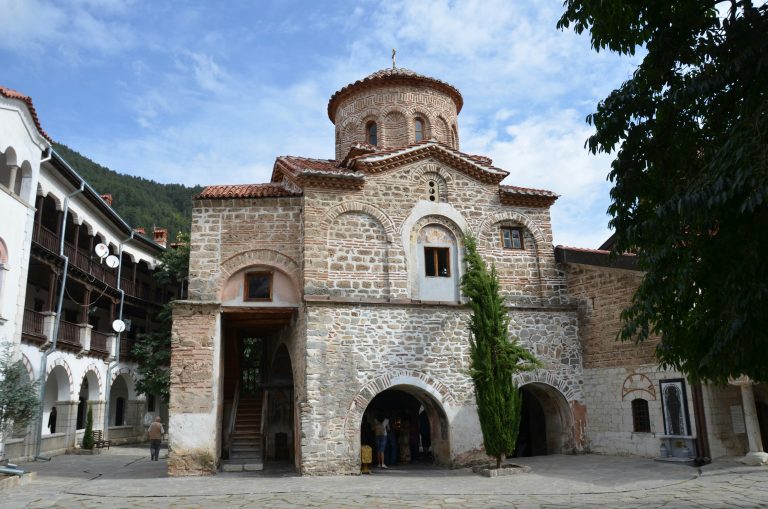
The second largest monastery in Bulgaria, from 1083, in a wooded valley with frescoes and a covered ossuary.
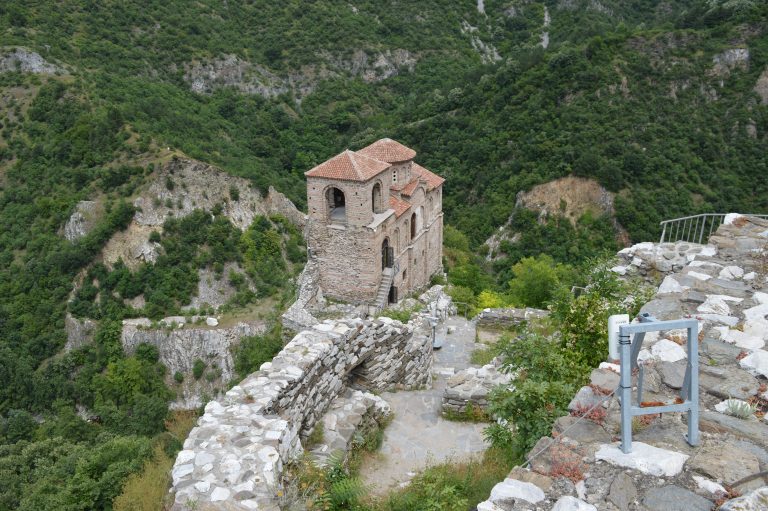
A medieval church on a rock spur above the Chepelare gorge, with a dramatic approach.
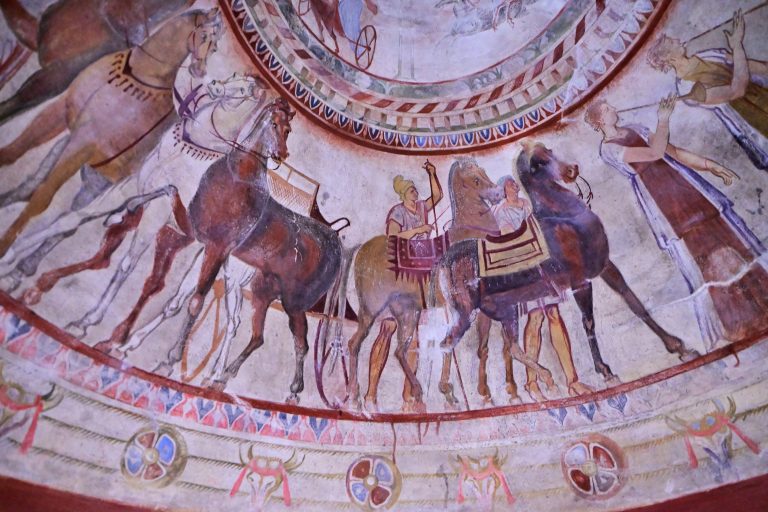
A fifth-century BC royal Thracian tomb complex, the largest found in the country.
Opera in a second-century Roman theatre is the one to plan around.
Opera and ballet staged in the second-century theatre. The best thing in the Bulgarian cultural calendar.
The rose harvest in the Valley of Roses, with picking at dawn and a festival around it.
The creative quarter closes to traffic for street food, music and art.
Museums, galleries and studios open late across the city, mostly free.
Red and white martenitsa tassels exchanged and worn until spring is seen.
A small, good scene split between the old town and the centre near Kapana. Live from Hostelworld.
Spring and autumn. The Thracian plain is punishing in midsummer.
Average highs. Plovdiv sits on the Thracian plain and is one of the hottest cities in Bulgaria, regularly passing 35°C in July and August.
Pick how you travel. Per person per night, in euros.
Wine tours at €35–55 are the main extra.
The ones we get asked most.

Compare Plovdiv hostels — live prices, real reviews and free cancellation on most bookings. Then meet the people already there in the app.

 Get the App.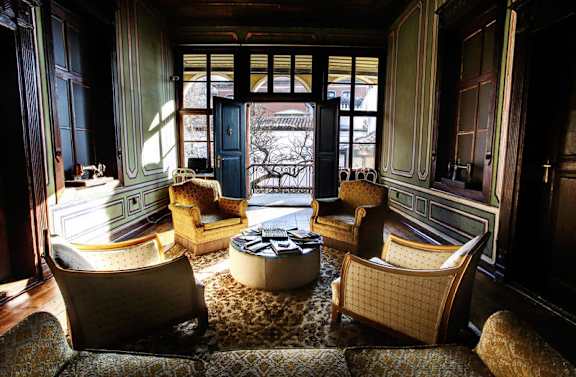

 Get the App.