
Wales
Wales country guide

Things To Do In Wales

More castles per square mile than anywhere on earth, a coast path that runs the entire country, and a language older than English that half the road signs are written in.

£20
Dorm bed, from
600+
Castles
1,400km
The Wales Coast Path
3
National parks

Small, mountainous and very green

Wales is about the size of Wales, which is the joke, and you can drive across it in three hours. What fits inside is three national parks, 600-odd castles, and the only coast path in the world that runs the full length of a country's shoreline — 1,400km from Chepstow to Chester.

Eryri, or Snowdonia, is the reason most visitors come: a compact range of real mountains with a railway to the top of the highest one, slate towns beneath, and the biggest zip line in Europe strung across an old quarry.

Cardiff is a small, sociable capital that fills entirely on rugby weekends, and the south has Bannau Brycheiniog, the Brecon Beacons, and a post-industrial coast reinventing itself. The north and west are where the language is strongest — Welsh is spoken daily by around a fifth of the population, and far more in Gwynedd.

Where to go

Trains run along both coasts and buses cover the middle. The two halves of the country do not connect quickly.

Cardiff

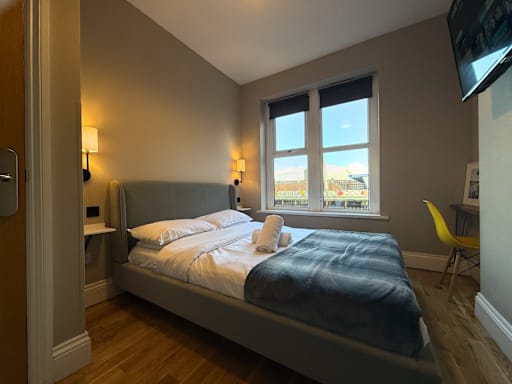
Cardiff

2 hostels

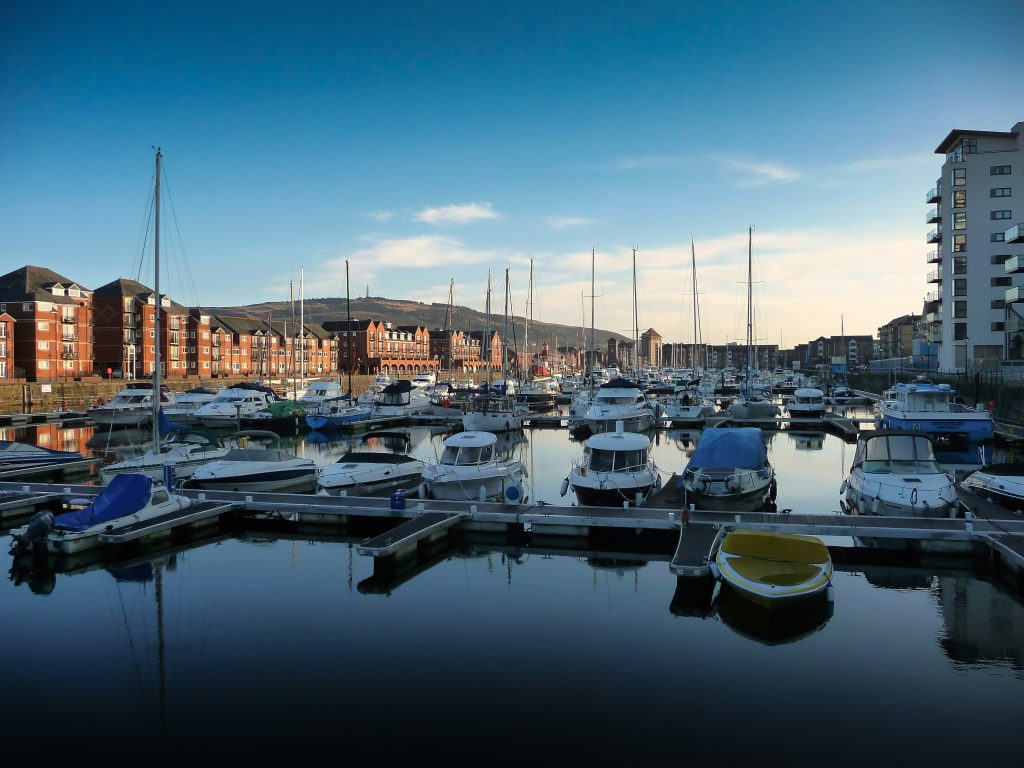
A compact capital with a castle in the middle, a waterfront and a stadium that empties into the streets.

The Bay is beautiful, city centre is buzzing with great bars and restaurants, the castle is great, the people are friendly. Enjoyed my short stay.

A traveller, on Hostelworld
The Cardiff guide
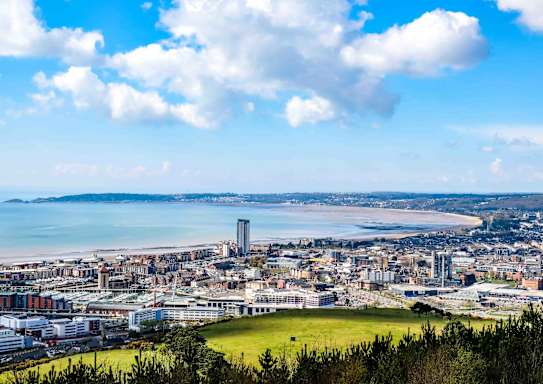
Swansea

Swansea

1 hostel · dorms from £20

The second city, with the Gower peninsula and its beaches on the doorstep.

The Swansea guide
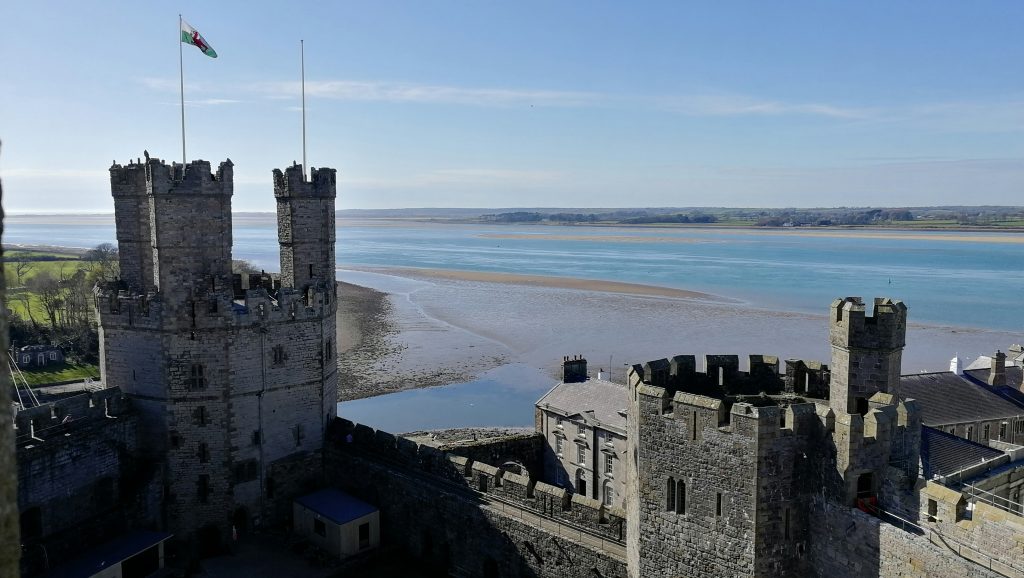
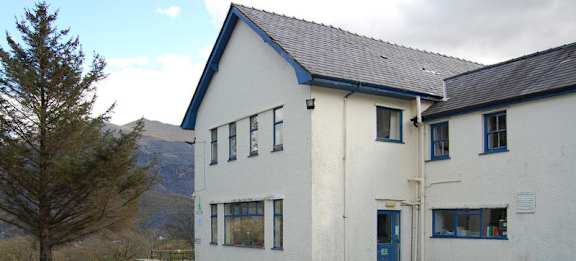
Caernarfon

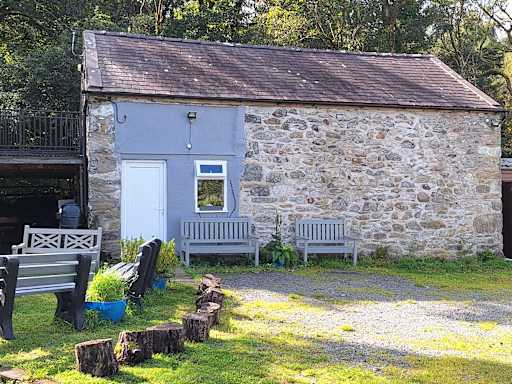
Caernarfon

5 hostels · dorms from £17

A walled town around one of Europe's great castles, and the best base for northern Snowdonia.

The Caernarfon guide
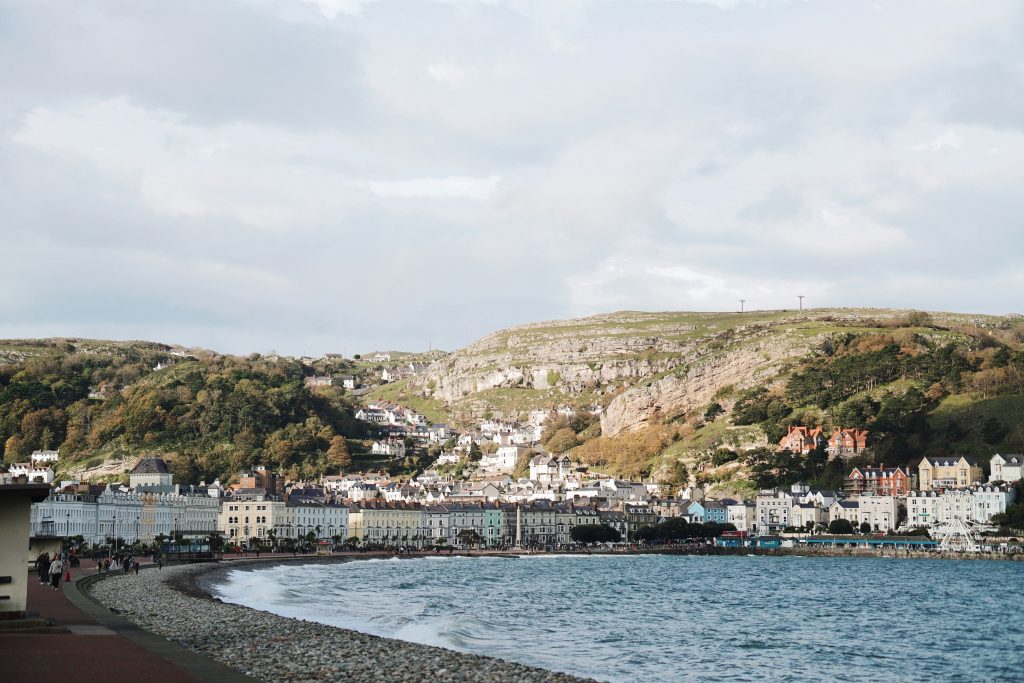
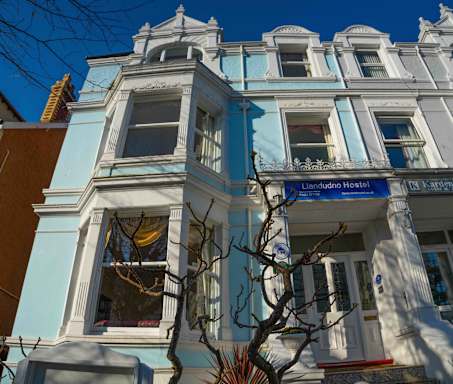
Llandudno

Llandudno

1 hostel · dorms from £21

A Victorian seaside town under a limestone headland, with a pier and a tram.

The Llandudno guide
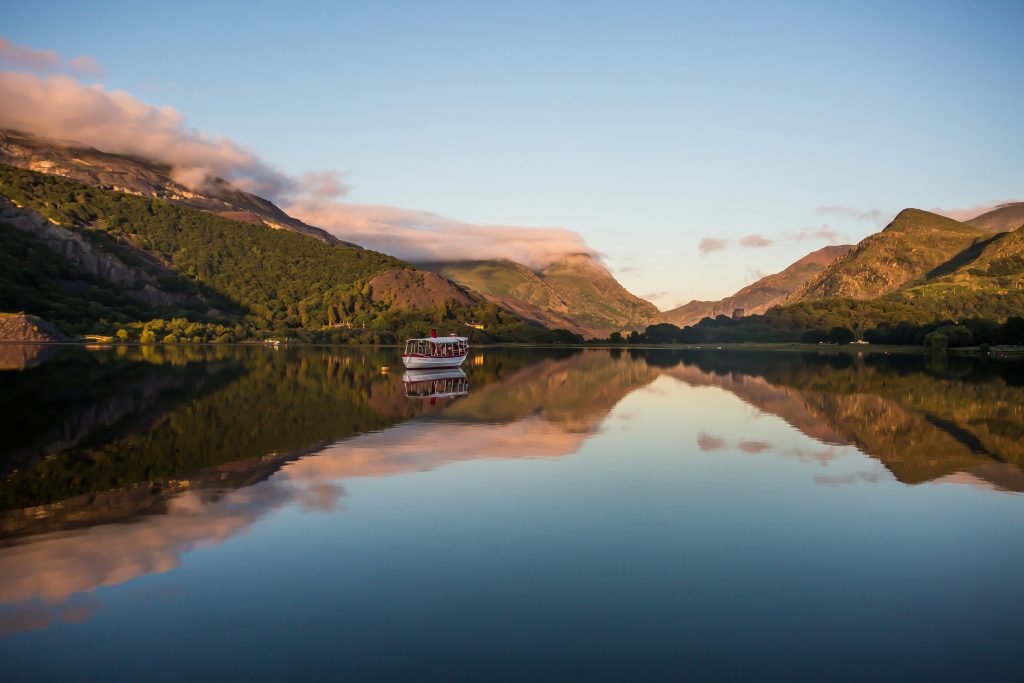
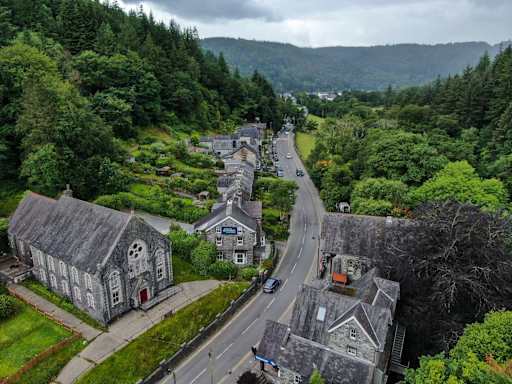
Llanberis

Llanberis

At the foot of Yr Wyddfa: the mountain railway, the Llanberis Path, slate caverns and the best walking base in Wales.

The Llanberis guide

What kind of trip is this?

Wales is mountains and coast, and the castles come free with both.

Adventure in Wales

Mountains, coast path and old quarries turned into zip lines.

What to do

  • Climb Yr Wyddfa on the Llanberis path
  • Walk a stretch of the Pembrokeshire coast
  • Zip line at Penrhyn quarry

Spots to visit

  • Eryri
  • Pembrokeshire
  • Brecon Beacons

Best cities for it

Things to do

Things to do in Wales

Yr Wyddfa, or Snowdon, is the obvious target: six paths to the summit, the easiest being Llanberis at about six hours return, and a rack railway for anyone who would rather not walk. Book the train ahead in summer; the mountain itself is free and busy.

The castles are everywhere and four of them — Caernarfon, Conwy, Beaumaris and Harlech — are UNESCO-listed together as Edward I's ring of fortresses, built to hold the country down and now its biggest draw.

The coast is the underrated half. The Pembrokeshire Coast Path is among the best walks in Britain, the Gower has beaches that win national polls, and the whole 1,400km Wales Coast Path is waymarked end to end. In the old slate quarries, zip lines, underground trampolines and mountain bike parks have taken over.

Food and drink

Eating in Wales

Welsh produce is the strong suit: lamb, cheese, seafood from the west, and cockles and laverbread from the Gower. A pub Sunday roast runs £14 to £20 and is the meal to plan a week around.

Cheap eating is the same as England's — pub lunch deals, bakeries and supermarket meal deals at about £4. Welsh cakes, cooked on a griddle, cost under a pound from a market stall.

Cardiff has a decent food scene concentrated in the covered arcades and around the market, and the seaside towns do fish and chips properly, at £8 to £12.

Nightlife

Going out in Wales

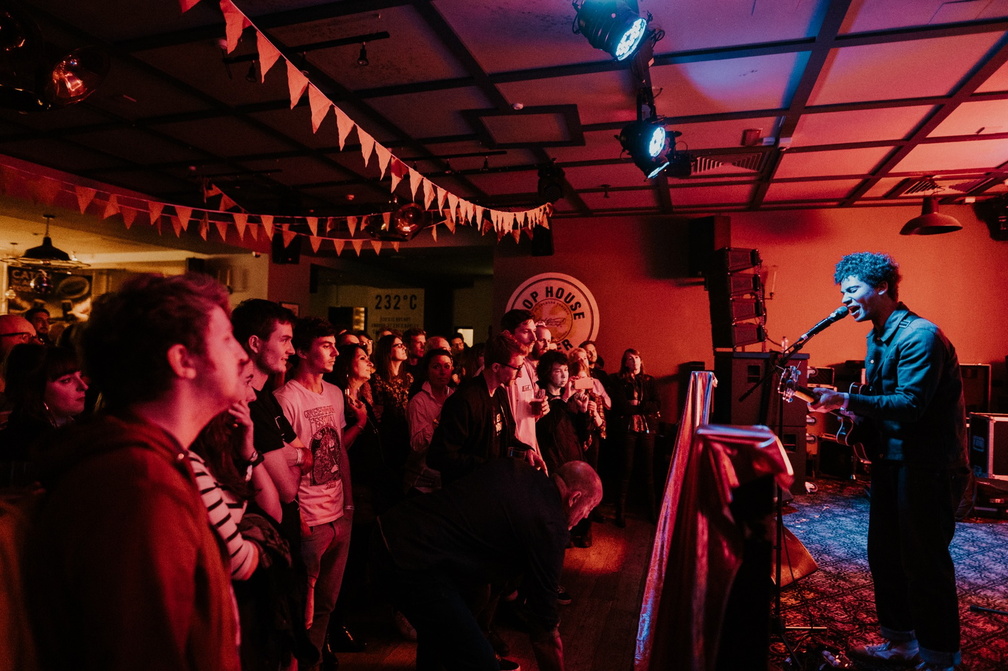
Cardiff on a rugby international weekend is one of the great nights out in Britain: 70,000 people in a stadium in the middle of the city, and the whole centre singing afterwards. It is also the hardest weekend of the year to find a bed, so decide which side of it you want to be on.

Ordinary weekends are lively enough — the city centre and Cardiff Bay, with prices around £5 to £6 a pint. Swansea's Wind Street is the student equivalent and cheaper again.

In the countryside, the pub is the nightlife: village locals with no music, real ale and, in Welsh-speaking areas, conversation switching language as you walk in. That is not hostility, it is just what people were speaking.

Getting around

Getting around Wales

The railways follow the coasts — the north coast line to Holyhead, the Cambrian line through mid Wales to Aberystwyth and Pwllheli, and the south from Cardiff westwards. The middle of the country has very little, which surprises people looking at a map.

That makes a car the practical answer for Snowdonia, the Brecon Beacons and Pembrokeshire, where bus services are sparse and the point is stopping at trailheads. Sherpa buses do serve the main Snowdonia routes in season and are a genuine alternative.

Cardiff to London is two hours by train, and Bristol is under an hour, which makes the south easy to reach. North Wales connects better to Manchester and Liverpool than to Cardiff.

Costs

What Wales costs

Wales is cheaper than England outside London, with dorms from about £20, rising in Snowdonia and on the Pembrokeshire coast in summer school holidays.

The mountains and the coast path are free, the national parks charge nothing to enter, and the beaches are free, which keeps a day of walking to the cost of a bed and food.

The paid attractions are castles at £8 to £12 each, the Snowdon rack railway at around £40 return, and adventure activities in the quarries, which are the priciest thing here at £70 to £100.

Safety

Staying safe in Wales

Wales is safe, and the towns are unremarkable in that respect. Everything that goes wrong happens on the mountains or in the sea.

Yr Wyddfa produces mountain rescue callouts most weeks. It is a real mountain with fast-changing weather, cloud that arrives in minutes and paths that are rocky rather than gentle — trainers, no map and a late start are the classic combination. Check the forecast, take layers and a paper map, and turn back if the cloud comes down.

On the coast, tides move fast on flat beaches, rip currents are common on the surf beaches, and cliff paths have no railings. Swim where lifeguards are, and stay back from edges in wind.

Entry and documents

Entry and documents

Wales is part of the United Kingdom, which is outside the EU and Schengen, so time here does not count against the 90-day Schengen allowance.

Most visitors need an ETA, the Electronic Travel Authorisation, applied for online before travel, and EU citizens need a passport rather than an ID card. Check the official UK government site, as the requirements have changed repeatedly.

There is no border with England — you simply cross it — and sterling is used throughout. Welsh and English are both official, and all public signage is bilingual.

When to go

It rains a great deal, so plan for daylight and events rather than sunshine. May to September gives long evenings and open mountain weather.

8°
Jan
Wet and dark. Cheapest month, and the mountains are serious
8°
Feb
Still winter. Quiet everywhere
10°
Mar
Six Nations rugby fills Cardiff on match weekends
13°
Apr
Spring. Lambs everywhere, and the coast path drying out
16°
May
Excellent. Long evenings and the driest month in the hills
19°
Jun
The best month. Everything open, days at their longest
20°
Jul
Peak. School holidays from late in the month
20°
Aug
Busiest, especially Snowdonia and the Pembrokeshire coast
18°
Sep
Superb value. Warm enough, crowds gone
14°
Oct
Autumn in the valleys. Quiet and cheap
10°
Nov
Wet and dark. Lowest prices
8°
Dec
Christmas markets in Cardiff, and very short days
Bar height is temperature. Colour is how busy it gets: quiet busy peak

Average highs for Cardiff. Snowdonia is colder, considerably wetter and can hold snow on the tops from December to April.

What your trip will cost

Pick how you travel and how long for. Per night, for one person, in pounds.

The doing column can be zero because the mountains, coast path and beaches are free. Car hire at £40–60 a day is the main extra for the national parks.

—
  • Beds—
  • Food and drink—
  • Getting around—
  • Doing things—
What's on

What is on while you are there

Rugby weekends and the Eisteddfod are the two that fill their towns completely.

Wales travel questions

The ones we get asked most.

How many days do you need in Wales?
Four days for Snowdonia and the north coast castles. A week lets you add Pembrokeshire or the Brecon Beacons and a couple of days in Cardiff, and the country is small enough to cross in three hours.
Do I need a car in Wales?
For the national parks, yes — bus services are sparse in the middle of the country and the point is reaching trailheads. The coasts are well served by rail, and Sherpa buses cover the main Snowdonia routes in season.
How hard is climbing Snowdon?
The Llanberis path is about six hours return and needs boots and a forecast check rather than technical skill. It is a real mountain: cloud arrives in minutes and rescue teams are called out most weeks for people in trainers who started late.
Is Welsh actually spoken?
Yes, daily by around a fifth of the population and far more in Gwynedd and the north west. All signs are bilingual. If conversation switches to Welsh when you enter a pub, that is simply what people were speaking.
When is the best time to visit Wales?
May, June and September. May is statistically among the driest months in the hills, and September has the weather without the school holidays. It rains in every month, so pack for it.
Is Wales expensive?
Cheaper than England outside London. Dorms from £20, a day around £45 to £65, and the mountains, coast path and beaches are all free. Castles cost £8 to £12 each.
Does time in Wales count towards Schengen?
No. Wales is part of the UK, which is outside the EU and Schengen. Most visitors now need an ETA applied for online before travel, and EU citizens need a passport rather than an ID card.

Say yes to hostels, meet the world

Compare hostels across Wales — live prices, real reviews and free cancellation on most bookings. Then meet the people already there in the app.

Get the App. QRGet the App.
Get the App. QR  Get the App.
Scroll to Top