The Citadel
First-timersInside the walls: the Clock Tower, the guild towers, the cafés and the best atmosphere after dark.

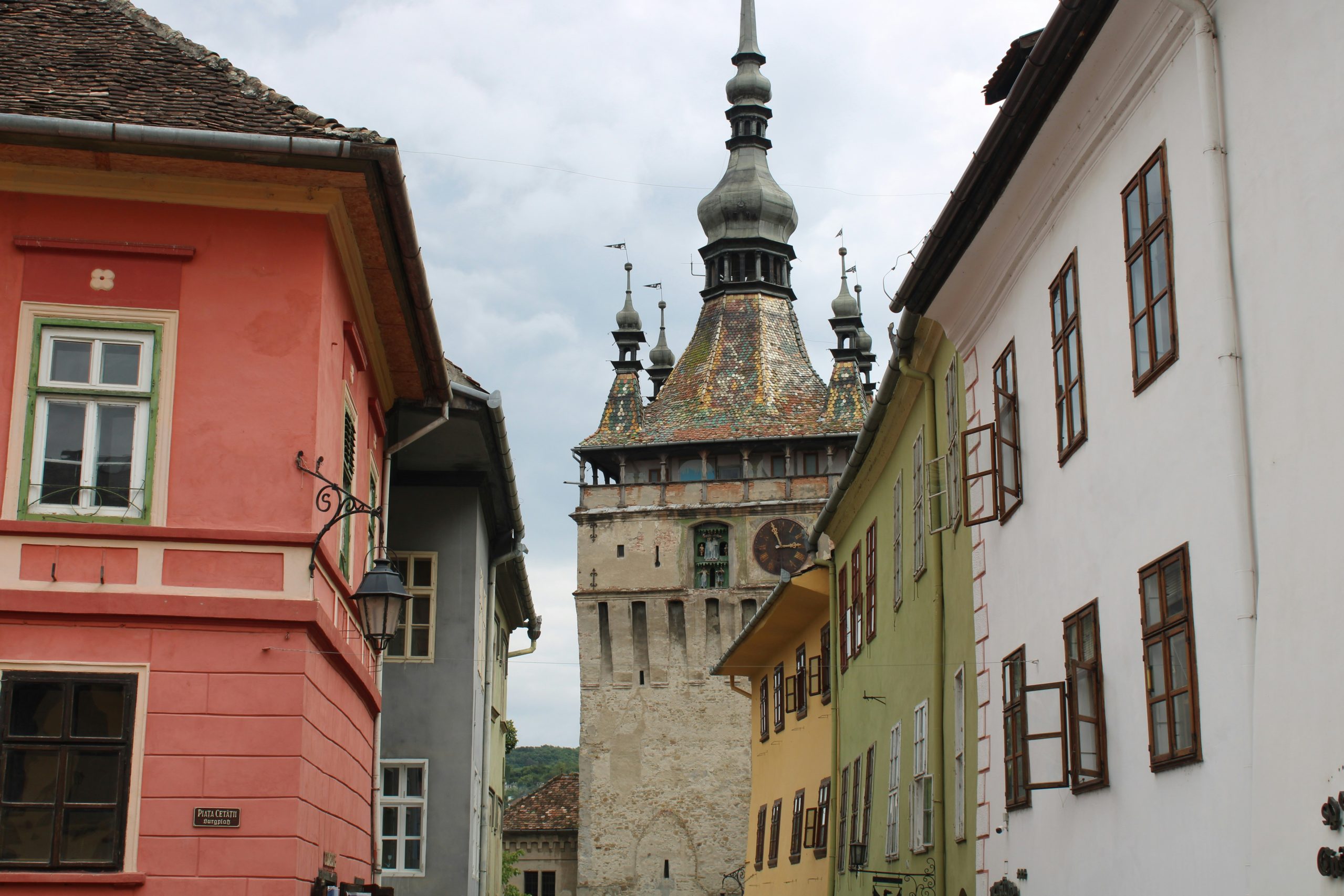
A walled medieval citadel on a hill, still lived in, with a clock tower, a covered wooden stairway, and the house where Vlad Tepes was actually born.
Sighisoara was built by Saxon merchants and craftsmen on a hill above the Tarnava river, and its citadel is one of the few medieval fortified towns in Europe that people still live in. Houses, a school, churches, guesthouses and cafés sit inside walls with nine surviving guild towers.
The fourteenth-century Clock Tower is the town's symbol, with mechanical figures that change daily.
Vlad Tepes — Vlad the Impaler, the fifteenth-century prince whose name Bram Stoker later borrowed — was born here around 1431, and the house traditionally identified as his birthplace stands near the Clock Tower. It is now a restaurant. This is the one genuine Vlad site in Transylvania, which is more than can be said for Bran.
It is small, beautiful and heavily visited. Coach tours arrive through the middle of the day and leave by late afternoon, and the citadel in the evening, when they have gone, is a completely different place.
One night. Staying inside the walls is the point.
A citadel on a hill, and a lower town below it.
Inside the walls: the Clock Tower, the guild towers, the cafés and the best atmosphere after dark.
Below the hill: cheaper beds, the station and a ten-minute climb to the citadel.
Map © MapTiler © OpenStreetMap contributors.
Climb the Clock Tower, about 20 lei (€4), which holds the history museum and a mechanical clock with figures that change each day, and gives the view over the roofs.
Walk up the Scholars' Stairway — a covered wooden staircase of 175 steps built in 1642 so that pupils could reach the school at the top in winter. It leads to the Church on the Hill and the Saxon cemetery behind it, which is quiet, overgrown and beautiful.
Vlad Tepes's birthplace, near the Clock Tower, is now a restaurant with a small exhibition upstairs. It is the one genuine Vlad site in Transylvania and worth seeing for that reason, with modest expectations about what is inside.
Walk the walls and the guild towers — the Tinsmiths', the Shoemakers', the Tailors' — which are free from the outside.
Then stay into the evening. Once the coach tours leave, the citadel empties and it becomes the place the photographs promised.
The citadel is free to walk, including the lanes, the squares and the outside of the guild towers.
The Scholars' Stairway and the Saxon cemetery behind the Church on the Hill are free, and the cemetery is the most atmospheric place in town.
The walls and towers are free to walk around.
The citadel in the evening, after about five o'clock, is free and is the reason to stay the night.
The Saxon fortified church villages in the surrounding countryside cost little or nothing to walk around, though entry to the churches themselves is usually a few lei.
Transylvanian food at tourist prices inside the citadel and ordinary prices below it. A main is 40 to 70 lei (€8–14) inside the walls, less in the lower town.
The standard dishes — sarmale, mici, ciorba — are on every menu, alongside Saxon ones with more smoked meat.
The restaurant in Vlad's birthplace is the famous one and is priced accordingly; the food is fine and the setting is the point.
Kurtoskalacs, the spiral chimney cake, is sold hot in the citadel.
A beer is 10 to 18 lei (€2–3.50). The Tarnava valley around Sighisoara produces decent white wine.
There is very little, and that suits the place.
A few bars and terraces in the citadel serve into the evening, and the atmosphere after dark is quiet, lit and entirely different from the day.
A beer is 10 to 18 lei (€2–3.50).
The Medieval Festival in July is the exception, when the citadel fills with costume, music and crowds for a weekend and the evenings run late.
The rest of the year, the evening is dinner, a walk round the walls in the dark, and bed.
The whole town is walkable. The citadel is a ten-minute climb from the lower town and the station.
Trains from Brasov take about two and a half hours for about 40 lei (€8), and from Cluj a little longer. Buses and minibuses run similar routes and are often quicker.
Sighisoara works well as an overnight stop between Brasov and Cluj or Sibiu.
For the Saxon fortified church villages in the countryside, a car or a tour is needed — they are spread along minor roads with limited public transport.
Romanian roads are among the most dangerous in the EU, so take care or take a tour.
Cheap, with a tourist premium inside the walls. Beds are 50 to 120 lei (€10–24), a main 40 to 70 lei (€8–14) in the citadel, and a beer 10 to 18 lei (€2–3.50).
A day is €28 to €50.
You pay in lei. Cards work in most citadel businesses but carry cash for smaller places.
The citadel is free and the Clock Tower at about 20 lei (€4) is the main entry.
Beds inside the walls cost more and are worth it — the evening there is the reason to come. The Medieval Festival in July pushes prices up for the weekend.
Sighisoara is a very safe small town and crime against visitors is minimal.
The citadel has steep, uneven cobbles and worn steps that are slippery in rain and ice, and the Scholars' Stairway is long and steep.
The Saxon cemetery on the hill is a working cemetery — walk respectfully and keep to the paths.
Pickpocketing is possible in the midday coach crowds and during the Medieval Festival, at low levels.
If driving to the fortified church villages, the minor roads are narrow, poorly lit and shared with horse-drawn carts and livestock. Romania's road fatality rate is among the highest in the EU. Emergency number is 112.
Saxon fortified churches, a royal village and a Transylvanian hub.
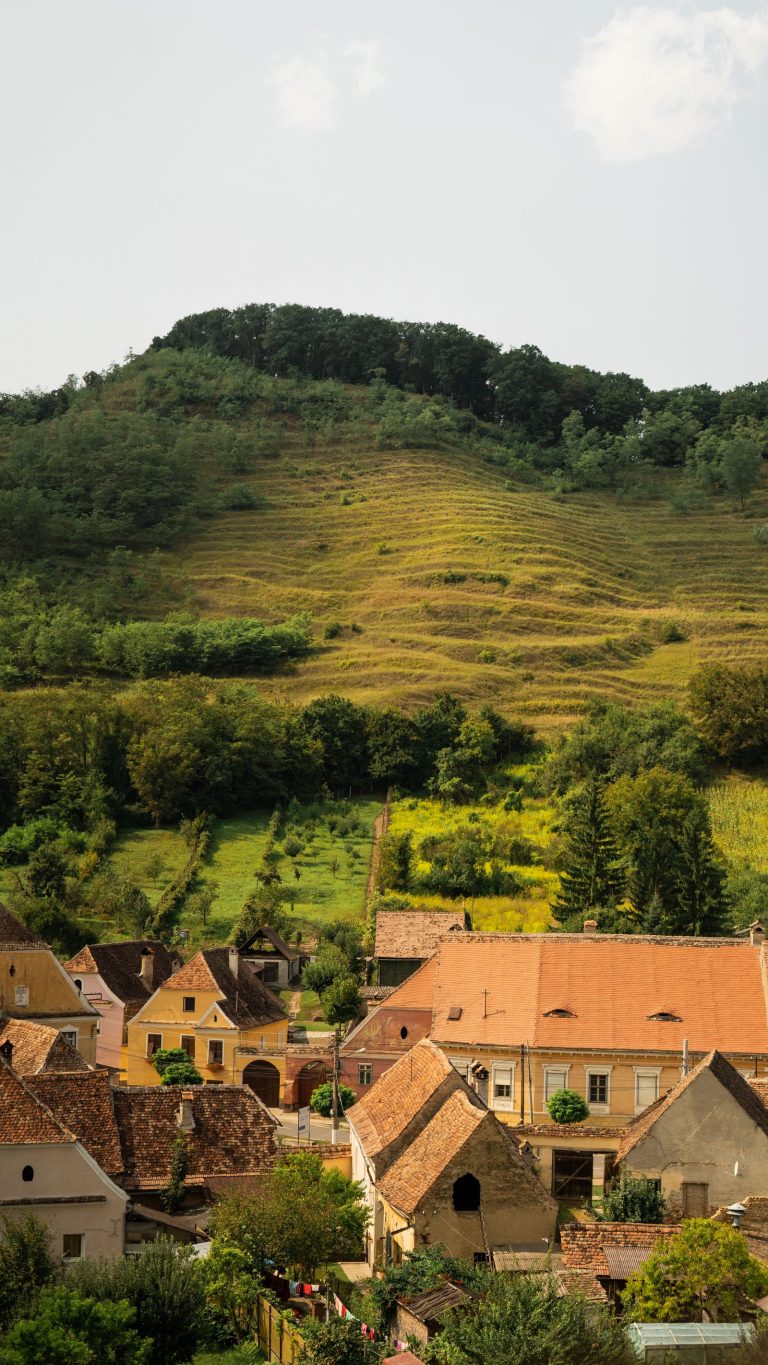
A UNESCO-listed Saxon fortified church on a hill, with a marriage room where quarrelling couples were locked in together.
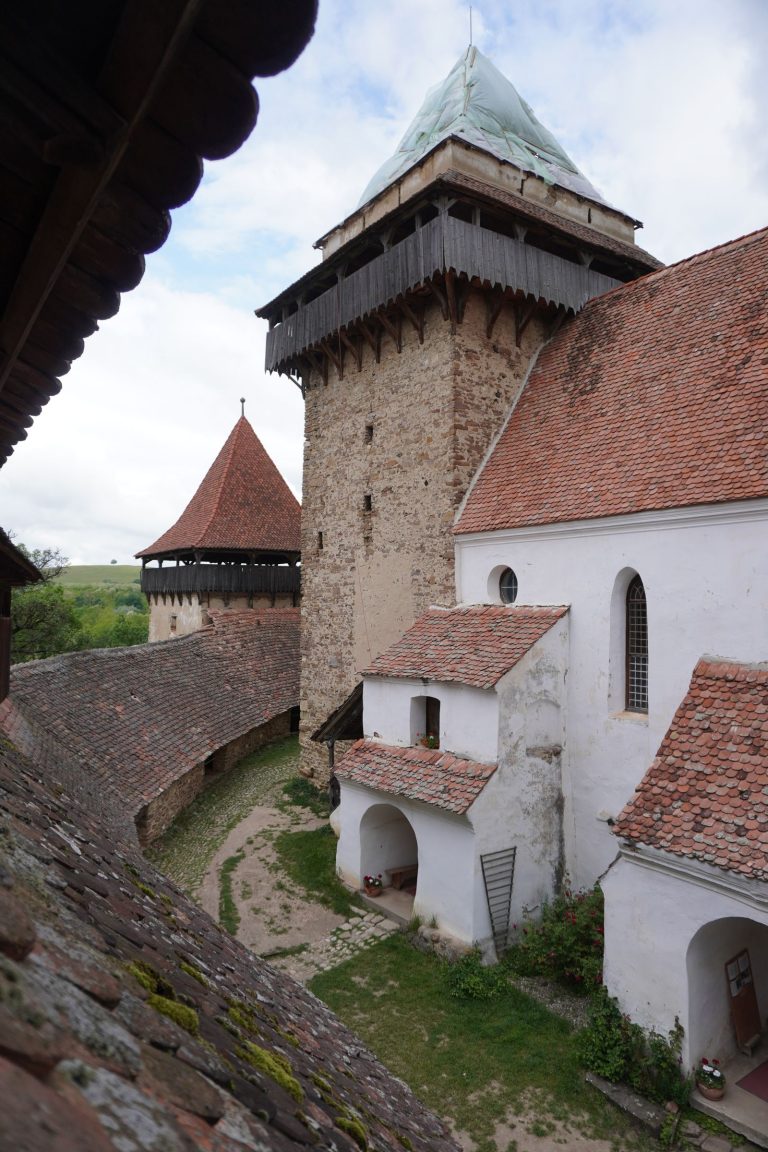
A Saxon village with a fortified church and a guesthouse owned by King Charles III, who has championed the region for decades.
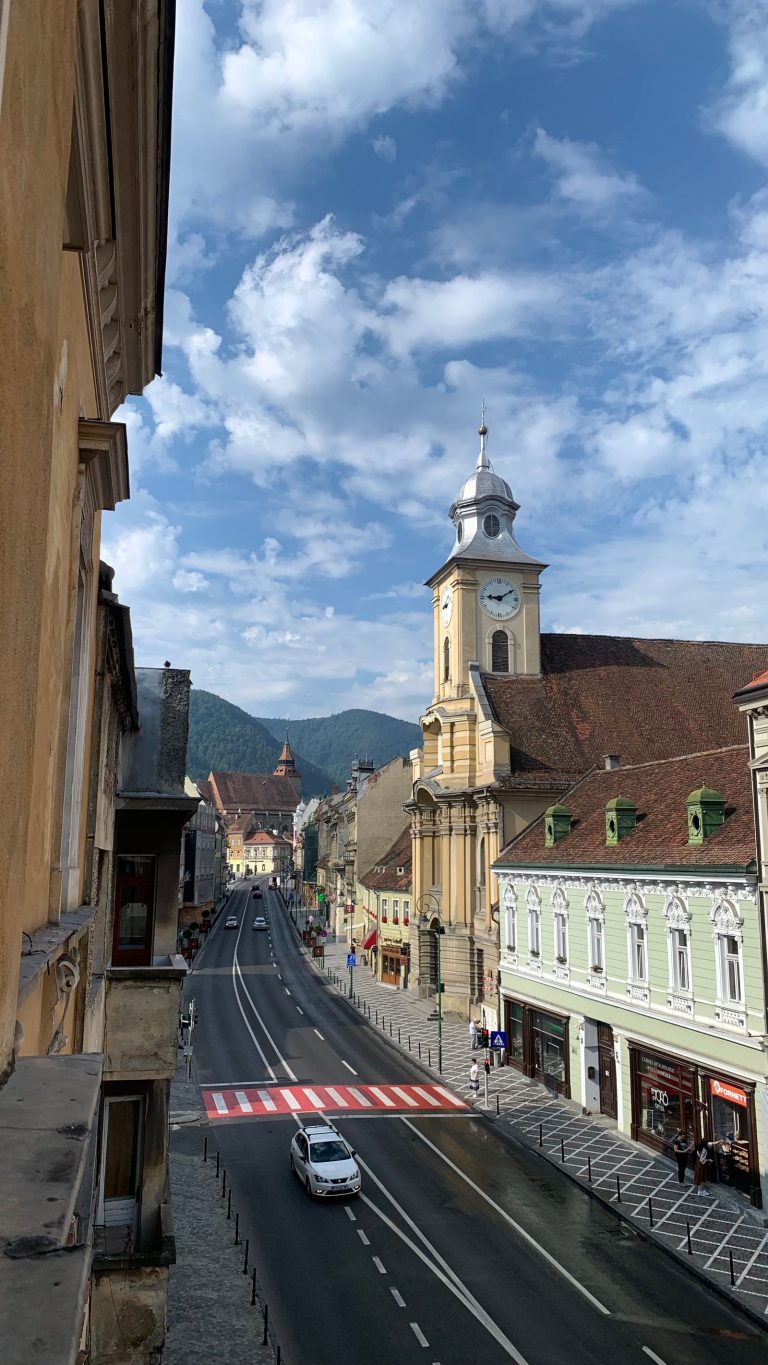
The Transylvanian hub, under forested mountains.
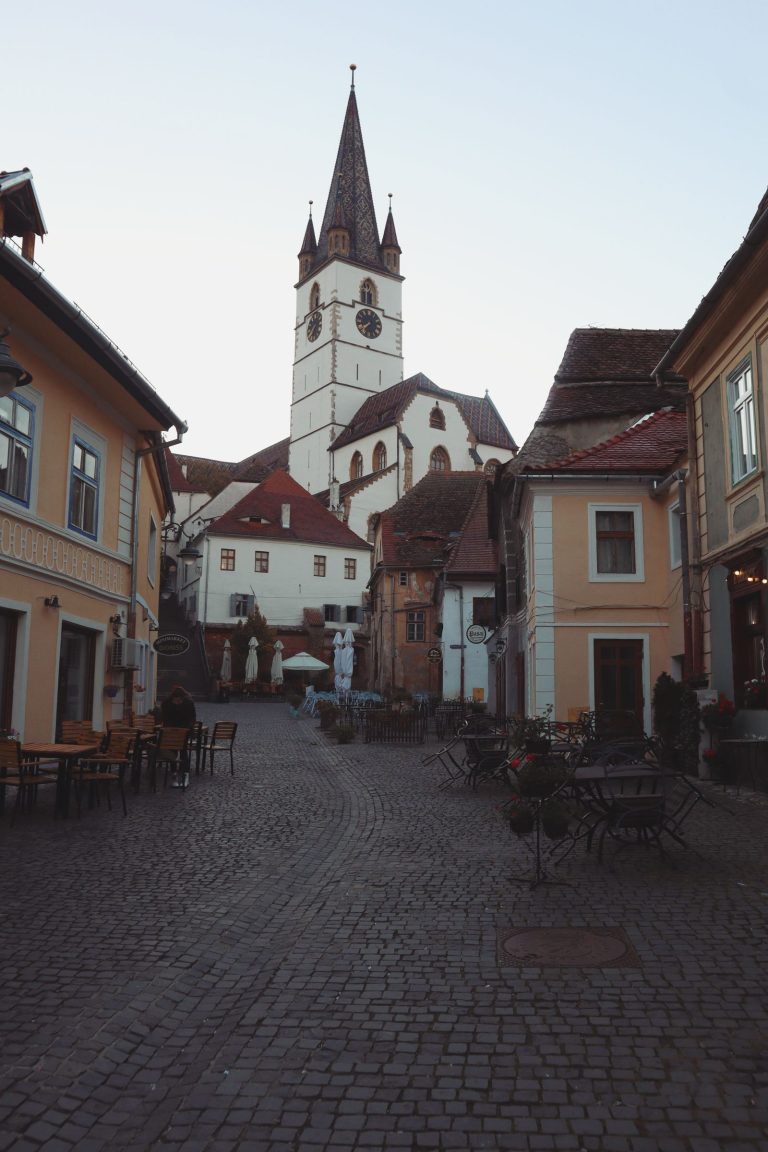
The prettiest of the Saxon towns, with eye-shaped rooftop windows.
A medieval festival in July that fills the citadel.
A weekend of costume, music, crafts and re-enactment filling the citadel. Beds book out and prices rise.
Concerts in the churches and squares of the old town.
A small market inside the walls.
When the Saxon churches in the countryside are reliably open to visitors.
When the coaches leave and the town becomes what the photographs promised.
May to June and September to October. July brings the medieval festival and the peak crowds.
Average highs. The crowd pattern matters more than the weather — the citadel at midday in summer is packed with tour groups, and the same lanes at eight in the morning or evening are almost empty.
Pick how you travel. Per person per night, in euros — you will pay in lei, at roughly 5 to the euro.
Shown in euros for comparison; you pay in lei. Staying inside the citadel costs more and is worth it.
The ones we get asked most.

Compare Sighisoara hostels — live prices, real reviews and free cancellation on most bookings. Then meet the people already there in the app.

 Get the App.
 Get the App.