Old town
First-timersInside the Planty, around the main square.

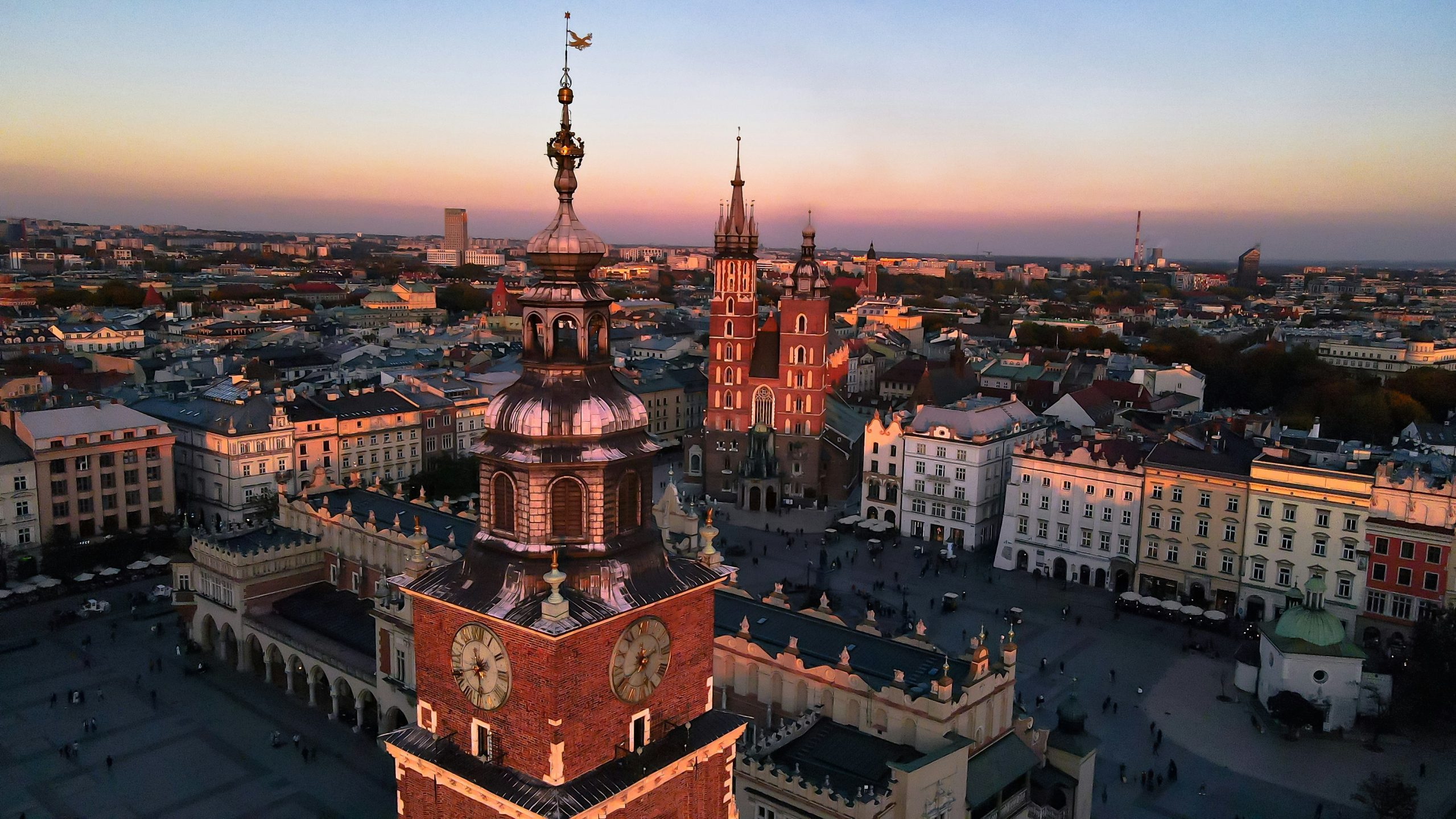
A medieval royal capital that came through the war almost untouched: the largest market square in Europe, a castle on a hill, the old Jewish quarter turned bar district, and Auschwitz and the salt mines within reach.
Kraków was the capital of Poland for more than five hundred years, and its kings were crowned and buried in the cathedral on Wawel Hill. When the capital moved to Warsaw in the late sixteenth century, Kraków kept its churches, its university and its great market square, and, almost alone among Polish cities, it survived the Second World War with its historic centre intact.
The old town, ringed by the Planty park where the walls once stood, is a UNESCO World Heritage Site. South of it, Kazimierz, the old Jewish quarter, was emptied by the Holocaust and has come back to life as the most atmospheric bar and café district in the country.
Kraków is also the base for Auschwitz-Birkenau and the Wieliczka salt mine. Three or four days is right.
Stay in or near the old town, or in Kazimierz for the nightlife. Everything is walkable.
Inside the Planty, around the main square.
The old Jewish quarter, now bars, cafés and synagogues.
Across the river, with Schindler's Factory.
North of the old town, near the station and market.
Orange labels are neighbourhoods, dots are the 12 top-rated hostels. Map © MapTiler © OpenStreetMap contributors.
Start on the Rynek Główny, the main square, one of the largest medieval squares in Europe, with the Cloth Hall in the middle and St Mary's Basilica on the corner. Every hour, a trumpeter plays the hejnał from its tower and stops mid-note, in memory of a watchman said to have been shot by a Tatar arrow. Inside is Veit Stoss's carved wooden altarpiece.
Walk up to Wawel Hill for the royal castle and the cathedral where Poland's kings are buried. Below the hill is the Dragon's Den, a cave with a fire-breathing statue at its mouth.
Kazimierz has synagogues, the old Jewish cemetery and Plac Nowy, the round market hall. Across the river in Podgórze, Oskar Schindler's enamel factory is now a museum of the city under Nazi occupation, and Ghetto Heroes Square has a memorial of empty chairs.
Auschwitz-Birkenau, about an hour and a half away, must be booked online in advance: since March 2026 there are no tickets on site. Self-guided entry is free in set slots, and guided tours cost 150 złoty. The Wieliczka salt mine, with chapels carved out of salt, is half an hour from the city.
The main square, the Planty, the old town streets and the courtyards of Wawel Hill are free.
The hejnał is free, every hour, from the square.
Kazimierz, its streets and Plac Nowy are free to wander. Free walking tours leave from the main square every day; tip the guide.
Many museums have a free day each week; check before you go.
Kraków is cheap and full of good food. Milk bars, the subsidised canteens from communist times, serve pierogi, soups and cutlets for €3 to €5. Point at what you want.
Obwarzanek, the ring-shaped bread sold from carts on every corner, is a Kraków speciality and costs well under a euro. Zapiekanka, a long open sandwich of mushrooms and cheese, is sold from the windows of the round market hall on Plac Nowy, late into the night.
Lunch specials, the zestaw obiadowy, cost €5 to €8 in most restaurants. The Stary Kleparz market is the place for produce.
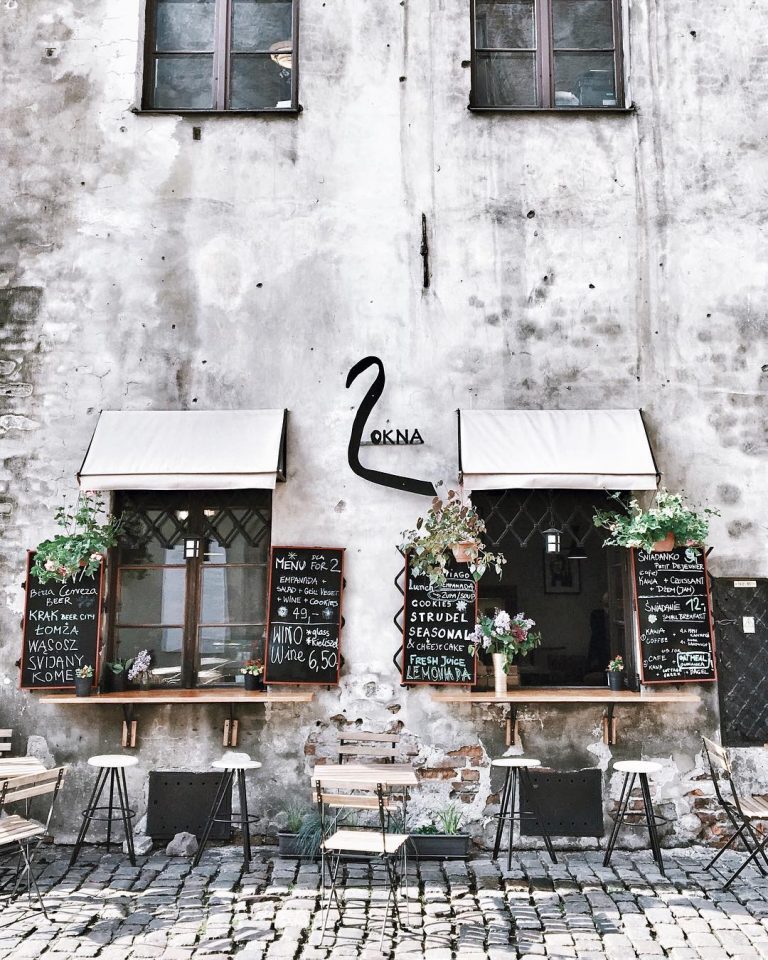
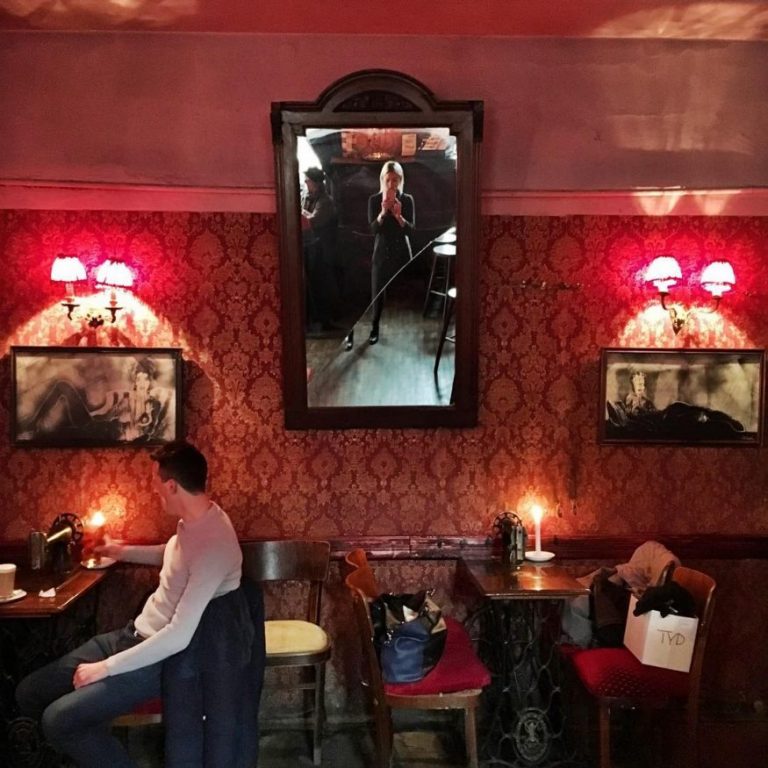
Kazimierz is the best night out in Poland: bars in old courtyards, candlelit cellars and dimly lit cafés around Plac Nowy and Szeroka street.
The old town has hundreds of cellar bars and clubs. Avoid anyone handing out flyers for strip clubs on the main square; the bills are the scam.
A beer is €2.50 to €4, a shot of vodka about the same.
The old town and Kazimierz are walkable. Trams cover the rest; tickets cost about a euro and are bought from machines, on board or through an app. Validate on board.
From Kraków Airport, trains run to Kraków Główny in about twenty minutes.
Trains reach Warsaw in about two and a half hours and Wrocław in about three. Buses to Zakopane take about two hours, and minibuses go to Wieliczka.
For Auschwitz, buses and trains run to Oświęcim, or join a tour.
Kraków is cheap by European standards. Dorms start around €10, a milk bar meal is €3 to €5, and a beer €2.50 to €4. A careful day is €35 to €45.
The costs that add up are the day trips: guided tours of Auschwitz and tickets to the salt mine.
The currency is the złoty, not the euro. Cards are accepted almost everywhere; use a bank ATM and decline the machine's currency conversion.
Kraków is safe, with low violent crime.
On the main square, ignore strip-club touts and anyone handing out flyers: they lead people to venues with enormous bills. Use Bolt or Uber rather than taxis waiting outside bars.
Vodka is poured larger than you think; pace it.
Emergency number is 112.
Two of the most important sites in Europe are within an hour and a half.
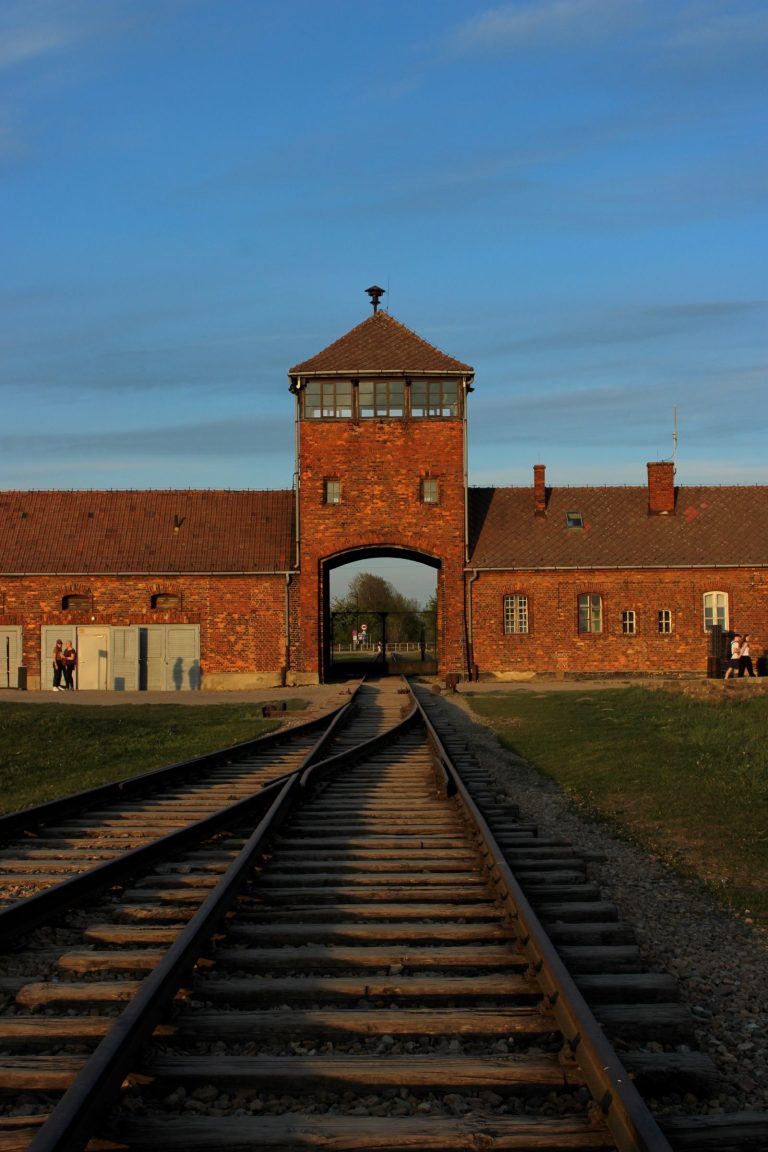
The former Nazi concentration and extermination camp. Book online in advance; free self-guided slots or guided tours at 150 złoty. Allow the whole day.
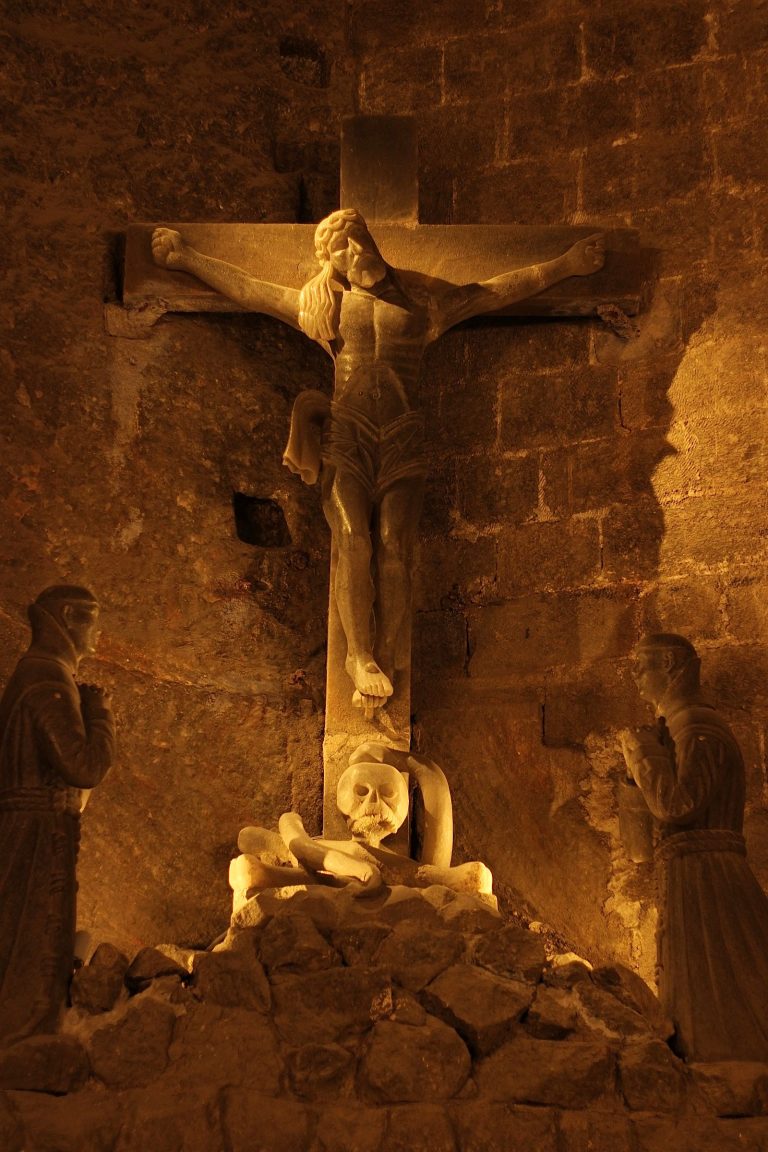
Chambers, lakes and chapels carved from salt, a UNESCO World Heritage Site.
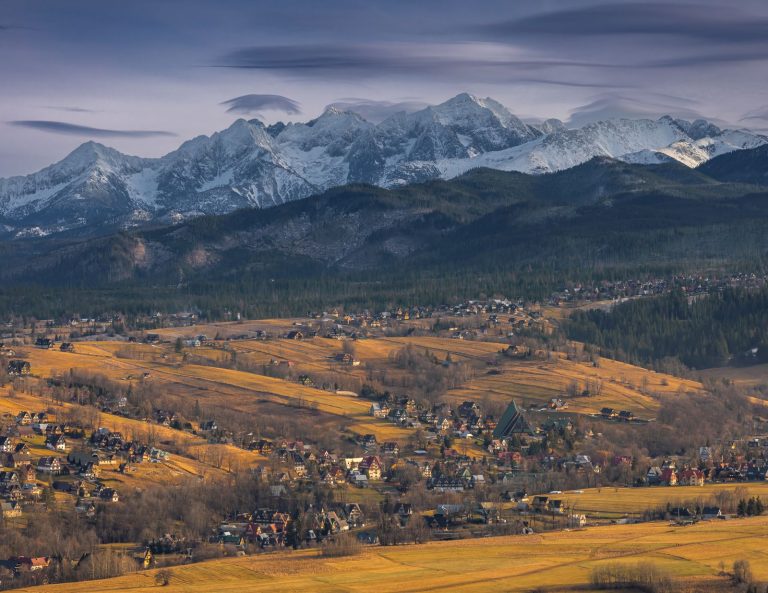
The Tatra mountains.
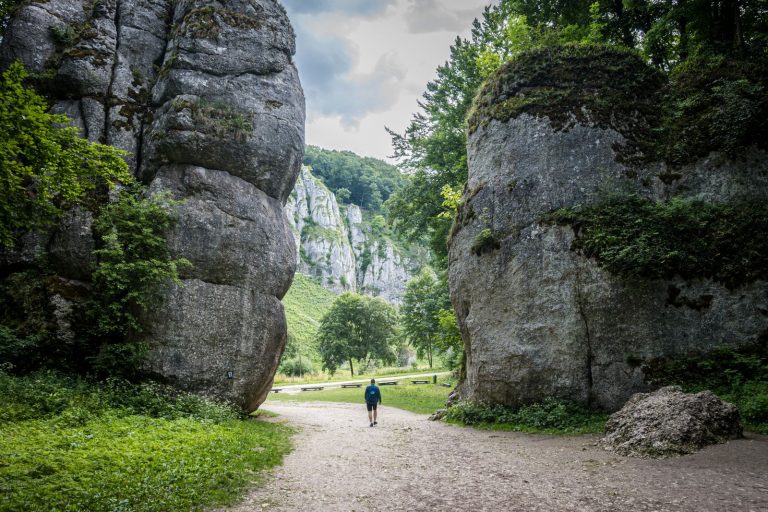
Limestone valleys, caves and a castle, close to the city.
The nativity-scene competition in December is on UNESCO's intangible heritage list.
 Staff pick
The International Book Fair in Krakow, Poland, is a major gathering for book lovers, authors, and publishing professionals. Since its founding in 1997, the…
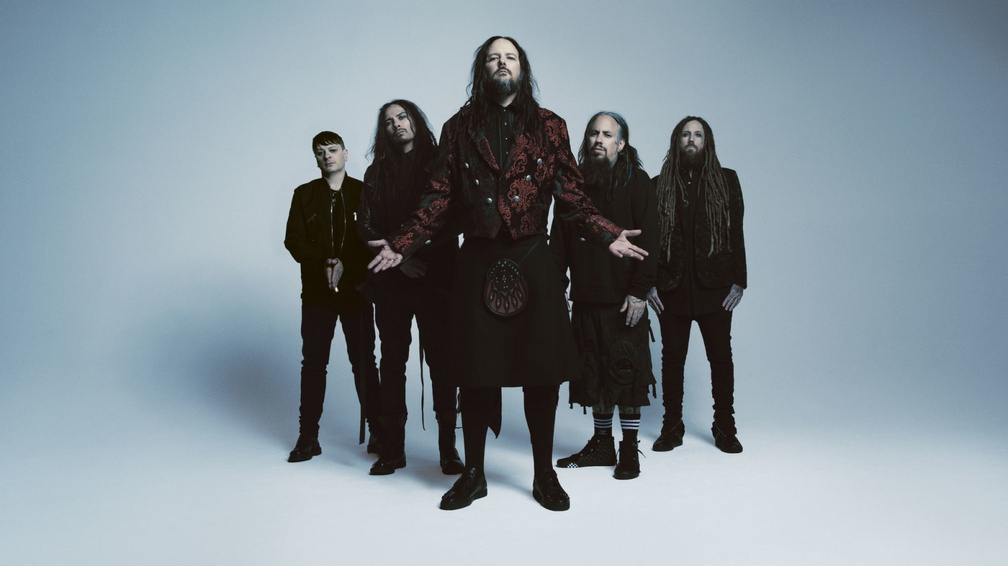 Staff pick
Korn is a nu metal band from California known for their Billboard 200 #1 albums like Follow the Leader and Issues. They have sold…
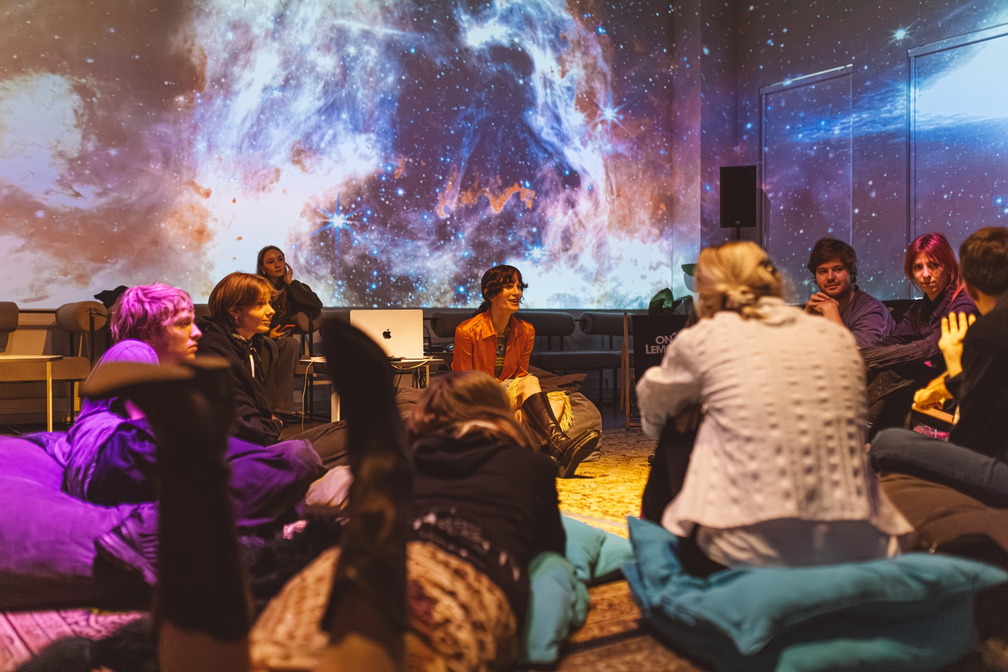 Staff pick
Unsound Krakow is a renowned experimental music and arts festival that explores cutting-edge sounds and ideas, drawing artists and audiences from around the world.…
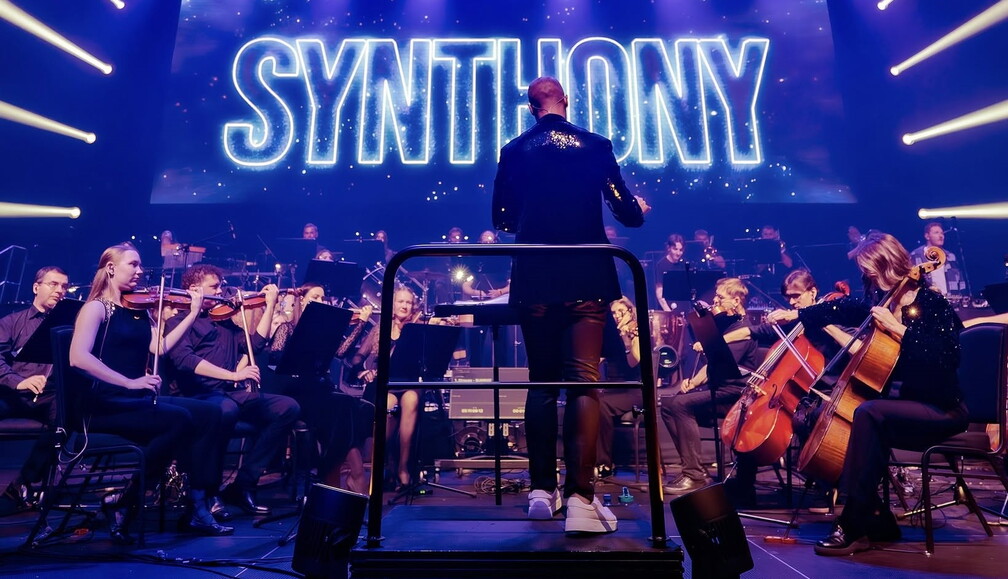
A full orchestra meets the biggest names in electronic music history, from Avicii to Swedish House Mafia, with DJs, vocalists, and immersive visuals bringing…

Seven of Poland's most beloved comedy acts share one stage for an evening of brand-new material and sharp wit. The lineup includes Kabaret Nowaki,…
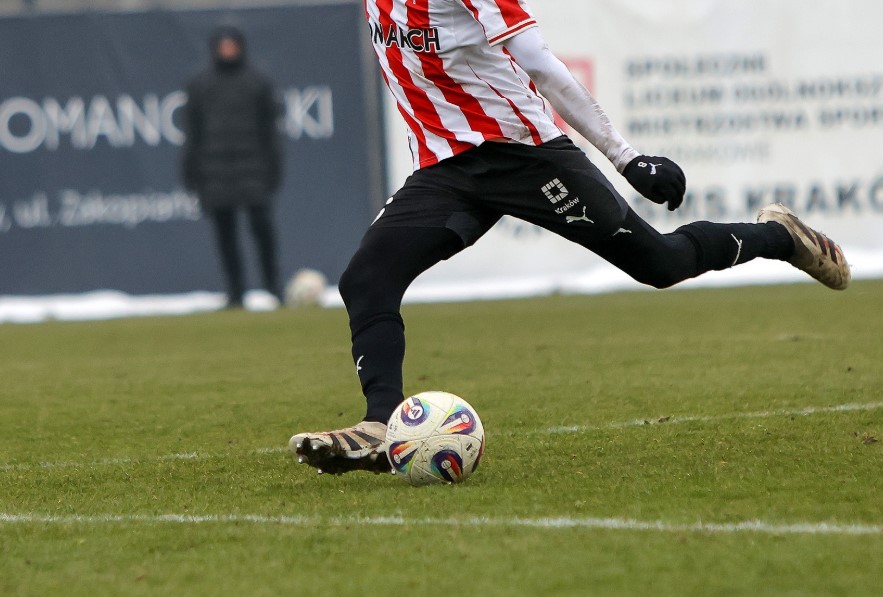
A PKO BP Ekstraklasa match between Cracovia and Legia Warszawa is scheduled for October 17, 2026. The game will take place at Stadion Cracovii…
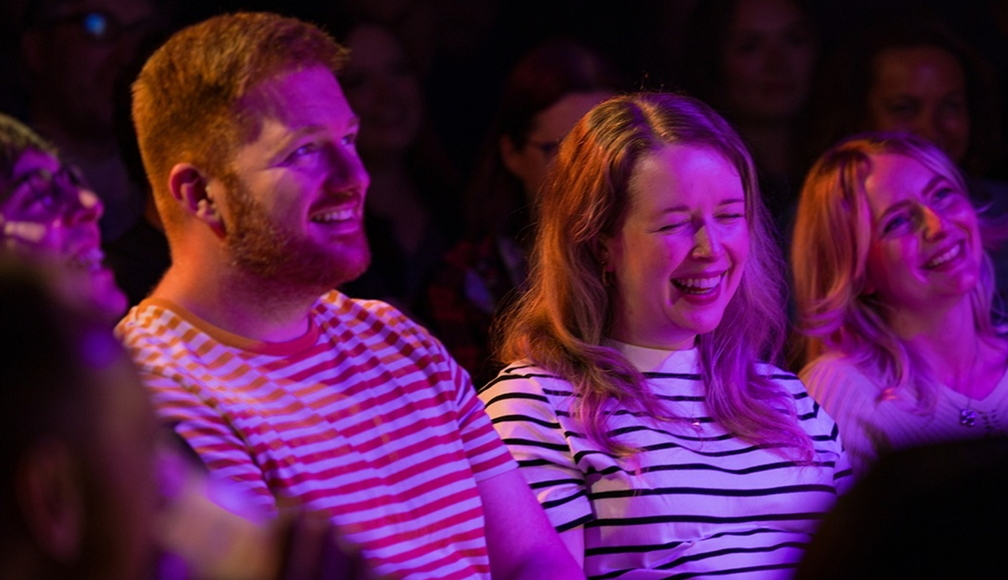
Some of Poland's biggest comedy names share one stage for a night of live stand-up at Tauron Arena. The lineup includes Kacper Ruciński, Piotrek…

Ricchi & Poveri, one of Italian pop's most enduring acts, brings decades of chart-topping hits to Tauron Arena in Kraków. Since the 1970s, this…
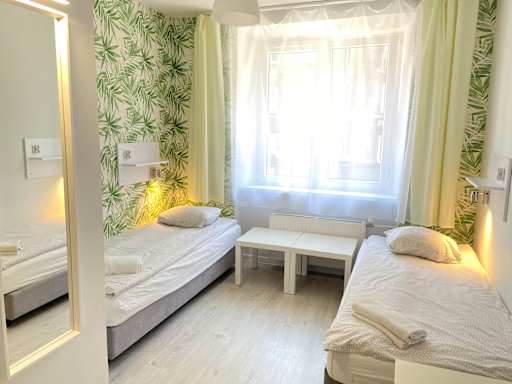
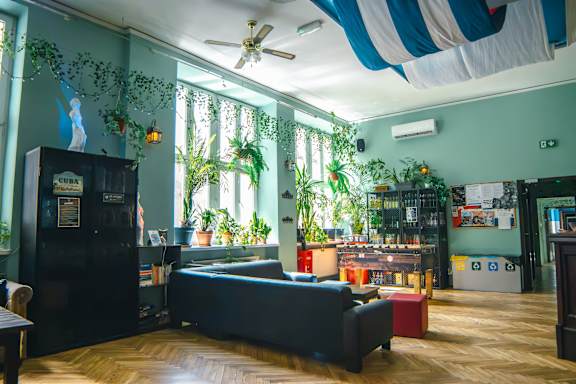
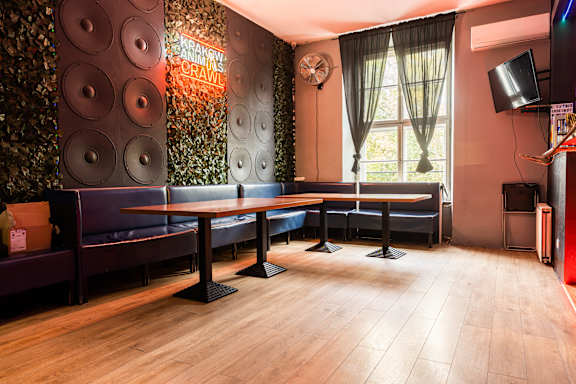
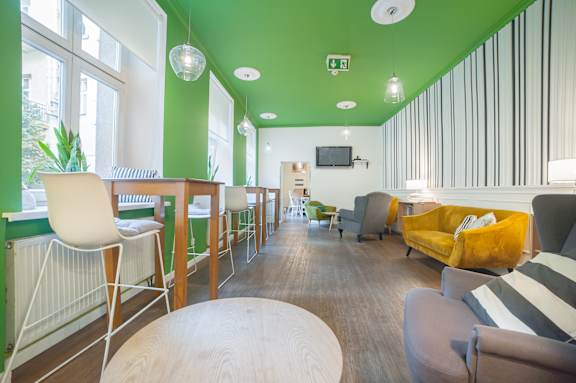
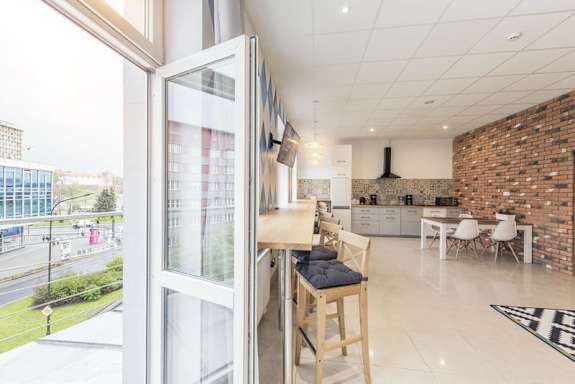
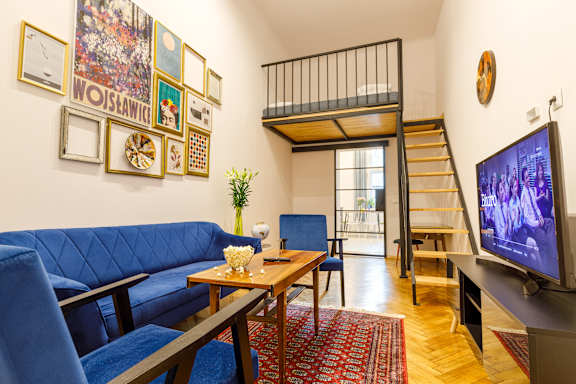
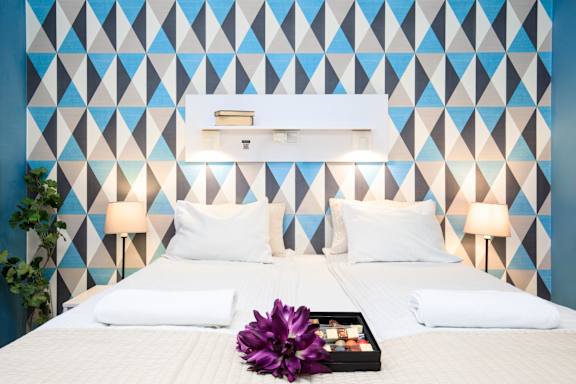
The top-rated places to stay in Kraków right now, live from Hostelworld.

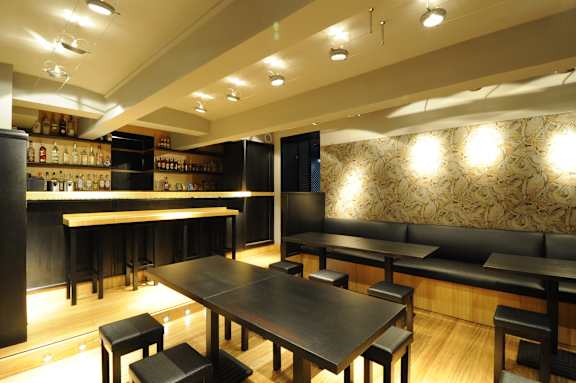

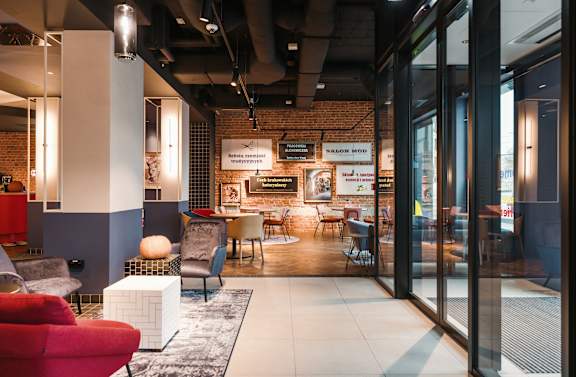

May, June and September are best. December has one of the best Christmas markets in Europe.
Average highs. Winters are cold, and summers can be hot and stormy.
Pick how you travel. Per person per night, in euros.
Prices are in złoty locally; these are euro equivalents. Excludes Auschwitz guided tours and the salt mine.
The ones we get asked most.

Compare Kraków hostels — live prices, real reviews and free cancellation on most bookings. Then meet the people already there in the app.

 Get the App.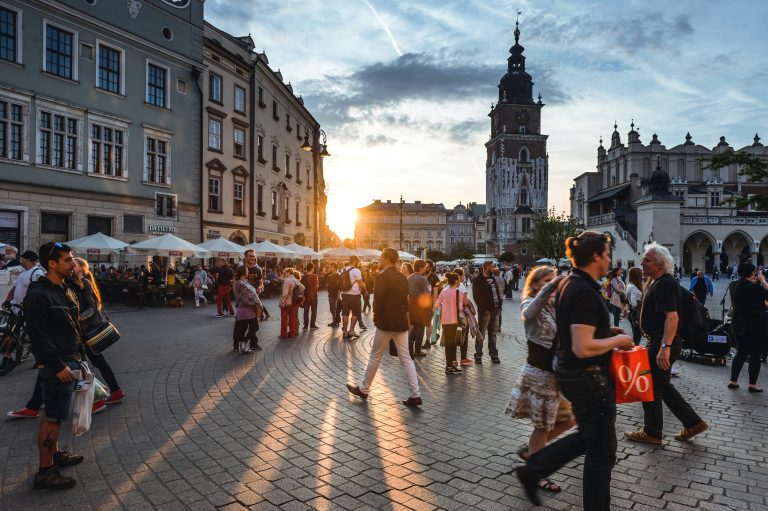
 Get the App.