Old town
First-timersAround Dobó Square: the baroque centre, the basilica, restaurants and everything walkable.

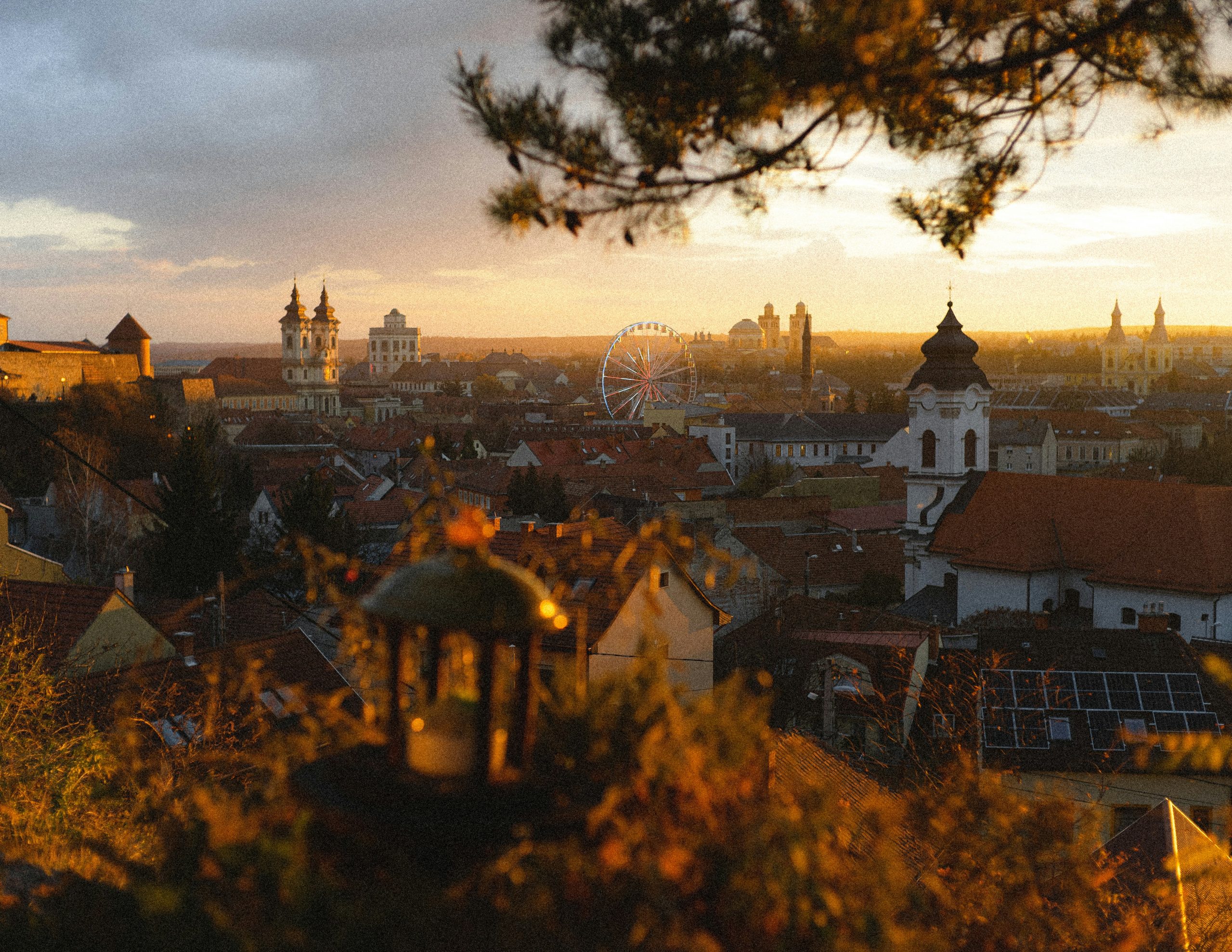
A baroque town under a castle that held off an Ottoman army, with a horseshoe valley of wine cellars cut into the rock on its edge.
In 1552 the castle at Eger was defended by around two thousand people against an Ottoman army many times that size, and it held. The siege became the founding story of Hungarian resistance, taught in every school and the subject of the country's best-known historical novel.
The Ottomans took the town forty-four years later and stayed for ninety, which is why a forty-metre minaret still stands in the middle of a baroque Hungarian town — the northernmost surviving Ottoman minaret in Europe.
What was built afterwards is the town you see now: a compact eighteenth-century centre of yellow and ochre facades around a large square, with the basilica at one end.
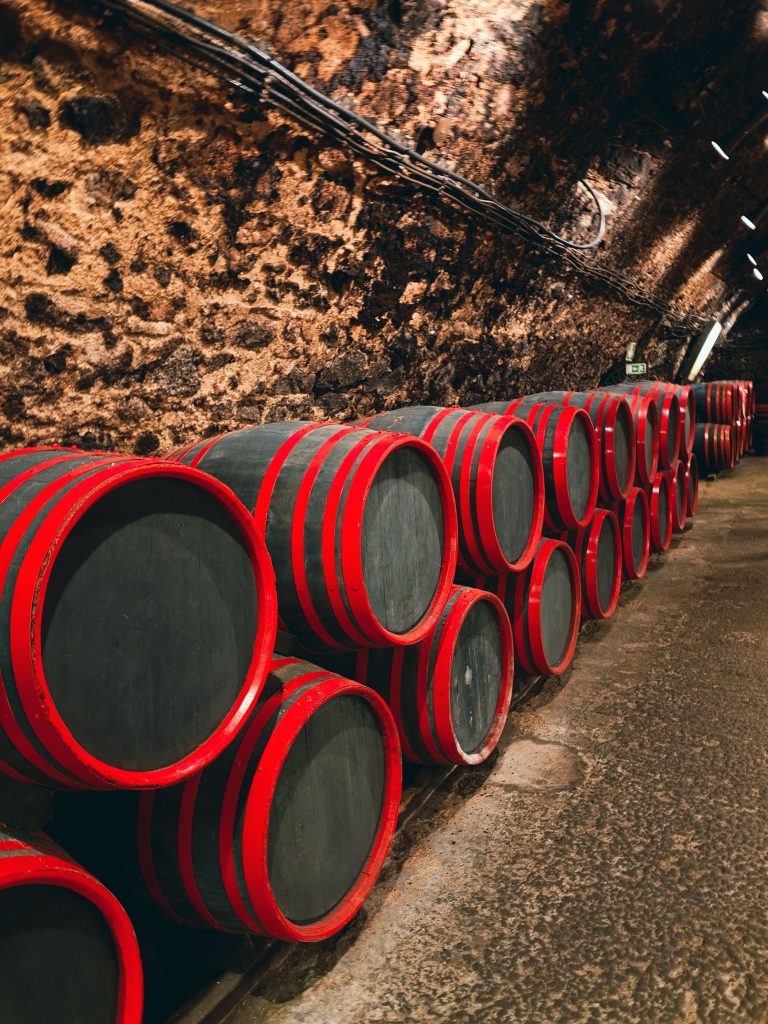
On the western edge is the Szépasszony-völgy, the Valley of the Beautiful Women, where dozens of wine cellars are cut into the tufa rock in a horseshoe. You walk from door to door tasting. Egri Bikavér, Bull's Blood, is the red the region is known for.
One night, two if you drink properly.
A small baroque centre with the castle above and the wine valley just west.
Around Dobó Square: the baroque centre, the basilica, restaurants and everything walkable.
West towards Szépasszony-völgy: quieter guesthouses and a short walk back from the cellars.
Map © MapTiler © OpenStreetMap contributors.
The castle, around 3,000 to 4,500 HUF depending on what you include, sits above the town and holds the story of the 1552 siege along with casemates cut into the rock beneath it. The underground tour is the better part.
Climb the minaret if you are not claustrophobic — it is forty metres, the staircase is a tight spiral barely wide enough for one person, and the entry fee is small. People turn back partway up more often than you would expect.
The basilica is the second-largest church in Hungary and free to enter, with organ recitals through the summer.
The Lyceum opposite has a frescoed library and an eighteenth-century camera obscura in the tower that still projects a live image of the town onto a table.
Then walk to Szépasszony-völgy. Around thirty cellars are cut into the rock around a horseshoe-shaped valley, most family-run, and a glass costs a few hundred forint. This is the reason most people stay the night.
The baroque old town and Dobó Square cost nothing and are the main pleasure here.
The basilica is free to enter, and summer organ recitals are either free or very cheap.
Walking up to the castle walls and around the outside is free — only entry to the grounds and exhibitions charges.
The walk out to Szépasszony-völgy takes about twenty minutes and costs nothing; only the wine does.
The hills of the Bükk National Park start at the edge of town, with marked trails and no entry fee.
The wine is the point. Egri Bikavér — Bull's Blood — is the famous red blend, named after a siege legend about defenders drinking wine so heavily stained that the Ottomans believed they were mixing it with bull's blood. Egri Csillag is the white blend and is arguably the better wine.
In the valley cellars a glass is a few hundred forint — often under €1 — and many will pour straight from the barrel. Take cash.
A restaurant main in town is 3,500 to 6,000 HUF, about €9 to €15.
Hungarian food here is the standard repertoire done well: pörkölt, stuffed cabbage, goose, and freshwater fish.
A beer is around 1,000 to 1,600 HUF, about €2.50 to €4.
The Valley of the Beautiful Women is the nightlife, and it is a particular kind. Around thirty cellars around a horseshoe valley, most of them small and family-run, and the evening consists of moving between them.
Some are quiet rooms with a barrel and four chairs. Others have a band and tables outside. Prices are low enough that the limiting factor is your own judgement rather than your budget.
In town, Dobó Square and the streets off it have bars, and a beer is €2.50 to €4.
There is a college in Eger and term time brings a student crowd, but this is a town of 50,000 and the evening is wine-shaped rather than club-shaped.
Walk back or take a taxi — the valley is twenty minutes from the centre on foot and the road is unlit in places.
The old town is small and walkable, and the castle is a five-minute climb from the main square.
Szépasszony-völgy is about twenty minutes on foot from the centre, slightly uphill on the way out and downhill coming back, which is the right way round.
Local buses cost a few hundred forint and taxis within town are cheap — worth taking back from the valley at night.
Trains from Budapest take about two hours and cost around 3,500 HUF (about €9), running several times a day.
Eger works well as an overnight stop between Budapest and eastern Hungary or Slovakia, and the Bükk hills are immediately north for walking.
Cheap, even by Hungarian standards. Beds are €12 to €28, a main €9 to €15, and a beer €2.50 to €4.
A day is €30 to €60.
The wine is the striking part — a glass in a valley cellar is often under €1, and a bottle to take away costs a few euros.
Take cash to the valley. Many cellars are small family operations that do not take cards, and there are no machines down there.
The castle at about €8 to €12 is the main entry, and everything else in town is free or close to it.
Eger is a very safe small town and crime against visitors is minimal.
The wine is the actual risk. Cellar measures are generous, the wine is stronger than it tastes, prices are low enough to remove the usual brake, and hosts pour freely for people showing interest. Eat before you go down and pace yourself deliberately — the valley has caught out a great many visitors who intended to try three cellars.
The walk back to town is twenty minutes, partly unlit and along a road with traffic. Take a taxi after dark, which costs very little.
The minaret staircase is extremely narrow, with two-way traffic on a tight spiral and no room to pass comfortably. If you are claustrophobic, do not start.
The castle casemates are uneven, low in places and slippery. Emergency number is 112.
Hills, caves and another wine region north.
The sweet wine region, UNESCO-listed, with cellars cut deep into the hillsides.
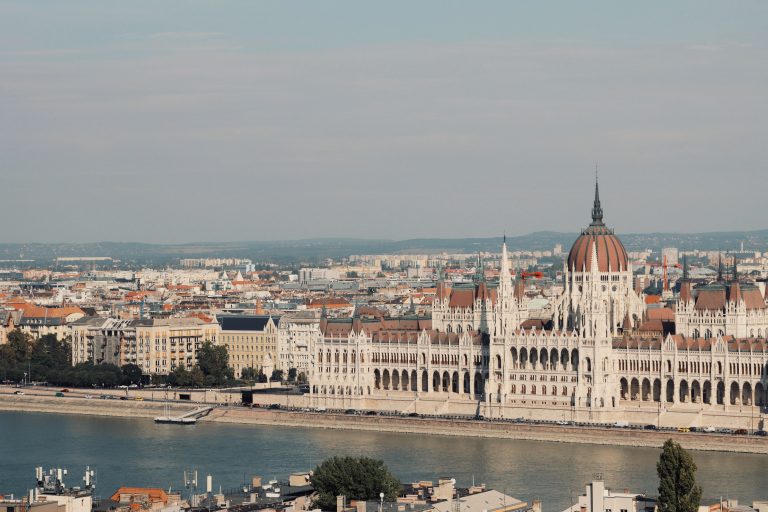
The capital, easy in either direction.
A harvest in September and a siege re-enacted at the castle.
The vintage, when the cellars are working and the valley is at its busiest and best.
Historical displays and re-enactments around the 1552 siege, through the warmer months.
Short recitals on the largest organ in Hungary, free or very cheap.
A wine festival on the main square focused on the region's red blend.
A small market on the baroque square, with mulled Bikavér.
May to October. September and October are harvest and the best of it.
Average highs. Cellar opening hours in the valley are irregular outside summer — afternoons and weekends are reliable, weekday mornings in winter are not.
Pick how you travel. Per person per night, in euros — you will pay in forint.
Shown in euros for comparison; you pay in forint and should carry cash for the wine cellars.
The ones we get asked most.

Compare Eger hostels and guesthouses — live prices, real reviews and free cancellation on most bookings. Then meet the people already there in the app.

 Get the App.
 Get the App.