Grand Place and the centre
First-timersThe medieval core: the square, the galleries, the beer bars and most of the hostels. Busy and central.

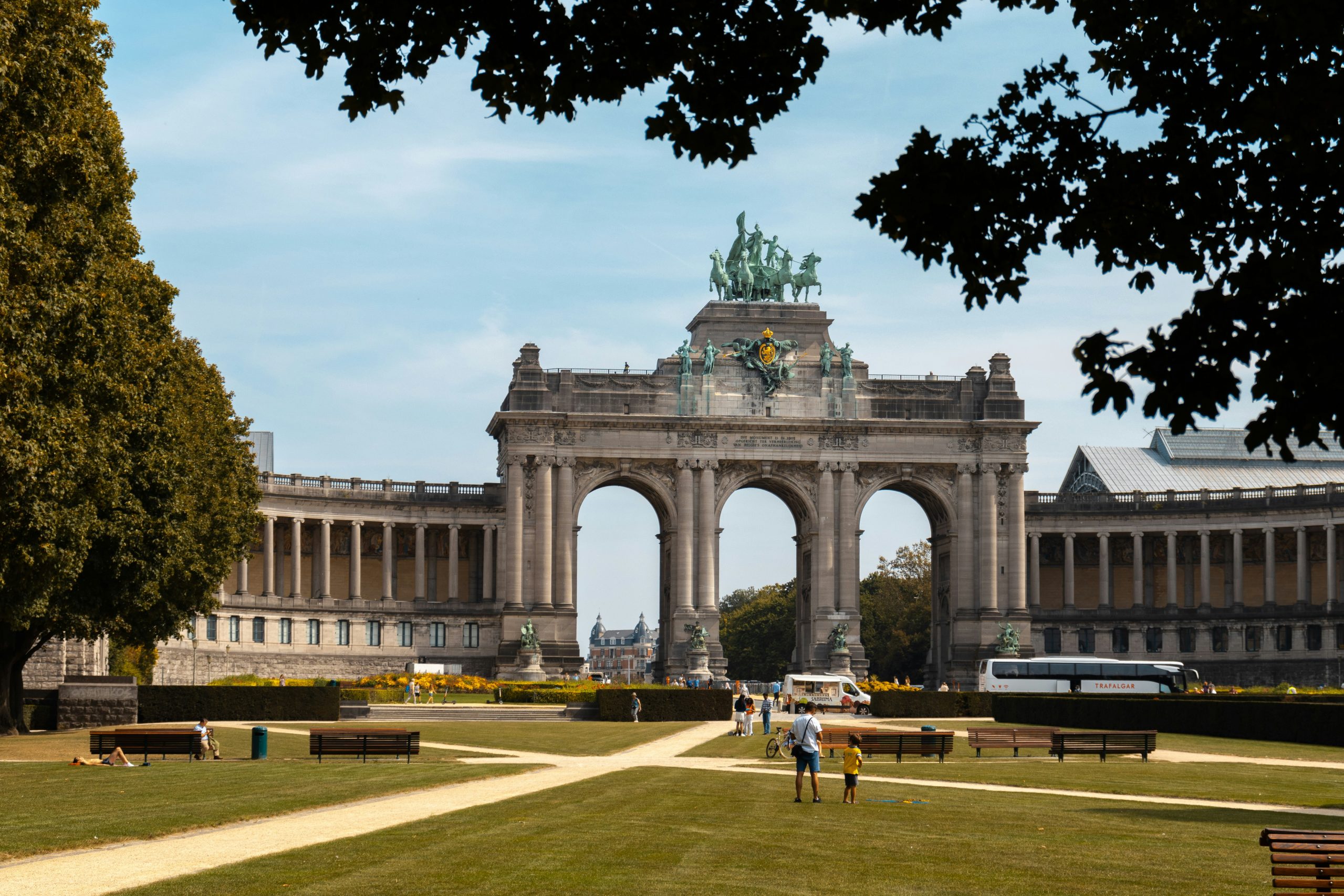
A capital of two languages and three regions, with the best Art Nouveau in Europe, 1,500 beers and a statue of a urinating child that the whole city is oddly committed to.
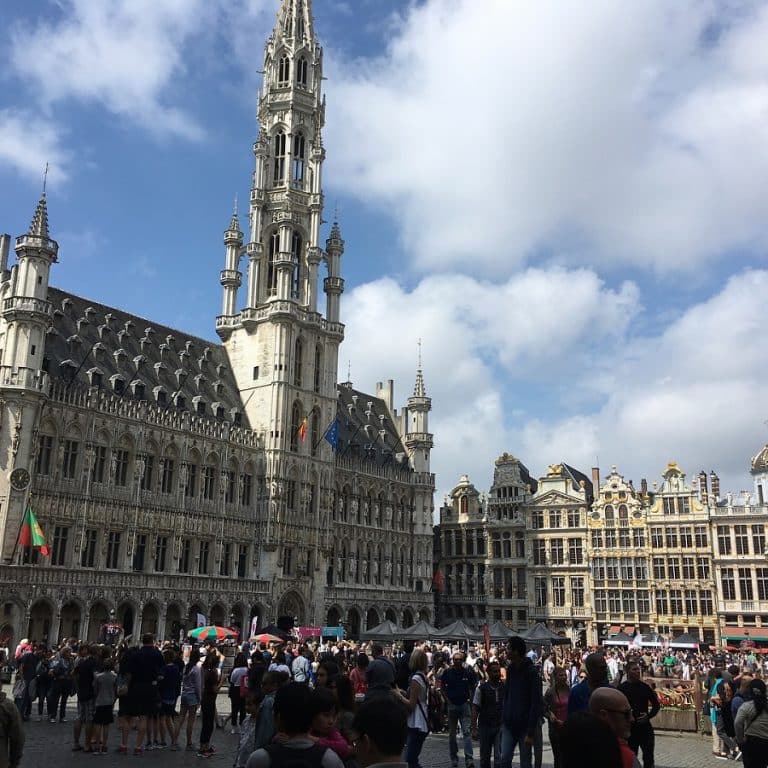
Brussels has a reputation for being grey and bureaucratic, which comes from people who saw the EU quarter and left. The actual city is stranger and better: a Grand Place that Victor Hugo called the most beautiful square in Europe, four Horta houses that invented Art Nouveau, comic murals on gable ends across the centre, and a food and bar culture that outclasses anywhere in the country.
It is officially bilingual, sits inside Flanders while belonging to neither region, and about a third of residents are foreign nationals — which is why the food is what it is.
The centre is compact and walkable. Two or three days, and it repays going beyond the Grand Place, which is the part most visitors never do.
The centre sits in a pentagon defined by the old walls. Everything below is inside it or a tram ride out.
The medieval core: the square, the galleries, the beer bars and most of the hostels. Busy and central.
North-west of the centre, around the old fish market, with the best restaurant strip and a calmer feel.
South of the centre: a flea market every morning, antique shops, cheap cafés and a working-class history.
South-east, around the ponds and the university, with the best bar scene and African quarter at Matonge.
South-west, with Horta's own house, wide avenues of Art Nouveau facades and lower prices.
Orange labels are neighbourhoods, dots are the 12 top-rated hostels. Map © MapTiler © OpenStreetMap contributors.
The Grand Place takes twenty minutes and is worth every one of them — guild houses in gilded stone around a square that is genuinely extraordinary at night when it is lit and empty.
Then leave it. The Horta Museum in Saint-Gilles is the architect's own house, preserved as he built it in 1901, and it is the single best thing in the city: a stairwell of glass and iron that explains Art Nouveau in a way no book does.
The Royal Museums of Fine Arts hold the Bruegels and an entire Magritte museum next door.
The comic strip route runs some fifty murals across the centre, free and self-guided, and the Belgian Comic Strip Center sits in a Horta-designed department store.
Atomium, from the 1958 World's Fair, is nine steel spheres 102 metres high, and the view is better than the exhibitions inside.
The Grand Place, the comic murals, the Galeries Royales Saint-Hubert and the Mont des Arts view all cost nothing.
Many federal museums are free on the first Wednesday afternoon of the month, including the Fine Arts and the Magritte.
The Marolles flea market on Place du Jeu de Balle runs every morning and is free to browse, as is the Sunday market at Gare du Midi, the largest in the country.
Parc du Cinquantenaire, the Bois de la Cambre and the Sonian Forest — a UNESCO-listed beech forest at the end of tram 44 — are all free and large.
The Saint-Gilles and Schaerbeek Art Nouveau facades are best seen from the street anyway.
Belgium takes beer seriously enough that its café culture is UNESCO-listed. Trappist ales brewed by monks, lambics fermented with wild yeast, gueuze that tastes closer to cider vinegar than beer — a glass is €3.50 to €6 and the good bars will guide you.
Moules-frites is the dish, in season roughly September to April, at €22 to €30. Frites come from a friterie in a paper cone with sauce, and cost €3.50 to €5 — they are fried twice, and the second fry is the point.
Carbonnade flamande, beef slow-cooked in dark beer, is the winter staple.
Avoid the Rue des Bouchers, the restaurant alley near the Grand Place with touts outside. It is the one genuine tourist trap in the city and locals never eat there.
The beer bars are the main event and they are institutions rather than pubs: Delirium with its enormous list, A la Mort Subite with its 1928 interior, and Moeder Lambic for lambics poured by people who care.
Ixelles and the Flagey area have the student and late scene, and Matonge next to it is the Congolese quarter with bars that run very late.
Saint-Géry in the centre is the busy nightlife square, and the Marolles has quieter, older cafés.
A beer is €3.50 to €6, and Belgian beers run to 8 or 9 per cent — the ones that taste like fruit juice are often the strongest, which catches people out reliably.
Metro, tram and bus run on one STIB ticket: a single is €2.40, a day pass €8, and you tap on entry every time including trams.
The airport train to Central takes 20 minutes and costs about €12. Charleroi, which budget airlines call Brussels South, is 50 kilometres away and takes 55 minutes by shuttle bus at about €17 — build that into your planning.
Trains to Bruges, Ghent and Antwerp take 35 to 60 minutes and cost €10 to €18, with a Weekend Ticket giving roughly half price on Saturdays and Sundays.
The centre is walkable and the city is hillier than it looks between the lower and upper towns.
Mid-range, and cheaper than Amsterdam or Paris. Dorms are €22 to €40, a beer €3.50 to €6, frites €3.50 to €5, and a restaurant main €18 to €28.
A day is €55 to €85.
The savings are specific: the first-Wednesday-afternoon free museums, frites and a beer instead of a sit-down dinner, the €8 day pass, and the weekend train discount if you are day-tripping.
Museum entry runs €10 to €15 each, and the Fine Arts and Magritte are on one ticket.
Brussels is broadly safe, with the caveats of any capital. Pickpocketing is common on the metro, around Gare du Midi and in the Grand Place crowds, and bag theft from café terraces happens.
The areas around Gare du Midi and Gare du Nord are worth avoiding late at night, and the Nord district has a red-light area immediately beside the station.
Traffic is assertive and cyclists have priority in marked lanes.
Trams are silent and frequent, and stepping into a tram lane while looking at a phone is the most common minor accident here. Emergency number is 112.
The whole country is inside two hours, and half of it inside one.
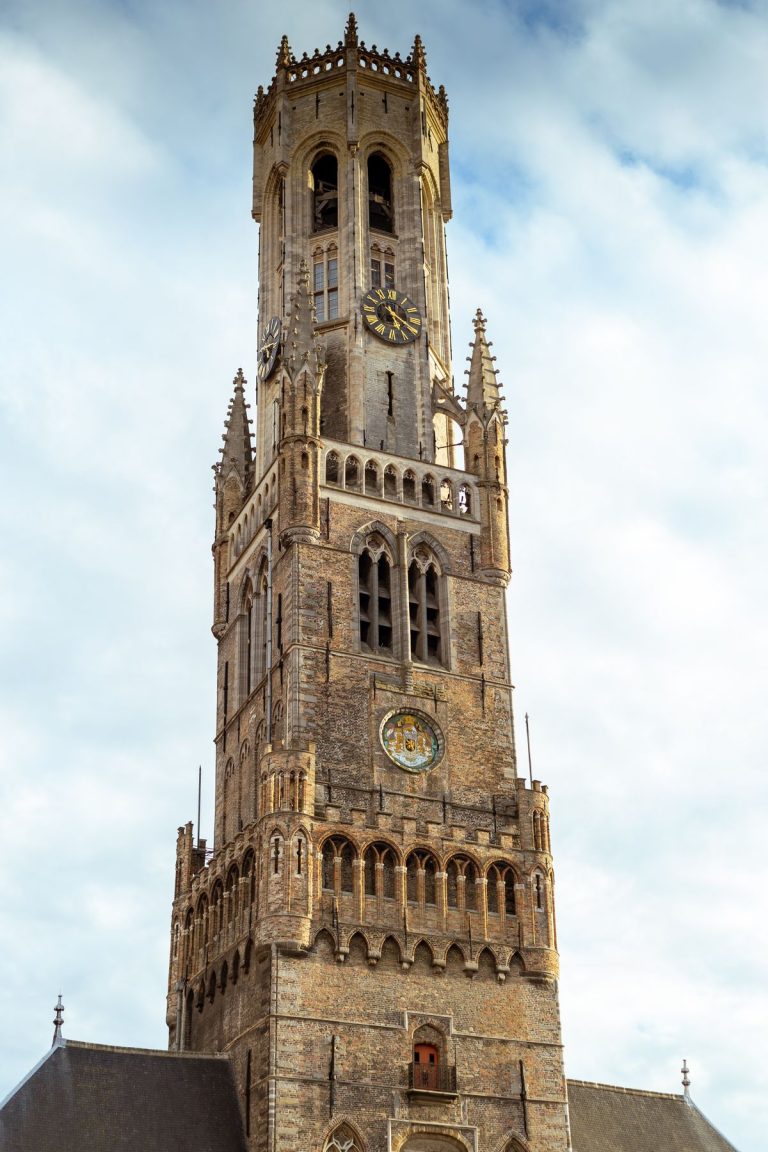
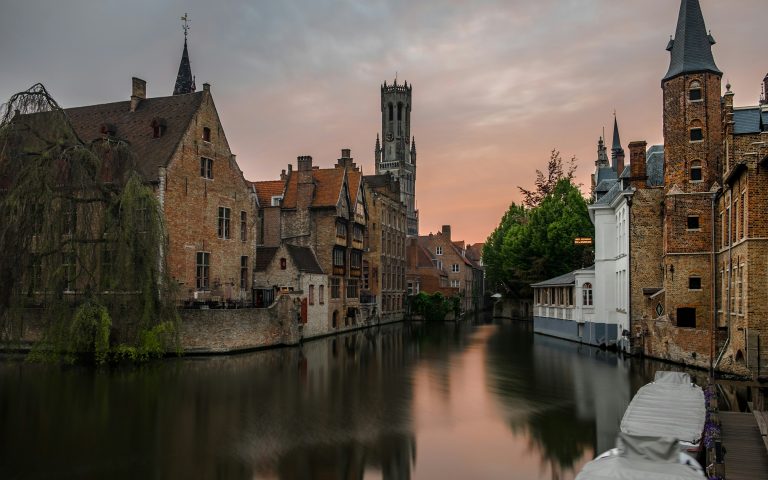
Medieval canals and cobbles. Go early or late — it is overwhelmed between eleven and four.
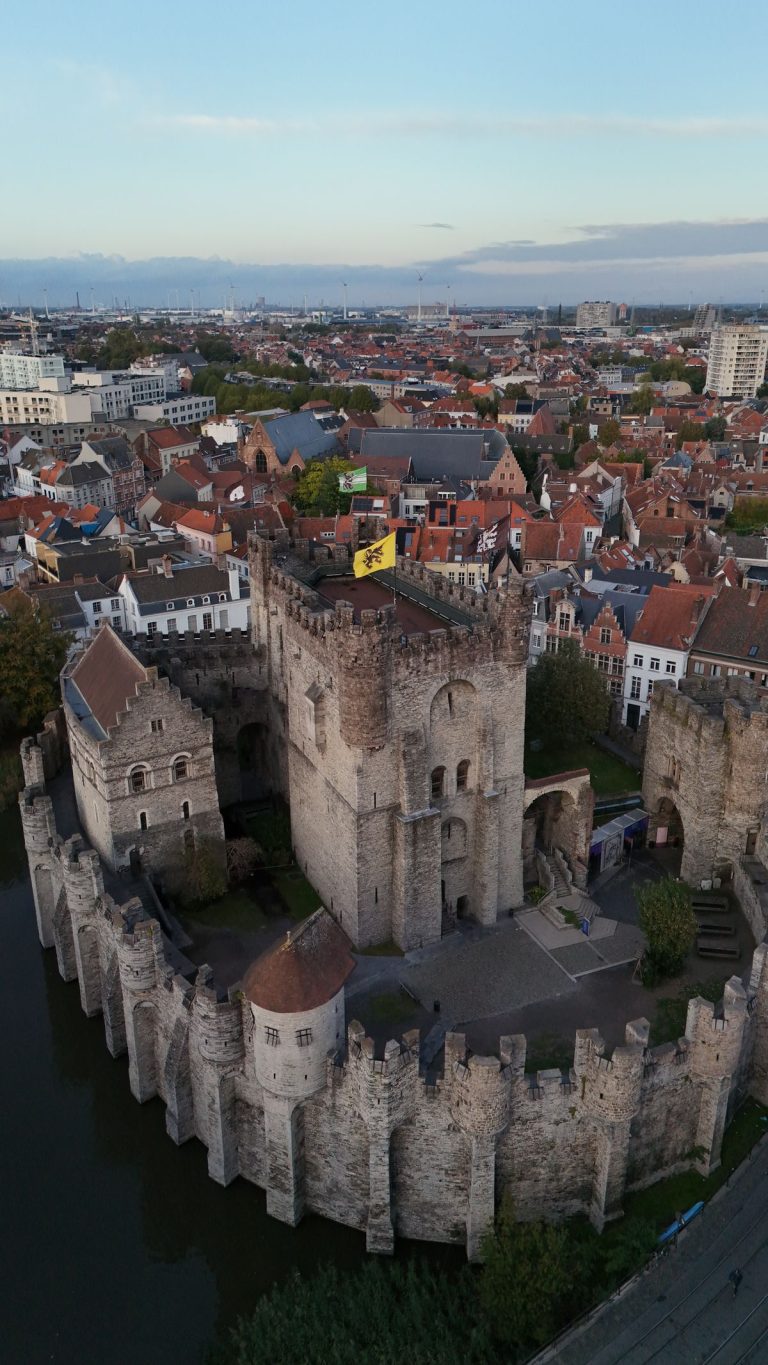
The better version of the same thing for many people: same canals, 70,000 students, half the tour groups.
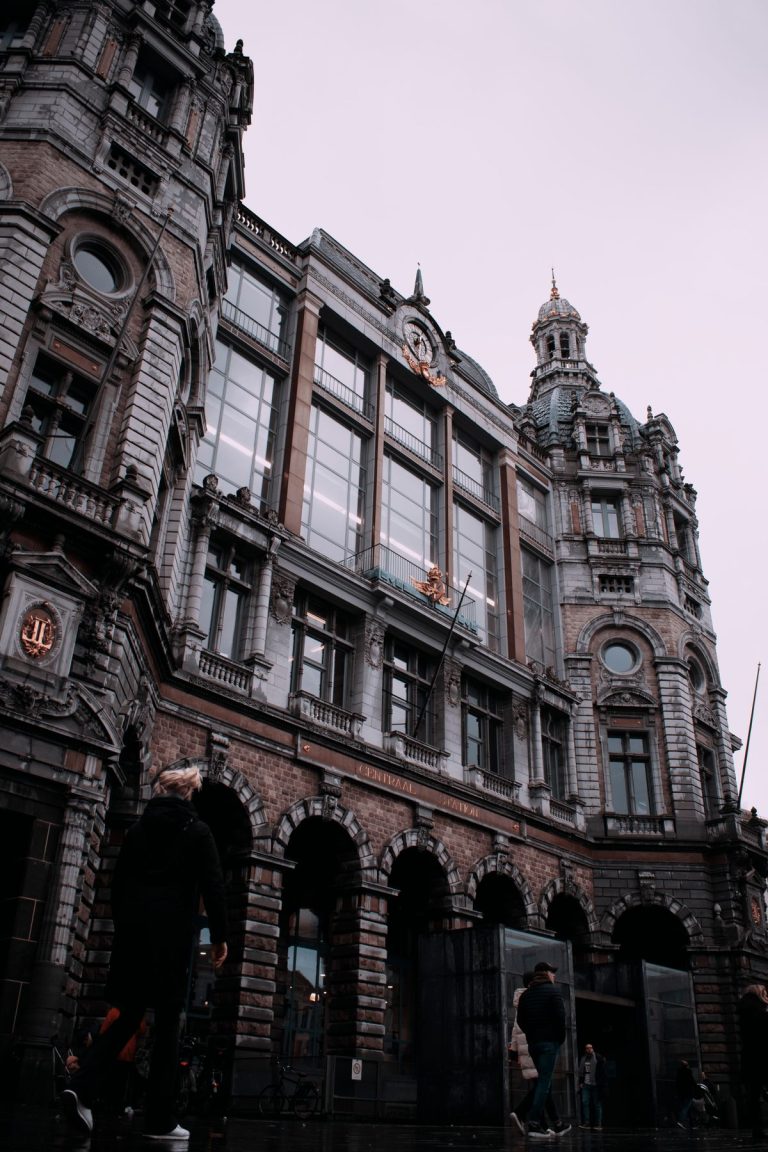
Fashion, diamonds, Rubens, and a railway station that is worth the trip on its own.
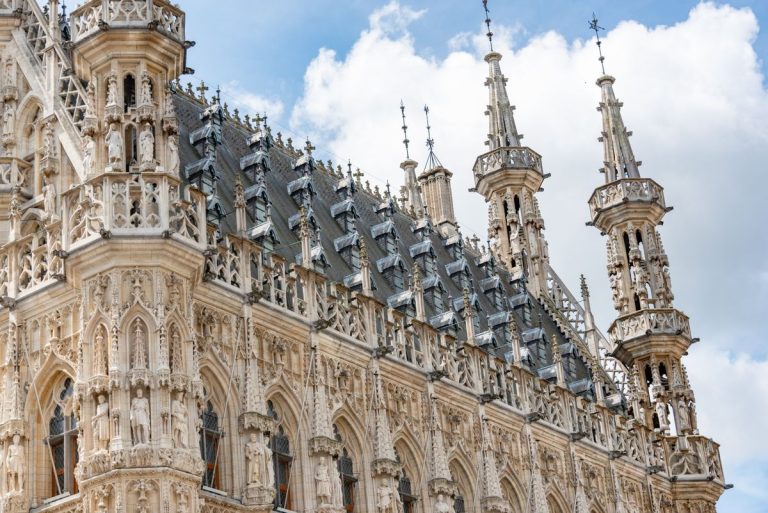
A university town with the longest bar in Europe and a town hall covered in 236 statues.
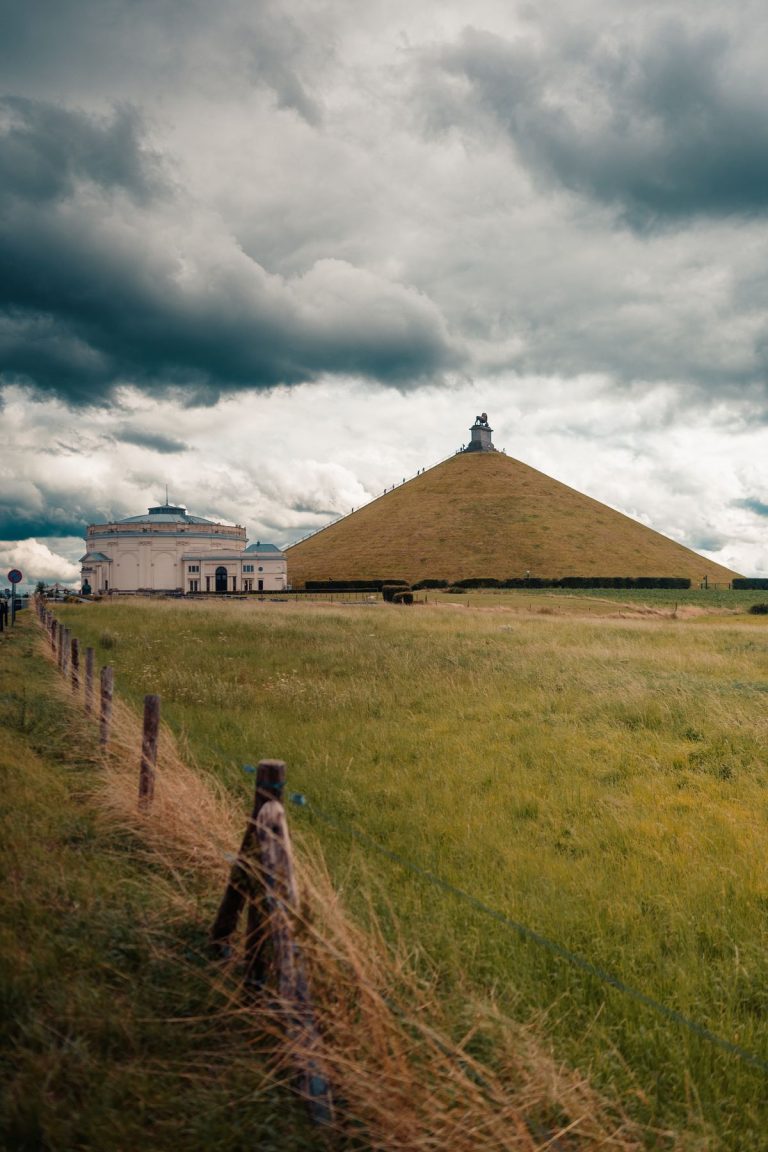
The 1815 battlefield, with a lion mound you climb for the view over the fields.
One of these covers the Grand Place in flowers, and it only happens in even years.
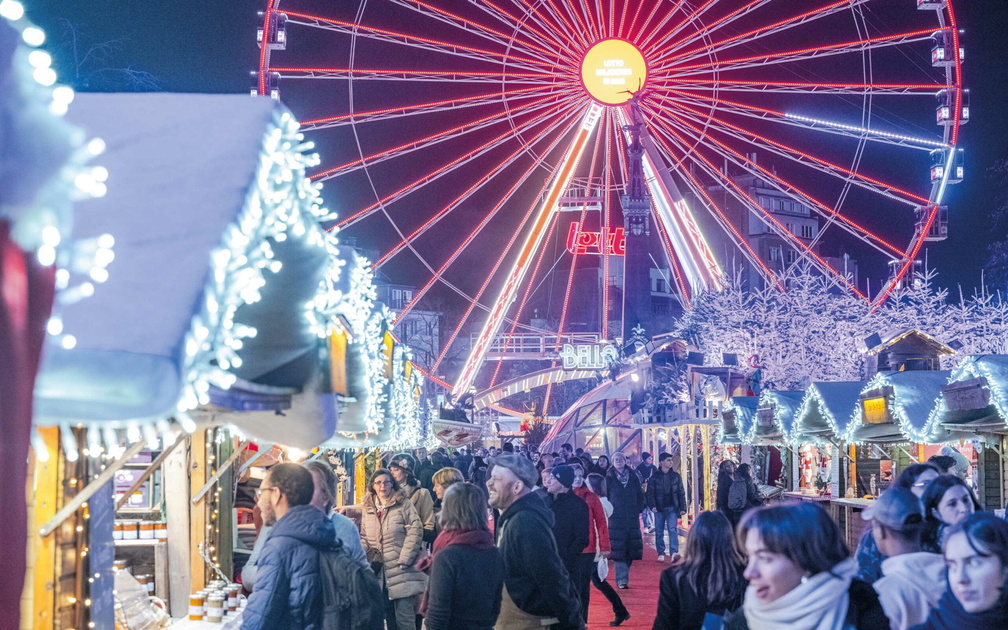 Staff pick
Enter Winter Wonders and explore the magical Christmas market with its array of unique gifts and delicious treats. This event features an ice rink,…
 Staff pick
Enter Heroes Comic Con and find yourself surrounded by fellow fans of comics, games, films, series, cosplay, board games, and other pop culture phenomena…
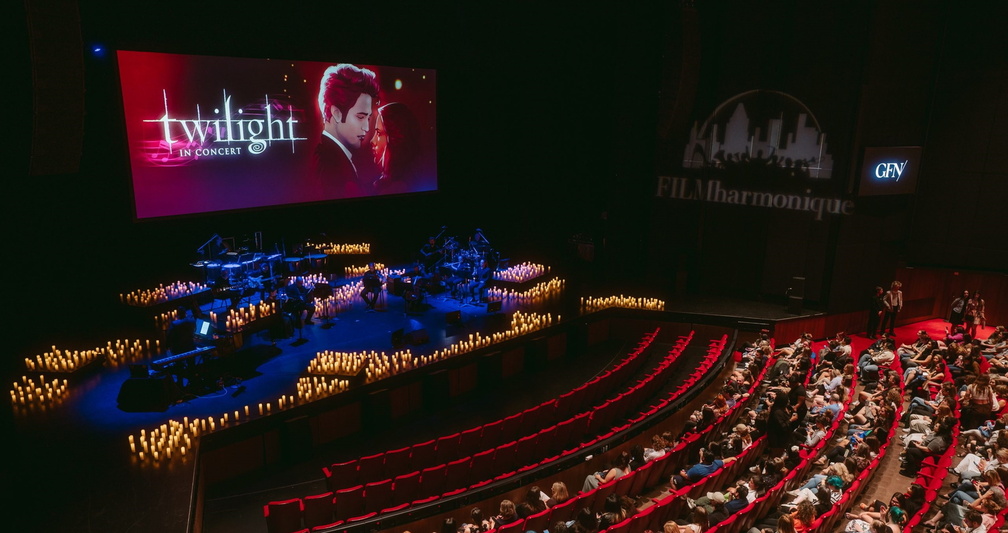 Staff pick
Twilight in Concert presents a live screening of the original film with a chamber orchestra performing Carter Burwell’s score in sync, offering fans a…

Winterpret and the Christmas Market bring festive life to the heart of Brussels during the year-end celebrations. You will find over 200 chalets, attractions…

Art on Paper is an international fair dedicated to works on paper, spanning from Old Masters to contemporary artists. You can explore drawings, prints,…
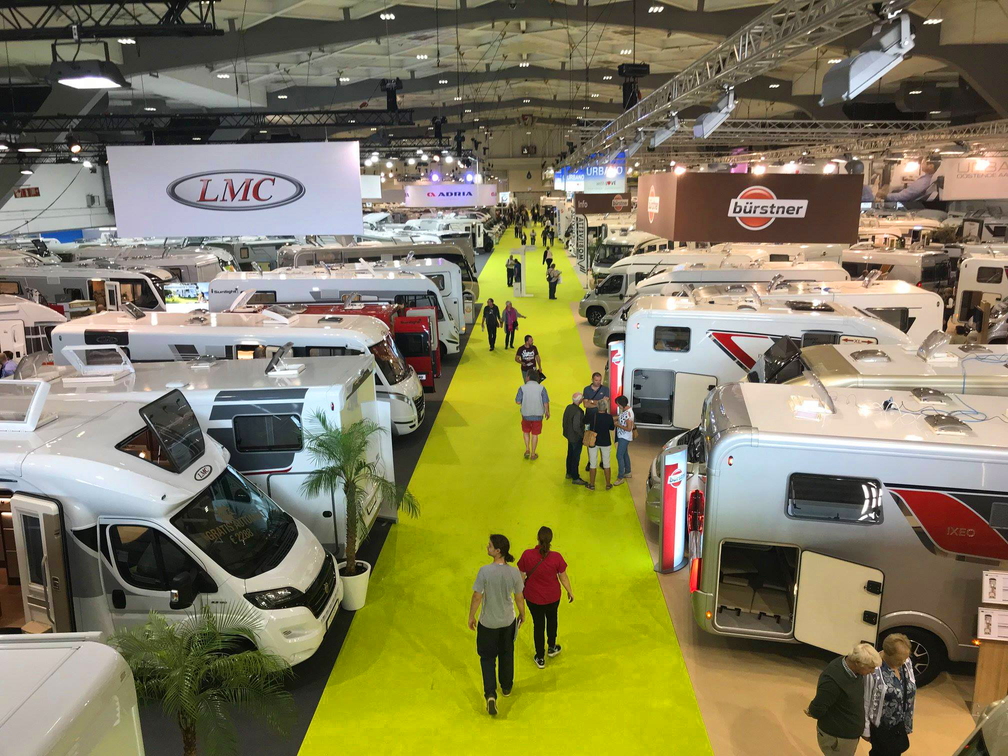
Mobicar is Belgium’s largest expo for caravan and motorhome enthusiasts, bringing together international exhibitors, hundreds of new models, and everything you need for the…

Tour & Taxis transforms into a Halloween celebration for 25 days filled with witches, giant pumpkins, and spooky decorations. You can enjoy a grand…

Comic Con Brussels brings together fans, creators, artists, and enthusiasts to celebrate geek culture in the heart of Brussels. The event transforms Gare Maritime…
A decent scene concentrated in the centre and Saint-Gilles, with good metro links from everywhere. Live from Hostelworld.
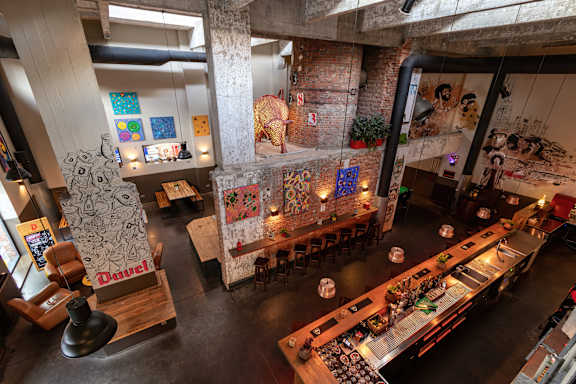
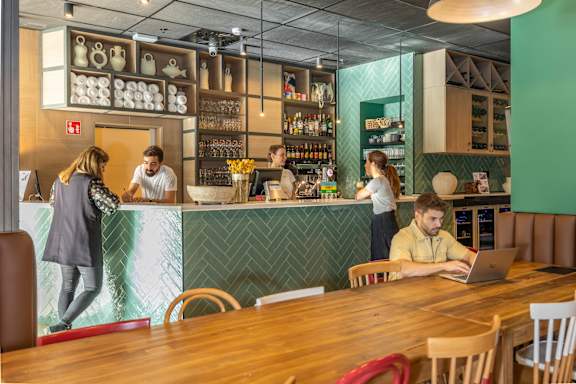
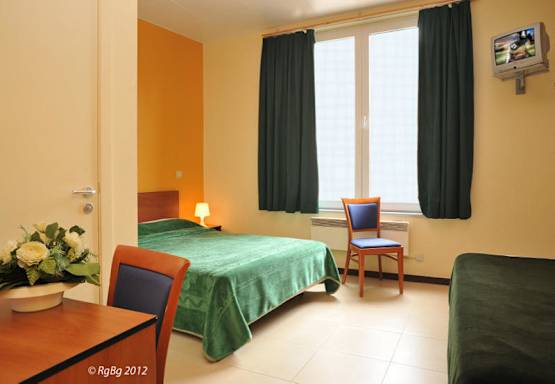
 Sustainable
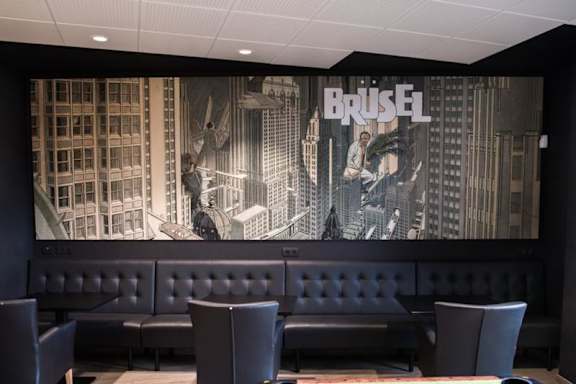 Sustainable
 Sustainable
 Sustainable
Spring and early autumn. It rains in every month, so plan around that rather than avoiding it.
Average highs. Brussels gets rain in roughly 200 days of the year, spread evenly — an umbrella matters more than the month you pick.
Pick how you travel. Per person per night, in euros.
Transport assumes the €8 day pass. Frites and a beer instead of a restaurant dinner is the single biggest saving here.
The ones we get asked most.

Compare Brussels hostels — live prices, real reviews and free cancellation on most bookings. Then meet the people already there in the app.

 Get the App.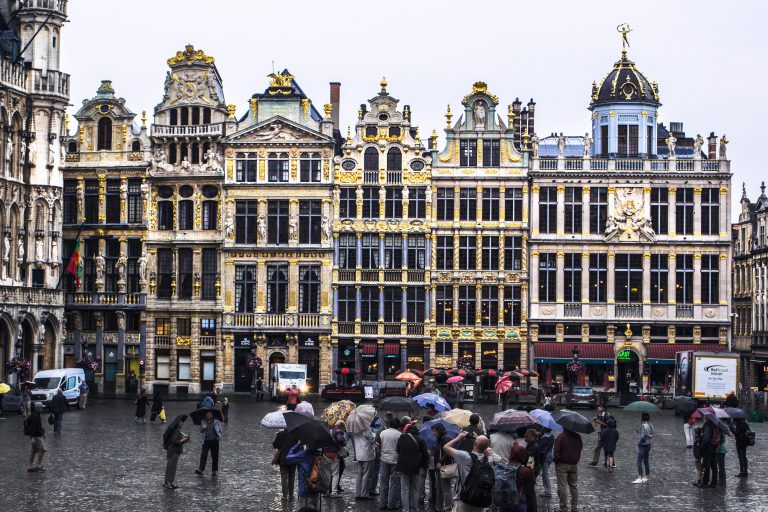
 Get the App.