Altstadt
First-timersThe old centre: Marienplatz, the Hofbräuhaus, the Viktualienmarkt and everything walkable.

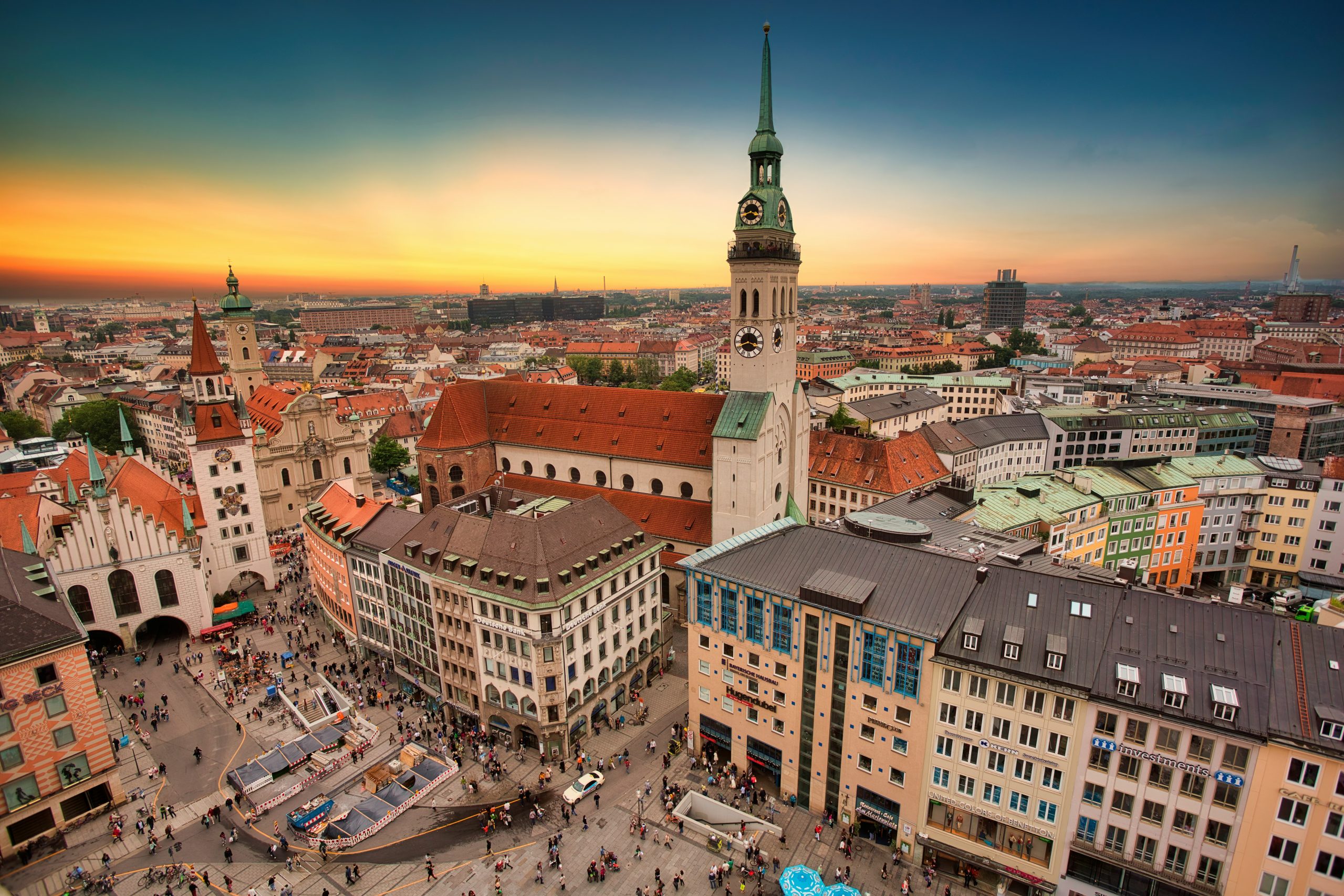
Beer halls, river surfing, the Alps an hour away, and the most expensive beds in Germany for two weeks every autumn.
Munich is the capital of Bavaria and behaves like the capital of a separate country, which for most of its history it was. The dialect, the food, the Catholicism and the politics are all distinct from the north, and locals are happy to explain the difference.
The beer culture is the real thing rather than a performance. Beer is served by the litre in a Maß, the halls are enormous and genuinely local, and the Reinheitsgebot — the 1516 purity law limiting beer to water, barley and hops — is still quoted with pride.
The Englischer Garten is larger than Central Park, and at its northern end people surf a standing wave on the Eisbach river, all year, including in snow.
The Alps are an hour south by train, which makes Munich the best big-city base for mountains in Germany.
It is expensive by German standards and extremely expensive during Oktoberfest. Three days, more if you use the mountains.
A compact centre ringed by distinct districts, all on the U-Bahn.
The old centre: Marienplatz, the Hofbräuhaus, the Viktualienmarkt and everything walkable.
Around the main station: the cheapest beds, good transport and a short walk into the centre.
North: the university quarter, the big art museums and the Englischer Garten on the doorstep.
South of the centre: the best bar district, the LGBTQ+ scene and good restaurants.
Orange labels are neighbourhoods, dots are the 12 top-rated hostels. Map © MapTiler © OpenStreetMap contributors.
Watch the surfers on the Eisbach. At the southern edge of the Englischer Garten a standing wave forms on the river and people queue to surf it year-round, including in winter. It is free, it is genuinely impressive, and it is the most unexpected thing in the city.
The Englischer Garten itself is larger than Central Park, free, and holds the Chinese Tower beer garden with seven thousand seats.
Go to a beer hall. The Hofbräuhaus is the famous one and is now largely visitors; Augustiner-Keller and the Hirschgarten are where Münchners actually go, and the Hirschgarten seats around eight thousand.
The Residenz, about €10, was the palace of the Wittelsbach dynasty and is far larger inside than the frontage suggests.
The Deutsches Museum, about €15, is one of the largest science and technology museums in the world and takes half a day.
For history, the Dachau memorial site is forty minutes out and free.
The Englischer Garten is free and enormous, and the Eisbach surfers cost nothing to watch.
The Dachau Concentration Camp Memorial Site is free, forty minutes away on the S2 and a bus, and is a serious visit rather than a sight.
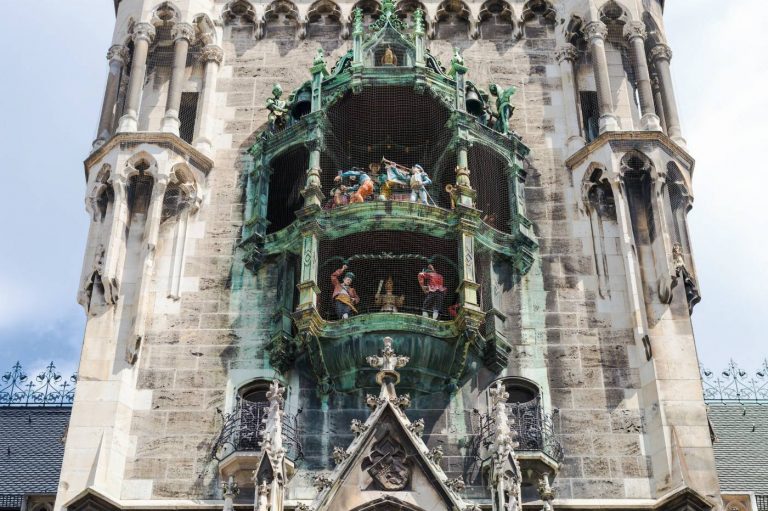
Marienplatz and the Glockenspiel are free — the figures perform at 11am and noon, with an extra show at 5pm in summer, and it is much shorter than the crowd implies.
The Viktualienmarkt is free to walk and has a beer garden in the middle where you may bring your own food.
Olympiapark, built for the 1972 Games, is free, and the hill made from war rubble gives a view to the Alps on a clear day.
Many state museums charge just €1 on Sundays, which is the best-value cultural day in Germany.
Bavarian food is heavy and specific. Weißwurst, the white veal sausage, is eaten before noon with sweet mustard and a pretzel, and traditionally should not hear the midday bells — you peel the skin rather than eating it.
Schweinshaxe, roast pork knuckle, is the big plate at €16 to €24, and Obatzda is the cheese spread eaten with pretzels in beer gardens.
Beer comes by the litre. A Maß is €13 to €16 in a beer garden and considerably more at Oktoberfest. Helles is the standard pale lager; Weißbier is the wheat beer.
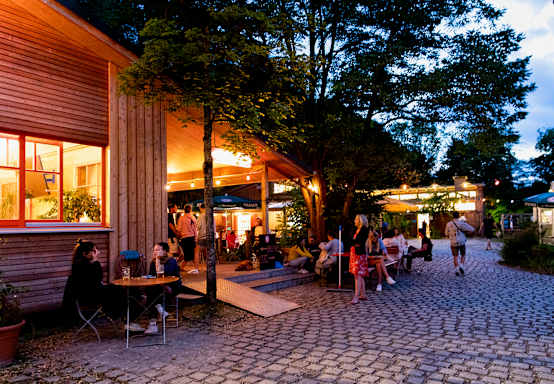
Many beer gardens let you bring your own food to the unserved tables as long as you buy the drinks — a genuine and legally protected tradition that makes an afternoon very cheap.
The Viktualienmarkt does good cheap lunch at €8 to €14.
Beer-garden afternoons matter more here than late nights, and Munich is noticeably more restrained than Berlin.
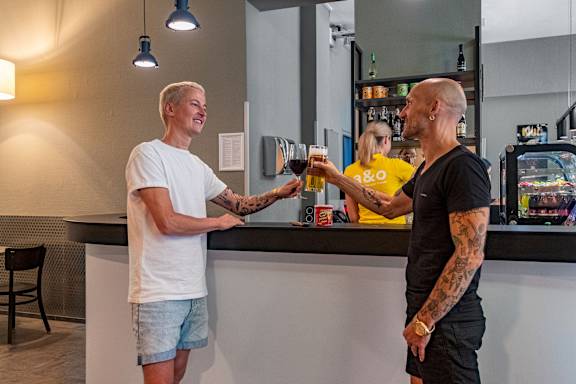
The Glockenbachviertel has the best bars and the LGBTQ+ scene, and Maxvorstadt has the student places.
Beer gardens run until about 11pm because of noise regulations, which shapes the evening — people start at four and finish earlier than you would expect.
Clubs exist and are decent, particularly around the Kunstpark area, but nobody travels to Munich for them.
A Maß is €13 to €16, a half-litre beer in a bar €4.50 to €6, cocktails €11 to €15.
Oktoberfest is its own universe: sixteen days from mid-September, six million visitors, tents that fill by mid-morning at weekends, and beds at three times the normal price.
U-Bahn, S-Bahn, trams and buses run on one system with a day ticket around €9.30, which most visitors should just buy.
Validate your ticket before boarding. There are no barriers and plainclothes inspectors are active — the fine is €60.
The airport is 40 minutes on the S1 or S8 for about €13, or covered by an all-zone day ticket which often works out better.
Cycling is excellent and the city is flat, with hire from €12 to €18 a day.
For the Alps, regional trains reach Garmisch in ninety minutes and the Bavarian lakes in under an hour. The Bayern-Ticket covers a day of regional travel across the state for a small group at a flat rate, and is the cheapest way to reach the mountains.
The most expensive German city, and multiples of that during Oktoberfest. Dorms are €28 to €50 normally and €80 to €150 during the festival, when the whole city books out months ahead.
A Maß is €13 to €16, a main €16 to €24, and a day is €60 to €110.
The savings: €1 museum Sundays, bringing your own food to beer garden tables, and the Englischer Garten and Dachau costing nothing.
The Bayern-Ticket makes a day in the Alps cheap if you are travelling as a group.
If Oktoberfest is not the reason you are coming, avoid mid-September to early October entirely — you will pay treble for a worse trip.
Munich is among the safest large cities in Germany and crime against visitors is low.
Oktoberfest is the exception, and it is a genuine one. Tents hold thousands of very drunk people, a Maß is a litre of roughly 6 per cent beer, and the combination produces hundreds of medical cases daily — there is a dedicated field hospital on site for a reason. Eat before and during, pace yourself, agree a meeting point with your group because phone signal fails, and do not climb on tables.
Pickpocketing rises sharply during the festival and around the Hauptbahnhof year-round.
Do not swim in the Eisbach. The current is fast and the wave is surfed by experienced people with boards and leashes; people have died attempting it casually.
Validate transport tickets — the €60 fine applies here too. Emergency number is 112.
A fairytale castle, the Alps and a memorial that everyone should see.
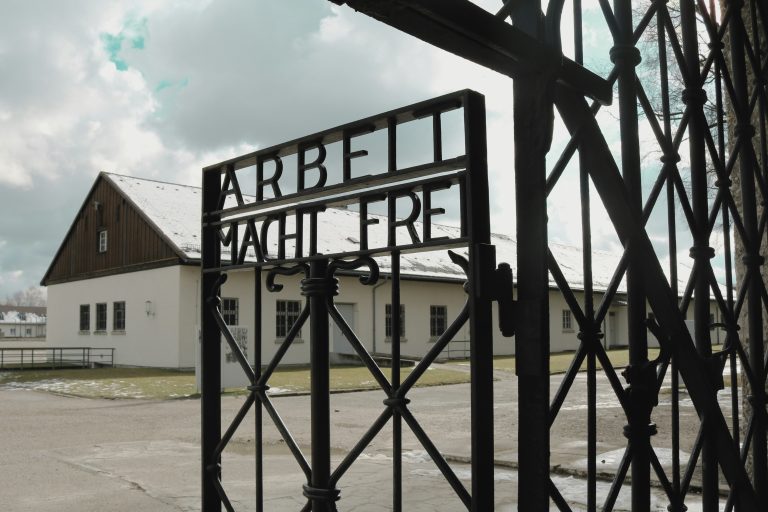
The first Nazi concentration camp, now a memorial site and museum. Free, and a serious visit.
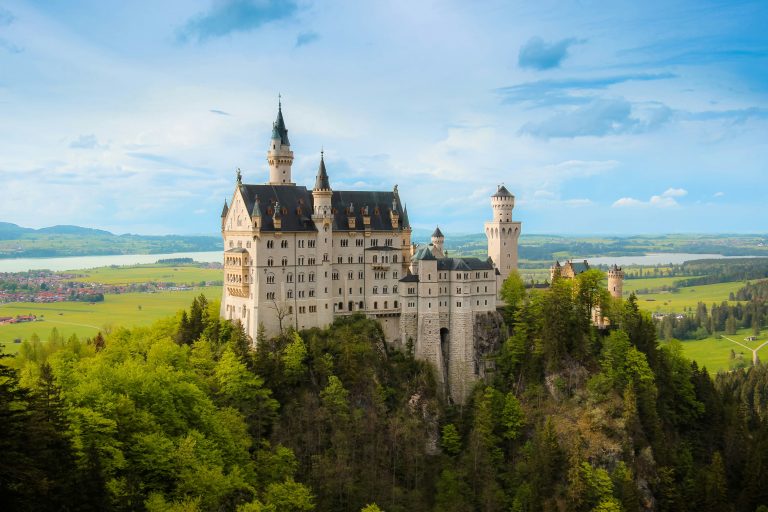
Ludwig II's castle, the model for the Disney one. Book the timed ticket well ahead; the interior tour is short.
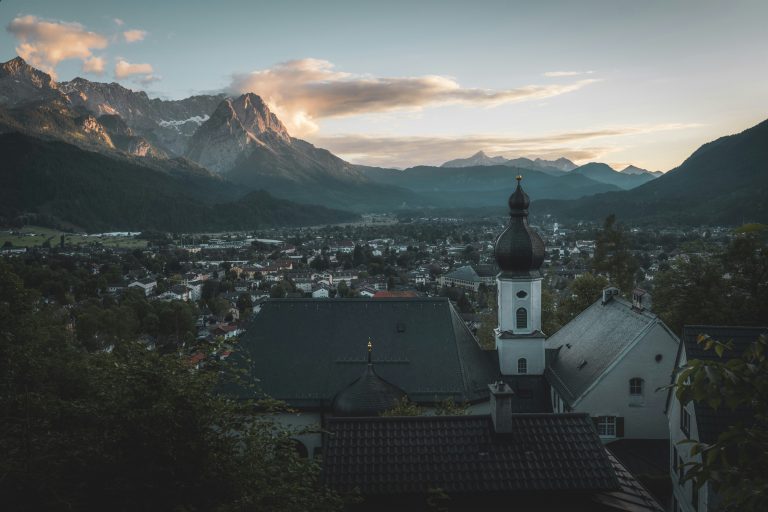
Germany's highest mountain at 2,962 m, reached by cog railway and cable car, with Austria at the summit.
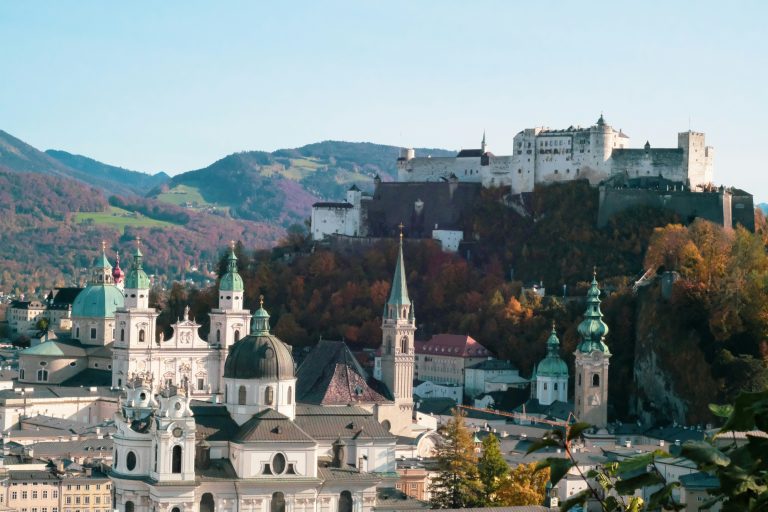
Mozart, a fortress and a baroque old town, in a different country.
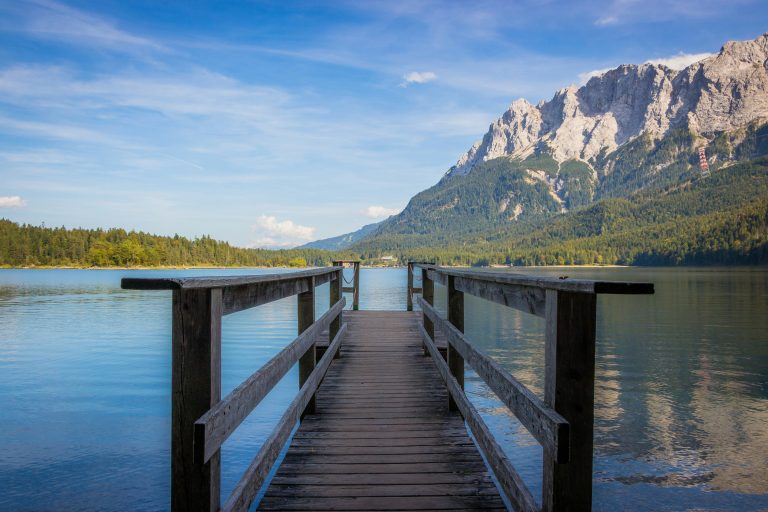
Starnberger See and Ammersee for swimming, sailing and lakeside beer gardens.
The largest folk festival in the world, for sixteen days from mid-September.
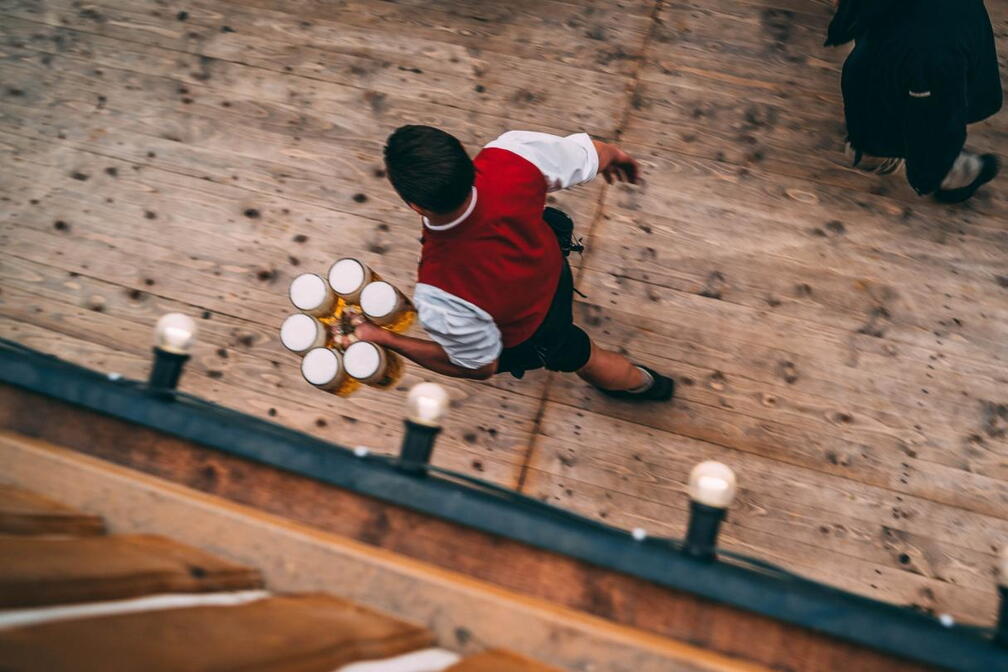 Staff pick
Experience the world's largest beer festival at Oktoberfest in Munich. With over 6 million attendees each year, this event offers traditional German beer, delicious…
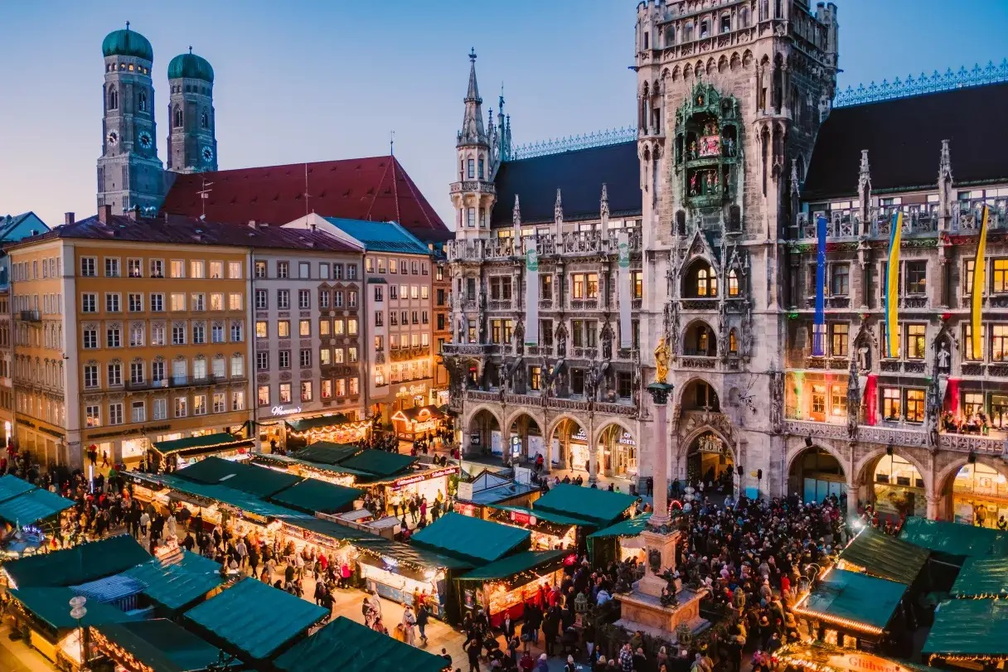 Staff pick
The Münchner Christkindlmarkt is a beloved Christmas market held annually in Munich, Germany, attracting over 3 million visitors each year. This enchanting event features…
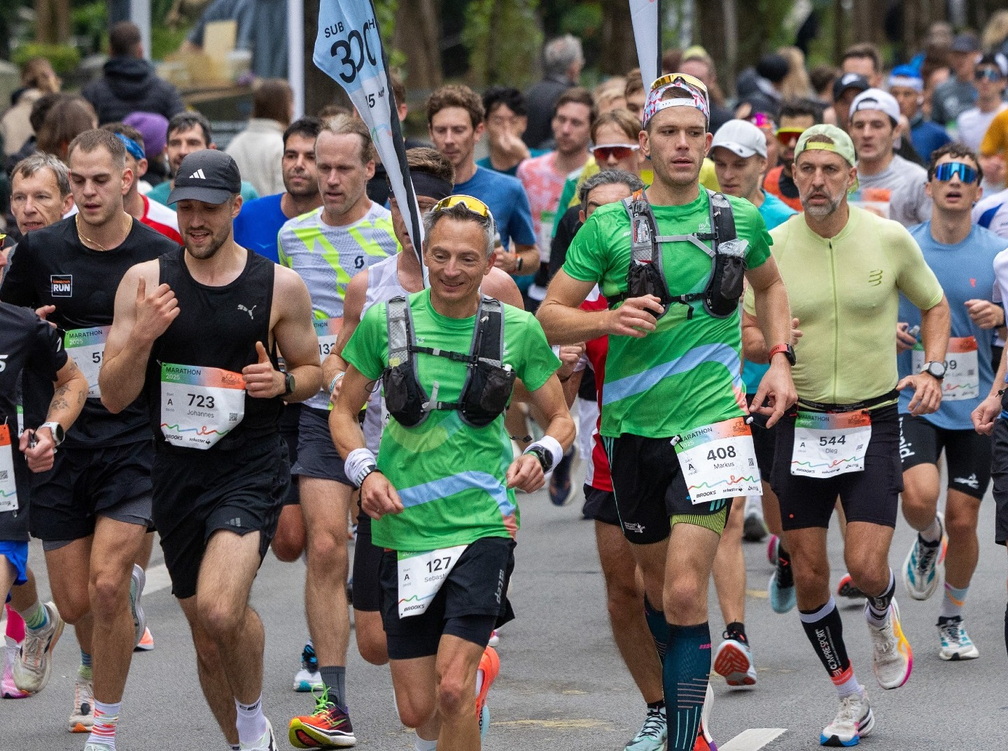 Staff pick
The Marathon München by Brooks transforms Munich into a dynamic running stage, guiding participants on a scenic single-lap course through the city’s most iconic…
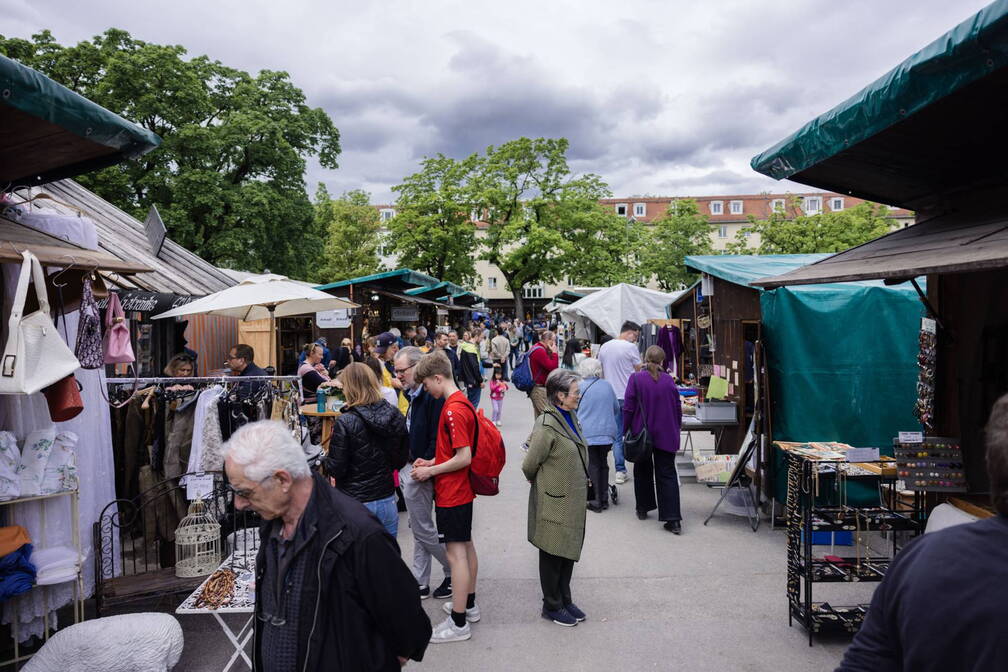 Staff pick
Kirchweihdult in Munich, Germany, is a charming traditional festival that combines Bavarian culture, history, and community spirit. Held in the picturesque Mariahilfplatz square, this…
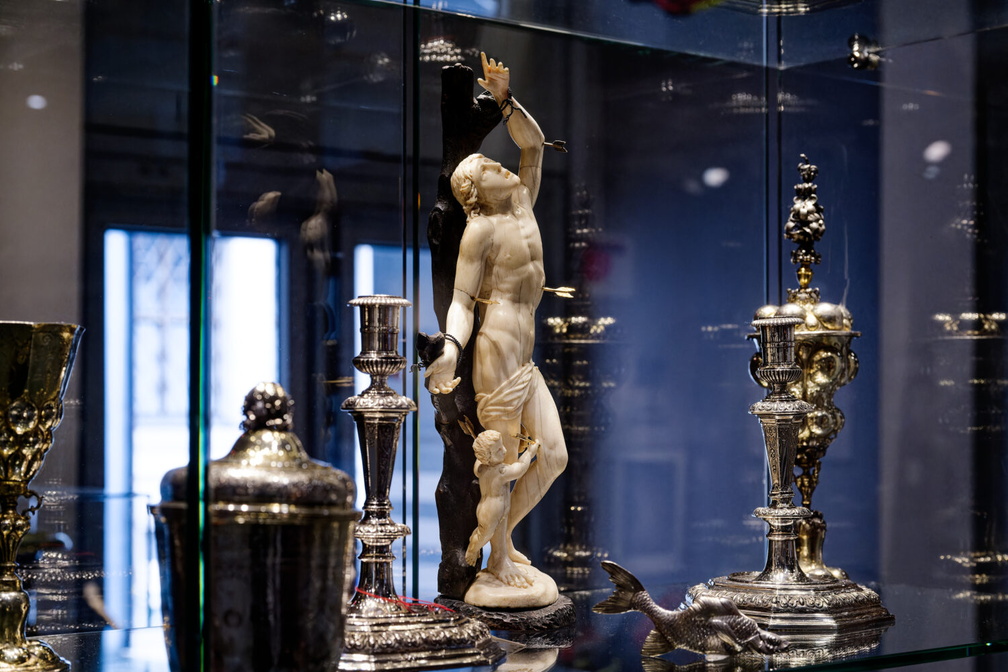 Staff pick
Highlights International Art Fair in Munich is a premier boutique event showcasing masterpieces from the Renaissance to contemporary art. Held in the historic Residenz,…
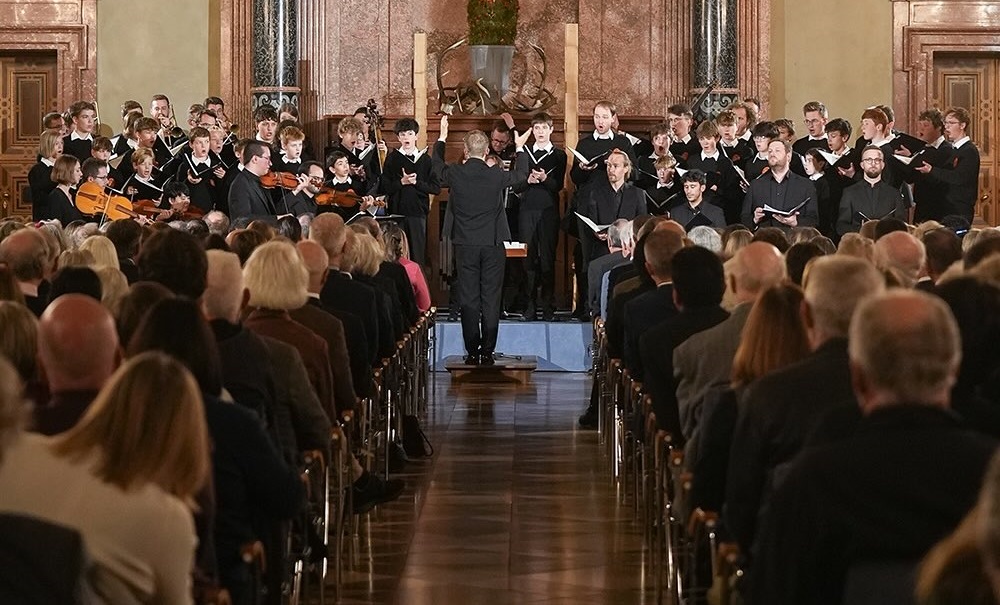 Staff pick
Residenzwoche München in Munich, Germany, invites visitors to experience the grandeur of Bavaria’s royal past through exclusive access to the Munich Residenz, Nymphenburg Palace,…
 Staff pick
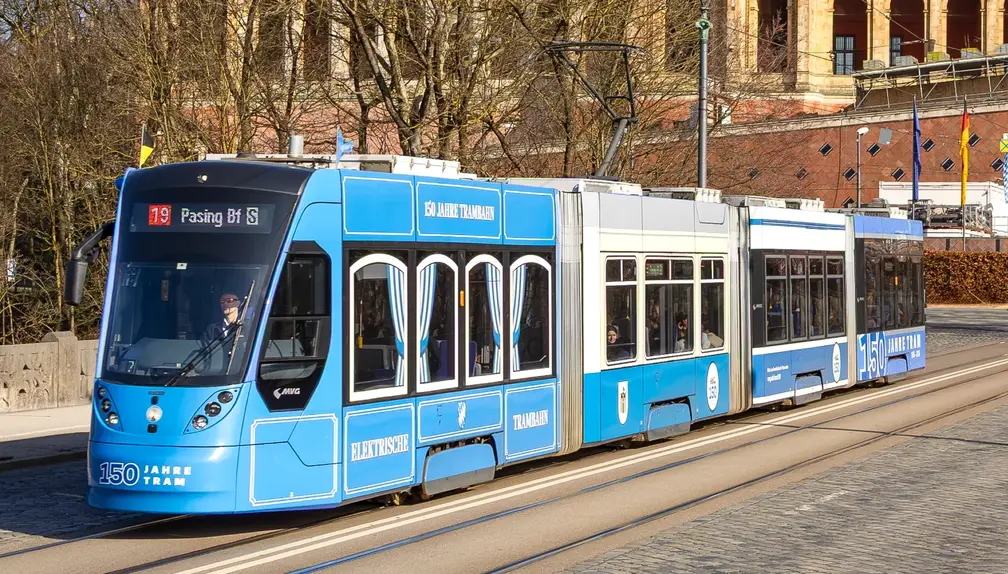
The Jahre Tram celebration in Munich, Germany, honors 150 years of the city’s iconic tramway system, tracing its journey from horse-drawn carriages in 1876…
 Staff pick
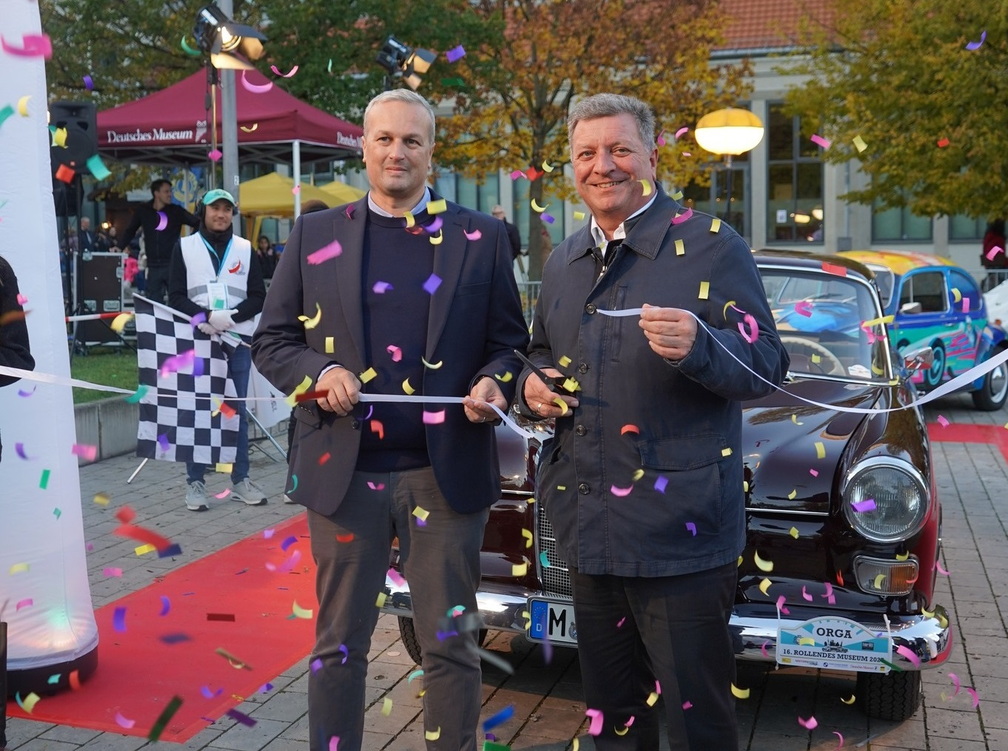
The Long Night of Munich Museums in Munich, Germany, invites visitors to explore the city’s rich cultural landscape after dark, with more than 100…
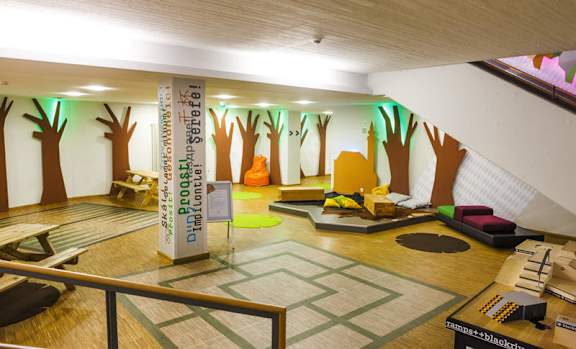
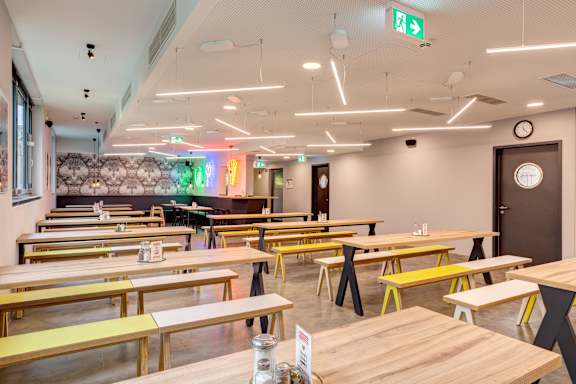
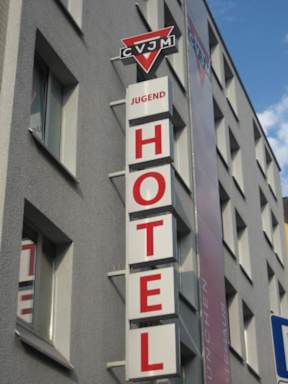
A decent scene around the Hauptbahnhof, which books out entirely for Oktoberfest. Live from Hostelworld.
 Sustainable
May to July and September, if you can handle the Oktoberfest prices. December for the markets.
Average highs. Oktoberfest runs roughly mid-September to the first Sunday of October — it is a September festival despite the name, and it is the single biggest factor in what a Munich trip costs.
Pick how you travel. Per person per night, in euros.
These are ordinary figures. Oktoberfest beds run €80 to €150 and the food and drink line roughly doubles with them.
The ones we get asked most.
Compare Munich hostels — live prices, real reviews and free cancellation on most bookings. Then meet the people already there in the app.

 Get the App.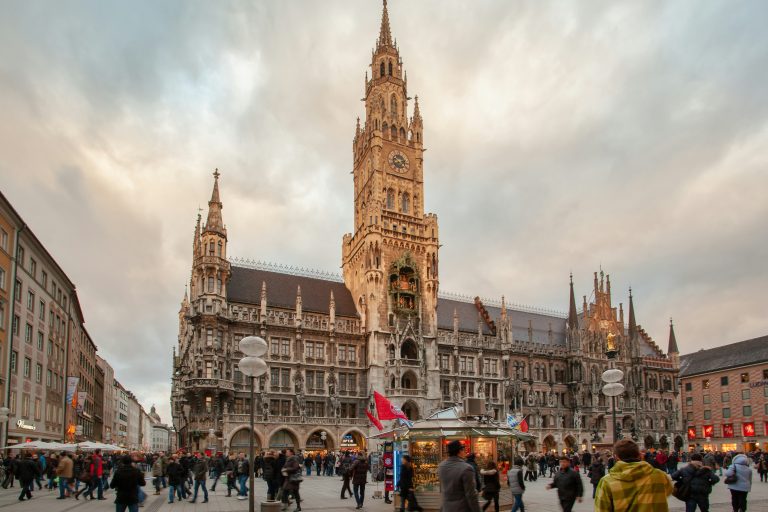
 Get the App.