City centre
First-timersAround the market square and the river: transport, the cathedral, the bars and most beds.

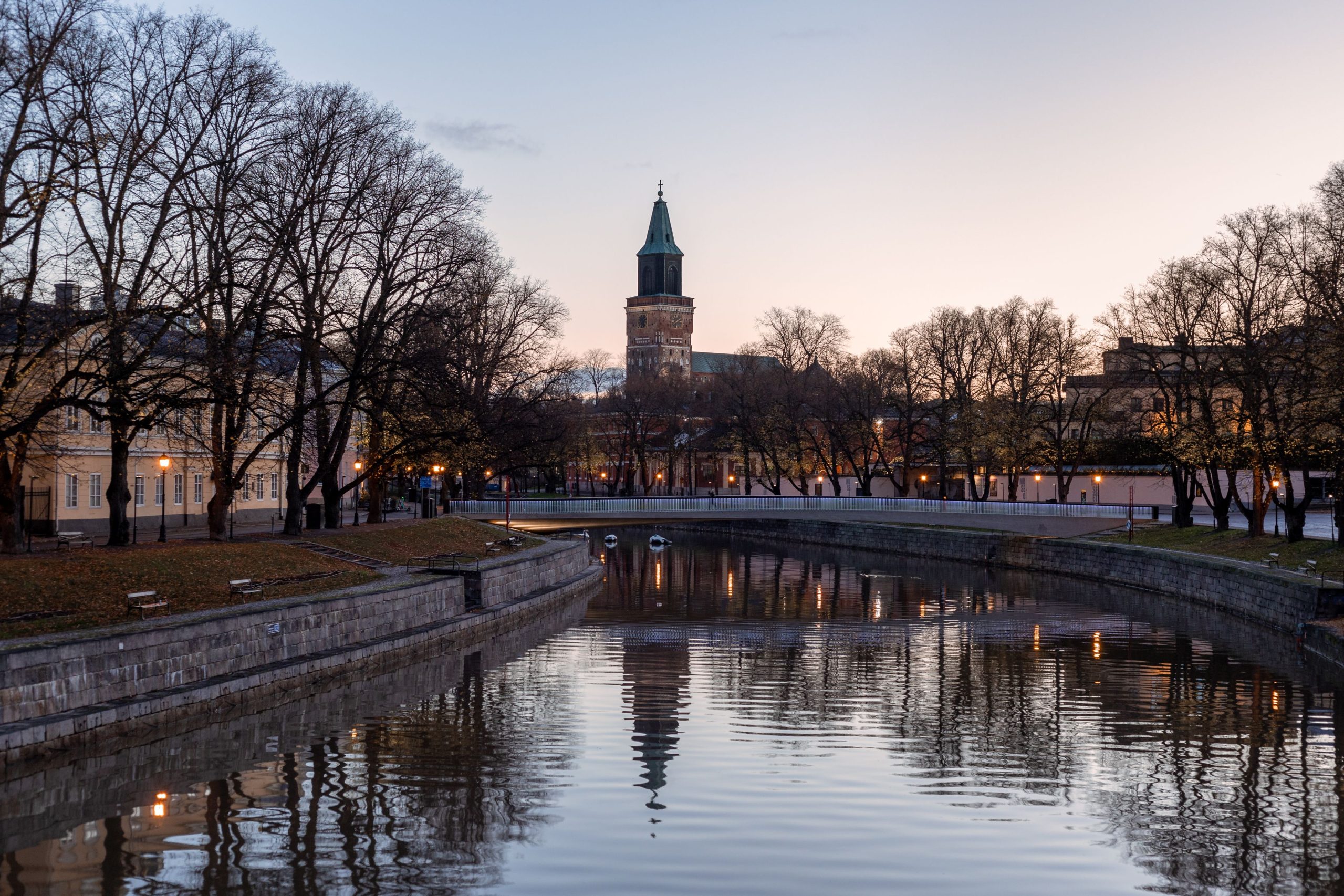
Finland's old capital: a medieval castle at the river mouth, a student city along the water, and the gateway to an archipelago of some twenty thousand islands.
Turku was Finland's capital until 1812 and its oldest city, and it still carries the two medieval buildings that survived everything since: the castle at the river mouth and the cathedral upstream.
Almost everything between them burned in 1827, in what remains one of the largest urban fires in Nordic history, which is why the centre is nineteenth-century and laid out on a grid.
The Aura river runs through the middle and is the whole social life of the place — riverboats converted into bars, walking paths on both banks, and the city's habit of living on the water in summer.
Out west is the Archipelago Sea, roughly twenty thousand islands and skerries, and the Archipelago Ring Road threads a route through the inhabited ones by bridge and free ferry.
Two universities keep it young. One or two days, more if you go into the islands.
A city strung along a river, walkable end to end in half an hour.
Around the market square and the river: transport, the cathedral, the bars and most beds.
The banks between cathedral and castle: boat bars, walking paths and the city's summer.
West at the river mouth: the medieval castle, the Stockholm ferries and cheaper beds.
Orange labels are neighbourhoods, dots are the 1 top-rated hostels. Map © MapTiler © OpenStreetMap contributors.
Turku Castle, begun in the 1280s at the river mouth, is the largest surviving medieval building in Finland and about €14. It is a genuine warren — dungeons, a Renaissance floor, halls added over four centuries — and it takes longer than people expect.
The cathedral upstream is the national shrine of the Lutheran church and free to enter.
Aboa Vetus and Ars Nova is built over an excavation of medieval streets found under the building, with a contemporary art museum on top, at about €14.
Walk the river. Both banks have paths between castle and cathedral, the converted boats along it are bars in summer, and the small Föri ferry crosses the river for free — it has run since 1904 and takes about ninety seconds.
Then go into the archipelago. Even a short hop to Ruissalo island, with its oak woods and wooden villas, gives you the idea.
The Föri ferry across the Aura is free, has run since 1904, and is the shortest and most charming boat trip in Finland.
The cathedral is free, and so are the riverbank paths on both sides between it and the castle.
Ruissalo island is free to walk, with oak woodland rare this far north, a beach and nineteenth-century wooden villas.
The market square, the market hall's public areas and the old wooden houses in the Port Arthur district cost nothing.
Everyman's Right applies across Finland — you may walk, swim and pick berries and mushrooms on most uncultivated land regardless of who owns it, which makes the archipelago and the forests genuinely open.
The weekday lunch buffet is the Finnish saving and Turku does it well — €11 to €15 between about eleven and two, often from kitchens charging double in the evening.
The market hall, open since 1896, has counters doing soup, fish and sandwiches at €8 to €14 and is the best cheap lunch in the city.
Archipelago bread — dark, sweet, malty rye — is the local thing and turns up everywhere once you notice it.
The riverboats are bars rather than restaurants, and in summer they are where the city drinks.
A beer is €6 to €8, cheaper than Helsinki, and anything above 8% comes from Alko, which closes at 9pm on weekdays and 6pm on Saturdays.
Student-driven and concentrated on the river. In summer the converted boats moored along the Aura become the whole nightlife of the city, and it is a genuinely distinctive way to drink.
The bars around the market square and Humalistonkatu carry the rest, and there are a couple of clubs running to three or four.
A beer is €6 to €8 and cocktails €10 to €14.
Finns buy from Alko before going out, and the state shops shut at 9pm on weekdays and 6pm on Saturdays.
Term time from September to May is when the two universities fill the place. July is warm, lovely and much quieter, since a large part of Finland is on holiday.
Walk. The centre is small and the riverside path connects most of what you want, with castle to cathedral about half an hour on foot.
City buses are about €3, and the Föri ferry across the river is free.
Trains reach Helsinki in two hours for €15 to €30 and Tampere in about the same.
Ferries to Stockholm leave from the port and take around eleven hours, usually overnight, calling at the Åland Islands.
For the archipelago, the Ring Road is the point: a marked route through the inhabited islands using bridges and free connecting ferries, best done by bike over two or three days between May and September.
Cheaper than Helsinki but still Nordic. Dorms are €25 to €40, a main €16 to €25, and a beer €6 to €8.
A day is €55 to €95.
The lunch buffet at €11 to €15, the market hall, the free Föri and Ruissalo, and Everyman's Right in the archipelago all take the edge off.
The castle at about €14 and Aboa Vetus at about €14 are the two entries worth paying.
The Ring Road is unusually cheap for what it is — the connecting ferries are free, so the cost is a bike and somewhere to sleep.
Turku is a safe city and crime against visitors is rare.
Winter brings ice on pavements and roof ice falling into the street, and short days — about six hours of light around the solstice.
The Aura freezes in parts and the sea ice in the archipelago varies enormously. Do not walk on it without local knowledge.
In summer the archipelago is open water with changeable weather, and anyone kayaking or taking a small boat out should check the forecast and tell someone the plan.
Ticks are present across southern Finland from spring to autumn and tick-borne encephalitis exists here, particularly in the archipelago and on Ruissalo — check yourself after walks. Emergency number is 112.
Twenty thousand islands start at the edge of town.
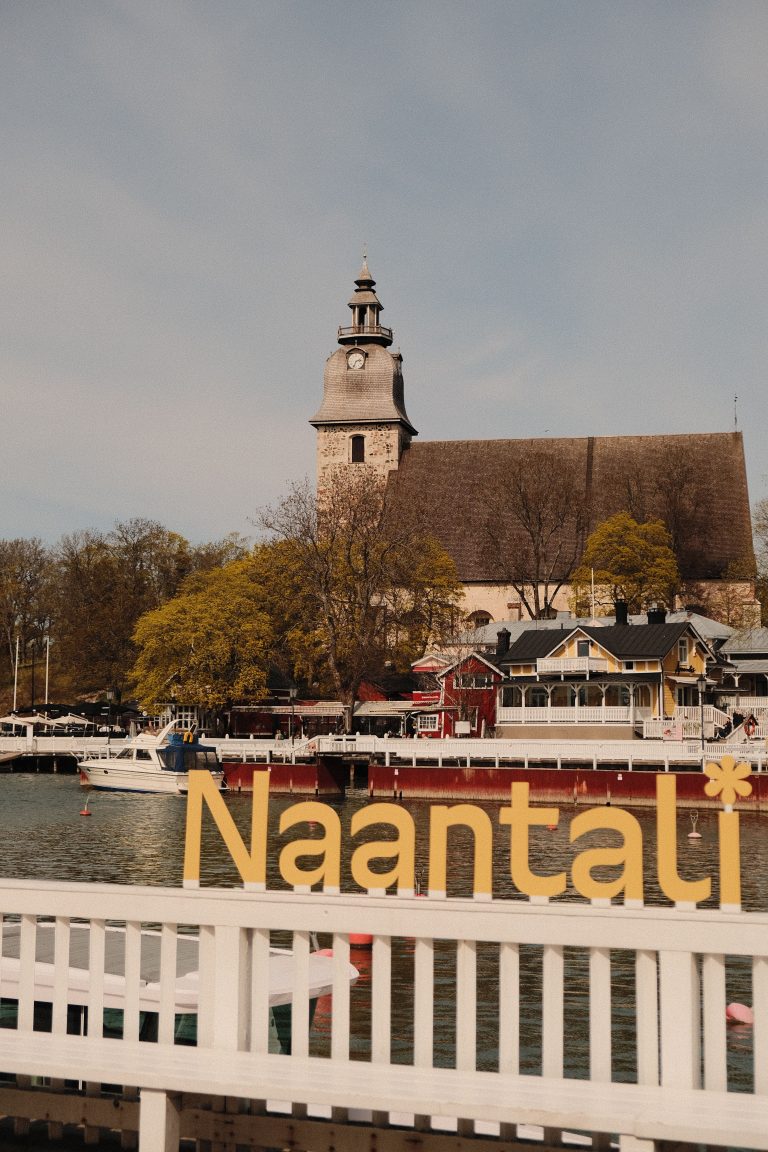
A small wooden harbour town with a medieval church, and Moomin World on the island beside it in summer.
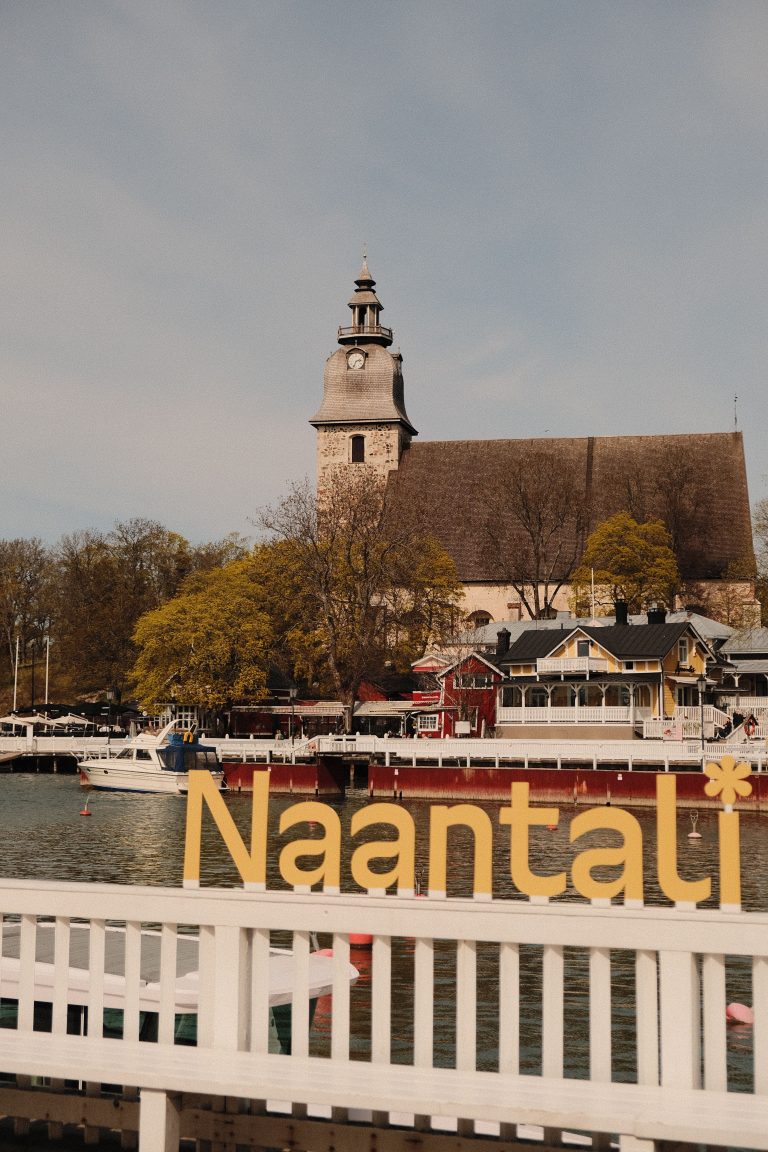
The capital, easy in either direction.
A Christmas Peace declared from a balcony since the Middle Ages.
Read from a balcony at noon on Christmas Eve, a tradition dating to the Middle Ages and broadcast nationally.
One of the oldest rock festivals in Europe, running since 1970, on an island in the archipelago.
Bonfires and lakeside cottages. The city empties and much of it closes.
A large medieval fair in the old square by the cathedral.
When the Ring Road ferries, island guesthouses and boat traffic are all running.
A modest scene at below-Helsinki prices, mostly near the centre and the river. Live from Hostelworld.
May to September, and the archipelago only really works in that window.
Average highs. The archipelago ferries, riverboats and island accommodation are broadly a May to September proposition — outside that window the islands go very quiet.
Pick how you travel. Per person per night, in euros.
The food line assumes the weekday lunch buffet. The Ring Road ferries are free, so an archipelago trip costs little beyond a bike and a bed.
The ones we get asked most.

Compare Turku hostels — live prices, real reviews and free cancellation on most bookings. Then meet the people already there in the app.

 Get the App.
 Get the App.