Centre
First-timersAlong and around Rudaki Avenue, the main street: walking distance to the parks, museums and restaurants.

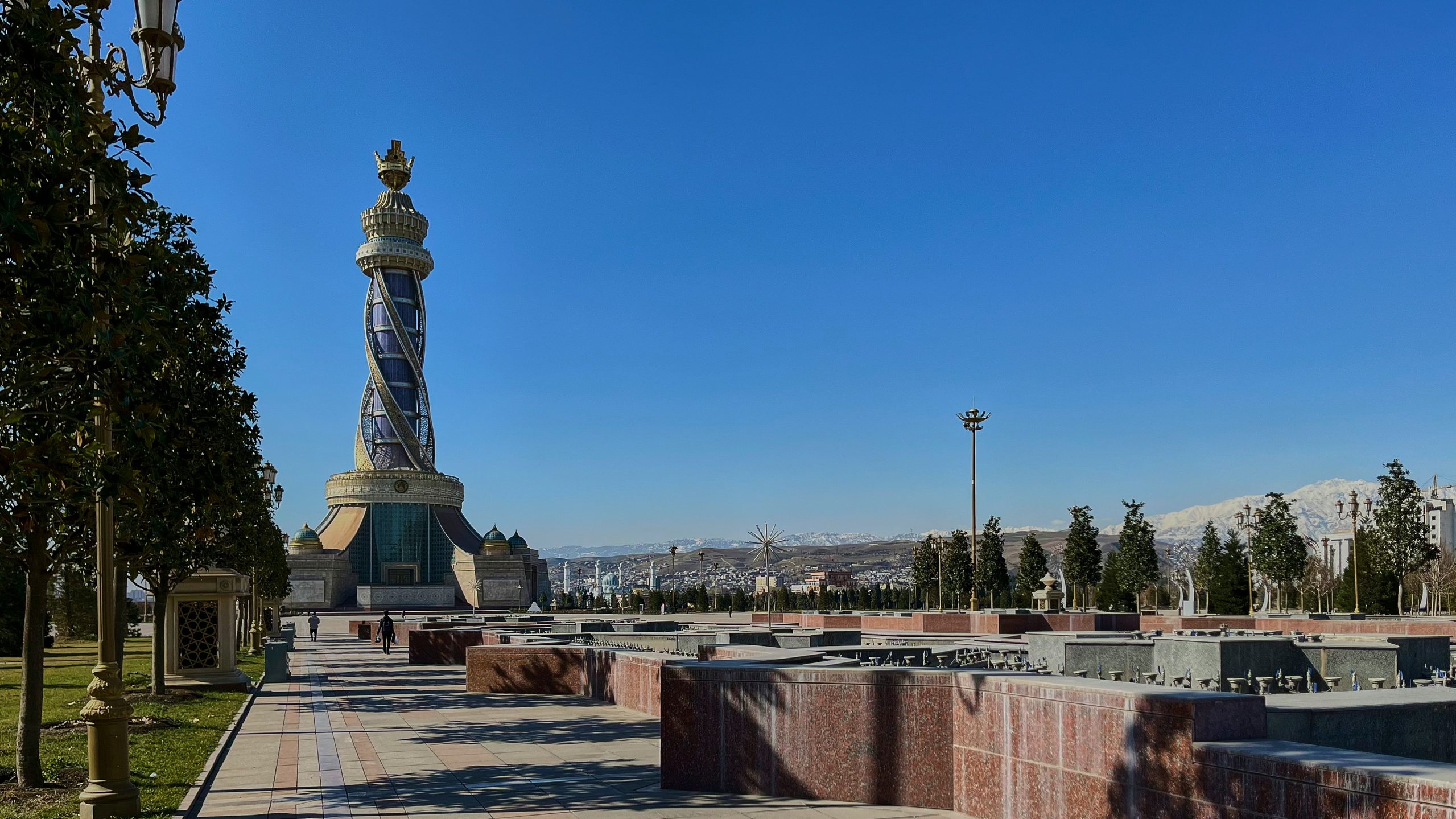
A leafy, low-key capital of wide avenues and monumental buildings, where every trip on the Pamir Highway is arranged, with mountain gorges half an hour away.
Dushanbe was a village with a Monday market, which gave it its name ("Monday" in Tajik), until the Soviets made it the capital of Tajikistan in the 1920s. Today it is a quiet, leafy city of wide avenues, fountains and grand new marble buildings, with the snow-capped mountains visible at the end of the streets.
It doesn't have the ancient monuments of Samarkand or Bukhara, but it has one of the best museums in Central Asia, lively bazaars, cheap food and a relaxed pace. Above all, it is where travellers prepare for the Pamir Highway: arranging drivers, permits and supplies for one of the world's great road trips.
Two or three days is right before heading into the mountains, with day trips to the Hissar fortress and Iskanderkul lake.
Stay in the centre, near Rudaki Avenue.
Along and around Rudaki Avenue, the main street: walking distance to the parks, museums and restaurants.
Orange labels are neighbourhoods, dots are the 7 top-rated hostels. Map data from OpenStreetMap contributors.
Walk Rudaki Avenue, the city's tree-lined main street, from the Ismoil Somoni monument through Rudaki Park to the National Library. Nearby stands one of the world's tallest flagpoles, at 165 metres.
Don't miss the National Museum of Antiquities (50 somoni, closed Mondays), home to a 13-metre Buddha from around 500 CE, dug up at Ajina Teppa in the south. It is the largest surviving Buddha in Central Asia. The National Museum of Tajikistan (25 somoni, closed Mondays) covers the country's history, wildlife and art, including frescoes from ancient Penjikent. The small Gurminj Museum of musical instruments (10 somoni) is a delight, sometimes with live playing.
See the lavish Navruz Palace, a ceremonial hall covered in carving and mirror work, and eat your way through the Mehrgon and Shohmansur (Green) bazaars.
Get out of the city to the Varzob gorge, half an hour north, for walks along the river, or to the restored gate of Hissar fortress, about 45 minutes west.
Rudaki Avenue and Rudaki Park are free to wander, with the Ismoil Somoni monument, the fountains and the giant flagpole all along the way. Evenings are the best time, when families come out and the buildings are lit.
The bazaars cost nothing to browse. Mehrgon is modern and well organised, and Shohmansur, the Green Bazaar, is older and livelier, with dried fruit, nuts and bread.
The Varzob river gorge, just north of the city, is free and a popular escape from the summer heat.
Qurutob is the national dish: pieces of flatbread soaked in a sauce made from qurut, dried salty yoghurt balls, topped with onion, tomato and herbs, and traditionally eaten with your hands from a shared wooden bowl. Osh, Tajikistan's plov, is a lunchtime dish of rice, carrot and meat.
Sambusa (baked pastries filled with meat), shashlik and fresh non bread are everywhere. Teahouses (chaikhanas) serve green tea all day, and the bazaars are the place for apricots, melons and nuts.
A meal costs €3 to €7 (about 35 to 80 somoni).
Dushanbe is quiet at night. There are a handful of bars and pubs in the centre and restaurants that serve beer, but most of the social life happens in teahouses and restaurants over long dinners.
A beer costs €2 to €3. Rudaki Avenue is pleasant for an evening walk, when the fountains and buildings are lit.
The airport is about 15 minutes from the centre; a taxi costs 40 to 80 somoni. Buses and trolleybuses cost 2 to 4 somoni, and marshrutkas (minibuses) 5 to 15. Taxis are cheap, and ride-hailing apps work, but registering a foreign number can be tricky, so keep cash to hand.
Shared 4x4s to Khorog, the start of the Pamir Highway, cost 350 to 500 somoni a seat and take 12 to 16 hours. Flights to Khorog exist but depend on the weather and are often cancelled.
For the north, shared taxis leave from the Marom area towards Khujand (6 to 8 hours, through the Anzob tunnel), passing the turn-off for Iskanderkul. Penjikent, for the Fann Mountains and the border with Samarkand, is three to four hours away.
Dushanbe is cheap. Dorms start around €8 and a careful day costs €20 to €30. Museum entry is 10 to 50 somoni.
The Pamir Highway is the big expense. A seat in a shared 4x4 to Khorog is 350 to 500 somoni, and hiring a car and driver for the whole route costs much more; share it with other travellers to cut the cost.
The currency is the somoni (TJS), at about 10 to the US dollar. Cash is king: cards are only accepted in bigger hotels and some restaurants. Bring US dollars or euros to change, and use ATMs in Dushanbe before heading to the mountains.
Dushanbe is safe. Carry your passport, or a copy, as police checks are common.
For the Pamirs, you need the GBAO permit. The easiest way is to add it to your e-visa online, for about $20 extra. It's checked at military checkpoints along the Pamir Highway. Take care near the Afghan border, which the highway follows for hundreds of kilometres, and check your government's travel advice before you go.
Emergency: 102 police, 103 ambulance, 101 fire.
A restored fortress, mountain lakes and the start of one of the world's great road trips.
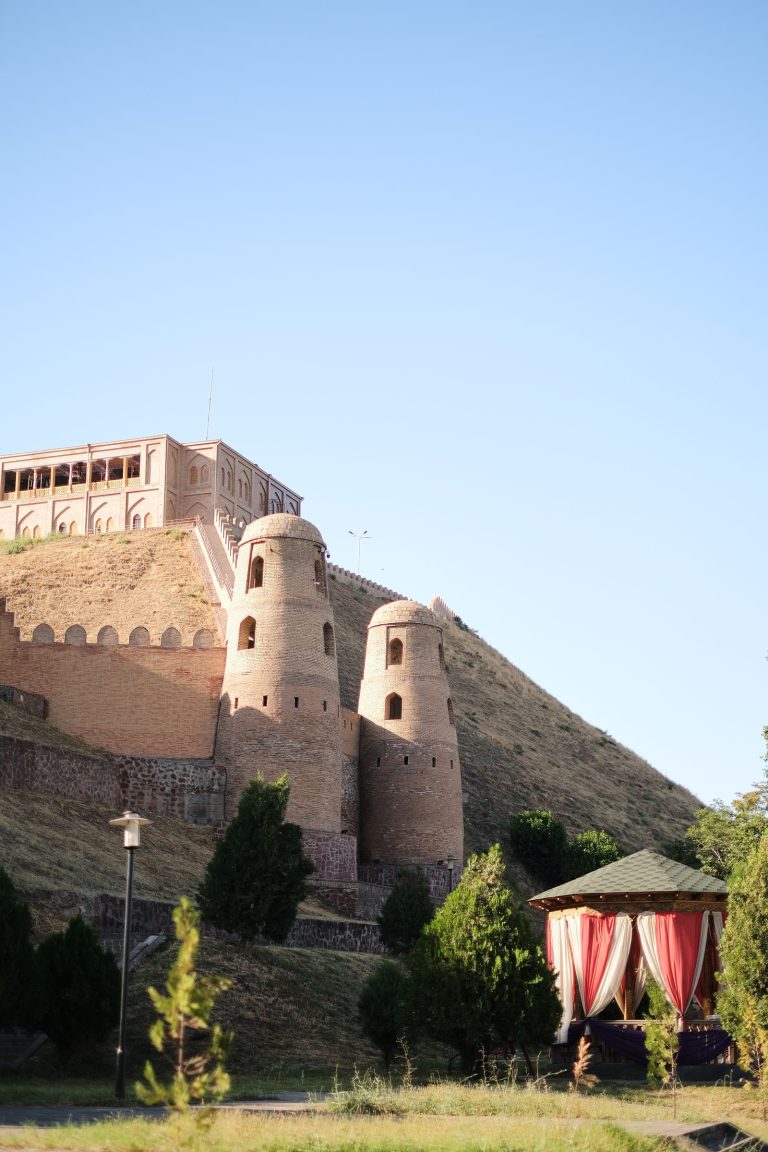
The restored gate of an eighteenth-century fortress, with a madrasa and an old caravanserai beside it.
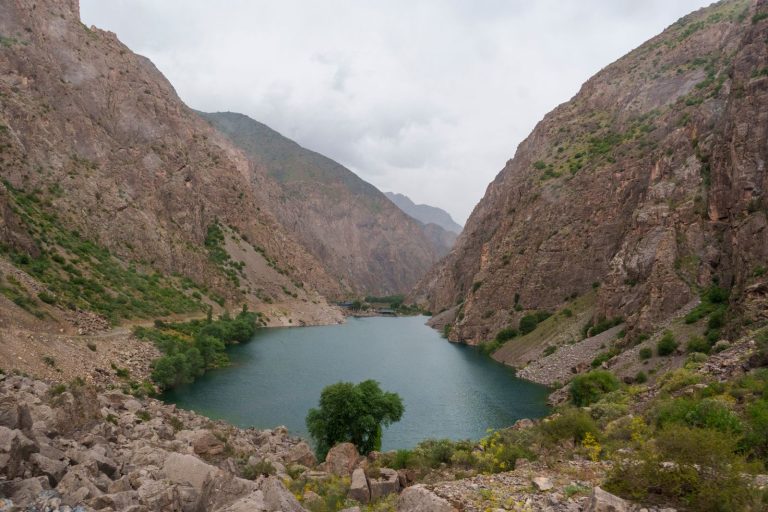
A chain of turquoise lakes in the Marguzor valley, each a different colour, with walks between villages. Best from June to September.
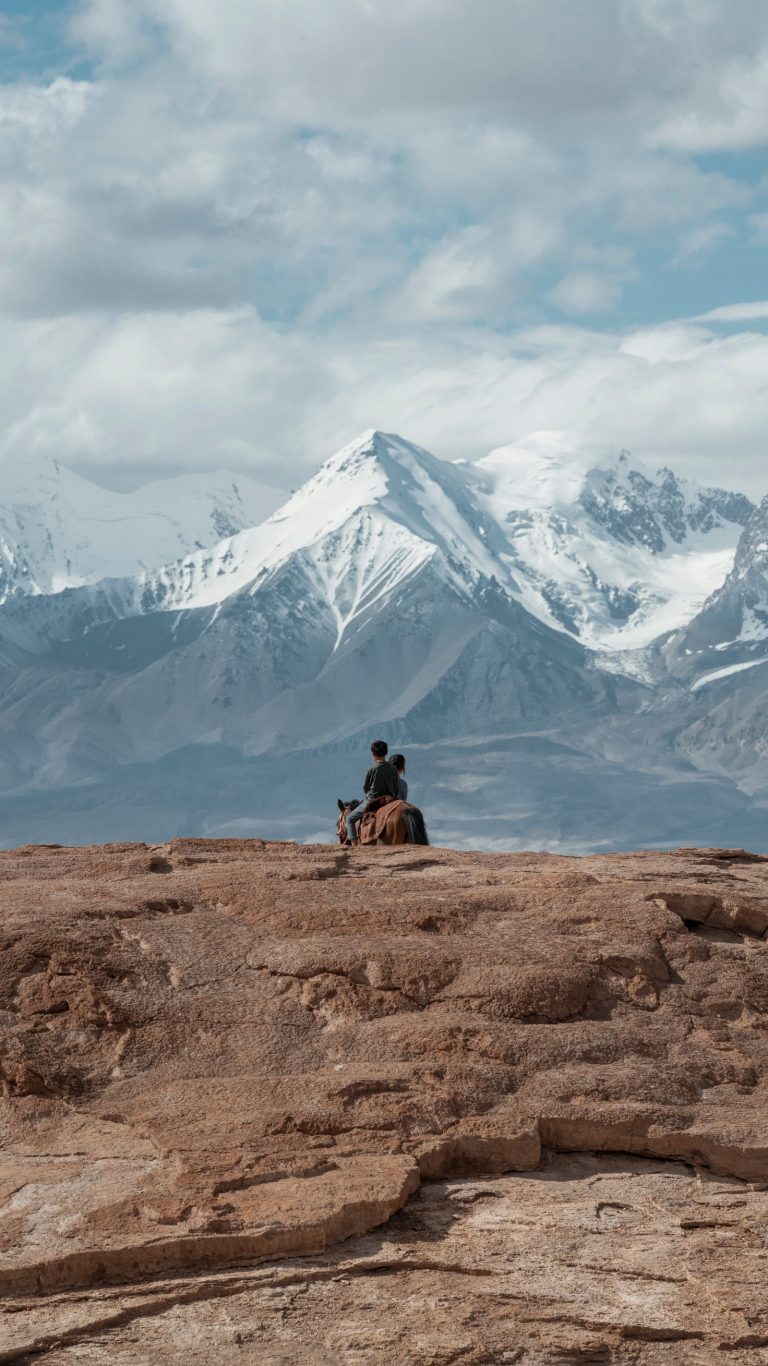
The M41 runs from Dushanbe through Khorog and the Wakhan valley along the Afghan border, over passes above 4,000 metres to Osh in Kyrgyzstan. You need the GBAO permit.
Navruz, the spring new year, is the biggest festival.
The spring new year.
Celebrations.
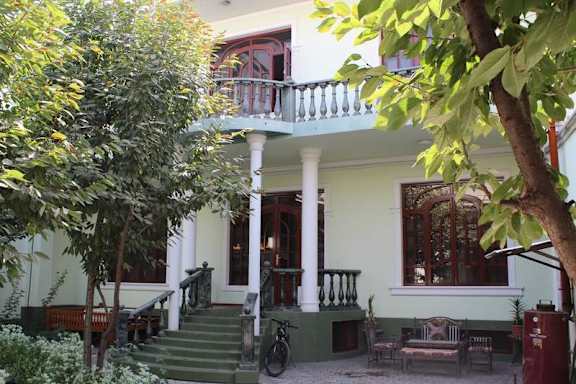
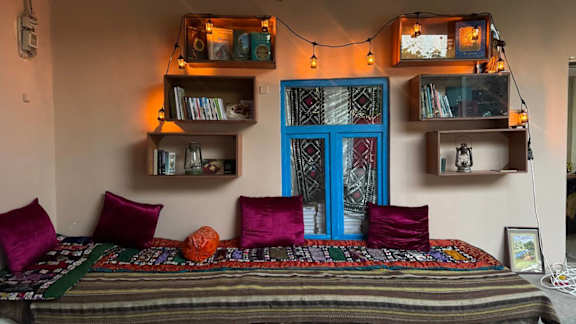
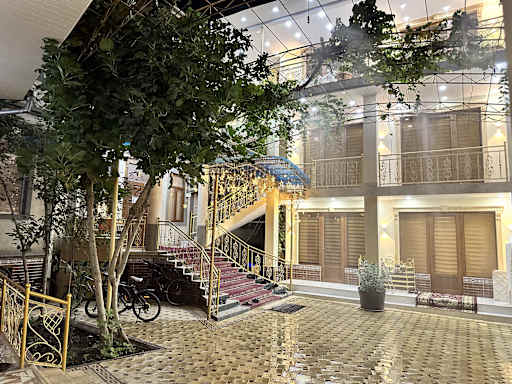
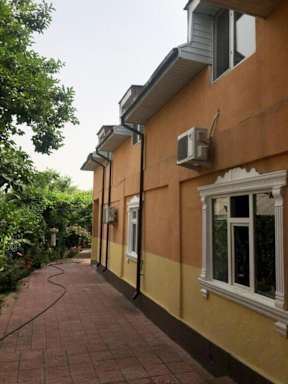
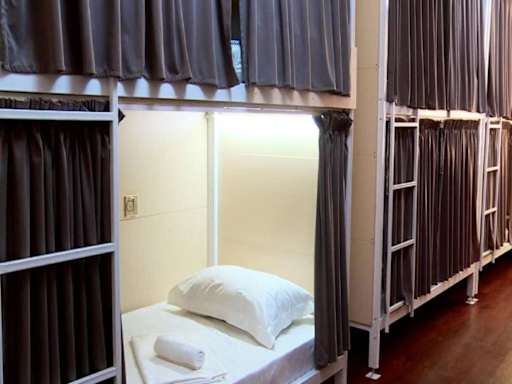
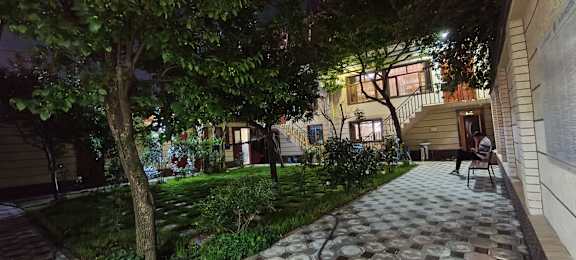
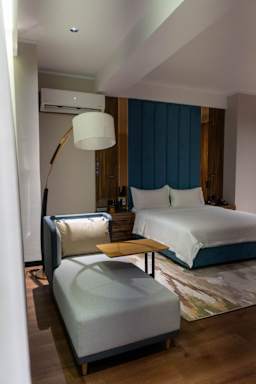
The top-rated places to stay in Dushanbe right now, live from Hostelworld.
 Sustainable
 Sustainable
 Sustainable
 Sustainable
April to June and September to October for the city. For the Pamir Highway and the Fann Mountains, go from June to September, when the passes are open.
Average highs. Summers are hot.
Pick how you travel. Per person per night, in euros.
Prices are in somoni locally; these are euro equivalents. Excludes Pamir transport.
The ones we get asked most.

Compare Dushanbe hostels — live prices, real reviews and free cancellation on most bookings. Then meet the people already there in the app.

 Get the App.
 Get the App.