Chinatown
First-timersTemples, hawker centres and shophouse streets, with good MRT links.

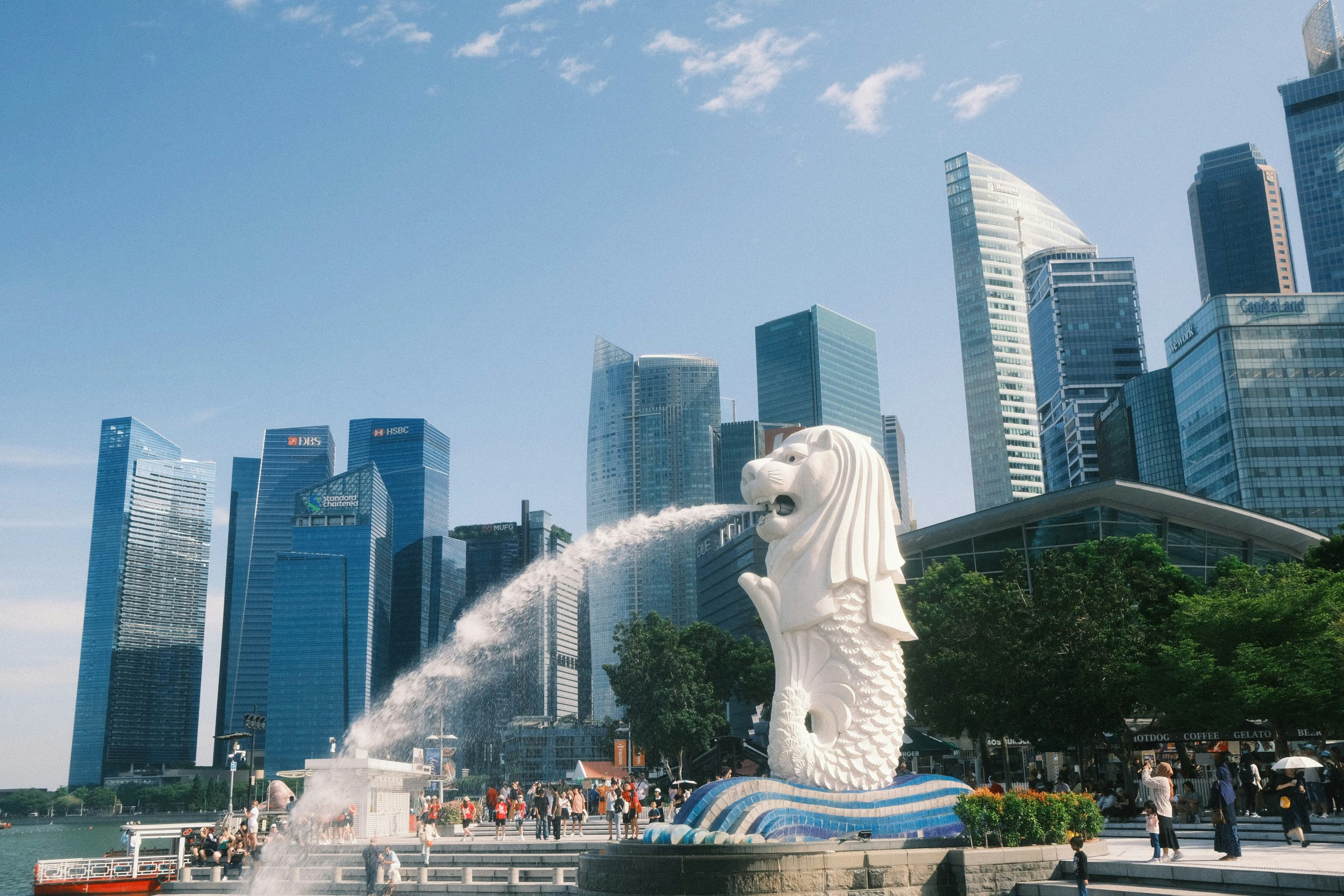
A city, an island and a country at once: futuristic gardens, hawker centres serving Michelin-rated food for a few euros, Chinese, Malay and Indian neighbourhoods, and rainforest inside the city limits.
Singapore was a British trading post founded in 1819 and became an independent city-state in 1965. In the decades since, it has turned into one of the richest, cleanest and most efficient cities in the world.
It is also one of the most multicultural, with Chinese, Malay, Indian and Peranakan communities, and its hawker centres, where all of them meet over cheap food, are on UNESCO's list of intangible heritage.
Singapore is expensive to sleep in but cheap to eat in. Three or four days is right.
Singapore's dorms cluster in the old neighbourhoods around the centre, all a few MRT stops from each other. Chinatown is the easiest first base, Little India the cheapest and most lively, and Kampong Glam the most atmospheric. Clarke Quay, on the river, suits those who want bars on the doorstep.
Temples, hawker centres and shophouse streets, with good MRT links.
The cheapest dorms, spice shops and the Tekka Centre, colourful and busy.
The Sultan Mosque, Haji Lane and the old Malay quarter, near Bugis.
Riverside bars and clubs on the doorstep, a walk from the centre.
Orange labels are neighbourhoods, dots are the 12 top-rated hostels. Map data from OpenStreetMap contributors.
Gardens by the Bay is Singapore's showpiece. The Supertree Grove, a forest of steel trees up to 50 metres tall covered in plants, is free to walk through, and every evening at 7.45pm and 8.45pm it lights up for Garden Rhapsody, a free sound-and-light show you watch lying on the ground beneath them. The two glass domes, the Cloud Forest with its indoor waterfall and the Flower Dome, need a ticket; go in the afternoon heat, when they are cool. Across the bay, Marina Bay Sands runs Spectra, a free water and laser show, every evening at 8pm and 9pm.
The old neighbourhoods are the best of the city. In Chinatown, see the Buddha Tooth Relic Temple and Sri Mariamman, Singapore's oldest Hindu temple, side by side, and the shophouse streets around them. Little India is a riot of colour, spice shops and garland stalls; the Tekka Centre has its wet market and hawker food. Kampong Glam, the old Malay and Arab quarter, has the golden-domed Sultan Mosque and Haji Lane's street art and small shops. For Peranakan culture, the mixed Chinese-Malay heritage, take the MRT to Katong and Joo Chiat for pastel shophouses and laksa.
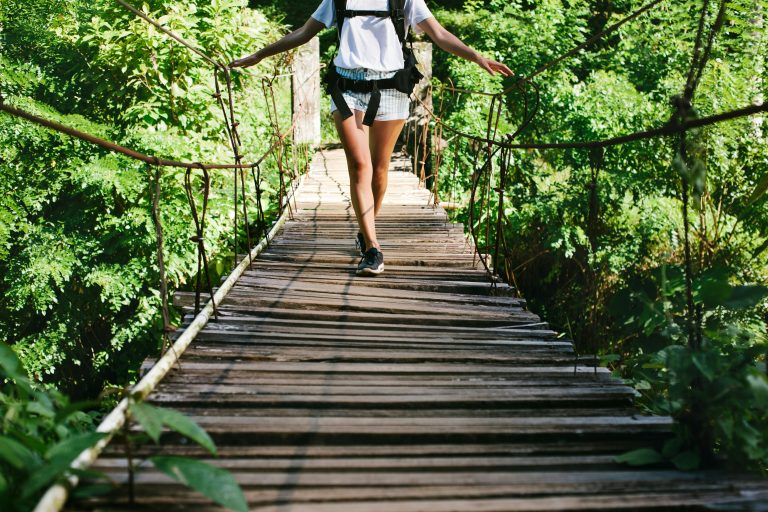
The Singapore Botanic Gardens, a UNESCO World Heritage Site, are free, apart from the National Orchid Garden inside. For rainforest, MacRitchie Reservoir's TreeTop Walk crosses the canopy on a suspension bridge (closed on Mondays), and the Southern Ridges walk links hilltop parks over the Henderson Waves bridge.
For a slower day, take a bumboat from Changi Point to Pulau Ubin, an island of old kampong villages, mangroves and cycling trails.
Singapore is expensive, but its best sights are free. The Supertree Grove, Garden Rhapsody at 7.45pm and 8.45pm, and the Spectra show at Marina Bay Sands at 8pm and 9pm cost nothing; together they make a free evening on the bay.
The Botanic Gardens, a UNESCO site, are free, as are the Southern Ridges walk, MacRitchie's TreeTop Walk (closed on Mondays) and East Coast Park, a long seafront strip for cycling and beach barbecues.
All the main places of worship are free to visit, dressed respectfully: the Buddha Tooth Relic Temple, Sri Mariamman, Thian Hock Keng and the Sultan Mosque. Wandering Chinatown, Little India, Kampong Glam and the Marina Bay waterfront costs nothing, and the Merlion, the city's symbol, stands on the waterfront facing the bay.
Eating is the cheapest and best thing to do in Singapore. Hawker centres, open-air food courts of dozens of family-run stalls, are on UNESCO's intangible heritage list, and several stalls have Michelin Bib Gourmand listings. A plate costs €4 to €6.
Hainanese chicken rice is the national dish; Maxwell Food Centre, in Chinatown, is the place to try it. Laksa, a spicy coconut noodle soup, is best in Katong. Char kway teow, fried flat noodles, and satay are everywhere; at Lau Pa Sat, a Victorian cast-iron market in the business district, the street outside closes in the evening for satay grills. Newton Food Centre and Chinatown Complex are other classics.
Breakfast is kaya toast, with coconut jam and butter, soft-boiled eggs and strong kopi coffee. Chilli crab, crab in a sweet, spicy tomato sauce, is the splurge, at seafood restaurants rather than hawker stalls; expect to pay by weight.
Hawker centres are cash-friendly but most now take cards or QR payments. Tissue packets left on tables mean the seat is reserved.
Clarke Quay and Boat Quay, on the river, have the most bars and clubs, busy and touristy; Club Street, Ann Siang Hill and Keong Saik Road, in Chinatown, have smaller cocktail bars. Rooftop bars look over Marina Bay, and are best at sunset.
Drinks are expensive because of heavy alcohol taxes: a beer is €8 to €12 in a bar. Happy hours, usually in the early evening, cut that a lot, and a beer from a hawker centre stall is much cheaper.
The Singapore Sling, invented at the Raffles Hotel's Long Bar, is the classic tourist drink, at a premium.
Shops cannot sell alcohol, and drinking in public places is banned, from 10.30pm to 7am. Bars and restaurants with a licence can serve later.
The MRT, the metro, is fast, clean and covers almost everywhere a visitor goes; tap a contactless bank card or phone at the gates, and the fare is worked out automatically, usually under €2. Buses take the same cards.
From Changi Airport, the MRT takes about thirty minutes to the city, with a change at Tanah Merah; a Grab or taxi takes twenty to thirty minutes. Jewel, the dome at the airport with the world's tallest indoor waterfall, is free to visit and worth arriving early for.
Grab and taxis are reasonably priced for short trips. Walking is pleasant in the evenings but hot by day.
Buses cross the Causeway to Johor Bahru in Malaysia; allow extra time for the border queues at peak hours. The RTS Link, a cross-border rail shuttle between Woodlands and Johor Bahru, is due to open around the end of 2026.
Singapore is expensive to sleep in but cheap to eat in. Dorms start around €25 and a careful day is €45 to €65.
Hawker meals are €4 to €6, an MRT ride usually under €2, and many of the best sights are free. The costs are beds, drinks (€8 to €12 for a beer in a bar), and ticketed attractions such as the Cloud Forest and Flower Dome.
Prices include 9% GST. Restaurants, though not hawker stalls, usually add a 10% service charge as well, shown as ++ on menus. Tipping is not expected.
The currency is the Singapore dollar (SGD); prices here are euro equivalents. Cards and phone payments work almost everywhere.
Singapore is one of the safest cities in the world, and you can walk anywhere at any hour.
Its rules are strict and enforced on visitors too: fines for littering, jaywalking and eating or drinking on the MRT, and chewing gum cannot be brought into the country. Durian, the pungent fruit, is banned on public transport.
Vaping is illegal. Since September 2025, anyone caught with an e-cigarette has it confiscated and is fined, adults S$700, and short-term visitors who reoffend can be banned from re-entering. Bin any vape before you land: Changi has disposal bins. Drug laws are among the harshest in the world, and trafficking carries the death penalty.
Complete the SG Arrival Card online within three days before arriving.
Emergency numbers are 999 for police and 995 for ambulance and fire.
An old-style island, rainforest in the city, the beach island and a cross-border day.
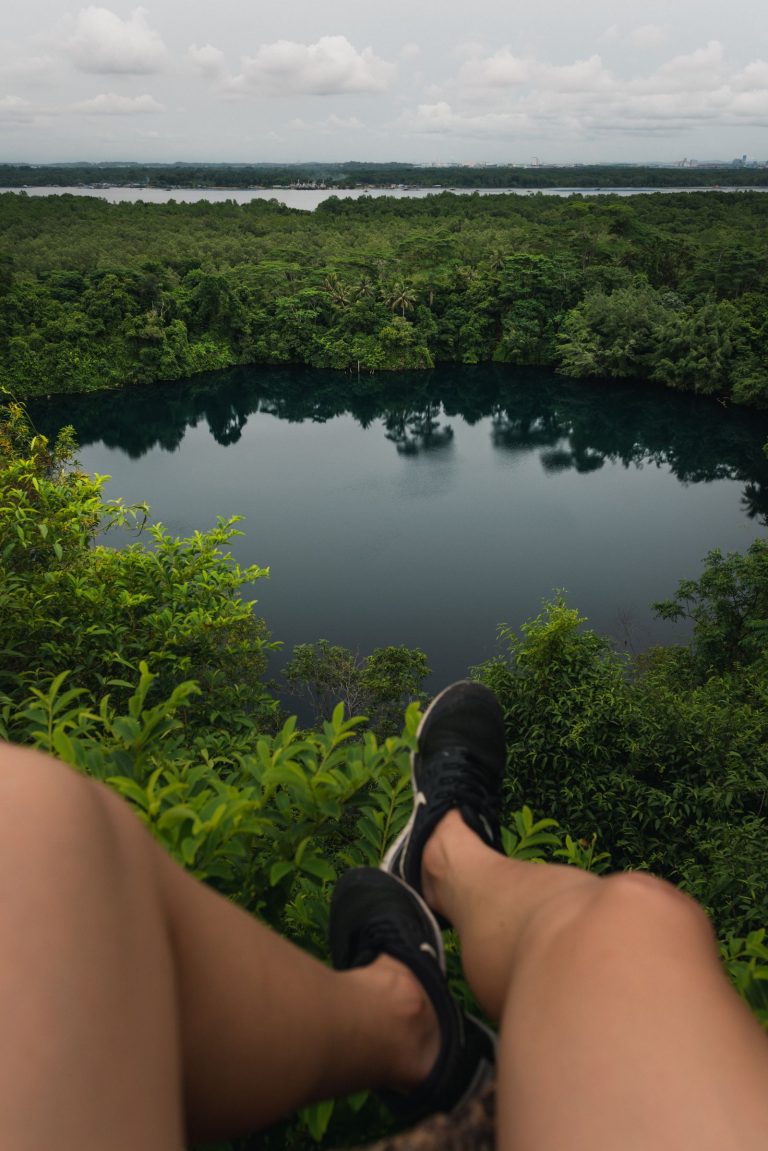
Old kampong villages, mangroves and cycling trails.
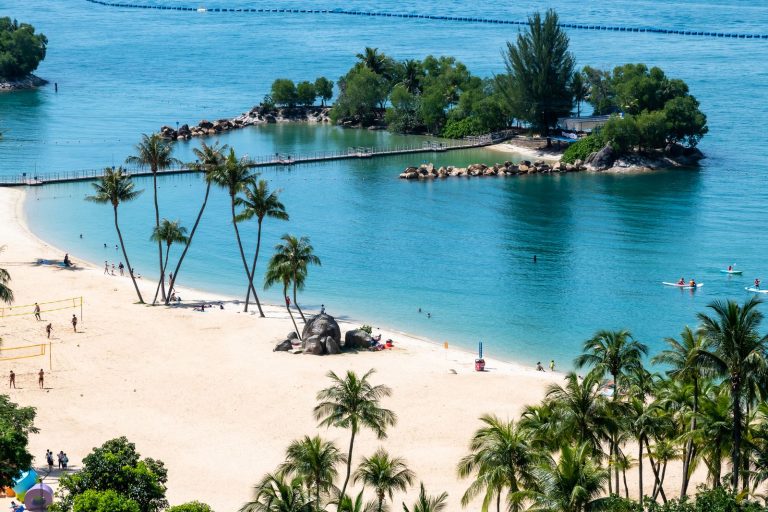
A resort island of beaches, theme parks and attractions.
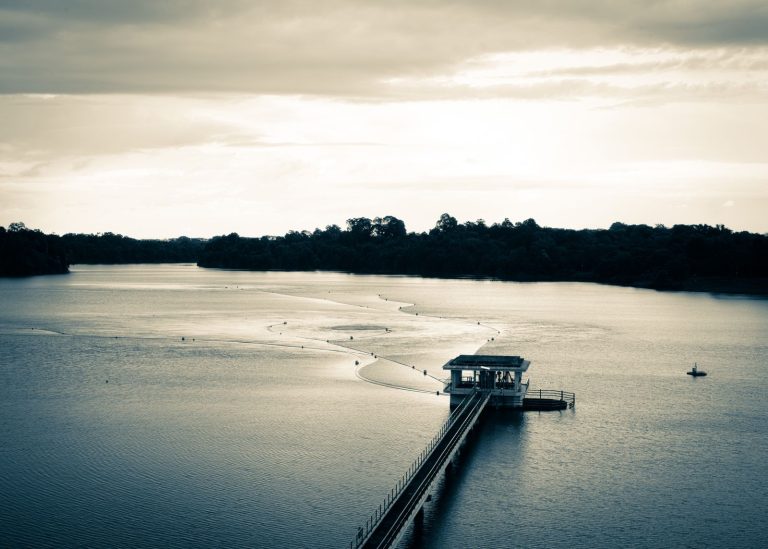
Rainforest trails and a treetop suspension bridge, closed on Mondays.
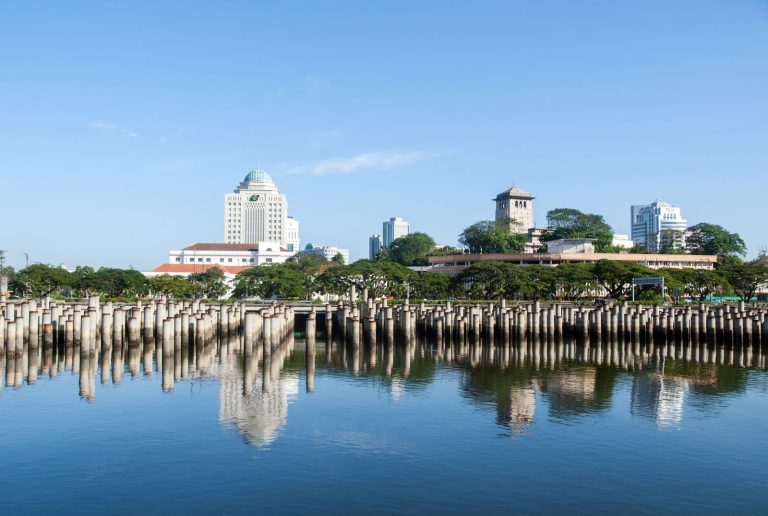
Across the border in Malaysia, cheaper food and shopping. Allow time for the queues.
The Formula 1 night race and National Day are the big events.
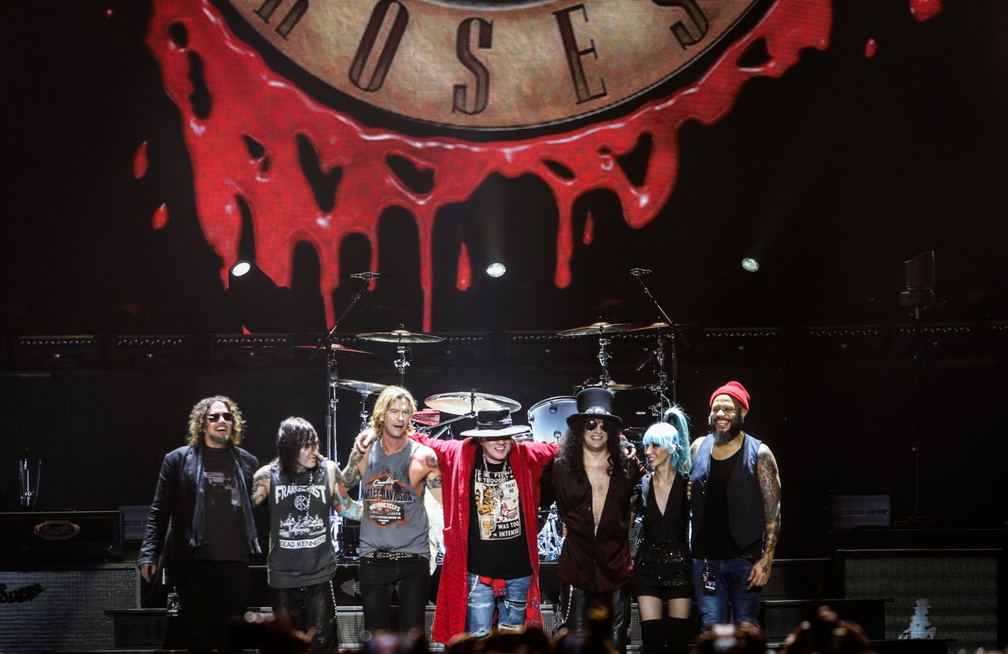 Staff pick
The American hard rock band, Guns N' Roses, reached the top spot on Billboard 200 with its debut album, “Appetite for Destruction,” which sold…
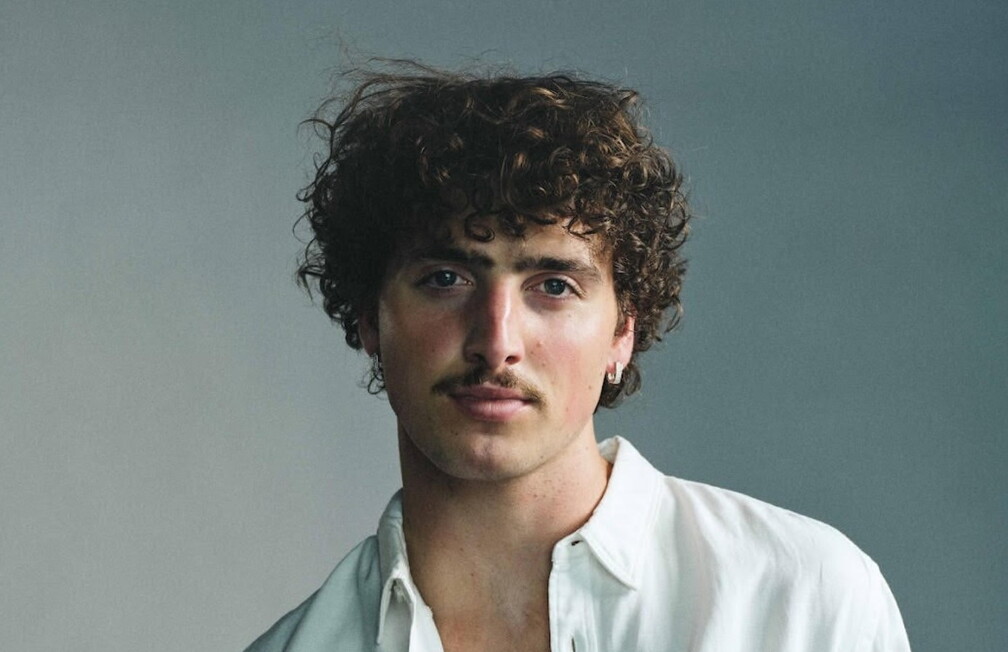 Staff pick
With a voice that could make a ballroom chandelier sway, Benson Boone skyrocketed from TikTok sensation to pop's rising star almost overnight. His soulful…
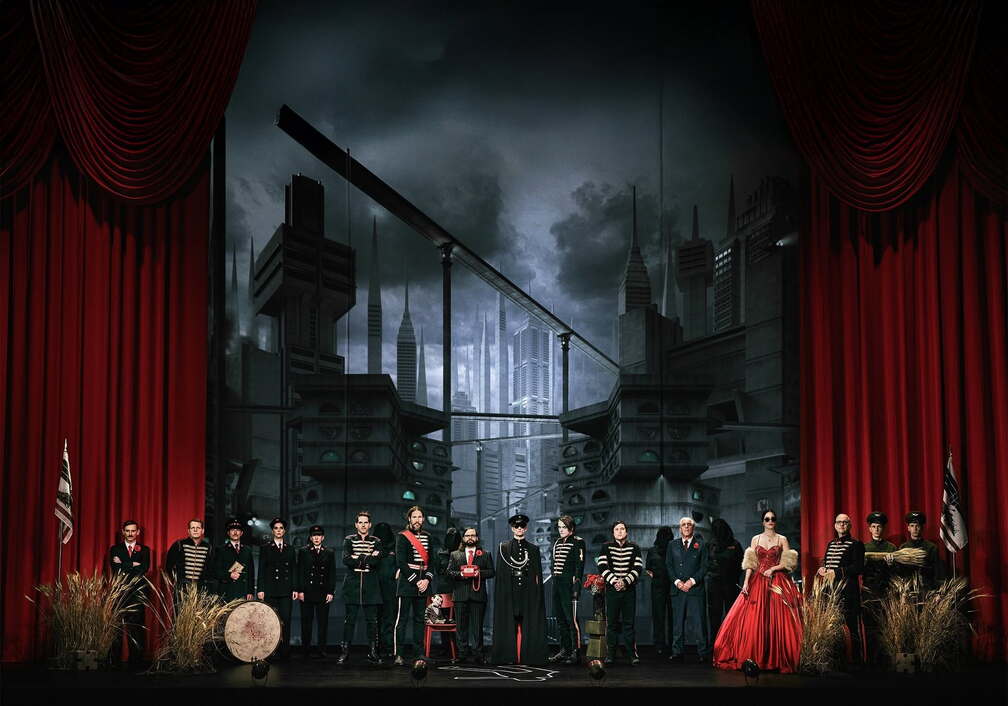 Staff pick
My Chemical Romance is an American rock band known for their theatrical style and emotionally charged songs. They became a defining act of the…
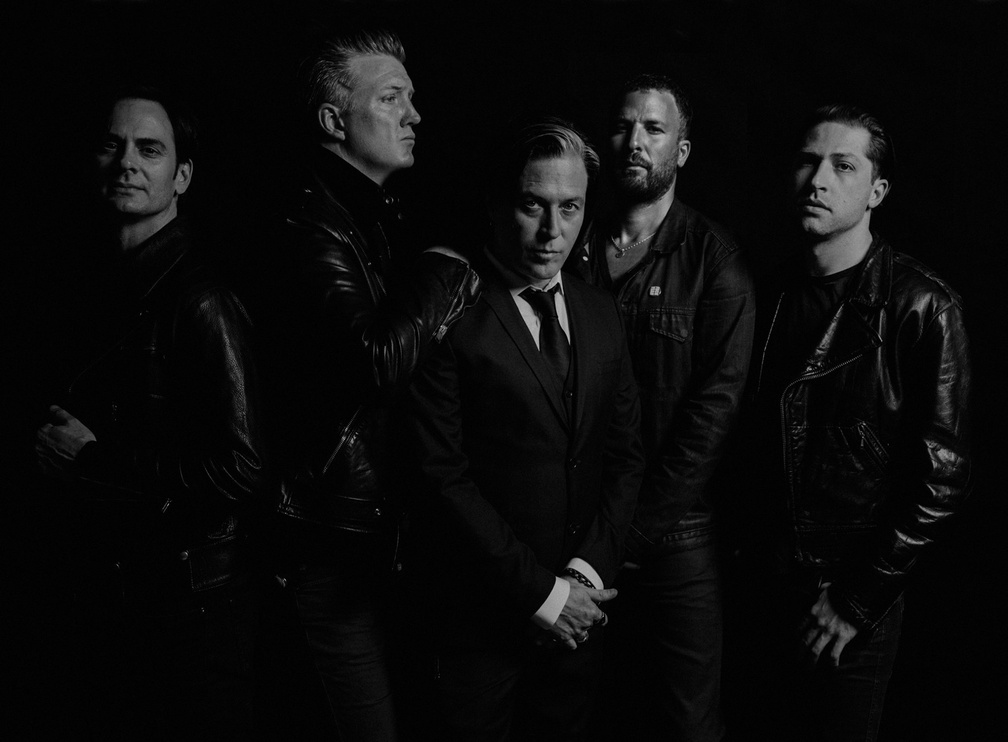 Staff pick
Queens of the Stone Age is an American rock band formed in 1996 by frontman Josh Homme. Hailing from Palm Desert, California, the band…
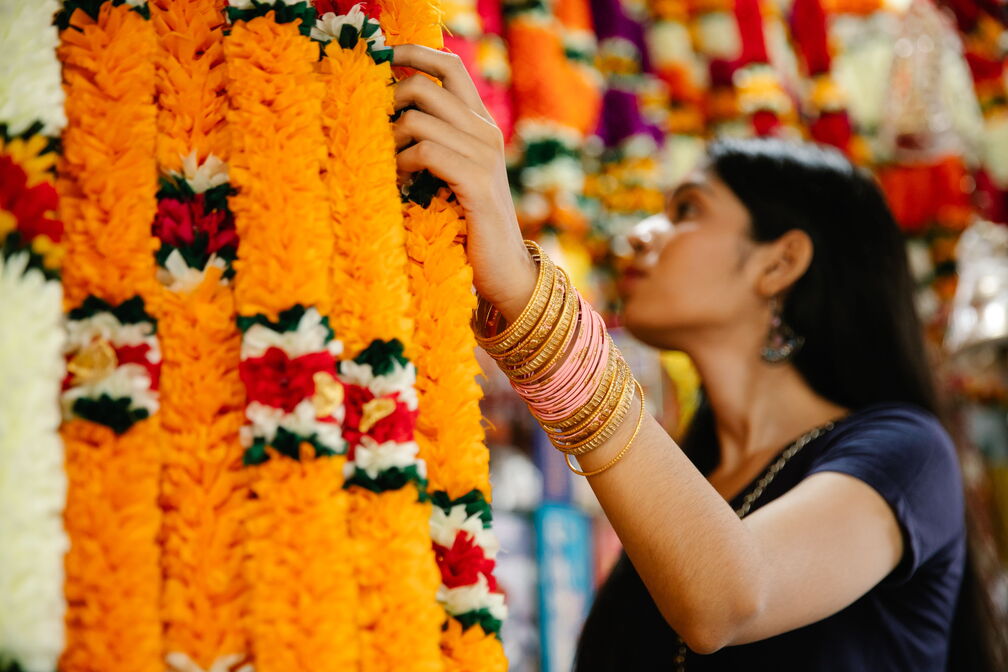
Deepavali is the annual Hindu celebration marking the triumph of light over darkness. In Little India, you can enjoy festive bazaars, street light-ups, cultural…

Rock fans will want to catch Avenged Sevenfold live at the Singapore Indoor Stadium. The band is known for their melodic and intense anthems,…
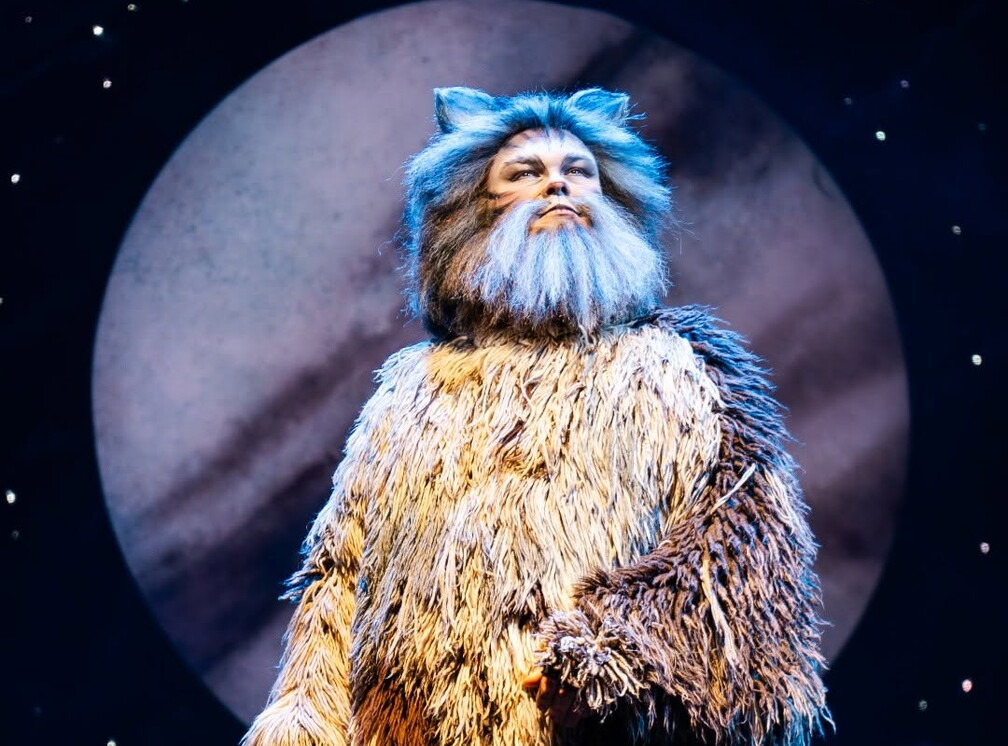
Cats the Musical has captivated audiences worldwide with its blend of music, dance, and storytelling based on T.S. Eliot’s poems. The show features the…
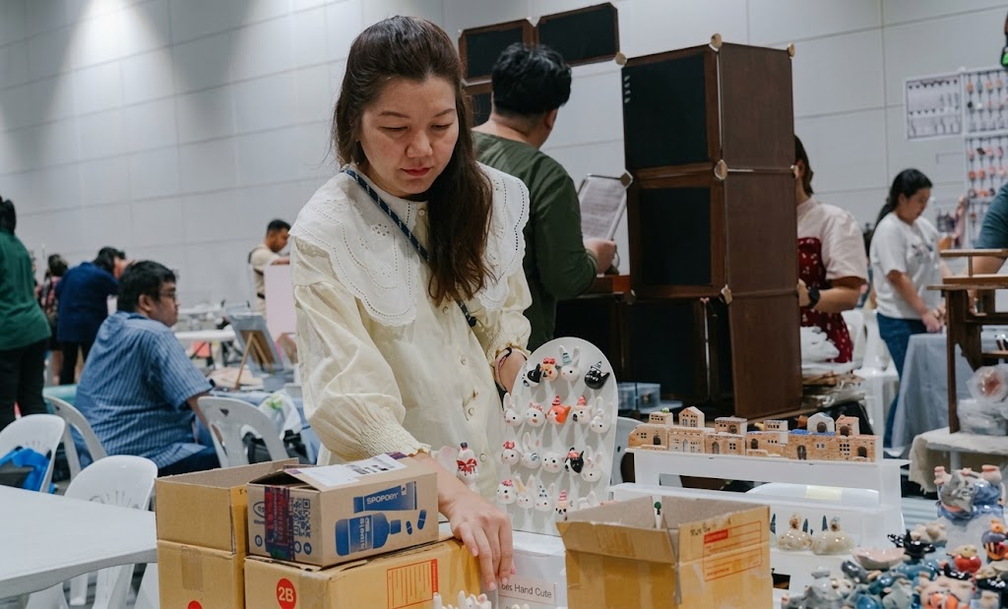
Local artisans, designers, artists, and illustrators gather under one roof to share their work and connect with curious visitors. The festival creates space for…
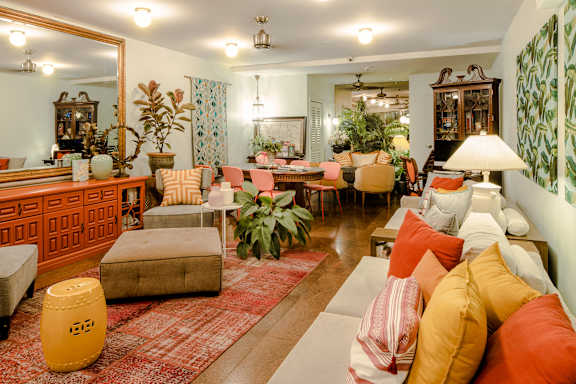
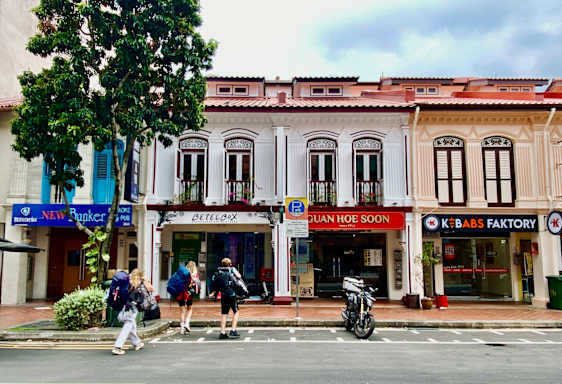
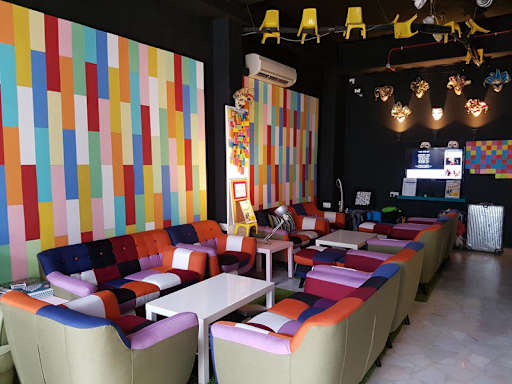
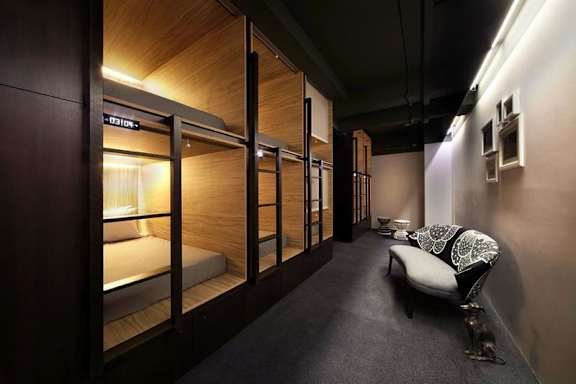
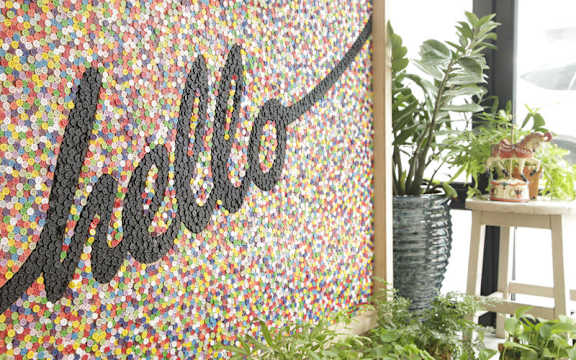
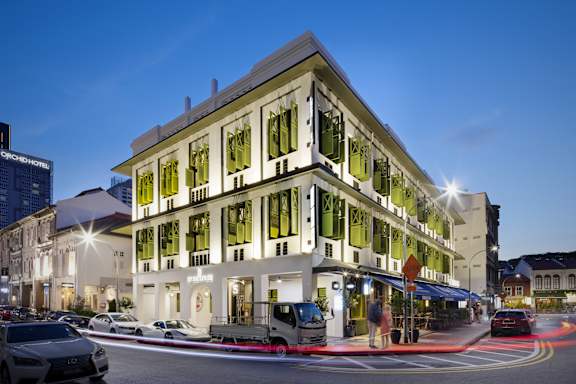
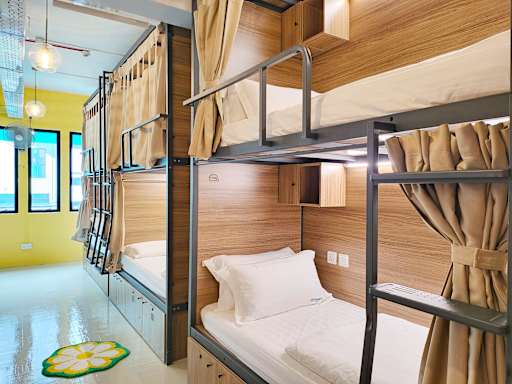
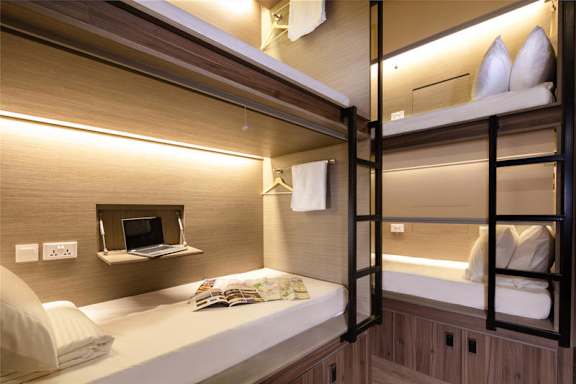
The top-rated places to stay in Singapore right now, live from Hostelworld.
Warm all year. February to April is driest; December and January are wettest.
Average highs. Hot and humid all year, with daily storms.
Pick how you travel. Per person per night, in euros.
Prices are in Singapore dollars locally; these are euro equivalents.
The ones we get asked most.

Compare Singapore hostels — live prices, real reviews and free cancellation on most bookings. Then meet the people already there in the app.

 Get the App.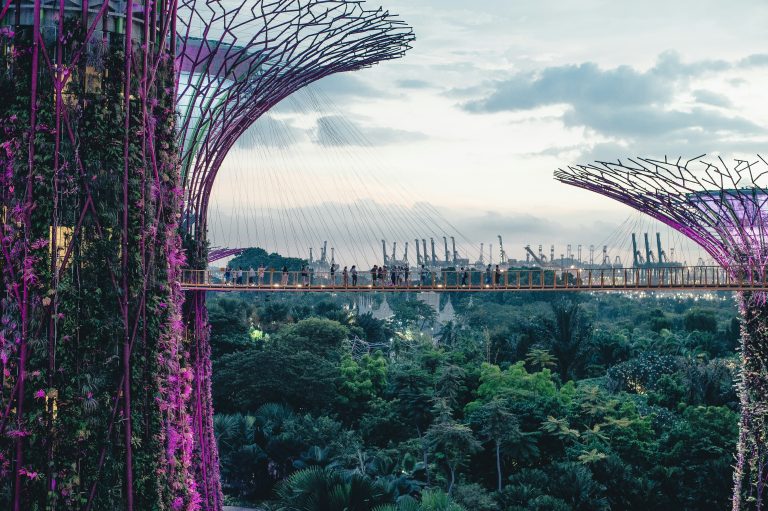



 Get the App.