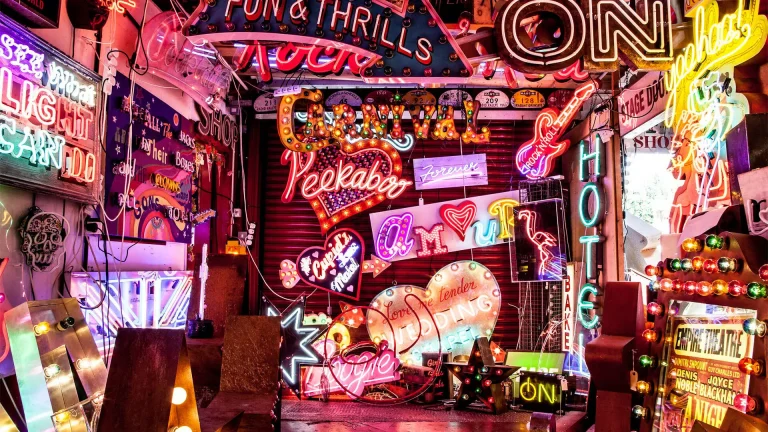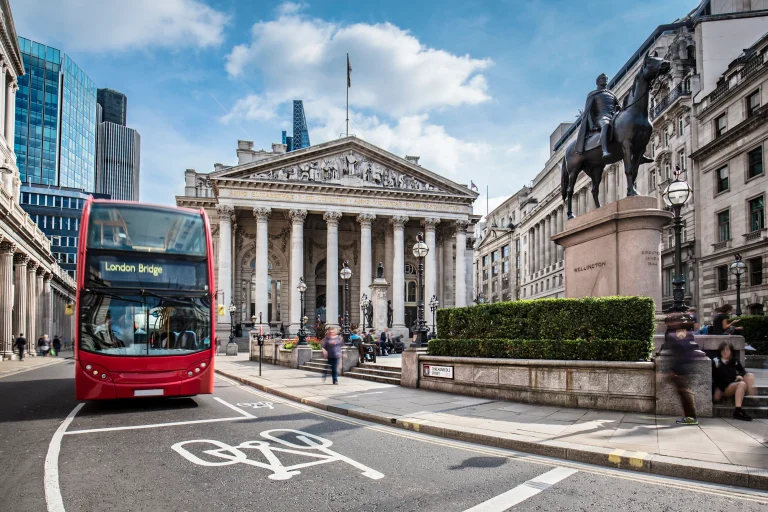
Covent Garden and Soho
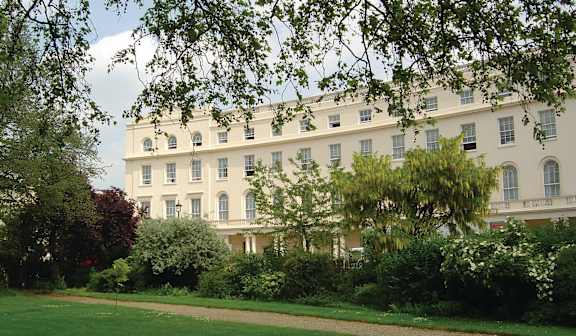
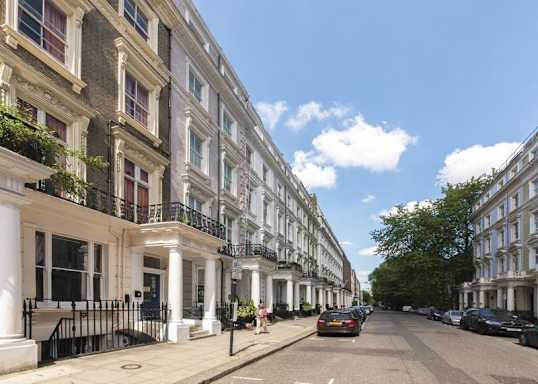
First-timersThe middle of everything: theatres, bars, the National Gallery and Chinatown. Walkable to most of central London and the priciest.

World-class museums that cost nothing, two thousand years of history stacked on top of itself, and the highest prices in the country. The free half is the best half.
London is two thousand years old, thirty-two boroughs wide and impossible to do properly. The useful approach is to pick two or three areas and walk them rather than sprint between landmarks on the Tube.
The single best thing about it for anyone on a budget is that the national museums are free — the British Museum, the National Gallery, Tate Modern, the V&A, the Natural History Museum and the Science Museum all charge nothing, permanently, for their collections.
The rest is expensive. A pint is £5.50 to £7.50, a dorm £25 to £50, and a Zone 1–2 day of travel about £8.90 capped.
Four days minimum, and you will still leave with a list. It is a walking city disguised as a transport one — central London is far smaller than the Tube map suggests.
Central London is smaller than it looks. Anywhere in Zones 1–2 puts you twenty minutes from everything.
The middle of everything: theatres, bars, the National Gallery and Chinatown. Walkable to most of central London and the priciest.
Around the British Museum: garden squares, university buildings, and a calm base ten minutes from the West End.
East: street art, Brick Lane curry houses, Columbia Road flowers on Sundays and the best bars in the city.
West, beside Hyde Park, with cheaper beds, good transport and a short walk into Notting Hill.
South of the river: Tate Modern, the Southbank Centre, Borough Market and a riverside walk into the City.
Orange labels are neighbourhoods, dots are the 12 top-rated hostels. Map © MapTiler © OpenStreetMap contributors.
Do the free museums properly rather than all of them badly. The British Museum needs two hours minimum and rewards picking three rooms. Tate Modern is in a converted power station on the river. The V&A is the one Londoners send people to.
Walk the South Bank from Westminster to Tower Bridge — it takes about ninety minutes past the London Eye, the Southbank Centre, Tate Modern, the Globe and Borough Market, and it costs nothing.
The parks are enormous and free: Hyde Park, Regent's Park, Hampstead Heath for the view from Parliament Hill and the swimming ponds.
For paid things, pick carefully. The Tower of London at about £35 is worth it for the Norman keep and the ravens; the London Eye at similar money is not, and the view from the Sky Garden is free with a booking.
The national museums and galleries are free, permanently, and that is the single biggest saving available to any visitor.
The parks are free and huge — Hyde Park, Regent's Park, Greenwich Park for the view, Hampstead Heath for the ponds.
Markets cost nothing to walk: Borough for food, Columbia Road for flowers on Sundays, Portobello on Saturdays, Brick Lane on Sundays.
The Changing of the Guard, the Sky Garden with a booking, the Barbican conservatory on open days, and Greenwich's Prime Meridian line outside the observatory are all free.
Watching a rehearsal or wandering the foyers at the Southbank Centre and the National Theatre costs nothing, and both have free live music most evenings.
London's real strength is the range rather than the British food. Brick Lane for Bangladeshi, Southall for Punjabi, Peckham for Nigerian, Chinatown for Cantonese — and all of it cheaper than the restaurants in the middle.
A pub main is £14 to £20 and a Sunday roast about the same, which is the one traditional meal worth building a day around.
Markets do lunch well: Borough is expensive and excellent, Maltby Street and Broadway cheaper, and a plate at any of them is £8 to £14.
A pint is £5.50 to £7.50 in most places and over £8 in the centre. Wetherspoons undercuts everyone by a distance if you care more about the price than the room.
Tap water is free in any pub, by law, and asking for it is normal.
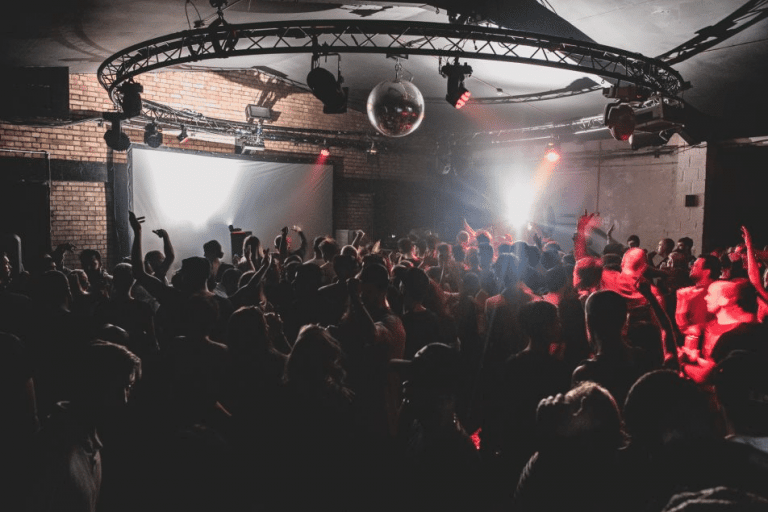
Shoreditch and Dalston in the east have the bars and clubs, Soho has the theatre crowd and the gay scene around Old Compton Street, and Peckham has the rooftops.
Pubs shut earlier than visitors expect — many at 11pm, most by midnight — so the pattern is pub first, then a bar or club from eleven.
Clubs run to three or six depending on the licence. Fabric, Printworks-era venues and the Dalston basements are the names people travel for.
A pint is £5.50 to £7.50 and cocktails £12 to £16.
The Night Tube runs Friday and Saturday on several lines, which changes what is possible — otherwise the night buses run all night and cost a normal fare.
Use a contactless bank card or phone and tap in and out. There is no need to buy an Oyster card, and contactless has the same daily cap — about £8.90 in Zones 1–2. Do not use the same card for two people; it will not cap correctly.
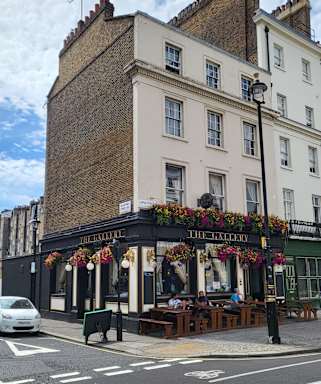
Buses are a flat £1.75 with a Hopper fare letting you change free within an hour, and they are the cheapest way to move.
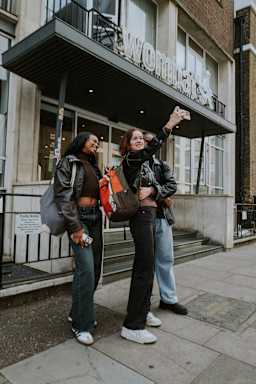
Walk more than you think. Covent Garden to Leicester Square is 260 metres and the Tube between them is a joke Londoners make about tourists.
From Heathrow, the Piccadilly line takes about 50 minutes for roughly £5.60 off-peak against £25 for the Heathrow Express. Gatwick is 30 minutes by train.
Cycle hire and Lime bikes are widespread, and the city is flatter than it looks.
Expensive, with an unusually good free tier. Dorms are £25 to £50, a pub main £14 to £20, a pint £5.50 to £7.50, and a day of travel capped around £8.90.
A day is £70 to £120.
The savings are real and specific: the free national museums, the parks, walking instead of the Tube, eating in Peckham or Brick Lane rather than the West End, and theatre day seats — most West End theatres release cheap seats on the morning of the show, and the National Theatre and the Globe have £5 to £25 tickets.
Book trains weeks ahead. The same journey can be £20 or £90 depending on when you buy.
London is broadly safe for a city its size, with pickpocketing and phone snatching the crimes that actually affect visitors.
Phone theft from mopeds and bikes is common in the West End, Soho and around Oxford Street — do not stand at the kerb with a phone in your hand, which is exactly how it happens.
Pickpocketing is routine on the Tube, at Oxford Circus and in the Camden and Borough crowds.
Only use black cabs or a licensed app. Unlicensed minicabs touting outside clubs are illegal and unsafe.
Traffic comes from the right, which catches out visitors constantly — the pavement markings at crossings say which way to look for a reason. Emergency number is 999, or 112.
Four cities and a stone circle, all within two hours by train.

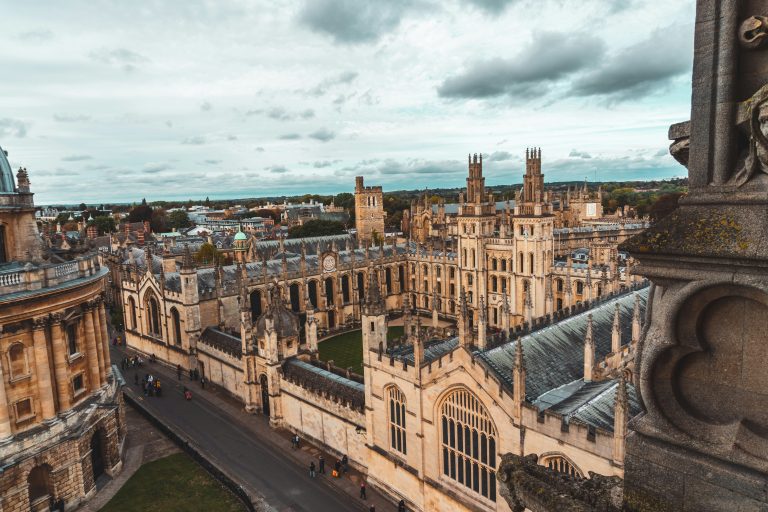
Colleges, the Bodleian, a covered market and the pub where Tolkien and Lewis drank.

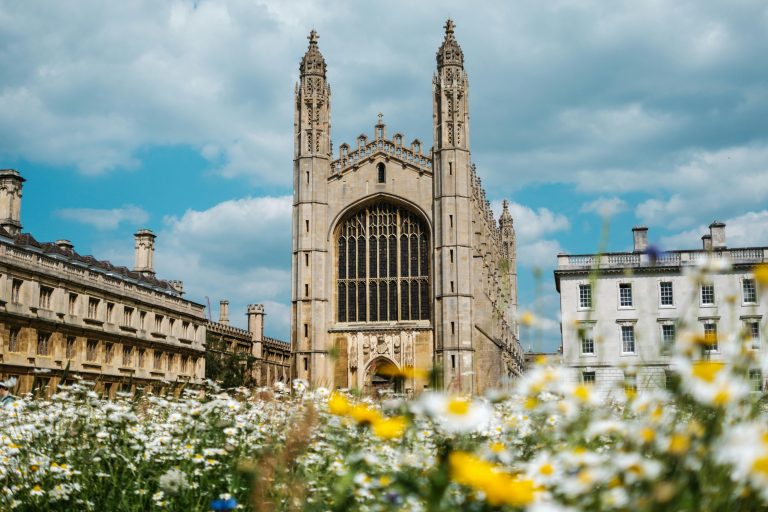
Colleges along the river, punting on the Cam, and free museums including the Fitzwilliam.

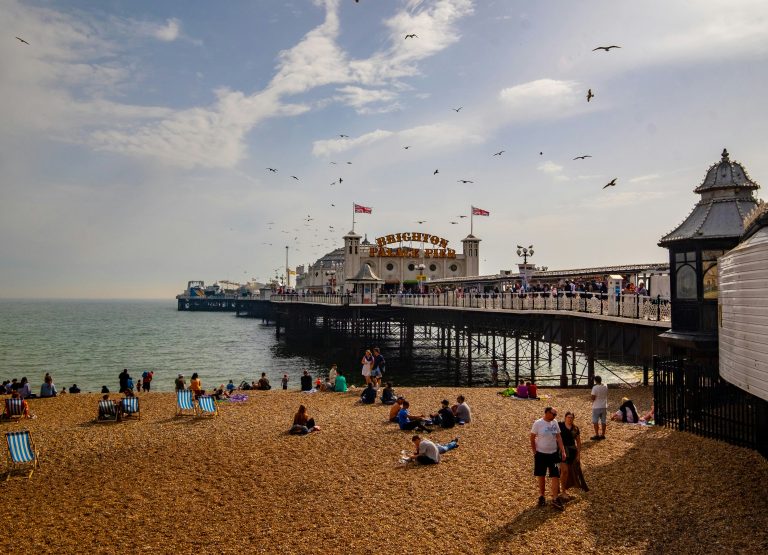
A pebble beach, a pier, the Royal Pavilion and the most eccentric city on the south coast.

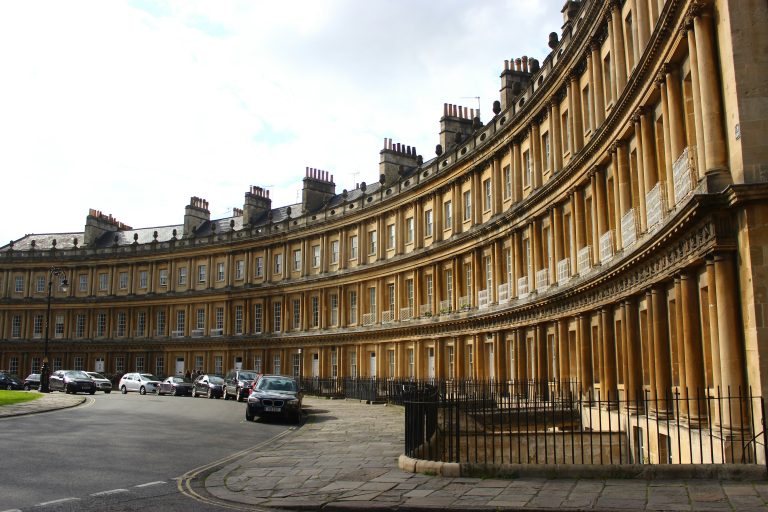
Roman baths and Georgian crescents in a small honey-coloured city.

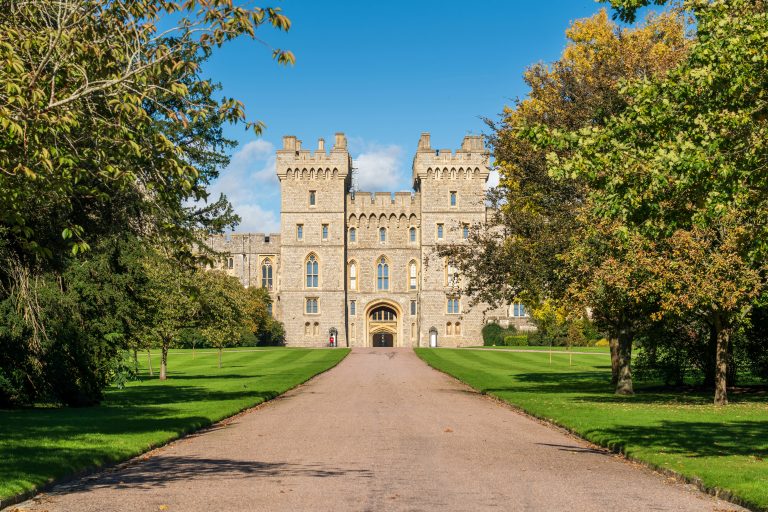
The oldest occupied castle in the world, and Eton across the bridge.
Europe's biggest street carnival takes over Notting Hill in August.
Staff pick
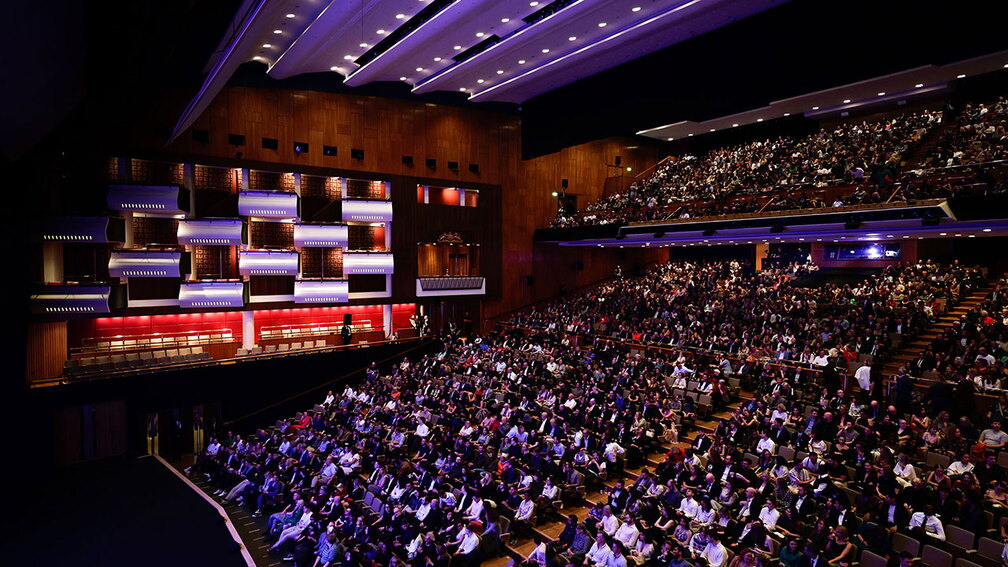
The BFI London Film Festival is a prestigious event showcasing the best in international cinema, attracting over 200,000 film enthusiasts annually. With a diverse…
Staff pick
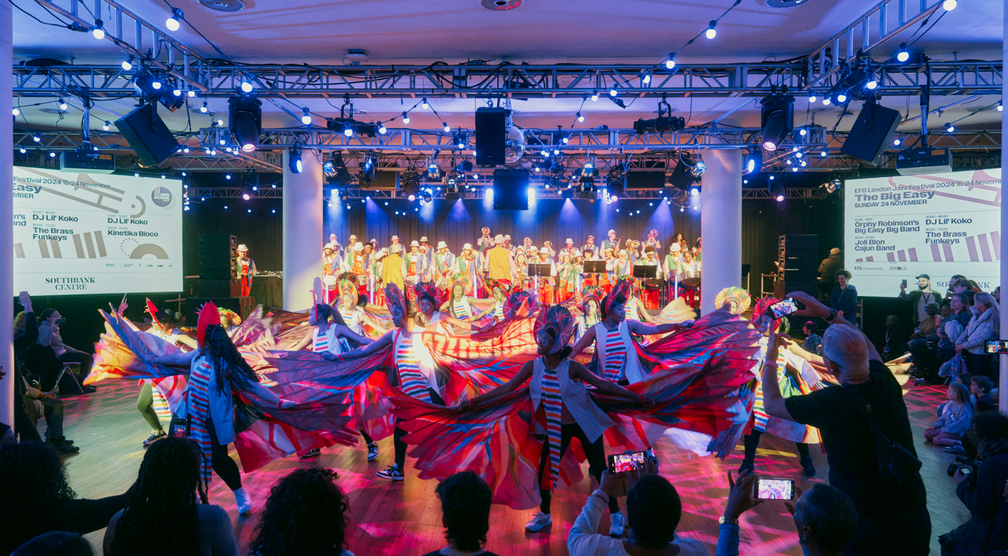
Discover your new favorite artists and tunes during the EFG London Jazz Festival. The festival features artists, composers, ensembles, and living legends of jazz.…
Staff pick
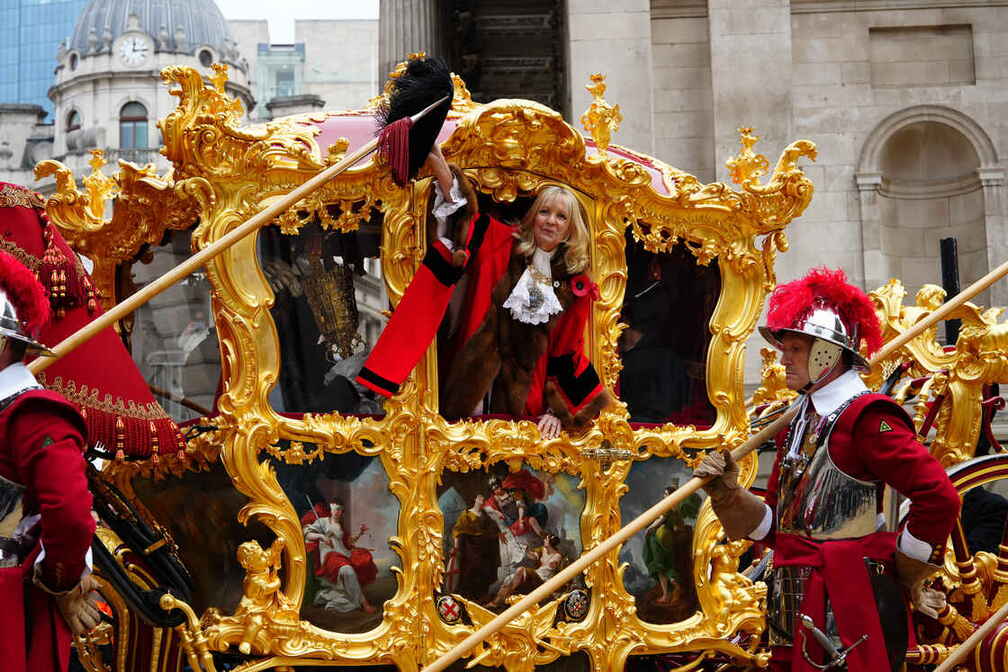
Every November, London's streets fill with a sprawling, joyous procession that has been happening for over 800 years. The Lord Mayor's Show sees thousands…
Staff pick
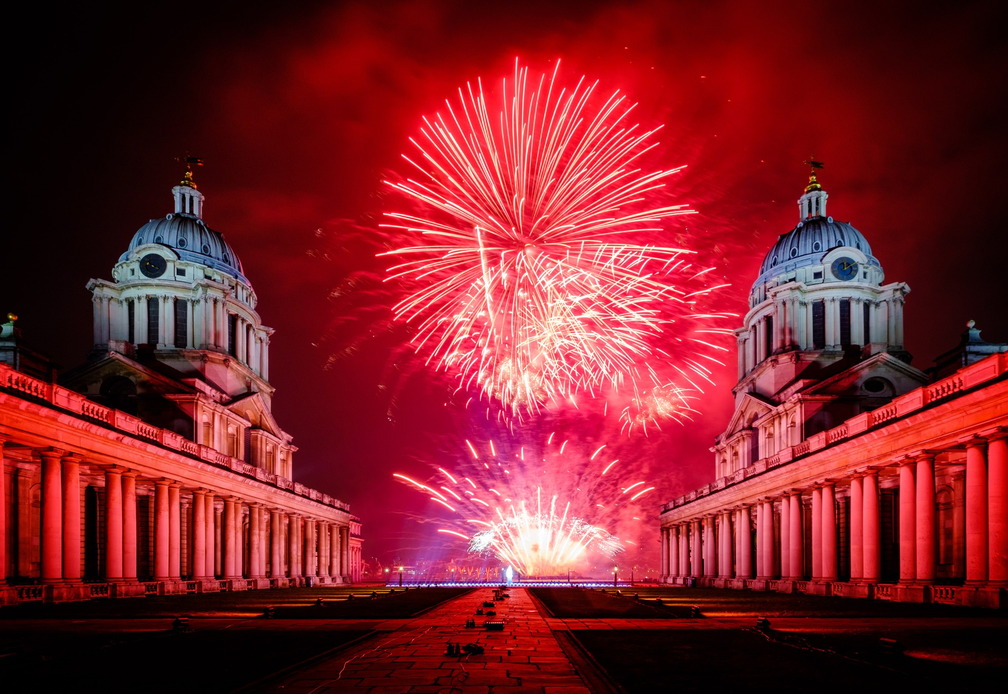
Experience the iconic London New Year's Eve Fireworks, a dazzling spectacle set against the backdrop of the historic River Thames and the city's renowned…
Staff pick
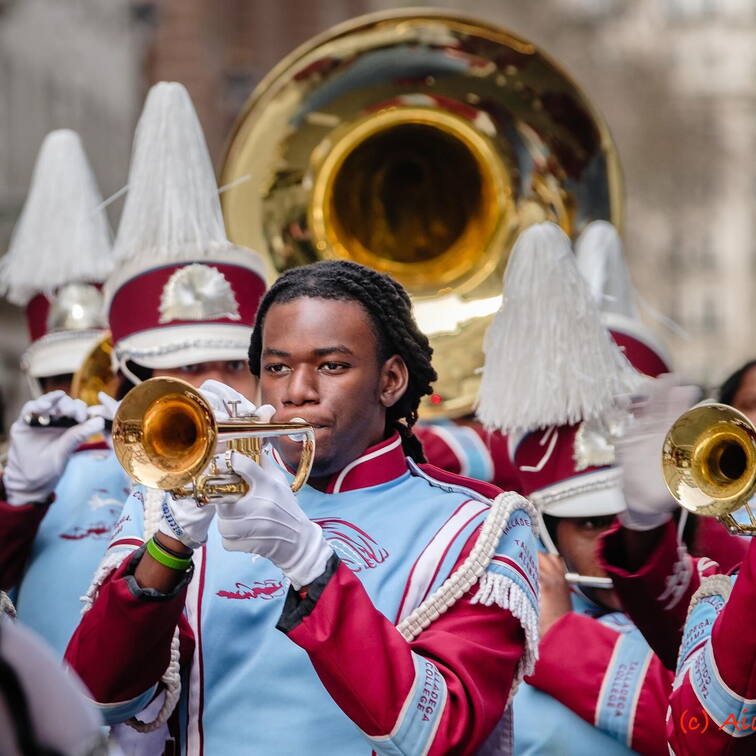
Experience the excitement of the London Parade as thousands of performers from around the world fill the streets of Westminster with music, dance, and…
Staff pick
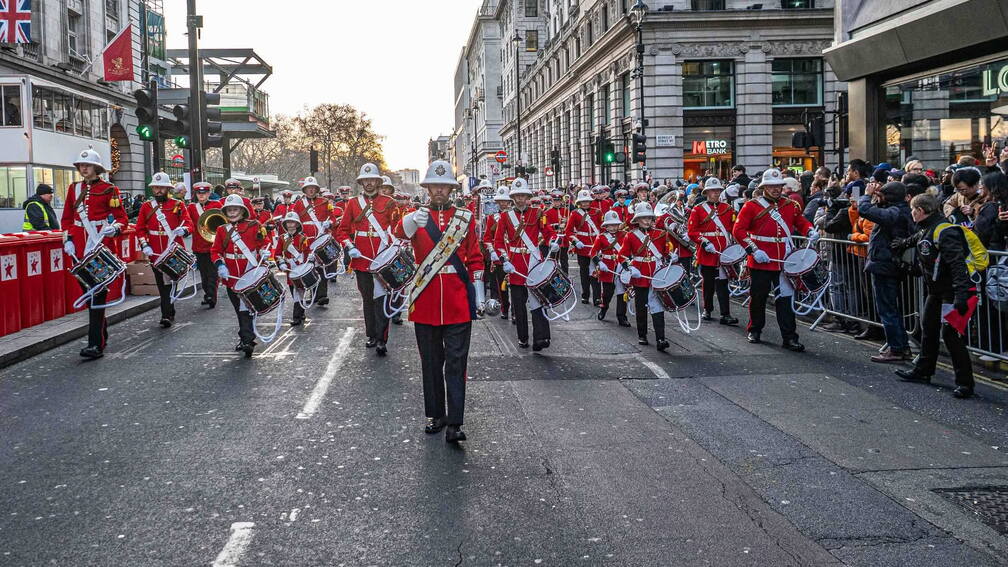
London's New Year's Day Parade ushers in the new year with a spectacular display of color and culture that animates the city's streets. The…
Staff pick
The Bloomsbury Festival in London is a vibrant celebration of arts, culture, and community spirit, attracting over 50,000 attendees annually. This eclectic event offers…
Staff pick
London Restaurant Festival in London, United Kingdom, is a city-wide celebration dedicated to showcasing the dynamic and diverse local dining scene. For over 15…
The largest hostel scene in the country, spread across the centre and the inner east. Live from Hostelworld.
May, June and September. Winter is dark and wet but cheap, and Christmas is genuinely good.
Average highs. London is milder than most of England and it rains a little in most months rather than a lot in a few — an umbrella matters more than the season you pick.
Pick how you travel. Per person per night, in pounds.
Transport assumes the Zone 1–2 daily cap of about £8.90. The free museums are why the doing line can be so low.
The ones we get asked most.
Compare London hostels — live prices, real reviews and free cancellation on most bookings. Then meet the people already there in the app.